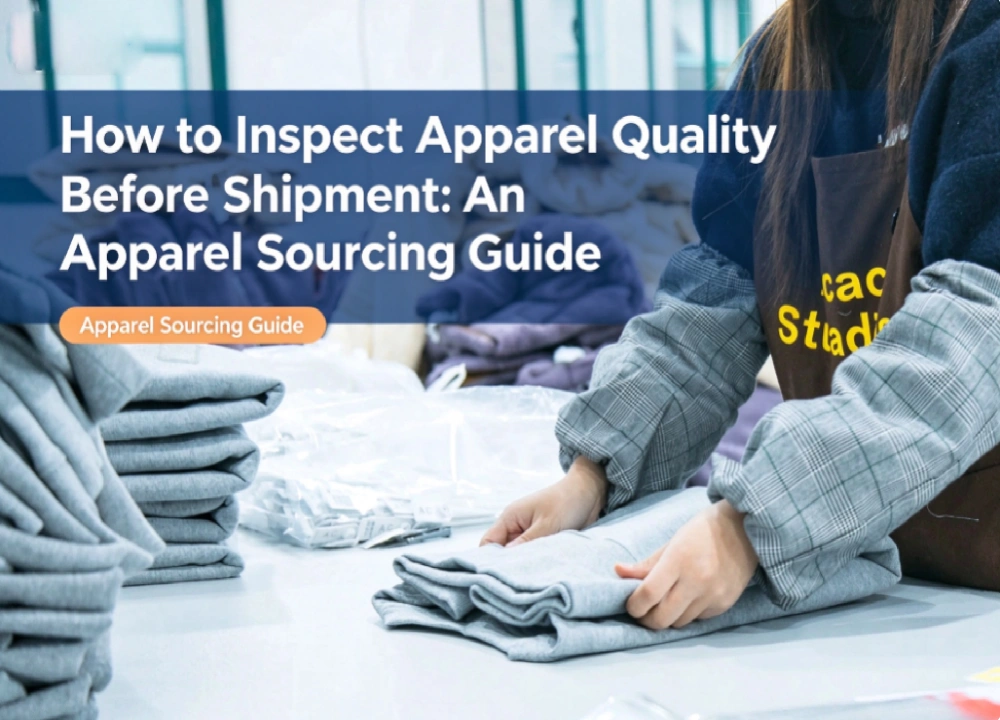
In apparel sourcing, the pre-shipment inspection is the last line of defense. Once the goods leave the factory, your ability to fix problems drops to nearly zero. The container is loaded, the vessel departs, and whatever is inside is what your customers will receive. Garment quality inspection before shipment is not a formality—it is the final gate that protects your brand, your margins, and your customer relationships.
This guide covers how to inspect apparel quality before shipment: what to check, when to check it, what standards to apply, and how to handle defects when they are found. Whether you are sourcing 500 pieces or 50,000, a structured inspection process is the difference between a smooth delivery and a costly recovery in apparel sourcing.
This guide brings together our knowledge and practical experience to help you make informed sourcing decisions. Read our full Leitfaden zur Bekleidungsbeschaffung for the complete end‑to‑end workflow.
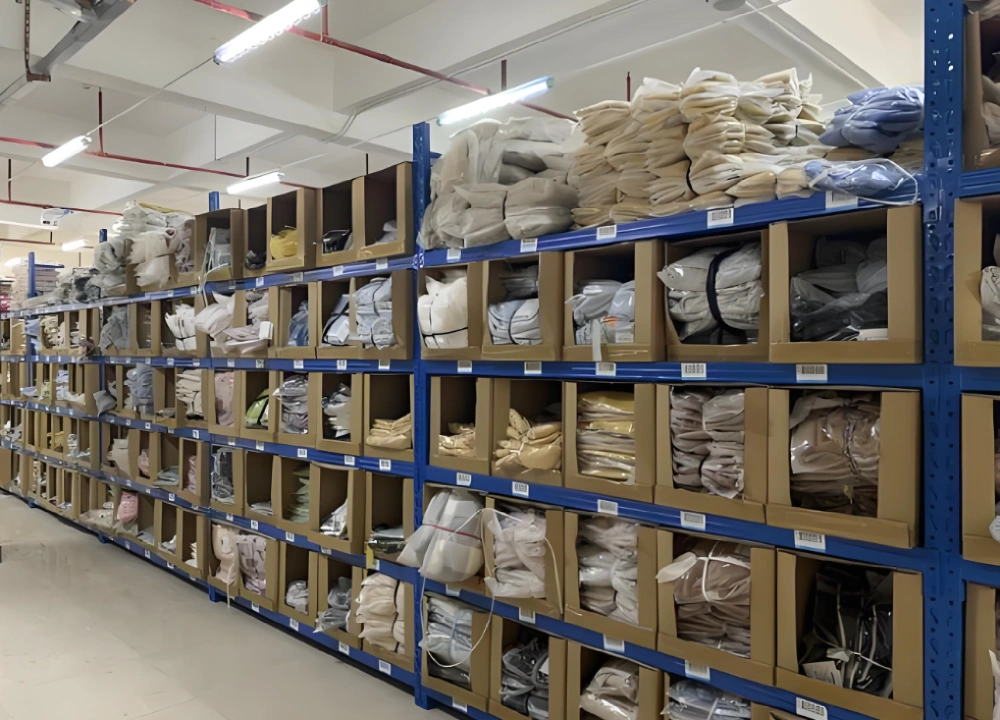
Why Pre-Shipment Inspection Matters
Most quality problems are cheaper to fix at the factory than after the goods arrive. A defect caught before shipment can be repaired, replaced, or reworked while the production line is still running. The same defect caught after arrival requires returns, refunds, markdowns, or a full reorder—and that assumes the customer gives you a second chance.
The Cost of Skipping Inspection
One of our clients, a European brand sourcing knitwear, skipped pre-shipment inspection to save two days. The factory shipped the order. When the goods arrived at the warehouse, the buyer discovered that the sleeve lengths varied by up to 2 cm across different production batches. The factory had used two different sewing lines with different machine settings.
Das Ergebnis: a full sorting operation at the warehouse, a discount negotiation with the retailer, and a rush reorder from a different factory. The two days saved on inspection cost five weeks of recovery time and a significant hit to the brand’s margin.
Der Unterricht: inspection is not a cost. It is insurance for your apparel sourcing project.
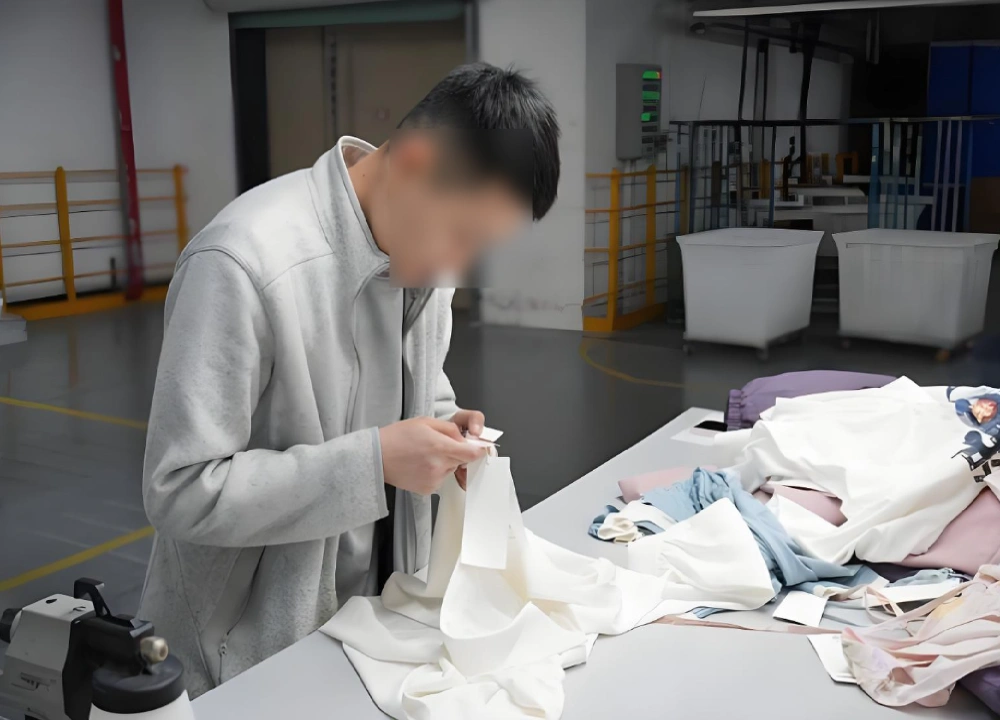
When to Inspect: The Three Checkpoints
Apparel quality control is not a single event. It is a series of checks at different stages of production. For most orders in apparel sourcing, three checkpoints matter most.
| Kontrollpunkt | Timing | Was es fängt |
|---|---|---|
| Inspektion vor der Produktion | Bevor das Schneiden beginnt | Fabric quality, trim availability, color matching, specification alignment |
| During-Production (DUPRO) | At 20–30% completion | Stitching defects, measurement drift, workmanship issues |
| Inspektion vor dem Versand (PSI) | After 100% completion, before packing | Final measurements, labeling, packaging, quantity verification |
Inspektion vor der Produktion
This is where you catch problems before they become expensive. Verify that the fabric matches the approved quality, that the trims are correct, and that the factory has the right specifications. If the fabric fails inspection at this stage, you still have time to source a replacement for your apparel sourcing order.
During-Production (DUPRO) Inspection
DUPRO is the most valuable checkpoint. At 20–30% completion, the production line is running and defects are still fixable. If you find stitching problems, measurement drift, or trim substitution at this stage, the factory can adjust before the full order is completed. This proactive check is widely recommended by experienced apparel sourcing professionals.
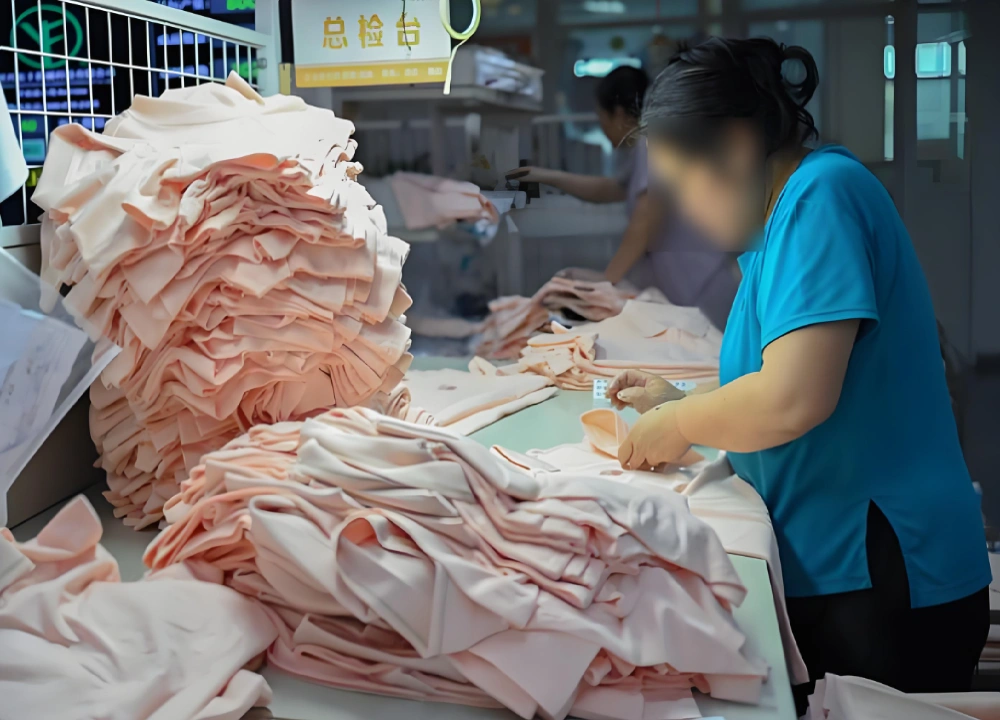
Inspektion vor dem Versand (PSI)
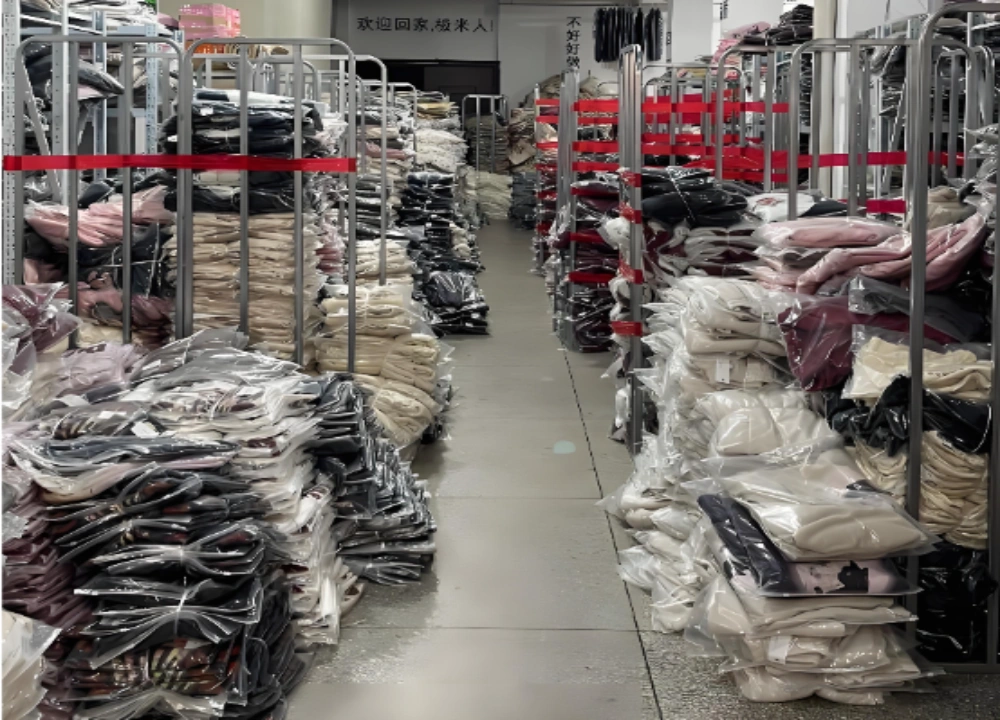
This is the final gate. By the time PSI is conducted, production is complete and the goods are packed or ready for packing. If defects are found at this stage, the options are limited: rework, sort, or reject. But it is still better to find the problem before the container is loaded than after it arrives.
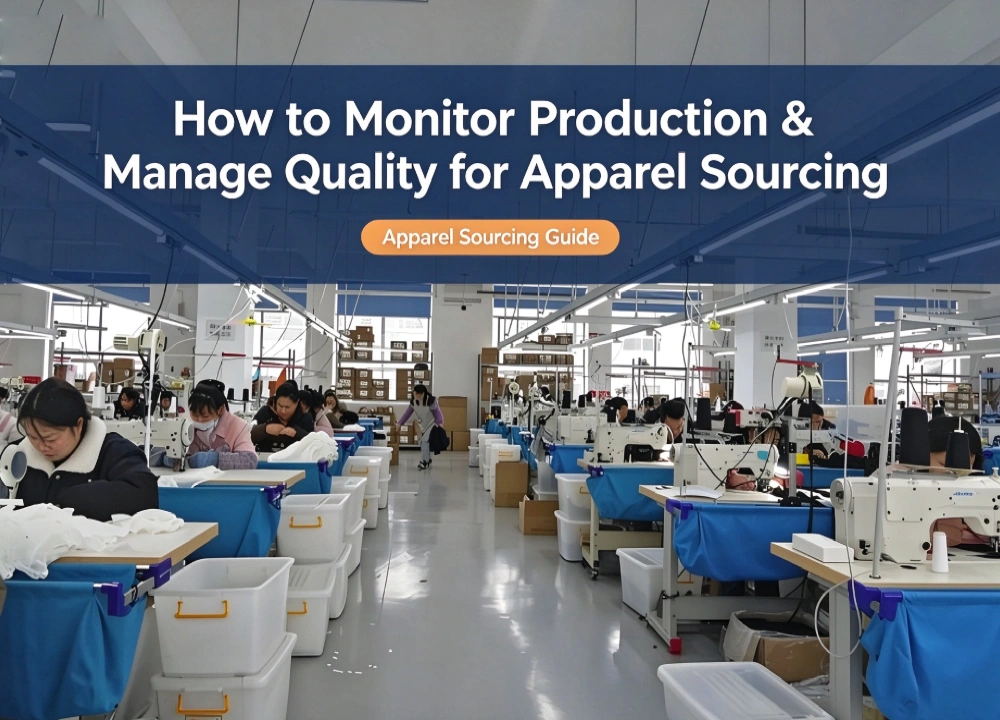
For a deeper look at how production monitoring works alongside inspection, our guide on Wie man die Produktion überwacht und die Qualität bei der Bekleidungsbeschaffung sichert covers the full production cycle.

What to Check: The Apparel Inspection Checklist
A professional apparel inspection checklist covers more than appearance. It covers measurements, construction, materials, labeling, and packaging. The table below summarizes the key checkpoints for apparel sourcing.
| Kategorie | Was zu überprüfen | Häufige Mängel |
|---|---|---|
| Messungen | Compare against spec sheet, check tolerances | Outside tolerance, inconsistent sizing |
| Bauwesen | Stitching, seams, reinforcement, hemming | Skipped stitches, broken threads, seam puckering |
| Materialien | Fabric quality, shade consistency, GSM | Shading variation, fabric defects, wrong composition |
| Zierleisten & Zubehör | Buttons, zippers, labels, tags | Missing buttons, broken zippers, wrong labels |
| Etikettierung und Verpackung | Care labels, size tags, country of origin, polybags | Incorrect labels, missing tags, poor folding |
| Verarbeitung | Overall finish, trimming, pressing | Loose threads, uneven hems, poor pressing |
AQL Standards for Apparel
Most apparel inspections use the AQL (Acceptable Quality Limit) system. For apparel, the standard AQL is typically 2.5 for major defects and 4.0 for minor defects. This means that within a sampled batch, a certain number of defects are acceptable—but beyond that threshold, the batch fails inspection.
The AQL standard is defined by ISO 2859-1. It determines how many pieces to inspect based on batch size, and how many defects are allowed. For example, a batch of 3,200 pieces may require a sample of 200 pieces. If more than 10 major defects are found, the batch fails.
Garment Defects: What to Look For
Garment defects fall into two categories:
Major defects affect appearance, function, or safety:
- Holes, tears, or broken stitches
- Shading differences visible to the eye
- Measurement deviations beyond tolerance
- Wrong labels or missing country of origin
- Kaputte oder fehlende Knöpfe, Reißverschlüsse oder Druckknöpfe
Minor defects are cosmetic and may not affect function:
- Loose threads that can be trimmed
- Slight pressing marks
- Minor measurement deviations within tolerance
A qualified inspector will classify defects and apply the AQL standard to determine pass or fail for your apparel sourcing order.
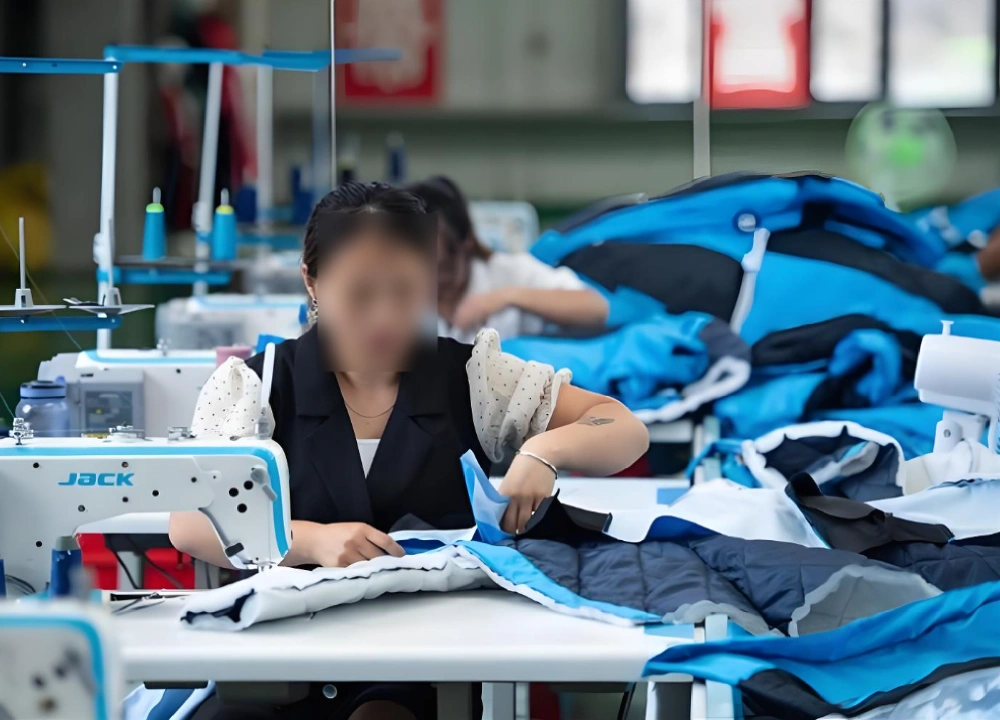
How to Conduct an Inspection: Practical Steps
In apparel sourcing, following a standardized inspection workflow ensures consistent results for every garment order.
Step 1: Prepare the Inspection Plan
Before the inspection, prepare a checklist based on your tech pack and specifications. Include:
- Measurement table with tolerances
- Stoff- und Besatzspezifikationen
- Kennzeichnungs- und Verpackungsanforderungen
- AQL level and sampling plan
Step 2: Check Quantity and Carton Marking
Verify that the quantity matches the order and that carton markings are correct. Check shipping marks, carton dimensions, and weight.
Step 3: Select Samples Randomly
Use the AQL sampling plan to determine how many pieces to pull. Samples should be pulled from different cartons, not from a single box.
Step 4: Inspect Measurements
Measure each sample against the spec sheet. Record deviations. Check key measurement points: chest, waist, length, sleeve length, shoulder width.
Step 5: Check Construction and Workmanship
Inspect stitching, seams, hems, and reinforcement. Look for skipped stitches, broken threads, seam puckering, and uneven hemming. Check that buttons, zippers, and snaps function properly.
Step 6: Verify Labeling and Packaging
Check care labels, size tags, country of origin, and fiber content. Verify that packaging matches your requirements—polybags, hang tags, folding method.
Schritt 7: Dokumentieren Sie alles
Take photos of defects. Record measurements and defect classifications. Write a clear report with pass/fail recommendations.

A Real Example: What a Good Inspection Looks Like
For a recent order of 5,000 cotton t-shirts, the inspector sampled 200 pieces per AQL 2.5. The inspection found: 3 major defects: two with broken stitches at the shoulder seam, one with a visible shade difference on the front panel 8 minor defects: loose threads, slight measurement deviation within tolerance
The batch passed because major defects were within the AQL limit. But the inspector noted the shade difference and recommended that the factory sort the remaining cartons to remove any units with visible variation. This is what a professional inspection does—it doesn’t just pass or fail; it provides actionable intelligence for apparel sourcing.
Third-Party Inspection: When and Why to Use It
Many buyers use third-party inspection apparel services rather than relying solely on the factory’s own QC. Third-party inspectors are independent—they do not work for the factory, so their findings are not influenced by production pressures.
When to use third-party inspection:
- First order with a new factory
- Hochwertige Aufträge
- Orders with complex construction or strict compliance requirements
- When you cannot be on the ground yourself
What third-party inspectors do:
- Conduct pre-production, DUPRO, and pre-shipment inspections
- Apply AQL standards objectively
- Provide photo documentation and written reports
- Flag defects and recommend corrective actions
At SourcingYuan, we coordinate third-party inspections for our clients and attend inspections on their behalf. Our team is on the ground in Guangzhou and can visit factories in Foshan, Dongguan, and surrounding areas—often on short notice. We have seen factories that pass their own QC but fail a third-party inspection because the standards were not applied consistently.
For a deeper look at supplier verification, our guide on Wie findet man zuverlässige Bekleidungshersteller für die Beschaffung von Bekleidung? covers factory audits and supplier screening.
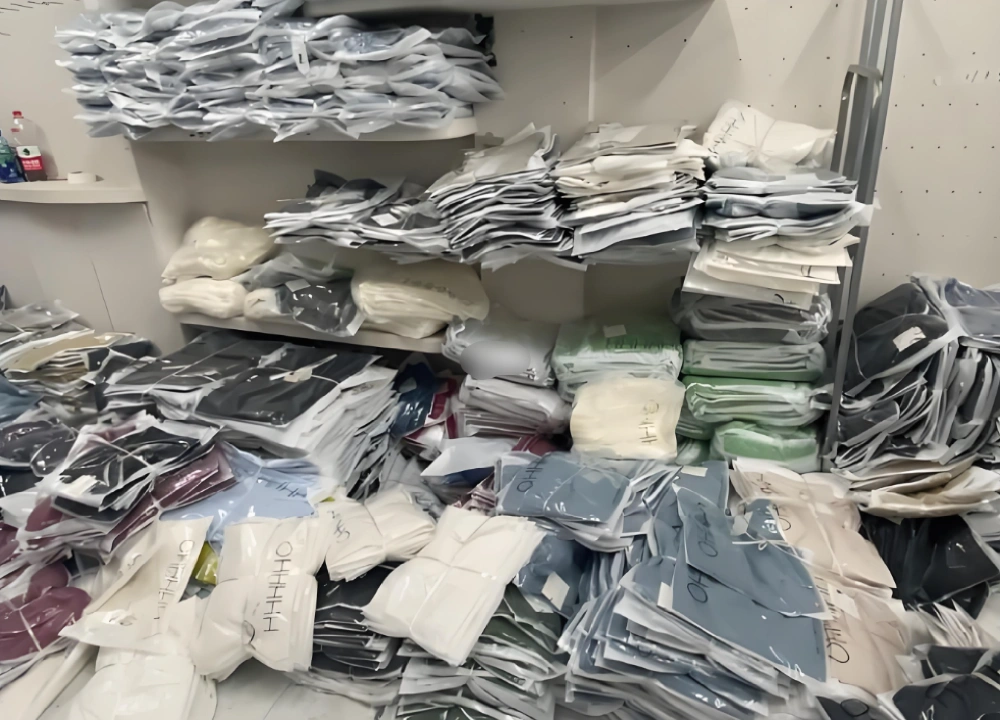
What to Do When Defects Are Found
Not every failed inspection means rejecting the shipment. The response depends on the severity and the stage.
If Major Defects Are Found
- At DUPRO: Stop production, identify the root cause, and agree on corrective action. Reinspect after correction.
- At PSI: Sort the batch, remove defective units, and rework or replace them. If the defect rate is too high, consider rejecting the batch.
If Minor Defects Are Found
- Negotiate a discount or require the factory to rework the defective units
- Document the defects and the agreed resolution
- Reinspect after rework before shipment
Die Bedeutung der Dokumentation
Every inspection should generate a written report with photos, measurements, and defect classifications. This report is your evidence if a dispute arises later. At SourcingYuan, we provide detailed inspection reports to our clients—photos, measurements, defect counts, and clear pass/fail recommendations. This documentation protects the buyer and creates accountability with the factory during apparel sourcing.

Fazit
Pre-shipment inspection is the final gate in apparel sourcing. It is not a formality—it is the step that protects your brand from costly defects and returns. Use the three-checkpoint system: pre-production, DUPRO, and PSI. Apply AQL standards. Check measurements, construction, materials, labeling, and packaging. And document everything.
If you need support with inspection or quality control in China, our team at SourcingYuan coordinates third-party inspections and attends factory inspections on behalf of our clients. We are based in Guangzhou and work with apparel buyers year-round—from production monitoring to pre-shipment checks. For buyers who want independent verification without the overhead of managing it themselves, we handle the process end to end.
Über den Autor
Jeff Lee
Gründer von Sourcingyuan
Jeff Lee ist der Gründer von Sourcingyuan, einem in China ansässigen Unternehmen für Beschaffung und Produktentwicklung. Er verfügt über mehr als zehn Jahre Erfahrung in der Unterstützung ausländischer Unternehmen bei der Produktbeschaffung, der Entwicklung neuer Produkte, der Auswahl zuverlässiger Hersteller, dem Produktionsmanagement und dem Aufbau von Lieferketten in China.
Ähnliche Artikel, die Ihnen gefallen könnten 📚
Looking to build a complete apparel sourcing workflow? These guides cover the full process:
👕 Wie man die Produktion überwacht und die Qualität bei der Bekleidungsbeschaffung sichert
🤝 Need inspection support? SourcingYuan helps apparel buyers from our Guangzhou office. Kontaktieren Sie uns, um loszulegen.
Teile diesen Artikel, Wähle Deine Plattform!
Wir bringen Sie mit zuverlässigen Fabriken in Kontakt, holen die besten Angebote ein und liefern direkt an Ihre Haustür.