As the world’s second-largest economy with over 1.4 billion consumers, China represents a tantalizing opportunity for any global business. Yet, it is also one of the planet’s most fiercely competitive and rapidly evolving markets. Over the years, we have witnessed numerous international giants—from Amazon and Best Buy to Marks & Spencer—struggle and falter here.
Why do brands that dominate in their home markets often meet their Waterloo in China? The answer rarely lies in product quality. Instead, failure typically stems from fundamental errors in localization and strategy.
This article delves into 15 common pitfalls foreign brands encounter in China, supported by data and insights to help you navigate this complex landscape successfully.
The Core Challenge: It’s a Different Game
The most critical mistake is assuming strategies that work globally will automatically succeed in China. This market operates by its own rules, shaped by unique cultural values, consumer behaviors, and a digital ecosystem unlike any other.
1. The “Copy-Paste” Global Strategy Trap
Many brands simply translate global campaigns, leading to messages that fall flat or even offend. Success requires building strategy from the ground up.
Global vs. Local Messaging: While Western ads often emphasize individualism, Chinese consumers resonate with themes of family, social belonging, and “face.”
Visual Language: Minimalist design may not engage; Chinese aesthetics often favor information-rich, colorful, and lively visuals.
Speed: Marketing moves at a blistering pace. Campaigns must adapt in real-time to trends, not follow quarterly plans.
2. Underestimating the Power of a Chinese Name
A great Chinese name is not a luxury; it’s a necessity. A name that is catchy and carries positive meaning is vital for brand recall. Leaving consumers to create their own nickname can be disastrous. The gold standard is a name that sounds like the original and means something good (e.g., Coca-Cola / 可口可乐).

coca cola
3. Misreading the Digital Ecosystem (It’s Not Just WeChat)
Viewing Chinese platforms as mere substitutes for Western ones is a critical error. Super-apps like WeChat are operating systems for life—encompassing social, payment, services, and commerce. Douyin (TikTok) and Xiaohongshu (RED) are powerful search and discovery engines, not just entertainment apps. Understanding each platform’s role is key.
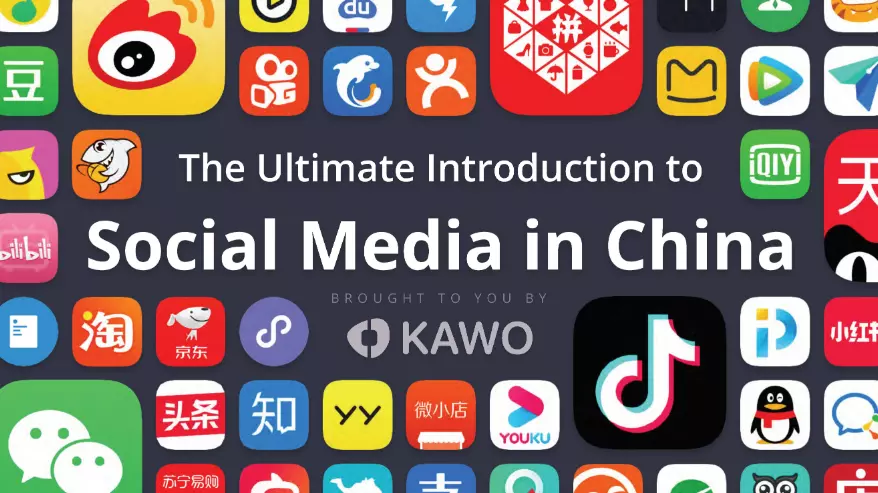
social media in China
4. Overlooking “Guochao” and Local Competitors
The era when “foreign” automatically meant “premium” is over. The rise of “Guochao” (China Chic) reflects growing national pride and the formidable strength of local brands. Chinese competitors are agile, deeply understand local consumers, and offer high value. International brands must shed any sense of superiority and innovate to stay relevant.
5. Failing to Match “China Speed”
The market evolves at an astonishing pace. Decision-making processes common in Western HQs—with layers of approval—are often too slow. To capitalize on trends, local teams need the authority to act within days, not months. Agility in product iteration and marketing response is non-negotiable.
Execution Errors: Where the Ground Game Matters
Even with the right strategy, executional missteps can derail success.
6. A Narrow E-commerce Focus (Beyond Tmall & JD)
While Tmall and JD.com are essential, they are not the whole story. The landscape is fragmenting into “social commerce” and “live-stream shopping.” Platforms like Pinduoduo, Douyin, and Kuaishou reach different consumer segments. Furthermore, building private traffic (direct sales via WeChat groups) is crucial for sustainable growth and lower acquisition costs.
7. Providing Subpar Customer Service
In China, customer service is part of the sales process. Consumers expect to ask detailed questions via live chat before purchasing. A “contact us via email” approach signals detachment. Success requires instant responses (even if automated initially), a friendly tone, and flexible return policies.
8. Not Being Mobile-First
China is a mobile-first society. If your website isn’t optimized for fast mobile loading, with interfaces designed for thumb navigation and integrated local payment options (Alipay/WeChat Pay), you will lose the vast majority of your potential customers. Many brands now operate primarily through WeChat Mini-Programs.
9. Mishandling KOL/KOC Collaborations
Influencer marketing is paramount, but it’s nuanced. Choosing partners based solely on follower count is a mistake. Effective campaigns use a mix of top KOLs for buzz, mid-tier influencers for authentic “grass-planting,” and KOCs (Key Opinion Consumers) for relatable peer reviews. Micromanaging content creation kills authenticity.
10. Applying Western Pricing Logic
Pricing requires local calibration. Chinese consumers display a unique duality: willing to splurge on luxury for status, yet highly price-sensitive for everyday goods. Simple currency conversion fails. Brands must account for local competitors, pervasive promotional festivals (e.g., Singles’ Day), and cultural preferences (e.g., avoiding the number 4).
11. Ignoring Regional Differences
China is not a monolith. Consumption habits in Shanghai and a lower-tier city can be worlds apart. Brands that focus solely on first-tier cities miss the immense potential of the “sinking market.” Tailoring product lines, messaging, and channel strategies to different city tiers is essential.
Foundational Must-Dos: Protecting Your Business
Some errors are not just operational but existential.
12. Not Supporting Local Payment Methods
If your checkout doesn’t offer Alipay and WeChat Pay, you are essentially closed for business. They are the de facto standards for both online and offline transactions.
13. Neglecting Early Intellectual Property Protection
China operates on a “first-to-file” trademark system. Failing to register your brand name, logo, and even potential Chinese translations before market entry can lead to costly legal battles or forced rebranding if squatters claim them first.
14. Disregarding Cultural and Political Sensitivities
This is the fastest route to a public relations disaster. Missteps involving national sovereignty (e.g., maps), cultural stereotypes, or historical references can trigger immediate and severe consumer backlash. Deep local counsel is indispensable for navigating these waters.
15. Lacking Patience and Long-Term Commitment
Success in China rarely happens overnight. It requires sustained investment, a willingness to test and learn, and patience to build brand equity and guanxi (relationships). Brands that pull back after short-term setbacks often quit just before a breakthrough.
Succeeding in China is less about the strength of your global brand and more about your adaptability. It demands humility, local insight, and a commitment to becoming a student of the market.
The brands that thrive are those that move beyond being “foreign” and become meaningfully “local”—embracing China’s speed, digital depth, and cultural nuances. They view the market not as a puzzle to be solved with a global manual, but as a unique ecosystem to be engaged with respect and strategic agility.
Is your brand ready for China? Use this list as a checklist. The journey is challenging, but for those who listen, learn, and localize authentically, the rewards are unparalleled. Strat your sourcing in China!
Share This Story, Choose Your Platform!
We connect you with reliable factories, get the best quotes, deliver straight to your door.