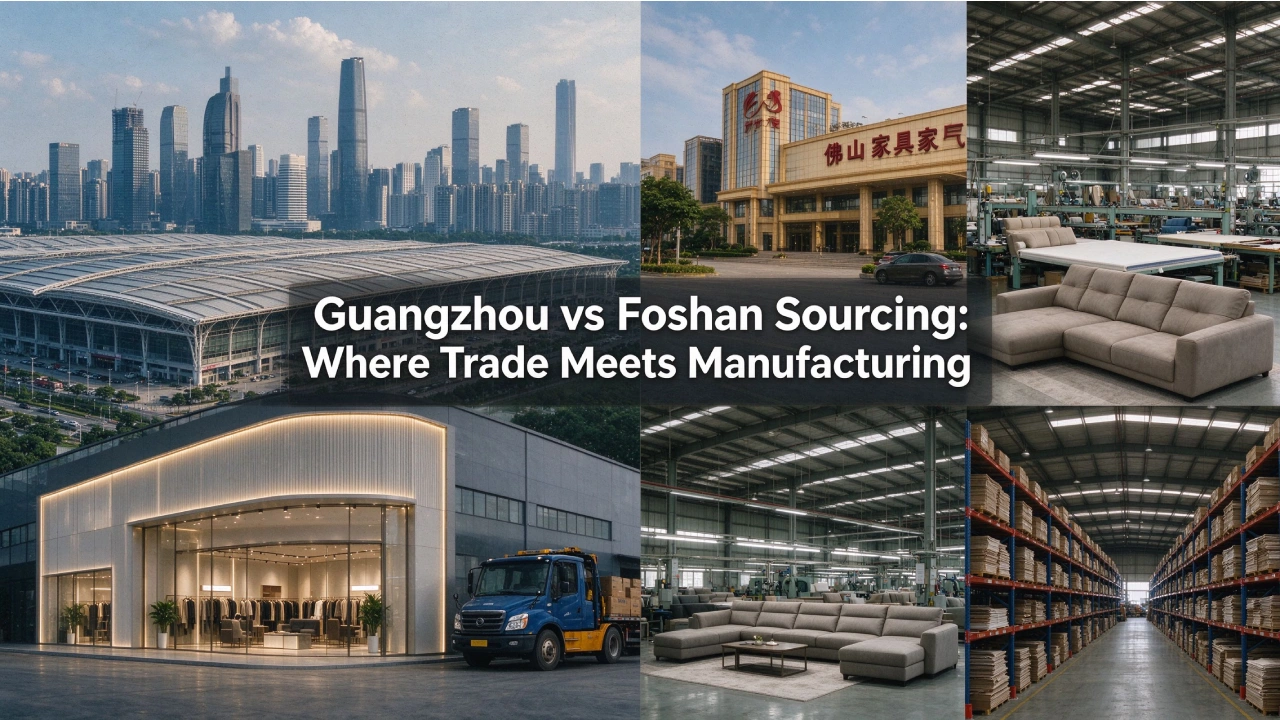
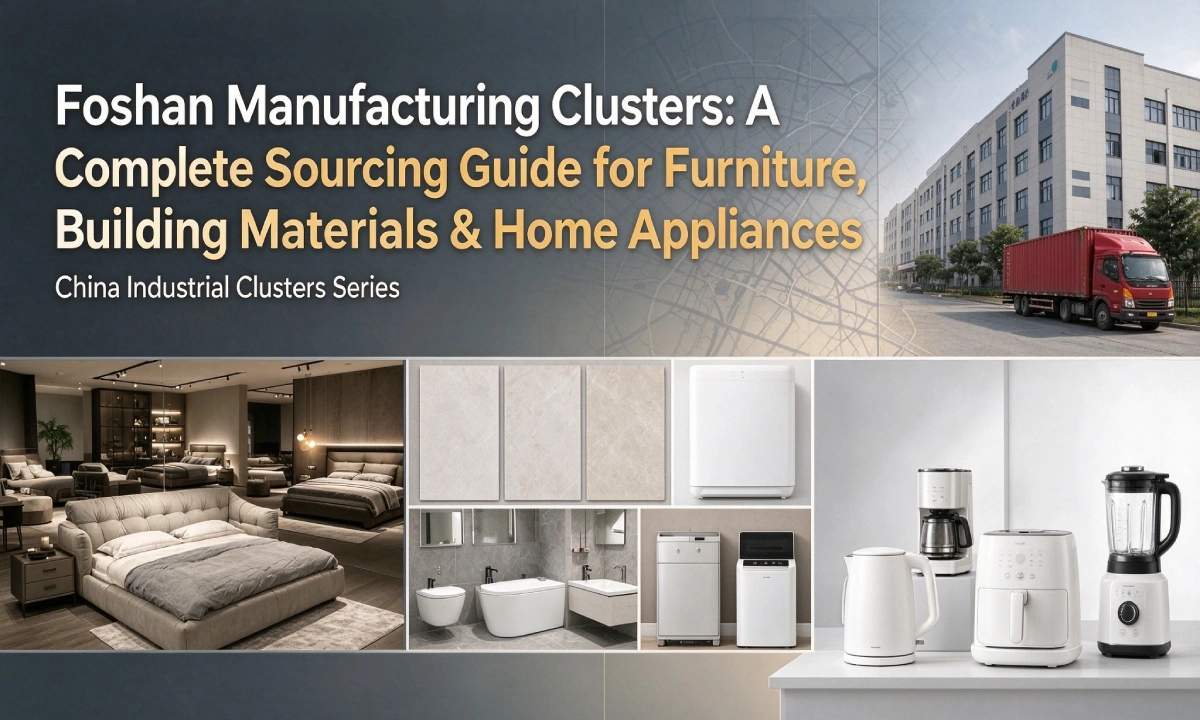
If you are sourcing home products from China, Foshan manufacturing clusters are the supply chain endpoint you cannot ignore. The city produces roughly one-fifth of China’s home appliances, about one-third of its furniture, and accounts for approximately 60% of the country’s ceramic tile exports. The phrase “A home made in Foshan” is not marketing – it reflects a production ecosystem where furniture, tiles, aluminum profiles, and appliances sit within a few towns of each other.
هذا الدليل جزء من مجموعتنا التجمعات الصناعية الصينية series. It breaks down the major hubs inside Foshan manufacturing clusters, what each produces, and how buyers should navigate them.
The Geographic Logic of Foshan Manufacturing Clusters
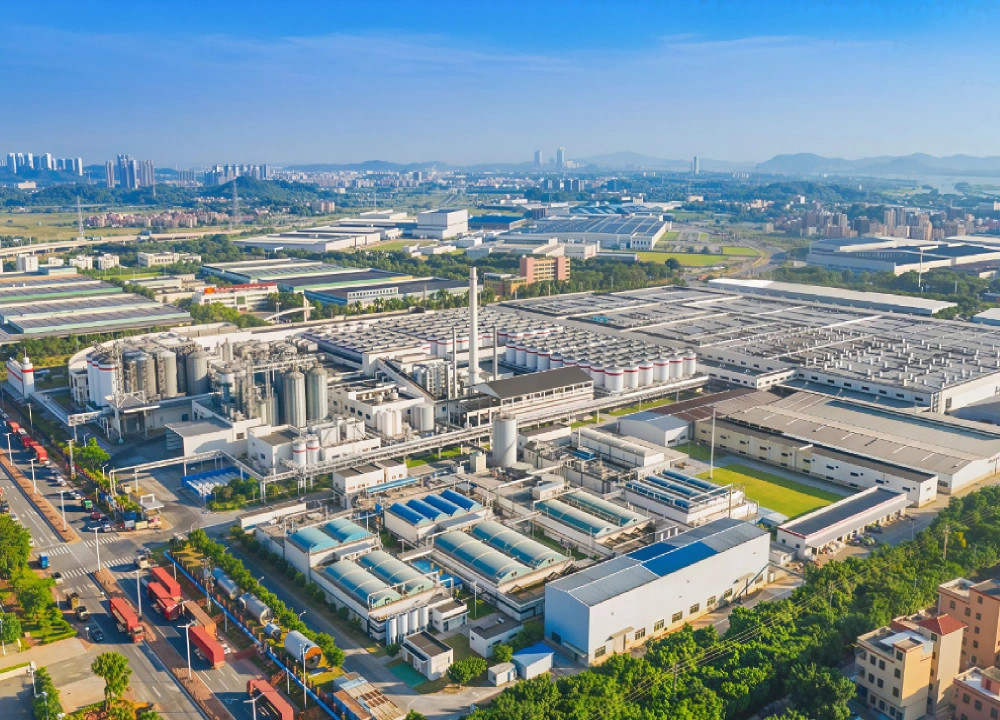
Foshan manufacturing clusters are organized by town, not by city center. Shunde leads in furniture and appliances. Nanhai leads in aluminum and ceramics. Chancheng concentrates ceramics and building materials. A buyer who arrives without knowing the town-level map will spend days in the wrong showroom.
الحجم مهم: Foshan’s pan-home furnishing cluster has crossed 1 trillion RMB in industrial output, with over 14,000 large-scale industrial enterprises. The city’s clusters are not isolated – they share suppliers, logistics, and labor pools, which is why a single city can cover furniture, tiles, and appliances in one sourcing trip. When comparing China Industrial Clusters across the Pearl River Delta, few cities offer this breadth inside one municipal boundary.
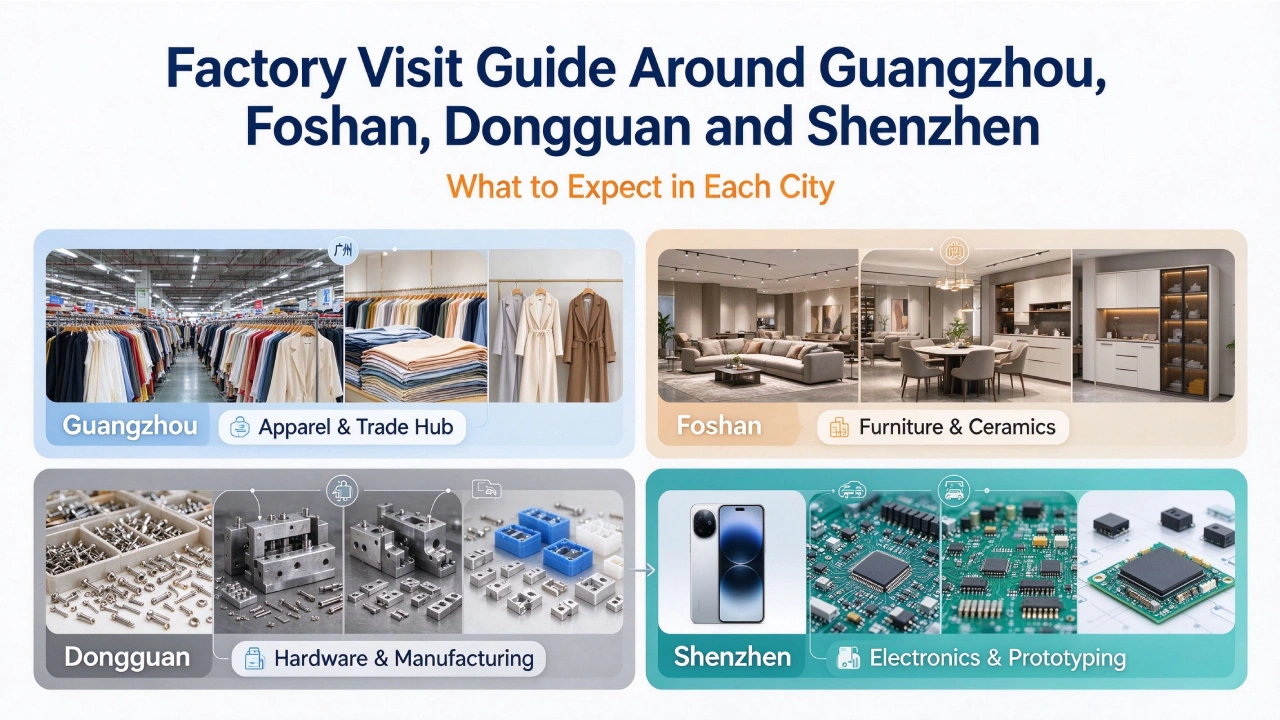
Foshan manufacturing clusters also sit directly next to Guangzhou, with roughly 40 minutes of driving between Shunde and the Guangzhou city limits. Many international buyers combine Foshan with Guangzhou fabric and packaging markets, and with Dongguan electronics factories, to build a single Guangdong sourcing route. Within China Industrial Clusters, this corridor is one of the few places where a complete home product line can be sourced, sampled, and consolidated within a two-hour drive.
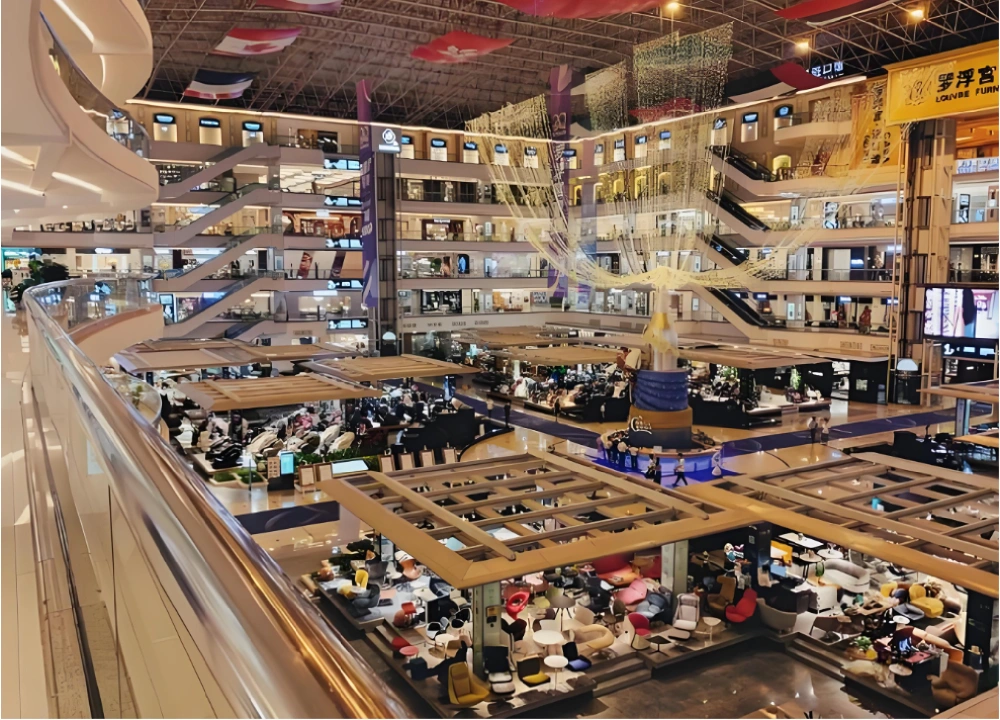
| Town/District | Core Cluster | المنتجات التمثيلية | قيمة المشتري |
|---|---|---|---|
| Shunde Longjiang | تصنيع الأثاث | Sofas, soft beds, bedroom sets | Raw material procurement radius under 10 km |
| Shunde Lecong | Furniture trading | Full-category furniture display and wholesale | “Ten-Mile Furniture Corridor,” world’s largest furniture market |
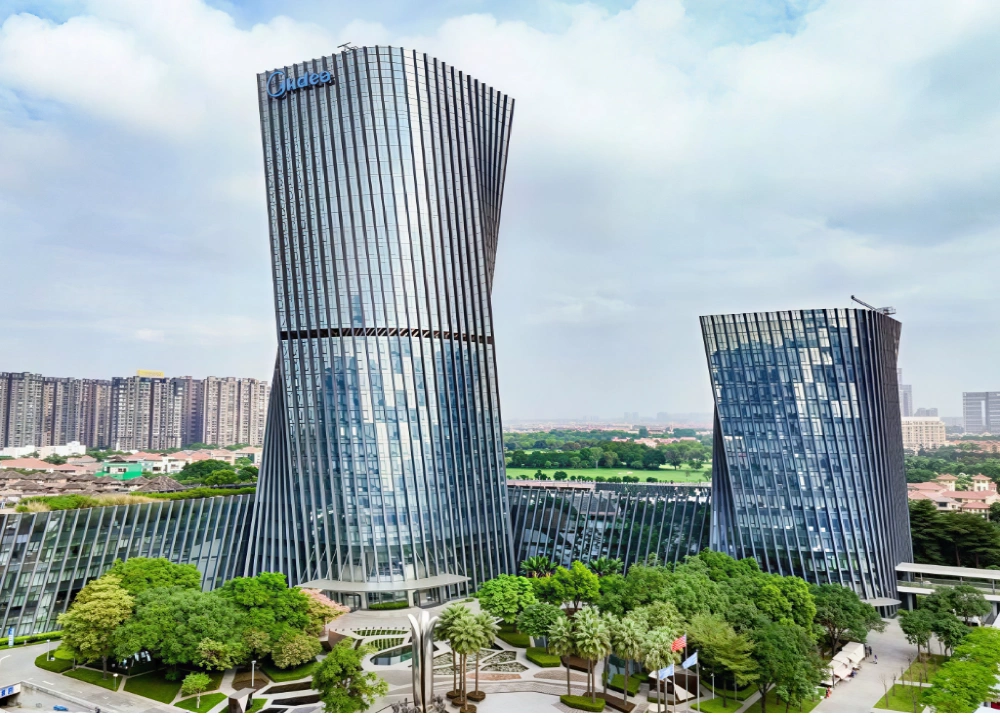
| Shunde Beijiao | الأجهزة المنزلية | Microwave ovens, air conditioners, small appliances | Midea-led ecosystem with 900+ supporting enterprises |
| Nanhai Dali | صفائح الألمنيوم | Architectural and industrial aluminum | “China’s No. 1 Aluminum Town,” 25%+ of national capacity |
| Chancheng / Nanhai | الخزف | البلاط والأدوات الصحية | ~60% of national ceramic exports |
The Furniture Core of Foshan Manufacturing Clusters: Longjiang and Lecong
The furniture side of Foshan manufacturing clusters operates on a “front shop, back factory” model that few cities can replicate. Lecong is where you see, compare, and negotiate; Longjiang is where the factories actually run. This split structure has evolved over decades and gives international buyers huge flexibility for both design discovery and cost control.
Longjiang: The Manufacturing BackboneYour Content Goes Here
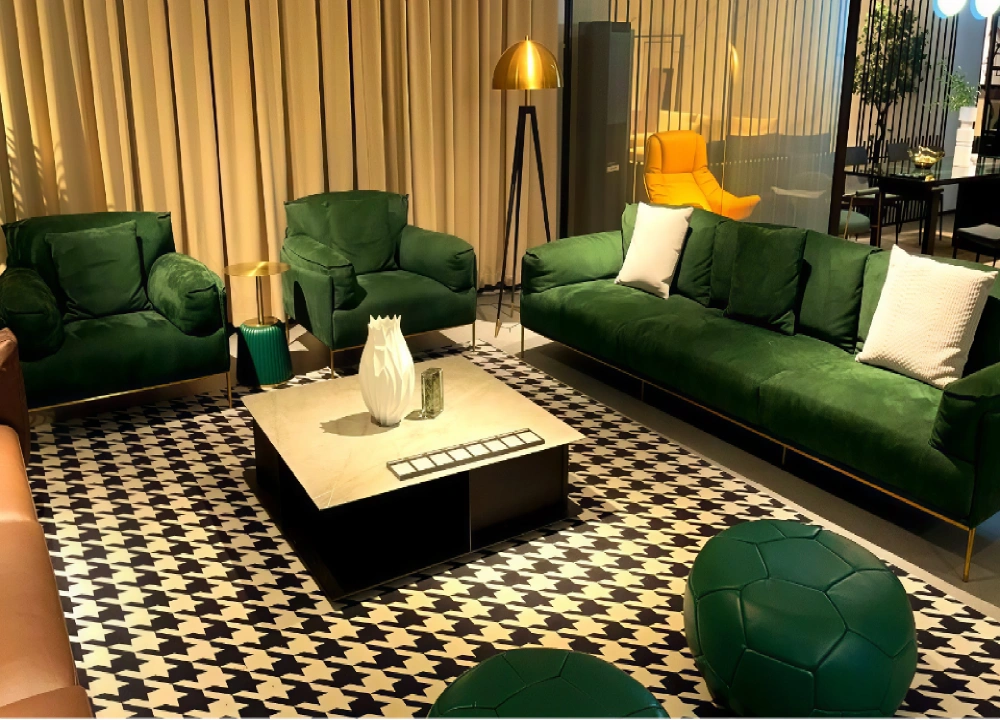
Longjiang hosts over 3,000 furniture manufacturers, supported by more than 7,000 specialized raw material and component vendors, including fabric suppliers, foam factories, hardware makers, spring producers, wood panel mills and packaging workshops. Ten major raw material markets and six furniture exhibition venues operate within the town, forming a closed-loop supply chain where almost every furniture component can be sourced locally within a 10-kilometer radius.
The production rhythm is fast: “order in the morning, material pickup at noon, assembly and dispatch in the afternoon.” The town is strongest in upholstered categories such as sofas, soft beds and bedroom sets, where cushion density, frame construction, stitching standard and fabric durability directly determine whether samples match mass production. Many Longjiang factories support mixed-container orders, custom upholstery fabrics, custom dimensions and private labeling for overseas retailers and furniture brands. Longjiang also hosts the annual Longjiang Furniture Fair, one of the key trade shows for OEM furniture buyers in southern China.
A key note for buyers: Longjiang factories vary widely in MOQ. Large automated factories prefer 20ft or 40ft full-container orders, while smaller family-run workshops can accept low-volume trial orders for boutique brands. It is common to negotiate sample lead times of 7–15 days and bulk production lead times of 25–40 days, depending on finishing complexity.
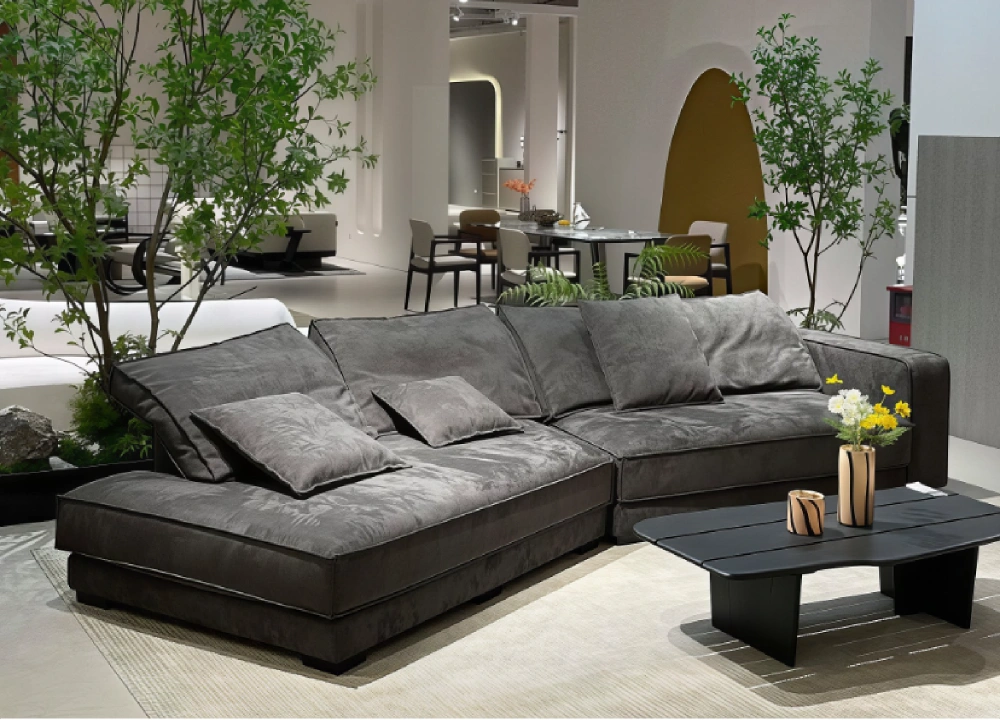
Lecong: The Trading Hub
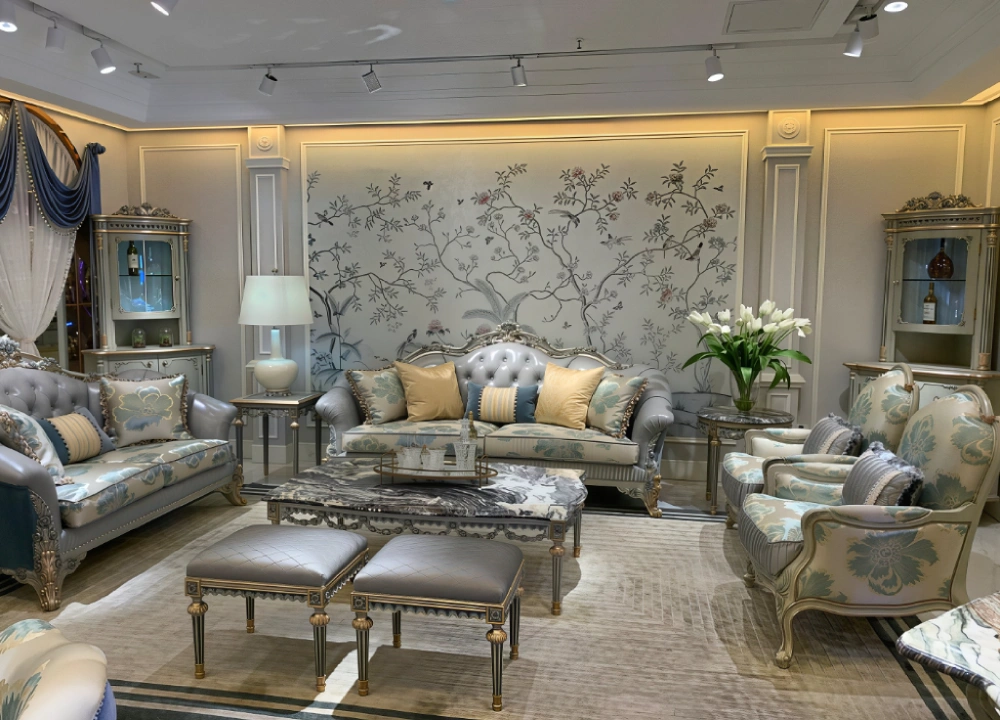
Lecong’s “Ten-Mile Furniture Corridor” stretches more than 10 kilometers, with over 3.5 million square meters of showroom space and more than 180 large furniture malls. Well-known landmarks include Louvre International Furniture Center, Sunlink Furniture City and Empire Furniture Plaza. More than 10,000 sellers gather here, displaying over 50,000 furniture styles covering modern, minimalist, luxury, traditional, outdoor and smart home furniture, and products are exported to more than 100 countries worldwide.
Lecong is primarily a display and negotiation hub rather than a manufacturing zone. Many showrooms are run by trading companies that source goods from Longjiang and surrounding furniture towns, while others are direct factory showrooms operated by Longjiang manufacturers. Buyers can quickly compare dozens of styles, finishes and price tiers in one day, collect catalogs and lock in preliminary quotations, then arrange factory visits to Longjiang to verify production lines, quality control standards and workshop conditions.
The distinction matters for Foshan furniture sourcing: the high-finish showroom sample is often upgraded with premium materials that will not be used for bulk orders unless clearly specified in your sales contract. A proper Foshan furniture cluster visit should include both Lecong for market intelligence and style selection, and Longjiang for factory verification, QC procedure confirmation and bulk sample sign-off. For a broader view of how this cluster compares with other furniture regions nationwide, read our dedicated guide: مراكز إنتاج الأثاث في الصين: التجمعات الصناعية الصينية لمشتري الأثاث العالميين.
The Appliance Cluster Inside Foshan Manufacturing Clusters: Beijiao’s White Goods Ecosystem
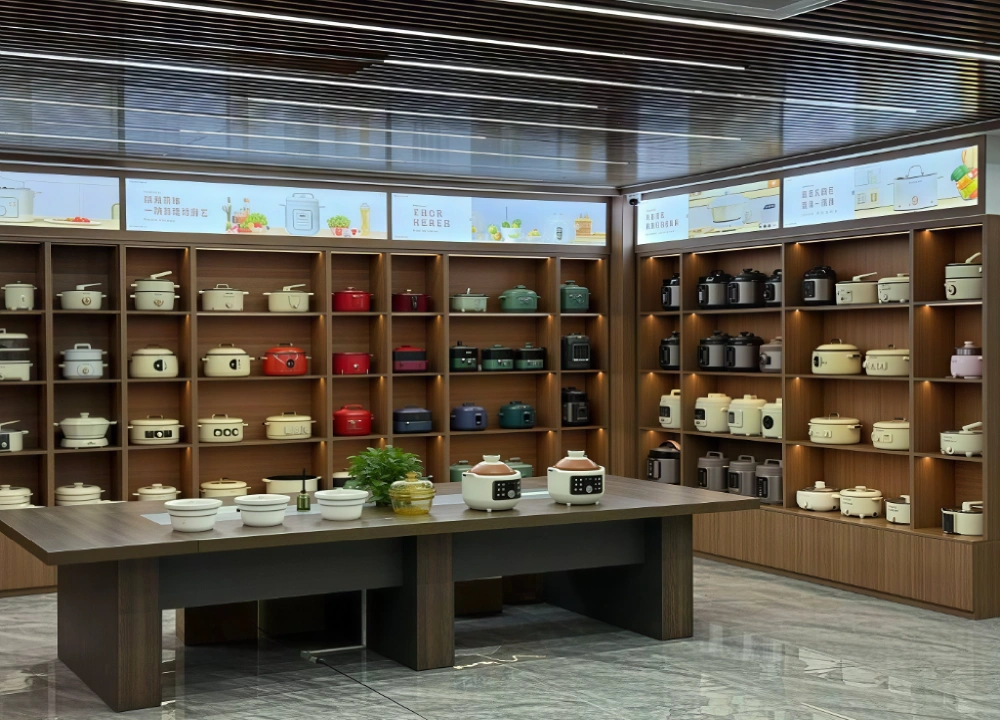
The appliance side of Foshan manufacturing clusters is anchored in Beijiao, Shunde. The town’s home appliance industry output exceeds 300 billion RMB, accounting for roughly one-tenth of China’s total home appliance output. Over 900 supporting enterprises operate in the area, forming one of the most complete white goods supply chains in the world.
The Midea Effect
Midea acts as the anchor chain leader for the whole cluster. Its Shunde microwave oven factory produces one unit every 8 seconds, with annual capacity of 50 million units — the largest microwave oven production base globally, certified by the World Economic Forum as a “Lighthouse Factory.” Midea’s magnetron business holds roughly 50% of the global market share and is a national manufacturing champion. Beyond microwaves, Beijiao also leads in residential air conditioners, refrigerators, electric kettles, range hoods, dishwashers and smart home control modules.
Midea’s supply chain ecosystem drives consistent quality standards across the cluster. Tier-one component suppliers must pass strict quality, traceability and audit requirements to become qualified Midea vendors, and these same suppliers also accept independent orders from other international buyers. The local supporting network covers motors, PCBs, controllers, heating tubes, plastic injection parts, sheet metal stamping, packaging and testing equipment. Most component factories sit within 10 km of appliance assembly lines, enabling just-in-time delivery, shorter lead times and easier design co-development for custom electric products.
Beijiao has also expanded into smart manufacturing and robotics. KUKA, part of Midea Group, runs robotic automation facilities here, helping local appliance factories upgrade automated assembly lines, testing stations and packaging workflows. This means many mid-sized suppliers can offer smart connected appliances, IoT-enabled home devices and stable automated mass production for branded customers.
Buyers should understand the tier structure when sourcing in Beijiao. Midea’s own finished product division usually carries high MOQs for branded standard models. However, its tier-two and tier-three component and assembly factories can offer OEM, ODM and private-label small appliance production with flexible minimum orders. It is standard practice to request EMC, LVD, FCC and RoHS test reports before confirming samples for EU and US markets. Typical bulk lead times for small appliances range from 35 to 60 days, depending on electronics certification and tooling needs.
Building Materials Within Foshan Manufacturing Clusters: Ceramics and Aluminum
The building materials side of Foshan manufacturing clusters covers ceramics, sanitary ware, and aluminum profiles. The ceramics sector accounts for roughly 60% of China’s ceramic tile exports, supported by ceramic machinery suppliers that hold 80% of the domestic market and 50% of the global market. Nanhai’s Dali town is known as “China’s No. 1 Aluminum Town,” with aluminum profile capacity exceeding 25% of the national total and exports accounting for about 20%.
Ceramics: Scale and Export Orientation
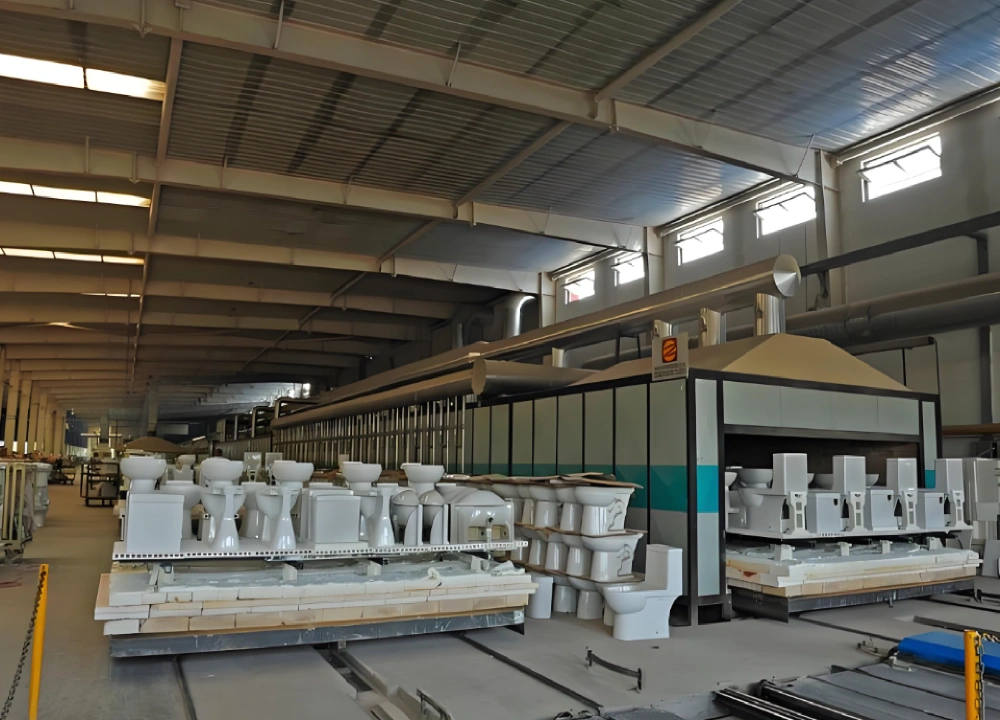
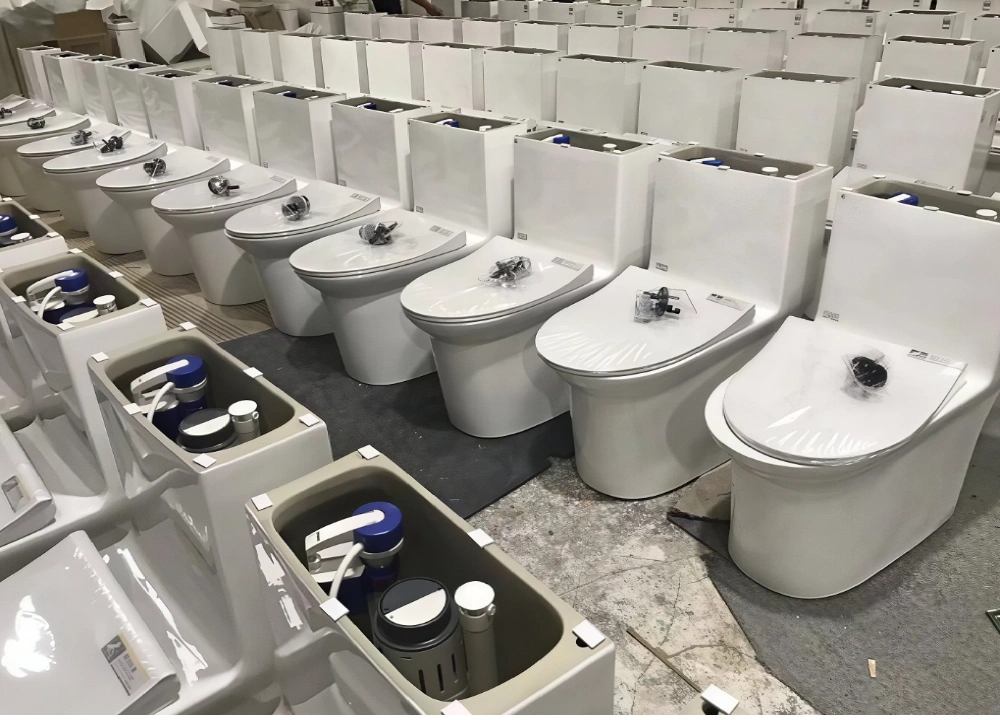
Foshan’s ceramic ecosystem is far more than tile pressing kilns. The cluster integrates raw mineral processing, glaze formulation, digital inkjet printing, mold manufacturing, automatic kiln equipment, quality inspection labs, design studios and export service providers. Suppliers produce polished tiles, glazed porcelain tiles, rustic tiles, large-format slabs, mosaic tiles, bathroom vanity basins, wall-hung toilets and shower sanitary ware. Many factories specialize in anti-slip outdoor tiles, wear-resistant commercial floor tiles and low-water-absorption wall tiles for overseas construction and hospitality projects.
Most export-focused ceramic factories can provide custom sizes, custom surface patterns and custom color matching based on buyer design files. Critical details such as water absorption rate, breaking strength, slip resistance coefficient and frost resistance are fully testable in on-site laboratories. Foshan ceramic machinery vendors are also a unique advantage: they can upgrade production lines for clients across the globe, not only serving local tile factories. For project buyers, one advantage is consolidated sampling: you can visit tile factories and sanitary ware manufacturers in the same Chancheng and Nanhai industrial zone within one day.
Common pitfalls for ceramic buyers include inconsistent color shade between sample batches and freight damage for large slab tiles. Experienced sourcing teams will arrange batch color confirmation before mass production and specify export-grade fumigated wooden crates for sea shipment.
Aluminum: The Dali Cluster
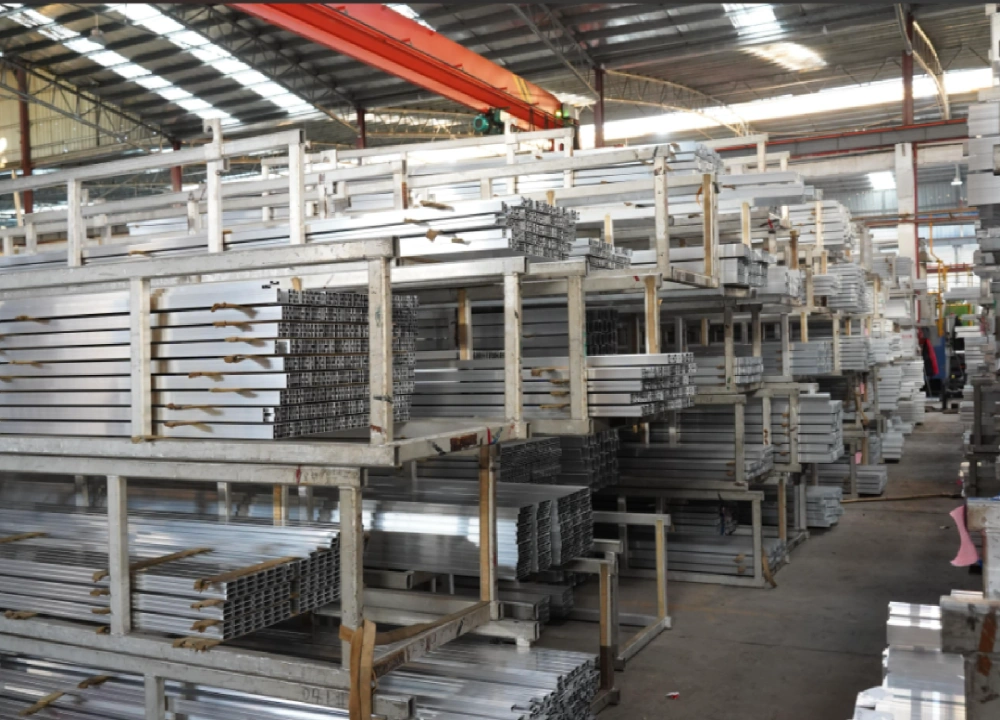
Foshan’s aluminum profile cluster in Nanhai Dali serves both architectural and industrial applications. Famous local brands include Fenglu, Jianmei and Xingfa, well-known in global aluminum construction markets. Product lines cover 6063-T5 thermal break window and door profiles, curtain wall structural profiles, solar frame aluminum, industrial extrusion profiles for machinery, and decorative aluminum panels for interior projects.
Dali’s supply chain covers aluminum ingot trading, extrusion workshops, anodizing, powder coating, fluorocarbon spraying, wood grain transfer, CNC cutting, punching and assembly. Surface treatment options are diverse to meet different climate requirements: fluorocarbon coating performs best for coastal high-salt environments, while powder coating balances cost and durability for inland building projects. The local Fengchi Aluminum Exhibition Fair is a key annual event for overseas buyers looking for new window system and facade solutions.
For buyers sourcing building materials from Foshan, the proximity between ceramics and aluminum suppliers makes consolidated purchasing practical — one truck can carry tiles, sanitary ware, and window profiles from three factories within 20 kilometers. Dali suppliers commonly work with construction contractors, window system brands and prefab house developers, and are familiar with international standards such as AS/NZS, ASTM and CE for aluminum building components.
Matching Products to Towns in Foshan Manufacturing Clusters
| قسم المنتج | المدينة/المنطقة الرئيسية | الميزة الأساسية |
|---|---|---|
| Furniture (finished/custom) | Lecong (viewing) + Longjiang (factory) | World’s largest market + manufacturing cluster |
| Home appliances / small appliances | بيجياو | Midea ecosystem, 900+ supporting enterprises |
| Ceramics / sanitary ware | Chancheng / Nanhai | 60% of national exports, complete machinery chain |
| Aluminum profiles / doors and windows | Nanhai Dali | 25%+ of national capacity |
| Furniture hardware / accessories | Leliu / Longjiang | Synergy with furniture manufacturing cluster |
How Buyers Actually Navigate These Clusters
The town-level layout is efficient once you know it. Lecong and Longjiang are 15 minutes apart — you can view samples in the morning and walk a factory floor in the afternoon. Beijiao is a separate trip, about 40 minutes from Lecong, and Dali is another direction entirely.
The practical challenge is not distance. It is knowing which showroom is backed by a real factory and which is a trading company with a polished display. In Lecong, the same sofa may be quoted at three different prices by three different stalls, all sourced from the same Longjiang factory. The difference is who is marking it up. Foshan manufacturing clusters reward buyers who learn to read that gap early.
This is where a local team changes the equation. At Sourcingyuan, we visit these clusters regularly – not as a service pitch, but because our Guangzhou office is a short drive from Shunde. We know which Longjiang factories actually run their own upholstery lines, which Beijiao suppliers are Midea’s direct tier-one partners, and which Dali aluminum plants hold export certifications. That knowledge is not something you can get from a directory. You can also explore the wider library of regional manufacturing insights at التجمعات الصناعية الصينية.
الخط السفلي
Foshan manufacturing clusters are the backbone of China’s home product supply chain. Furniture drives the trade, appliances anchor the technology, and building materials provide the upstream support. China Industrial Clusters rarely concentrate this much variety in one municipality, and that variety is exactly what makes a combined sourcing trip here so efficient.
For buyers, the city rewards those who understand the town-level map – and who can tell a real factory from a polished showroom. If you are planning a sourcing trip to Foshan and want to avoid the showroom-only trap, our team at Sourcingyuan is based in Guangzhou and covers these clusters regularly. Whether you need a factory visit arranged or just a second opinion on a supplier you are already talking to, contact us to discuss your itinerary.
عن المؤلف
جيف لي
مؤسس شركة سورسينغ يوان
جيف لي هو مؤسس شركة Sourcingyuan، وهي شركة صينية متخصصة في التوريد وتطوير المنتجات. لديه خبرة تزيد عن عشر سنوات في مساعدة الشركات الأجنبية على توريد المنتجات، وتطوير منتجات جديدة، وتحديد المصنّعين الموثوق بهم، وإدارة الإنتاج، وبناء سلاسل التوريد في الصين.
مقالات ذات صلة قد تعجبك 📚
استكشف المزيد من سلسلة "التجمعات الصناعية في الصين" :
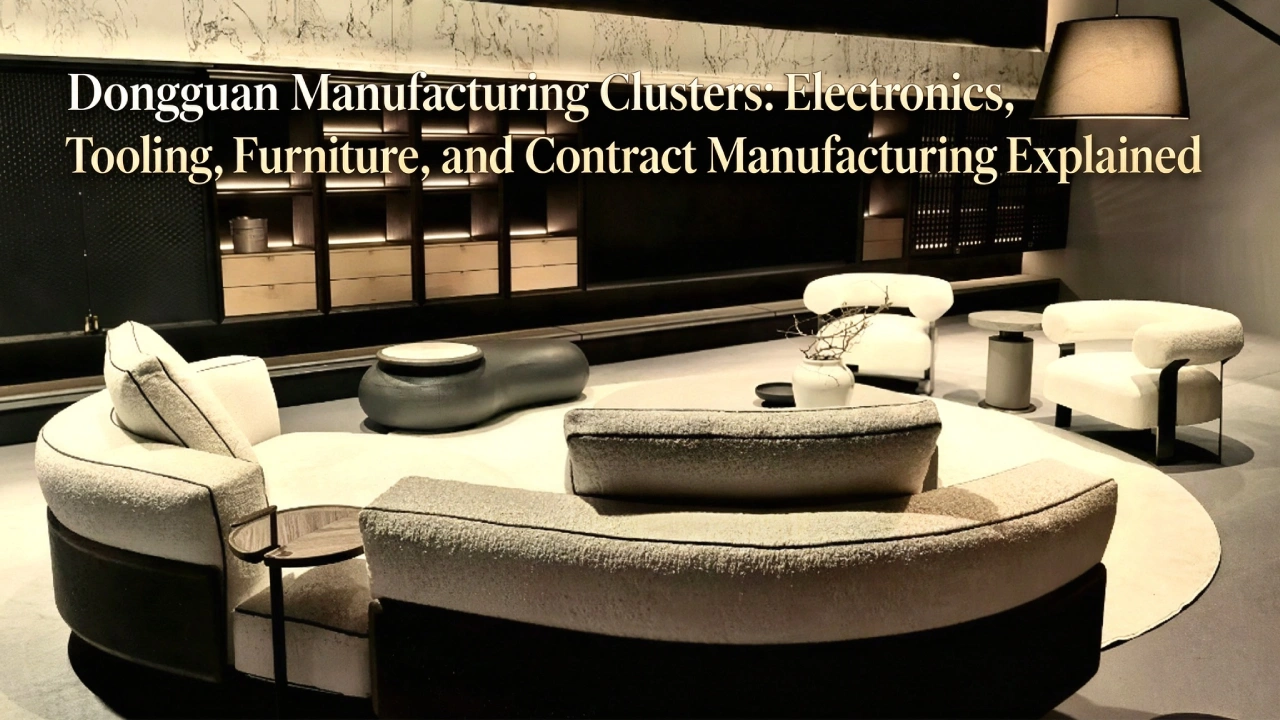
🏭 مجمعات التصنيع في دونغقوان: شرح لقطاعات الإلكترونيات، والأدوات، والأثاث، والتصنيع التعاقدي
🛋️ مراكز إنتاج الأثاث في الصين: تجمعات صناعية صينية لمشتري الأثاث العالميين
؟؟؟؟ دليل مصادر السلع الاستهلاكية متعددة الفئات في قوانغتشو ودلتا نهر اللؤلؤ بالصين
🔧 أين تقع تجمعات التصنيع باستخدام الحاسب الآلي وتشكيل المعادن في الصين؟ دليل التجمعات الصناعية الصينية
🤝 Need help coordinating factory visits in Foshan?
مشاركة هذه القصة، اختيار النظام الأساسي الخاص بك!
نحن نوصلك بالمصانع الموثوقة، ونحصل على أفضل الأسعار، ونقوم بتسليمها مباشرة إلى باب منزلك.