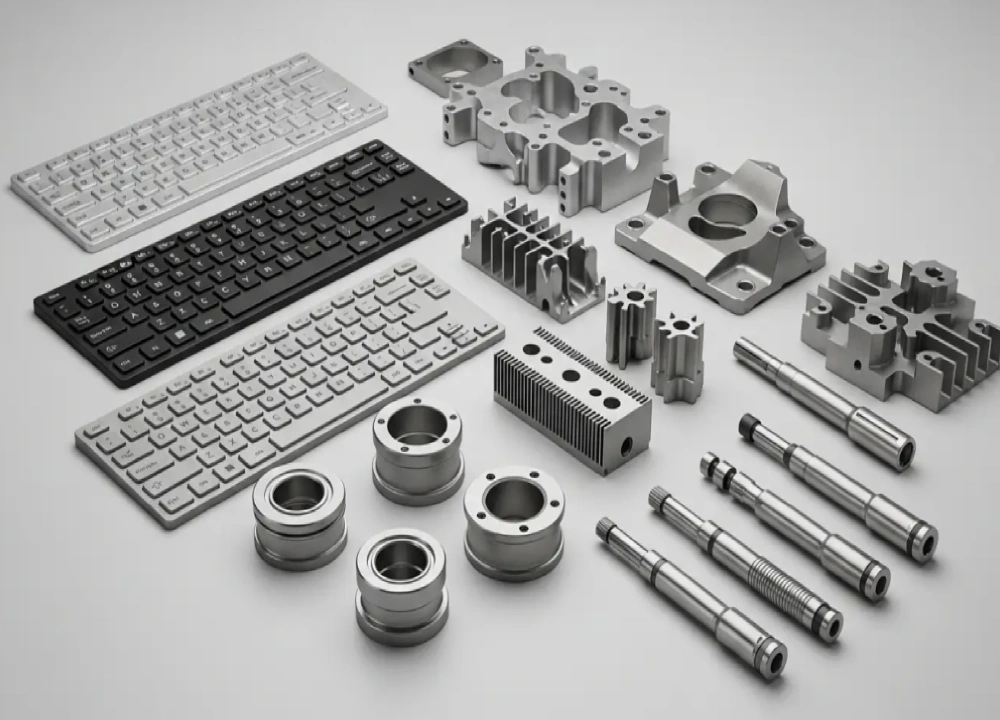
If you are sourcing precision-machined parts, molds, or metal components, you are not just looking for a factory-you are looking for a cluster. China Industrial Clusters in the CNC machining and metalworking sector are geographically concentrated ecosystems of machine shops, mold makers, material suppliers, and surface treatment providers. Understanding where these China CNC machining & metalworking clusters are located tells you where the capability, capacity, and specialization live.
This guide maps the major clusters for precision machining and metalworking in China, what each specializes in, and how international buyers can navigate this landscape. Whether you need five-axis machined aerospace components, injection molds for consumer electronics, or high-volume turned parts, knowing the cluster landscape is the first step toward efficient sourcing.Learn more about the full picture of Clústeres industriales de China.
Para adquirir conocimientos básicos sobre este tema, lea nuestro resumen principal: ¿Qué son los clústeres industriales de China y por qué son importantes para el abastecimiento global?
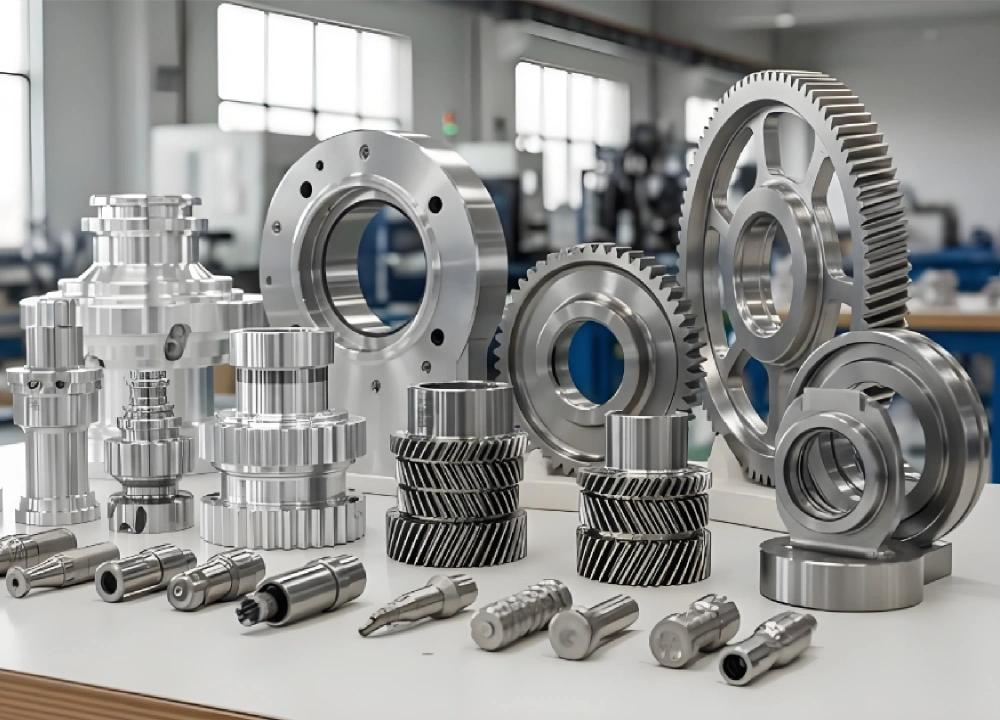
Why CNC and Metalworking Clusters Matter
Precision machining is not a single industry. It spans CNC milling, turning, EDM, grinding, mold making, and sheet metal fabrication. China’s strength in this sector comes from cluster density-the concentration of specialized suppliers within a geographic region.
The Pearl River Delta, centered on Shenzhen and Dongguan, is the most prominent cluster for rapid prototyping and precision components. Thousands of specialized manufacturers operate CNC machining centers, multi-jet fusion 3D printers, and precision sheet metal lines within tightly coordinated supply chains. This proximity enables lead times as short as five days for machined components and supports the region’s reputation for rapid iteration.
In the Yangtze River Delta, Suzhou and its surrounding areas have developed deep capabilities in industrial mother machines, precision components, and optical instruments. The region is positioning itself as a national base for five-axis machining systems and integrated smart equipment.
The cluster model offers buyers three practical advantages: speed (suppliers can source materials and sub-processes locally), specialization (different clusters excel at different product types), and cost efficiency (competition within a cluster keeps pricing competitive). These benefits are widely observed across China Industrial Clusters. Such deep process specialization defines most China CNC machining & metalworking clusters.
For broader context on shifting supply-chain dynamics, see ¿Cómo están evolucionando los clústeres industriales chinos en medio de los cambios en las cadenas de suministro globales?.

Major CNC & Metalworking Clusters in China
The table below summarizes the key China CNC machining & metalworking clusters by region, specialization, and scale.
| Región | Ubicaciones clave | Especialización | Fuerza notable |
|---|---|---|---|
| Delta del río Perla | Shenzhen, Dongguan, Huizhou | Rapid prototyping, consumer electronics components, molds | Shenzhen: same-day prototyping; Dongguan: dense CNC network |
| Delta del río Yangtze | Suzhou, Kunshan, Ningbo, Taizhou | Precision components, industrial mother machines, molds | Suzhou: 5-axis systems; Ningbo: mold capital |
| Shandong | Tengzhou, Zaozhuang | Small and medium machine tools, drilling/milling machines | Tengzhou: 80% of China’s drilling/milling output |
| Zhejiang | Taizhou, Ningbo, Jiaxing, Hangzhou | Industrial mother machines, precision parts, molds | Zhejiang industrial mother machine cluster: 102.36B RMB output |
| China central | Changsha, Wuhan | Grinding machines, heavy machinery components | Changsha: precision grinding cluster |
Many overseas hardware buyers plan their factory tours around well-known China Industrial Clusters. If you want to compare suitable manufacturing locations across the country, check out ¿Qué ciudades chinas son ideales para el abastecimiento dentro de los clústeres industriales de China?.
Shenzhen and Dongguan: The Rapid Prototyping and Precision Components Hub
Shenzhen has emerged as a global CNC manufacturing hub, specializing in high-precision components for aerospace, medical devices, automotive, robotics, and consumer electronics. The city’s manufacturers offer same-day prototyping and 24-hour custom part production, supported by integration of 5-axis CNC milling, Swiss turning centers, and multi-material machining.
Dongguan complements Shenzhen with a dense network of CNC shops and mold makers. The city’s Houjie district is home to a provincial-level industrial mother machine and mold innovation consortium, led by a national “little giant” enterprise and involving upstream and downstream partners. The consortium is investing 130 million RMB in core component and equipment development, targeting import substitution for large integrated molds and five-axis CNC machines.
For buyers, this cluster is ideal for high-mix, low-volume production and for products requiring rapid iteration. Many suppliers accept MOQs as low as one piece, making the region suitable for R&D teams and startups. It is one of the most visited production hubs among China Industrial Clusters.
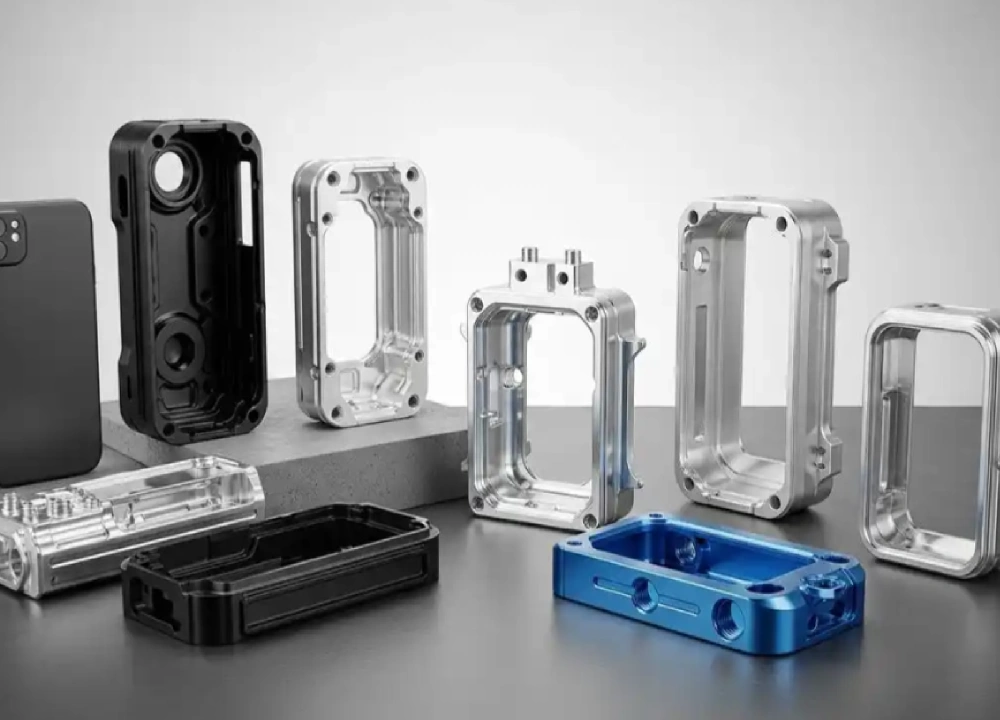
Suzhou: The Precision Components and Industrial Mother Machine Cluster
Suzhou, particularly the Suzhou High-Tech District and Kunshan, is a center for precision manufacturing and industrial mother machines. The region is building a national-level industrial mother machine pilot base and a special machining machine tool cluster, focusing on five-axis linkage systems, high-precision sensors, and special valve pumps. Suzhou is a key node within China Industrial Clusters.
Suzhou’s cluster is also home to a growing ecosystem for precision transmission components. A recent project by a robotics joint transmission company will produce 1.3 million transmission components annually, including 200,000 robot joint reducers, supporting the region’s embodied intelligence and robotics industries.
The Ningbo area, part of the broader Yangtze River Delta cluster, is known as China’s “Mold Capital.” The city has over 4,000 mold-related enterprises, with a product mix spanning injection molds, stamping molds, and forging molds. The mold industry has grown at a stable rate of over 25% annually, and the region hosts dedicated mold bases in Ninghai and Yuyao.
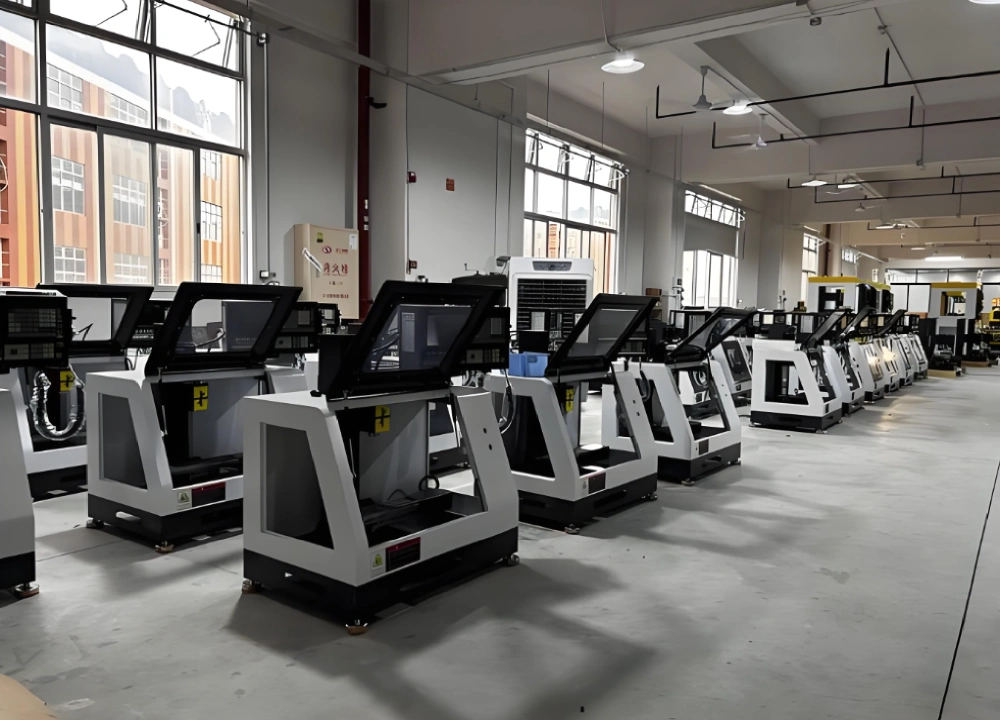
Tengzhou: China’s Small and Medium Machine Tool Capital
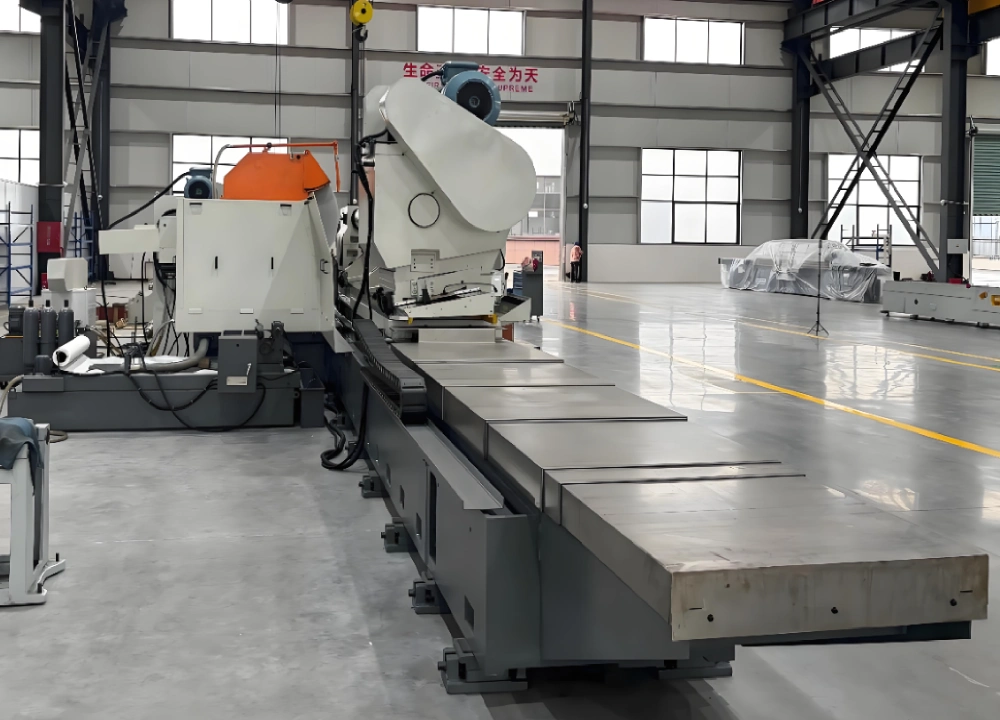
Tengzhou, a county-level city in Shandong, is the undisputed center for small and medium machine tools. The city produces over 200,000 machine tools annually, with drilling and milling machines accounting for 80% of China’s total output. The product range covers drilling machines, milling machines, grinding machines, and machining centers. Tengzhou is a distinctive member of China CNC machining & metalworking clusters.
The cluster has been undergoing a shift toward higher-end production. Local companies have developed five-axis five-linkage machining centers with precision reaching 0.003mm-approximately one-tenth the thickness of a human hair. The city has also implemented an “AI Process Brain” system that reduces defect rates by 72% through multimodal quality inspection combining vision, vibration, and voiceprint analysis.
Tengzhou’s machine tool industry is supported by over 1,200 enterprises, including 8 national-level “little giant” specialized enterprises and 51 provincial-level specialized SMEs. Products are exported to over 90 countries and regions.
Zhejiang: The Industrial Mother Machine Cluster
The Zhejiang East Industrial Mother Machine Cluster was selected as a national advanced manufacturing cluster in 2024, with an output value of 102.36 billion RMB in 2023, accounting for 27.75% of China’s total. The cluster covers Taizhou, Ningbo, Hangzhou, and Jiaxing, with each city specializing in different segments:
- Taizhou: CNC machine tools, special machine tools, and cutting tools, with over 2,000 enterprises
- Ningbo: Mid-to-high-end industrial mother machines and key components, focused on subtractive and equal-material manufacturing
- Jiaxing: CNC machine tool complete machines and core components, supported by international leading enterprises
- Hangzhou: Digital-physical integration and innovation-driven development
For buyers, this cluster offers a complete ecosystem-from complete machines to spindles, ball screws, and linear guides-all within a few hours’ drive. Such end-to-end supply chains are a defining feature of China Industrial Clusters.

Component and Process Specialization by Cluster
Different clusters excel at different processes. The table below maps common CNC and metalworking capabilities to their primary regions.
| Capacidad | Grupo(s) principal(es) | Notas |
|---|---|---|
| Prototipado rápido (CNC + impresión 3D) | Shenzhen, Dongguan | Same-day to 5-day lead times |
| Mecanizado de ejes 5 | Shenzhen, Dongguan, Suzhou, Tengzhou | Precision to ±0.005mm in leading shops |
| CNC turning (Swiss-type) | Shenzhen, Dongguan | Piezas pequeñas de precisión, alto volumen |
| Mold making (injection, stamping, die-casting) | Ningbo, Dongguan, Suzhou | Ningbo: 4,000+ mold enterprises |
| Fabricación de chapa | Shenzhen, Dongguan, Suzhou | Cajas, soportes, chasis |
| Fabricación de máquinas herramienta | Tengzhou, Taizhou, Ningbo | Complete machines and components |
| Precision transmission components | Suzhou, Ningbo | Gears, reducers, robot joints |
For buyers sourcing CNC machined parts from China, the practical approach is to identify the cluster for your required process, then work with suppliers within that cluster. This reduces lead time, improves quality consistency, and simplifies logistics. Access to complete process ecosystems is a key advantage of mature China CNC machining & metalworking clusters.
A Real Example: Sourcing a Custom Aluminum Enclosure
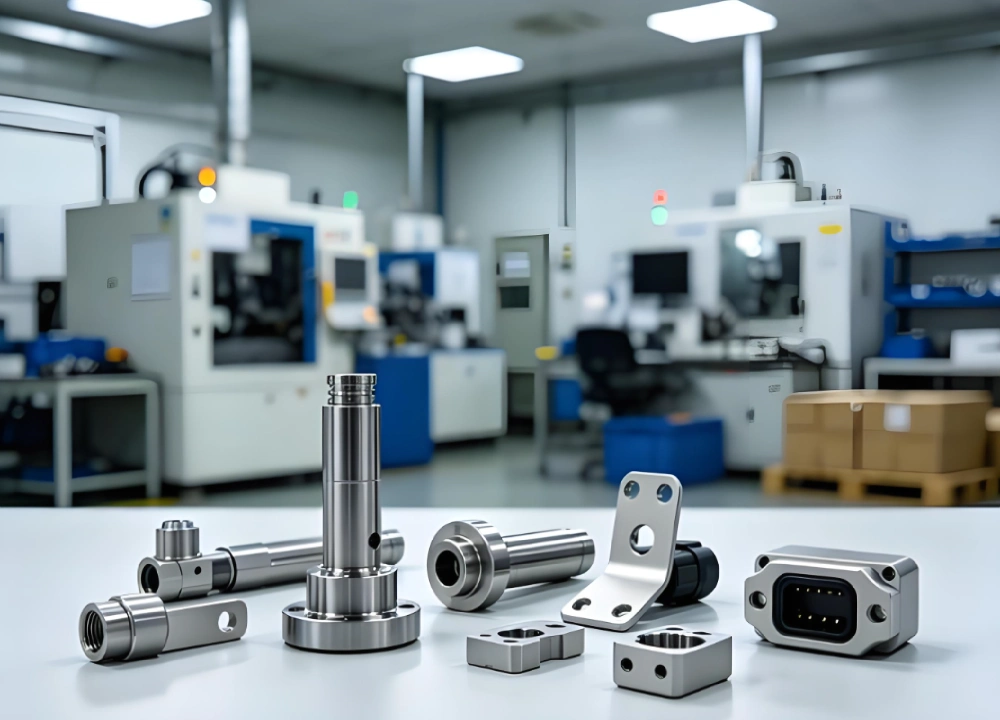
A UK-based electronics company needed 2,000 custom aluminum enclosures for an industrial IoT device. The enclosure required CNC milling, anodizing, and laser engraving-three separate processes.
The buyer initially approached a single supplier in Ningbo. The supplier could machine the parts but outsourced anodizing to a nearby facility, adding three days to the lead time and creating quality control gaps.
The buyer then shifted to a Shenzhen-based supplier with in-house machining and a vetted anodizing partner within 10 kilometers. Production lead time dropped from four weeks to two, and the buyer could visit both facilities during a single trip to Shenzhen.
La leccion: cluster proximity matters. When machining, finishing, and inspection are within the same region, coordination improves and lead times shrink. Many new importers underestimate how much their sourcing results depend on picking the right zones from among China Industrial Clusters.
Cómo utilizar el conocimiento del clúster en su estrategia de abastecimiento
Understanding where China’s CNC and metalworking clusters are located is not academic-it directly affects sourcing decisions. Even experienced industrial buyers revisit maps of China CNC machining & metalworking clusters before launching new product lines.
Step 1: Match Process to Cluster
Before contacting suppliers, identify which cluster specializes in your required processes. Rapid prototyping and 5-axis machining are strongest in the Pearl River Delta. Mold making is concentrated in Ningbo and Dongguan. Machine tool manufacturing is centered in Tengzhou and Zhejiang.
Step 2: Verify Supplier Location and Capability
A supplier claiming to be a “Shenzhen CNC manufacturer” may actually be sourcing from a factory in another province. Ask for the factory address and verify it against the cluster map. For precision work, request the specific machine models and tolerance capabilities-leading shops publish their equipment lists, such as 20 Japanese Mazak five-axis machines with ±0.005mm accuracy. Scattered non-cluster factories rarely enjoy the same supply-chain benefits as participants inside China Industrial Clusters.
Para obtener tácticas prácticas para encontrar fabricantes cualificados, lea ¿ Cómo puede aprovechar los clústeres industriales de China para encontrar mejores proveedores?

Paso 3: Utilizar la densidad de clústeres para la consolidación.
If you are sourcing multiple components-machined parts, molds, sheet metal-sourcing from the same cluster reduces logistics complexity. Goods can be consolidated at a local warehouse and shipped together, reducing freight costs and transit time.
Paso 4: Aprovechar el apoyo local
Navigating a CNC cluster without local knowledge is challenging. Language barriers, supplier verification, and quality control require on-the-ground presence. At Sourcingyuan, our Guangzhou-based team helps international buyers navigate China’s machining and metalworking clusters-from supplier identification in Shenzhen and Dongguan to quality control and consolidation. We work with buyers across prototype and production stages, and we know which clusters deliver the right combination of precision, speed, and cost.

Lo más importante es...
China Industrial Clusters are the foundation of the country’s precision manufacturing strength. These interconnected regional ecosystems bring together machine shops, material stockists, mold makers, surface-treatment vendors, testing labs, logistics providers and engineering talent within close geographic proximity. China CNC machining & metalworking clusters are not just collections of machine shops-they are ecosystems that determine capability, speed, and cost.
For international buyers, understanding which cluster specializes in which process is the critical first step toward efficient, low-risk sourcing. Matching your precision-part requirements to the right cluster helps you shorten sampling cycles, cut intermediate markup costs and gain access to specialized technical capabilities you may struggle to find elsewhere. If you ignore how China Industrial Clusters operate, you risk overpaying, unexpected long lead times, inconsistent part quality, and working with trading companies instead of actual production facilities.
Even with well-researched cluster knowledge, many global industrial buyers still benefit from local on-the-ground support to vet machine shops, audit production facilities and coordinate cross-supplier consolidation. Knowing the map of industrial clusters is powerful, but pairing that knowledge with proper supplier due diligence will deliver the most reliable sourcing outcomes for your CNC projects.
Sobre la autora
jeff lee
Fundador de Sourcingyuan
Jeff Lee es el fundador de Sourcingyuan, una empresa china de abastecimiento y desarrollo de productos. Cuenta con más de 10 años de experiencia ayudando a empresas extranjeras a obtener productos, desarrollar nuevos productos, identificar fabricantes confiables, gestionar la producción y establecer cadenas de suministro en China.
Artículos relacionados que podrían gustarte 📚
Descubra nuestra serie completa sobre clústeres industriales en China :
🤝 Need help navigating China’s CNC and metalworking clusters?
Sourcingyuan works with international buyers from our Guangzhou office-from supplier identification to quality control and consolidation.
¡Comparte esta historia, elige tu plataforma!
Te conectamos con fábricas confiables, obtenemos las mejores cotizaciones, entregamos directamente a tu puerta.