
If you’ve searched “how much does a sourcing agent cost,” you’ve likely seen the same vague answer everywhere: “3% to 10% commission.” That’s technically correct, but it’s not particularly helpful when you’re trying to budget for an actual project.
This guide takes a different approach. It breaks down real pricing models, shows you what affects costs, and—most importantly—explains where hidden fees hide. The numbers here are based on 2026 industry rates and real project experience across Guangdong, Zhejiang, and other manufacturing hubs.
The Short Answer: What You’ll Actually Pay
Most China sourcing company engagements fall into these ranges in 2026:
| Order Type | Typical Agent Fee | Best Fee Model | Real Example |
| Small trial order ($500 – $2,000) | $150 – $400 | Fixed per-project | Sampling 3 products from 2 suppliers |
| Medium mixed order ($2,000 – $8,000) | $300 – $800 | Fixed or hybrid | 6 suppliers, 8 product types |
| Large single-product order ($8,000 – $30,000) | 3% – 5% of order | Commission-based | One factory, 5,000 units |
| Ongoing monthly orders ($5,000+/mo) | 2% – 3% or retainer | Hybrid (retainer + low %) | Amazon FBA restocking every 45 days |
The industry standard for china sourcing agent fees falls between 3% and 10% of the order value . However, focusing only on the percentage misses the bigger picture: a sourcing agent’s real cost is not the fee—it’s the total cost impact on your order.

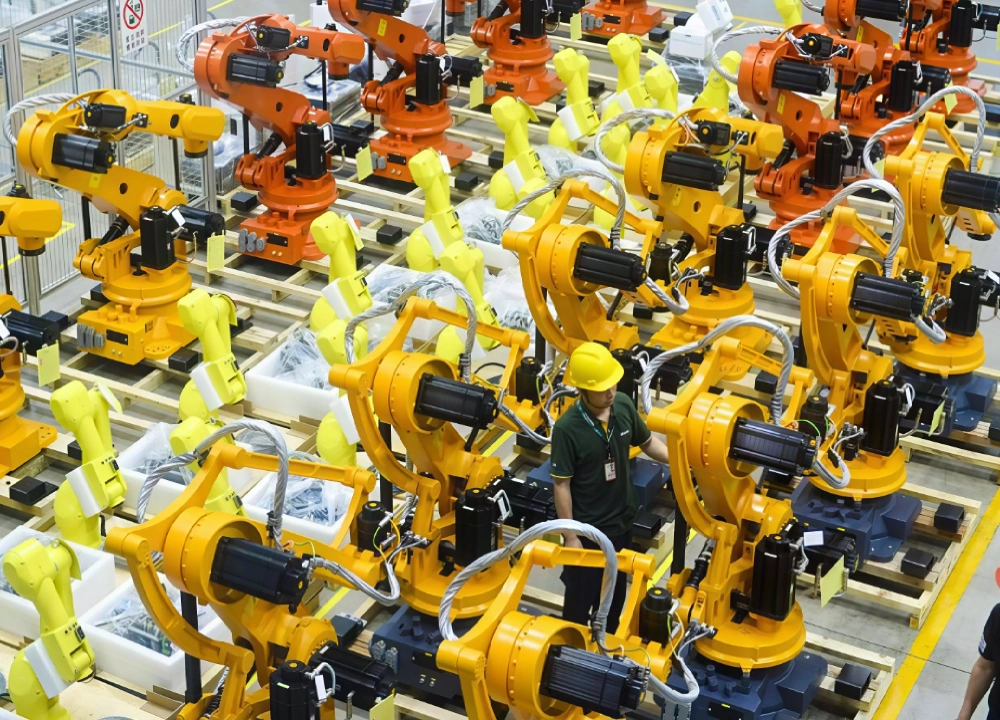
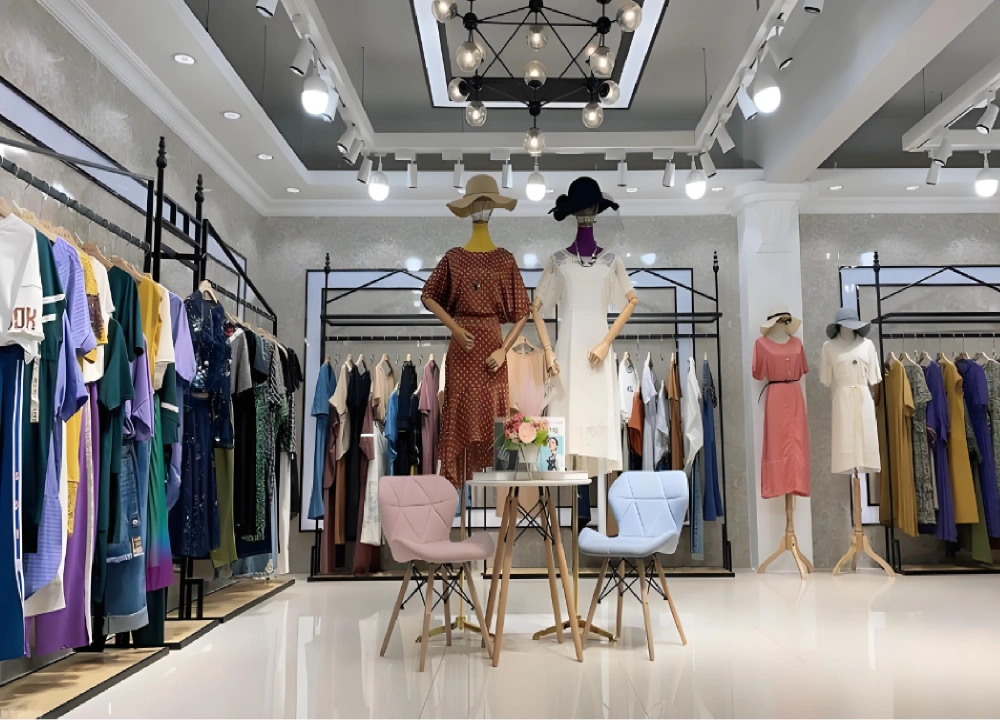
How Much Does China Sourcing Company Charge – 2026 Pricing Guide Scene
The Three Pricing Models: How Agents Actually Charge
Almost every China sourcing agent fits into one of three fee structures. Each has trade-offs, and the “best” one depends entirely on your order profile.
Model 1: Commission-Based (% of Order Value)
The agent takes a percentage of the total product value—typically 5% to 10%, with 5% being the most common benchmark . On a $10,000 order at 5%, you pay $500.
| Factor | Commission Range |
| Large recurring orders ($500K+/month) | 3% – 5% |
| Mid-size orders, moderate complexity | 5% – 8% |
| Small, complex, or first-time orders | 8% – 10% |
This is the cleanest model when based on factory cost, as it motivates the agent to secure a good base price . The sourcing agent commission in this model is simple math—no surprises.
When to choose this: Large single-factory orders, repeat buyers with predictable volumes, or when trust is already established.
Watch out for: The agent’s incentive aligns with higher order values, which may not always push them to negotiate your price down aggressively. Some agents on commission may steer you toward higher-priced suppliers to increase their fee .
This is why some buyers prefer fixed fees over a sourcing agent commission—it removes the incentive for the agent to push higher-priced suppliers.
Model 2: Fixed Project Fee
The agent charges a flat fee regardless of order size. Typical ranges: $150 – $500 per product SKU, or $300 – $2,000 for an entire project covering multiple suppliers .
| Fee Type | Typical Range |
| Per product SKU | $150 – $500 |
| Multi-supplier project | $300 – $2,000 |
| Monthly retainer | $300 – $1,000 |
This is the most transparent model—you know your cost upfront. A flat sourcing fee also aligns incentives: the agent earns the same regardless of your order value, so they have every reason to fight for the lowest factory price .
When to choose this: First-time importers testing the waters, multi-supplier orders, or buyers who want price certainty.
Watch out for: Cheap agents may cut corners on vetting. Scope creep can trigger extra charges. Not ideal for very small single-product orders where the fixed fee becomes a large percentage of your total cost.

China Sourcing Company Discuss Service Fee Models With Client
Model 3: Hybrid (Retainer + Reduced Commission)
A monthly retainer of $300 – $1,000 plus a reduced commission of 2% – 3% . Think of it as having someone on the ground in China on retainer.
When to choose this: Amazon FBA sellers with monthly reorders, brands running ongoing OEM production, or businesses importing $30,000+/year.
Watch out for: Minimum commitment periods (3–6 months). Retainer paid regardless of order volume. Overkill for one-off or seasonal buyers.
The Real Cost Breakdown: What’s Actually Included?
The fee percentage is just one line item. Here’s what a complete import cost China breakdown looks like for a typical $10,000–$15,000 order :
| Cost Component | Typical Range | Notes |
| Agent service fee | $300 – $800 or 5%–10% | Core sourcing, negotiation, supplier coordination |
| Sampling | $50 – $300 per sample | Factory sample cost + domestic/international shipping |
| Factory audit / inspection | $100 – $300 per man-day | On-site quality checks, pre-shipment inspection |
| Supplier research / due diligence | $200 – $500 | Background checks, business license verification, capability assessment |
| Logistics coordination | $100 – $300 | Freight booking, document preparation, export customs |
| Shipping (FCL/LCL/air) | Varies widely | See shipping tables below |
| Import duties | Varies by HS code | Country-specific tariff rates |
A comprehensive China sourcing service cost includes more than just the agent’s time—it covers the infrastructure, local relationships, and quality systems that protect your order .

China Sourcing Company Break Down Full Import Cost For Buyer
Hidden Sourcing Fees: What Most Agents Don’t Tell You
This is where many buyers get burned. A low China sourcing agent pricing quote often hides costs that eat into your margins silently.
The Most Common Hidden Fees
| Hidden Fee Channel | How It Works | How to Detect It |
| Factory kickbacks | Agent receives secret commissions (5%–20%) from the factory for steering orders their way. The factory recovers this by inflating your unit price. | Ask: “Will you show me the factory’s original invoice?” If they hesitate, there’s likely a kickback embedded. |
| Exchange rate markup | Agent converts RMB to USD using a rate 3%–8% worse than the bank rate, pocketing the spread on every transaction. | Ask: “What benchmark exchange rate do you use—PBOC central rate or live bank rate?” |
| Freight padding | Agent tells you shipping costs $2,800. The forwarder’s actual bill is $2,100. Agent pockets $700. | Demand the freight forwarder’s original invoice directly. |
| Bundled pricing | Agent gives you one “delivered” number, with factory price and service fee combined. You can’t see the factory’s real quote. | Insist on seeing the factory’s unedited quote separately from the service fee. |
The Math Behind Hidden Fees
Here’s a comparison based on a documented $38,000 order scenario :
| Scenario | Transparent Agent | Agent with Hidden Markup |
| Factory price | $38,000 | $38,000 (but you never see it) |
| Agent fee | $1,900 (5%) | $570 (1.5%—”cheap!”) |
| Hidden kickback | $0 | $4,560 (12% embedded in unit price) |
| Total cost to buyer | $39,900 | $43,130 |
| Extra cost | — | $3,230 more |
The “cheap” agent cost you $3,230 extra, nearly double the transparent agent’s fee—and you never saw where the money went .

China Sourcing Company Warn Buyers About Hidden Sourcing Fees
The 1%–2% Trap
If an agent quotes below 2%, investigate immediately. Legitimate sourcing businesses with staff, offices, and quality systems cannot survive at that rate without hidden compensation . Industry data suggests that agents operating below sustainable thresholds frequently rely on supplier kickbacks or other undisclosed revenue to fill the gap .
2026 Sourcing Rates: Factors That Influence Cost
Several variables determine where your fee falls within the 3%–10% range:
1. Order Size (The Biggest Factor)
A $2,000 order and a $20,000 order might require the same amount of work. That’s why small orders lean toward fixed fees and large orders toward commissions—it keeps pricing fair for both sides.
2. Product Complexity
Sourcing custom electronics with certifications (CE, FCC, RoHS) takes 3–5x more work than off-the-shelf plush toys. More vetting, longer sampling cycles, higher QC requirements.
3. Customization Level (OEM vs. Off-the-Shelf)
Custom OEM (your logo, packaging, specifications) adds layers: mold creation, sample iterations, packaging design coordination. Expect 20–50% higher fees for fully customized products.
4. Number of Suppliers
A multi-supplier order with 6 factories requires separate vetting, negotiation, and quality inspection for each. More suppliers = more hours = higher fees. However, splitting across suppliers often saves more on product cost than the extra agent fee.
5. QC Requirements
Basic visual inspection is usually included. But third-party lab testing, factory audits, or in-line production monitoring all cost extra—typically $200–$800 per inspection depending on scope.

China Sourcing Company Analyze Factors That Affect Sourcing Prices
How to Evaluate a Quote: A Quick Checklist
Before signing with any agent, use this checklist to uncover hidden fees and ensure transparent pricing :
| Question to Ask | Why It Matters | Green Flag Answer | Red Flag Answer |
| “Will I see the factory’s original invoice?” | Ensures no hidden markup | “Yes, you’ll see every factory quote separately.” | “We handle all pricing internally.” |
| “What exchange rate do you use?” | Prevents currency manipulation | “PBOC central rate or live bank rate.” | Vague or no answer. |
| “Can I see past QC reports and client references?” | Verifies quality capability | Provides samples and references. | “Client confidentiality” as an excuse. |
| “What happens if goods arrive defective?” | Tests accountability | Clear process for rework/refund. | “That never happens” or shifts all liability. |
| “What’s NOT included in your fee?” | Reveals hidden extras | Clear list of exclusions. | “Everything is included” without specifics. |
Is a Sourcing Agent Worth the Cost?
A transparent agent’s fee is not a cost—it’s an investment that typically generates multiple times its value in savings.
Whether you’re working with a China sourcing company or an independent agent, the principle remains the same: transparency in pricing is non-negotiable.
When an Agent Saves You More Than They Cost
Multi-supplier orders: Coordinating 4+ factories yourself is a logistics nightmare. An agent consolidates everything.
Custom/OEM products: Mold coordination, sample iterations—too many moving parts for remote management.
First-time importing: The learning curve is steep. One bad supplier can cost you far more than an agent’s fee.
High-risk categories: Electronics, baby products, anything requiring certifications—recall costs dwarf the agent fee.

China Sourcing Company Bring Cost Savings & Risk Control For Brands
When You Might Not Need One
Single SKU, single supplier: If you’re buying one product from one factory and have done it before, an agent adds less value.
Very small orders (<$500): The agent’s minimum fee may be 30–50% of your order—the math doesn’t work.
You speak Mandarin and visit China regularly: You can do much of what an agent does yourself.
The ROI Math That Matters
| Item | Amount |
| Order value | $50,000 |
| Agent fee (5%) | $2,500 |
| Savings from price negotiation | $6,000 |
| Losses avoided (defects, delays) | $8,000 |
| Net benefit | $11,500 |
A 5% agent fee of $2,500 generated a documented 5x return in hard value—and that’s before counting softer benefits like time savings, reduced stress, and supplier stability .
The cheapest agent is almost never the cheapest overall. Hidden markups, kickbacks, and exchange-rate manipulation can cost you more than the visible fee you saved. The right partner doesn’t just charge a fair rate—they save you money, reduce risk, and provide total cost transparency.
When comparing china sourcing agent pricing , think total landed cost, not just the fee line. The real question is not “how much do they charge?” but “how much will this arrangement actually cost me—and how much will it save?”
Share This Story, Choose Your Platform!
We connect you with reliable factories, get the best quotes, deliver straight to your door.