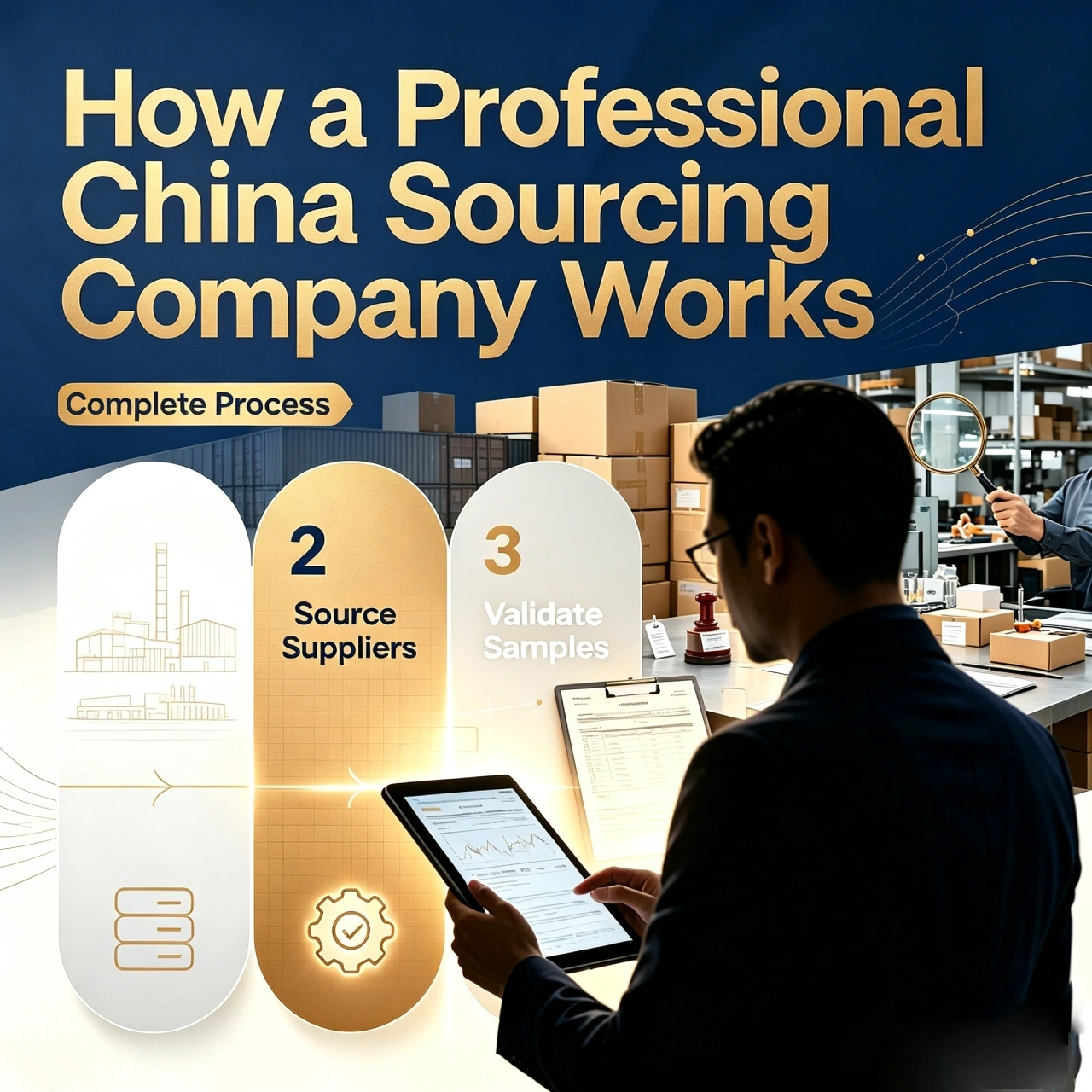
If you’re importing from China, you’ve likely wondered what actually happens after you hand your product requirements to a sourcing partner. The process can feel like a black box—you send specifications, wait for updates, and hope everything goes smoothly.
This guide opens that black box. It walks through the complete workflow of a professional sourcing engagement—from the first consultation to the moment your goods leave the factory. Whether you’re considering a China sourcing company for the first time or evaluating your current partner’s performance, this breakdown will help you understand what should happen at every stage and what deliverables you should expect.
Phase One: Discovery and Requirement Alignment
Every successful sourcing project starts with a clear understanding of what you actually need. This phase typically takes 1-2 weeks and sets the foundation for everything that follows .
A Chinese product sourcing service will begin by asking detailed questions about your product specifications, target pricing, quality expectations, and compliance requirements . Vague requests yield vague results—so expect a structured conversation that covers:
Product specifications: Materials, dimensions, functionality, packaging, and labeling requirements
Quality standards: Acceptable defect rates, testing protocols, and certification needs (CE, FCC, FDA, RoHS, etc.)
Order parameters: Target MOQ, lead time expectations, and budget range
Compliance and regulatory requirements: Target market (EU, US, Australia, etc.) and the specific standards that apply
What you should receive: A documented requirements summary or sourcing brief that captures all specifications. This document becomes the reference point for every subsequent decision. A good partner will ask clarifying questions that show they actually understand your product category, rather than simply agreeing to everything .
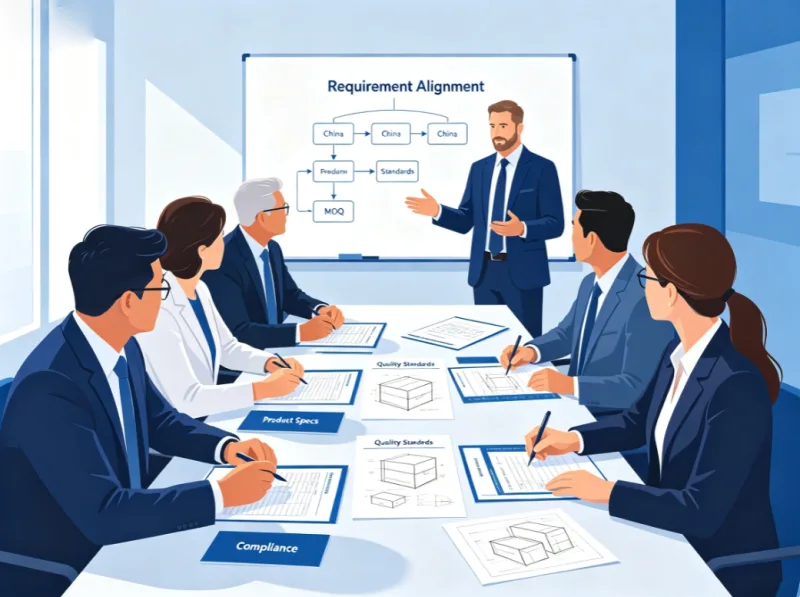
China Sourcing Company Discuss Product Requirements with Import Clients
Phase Two: Supplier Identification and Vetting
Once requirements are locked, the search begins. This is where a China factory sourcing specialist provides value that no online platform can match.
The agent doesn’t just run a quick Alibaba search. They tap into a network of manufacturers across industrial clusters like Guangdong, Zhejiang, and Fujian—often reaching factories that have no English-language storefronts and would never appear in your own search results .
What the vetting process typically involves:
| Vetting Activity | What It Uncovers |
| Business license verification (QCC.com) | Legal registration, ownership, business scope |
| On-site factory visit | Actual equipment, workforce, production capacity |
| Certification verification | Authenticity of quality/compliance certificates |
| Reference checks with other buyers | Reputation and reliability track record |
| Capability assessment | Whether the factory can actually make your product |
A professional China import sourcing partner will physically walk the production floor, not just review documents . Trading companies posing as factories are common—a showroom might look impressive, but the real production behind a locked door could be completely different. On-site verification catches this .
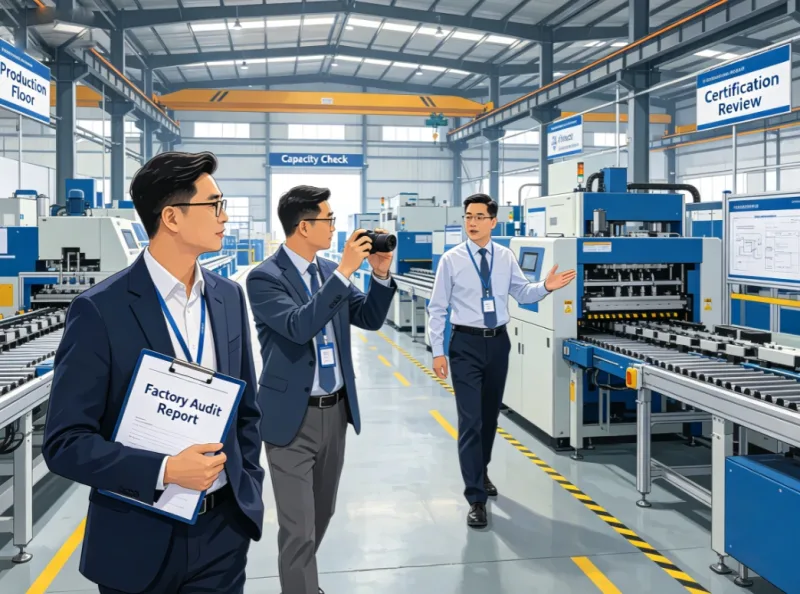
China Sourcing Company Conduct On-Site Factory Vetting and Audit
What you should receive: A supplier shortlist (typically 3-5 options) with an objective comparison sheet showing each factory’s strengths, weaknesses, pricing, and red flags. A transparent partner will share factory names and contact details—not treat them as proprietary .
Phase Three: Quotation, Negotiation, and Sampling
With vetted suppliers identified, the agent requests detailed quotes. This isn’t a simple “what’s your price” exercise—it’s about getting apples-to-apples comparisons that account for MOQ, lead time, payment terms, tooling costs, and packaging.
Negotiation dynamics:
A skilled agent negotiates in Mandarin, which matters more than most buyers realize. Factory quotes to foreign buyers are almost always higher than quotes to local professionals. Agents know the real cost structures and can push back on inflated pricing .
The sampling process:
Samples are ordered from shortlisted suppliers—typically 1-3 rounds. Each round includes review, feedback, and revision until the sample matches your specifications .
| Sampling Stage | Purpose |
| First sample | Validate basic form, fit, and function |
| Revised sample | Address any issues from first round |
| Production sample | Confirms the factory can replicate quality at scale |
What you should receive: A comparative quotation sheet that’s easy to read, not a jumble of PDFs. Clear recommendations on which supplier offers the best value (not just lowest price). And physical or digital samples with documented evaluation notes .

China Sourcing Company Review Quotations and Approve Product Samples
Phase Four: Production Monitoring and Quality Control
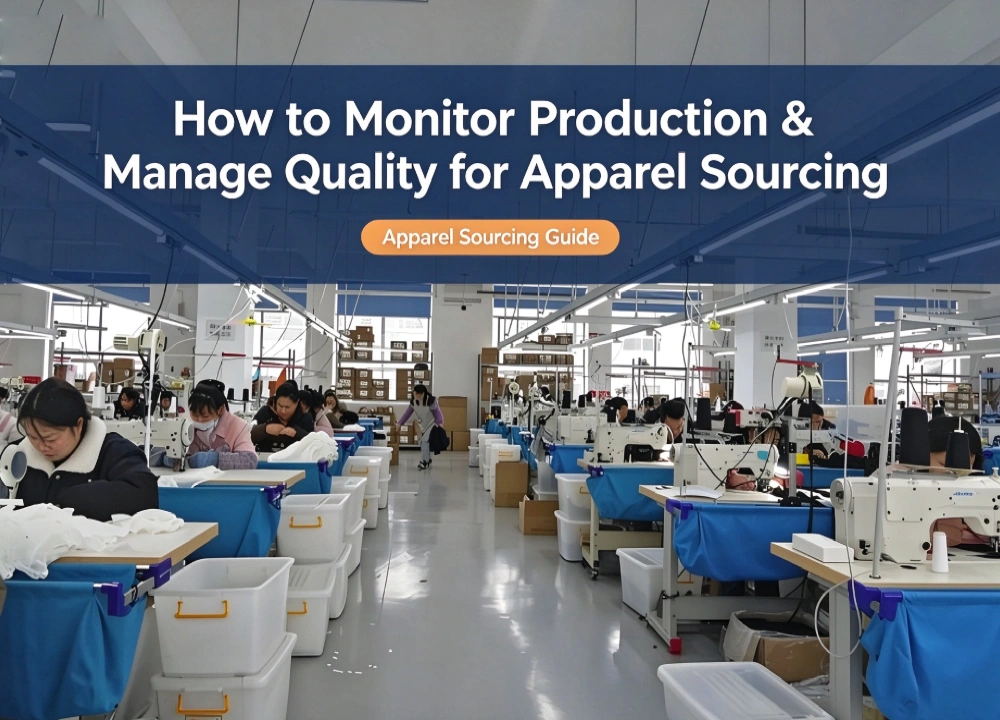
This is where a China sourcing agent delivers the most tangible value. Once your order enters production, the agent monitors progress and conducts inspections at critical checkpoints .
Three inspection stages:
| Inspection Stage | Timing | Purpose |
| Pre-production | Before materials are cut/processed | Verify raw materials match spec |
| During production (DUPRO) | After 20-30% of units complete | Catch quality drift early |
| Pre-shipment (PSI) | When production is 100% complete | Final gate before goods leave China |
Professional agents use AQL (Acceptable Quality Level) standards for pre-shipment inspections. This gives you an objective, measurable pass/fail decision based on statistical sampling, not subjective judgment . Industry data shows that approximately 32% of pre-shipment inspections in China fail at least one quality check, which is why this step is non-negotiable .
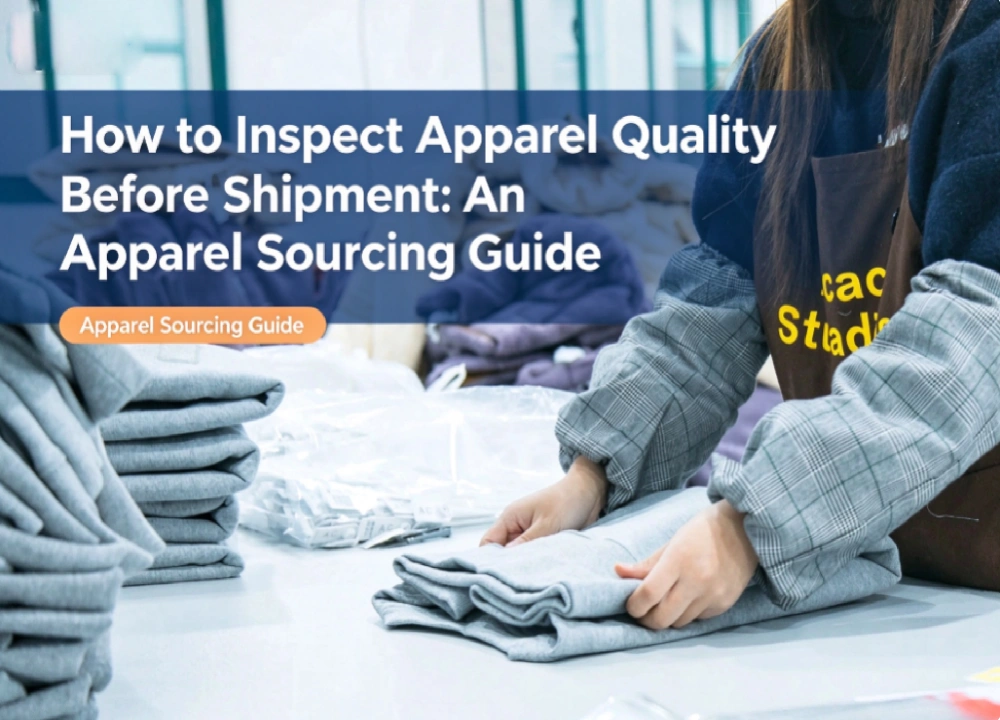
What you should receive: Comprehensive QC reports with photos, measurement tables, defect classifications, and clear pass/fail recommendations . If a lot fails, a good agent will coordinate rework, replacement, or sorting and document the remedial actions .
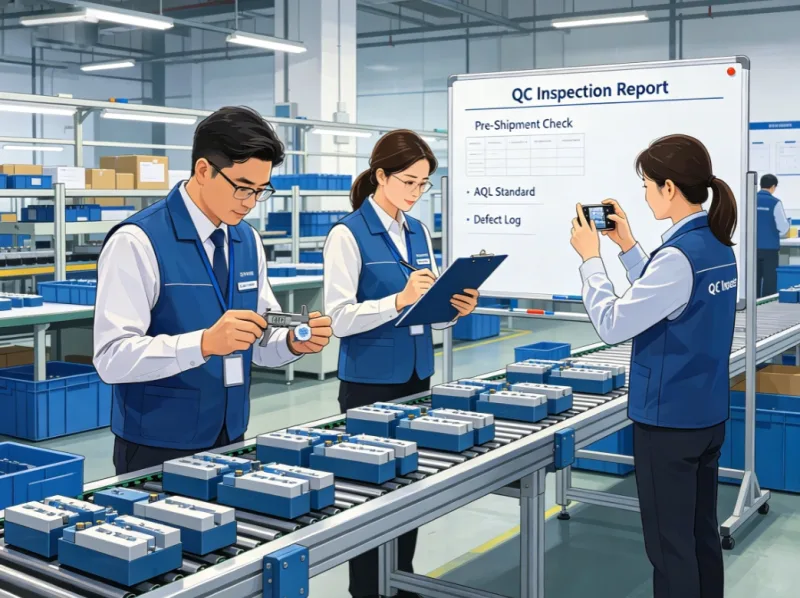
China Sourcing Company Perform In-Production and Pre-Shipment QC Inspection
Phase Five: Logistics, Shipping, and Documentation
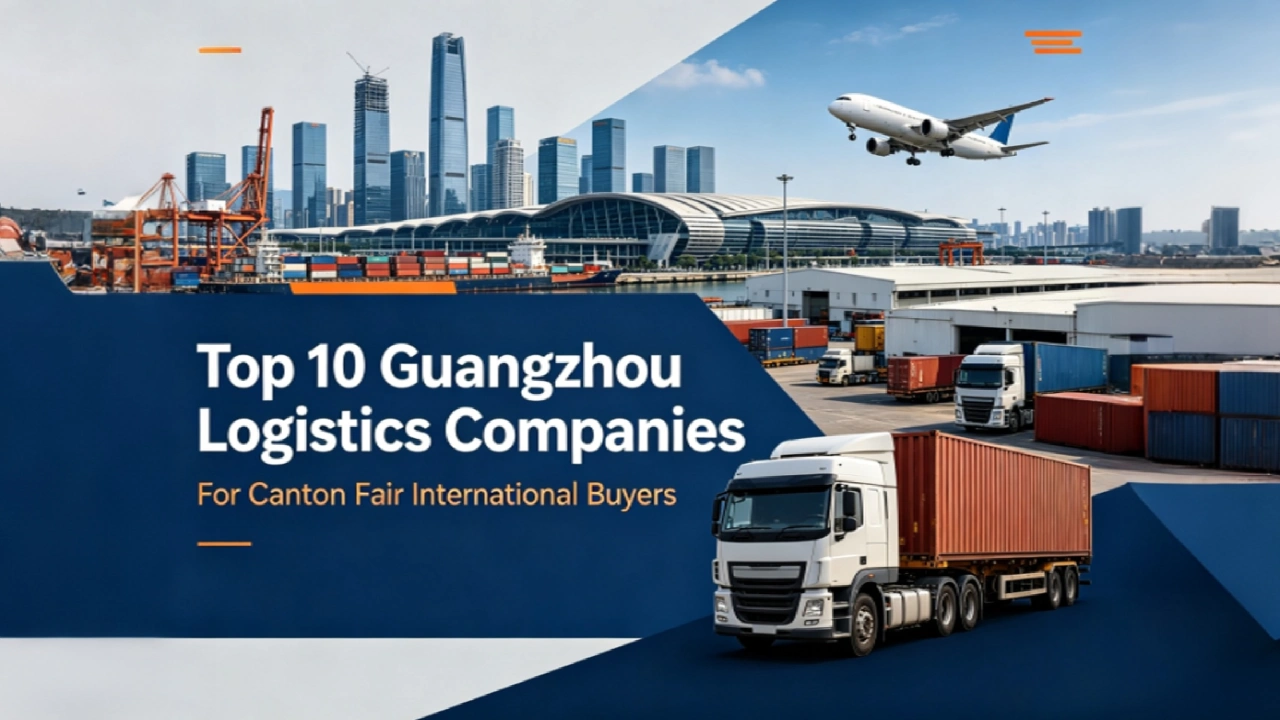
Once quality checks pass, the focus shifts to getting your goods to their destination. This phase involves coordinating with freight forwarders, preparing export documentation, and managing customs clearance .
A capable China procurement company will help you choose the right Incoterms—commonly EXW, FOB, or DDP—and ensure all shipping documents are prepared accurately .
Essential shipping documents:
Commercial invoice
Packing list
Bill of lading
Certificate of origin (if required)
Compliance certificates (CE, FCC, etc.)
Mistakes in documentation—incorrect HS codes, incomplete packing lists, or inaccurate invoices—can result in delays, fines, or cargo seizure .
What you should receive: A shipping plan with clear responsibilities, document checklists aligned to your chosen Incoterm, and tracking updates once goods are en route . Some agents also handle consolidation—combining your order with other clients’ shipments to reduce freight costs .
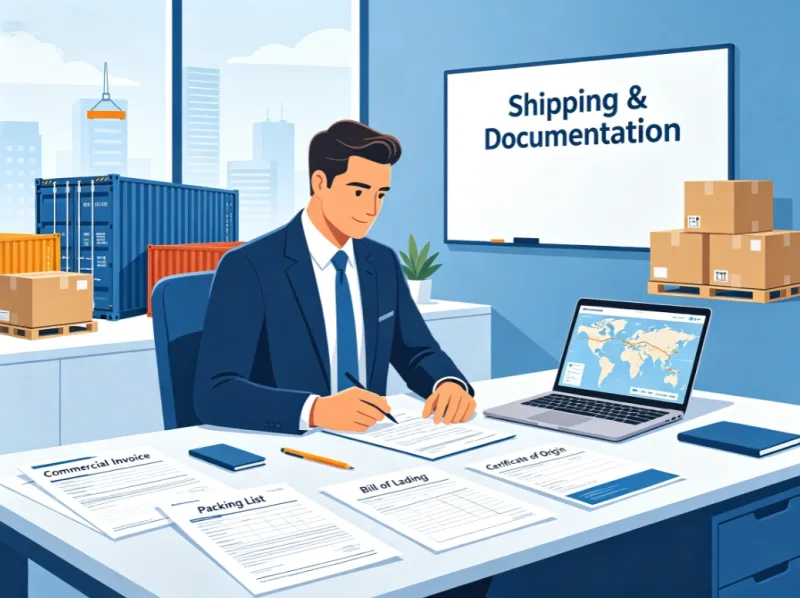
China Sourcing Company Prepare Shipping Documents and Logistics Arrangement
Phase Six: After-Sales Support and Continuous Improvement
The relationship doesn’t end when goods arrive. A reliable China sourcing company provides post-delivery support, including:
Assistance with goods acceptance and any issue resolution
Coordination of final payment after confirmation
Documentation of supplier performance for future reference
Post-delivery consultation on quality or compliance questions
If disputes arise—for example, if quality issues appear after arrival—a professional partner will act as your advocate with the factory, negotiating rework or compensation rather than leaving you to handle it alone .
What you should receive: A transaction summary report evaluating supplier performance, feedback on areas for improvement, and clear next steps for reorders or future projects .

China Sourcing Company Provide After-Sales Support and Order Follow-Up
Summary: The Complete Workflow
| Phase | What Happens | What You Receive |
| 1. Discovery | Requirements defined, specs documented | Sourcing brief |
| 2. Supplier Vetting | Network search, factory visits, verification | Supplier shortlist + vetting report |
| 3. Quoting & Sampling | RFQ, negotiation, sample coordination | Quote comparison + approved samples |
| 4. Production & QC | Timeline monitoring, 3-stage inspections | QC reports with photos + pass/fail |
| 5. Shipping | Freight coordination, document preparation | Shipping plan + tracking updates |
| 6. After-Sales | Issue resolution, supplier evaluation | Transaction summary + next-step plan |
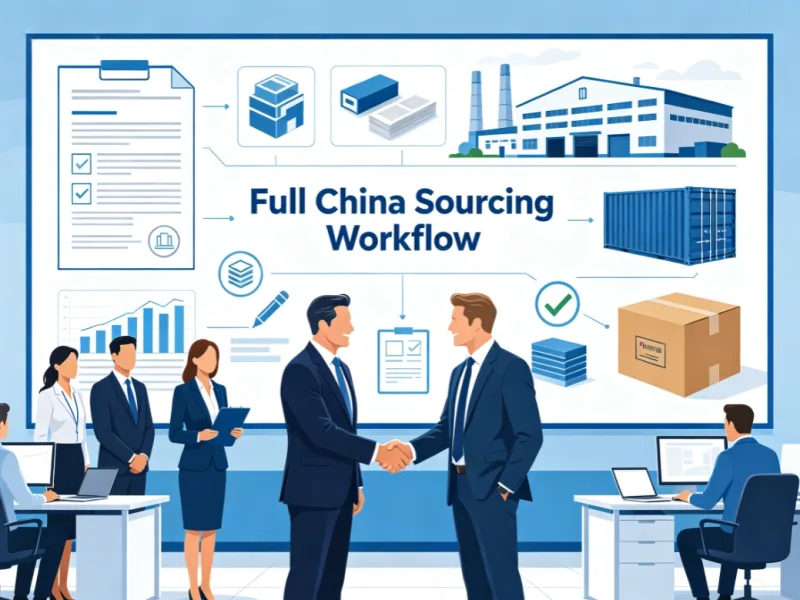
China Sourcing Company Deliver Transparent and Reliable Sourcing Solutions
Choosing the Right Partner for Your Process
A professional partner’s value isn’t just in finding a factory—it’s in managing every step of this workflow so you don’t have to. The right China sourcing company will give you visibility into each phase, deliver tangible documentation at every milestone, and represent your interests when problems arise.
The top sourcing companies earn their reputation not through marketing, but through consistent execution of this complete process—from requirement alignment to final delivery, with transparency and accountability throughout.
This guide draws on industry-standard sourcing workflows and real project experience across Guangdong, Zhejiang, and other manufacturing hubs. The principles apply regardless of whether you’re sourcing electronics, apparel, mechanical components, or packaging.
Share This Story, Choose Your Platform!
We connect you with reliable factories, get the best quotes, deliver straight to your door.