Project Description
Sourcingyuan is a local one-stop cross-border supply chain service provider rooted in Guangzhou. We have long provided overseas merchants with full-cycle one-stop services including factory sourcing, order follow-up and after-sales dispute resolution. Many overseas buyers encounter quality breaches and compensation refusals from Chinese manufacturers, yet they are trapped in deadlocks due to geographical distance, language barriers and unfamiliarity with local commercial rules. They eventually turn to us for full-authority representation to resolve disputes and recover economic losses. This case fully records how we helped a North American purchasing client resolve a quality claim dispute with a Wuhan factory, and elaborates our standardized three-step dispute resolution system.
1. Client’s Request: Stuck in a Quality Dispute with Wuhan Factory, Reaches Out to Us After Fruitless Negotiations

First online meeting with a client
1.Severe cross-border communication barriers: The factory’s contact staff had limited English proficiency, leading to constant misinterpretation of written emails; the client’s loss calculation standards and rectification requests could never be fully delivered;
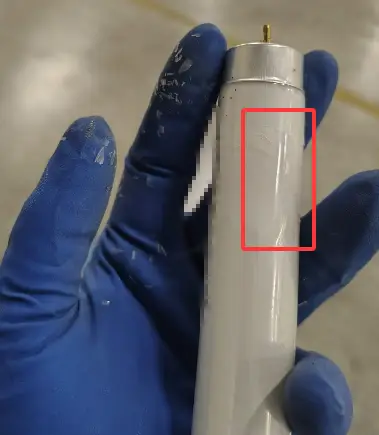
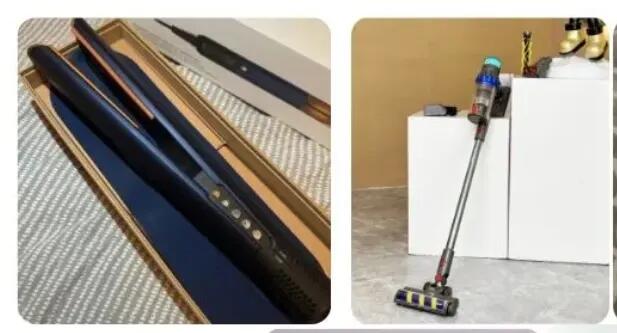
Client’s favorable evidence images
2.Lack of on-site discourse power for remote claimants: Unable to visit the factory to verify production lines and defective inventory, the client could not refute the factory’s one-sided false excuses;
3.No professional legal backup, weak bargaining chips: The client only held basic trade knowledge and was unable to counter the factory’s legal loopholes during negotiations;

The customer has complaints about defective products
4.Difficulty in calculating comprehensive recoverable losses: Costs including scrapped inventory, downstream indemnities, sea freight and warehousing accumulated, yet the client had no idea of domestic claim negotiation procedures; the factory only offered trivial partial replacement which could not cover full losses;
5.No neutral third-party mediation channel: Negotiations were limited to direct buyer-seller talks, amplifying conflicts with no buffer to avoid complete breakdown.
2. Standardized 3-Step Dispute Resolution Process to Secure Satisfactory Compensation for Clients
Step 1: Comprehensive Background Investigation to Solidify Complete Liability Evidence
1.Full filing and verification of documents: We collected sales contracts, proforma invoices, payment slips, all bilingual email correspondence, high-definition photos of defective goods, official third-party inspection reports, downstream return lists and compensation vouchers issued to retailers. We cross-checked quality standards and breach compensation clauses stipulated in the contract, marking all fundamental breaches committed by the factory;

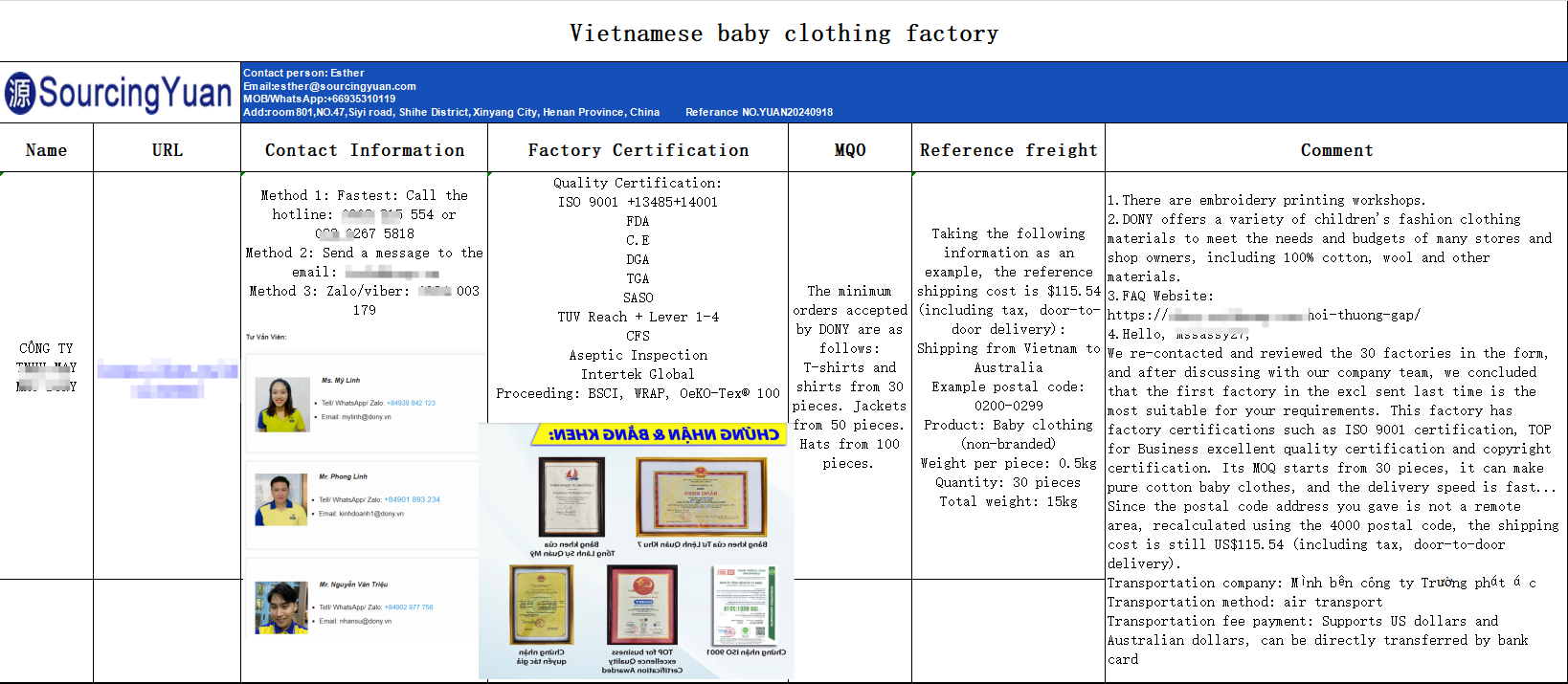
Supplier background investigation
2.Industrial and commercial due diligence: We retrieved the Wuhan factory’s business registration information, business scope, past litigation records and industry dishonesty records, clarifying its actual scale, legal representative and physical factory address;
3.Cross-verification against national industry standards: We referenced national production specifications and general foreign trade acceptance criteria for this product category, comparing them with actual craftsmanship deviations of delivered goods, and compiled a written factual investigation report.

Legal Warning via Lawyer’s Formal Letter
Upon completion of all investigations, we organized a complete, logically sound evidence package detailing multiple fundamental breaches by the factory, laying solid groundwork for on-site factory visits, legal counsel intervention and offline negotiations in the next stage.
Step 2: On-site Visit to Wuhan Factory with Professional Foreign Trade Lawyer Onboard
1.On-site inspection of production lines & finished inventory: Our team and the lawyer visited the factory’s production workshop and finished goods warehouse, sampling unsold stock on-site, shooting real footage of flawed production processes, and directly disproving the factory’s false claim that damage arose from ocean transit;
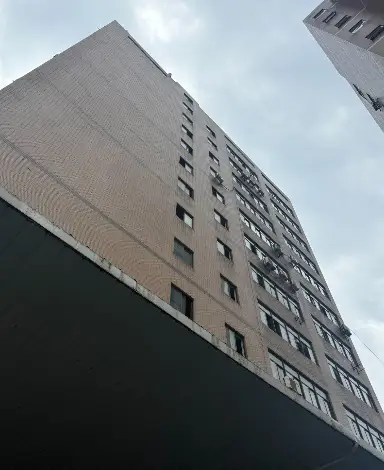
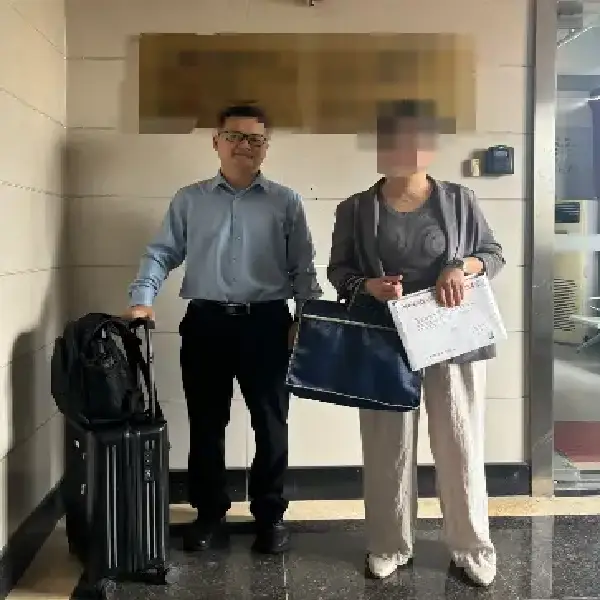
Office of the supplier in Wuhan
2.Lawyer presents full legal evidence to clarify legal liabilities: Our bilingual staff provided real-time translation throughout the face-to-face talk. The lawyer presented all evidence point by point, citing relevant clauses of the Civil Code and general cross-border trade liability rules, and clearly informed the factory of full legal consequences if litigation was filed with complete evidence;
3.Initial pressure negotiation & clarification of client’s bottom-line demands: Our senior sourcing specialist explained the client’s actual total losses and minimum compensation threshold based on supply chain industry norms, while the lawyer elaborated all adverse outcomes of refusing reconciliation. The dual pressure eliminated the factory’s fluke mentality, and the factory admitted inadequate production management for the first time, agreeing to enter formal compensation negotiations.
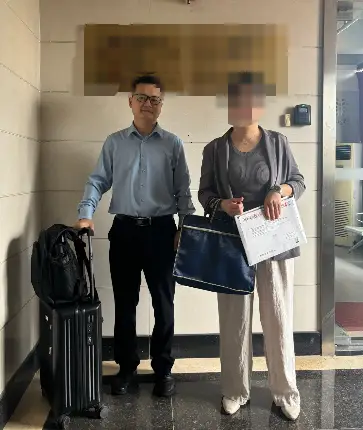
On-site Factory Negotiation Accompanied by Legal Counsel
Step 3: Multiple Rounds of Negotiations & Organized Tripartite Formal Reconciliation Meeting
1.Pre-negotiation separate consultations: We adjusted the flexibility of the client’s demands via online meetings, while separately communicating compensation packages with the factory’s management to break down detailed losses including scrapped goods, downstream indemnities and logistics expenses, repeatedly narrowing differences between both sides;
Multiple rounds of negotiations
2.Organize offline tripartite formal meeting: We invited the client to join the meeting via real-time video online, with our bilingual staff providing full simultaneous interpretation offline. The factory’s principal, our project team and commercial lawyer attended the offline negotiation together, while the client remotely followed the whole process. All loss details and supporting evidence were verified item by item during the meeting, with the lawyer supervising legal boundaries to prevent vague or delayed performance commitments from the factory;
3.After multiple rounds of compromise negotiations, the compensation terms were finalized. Following several adjustments during and after the meeting, the factory gradually revised its compensation proposal. Starting with only a limited partial replacement solution initially, we secured a higher compensation amount after negotiations.
3. Reconstructed Communication Channel & Preliminary Compensation Framework
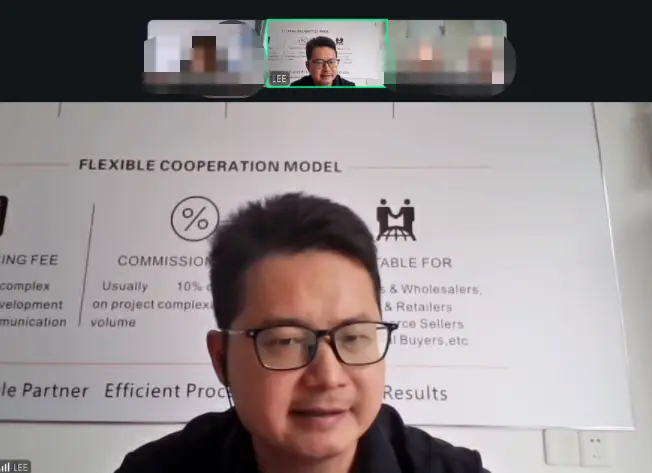
Tripartite meeting (customer, supplier, sourcingyuan)