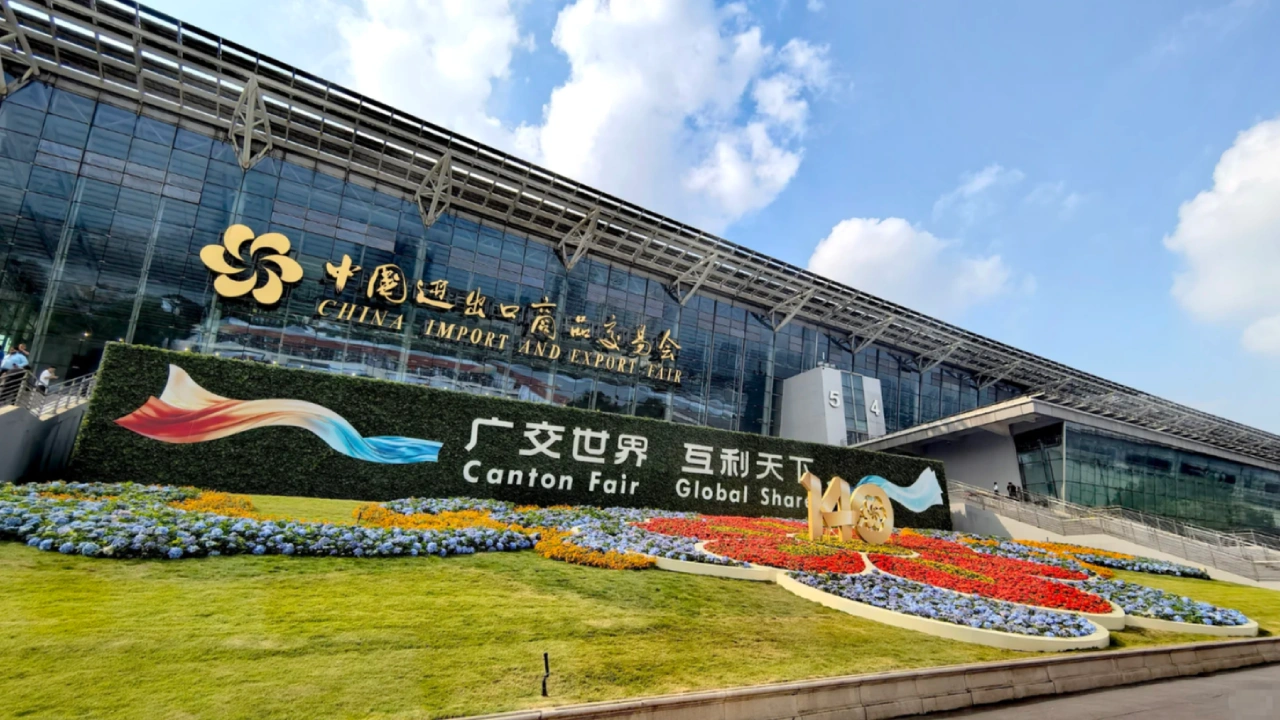
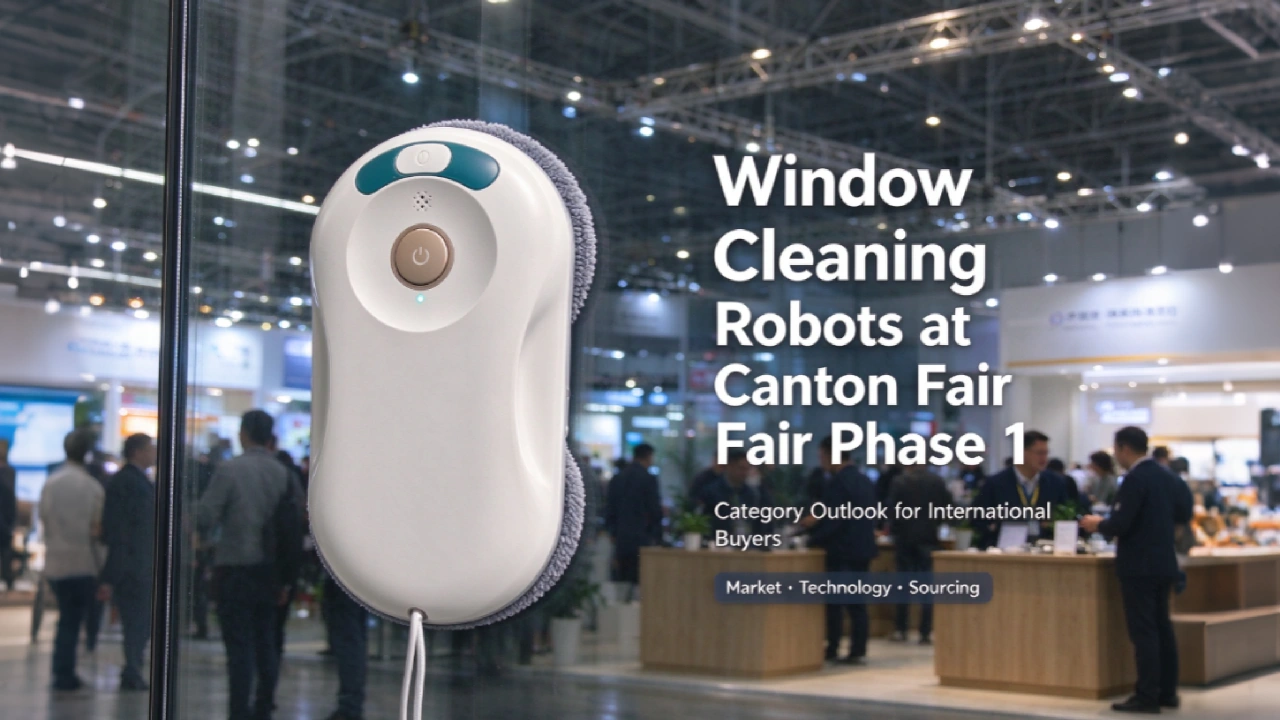
The window cleaning robot category has moved from a niche curiosity to one of the most commercially active service robot segments at Canton Fair Phase 1. At the 140th session, service robot booths drew queues of buyers who were no longer just watching demonstrations—they were asking for quotations, reserving samples, and negotiating batch orders on the spot. For international buyers evaluating whether to enter this category, the on-site signals are worth examining closely.
This guide covers what window cleaning robots are, why the category is growing, what the market data says, and what buyers should watch for before committing to a reliable supplier for bulk orders. If you are planning to come for later sessions, check our guide on Canton Fair phases and product schedules.
What Is a Window Cleaning Robot, and Why Is It Suddenly Everywhere?
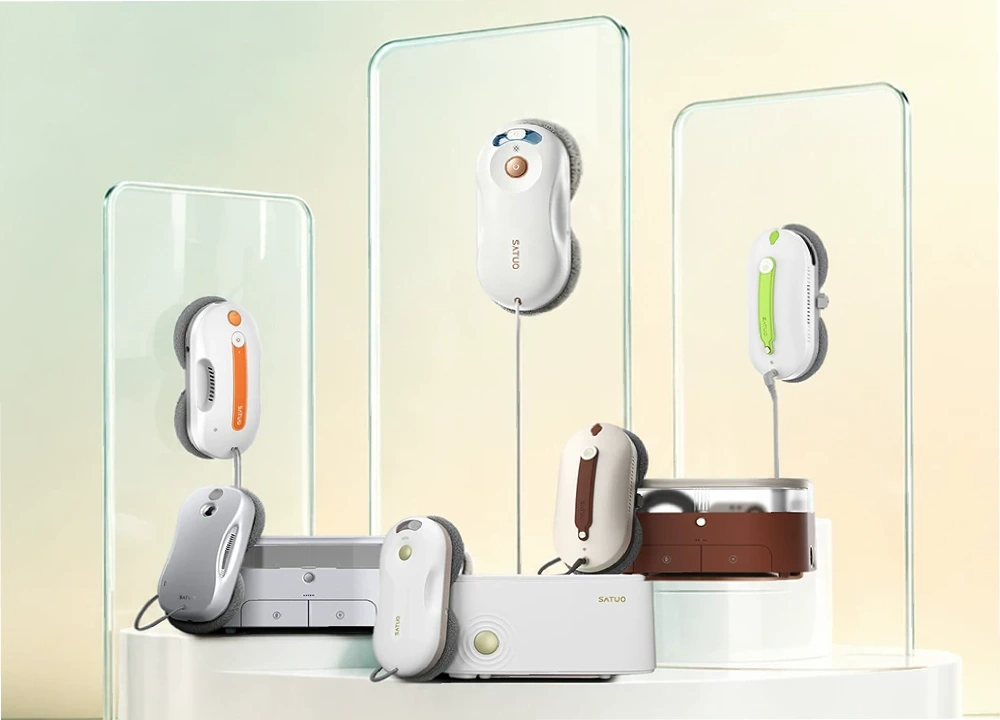
A window cleaning robot is an automated device that adheres to glass surfaces. It navigates via sensors and algorithms, and cleans through spray-and-wipe mechanisms. It solves a problem that manual labor cannot solve safely: high-rise exterior window cleaning.
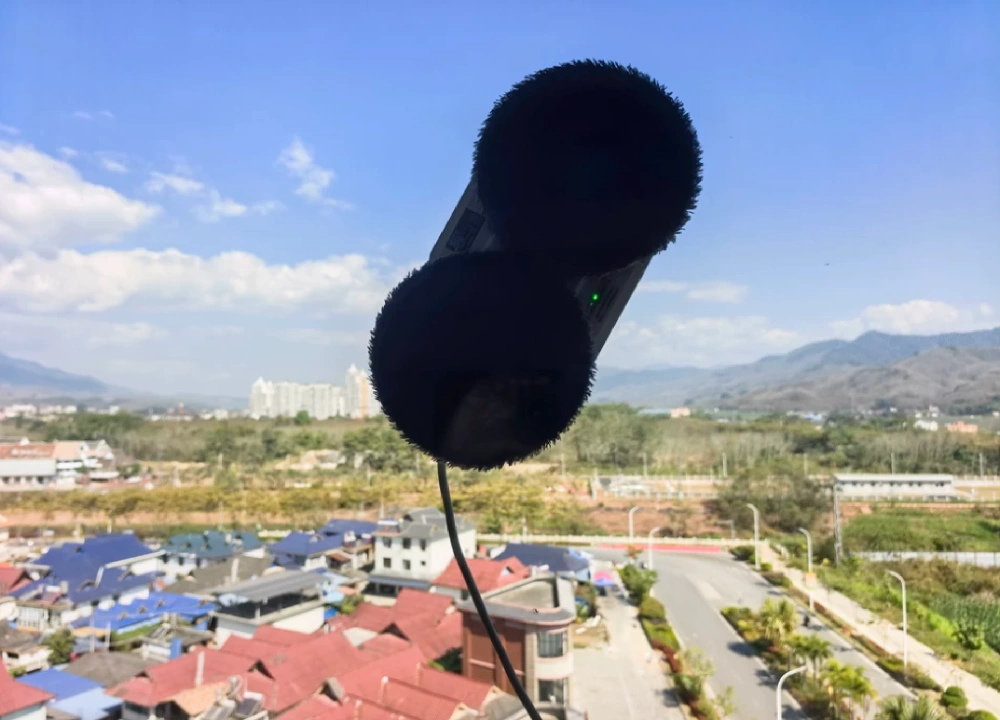
The technology core is three-fold. First, negative-pressure adhesion keeps the device fixed on the glass. Second, sensor-based mapping lets it navigate and avoid obstacles. Third, bionic wiping algorithms simulate human hand movement — spraying, wiping, and repeating. Leading models now incorporate dual suction cups that alternate operation. This design ensures the device never relies on a single point of adhesion. UPS battery backup and safety ropes are standard on reputable products.
Why the Category Is Booming
Three factors have converged to push window cleaning robots from niche to mainstream.
Safety is the primary driver. High-rise exterior cleaning carries genuine fall risk. Many domestic service providers refuse exterior window work for this reason. This creates a market gap that robots can fill without putting workers at risk.
Technical maturity has improved suction reliability, edge coverage, and path planning. Early models often fell off glass or missed corners. Current models handle framed windows, frameless glass, and even slightly curved surfaces.
Price accessibility has expanded dramatically. Basic models that once cost 2,000–3,000 RMB now start under 600 RMB with subsidies and platform discounts. This price point has moved the product from a luxury gadget to a mass-market appliance.
Comparison: Robot vs. Manual vs. Handheld
| Item | Window Cleaning Robot | Traditional Manual Cleaning | Handheld Squeegee |
|---|---|---|---|
| Cost per use | One-time purchase, no labor cost | 200–500 RMB per session (high-rise) | Low cost, but labor-intensive |
| Safety | No fall risk; secured with safety rope | High fall risk for exterior windows | High fall risk if leaning out |
| Efficiency | 5–10 minutes per window, automatic route | 20–40 minutes per window | 15–30 minutes per window |
| Cleaning Coverage | Full glass. Circular models leave 1–1.5cm edge gaps | Full coverage, depends on operator | Full coverage, depends on operator |
| Best Fit For | High-rise apartments, large glass, regular maintenance | One-time deep cleaning, irregular surfaces | Small windows, quick touch-ups |
Application Scenarios: Where These Products Are Actually Used
Residential high-rise apartments are the primary market. In markets like Europe, Russia, and Southeast Asia, high-rise living is common. Manual exterior cleaning is expensive or restricted, so the product solves a real household pain point.
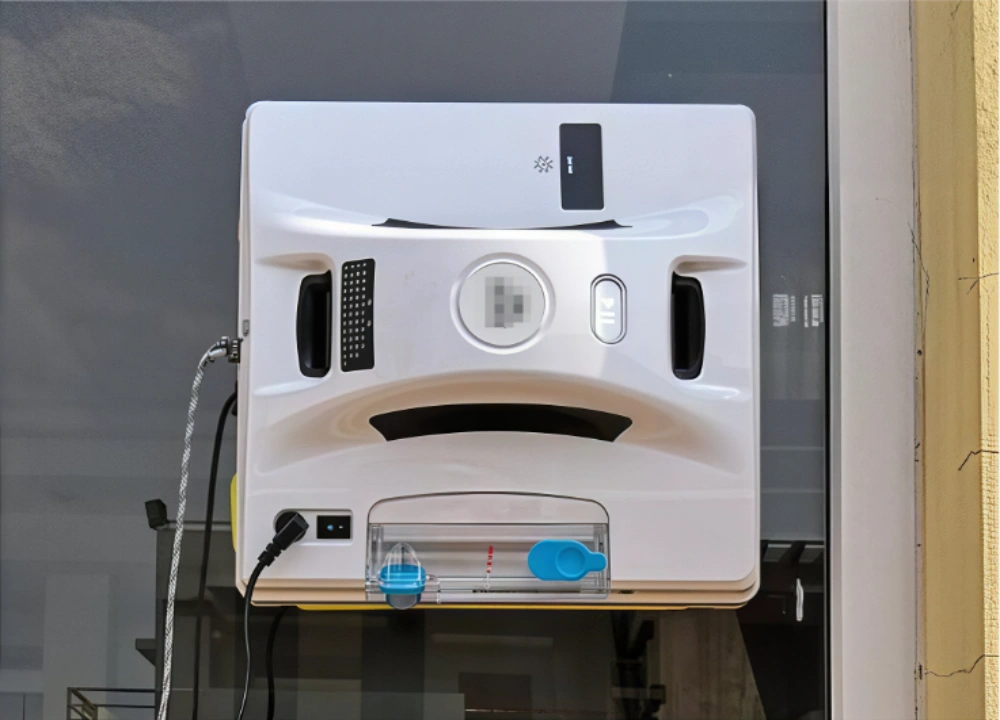
Commercial buildings and hotels use larger tracked models for facade maintenance. These are usually square tracked designs. They deliver faster coverage and better corner reach for large glass surfaces.
Property management companies are emerging as a B2B channel. Instead of hiring manual cleaners for each building, they deploy robot fleets for routine maintenance. This cuts labor costs and reduces liability risk.
Future Development Directions
The category is still evolving, and several directions are worth watching.
Smarter navigation is one path. Current models use basic sensor mapping. Future versions will likely add LiDAR or visual SLAM for more precise edge detection and obstacle avoidance.
Integration with smart home ecosystems is another trend. Some models already connect to mobile apps. The next step is linking them with voice assistants and home automation systems.
Better edge and corner coverage remains a technical challenge. Circular models leave 1–1.5cm gaps at corners. Manufacturers aim to fix this without reducing cleaning power.
Battery life and weight reduction are ongoing priorities. Thinner, lighter robots fit more window types, including those with narrow frames or protective grilles.
At Canton Fair Phase 1, the commercial momentum was visible. Guangdong Lingdu Intelligent drew strong buyer interest for its home window cleaning robot. Many overseas visitors stopped by to test the unit, request samples and discuss bulk order plans.
The Technology: How These Devices Actually Work
Understanding the technical differentiation matters because the category is not homogeneous. An automatic window cleaner can vary greatly in adhesion method, cleaning mechanism, and safety redundancy.
Adhesion is the most critical technical differentiator. Vacuum suction relies on a pump to create negative pressure, and it works best on smooth, flat glass. Fan-based adhesion creates pressure differential through airflow. It tolerates slightly uneven surfaces better. It can even work on frosted glass or tile in some cases. Most mainstream products now use fan-based adhesion for broader applicability.
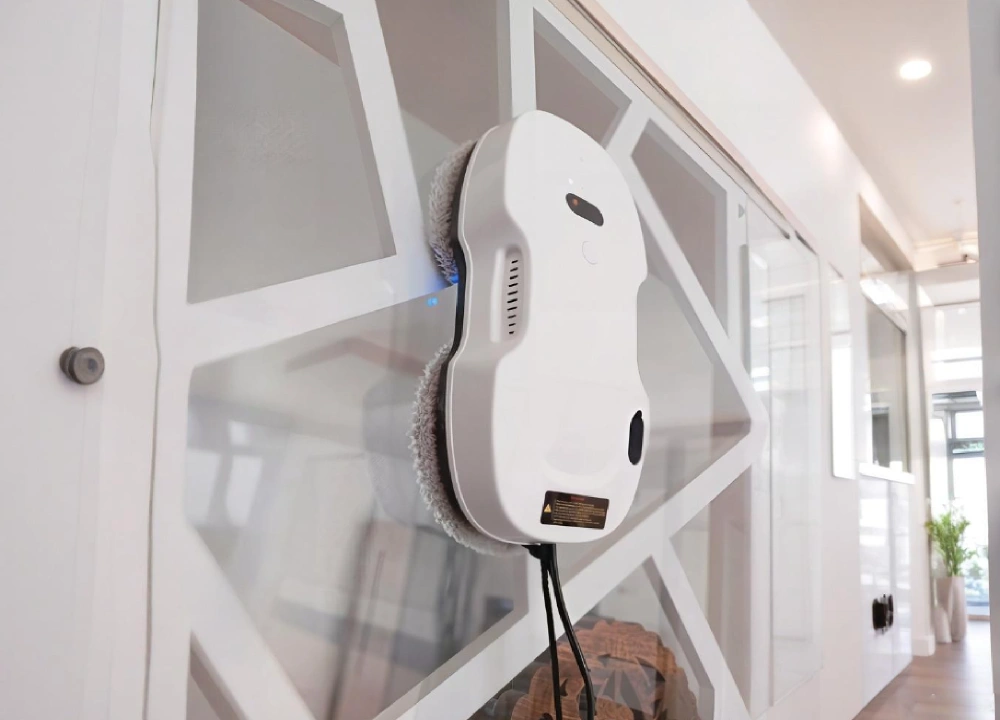
Cleaning mechanism splits into two main approaches. Square or tracked robots use a “push-wipe” motion. They clean faster and reach corners better. Circular or dual-pad robots use a “twist-wipe” rotating motion. This style handles stubborn stains well, though it may leave small gaps at corners.
Safety redundancy is where product quality differs the most. Leading products have dual suction cups that alternate operation. One cup holds firmly while the other moves. This means the robot never depends on only one adhesion point. UPS battery backup and safety ropes come standard on reputable models.
For buyers, the practical takeaway is clear. Fan-based adhesion with dual-pad rotation is the mainstream choice for household use. Square tracked models are more suitable for large commercial glass surfaces.
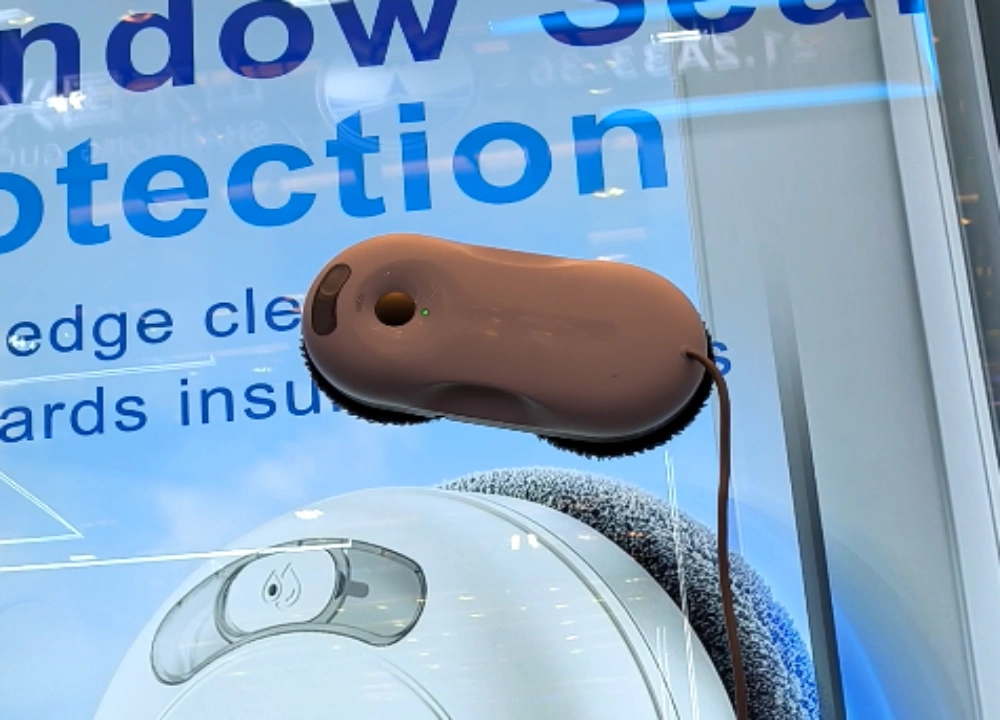
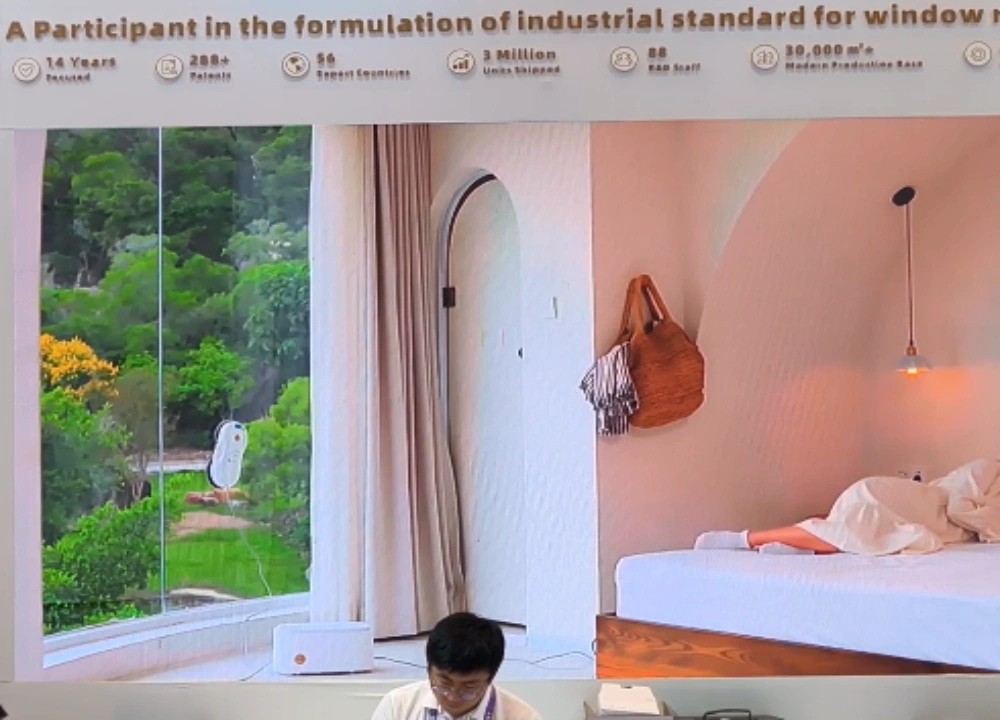
JSD Robot (嘉世达) was one exhibitor showcasing refined design at Canton Fair Phase 1. The Shanxi-based firm has long focused on this vertical and participated in drafting the domestic industry standard. At the show, it displayed its T50 model, built to resolve common pain points such as hollow glass seal damage and low-temperature slipping.
I watched a Brazilian buyer place a sample order right after watching the T50 demonstration at their booth. His reasoning was straightforward: “This product will sell well in Brazil. We have plenty of high-rise apartments, and manual window cleaning is expensive and dangerous.” Its experience customizing units for Chilean coastal buyers shows how flexible ODM can create better fit for regional markets.
Market Outlook: Growth Is Real, But the Ceiling Has Nuance
The market data is unambiguously positive. Global window cleaning robot market size was estimated at $584 million in 2025, forecast to reach $2.204 billion by 2032 at a CAGR of 20.9%. IDC data shows Q2 2026 global shipments of approximately 847,000 units, up 59.8% year-on-year. Industry estimates project global shipments exceeding 3 million units in 2026.
China dominates both production and export. In the first five months of 2026, China exported 1.0377 million robots worth 19.99 billion RMB, with cleaning robots accounting for over 70% of total robot export value. Huangpu Customs reported window cleaning robot exports of 17.7 million RMB in 2026, up 65.3% year-on-year, with 94% destined for Europe. Hengyang-based Huidi Intelligent alone shipped over 1.7 million units in the first seven months of 2026, capturing roughly 70% of the Russian market.
Buyers visiting Canton Fair Phase 1 heard a consistent message from exhibitors. European orders are growing, and the Middle East and Southeast Asia are emerging as the next volume markets.
The nuance lies in the ceiling. Industry analysts note that in China, most residential windows are fitted with insect screens. This limits the addressable market for exterior window cleaning robots domestically. The growth story is therefore heavily export-dependent. Europe, Russia, and increasingly the Middle East and Southeast Asia are the volume drivers.
A second nuance: competition is intensifying. Ecovacs has scaled aggressively, with its Nanxun factory producing over 200,000 units monthly and holding roughly 57.6% global market share in H1 2026. Smaller players face pressure on price and brand recognition. For buyers visiting Canton Fair Phase 1, this means supplier selection matters more than ever. The category is growing, but not every supplier will survive the consolidation.
What Buyers Should Evaluate Before Committing
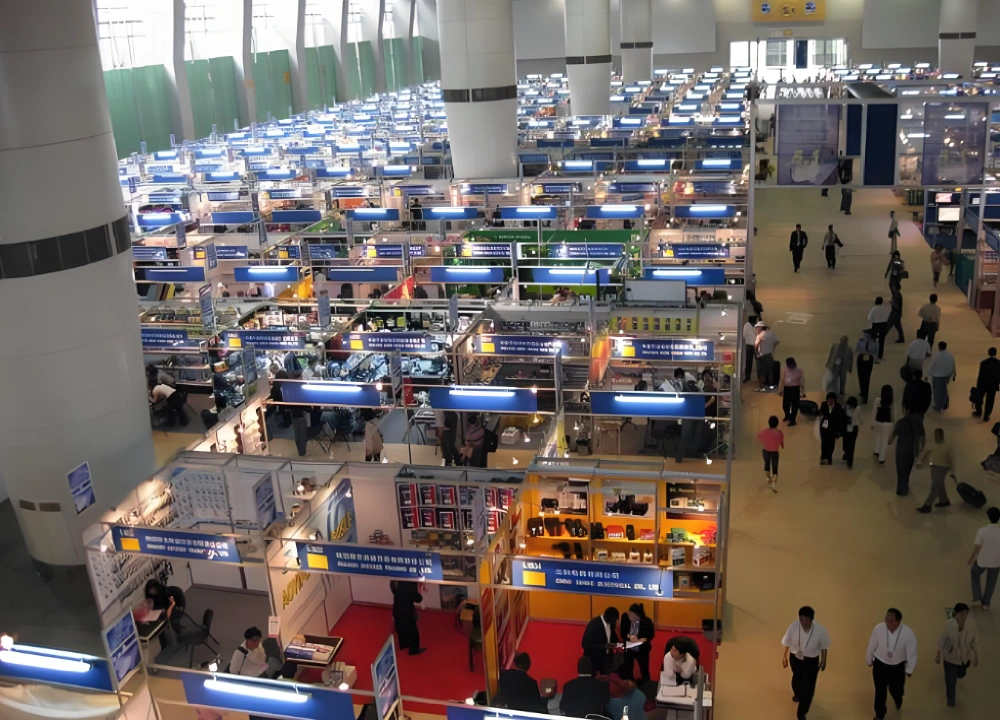
Verify factory status, not just booth presence. Many robotics exhibitors at Canton Fair Phase 1 are trading companies or integrators. A genuine manufacturer will provide a specific factory address, welcome a visit, and can explain their production capacity in units per line per shift.
Ask about certification for your target market. For Europe, CE and RoHS are baseline. For Russia, EAC certification is required. For North America, FCC and potentially UL. A supplier unable to produce valid certificates for your market is a risk. Customs clearance failures carry high costs.
Evaluate mass production stability, not just demo performance. A common buyer complaint is that display units perform flawlessly while bulk orders show inconsistency in suction reliability or edge coverage. Request a production-grade sample from an actual production run, not a hand-assembled demo unit.
Consider ODM potential. The category is still evolving, and differentiation matters. Whether you need specific suction power, noise levels, or form factor, a supplier with genuine ODM capability can adapt.
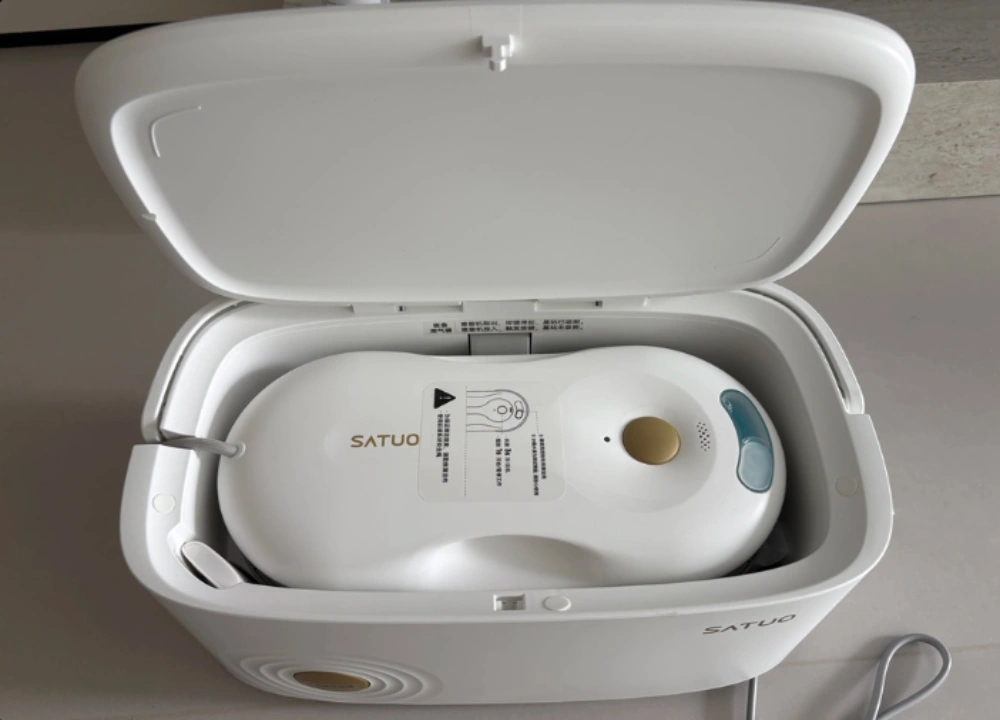
At Sourcingyuan, we help buyers navigate this category from the ground up. We verify whether a supplier is a genuine manufacturer or a middleman, coordinate production-grade sample testing, and confirm certification status for your target market. If you spotted window cleaning robots at Canton Fair Phase 1 and want to move beyond catalogues, we can help you evaluate the actual supply chain behind the booth.
For buyers considering own-brand development, Sourcingyuan supports the full window cleaning robot product development cycle—from concept and structural design to mold making, sampling, and certification. The category is growing, but the difference between a good supplier and a mediocre one shows up in bulk production, not on the show floor.

The Bottom Line
The window cleaning robot category has crossed the threshold from novelty to commercially viable product line. At Canton Fair Phase 1, the shift was visible: buyers were negotiating, not just observing. The market data supports continued growth—nearly 60% shipment growth in Q2 2026, a 20.9% CAGR forecast through 2032, and strong European demand.
But growth does not mean easy entry. The category requires careful supplier verification, certification compliance, and genuine product differentiation. Buyers who treat Canton Fair Phase 1 as the starting point for due diligence—rather than the finish line—will be better positioned to capture the opportunity.
Sourcingyuan works with international buyers from our Guangzhou office, supporting supplier verification, sample testing, and product development for the window cleaning robot category. If you are evaluating this category after Canton Fair Phase 1, contact us to discuss how we can help you move from booth conversations to production-ready orders.
We also supports buyers sourcing across robot, new energy, and AI hardware categories. Whether you need a single supplier vetted or a full product development project managed, our local team can help. We will keep tracking hot consumer electronics and home appliance launches for Canton Fair Phase 2, so stay tuned for our next field report.
About the Author
Jeff Lee
Founder of Sourcingyuan
Jeff Lee is the founder of Sourcingyuan, a China-based sourcing and product development company. He has more than 10 years of experience helping overseas businesses source products, develop new products, identify reliable manufacturers, manage production, and build supply chains in China.
Related Articles You May Like 📚
Explore our Canton Fair Guide topic hub:
🎯 What Is the Canton Fair and Why Should You Attend? A Complete Canton Fair Guide
✅ Which Canton Fair Phase Should You Attend? Dates & Full‑List of Product Categories
🤝 Need help with this category?
Share This Story, Choose Your Platform!
We connect you with reliable factories, get the best quotes, deliver straight to your door.