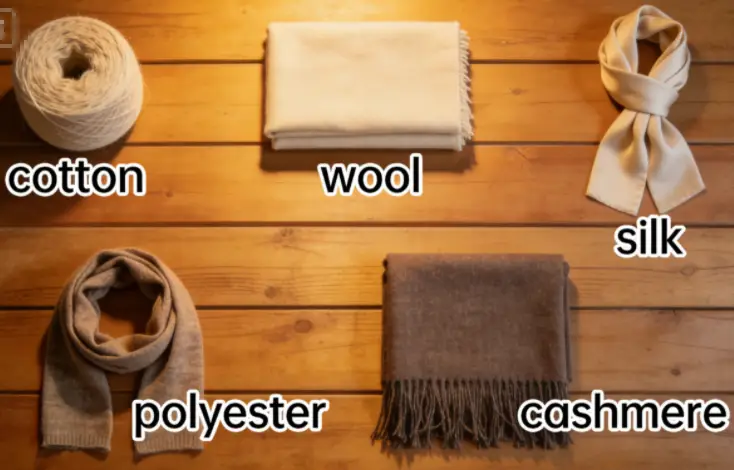
As a professional Chinese procurement company, we deeply understand that choosing the right scarf fabrics is crucial for enterprises to balance quality, cost-effectiveness and market competitiveness. This blog explores the core points of scarf fabrics, from quality and cost to supply chain insights, helping you make wise fabric choices for every season.
Overview of Scarf Fabric Types
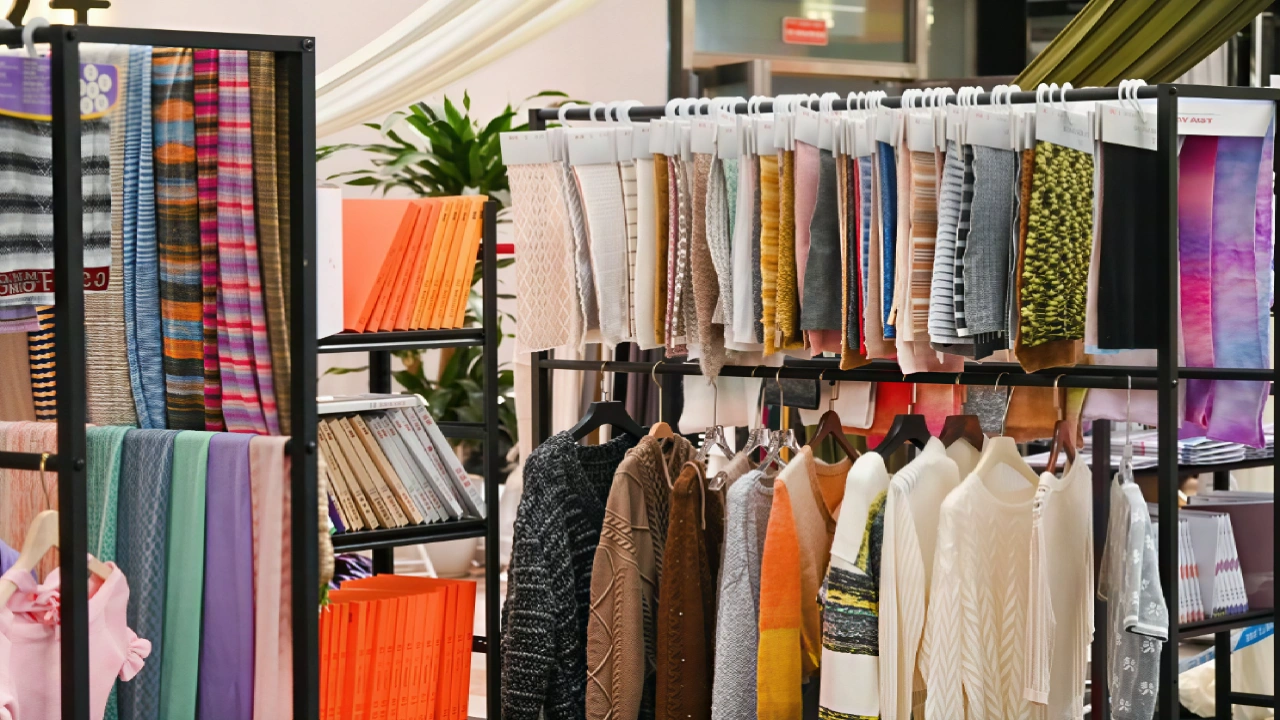
When it comes to scarf fabrics, there are five mainstream types in the market, each with unique characteristics suitable for different seasons, uses and consumer preferences. As a Chinese procurement company with years of experience, we summarize the most popular scarf fabrics to help you make targeted choices.
Detailed Introduction to 5 Types of Scarf Fabrics
1.Cotton Fabric: One of the most common and cost-effective scarf fabrics, made from natural cotton. It is lightweight, breathable and skin-friendly, suitable for light scarves in spring and summer, easy to care for and affordable, ideal for bulk purchases.
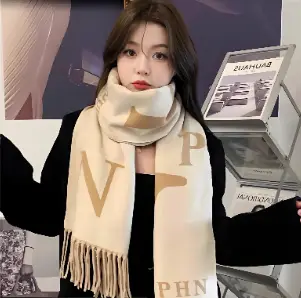
Cotton Fabric
2.Wool Fabric: A core choice of scarf fabrics for winter, made from natural wool. It has excellent warmth retention and breathability, thick texture and good durability, but requires careful maintenance, suitable for high-end winter scarves.
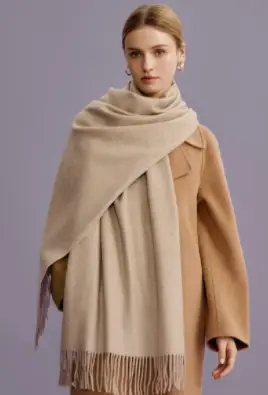
Wool Fabric
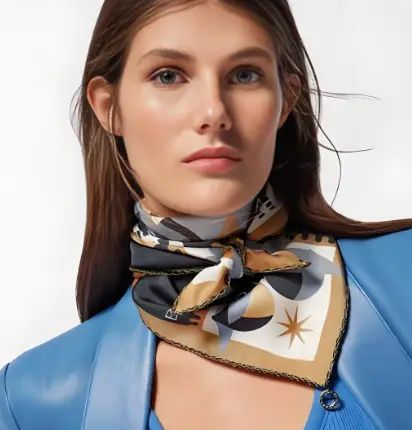
3.Silk Fabric: A high-end scarf fabric made from natural silk. It is smooth, shiny and skin-friendly, breathable and elegant, suitable for light scarves in spring and autumn, often used in high-end fashion and gift customization, with high price and strict care requirements.
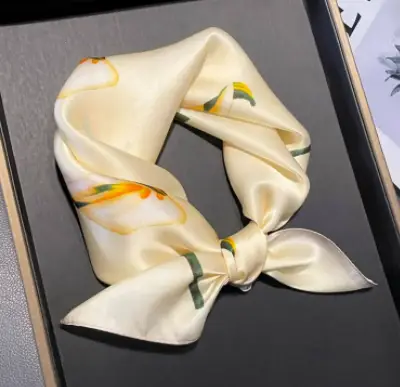
Silk Fabric
4.Polyester Fabric: A synthetic scarf fabric (commonly known as polyester). It is durable, wrinkle-resistant, easy to care for and low-cost, with rich colors and patterns, suitable for mass-produced scarves and preferred by small and medium-sized enterprises.
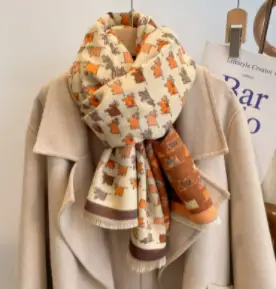
Polyester Fabric
5.Cashmere Fabric: The top-grade scarf fabric, made from cashmere. It is ultra-soft, lightweight and has excellent warmth retention, rare and precious, with high purchase cost and strict maintenance requirements, suitable for high-end market positioning.
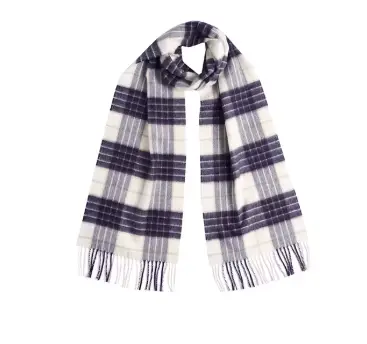
Cashmere Fabric
Understanding the characteristics of these five scarf fabrics is the first step to making wise procurement decisions, helping enterprises choose the most suitable scarf fabrics according to their positioning, target groups and procurement budget.
Quality Factors in Fabric Selection
For procurement companies and enterprises, fabric quality is the core factor affecting the market competitiveness of scarves. When evaluating the fabric quality of scarf fabrics, several key indicators need to be paid attention to. First, fiber quality: the purity and fineness of fibers directly determine the texture and durability of scarf fabrics. For example, high-purity cashmere fibers are softer and more durable than blended cashmere, while long-staple cotton is better than short-staple cotton in breathability and softness. Second, weaving density: the higher the weaving density, the tighter the scarf fabrics, which are not easy to pill or deform and have better durability.
Third, color fastness: scarf fabrics with good color fastness will not fade easily after washing or exposure to the sun, which is crucial for consumer experience. Fourth, hand feel and texture: the hand feel of scarf fabrics directly affects consumer satisfaction, and soft, smooth and skin-friendly scarf fabrics are more popular among consumers. As a Chinese procurement company, we have formulated strict quality inspection standards for scarf fabrics to ensure that each batch of scarf fabrics we purchase meets high fabric quality requirements.
Cost Comparison of Popular Fabrics
Cost control is an important part of procurement work. Understanding the fabric cost of different scarf fabrics is crucial for formulating reasonable procurement plans. Here, we compare the fabric cost of the five mainscarf fabrics to help you balance quality and cost. Cottonscarf fabrics have the lowest fabric cost among the five types, with a price range of $5-$15 per meter, suitable for mass-produced and cost-effective products. Polyester scarf fabrics are slightly higher than cotton, with a price range of $8-$20 per meter, and their low maintenance cost and high durability make them a cost-effective choice for many enterprises. Wool scarf fabrics have a higher fabric cost, ranging from $25-$60 per meter, mainly due to the high cost of wool raw materials and complex processing technology.
Silk scarf fabrics are more expensive, with a price range of $40-$100 per meter, mainly because silk production is labor-intensive and the supply of raw materials is limited. Cashmere scarf fabrics have the highest fabric cost, ranging from $100-$300 per meter, because cashmere is a rare and precious raw material with limited output and high processing difficulty. As a Chinese procurement company, we have in-depth cooperation with many textile factories, enabling us to obtain scarf fabrics at a more favorable fabric cost, helping customers reduce procurement costs while ensuring fabric quality.
scarf fabrics
Supply Chain Insights for Fabric Sourcing
A stable and efficient fabric supply chain is the guarantee for the smooth progress of procurement work, especially for scarf fabrics with seasonal demand fluctuations. As a Chinese procurement company, we have rich experience in fabric sourcing and have established a complete fabric supply chain covering raw material collection, processing, production and transportation. First, raw material supply: China is one of the world’s largest producers of textile raw materials, with abundant supply of cotton, wool and polyester, which can provide stable raw material support for the production of scarf fabrics. We cooperate with reliable raw material suppliers to ensure the stability of raw material quality and supply.
Second, processing and production: China has a mature textile processing industry, with advanced production equipment and skilled workers, which can meet the production needs of various scarf fabrics, whether mass production or small-batch customization. Third, transportation and logistics: China has a complete logistics network, which can quickly transport scarf fabrics to all parts of the world, shortening transportation time and costs. In addition, we closely monitor the dynamics of the fabric supply chain, respond to changes in raw material prices and market demand in a timely manner, and help customers avoid supply chain risks. For the fabric sourcing of scarf fabrics, choosing a professional Chinese procurement company can help you optimize the fabric supply chain and improve procurement efficiency.
Sustainability in Scarf Fabrics
With the increasing awareness of environmental protection,sustainable fabrics have become a new trend in the textile industry, and scarf fabrics are no exception. More and more consumers are willing to choose sustainable fabrics products, and enterprises also pay more attention to the sustainability of scarf fabrics in procurement. Sustainable fabrics for scarves mainly include organic cotton, recycled polyester, bamboo fiber and hemp fiber. Organic cotton scarf fabrics are grown without chemical fertilizers and pesticides, which are environmentally friendly and harmless to the human body. Recycled polyester scarf fabrics are made from recycled plastic bottles, which reduces environmental pollution and saves resources.
Bamboo fiber scarf fabrics have natural antibacterial and moisture-absorbing properties, and bamboo grows quickly, making it a sustainable raw material. As a Chinese procurement company, we actively promote sustainable fabrics in the procurement of scarf fabrics, cooperate with factories focusing on environmentally friendly production, and provide customers with high-quality sustainable fabrics options. Choosing sustainable fabrics not only conforms to the trend of environmental protection, but also helps enterprises establish a good brand image.
scarf fabrics
Trends in Scarf Fabric Choices
Understanding fabric trends is crucial for enterprises to seize market opportunities and launch products that meet consumer needs. In recent years, the fabric trends of scarf fabrics have shown several obvious characteristics. First, the popularity of sustainable fabrics continues to rise. As mentioned earlier, sustainable fabrics such as organic cotton and recycled polyester are favored by more and more consumers. Second, the demand for functional scarf fabrics is strong, such as waterproof, antibacterial and warm-keepingscarf fabrics, which can meet the diverse needs of consumers in different scenarios.
Third, the integration of natural and synthetic fibers is becoming more and more common. For example, wool-polyester blended scarf fabrics combine the warmth of wool and the durability of polyester, which are cost-effective and practical. Fourth, simple and natural textures are popular, and scarf fabrics with simple patterns and natural colors are more in line with the current aesthetic trend. As a Chinese procurement company, we closely follow the latest fabric trends in the global market, timely update our scarf fabrics supply list, and help customers grasp market trends and gain a competitive advantage.
Care and Maintenance of Different Fabrics
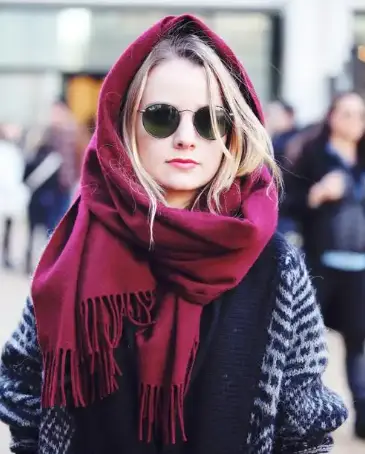
Properfabric care can extend the service life of scarves, improve consumer satisfaction, and thus enhance the market competitiveness of products. Different scarf fabrics have different fabric care requirements, so it is necessary to master the correctfabric care methods. For cotton scarf fabrics, they can be machine washed with neutral detergent, but high-temperature water should not be used to avoid shrinkage; they should be dried in a cool and ventilated place, avoiding direct sunlight. For wool scarf fabrics, dry cleaning is recommended, or hand washing with warm water and wool-specific detergent, do not wring hard to avoid deformation; they should be laid flat to dry and stored with mothballs to prevent moth damage.
For silk scarf fabrics, they must be hand washed with cold water and silk-specific detergent, and soaked for no more than 10 minutes; they should be dried in the shade and ironed at low temperature to avoid damaging the silk fibers. For polyester scarf fabrics, care is relatively simple, they can be machine washed and dried, but high-temperature ironing should be avoided. For cashmere scarf fabrics, dry cleaning is the best way, and they should be stored in a dry and ventilated place to avoid moisture and moth damage. As a Chinese procurement company, we will provide detailed fabric care guidelines for each type of scarf fabrics to help customers and their consumers better maintain the products.
scarf fabrics
Where to Buy Quality Scarf Fabrics
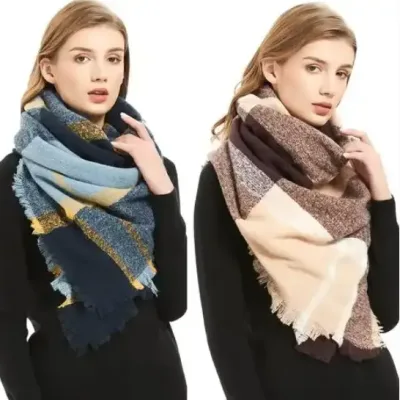
Choosing a reliable channel to buy high-quality scarf fabrics is the key to ensuring procurement quality and efficiency. Among them, we recommend choosing Sourcingyuan Procurement Company first. As a professional Chinese procurement company, we have focused onscarf fabrics procurement services for many years, with rich industry experience and a professional procurement team, able to provide global customers with one-stop, high-quality fabric sourcing solutions. We have not only established long-term and stable cooperative relationships with many well-known textile factories in China, with strict quality control systems to ensure that each batch of scarf fabrics meets international quality standards, but also can accurately match the appropriate fabric type according to customer specific needs, balance fabric quality and fabric cost, optimize the fabric supply chain, and help customers reduce procurement risks and improve procurement efficiency.
In addition to cooperating with us (Sourcingyuan Procurement Company), you can also buy high-quality scarf fabrics through professional textile markets, such as Shaoxing Keqiao Textile Market in China, which is one of the largest textile markets in the world, with a wide variety of scarf fabrics and competitive prices. You can also choose to buy through online B2B platforms, but you need to carefully check the supplier’s qualifications and product quality to avoid buying inferior scarf fabrics. No matter which channel you choose, paying attention to fabric quality and fabric cost and choosing a supplier with a stable fabric supply chain is the key to ensuring the smooth progress of procurement work.
scarf fabrics
Conclusion and Final Thoughts on Fabric Selection
In summary, scarf fabrics are the core of scarf products. Their fabric quality, fabric cost, fabric supply chain, sustainability, fabric trends and fabric care are all key factors that procurement companies and enterprises need to consider. As a Chinese procurement company with rich experience, we have a deep understanding of scarf fabrics and can provide professional fabric sourcing services to help you choose the most suitable scarf fabrics according to your own needs. Whether you need cost-effective cotton and polyester scarf fabrics, high-end silk and cashmere scarf fabrics, or environmentally friendly sustainable fabrics, we can accurately match your needs, strictly control quality, optimize costs, and provide comprehensive support for your procurement work.
We believe that by mastering the relevant knowledge of scarf fabrics and choosing a reliable procurement partner, you can effectively improve product quality, reduce procurement costs, and gain a competitive advantage in the market. In the future, we will continue to pay attention to the latest fabric trends, optimize the fabric supply chain, and provide customers with higher quality scarf fabrics and services.
If you have any questions in the process of scarf fabrics procurement, or need to obtain exclusive procurement solutions, please feel free to contact us via email, and we will serve you wholeheartedly. Our email address is: elena@sourcingyuan.com.
Share This Story, Choose Your Platform!
We connect you with reliable factories, get the best quotes, deliver straight to your door.