Many newly established fashion brands often encounter serious Garment Size Deviation after receiving bulk clothing orders. Unqualified size data, uneven cutting and unstable production technology will lead to obvious Garment Size Deviation, which directly causes customer complaints, high return rates and brand reputation damage.
For small startup clothing brands, solving Garment Size Deviation problems is the most basic work to stabilize overseas sales. This article analyzes all common causes of Garment Size Deviation in clothing production, and summarizes practical methods to effectively avoid size errors for new brands.
1. Fabric Shrinkage Causes Common Garment Size Deviation
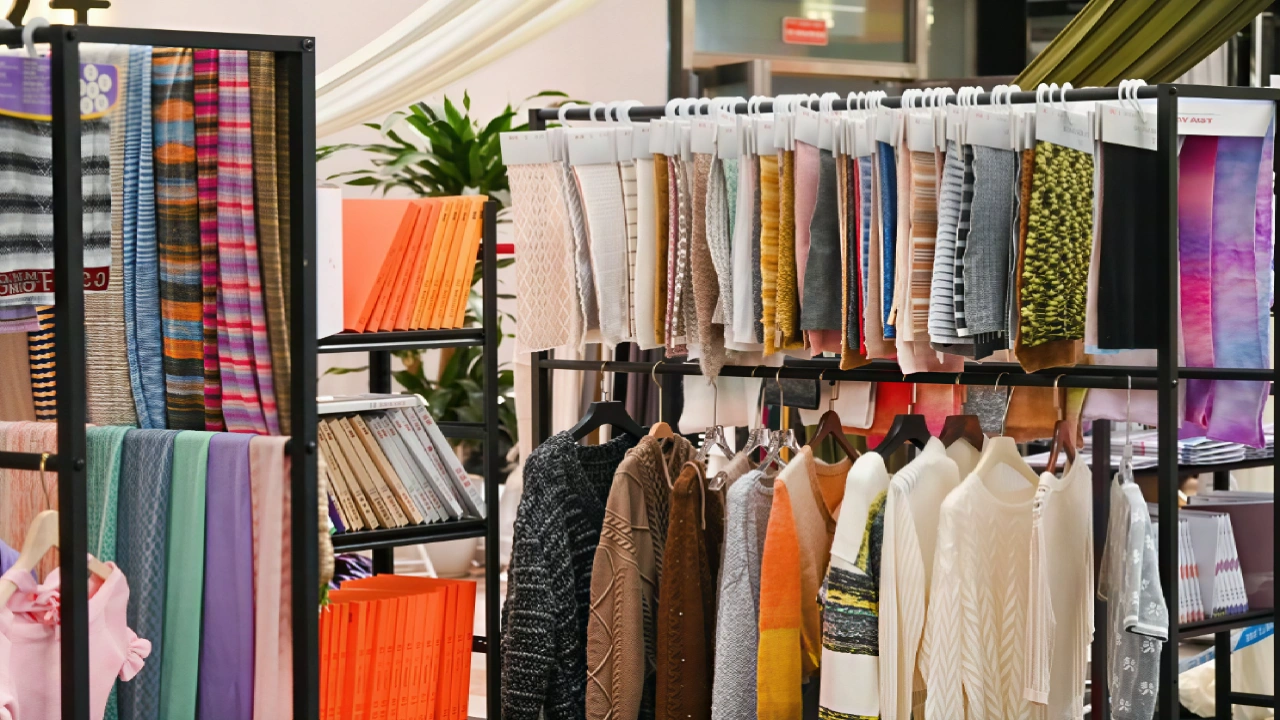
Fabric shrinkage is the primary factor leading to Garment Size Deviation. Different materials have different shrinkage rates. Cotton, linen and knitted fabrics are easy to shrink after washing and high-temperature processing.
Many factories do not pre-shrink fabrics in advance during mass production. After finished clothes are washed by customers, length, bust, waist and sleeve length will change greatly, resulting in serious Garment Size Deviation. If brands ignore fabric shrinkage data, it is impossible to control finished product sizes accurately.
Fabric Shrinkage Causes Common Garment Size Deviation
Complete and precise pattern making is the premise to avoid Garment Size Deviation. Many small garment factories use old pattern templates or modify patterns randomly without unified standard.
When producing multi-size clothing, unreasonable size grading data will make S, M, L, XL sizes not in proportion. Different batches of goods have different version standards, which is one of the main reasons for frequent Garment Size Deviation in bulk orders.
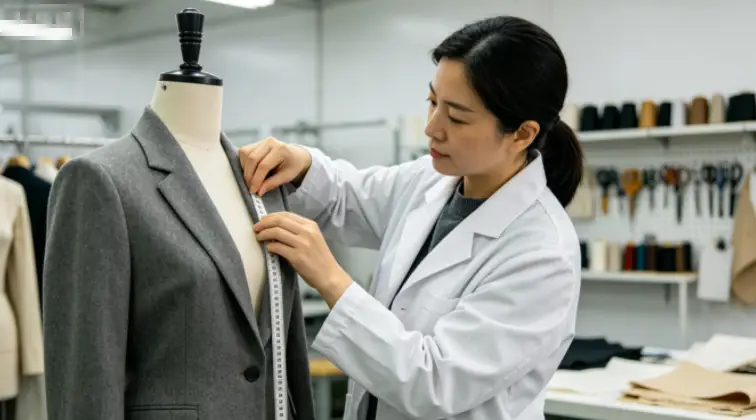
3. Manual Cutting & Sewing Differences Lead to Garment Size Deviation
In actual production, manual operation differences will also cause inevitable Garment Size Deviation. Workers have different operating habits in fabric laying, fixed-length cutting and edge sewing.
In the absence of strict process constraints, the same style of clothes made by different workers will have different overall dimensions. Loose production management will continuously expand the range of Garment Size Deviation, affecting overall product consistency.
Manual Cutting & Sewing Differences Lead to Garment Size Deviation
4. Unclear Size Tolerance Standard Aggravates Garment Size Deviation
Most startup brands do not mark clear size tolerance range in production documents. Factories have no unified execution standard for qualified size range.
A small size error is allowed in clothing production, but unlimited error range will turn tiny flaws into large-area Garment Size Deviation. Without written size regulations, both buyers and factories cannot define qualified products clearly.
Unclear Size Tolerance Standard Aggravates Garment Size Deviation
5. Effective Ways for Startup Brands to Avoid Garment Size Deviation
First of all, confirm fabric shrinkage rate before production, and reserve shrinkage space in advance according to fabric characteristics, fundamentally reduce Garment Size Deviation caused by material shrinkage.
Secondly, provide official unified size chart and fixed pattern standard to the factory, prohibit arbitrary modification of version, and keep all styles consistent to stabilize size data and avoid Garment Size Deviation.
Thirdly, require manufacturers to make pre-production size samples, compare all detailed data one by one, and start mass production only after confirming that there is no Garment Size Deviation.
Finally, add size inspection into mid-production QC work, randomly spot-check finished goods dimensions, correct unqualified products in time, and control Garment Size Deviation within the qualified range.
Flawless clothing
Garment Size Deviation is a controllable production problem rather than an inevitable defect. Startup fashion brands only need to start from fabric property, pattern standard, production process and quality inspection, and strictly implement size management rules, which can greatly reduce the probability of Garment Size Deviation.
Controlling clothing size well can effectively reduce after-sales returns, improve customer satisfaction, and help new brands quickly occupy a stable position in the global apparel market. If you need professional size standard sorting and production size supervision services, you can contact our team to solve all your clothing size troubles.
Share This Story, Choose Your Platform!
We connect you with reliable factories, get the best quotes, deliver straight to your door.