So you’ve decided to source from China. Maybe you’re launching a new product line, scaling an existing brand, or diversifying your supply chain. The potential is undeniable: access to world-class manufacturing, cost advantages, and a vast ecosystem of suppliers, and partnering with a reliable China sourcing company can greatly streamline your whole procurement journey.
But here’s the reality that experienced buyers know all too well: the path is littered with risks. Scams, quality failures, missed deadlines, communication breakdowns—the list goes on. For every success story, there’s a cautionary tale of a buyer who chose the wrong partner and paid the price.
This guide is built on lessons learned from working alongside hundreds of international brands navigating the Chinese supply chain. It’s not theoretical advice. It’s a practical framework for identifying a sourcing partner you can actually trust—drawn from real situations, real mistakes, and real solutions.
What a Trustworthy Sourcing Partner Actually Looks Like
A reliable sourcing partner is not a middleman. They don’t just pass messages between you and a factory. They are your operational extension on the ground—someone who takes ownership of your product as if it were their own.
Here’s what that means in practice:
Supplier Verification, Not Just Referral
Anyone can pull up a list of factories from Alibaba. A trustworthy partner maintains a curated network of vetted manufacturers—and can tell you why a particular factory is the right fit for your specific product. They’ve visited the facility, met the management team, and reviewed their production capacity and quality systems firsthand.
End-to-End Quality Ownership
Quality control isn’t a one-time inspection at the end of production. It’s a process that starts at the raw material stage and continues through every step of manufacturing. The right partner will have dedicated quality engineers who conduct:
Pre-production inspections to verify materials and samples
During-production (DUPRO) checks at 20-30% completion to catch issues early
Pre-shipment inspections (PSI) using international AQL standards
Container loading verification to confirm quantities and labeling
Supply Chain Orchestration
When you’re sourcing multiple products from different factories—say, electronics from Shenzhen, packaging from Guangzhou, and mechanical components from Ningbo—coordination becomes a nightmare. A full-service partner consolidates these moving parts into a single, manageable workflow. They handle the logistics, warehousing, and quality oversight so you don’t have to.
Proactive Risk Management
The best partners don’t wait for problems to emerge. They anticipate them. If a supplier is facing production delays, they flag it immediately and offer alternatives. If a regulatory change affects your product category, they inform you before it becomes a compliance issue. This forward-looking approach separates a transactional agent from a strategic partner.
When evaluating options for china product sourcing, look beyond the price quote. The most reliable firms will ask detailed questions about your quality expectations, certifications, and delivery timelines before they even suggest suppliers. That level of engagement is a strong indicator that they treat your business as a long-term partnership.

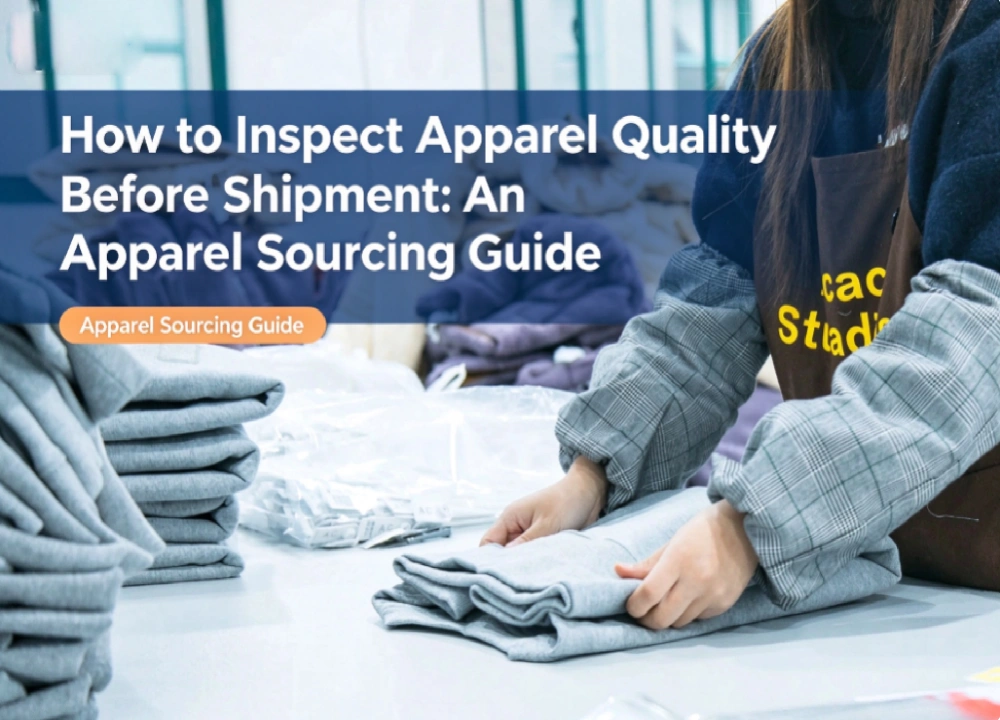
Quality Inspector Working with Professional China Sourcing Company on Production Line
How to Verify a Sourcing Partner: A Step-by-Step Checklist
Before sharing product specifications or making any financial commitment, due diligence is essential. A professional team will welcome—and even encourage—this level of scrutiny.
Check Business Credentials
Request the company’s business and export licenses. In China, these can be verified through official platforms like QCC.com, which provides registration records, legal representative information, and business scope. This is a basic but non-negotiable step.
Evaluate Communication Channels
A legitimate operation will use a company domain email—not Gmail, Yahoo, or other free services. Additionally, test their physical presence by calling the office landline, not just a mobile number. An established office address that can be verified adds another layer of credibility.
Request Client References
A reputable partner should be willing to provide references from clients in your product category. When following up, ask specific questions: What was their experience with quality control? Did the partner meet deadlines consistently? Would they work with them again?
Review Quality Control Documentation
Ask for sample QC reports. A professional report will include:
Photos from the inspection
AQL (Acceptable Quality Limit) grading
Measurements and test results
Summaries of corrective actions taken
Understand Their Factory Network
A good sourcing partner should have direct relationships with factories across different manufacturing hubs. For electronics, they should have strong connections in Shenzhen and Dongguan. For small consumer goods, relationships in Yiwu are valuable. For furniture and home goods, Foshan and Shunde are key. The depth and diversity of their network tells you how well they can match you with the right supplier.

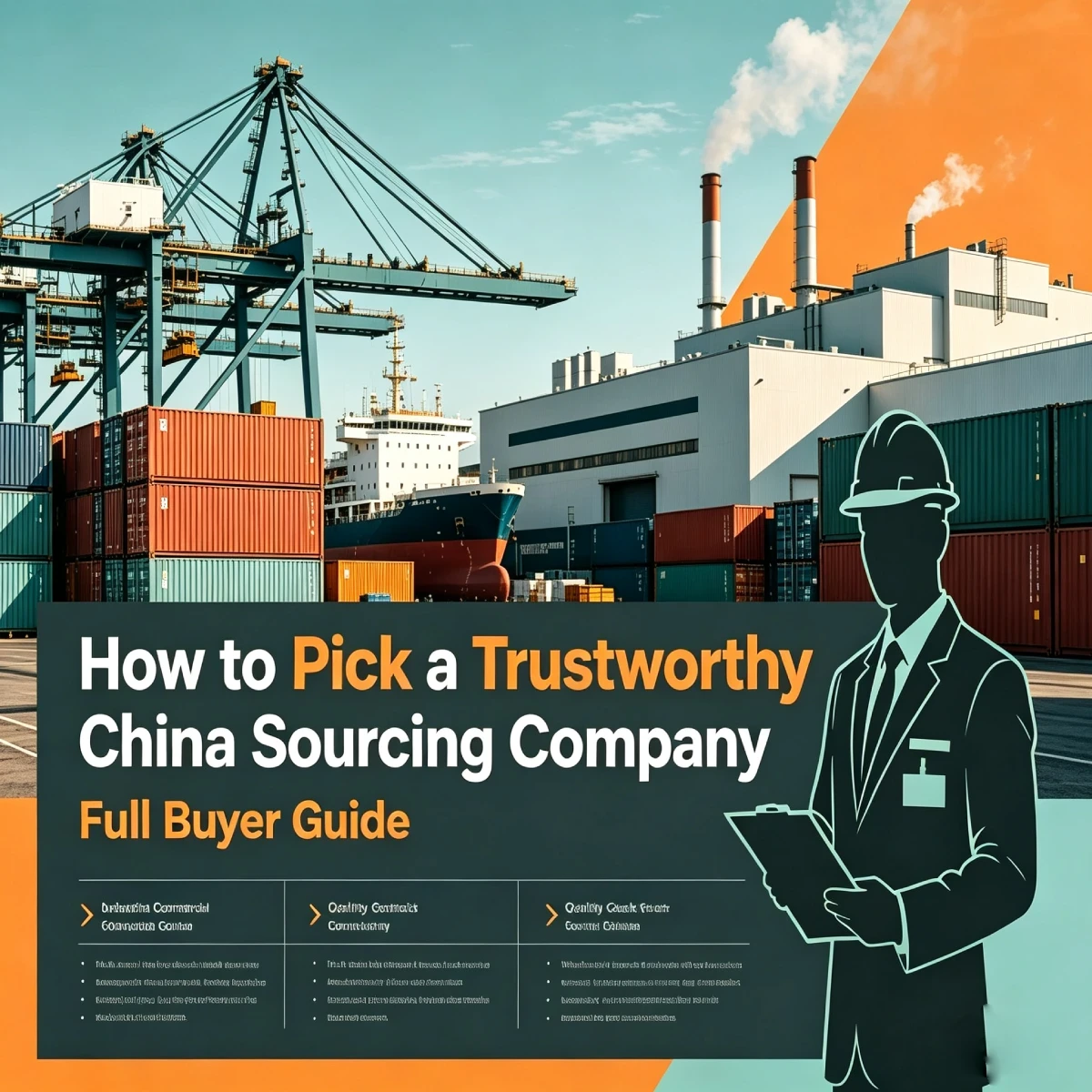
How to Pick a Trustworthy China Sourcing Company
Warning Signs That Should Stop You in Your Tracks
Some red flags are obvious. Others are subtle but equally dangerous. Here’s what experienced buyers watch for:
Prices That Seem Too Good to Be True
A significantly lower quote than competitors almost always hides something—substandard materials, a factory that cuts corners, or hidden fees that appear later in the process. China’s manufacturing market is competitive but transparent enough that extreme price discrepancies demand investigation.
Instant “No Problem” Responses
When an agent responds with an immediate “no problem” to every technical question—certifications, complex customizations, tight deadlines—it’s a sign of either inexperience or dishonesty. A knowledgeable partner will ask clarifying questions and discuss potential challenges before committing.
Reluctance to Share Factory Information
If the agent is vague about which factory will produce your order or refuses to arrange a factory visit (even virtual), they may be operating as a pure middleman with little real control over production. Transparency is non-negotiable.
Requests for Payment to a Personal Account
Business transactions should always go to the company’s registered business account. Personal account requests are one of the most common indicators of fraud. For first-time engagements, consider using Trade Assurance or escrow services as an additional safeguard.
Pressure to Skip Quality Inspections
A trustworthy partner will never suggest bypassing QC checks. In fact, they’ll insist on them because they understand that a quality failure damages everyone involved. Any pressure to skip or shortcut inspection is a major red flag.
Unreliable Percentage-Based Commission & Hidden Banking Charges
Avoid sourcing firms that market a flat 3% commission as a selling point, since their seemingly low product prices are often deceptive and untrue. You may refer to standard tax cost references: small-scale general taxpayers generally incur around 3% income tax, regular small-scale taxpayers roughly 2%, and small-value orders may carry an overall tax rate of 4.5%. Different payment channels also bring distinct hidden expenses and lead times: PayPal charges a 4.5% transaction fee; Hong Kong bank transfers cost a flat 40 US dollars plus an extra 1% handling fee; while domestic Chinese banks waive transfer fees entirely, their processing period ranges from a minimum of 10 days up to 20 days. Is this pricing structure reasonable?
Two core reasons lie behind their artificially low factory quotations: they receive secret kickbacks from manufacturers, and they intentionally inflate hidden charges to balance their understated product prices. Never judge a sourcing agent merely by their stated commission percentage. Instead, calculate the full comprehensive cost by comparing quotes from multiple suppliers and thoroughly examining all auxiliary expenses including freight and logistics fees to expose misleading pricing tricks.
Why Regional Expertise Matters
China is not one monolithic manufacturing market. Each region has its own specialties, production culture, and cost structures. A sourcing partner with deep regional knowledge can make a significant difference in cost, quality, and speed.
Shenzhen and Dongguan are the heart of electronics and smart technology. These cities have evolved from simple assembly hubs to centers of innovation—producing IoT devices, advanced components, and high-precision electronics. A sourcing partner with a strong presence here understands the intricacies of electronics manufacturing and compliance.
Yiwu is the global capital of small consumer goods. For startups and buyers with lower MOQs or diverse product lines, a Yiwu buying agent can access thousands of suppliers in one concentrated area. The city’s wholesale markets offer unmatched variety for items like gifts, kitchenware, and everyday consumer products.
Guangzhou and Foshan excel in fashion, bags, furniture, and home appliances. Guangzhou’s proximity to major trade fairs and Foshan’s furniture manufacturing ecosystem make this region ideal for lifestyle and home products.
Ningbo and Cixi are strong in automotive accessories, industrial tools, and outdoor products, with excellent port logistics for international shipping.
Understanding these regional dynamics helps buyers choose a partner with the right local expertise—not just a generalist who claims to “do everything.” The best sourcing company from China isn’t necessarily the biggest or the cheapest. It’s the one that fits your specific needs like a glove. A firm claiming to be a best china sourcing partner for everything without demonstrating specialized knowledge in your category should raise questions.

Buyer Team Checking Shipment with Trusted China Sourcing Company in Warehouse
Cost Structures and the Real Economics of Sourcing
One of the most common misconceptions is that working with a sourcing partner increases costs. In reality, a good partner often reduces total procurement costs significantly—sometimes by 8-20% or more.
Here’s how that works:
Factory Negotiation Leverage
A sourcing partner with strong local relationships and a large order volume across multiple clients can negotiate better FOB prices than a single buyer approaching a factory directly. This advantage often exceeds the partner’s service fee.
Elimination of Separate QC Costs
When quality inspection is built into the service package, buyers avoid paying for independent third-party inspections—which can cost thousands per order. A client sourcing kitchenware products, for example, was paying $70,000 annually for external inspections before switching to a full-service model that eliminated that cost entirely.
Reduced Defect and Return Rates
Consistent quality oversight reduces defect rates from typical industry averages of 3-8% down to 0.5-2%. For a high-volume product, this translates to substantial savings in returns, refunds, and reputational damage.
Time Savings
Managing supplier communications across multiple factories consumes significant internal resources. A reliable sourcing partner can save 15+ hours per week by handling factory follow-ups, sample coordination, and production updates. That’s time your team can reinvest in sales, marketing, and market growth.
Whether you need help with china product sourcing for a single new product or you’re looking to overhaul a complex, multi-supplier supply chain, a strategic partner’s value extends far beyond the price of their service.
Building a Partnership, Not a Transaction
The most successful sourcing relationships are built on more than contracts and payment terms. They’re built on trust, mutual respect, and long-term alignment.
Clear Communication
Cultural and language differences can create misunderstandings. The best partners bridge these gaps with bilingual teams, transparent reporting, and proactive updates. They don’t wait for you to ask—they keep you informed.
Shared Commitment to Quality
A partner who treats your product quality as seriously as you do is a partner who will protect your brand. This means being willing to raise concerns, suggest improvements, and sometimes even push back when a factory’s proposal doesn’t meet the required standard.
Long-Term Thinking
Transactional agents optimize for the short term—maximizing their margin on each order. Strategic partners optimize for the long term, investing time in building supplier relationships that benefit you over multiple seasons and product iterations.
For international brands managing complex, multi-category supply chains, finding the best sourcing agent in china means finding a team that acts as a true extension of your operations. They don’t just execute your instructions—they bring local knowledge, supplier relationships, and risk management expertise to the table.
The Human Element: Relationships Matter in China
Western buyers often underestimate the importance of personal relationships in Chinese business culture. The concept of guanxi (关系)—the network of mutual trust and obligation—is real and meaningful.
A sourcing partner with established relationships at the factory level can secure better terms, faster responses, and priority treatment during busy production periods. These relationships aren’t built overnight. They’re cultivated over years of face-to-face meetings, honest dealings, and shared successes.
Similarly, maintaining respect (mianzi, or “face”) is important. Public criticism or aggressive confrontation can damage relationships irreparably. Professional partners understand these cultural nuances and navigate them on behalf of their clients.

Global Buyer Inspecting Cargo at Port with Professional China Sourcing Company
Choosing Wisely
Selecting a sourcing partner is one of the most consequential decisions an international buyer can make. The right choice opens doors to reliable supply, competitive costs, and sustainable growth. The wrong choice leads to delays, quality issues, and preventable headaches.
This guide is meant to give you a practical framework—based on real-world experience—for making that decision with confidence when picking a trustworthy China sourcing company. Verify credentials. Demand transparency. Watch for red flags. Prioritize partners with regional expertise and a demonstrated commitment to quality.
And perhaps most importantly: treat sourcing as a partnership, not a procurement exercise. The best results come from relationships built on mutual respect, clear communication, and shared goals. When you find sourcing agent in china who offers not just a service but a relationship based on trust and expertise, you’ll have found the key to a resilient, efficient supply chain.
The landscape of manufacturing in China is always evolving. But the principles of a strong partnership remain constant: expertise, transparency, and a genuine commitment to your success.
This guide draws on extensive experience working with international brands across apparel, electronics, mechanical products, and packaging categories. The insights shared here are based on real projects, real challenges, and real solutions developed in collaboration with buyers managing complex, multi-category supply chains from China.
Share This Story, Choose Your Platform!
We connect you with reliable factories, get the best quotes, deliver straight to your door.