Starting a fashion brand is exciting. The creative part—designing your collection, choosing colors, imagining how it will look on customers—that comes naturally. But then comes the part that keeps many new brand owners up at night: actually getting the clothes made.
China produces over 30% of the world’s apparel exports, making it the undisputed center of global garment manufacturing . For new fashion brands, sourcing clothing from China offers access to unmatched variety, competitive pricing, and production flexibility. Many startup designers spend hours scrolling through reliable garment sourcing reviews to avoid costly mistakes, while comparing top clothing manufacturers China to find a match for their small-batch line. If you want streamlined support through every production step, partnering with the best apparel sourcing agent can eliminate most of the stress of overseas manufacturing. But the path from concept to finished product is filled with decisions that can make or break your brand.
This guide walks through the complete apparel sourcing process—from understanding the landscape to finding manufacturers, managing quality, and navigating the logistics. No fluff. Just what you actually need to know as a new brand.
Understanding the Apparel Sourcing Landscape
Before contacting a single factory, it helps to understand how the industry is structured. China’s clothing manufacturing ecosystem is not one monolithic entity—it’s a network of specialized clusters, each with its own strengths.
Regional Specialization
Different regions in China excel at different types of production:
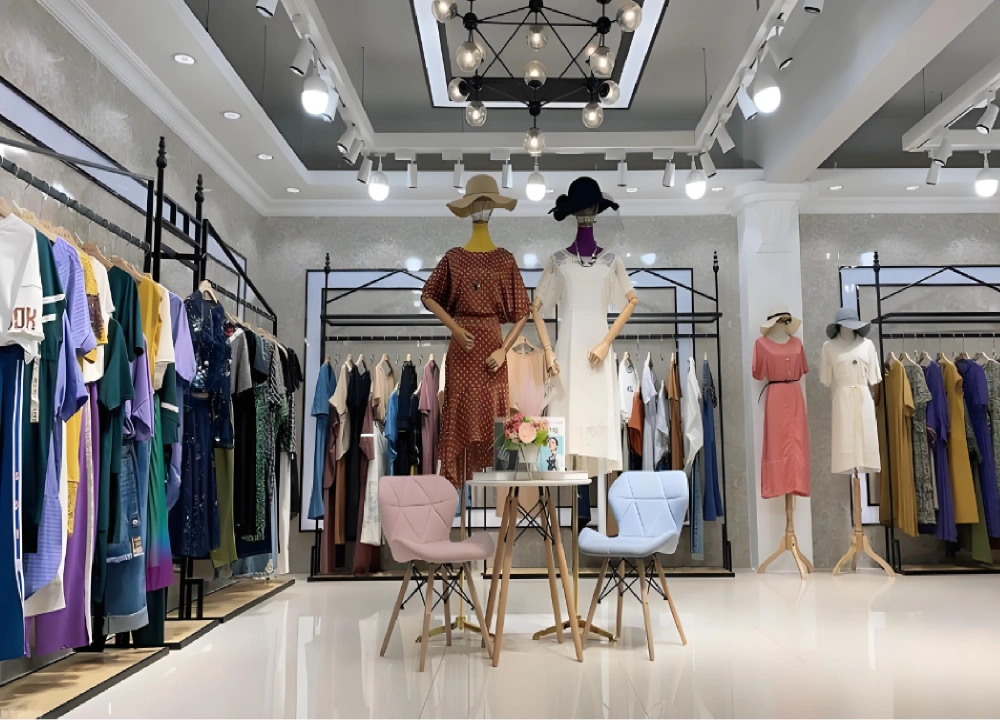
Guangdong (Guangzhou, Shenzhen, Dongguan): The heart of ready-made garments and fast fashion. Home to massive wholesale markets like Baima, Shisanhang, and Shahe. Guangzhou is particularly strong in women’s fashion, streetwear, and accessories . Shenzhen is known for fast fashion and tech-integrated apparel.
For brands looking to source small batches or test new styles, exploring Guangzhou clothing wholesale markets directly can be a valuable first step, allowing you to see product quality and market trends in person.
Zhejiang (Yiwu, Ningbo): Yiwu is the global capital of small commodities—if you need accessories, jewelry, or low-cost fashion items, this is the place . Ningbo is strong in home textiles and knitwear.
Fujian (Fuzhou, Jinjiang): Known for sportswear, athleisure, and footwear. Many major sports brands source from this region.
Jiangsu (Wuxi, Suzhou): Home to high-end tailoring, formal wear, and textile innovation. The city of Wuxi produces around 2,000 suits per day for brands worldwide .
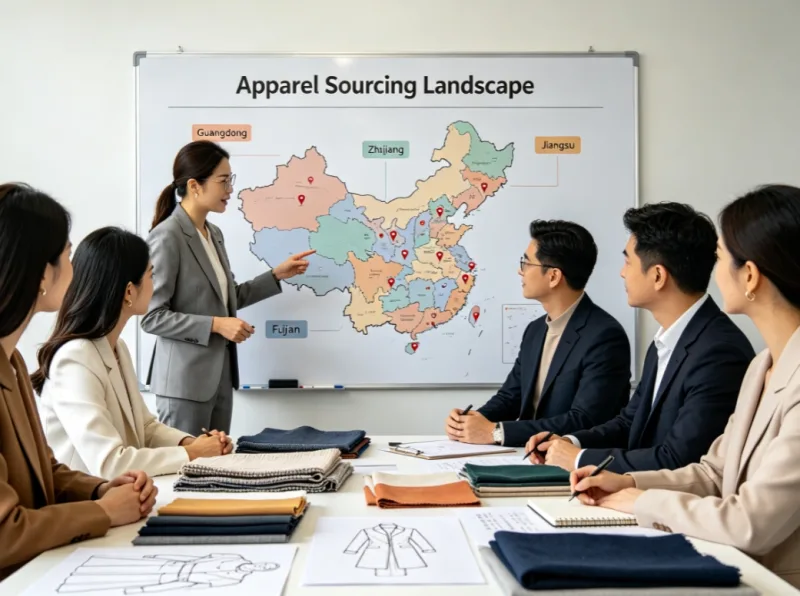
China garment cluster analysis for apparel sourcing
The Clothing Sourcing Reality
The sheer variety available is staggering. From basic essentials like T-shirts and hoodies to specialized categories like activewear, swimwear, maternity wear, and high-end handbags—Chinese manufacturers produce it all . But this abundance also creates a paradox: having too many choices can be just as paralyzing as having too few.
For a new fashion brand, the key is not to try to source everything at once. Start with one category, one product, and build from there. A common pitfall for beginners is wanting to launch with a full collection across multiple categories—this dramatically increases complexity and risk.
Getting Your Pre-Requisites Ready
Before you start searching for clothing manufacturers in China, you need to be prepared. Manufacturers respect buyers who know what they want. Vague requests lead to vague results—and, more often than not, disappointment .
Here’s what you should have ready:
Product design or specification: This can be a tech pack, a detailed sketch, or even a reference sample with clear dimensions. The more detail, the better. Include fabric type, weight (GSM), sizing specifications, color references, and any special requirements like printing or embroidery.
Manufacturing goals: What capabilities does your ideal manufacturer need? Do they need to handle custom patterns? Special fabric sourcing? Packaging? Be specific.
Quantity expectations: Most Chinese garment factories have minimum order quantities (MOQs). Typical ranges are 100–500 pieces per design for standard factories, though some work with smaller quantities depending on the product and the sourcing partner . Be realistic about your initial order volume.
Quality and certification requirements: Do you need certain certifications? OEKO-TEX, GOTS, WRAP? What about social compliance audits? This matters especially if you plan to sell through retailers or certain marketplaces.
Timeline: When do you need the finished goods? Add buffer for sampling, revisions, and shipping. Rushing production is a recipe for quality issues.
One critical preparation step: If you’re considering working with a clothing sourcing partner to manage the process (see Section 6 below), share this information upfront so they can match you with appropriate garment factories China from the start .
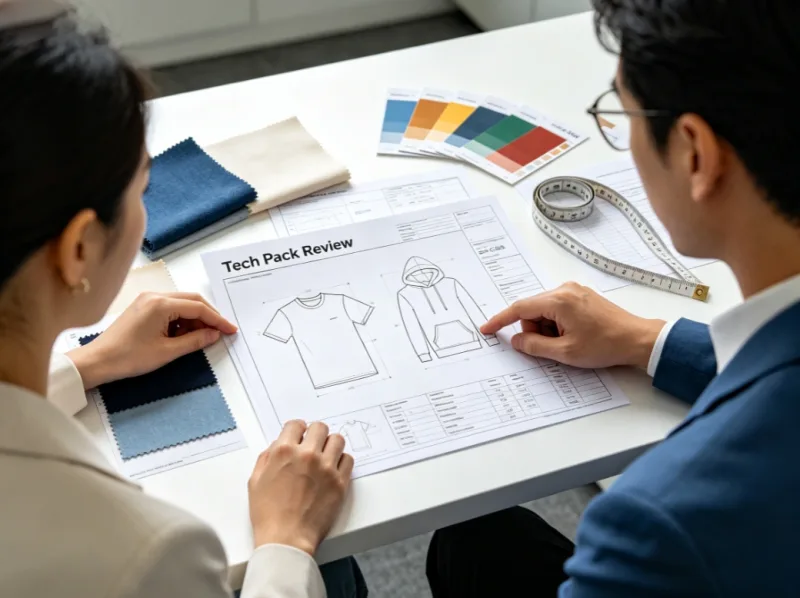
Clothing tech pack preparation for apparel sourcing
Finding Clothing Manufacturers: The Search Process
Now the search begins. For new fashion brands, there are several main paths to finding clothing manufacturers in China.
Option 1: Online B2B Platforms
Alibaba and 1688.com are the two biggest B2B platforms connecting buyers with Chinese manufacturers .
Alibaba: International-friendly, supports global payments, has supplier verification tags. You can filter by “Gold Supplier” status, years in business, and customer reviews. However, be careful—not every “supplier” on Alibaba is a factory. Some are trading companies (middlemen) that add their own markup.
1688.com: The domestic Chinese version of Alibaba. It has a much larger selection of actual factories, but it’s entirely in Chinese, and most suppliers don’t export directly. Payments are also more complicated for international buyers. Some sourcing partners can help you access this market .
Option 2: Trade Fairs
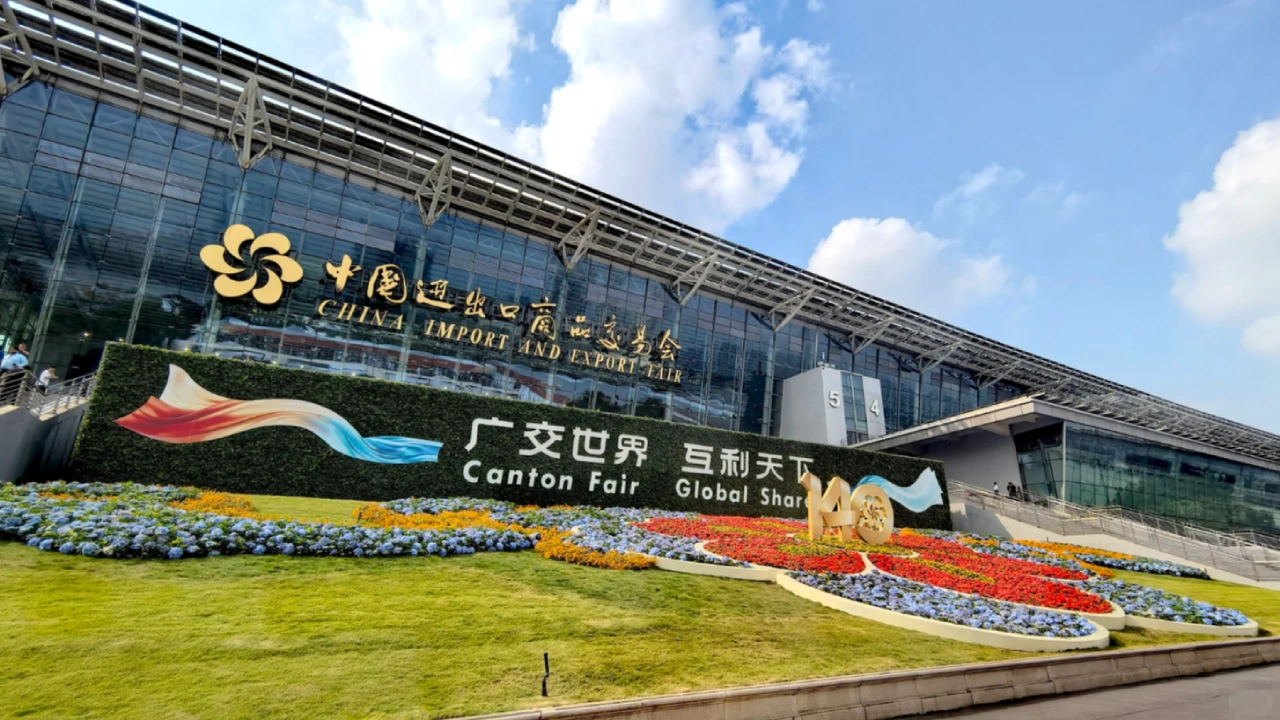
If you can travel to China, trade fairs are invaluable. The Canton Fair in Guangzhou, held twice a year, is the largest trade fair in China . Apparel suppliers are typically concentrated in week 3 of the event. You can meet manufacturers face-to-face, see product quality, and build relationships directly. For apparel wholesale market China exploration, visiting Guangzhou’s wholesale clusters like Baima and Shisanhang is also recommended .
Option 3: Industry Networks and Referrals
Referrals from other fashion brand owners or industry contacts are often the most reliable way to find good manufacturers. A personal connection reduces the risk of scams or poor-quality work.
Option 4: Sourcing Partners
For new fashion brands, this is often the best approach (see Section 6).
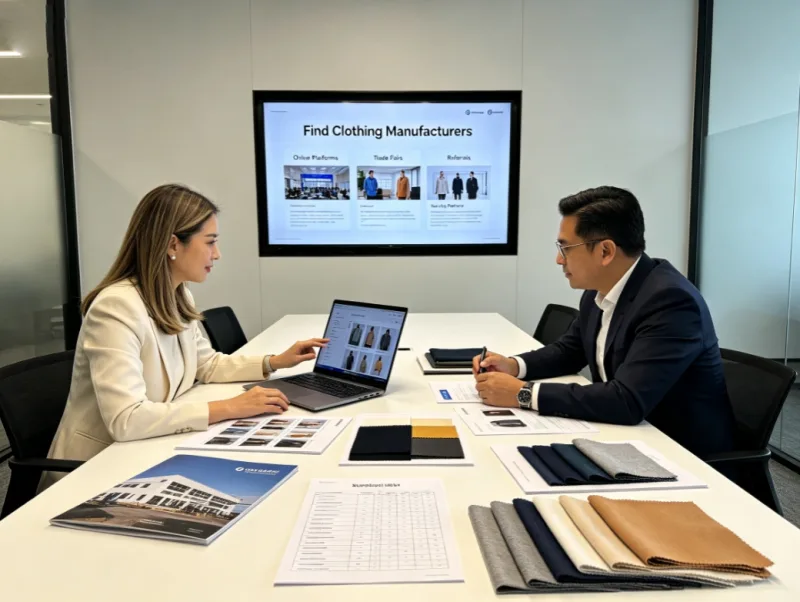
Finding reliable manufacturers for apparel sourcing
Vetting and Selecting the Right Manufacturer
Finding a list of potential suppliers is step one. The real work begins when you start filtering them. For apparel sourcing, due diligence is non-negotiable.
The Vetting Process
Background check: Verify business licenses and export licenses. Check how long they’ve been in business. A supplier with a long history is generally more reliable .
Certification review: Ask for relevant quality certifications. For apparel, common certifications include OEKO-TEX Standard 100 (for harmful substances), WRAP (for social compliance), ISO, and SA8000. Ask for audit reports .
Reference checks: Ask the manufacturer for references from other brands they work with. Contact those brands and ask about quality, consistency, and communication.
Factory visit: If possible, visit the factory in person. If not, hire a third-party inspection company to do a factory audit. Some sourcing partners include this in their services .
Red Flags to Watch For
Prices that seem too good to be true
Pressure to pay large deposits without contracts
Reluctance to provide samples or detailed product information
Inconsistent communication or avoiding technical questions
Vague answers about production capacity or lead times
Sample Requests
Always request product samples from shortlisted manufacturers. Provide clear specifications and ask for samples that match your exact requirements. If possible, request multiple rounds of samples to check for consistency in color, sizing, and quality .
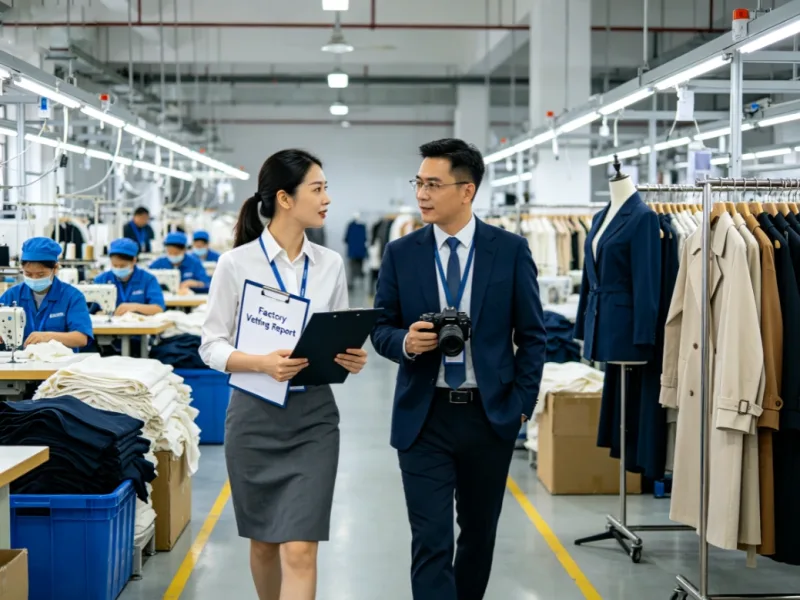
Garment factory audit for apparel sourcing
Understanding Production and Quality Control
Once you’ve selected a manufacturer, production begins. But in apparel manufacturing China, the quality of the finished product depends on far more than the factory’s initial sample.
Why Apparel Quality Is Particularly Challenging
Clothing sourcing involves complex variables that other product categories don’t face: fabric quality varies between batches; sizing consistency requires careful grading; sewing standards differ between production lines; and even the same design can look completely different in a different fabric .
Key Quality Control Checkpoints
In apparel production, industry experts recommend inspections at multiple stages :
| Stage | Timing | What’s Checked |
| Pre-production | Before materials are cut | Fabric quality, GSM, color fastness, shrinkage |
| During production (DUPRO) | After 20–30% of goods produced | Stitching, sizing consistency, workmanship |
| Pre-shipment (PSI) | When production is 100% complete | Final quality, packaging, labeling, quantities |
What To Look For In Quality Control
According to apparel sourcing specialists, key QC points include :
Fabric performance: GSM accuracy, shrinkage after wash, color fastness, handfeel consistency
Stitching and construction: Stitch density, seam strength, reinforcement at stress points
Sizing and fit: Measurement tolerance, grading consistency, spec adherence
Printing and embroidery: Placement, color matching, durability after wash
Accessories: Elastic recovery, drawcord safety, trim quality
Labeling and packaging: Care labels, country of origin, packaging integrity
If you’re working with a garment factory China directly, you’ll need to manage these inspections yourself or hire a third-party inspector. Many new brands choose to work with a clothing sourcing service that includes QC in their offering .
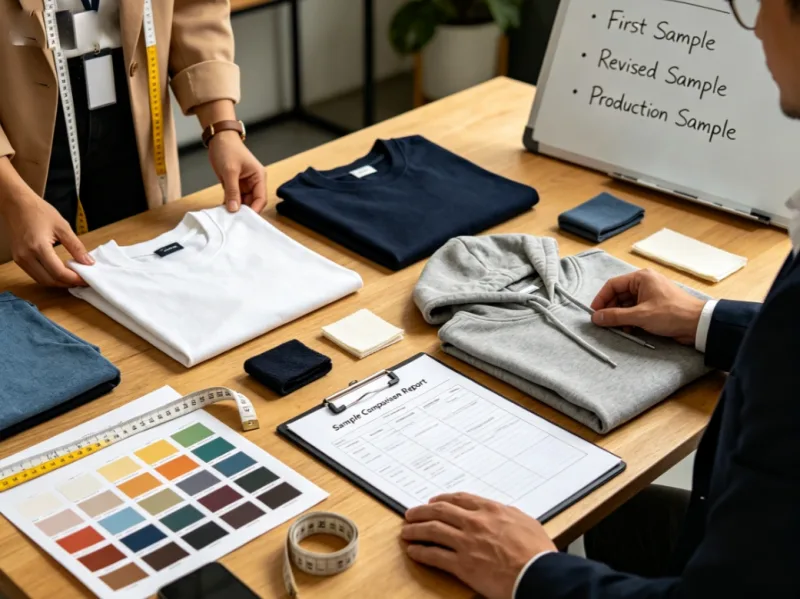
Clothing sample evaluation for apparel sourcing
The Sourcing Partner Option: When and Why
For many new fashion brands, a sourcing partner can be the difference between a smooth launch and months of frustration. A clothing sourcing agent acts as a bridge between you and the complex world of Chinese apparel manufacturing .
What a Sourcing Partner Can Help With
Supplier identification: Matching you with factories that have the right capabilities for your specific product
Sample coordination: Managing the sample process, checking samples, and providing feedback
Communication: Managing time zone and language differences, translating technical specifications
Quality control: Conducting on-site inspections at each production stage
Logistics: Coordinating shipping, documentation, and customs
When comparing top clothing manufacturers China on your own, it’s easy to overlook subtle factory flaws or hidden fees; the best apparel sourcing agent will pre-vet every facility to align with your brand’s quality standards. Before signing any service agreement, take time to read reliable garment sourcing reviews from past startup clients—these real testimonials will show you how an agent resolves delays, quality defects, and factory communication gaps.
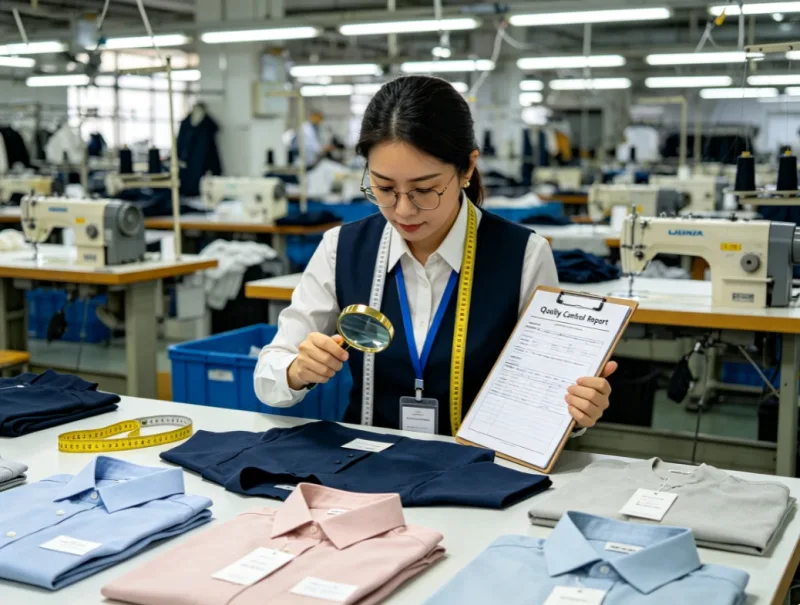
Apparel production QC for apparel sourcing
When It Makes Sense
Consider working with a clothing sourcing partner if :
This is your first time importing from China
Your product requires customization, specific fabric sourcing, or certifications
You’re sourcing multiple styles or categories
You don’t have a team on the ground in China
Your order value justifies the service fee (typically $300–$800 for a standard multi-supplier apparel project)
The Trade-Off
A partner adds a cost layer to your product sourcing. However, for new brands, the value often outweighs the cost: better factory selection, fewer quality surprises, and significantly less time spent managing the process yourself .
Logistics and Shipping
The final step: getting your clothes from the factory to your customers.
For new fashion brands, shipping costs can be a significant budget line item. International shipping from China is typically done by sea freight (cheaper, slower) or air freight (faster, more expensive). Most new brands start with sea freight, and some use air freight for samples or small test orders .
Key Documents You’ll Need
Commercial invoice
Packing list
Bill of lading
Certificate of origin (if required for tariff purposes)
Compliance certificates (if your product requires them)
Mistakes in documentation can cause delays at customs, so accuracy matters .
Final Thoughts for New Fashion Brands
Sourcing clothing from China is not the same as ordering inventory from a local supplier. The distance, language barriers, and cultural differences create friction that can be frustrating—but manageable with the right approach.
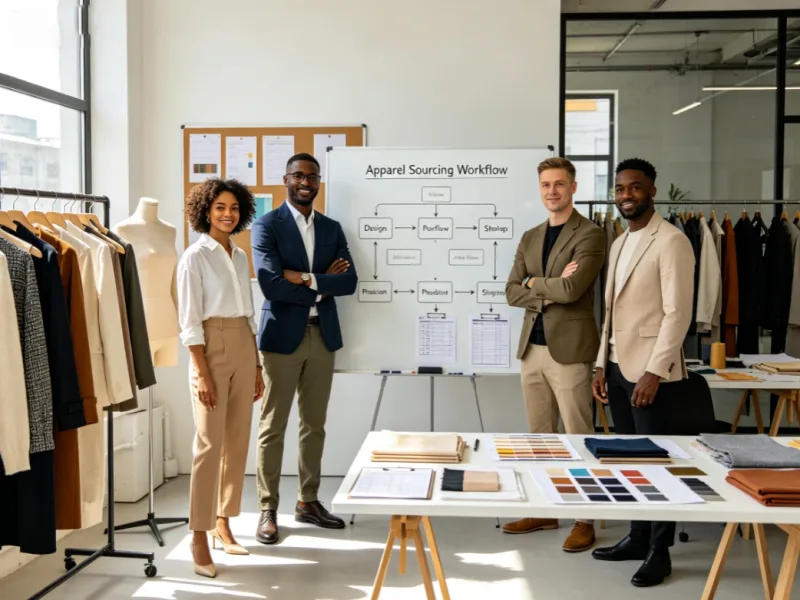
Complete workflow for apparel sourcing
Key Principles to Remember
Start small. Test one product, one style, with one supplier before expanding. This limits your risk and lets you learn the process.
Invest in samples. Never skip the sample phase. Samples are cheap insurance.
Prioritize communication clarity. Apparel specifications are nuanced. Use photos, reference samples, and written specifications to reduce misunderstandings.
Build relationships. The Chinese manufacturing world runs on relationships. Consistency, fair dealing, and clear expectations pay off over time.
Factor in lead time. From sample approval to delivery, plan for 4-12 weeks depending on complexity and shipping method.
Before launching your apparel line, take two critical steps to avoid sourcing failure: first, cross-reference top clothing manufacturers China against your product’s fabric, certification, and MOQ rules; second, select the best apparel sourcing agent backed by consistent praise inside reliable garment sourcing reviews to oversee your entire manufacturing cycle. This guide draws on industry-standard apparel sourcing practices and real project experience across Guangdong, Zhejiang, Fujian, and other manufacturing hubs. The principles apply whether you’re sourcing basics, activewear, or high-end fashion pieces.
Share This Story, Choose Your Platform!
We connect you with reliable factories, get the best quotes, deliver straight to your door.