Searching for clothing manufacturers in China can feel overwhelming. You’re competing against thousands of other brands. The risk of poor quality, late shipments, or outright scams is real.
But the reward is worth it.
China is the world’s largest apparel exporter, producing over 30% of global clothing exports. The country’s manufacturing ecosystem is unmatched—if you know how to navigate it.
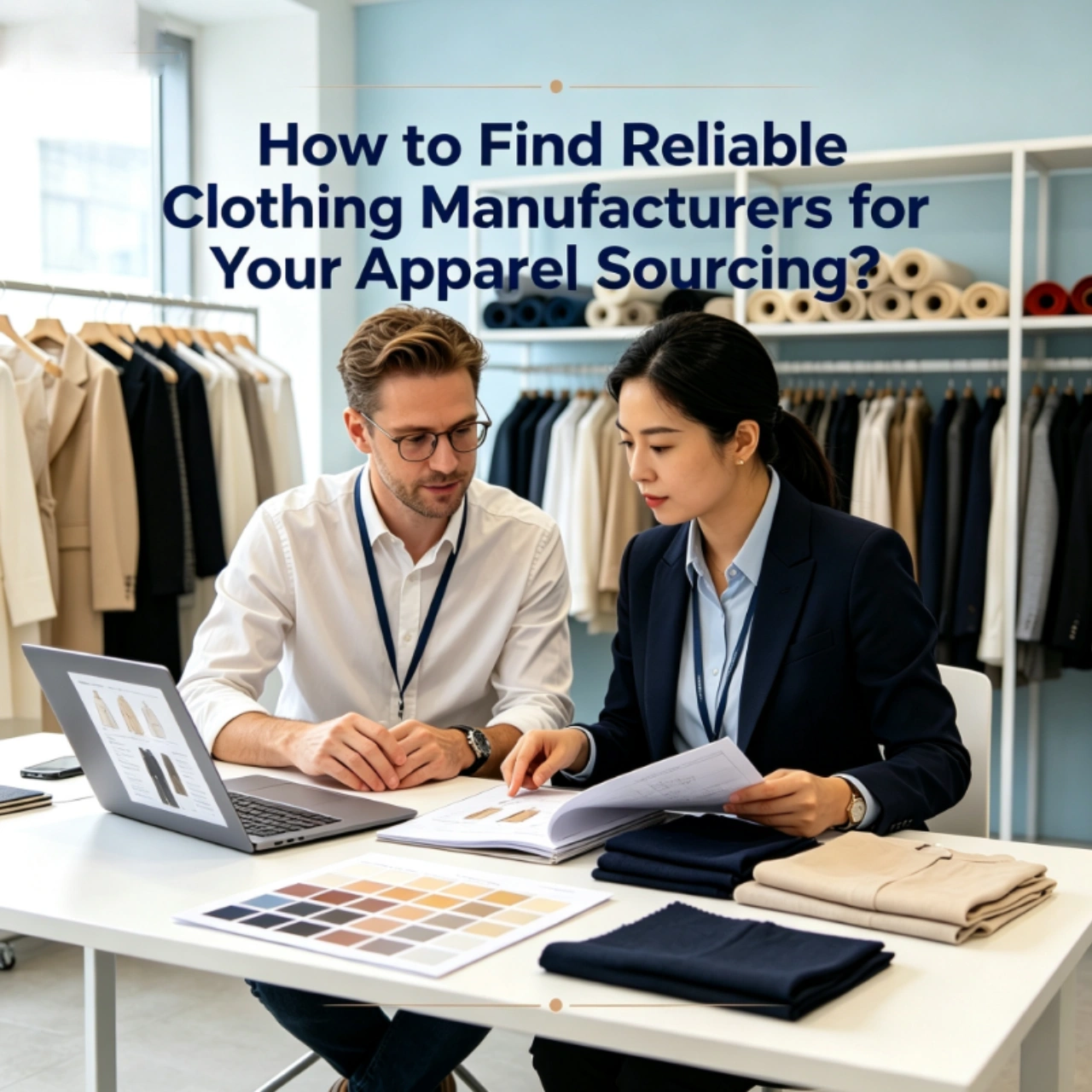
Finding a reliable clothing manufacturer isn’t just about searching Alibaba. It requires a structured approach: know where to look, how to verify, and what questions to ask. This guide serves as your apparel sourcing guide—walking you through the entire process from preparation to production.
Before You Start: Get Your Pre-Requisites Ready
Most buyers fail because they don’t know what they want. Manufacturers respect buyers who come prepared. Vague requests lead to vague results—and, more often than not, disappointment.
What you need to have ready:
A detailed Tech Pack: This is your product’s blueprint. Include measurements, materials, stitching requirements, color references, and any special printing or embroidery. The more detail, the better.
Clear manufacturing goals: What capabilities does your ideal manufacturer need? Can they handle specific fabric types? Do they have the right machinery? Be specific.
Quantity expectations: Decide on your initial order volume upfront. Most factories offer discounts for larger orders, but minimum order quantities (MOQs) vary widely. For clothing, typical MOQs range from 50 to 500+ pieces per design.
A realistic timeline: Set deadlines for sampling and production. Factor in at least 2-3 weeks for sampling and 4-8 weeks for production.
A common mistake: Many new brands approach factories with only a sketch or a vague idea. Without a Tech Pack, factories cannot provide accurate quotes. The time spent preparing detailed specifications upfront saves weeks of back-and-forth later.
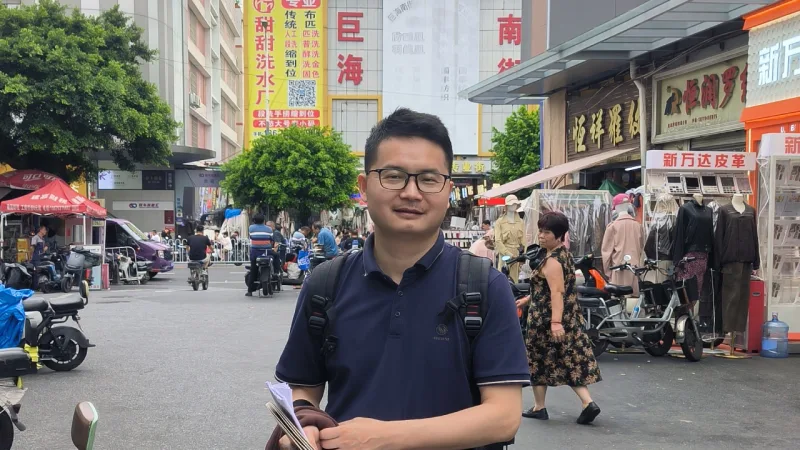
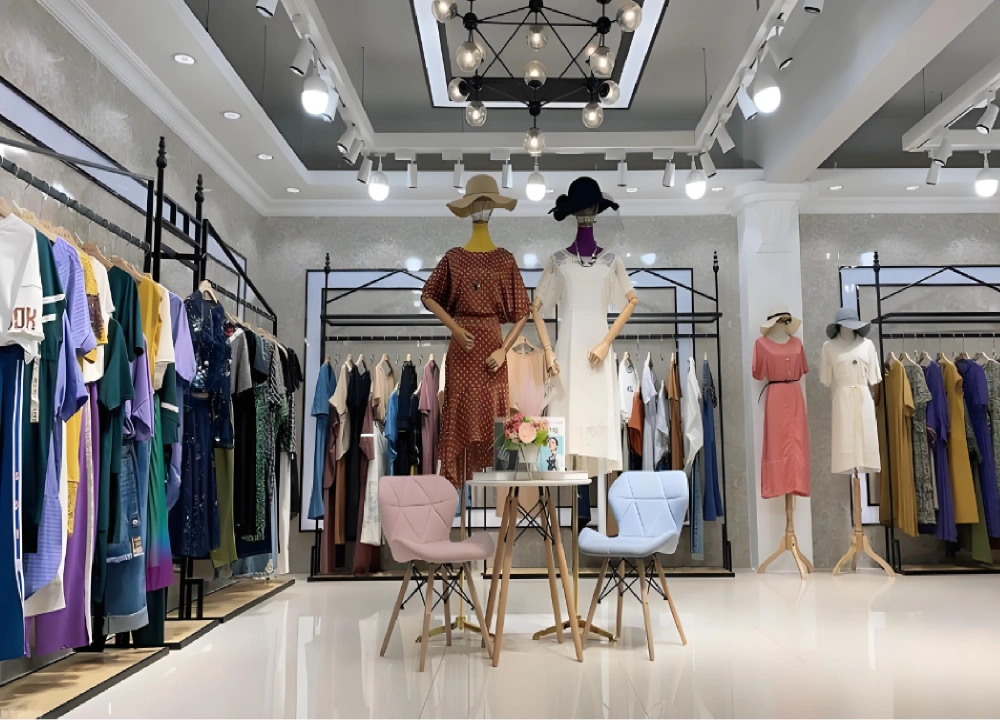
Lee at the clothing wholesale market
Where to Find Clothing Manufacturers
You have several channels to search for potential suppliers. Each offers different advantages and levels of control. Knowing where to source trusted garment factories is the first step.
Online B2B Platforms
Alibaba.com is the most widely used global platform. It has buyer protection features like Trade Assurance, and you can filter for “Gold Supplier” and “Verified” status. However, not every “supplier” on Alibaba is a factory—some are trading companies (middlemen) that add their own markup.
1688.com is the domestic Chinese version of Alibaba. It offers lower prices and factory-direct deals but operates entirely in Chinese and doesn’t support international payments. Many international buyers use sourcing partners to access this market.
Made-in-China.com is similar to Alibaba. It offers verification programs including video audits and VR factory tours.
Important distinction: Always confirm whether the supplier is a manufacturer or a trading company. Trading companies add commissions (typically 15–30%) and may have less control over production. A manufacturer owns production and controls its lines.
How to tell the difference:
Manufacturers will usually have a factory address (not just an office)
They will be willing to do a live video tour of their production floor
Their business license will show “manufacturing” in the business scope
Trade Fairs
Trade fairs allow you to meet manufacturers face-to-face, see product quality, and build direct relationships.
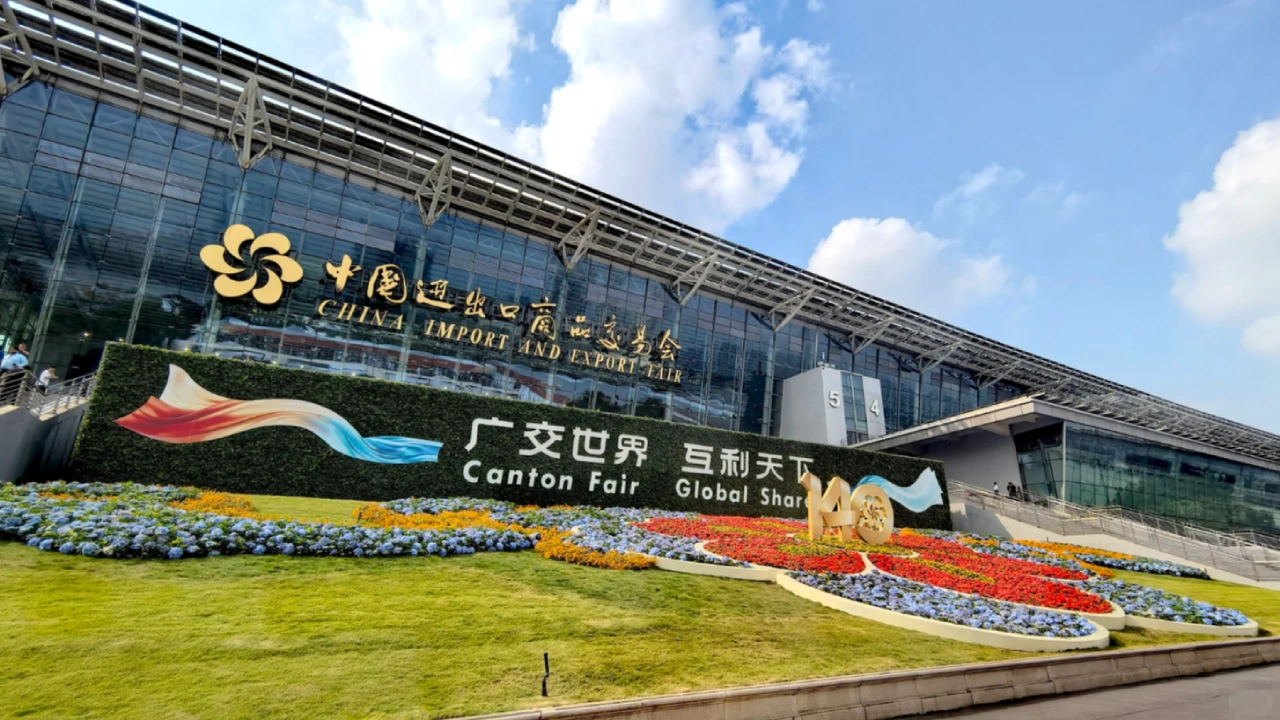
The Canton Fair in Guangzhou is the largest trade fair in China. Apparel suppliers are concentrated in week 3 of the event. You can meet hundreds of suppliers in a few days.
Textile and garment-specific fairs like CHIC (China International Fashion Fair) and Intertextile are also excellent resources.
Referrals from industry contacts are often the most reliable way to find genuine manufacturers. A personal connection reduces the risk of scams or poor-quality work.
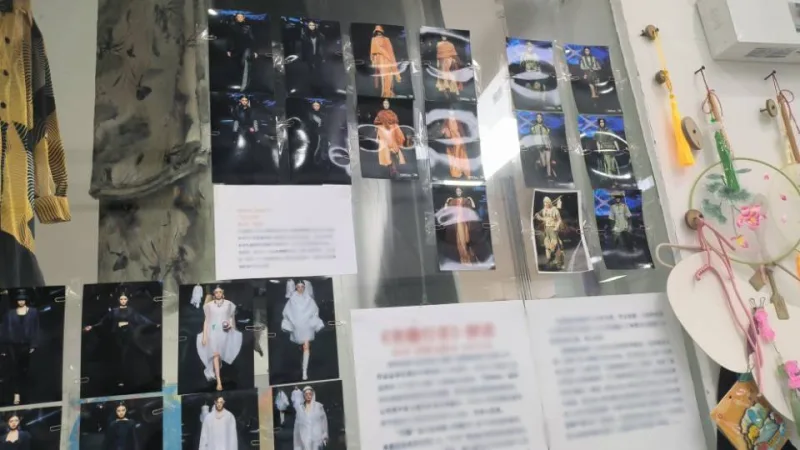
Apparel Sourcing Fashion Design Reference Wall For Custom Garment Development
How to Vet and Filter Potential Suppliers
Your initial search will yield many options. This is where most buyers make mistakes—they don’t vet thoroughly enough.
Factory vetting for apparel production isn’t optional—it’s essential. This is where you separate reliable partners from risky ones. Here are key garment sourcing tips to guide you through the process.
Step 1: Verify Legal and Operational Credibility
What to check:
Business License: Confirm the company name, legal representative, and registration date. In China, you can verify this through the National Enterprise Credit Information Publicity System or QCC.com.
Export License: Ensure they have a valid export license. Without this, they cannot legally export goods.
Social Credit Code: This is China’s unified business ID. Verify it matches the company’s registered address.
Key Garment Manufacturer Certifications Table
| Certification | Full Coverage Scope |
| BSCI / WRAP | Social compliance, labor standards & factory working conditions |
| ISO 9001 | Complete quality management systems for apparel production |
| OEKO-TEX Standard 100 | Textile chemical safety, no harmful substances for garments |
| GOTS | Organic raw material & sustainable textile processing standards |
| SA8000 | Global social accountability & ethical production rules |
A real example: One supplier looked impressive on paper—good certifications, professional website, competitive pricing. During a clothing supplier audit, the production floor was empty. The equipment was old and unmaintained. The factory had lost its major clients and was running at 20% capacity. They were still accepting orders but couldn’t deliver on time. This is why physical verification matters—or working with a partner like Sourcingyuan that conducts on-site audits.
Step 2: Assess Production Capabilities
A proper clothing supplier audit should confirm:
Factory Environment: Request a live video walk-through during working hours. Look at the organization, cleanliness, and machinery. Is the factory well-lit? Are materials organized? Do workers look engaged?
Machinery: Does the factory have the right equipment for your product? A factory making T-shirts may not have the machinery for tailored jackets.
Quality Control Process: Ask about their QC plan. Do they have:
Pre-production checks (before materials are cut)?
In-line inspections (during production)?
Final random inspections (using AQL standards)?
Staff and Capacity: Inquire about factory size, number of production lines, and staff count. A factory with 50 workers cannot handle 10,000-unit orders quickly.
Step 3: Assess Communication and Transparency
Effective collaboration depends on responsive communication.
What to look for:
Response Time: Top-tier suppliers maintain dedicated international sales teams with response windows under 4 hours.
Transparency: A reliable supplier will be willing to share factory photos, audit reports, and client references.
Technical Questions: Ask detailed questions about your product. A genuine manufacturer will ask clarifying questions about your design, materials, and quality expectations. A trading company will often say “no problem” to everything without understanding your requirements.
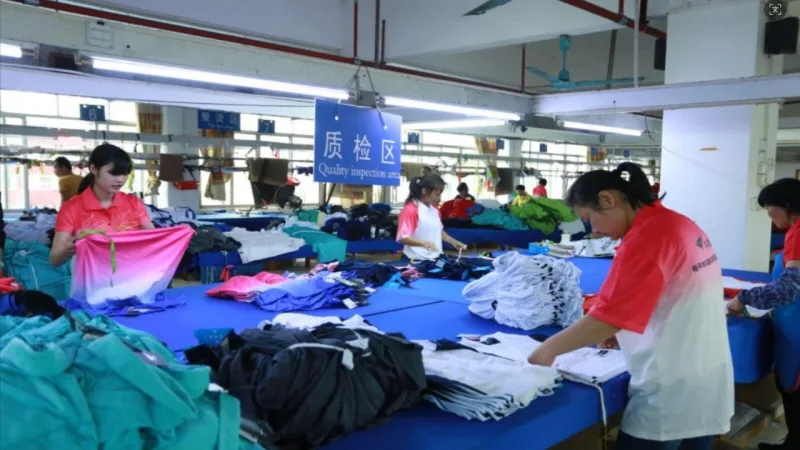
Factory workers are working hard
Ask for Samples
Samples are non-negotiable. They are your best protection against costly mistakes.
The Sample Process
Step 1: Request Pre-Production Samples
Provide your Tech Pack and ask for samples that match exactly. Most suppliers charge $50–$300 per sample to cover material and labor. Many will credit the fee toward your first order.
Step 2: Evaluate Thoroughly
When you receive the sample:
Check fabric quality (weight, feel, color accuracy)
Verify measurements (compare to your Tech Pack)
Inspect stitching and finishing
Test functionality (zips, buttons, elastic)
Step 3: Request Revisions
If the sample isn’t perfect, provide clear feedback. Most products require 2-3 rounds of sample revisions. Don’t skip this step—samples are cheap compared to production mistakes.
Step 4: Get a Production Sample
Once you approve the design, request a final sample from the actual production line. This confirms the factory can replicate quality at scale.
A common pitfall: One brand rushed to production after approving the first sample. The production batch came back completely different—different dye lot, different stitching tension. The factory had used a different team for the production run. The lesson: always request production samples and confirm the same team will handle the full order.
Start with a Test Order
Before committing to a large order, place a small trial order (under 100 units if possible). This is one of the most important garment sourcing tips for new brands.
What a test order tells you:
Supplier’s speed and responsiveness under real production conditions
Whether quality matches the sample standards
Shipping and logistics handling
Communication consistency throughout the production process
A real example: An Australian brand needed 30 pieces of 22mm heavyweight silk shirts—silk imported from Italy, small batch only. Many factories refused. The brand eventually found factories in Zhejiang and Guangdong willing to do small batch high-end production. The test order was successful, and the brand expanded to five additional product lines with the same factories. This illustrates why persistence and the right local support—whether through your own team or a service like Sourcingyuan—makes a difference.
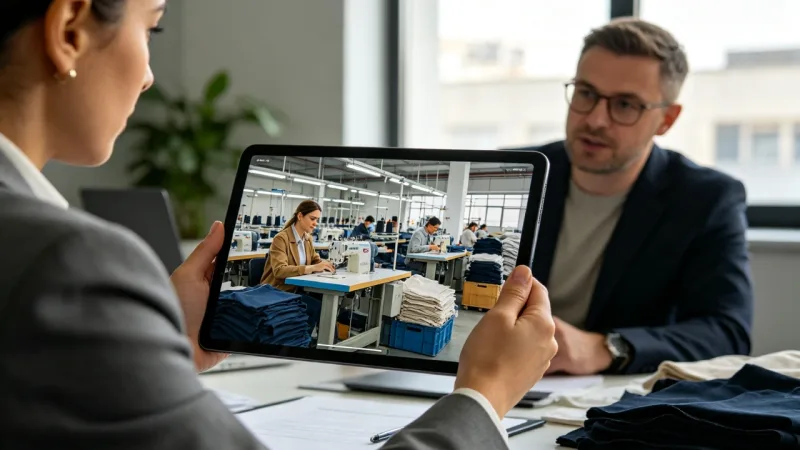
apparel sourcing video inspection
Building Long-Term Partnerships
Finding a reliable manufacturer is only the first step. The real value comes from building a long-term relationship.
How to build trust:
Pay on time: This builds goodwill and can lead to priority treatment during peak seasons.
Communicate clearly: Use visual aids like tech packs and videos to reduce misunderstandings.
Be consistent: Suppliers value predictable clients. If you frequently change designs or cancel orders, you lose credibility.
Respect cultural differences: Chinese business culture values relationship (guanxi) and face (mianzi). Avoid public criticism and aggressive confrontation.
FAQ
1.What certifications should a reliable clothing manufacturer have?
Look for ISO 9001 (quality management), BSCI or WRAP (social compliance), and OEKO-TEX Standard 100 (chemical safety). Additional certifications depend on your target market (e.g., GOTS for organic products).
2.How do I verify a clothing manufacturer in China?
Start by checking their business license and bank details. Request a live video factory tour. Ask for QC reports and verify certifications through official databases. On-site verification is always the most reliable method.
3.What is the difference between a manufacturer and a trading company?
A manufacturer owns production and controls its lines. A trading company sources from factories and adds a markup (typically 15–30%). For complex products, a manufacturer is usually more reliable.
4.What is a typical MOQ for clothing manufacturers?
MOQs typically range from 50 to 500+ pieces per design. Some factories accept small batch orders (as low as 50 units) for startups. Factors affecting MOQ include fabric availability, production complexity, and factory capacity.
5.How much do samples cost?
Most suppliers charge $50–$300 per sample. Many credit the fee toward your first order. Complex products or custom fabrics may cost more.
6.Can I find reliable clothing manufacturers on Alibaba?
Yes, but you must vet thoroughly. Look for “Gold Supplier” status, years in business, and customer reviews. Always request factory verification and confirm they are actual manufacturers, not trading companies.
7.Should I visit a factory in China?
Yes, if possible. If you cannot travel, conduct a live video tour to inspect facilities, machinery, and working conditions. A reliable supplier will welcome this transparency. This is part of proper factory vetting for apparel production.
8.How do I avoid scams when sourcing clothing from China?
Watch for red flags: bank account name doesn’t match the company, pressure to pay quickly, refusal of live video tours, prices far below market rates, and “no problem” answers to all technical questions.
9.How can I find how to find reliable clothing manufacturers?
Start with a structured approach: define your product requirements, search on verified platforms, conduct a thorough clothing supplier audit, request samples, and always start with a test order before committing to large volumes. Following this apparel sourcing guide will help you avoid common pitfalls.
10.Is a low price always a good deal?
No. A very low price often indicates lower quality materials, poor workmanship, or hidden costs. Focus on total cost of ownership, not just unit price.
What Actually Works
Finding reliable clothing manufacturers for your apparel sourcing requires a combination of online research, due diligence, and clear communication. By following this structured apparel sourcing guide—preparing your specs, conducting a thorough clothing supplier audit, performing rigorous factory vetting for apparel production, and starting with a test order—you can significantly reduce risk and build a partnership that supports your brand’s growth.
The process takes time, but the payoff is a reliable supply chain that allows your brand to scale with confidence. Whether you manage this process yourself or work with a local partner, the fundamentals remain the same: verify thoroughly, test before committing, and build relationships for the long term.
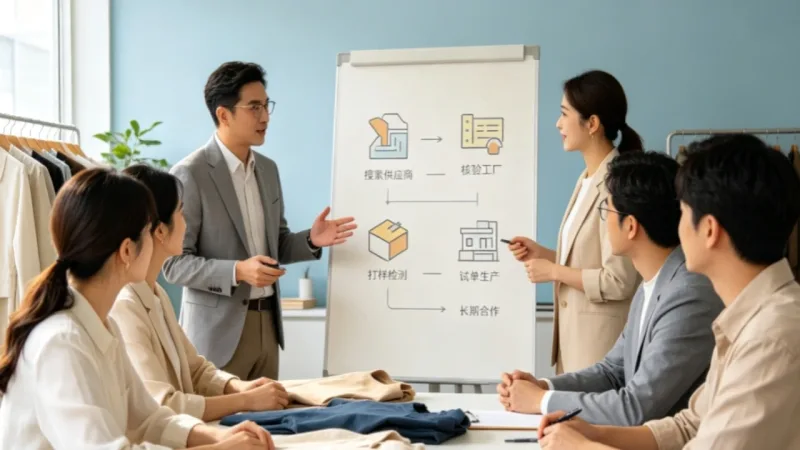
apparel sourcing process overview
About the Author
Jeff Lee
Founder of Sourcingyuan
Jeff Lee is the founder of Sourcingyuan, a China-based sourcing and product development company. He has more than 10 years of experience helping overseas businesses source products, develop new products, identify reliable manufacturers, manage production, and build supply chains in China.
Connect with Jeff: LinkedIn | YouTube
Share This Story, Choose Your Platform!
We connect you with reliable factories, get the best quotes, deliver straight to your door.