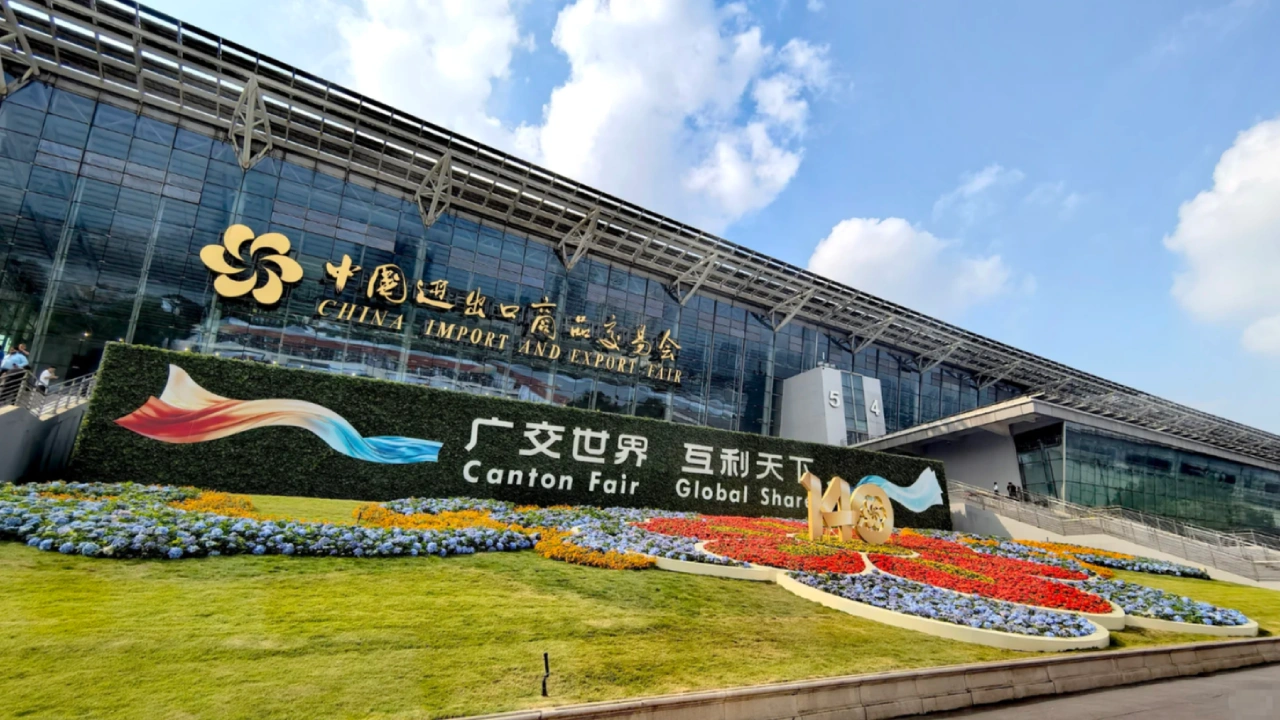
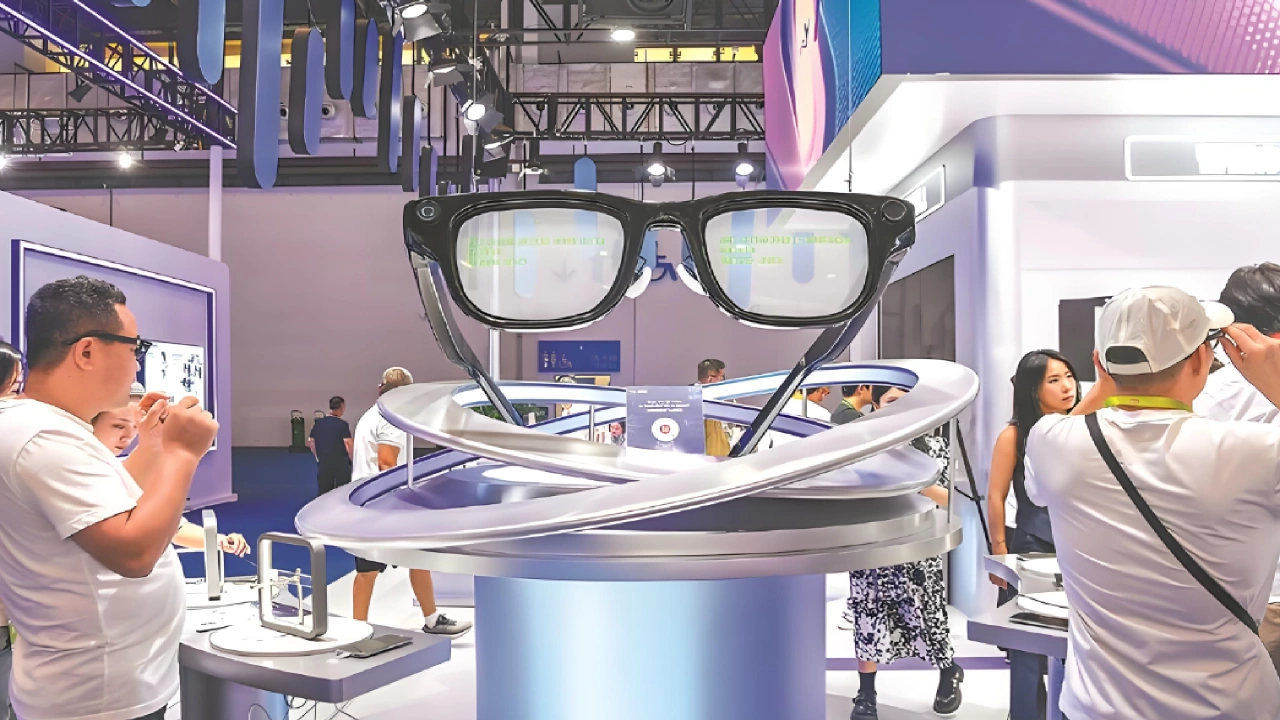
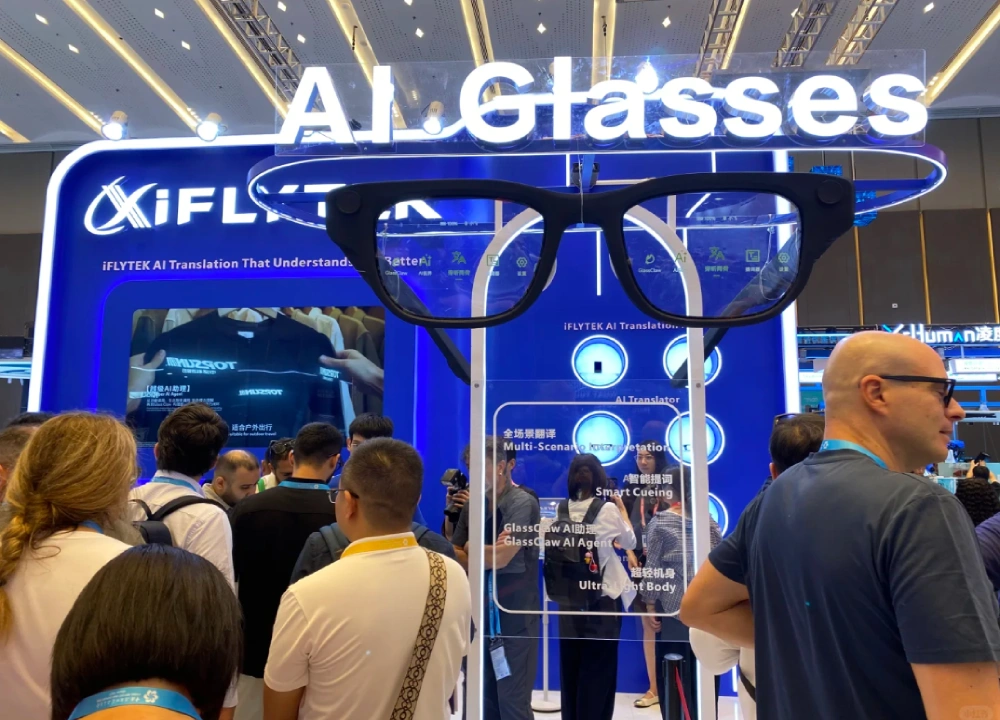
AI translation glasses were one of the most in-demand products at Canton Fair Phase 1. At the 140th session, the queue in front of one translation glasses booth never seemed to shorten. Buyers tried the devices, asked about translation accuracy, and several requested samples on the spot. A Brazilian buyer put on a pair and spoke Portuguese with booth staff, who replied in Mandarin—the translation appeared in real time, without a phone or a separate device. Another buyer, already speaking fluent Chinese, spent ten minutes testing the device across different conversation scenarios before asking about order lead times.
This guide explains what AI translation glasses are, how they work, who benefits from them, and what the market outlook means for international buyers considering this category. For a full overview of the event, browse our Canton Fair Guide: Complete Buyer Resources.
What Are AI Translation Glasses?
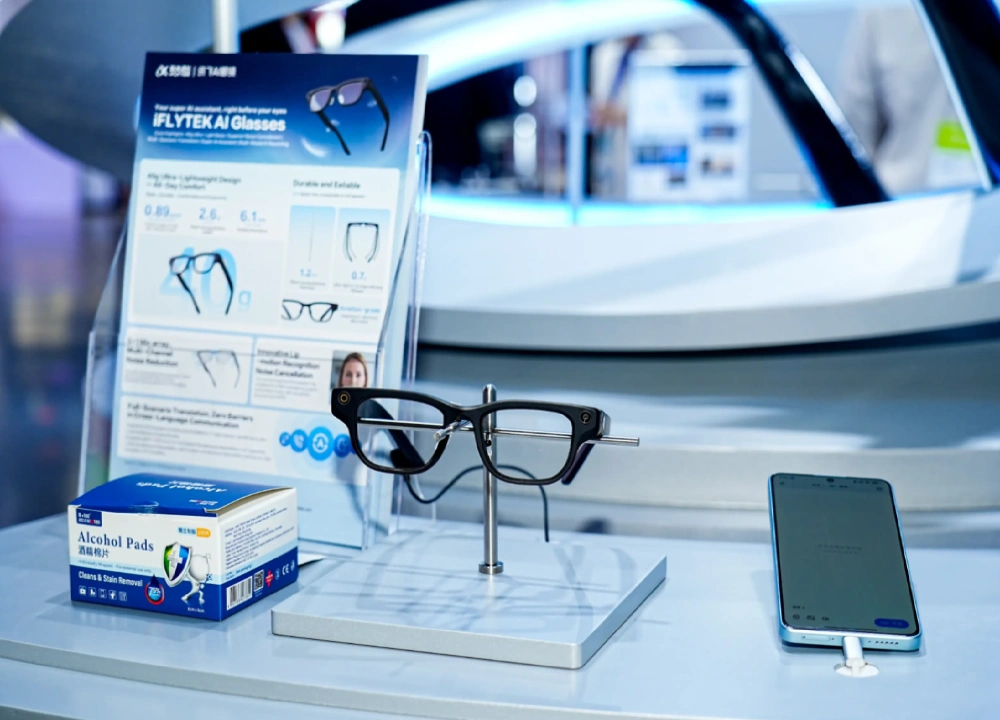
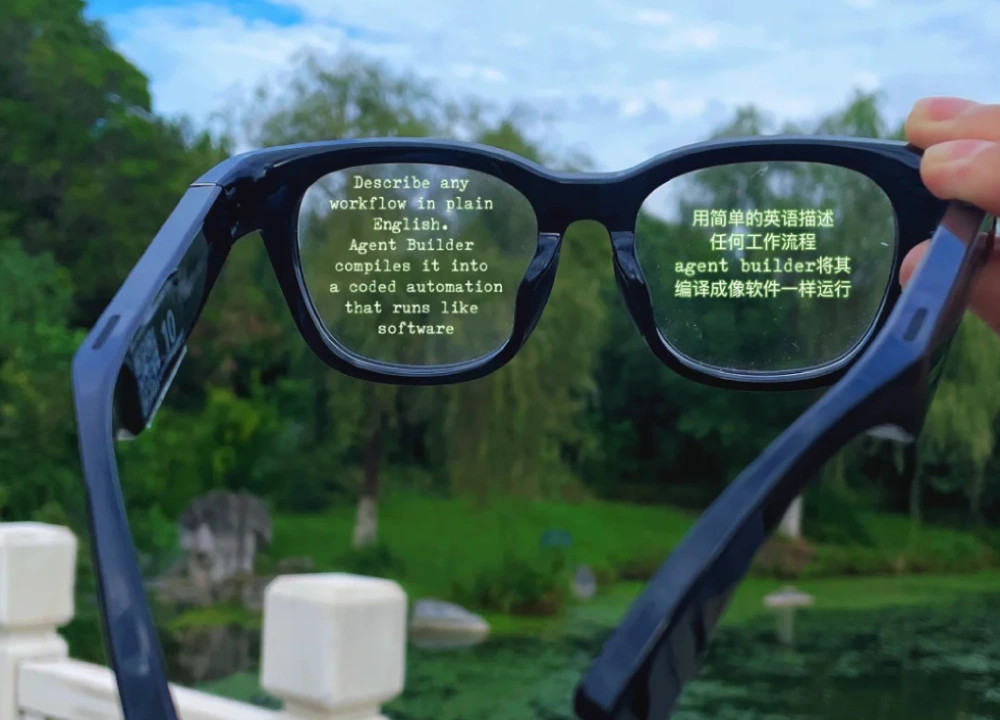
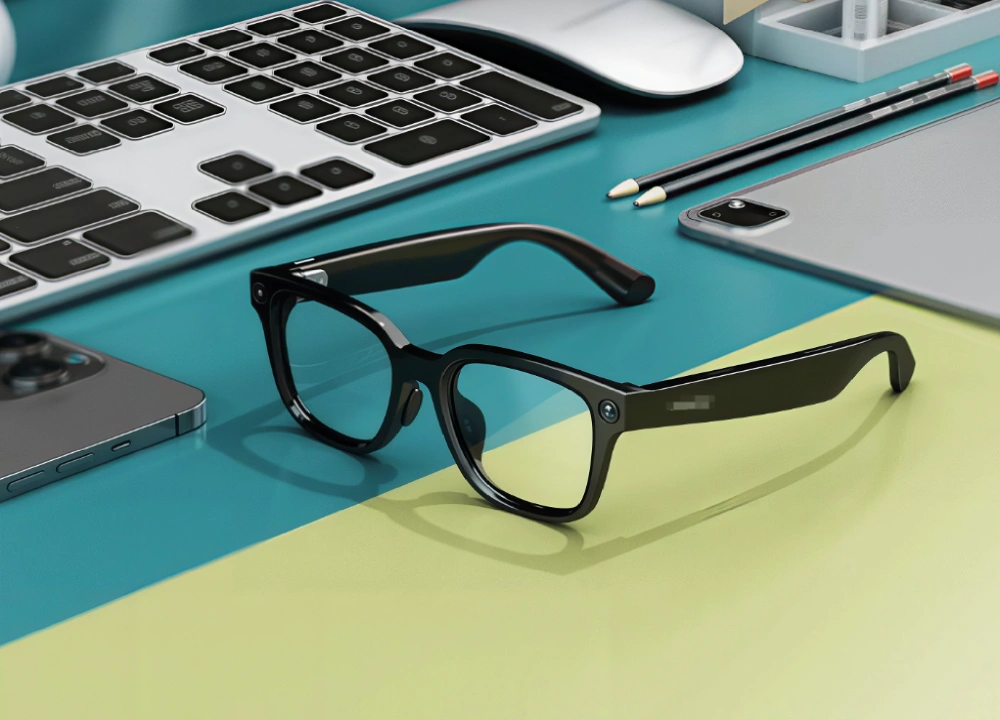
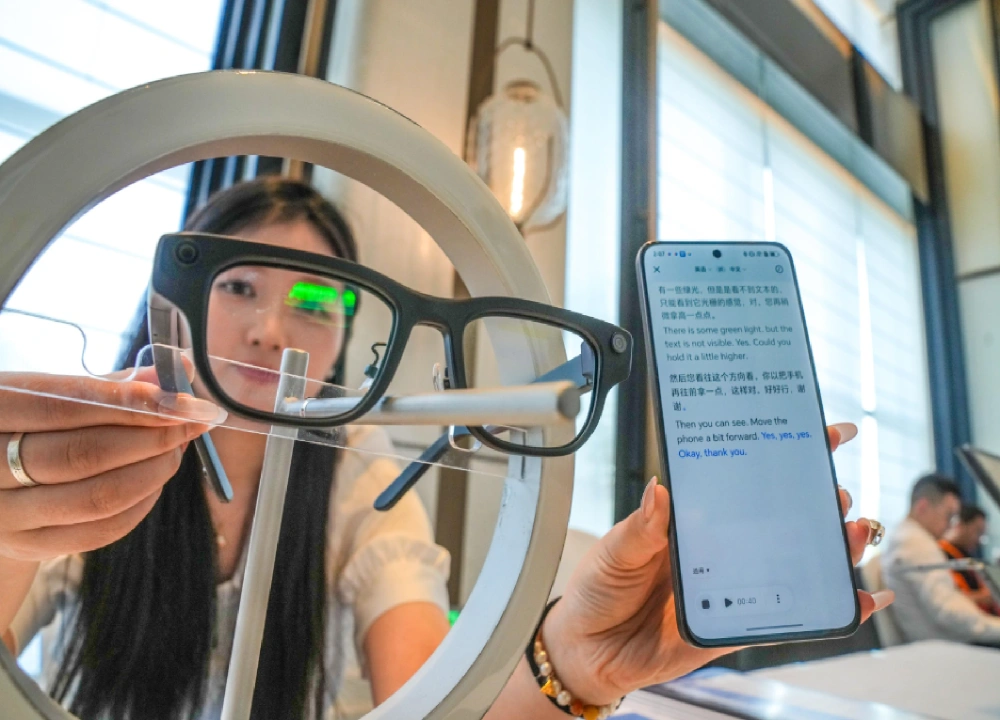
AI translation glasses are wearable devices that integrate a camera, microphone array, and AI processing to deliver real-time translation projected directly onto the lenses or played through built-in speakers. Unlike handheld translators or earbuds, they allow the wearer to maintain natural eye contact during conversation—the translation appears in the field of view while the conversation flows.
The Technology Stack
The core technology stack includes three components.
Real-time speech recognition and translation converts spoken language into text and translated output with minimal latency.
Noise reduction is critical in crowded environments like trade shows. Leading models use lip-movement recognition, where a front-facing camera identifies the speaker‘s mouth movements to isolate their voice from background noise.
Lightweight optical design keeps the device comfortable for extended wear—40 grams is the current benchmark for full-featured binocular display models.
Technology Comparison: What Separates a Demo Unit from a Commercial Product
| Dimension | Entry-Level | Commercial-Grade | Flagship |
|---|---|---|---|
| AI Processing | Cloud-dependent | On-device + cloud | On-device primary |
| Weight | 50g+ | 40–45g | 35–40g |
| Languages | 20–50 | 80–100 | 100+ |
| Continuous Translation | 2–3 hours | 4–5 hours | 6+ hours |
| Best For | Casual use | Trade shows, meetings | High-frequency professional use |
The Category’s Commercial Momentum
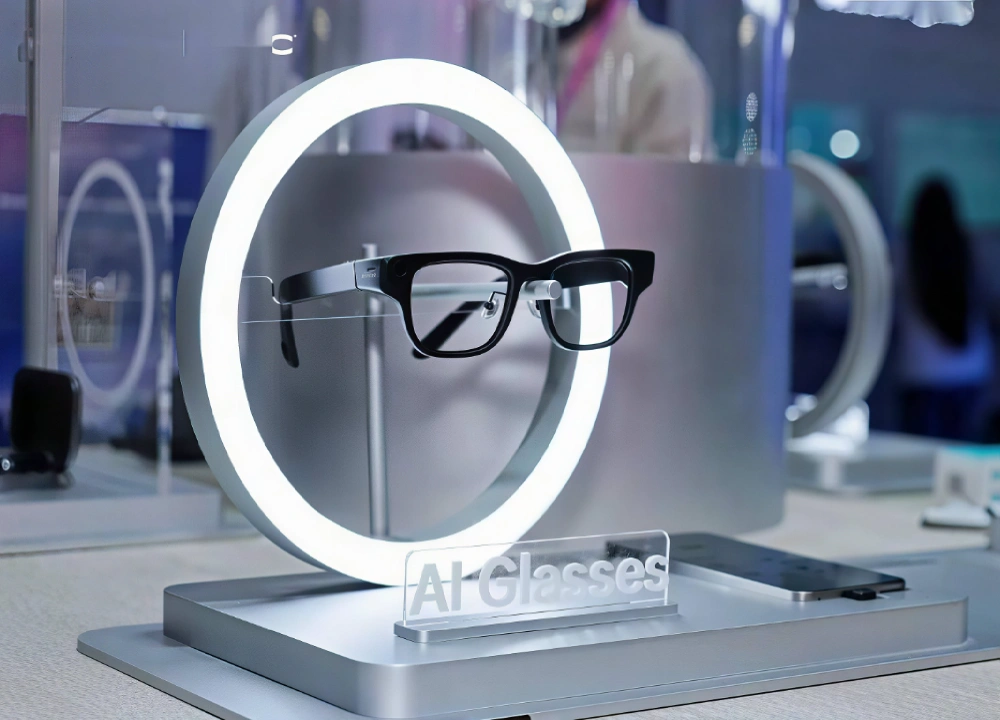
The category‘s momentum was visible. The iFLYTEK AI Glasses won the Canton Fair Design Innovation Award Gold Prize and drew queues of buyers from Brazil, Argentina, and dozens of other countries. While iFLYTEK is a prominent example, it is not the only player—the category now includes multiple brands competing on language coverage, weight, and battery life. You can review the full phase layout in Which Canton Fair Phase Should You Attend? Dates & Full‑List of Product Categories.
What This Wearable Device Actually Does for Different Users
The value of this wearable device varies by user type. Understanding these use cases helps buyers assess which market segment to target.
For International Sales Teams and Trade Fair Attendees
At a trade show, the cost of language friction is not abstract—it is the three-second delay when switching between translation apps, the missed nuance in a negotiation, the deal that stalls because communication feels unnatural. This device removes the device-switching entirely. The wearer looks at the person speaking, and the translation appears. This use case was demonstrated repeatedly: buyers and exhibitors conversing in different languages without a phone in between.
For Business Travelers and Frequent Flyers
The glasses offer hands-free assistance in airports, hotels, and meetings. Visual translation of menus, signs, and documents extends the utility beyond spoken conversation.
For Multinational Teams and Remote Meetings
Some models support call translation and online simultaneous interpretation, allowing users to participate in cross-language meetings without a separate interpreter.
For Consumers in Multilingual Regions
The appeal is more niche but growing. Travelers, expatriates, and people in border regions or multilingual households represent a smaller but real consumer segment.
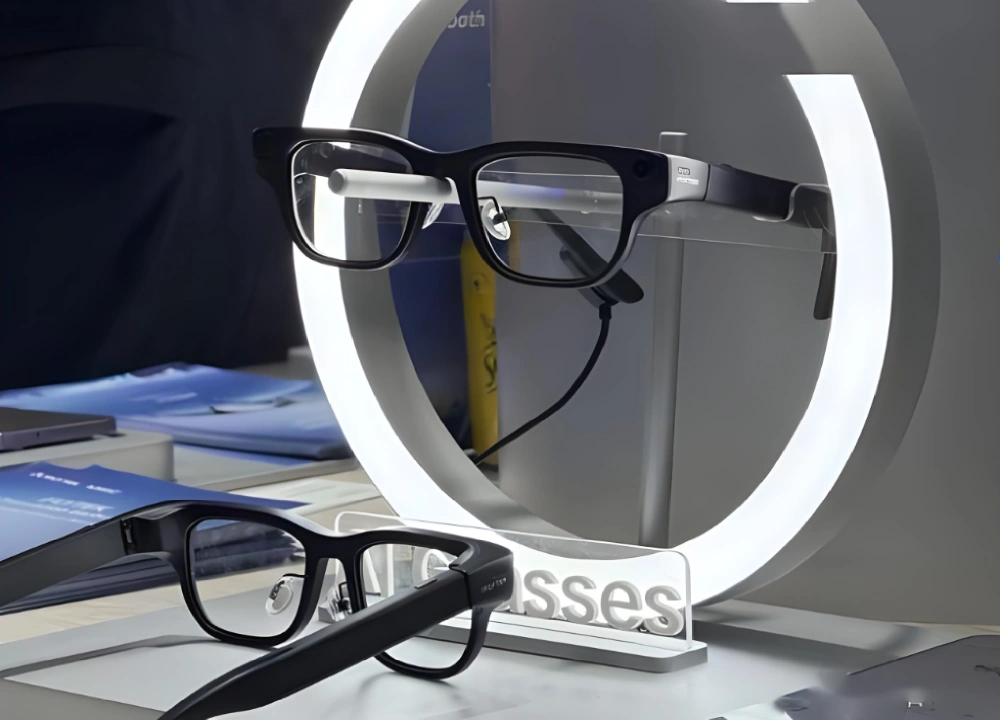
The practical takeaway for buyers: this wearable device is not a mass-market consumer product yet. The strongest demand is in B2B and professional scenarios—trade, sales, international business—where the cost of language friction is measurable and the willingness to pay is higher.
Market Outlook: Growth Is Strong, But the Category Is Still Finding Its Footing
Market Size and Growth
The market data for real-time translation glasses is positive. One market research estimate places the global market at $2.71 billion in 2025, growing to $7.51 billion by 2032 at a CAGR of 15.67%. Another estimate projects the real-time translation smart glasses segment specifically reaching $7.09 billion by 2032 with a CAGR of 18.22%. The exact figures vary by definition, but the direction is consistent: growth is real.
The Supply Chain Reality
The broader AI glasses category provides context. Global smart glasses shipments are growing rapidly, with China’s 2025 shipments reaching the million-unit level and growth rates among the highest globally. The supply chain is concentrated in the Pearl River Delta, particularly Dongguan and Shenzhen, where component ecosystems and ODM capacity are mature.
The Strategic Question
But the category faces a strategic question. Industry analysts have noted that AI glasses still lack a “killer application,” and brands focused solely on conference translation will struggle to reach mass-market scale. Translation is a strong entry point for professional use, but it may not sustain a consumer mass-market product on its own. The category‘s long-term growth depends on expanding use cases—meeting notes, teleprompting, visual recognition, and daily assistance.
For buyers, this means two things. First, the B2B translation use case is real and currently underserved in many markets. Second, if you are targeting consumers, you need a broader value proposition than translation alone.
Market Opportunity and Risk
| Dimension | Opportunity | Risk |
|---|---|---|
| Demand | Trade shows, cross-border sales, international teams | Consumer mass market has not formed yet |
| Supply Chain | Mature ODM capacity in Pearl River Delta | Head brands dominate, smaller players lack leverage |
| Technology | On-device AI is commercially viable | Translation accuracy varies by language pair |
| Pricing | B2B buyers accept premium pricing | Consumer market is price-sensitive |
What Buyers Should Evaluate Before Sourcing
Verify ODM Capability, Not Just Assembly
A supplier that only assembles components will struggle with customization. Look for suppliers with in-house optical module integration, AI model deployment, and acoustic engineering.
Test Translation Accuracy in Your Target Language Pair
Support for 100+ languages does not mean equal quality across all pairs. If your market is Spanish-Portuguese, Arabic-English, or another specific combination, test the actual performance before committing to volume.
Ask About Noise Reduction Performance
Lip-movement recognition works best in face-to-face, well-lit conditions. Ask how the device performs in your specific use case—crowded halls, outdoor settings, or video calls.
Confirm Certification for Your Market
Devices with camera and wireless functions may require CE, FCC, RoHS, and additional compliance for camera modules. A supplier unable to provide valid certificates is a risk.
At Sourcingyuan, we help international buyers navigate this supply chain from our Guangzhou office. We verify whether a supplier has genuine ODM capability, coordinate sample testing in your target language, and confirm certification status before you commit. If this category caught your attention, we can help you evaluate whether the supply chain behind the booth is ready for your order.
For buyers considering own-brand development, Sourcingyuan supports the full product development cycle—from concept and optical design to mold making, sampling, and certification. The category is growing, but the difference between a good supplier and a mediocre one shows up in translation accuracy and thermal performance, not on the show floor.
The Bottom Line
The AI translation glasses category has crossed the threshold from novelty to commercially viable product line. Many wholesale buyers are actively sourcing AI translation glasses after seeing demos at the show.At Canton Fair Phase 1, the shift was visible: buyers were negotiating, not just observing. The market data supports continued growth, and the supply chain in the Pearl River Delta is ready for scale.
But growth does not mean easy entry. The category requires careful supplier verification, language-specific testing, and genuine product differentiation. Buyers who treat this event as the starting point for due diligence—rather than the finish line—will be better positioned to capture the opportunity.
About the Author
Jeff Lee
Founder of Sourcingyuan
Jeff Lee is the founder of Sourcingyuan, a China-based sourcing and product development company. He has more than 10 years of experience helping overseas businesses source products, develop new products, identify reliable manufacturers, manage production, and build supply chains in China.
Related Articles You May Like 📚
Explore our Canton Fair Guide topic hub for complete coverage of Phase 1, 2, and 3:
🎯 Canton Fair Guide: Complete Buyer Resources
🤖 Canton Fair Phase 1 2026: Top New & Trending Products
✅ Window Cleaning Robots at Canton Fair Phase 1
🤝 Need help evaluating AI translation glasses or other categories?
Share This Story, Choose Your Platform!
We connect you with reliable factories, get the best quotes, deliver straight to your door.