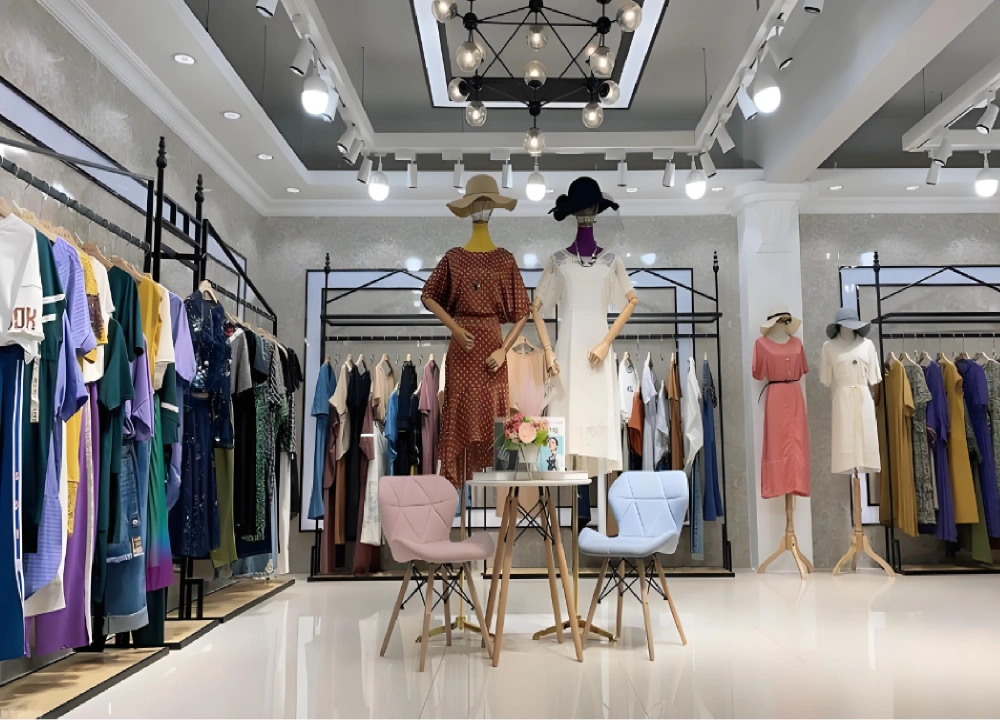
European boutique brands are known for their unique design, high-quality standards, and personalized positioning. However, when it comes to sourcing from China, many struggle to adapt the Chinese clothing supply chain to their specific needs.
Unlike large fashion brands with massive order volumes, European boutique brands often face challenges like low minimum order quantities (MOQs), strict quality requirements, and the need to align production with their brand aesthetic—all of which require a tailored approach. In this guide, we’ll share practical strategies to bridge the gap between European boutique needs and Chinese manufacturing capabilities, covering private label customization, fabric selection, quality control (QC), small-batch production, and how to communicate effectively with Chinese factories to ensure your supply chain fits your brand perfectly.
For European boutique brands, the goal of adapting the Chinese clothing supply chain isn’t just to find a manufacturer—it’s to build a reliable partnership that understands your brand’s values, meets your high standards, and supports your unique business model. Many brands fail because they treat it the same as a mass-market supply chain, ignoring the nuances of small-batch, high-quality production that define their brand identity. With the right strategies, however, you can transform the Chinese clothing supply chain from a challenge into a competitive advantage, leveraging China’s manufacturing expertise while preserving your boutique’s uniqueness through private label customization and careful fabric selection.
Understand the Core Needs of European Boutique Brands (And How They Clash with Traditional Chinese Supply Chains)
Before adapting the Chinese clothing supply chain, clarify what makes European boutique brands different—and why traditional models often fall short. European boutiques prioritize quality over quantity, uniqueness over standardization, and brand consistency over cost-cutting. This is where many brands stumble: they work with factories that specialize in large orders, leading to high MOQs, generic designs, and quality that fails to meet European standards.
Key needs that the Chinese clothing supply chain must adapt to include: low MOQs for small-batch production, private label customization (from logos to packaging), high-quality fabric selection that aligns with European aesthetic and durability standards, and strict QC to ensure every piece matches the brand’s vision. The good news is that more and more Chinese factories are adapting to these needs—you just need to know how to find them and align their capabilities with your brand’s goals.
Choose the Right Chinese Clothing Factories for Your Boutique Brand
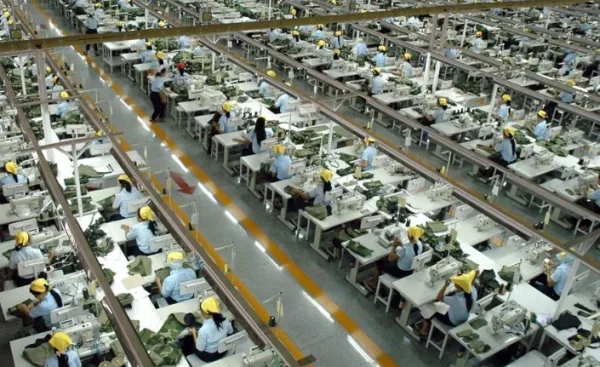
The foundation of adapting the Chinese clothing supply chain lies in selecting factories that specialize in serving European boutique brands. Not all factories are equipped to handle small-batch, high-quality production—many focus on mass-market orders, which means they can’t offer low MOQs or the level of private label customization you need. To find the right fit, look for factories with experience working with European brands, a proven track record in small-batch production, and expertise in premium fabric selection.
When vetting factories, ask for samples of their past work—pay close attention to fabric selection and craftsmanship. Additionally, ensure the factory offers private label services that align with your brand, such as custom labels, packaging, and embroidery. A reliable factory will also have a robust QC process in place, essential for maintaining the high standards your boutique brand is known for. By choosing the right partners, you’ll lay the groundwork for a supply chain that fits your brand’s unique needs.
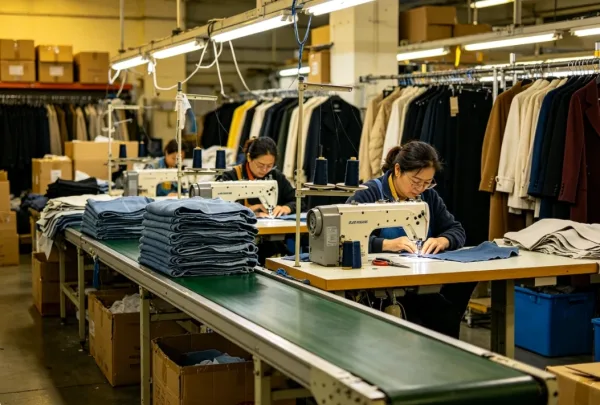
Chinese clothing supply chain
Negotiate Low MOQs for Small-Batch Production (A Must for Boutiques)
One of the biggest challenges European boutique brands face is high MOQs—many traditional factories require minimum orders of 500+ pieces per style, which is unrealistic for small boutiques. Adapting the supply chain means negotiating low MOQs that fit your small-batch needs without sacrificing quality or customization.
To negotiate low MOQs, focus on factories that specialize in small-batch production—these often have lower MOQs (50-200 pieces per style) because they’re designed for boutique brands. Be transparent about your order volume and brand goals; many factories are willing to lower MOQs for long-term partnerships, especially if you commit to regular orders. Additionally, consider combining styles or using the same fabric selection across multiple designs to reduce production costs, which can help secure lower MOQs. By prioritizing small-batch production, you’ll be able to test new designs, minimize inventory risk, and stay true to your boutique’s personalized approach.
Align Fabric Selection with European Boutique Standards
For European boutique brands, fabric selection is more than a practical choice—it’s a reflection of your brand’s quality and aesthetic. Adapting the supply chain means ensuring fabric selection meets European standards for quality, sustainability, and style. Many Chinese factories offer a wide range of fabrics, but not all are suitable for European boutiques, which often prioritize natural, high-quality materials like organic cotton, linen, and silk.
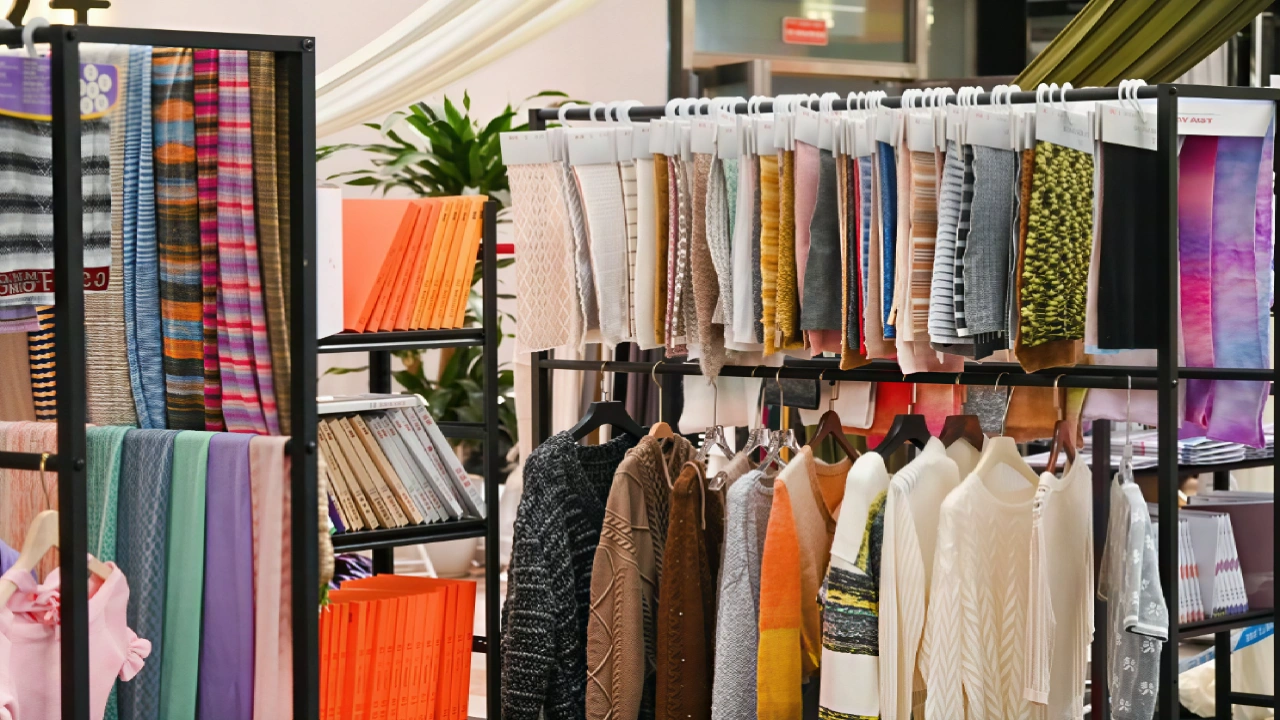
When working with the Chinese supply chain, be specific about your fabric requirements—provide samples or detailed specifications (including GSM, weave, and color) to factories. Ask for fabric swatches before placing an order, and conduct your own QC to verify that the fabric matches your standards. Additionally, consider sustainable fabric selection—European consumers are increasingly eco-conscious, so partnering with factories that offer organic or recycled fabrics can help your boutique stand out. By prioritizing fabric selection, you’ll ensure that every piece aligns with your brand’s quality and aesthetic.
European Boutique Brands
Implement Strict Quality Control (QC) to Meet European Standards
European boutique brands are synonymous with high quality—and adapting the supply chain requires implementing strict QC processes to maintain these standards. Many brands fail because they skip QC, leading to defective products, inconsistent sizing, and fabric issues that damage their brand reputation.
To ensure quality, work with factories that have a dedicated QC team, and specify your QC requirements upfront (e.g., stitching standards, sizing accuracy, fabric durability). Consider hiring a third-party QC service to inspect the production process and final products—this adds an extra layer of protection and ensures the supply chain meets your standards. Additionally, communicate clearly with factories about your QC expectations, and address any issues immediately to avoid delays or defects. By integrating QC into your supply chain, you’ll build trust with your customers and maintain your brand’s reputation for quality.
Leverage Private Label Customization to Maintain Brand Consistency
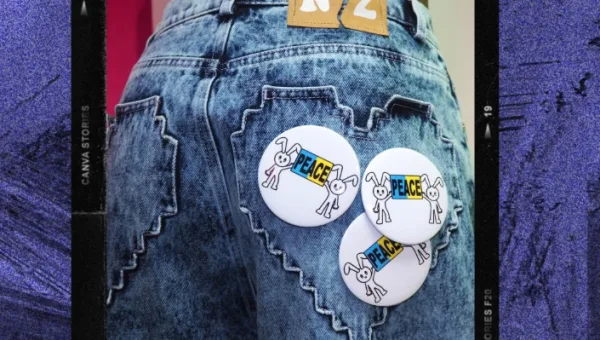
For European boutique brands, private label customization is key to maintaining brand consistency—and adapting the supply chain means integrating private label services seamlessly into production. Private label includes everything from custom labels and tags to branded packaging and embroidery, all of which help your boutique stand out and reinforce your brand identity.
When working with Chinese factories, choose those that offer comprehensive private label services. Provide detailed specifications for your labels, packaging, and any custom details (e.g., logos, embroidery). Ensure the supply chain can accommodate your private label needs without increasing MOQs or compromising quality. For example, if you need custom woven labels, confirm that the factory can produce them in small quantities and match your brand’s color and font. By leveraging private label customization, you’ll ensure that every piece reflects your brand’s unique identity and stands out in the European market.
Communicate Effectively with Chinese Clothing Factories
Effective communication is the glue that holds the supply chain together—especially for European boutique brands with specific, nuanced requirements. Many brands struggle because of communication barriers, leading to misunderstandings about fabric selection, private label customization, or QC standards.
To communicate effectively, use clear, detailed tech packs that outline your design specifications, fabric selection, private label requirements, and QC standards. Use simple, direct language, and avoid jargon. If possible, work with a factory that has English-speaking staff or hire a translator. Additionally, maintain regular communication throughout the production process, asking for updates and photos to ensure alignment. By fostering open, clear communication, you’ll minimize mistakes, avoid delays, and build a strong partnership that supports your European boutique brand.
Chinese clothing supply chain
Final Tips for Adapting the Chinese Clothing Supply Chain for Your European Boutique
Adapting the Chinese clothing supply chain is all about alignment—aligning factory capabilities with your brand’s needs, fabric selection with your aesthetic, and QC with your standards. Remember that the Chinese supply chain is flexible ; many factories are eager to work with boutique brands and will adapt their processes to meet your needs, including small-batch production and private label customization.
Start small: test a small order with a few factories to evaluate their fabric selection, QC processes, and private label capabilities before committing to a long-term partnership. This will help you avoid risks and ensure the supply chain is the right fit for your brand. With the right approach, the Chinese clothing supply chain can become a valuable asset for your European boutique, helping you deliver high-quality, unique products while maintaining your brand’s identity.
At SourcingYuan, we specialize in helping European boutique brands adapt the Chinese clothing supply chain to their unique needs. We work with trusted Chinese factories that excel in small-batch production, private label customization, and premium fabric selection, and we provide end-to-end QC to ensure your standards are met. Whether you’re just starting to source from China or looking to optimize your existing supply chain, we’re here to help you build a reliable, tailored solution for your boutique brand.
Email: lee@sourcingyuan.com
We reply to all business inquiries within 24 hours and will work with you to adapt the Chinese clothing supply chain to your European boutique’s needs—from fabric selection to private label customization and everything in between. Let us help you turn the challenges of Chinese sourcing into opportunities for your brand’s growth.
Share This Story, Choose Your Platform!
We connect you with reliable factories, get the best quotes, deliver straight to your door.