If you are sourcing industrial machinery or automation equipment from China, you are not just buying a machine—you are choosing a production ecosystem.China Industrial Clusters in the machinery and automation sector are geographically concentrated networks of manufacturers, component suppliers, and system integrators that have co-developed over decades.
Understanding China machinery and automation clusters tells you where the capability, precision, and cost structure live—and where your equipment category is best served. As core industrial ecosystems, China Industrial Clusters lay a solid foundation for high-efficiency equipment manufacturing and export business across the country.
This guide maps China’s major machinery and automation production hubs, what each specializes in, and how international buyers can navigate this landscape. Whether you need industrial robots for a production line, CNC machine tools for precision manufacturing, or heavy lifting equipment for a construction project, knowing the cluster is the first step toward efficient sourcing. Learn more about manufacturing ecosystems across the country via Clústeres industriales de China.

Why Machinery & AutomationChina Industrial Clusters Matter for Sourcing
China’s machinery industry is not evenly spread across the country. It is concentrated in regional clusters, each with unique product specializations and deep local supply chains. This concentration creates practical advantages for global equipment buyers.
Complete industrial chains.
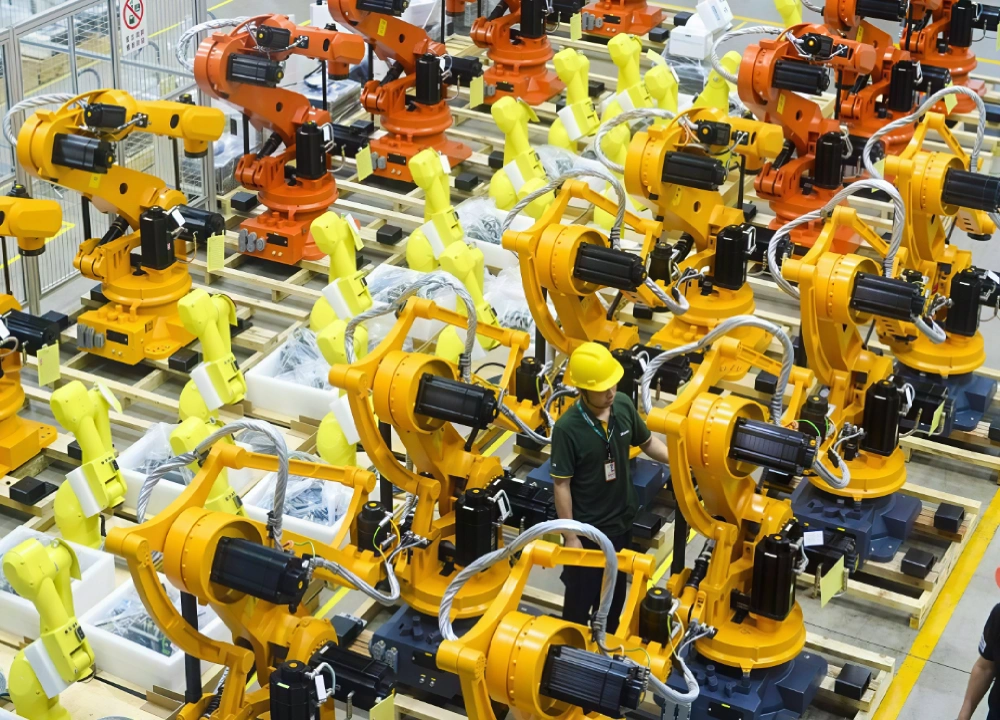
In the Pearl River Delta, the robotics industry has built a full chain from core components to complete machines to system integration. Guangdong alone hosts over 12,400 robot enterprises. Its industrial robot output accounts for nearly 45% of the national total, ranking first in China for six consecutive years.
Especialización por producto.
Different industrial zones deliver targeted machinery solutions. Beijiao produces industrial robots. Tengzhou produces small and medium machine tools. Shenyang-Dalian produces heavy-duty and precision machine tools. Matching your equipment needs to the right China machinery and automation clusters puts you in a competitive supply environment from the start.
Supply chain density.
In Beijiao, over 90% of a robot’s supply chain can be sourced locally. Key components can be fully assembled within half a day. A single building in the Haichuang Dazu Robot Smart Manufacturing City houses over 20 enterprises, covering reducers, servo motors, robot bodies and system integration services.

Major Machinery & Automation Production Hubs in China
China Industrial Clusters cover all core machinery and automation segments in China. Every mature production hub included here belongs to the official China Industrial Clusters system, supporting mass production, customized manufacturing and global equipment exports.
The table below summarizes the key machinery and automation clusters by region, specialization, and core market strengths.
|
Región
|
Ubicaciones clave | Especialización | Fuerza notable |
|---|---|---|---|
| Delta del río Perla, Guangdong | Foshan (Beijiao), Shenzhen, Guangzhou, Dongguan | Industrial robots, automation systems, consumer electronics equipment | 44% of China‘s industrial robot output; Beijiao produces 1 in 20 domestic robots |
| Yangtze River Delta, Zhejiang | Taizhou, Ningbo, Hangzhou, Jiaxing, Wenling | Industrial mother machines, CNC machine tools, functional components | 161.89B RMB output; national advanced manufacturing cluster |
| Northeast China, Liaoning | Shenyang, Dalián | Heavy-duty machine tools, 5-axis machining centers, aerospace equipment | “Machine Tool Hometown” with 117 large-scale enterprises |
| Shandong | Tengzhou | Small and medium machine tools, drilling and milling machines | 80% of China’s drilling and milling machine output |
| Henan | Changyuan | Cranes, lifting equipment, heavy machinery | 70% of China‘s crane market share; 38 cranes per hour |
Guangdong: The Automation & Robotics Powerhouse
Guangdong hosts the most influential China machinery and automation clusters focused on robotics and smart automation. In 2025, the province‘s robot industry-related product sales revenue exceeded 140.4 billion RMB.
Its industrial robot output accounts for nearly 45% of the national total. The province has built a complete “core components—body manufacturing—system integration” chain, with over 12,400 robot enterprises.
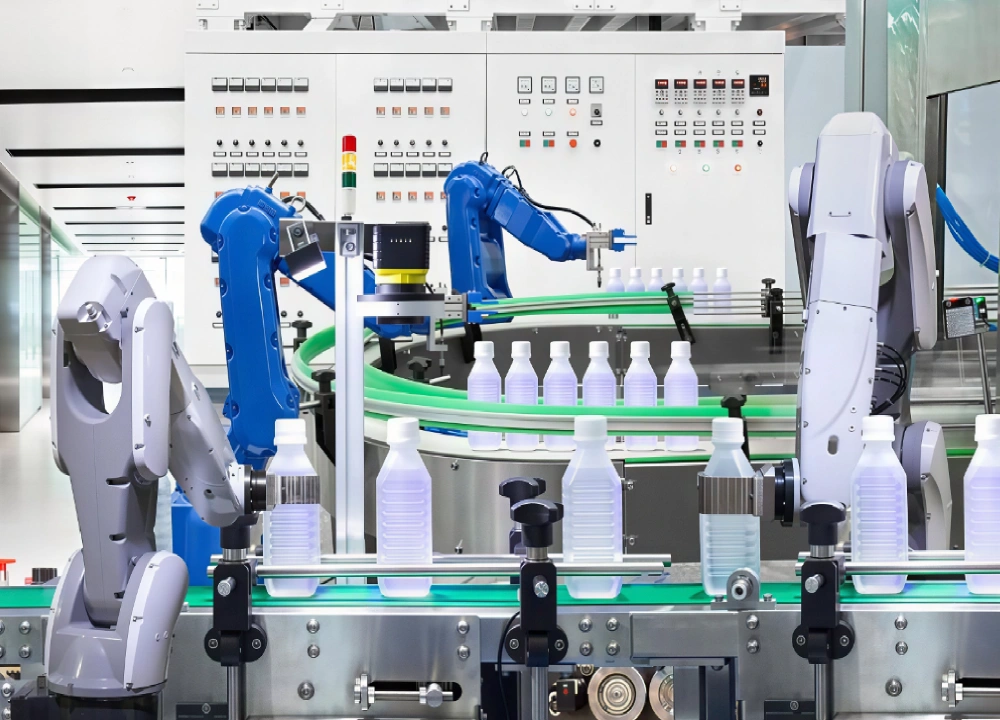
Beijiao in Foshan’s Shunde District is the industry epicenter. This 92-square-kilometer town produces one in every 20 domestic industrial robots. The KUKA Shunde base has achieved over 90% localization of core components, rolling out a new industrial robot every 30 minutes.
The Haichuang Dazu Robot Smart Manufacturing City houses over 200 robotics enterprises. Upstream and downstream manufacturers gather in the same park, enabling ultra-fast component matching and product iteration.
Shenzhen focuses on motion control and humanoid robotics. Guangzhou excels in industrial robot system integration. Dongguan specializes in robot body manufacturing, forming a coordinated industrial layout within these China machinery and automation clusters.

Zhejiang: El clúster industrial de maquinaria pesada
The Zhejiang East Industrial Mother Machine Cluster is a national advanced manufacturing cluster selected in December 2024. It covers Taizhou, Ningbo, Hangzhou and Jiaxing.
In 2025, this cluster generated 161.89 billion RMB in output, up over 11% year-on-year. It supports a full industrial system covering metal cutting machines, forming machines and key functional components.
Taizhou alone hosts nearly 2,000 related enterprises, with a key component supporting rate exceeding 90%. Wenling, as the core zone, has cultivated over 200 large-scale machine tool enterprises, with total output value exceeding 30 billion RMB.
For buyers sourcing precision mechanical equipment and custom machining parts, ¿Dónde se encuentran los clústeres de mecanizado CNC y metalurgia de China? Una guía de clústeres industriales de China. offers deeper insights into China’s precision processing industrial layout.
Shenyang-Dalian: The Heavy-Duty Machine Tool Cluster
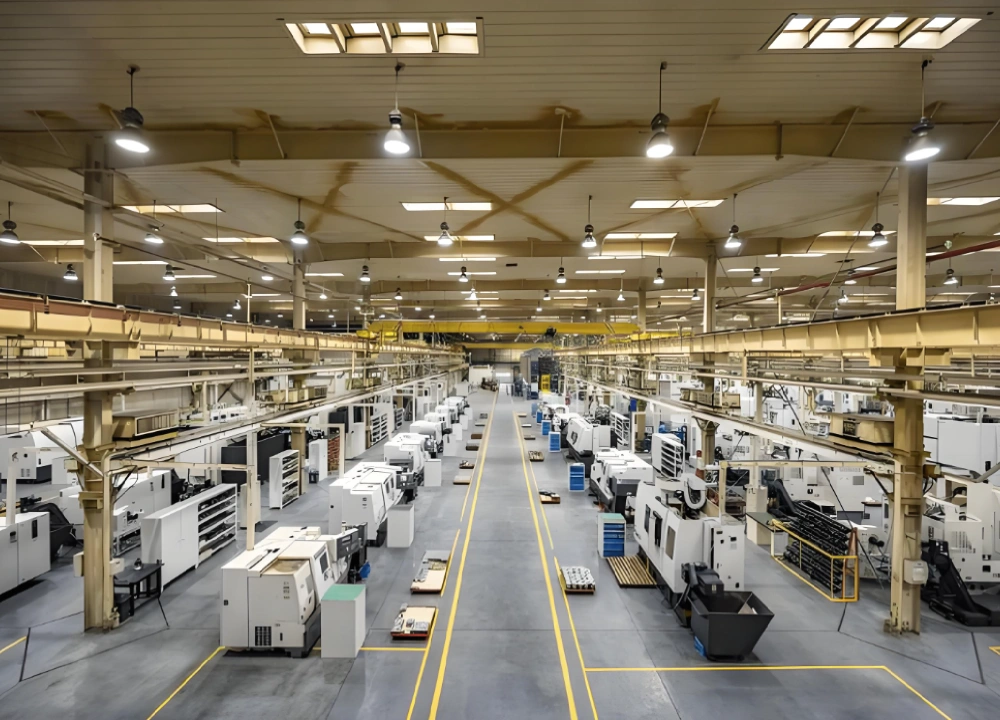
The Shenyang-Dalian Industrial Mother Machine Cluster is one of China’s three national-level machine tool clusters. Known as China’s “Machine Tool Hometown”, this region dominates high-precision and heavy-duty machinery production.
Today, Liaoning has 117 large-scale industrial mother machine enterprises and 1,037 related companies, employing over 60,000 people. Its metal cutting machine tool output reaches 27,000 units with a 70.2% CNC rate.
This cluster specializes in 5-axis machining centers and aerospace-grade equipment. It serves national strategic industries and complements the product layout of southern China machinery and automation clusters.

Tengzhou: China’s Small Machine Tool Capital
Tengzhou in Shandong is recognized as the “China Small and Medium Machine Tool Capital”. The city produces over 200,000 machine tools annually, with a total output value exceeding 26 billion RMB.
Its drilling and milling machines account for 80% of China’s total output. The cluster hosts 1,200 machine tool enterprises, including 8 national-level “little giant” enterprises and 51 provincial specialized SMEs.
Local products are exported to over 90 countries and regions. Recent upgrades include 5-axis five-linkage machining centers with precision up to 0.003mm and an AI quality inspection system that cuts defect rates by 72%.

Henan Changyuan: The Crane Manufacturing Base
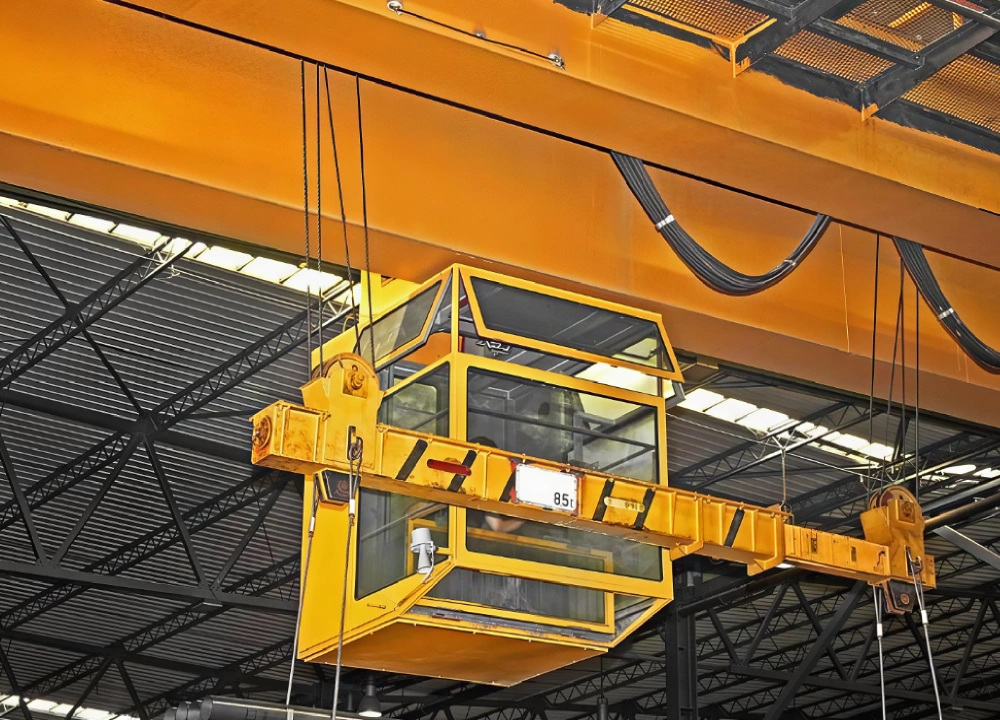
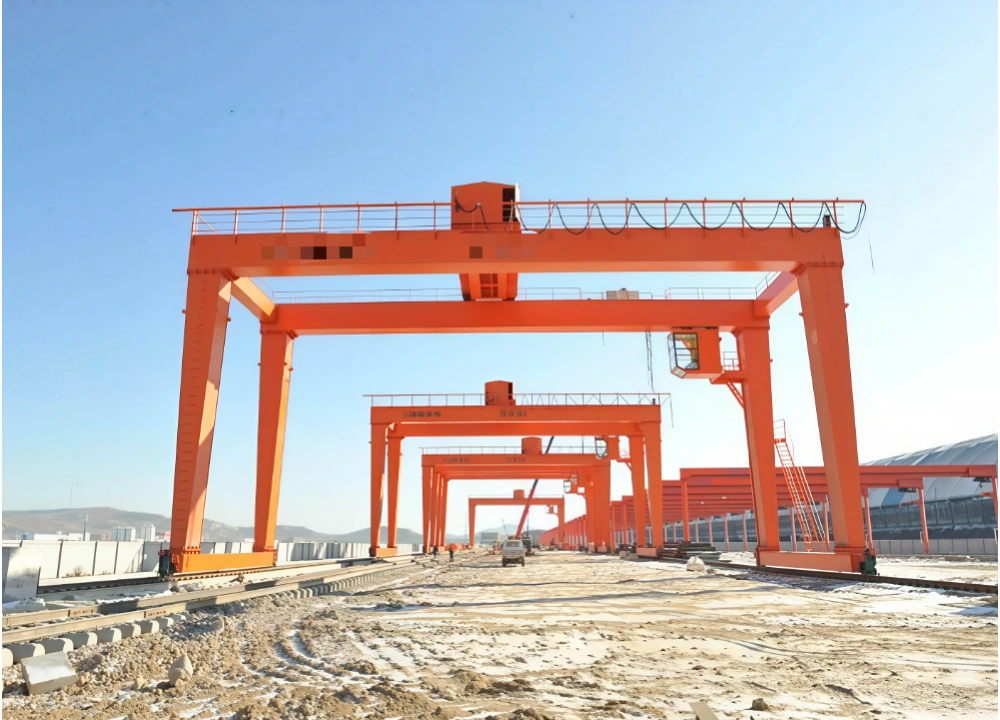
Changyuan in Henan is China’s largest crane manufacturing base. The city produces 38 cranes per hour, holding over 70% of the domestic crane market share.
The cluster hosts 116 large-scale crane manufacturers and 1,042 supporting enterprises. It produces 300,000 cranes and 1.7 million component sets annually, with a 2024 total industrial output of 38.1 billion RMB.
Covering 10 major product series and 200 varieties, Changyuan’s crane products serve global construction, logistics and engineering projects.
Matching Equipment to Cluster: A Buyer’s Reference
Choosing the right production hub from China Industrial Clusters directly improves your sourcing efficiency, product quality and cost control.
| Categoría de equipo | Grupo(s) principal(es) | ¿Por qué esta región? |
|---|---|---|
| Industrial robots & automation systems | Beijiao (Foshan), Shenzhen, Guangzhou | 44% of national output; 90%+ local component sourcing |
| CNC machine tools (small/medium) | Tengzhou (Shandong), Wenling (Zhejiang) | 80% of drilling/milling machines; 90%+ local support rate |
| Heavy-duty & precision machine tools | Shenyang, Dalián | Aerospace-grade, 5-axis capability; 70% CNC rate |
| Industrial mother machines (complete) | Taizhou, Ningbo, Hangzhou | National cluster; 161.89B RMB output |
| Grúas y equipos de elevación | Changyuan (Henan) | 70% domestic market share; 38 units/hour |
A Real Example: Sourcing a Robotic Welding Cell
A European automotive supplier needed a robotic welding cell for a new production line. The project required two 6-axis robots, a positioner and a safety enclosure.
The buyer first contacted a Shanghai trading company. The firm provided a quotation but failed to confirm robot brands and system integration experience.
The buyer later cooperated with a Beijiao-based integrator with independent R&D and integration capabilities. The supplier offered video factory tours, complete component traceability documents, and an 18% lower price than traders.
This case fully proves the core value of sourcing from professional China machinery and automation clusters. Cluster selection determines product quality, pricing transparency and after-sales assurance.

Cómo utilizar el conocimiento del clúster en su estrategia de abastecimiento
Learning how to leverage industrial zones is key to stable and low-risk equipment procurement. You can refer to our targeted guide: ¿Cómo puedes aprovechar los clústeres industriales de China para encontrar mejores proveedores? to refine your cluster sourcing workflow.

Step 1: Match Equipment to Cluster Before Contacting Suppliers
Different China machinery and automation clusters have fixed product advantages. Source industrial robots from Beijiao, small machine tools from Tengzhou, and heavy-duty equipment from Shenyang-Dalian to gain core competitive advantages.
Paso 2: Verificar la ubicación del proveedor con respecto al clúster.
Many trading companies falsely claim cluster factory qualifications. Always verify the real factory address and cross-check it with the industrial cluster layout of China Industrial Clusters.
Step 3: Request Factory Acceptance Tests
Mechanical and automation equipment requires strict pre-shipment testing. Mature manufacturers within standardized clusters can provide complete FAT reports and live equipment demonstrations.
Paso 4: Aprovechar el apoyo local
Navigating complex machinery supply chains in China Industrial Clusters is challenging for overseas buyers without local teams.
At Sourcingyuan, our Guangzhou-based team helps international buyers with supplier screening, factory verification, quality control and shipment coordination across all major machinery and automation hubs.
Lo más importante es...
China Industrial Clusters are the core driving force behind China’s machinery and automation manufacturing competitiveness. The biggest advantage of these industrial zones lies in complete supply chain matching and industrial collaboration.
China machinery and automation clusters form a differentiated and complementary industrial system. Beijiao leads robotics manufacturing. Zhejiang dominates industrial mother machines. Shenyang-Dalian excels in heavy-duty precision equipment. Tengzhou specializes in small machine tools, while Changyuan focuses on lifting machinery.
For global buyers, mastering the positioning of China Industrial Clusters is the key to low-cost, high-quality and stable equipment procurement. For more systematic cluster knowledge, visit our official industrial cluster overview page: Clústeres industriales de China.
If you want to skip tedious cluster research and find reliable manufacturers quickly, Sourcingyuan provides one-stop sourcing services for global machinery and automation buyers. We support supplier matching, quality inspection and cargo consolidation across all core industrial clusters.

Sobre la autora
jeff lee
Fundador de Sourcingyuan
Jeff Lee es el fundador de Sourcingyuan, una empresa china de abastecimiento y desarrollo de productos. Cuenta con más de 10 años de experiencia ayudando a empresas extranjeras a obtener productos, desarrollar nuevos productos, identificar fabricantes confiables, gestionar la producción y establecer cadenas de suministro en China.
Artículos relacionados que podrían gustarte 📚
Explore China Industrial Clusters across manufacturing sectors with our sourcing guides.
🤝 Need help navigating China‘s machinery and automation clusters?
¡Comparte esta historia, elige tu plataforma!
Te conectamos con fábricas confiables, obtenemos las mejores cotizaciones, entregamos directamente a tu puerta.