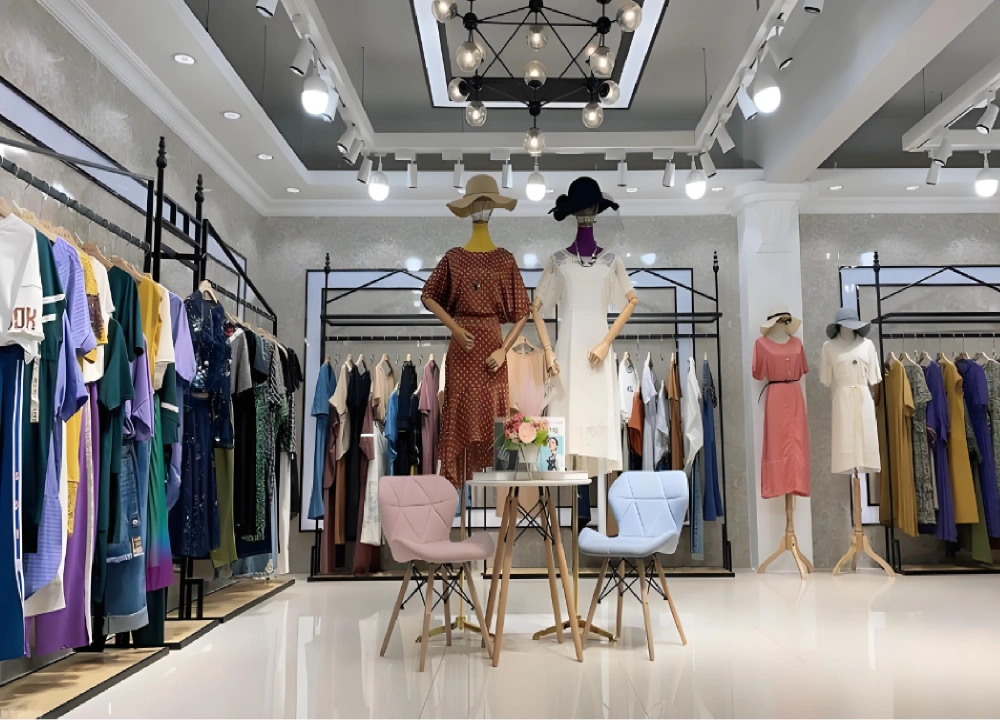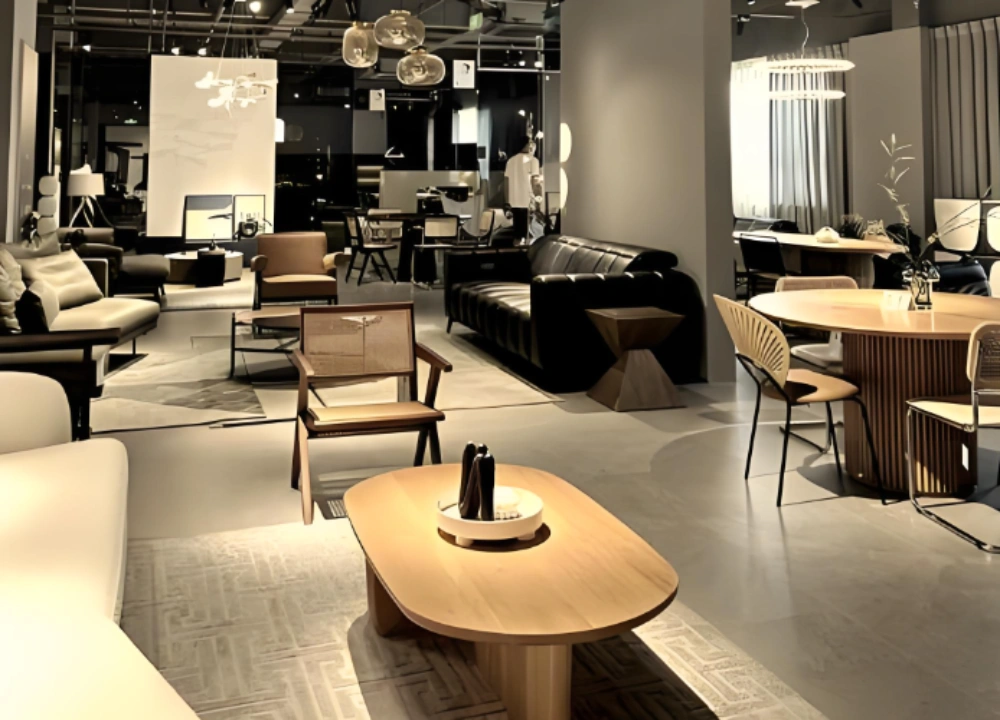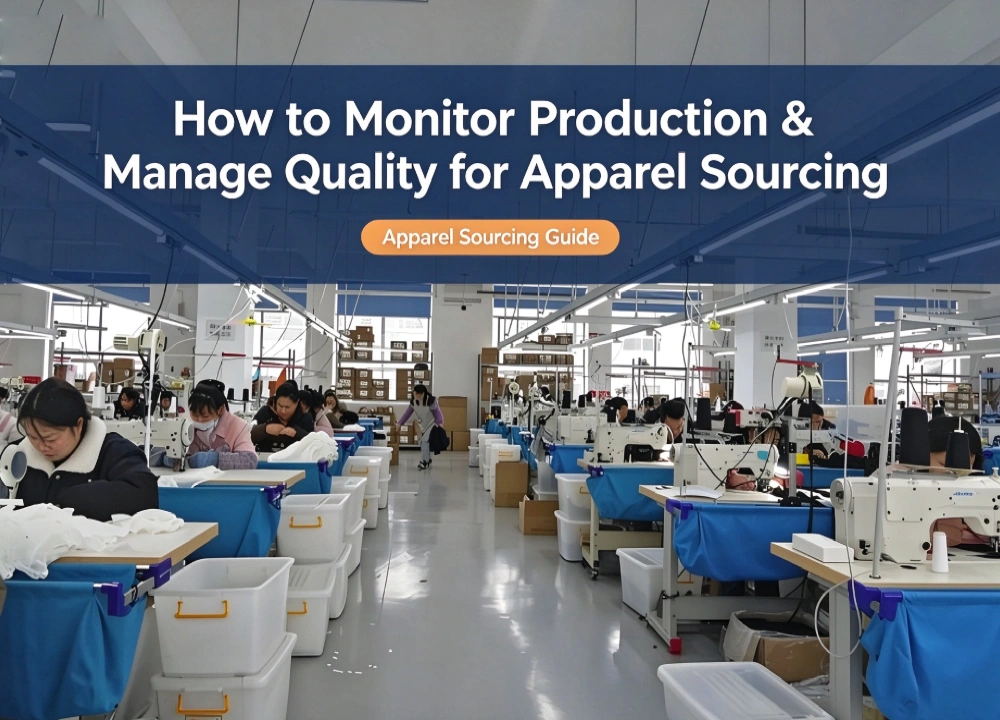

If you are sourcing furniture, home decor, or kitchenware for your market, the Canton Fair, officially introduced on the Canton Fair official English website, is where the world’s largest home products ecosystem comes together. Phase 2 alone covers 515,000 square metres with 25,000 booths, showcasing household goods, gifts, decorations, building materials, and furniture in one concentrated week. For buyers in the home category, Canton Fair furniture and home products sourcing is not something you can afford to do casually.
This Canton Fair Guide is built for buyers who want to source furniture and home products efficiently. It covers which phase to attend, how to identify real manufacturers, what to ask during technical discussions, and how to verify a supplier after the fair. Whether you are sourcing sofas, flat-pack furniture, ceramic tableware, or outdoor decor, the fundamentals are the same: know the halls, ask the right questions, and verify before you commit.
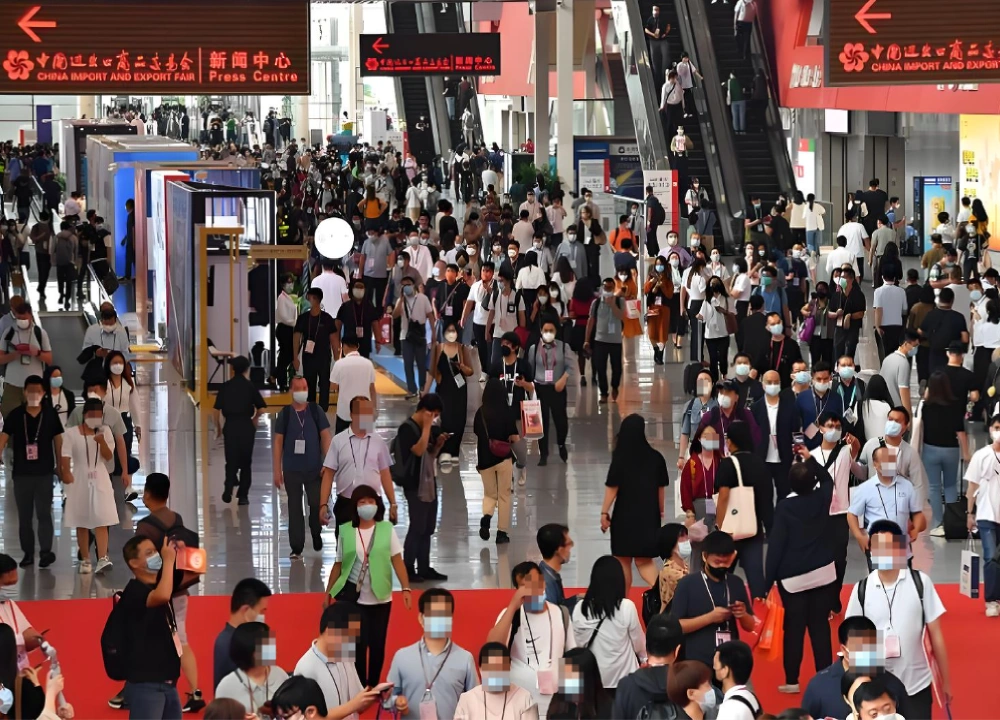
Which Phase and Halls Should You Target?
Home products are concentrated in Phase 2, which runs from April 23–27 in the spring session and October 23–27 in the autumn session. This phase is themed “Quality Home Life” and covers three major blocks: household goods, gifts & decorations, and building materials & furniture.
Phase 2 spans 515,000 square metres with 25,000 booths, so knowing which halls to target saves you hours of walking. For Canton Fair home products sourcing, the layout is fairly consistent across sessions.
| Product Category | Typical Halls / Zones | Notes |
|---|---|---|
| Furniture (indoor & outdoor) | Area B & Area C, multiple halls | Living room, bedroom, dining, and outdoor furniture |
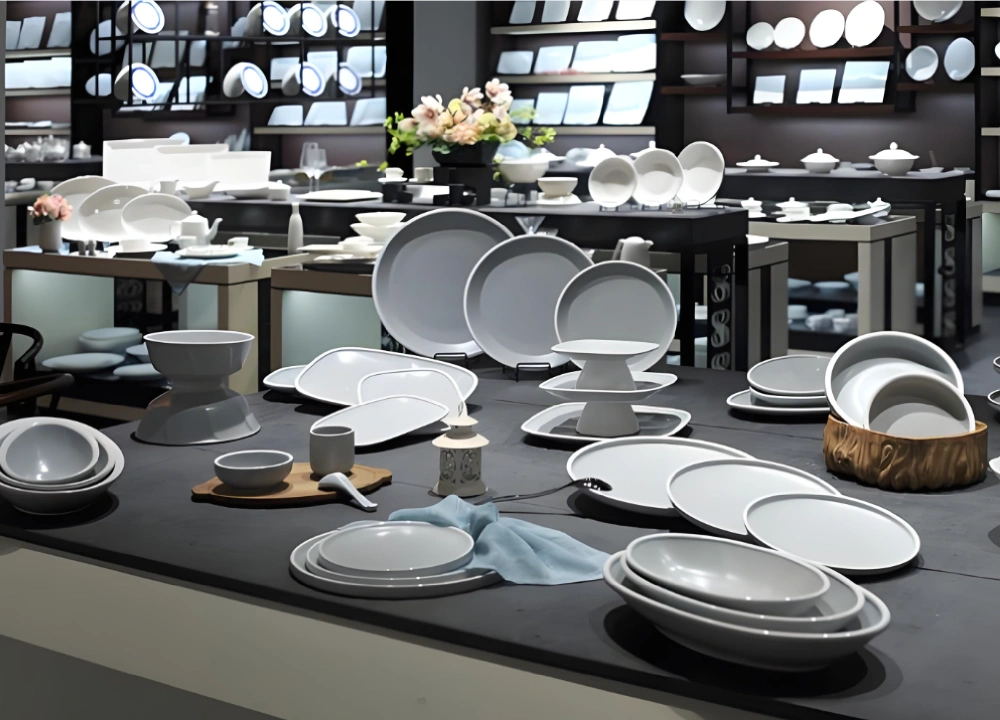
| Kitchenware & housewares | Area A, Halls 1–5 | Ceramics, glassware, cookware, tableware |
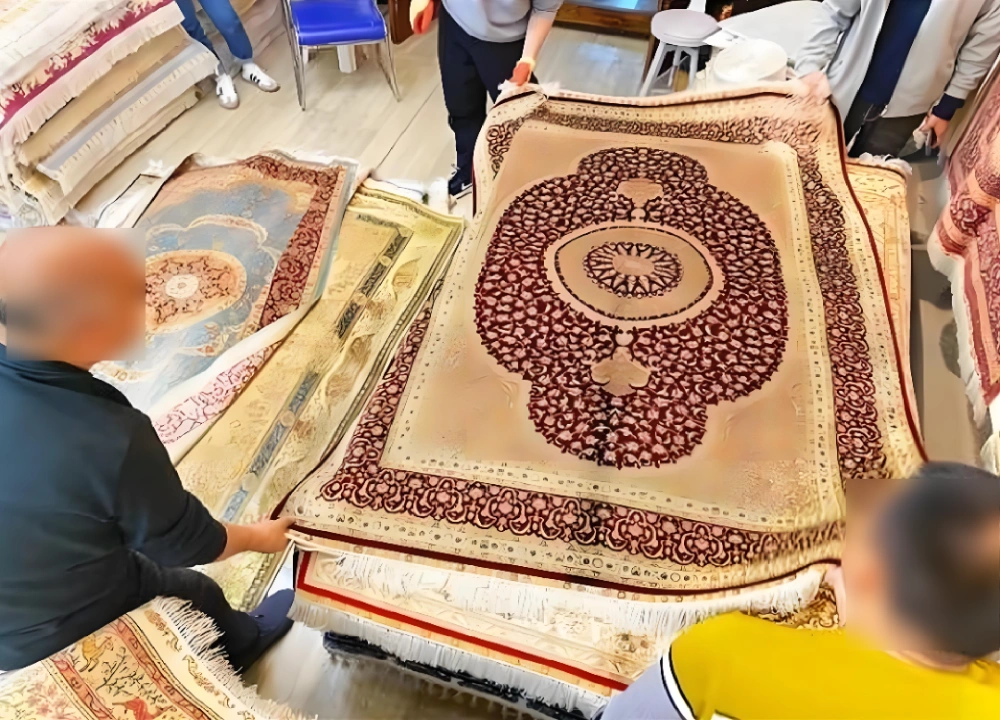
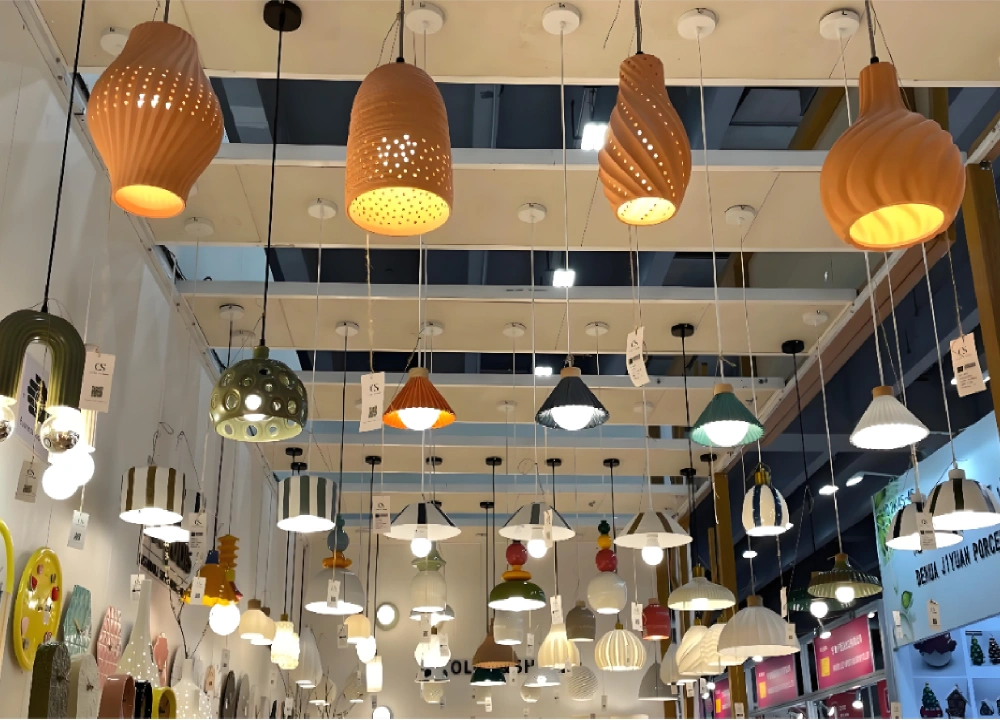
| Home decor & textiles | Area B, Halls 9–13 | Decorative textiles, rugs, wall art, lighting |
| Gifts & decorations | Area C, Halls 14–16 | Seasonal items, festive products, crafts |
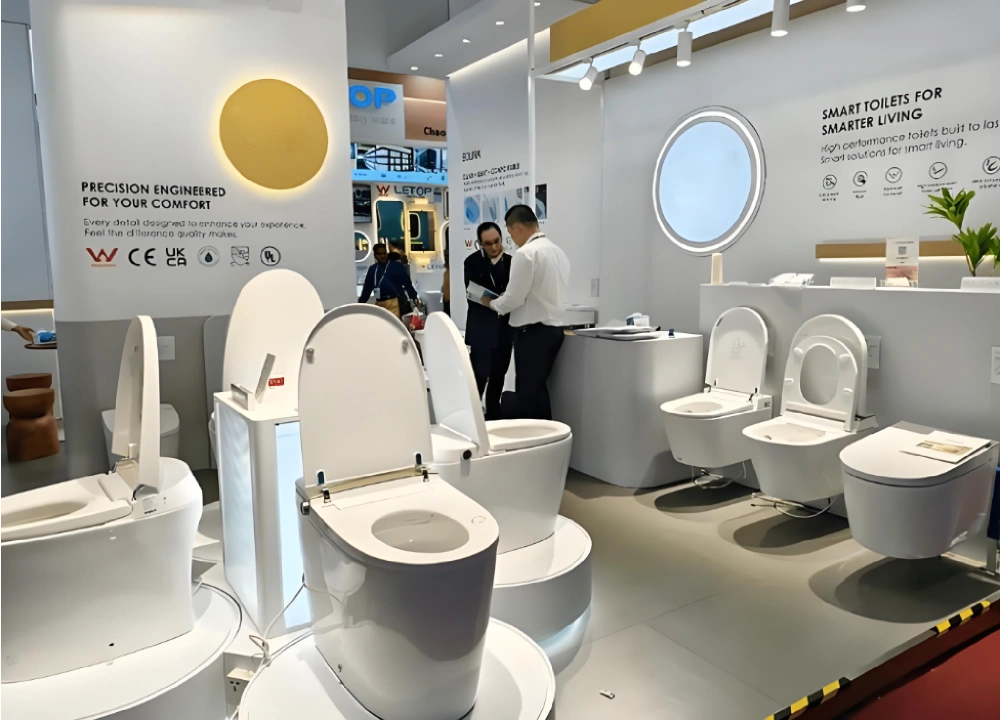
| Building materials & sanitary ware | Area A & Area B | Tiles, bathroom fixtures, hardware |
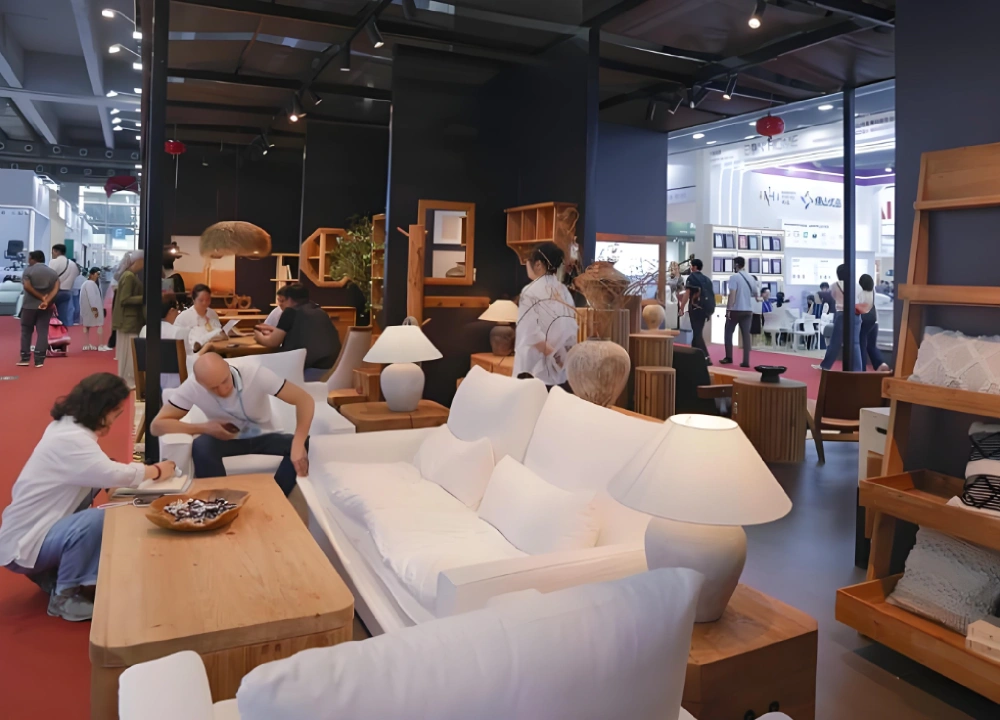
How to Use the Canton Fair App
Use the Canton Fair App to search exhibitors by product category and shortlist booths by hall before you arrive. Without a shortlist, you will spend most of your time walking rather than talking.
A Note on Supplier Types
If you want to understand how to distinguish real factories from trading companies, our guide on [Canton Fair Guide: Manufacturer vs Trading Company — How to Identify Your Real Supplier] covers the full method.
How to Identify Real Furniture & Home Product Manufacturers
Furniture and home products are high-consideration purchases. The difference between buying from a real factory and buying from a trading company can mean the difference between consistent quality and batch-to-batch variation, or between on-time delivery and months of delays.
A genuine China furniture manufacturer will answer production questions without hesitation. If the answers are vague, you are likely talking to a trading company that outsources production.
It is critical to distinguish genuine manufacturers from trading companies during on-site negotiations, as this determines order stability, quality consistency and delivery punctuality. You can quickly screen reliable suppliers with five core verification dimensions.
Authentic factories provide specific industrial zone addresses and welcome factory visits, while middlemen always give vague replies or claim they need internal confirmation. Real manufacturers offer precise monthly output data classified by production lines, whereas trading companies can only give ambiguous estimated volumes.
Legitimate factories can clearly distinguish self-produced core components and purchased parts, and describe complete production workflows. In contrast, trading companies lack on-site production experience and cannot elaborate on manufacturing details. They are also unable to confirm accurate on-site workforce numbers and often make excuses to refuse real-time workshop video verification.
This efficient screening method allows global buyers to filter out unqualified middlemen in minutes, greatly improving the accuracy of supplier selection at the fair.
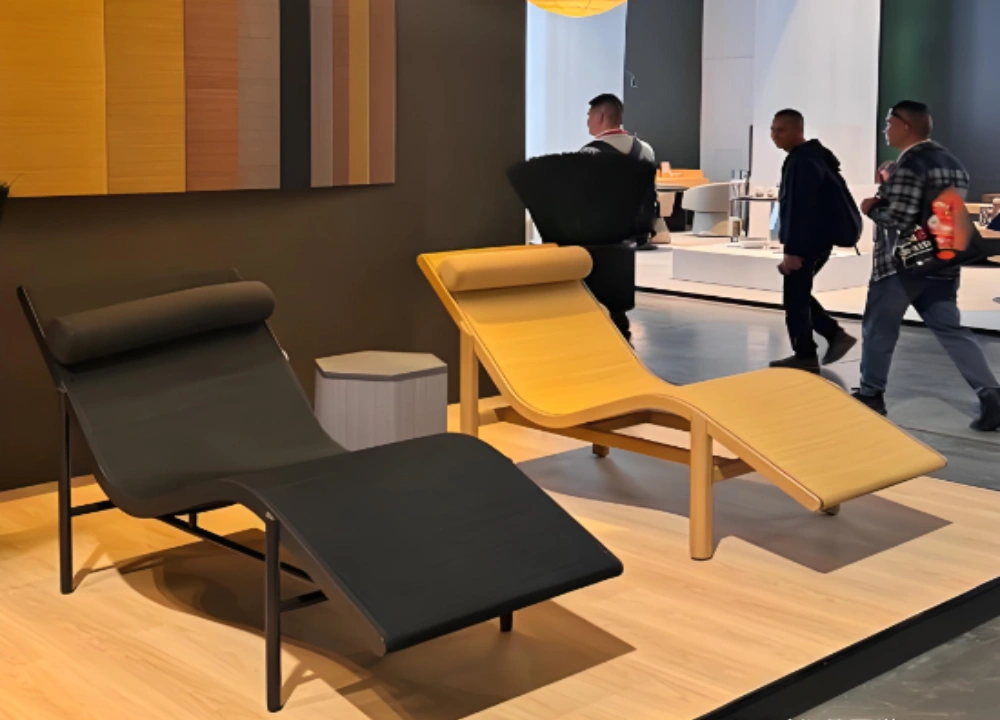
Why This Matters
What to Ask During Technical Discussions
Materials and Construction
Compliance and Certifications
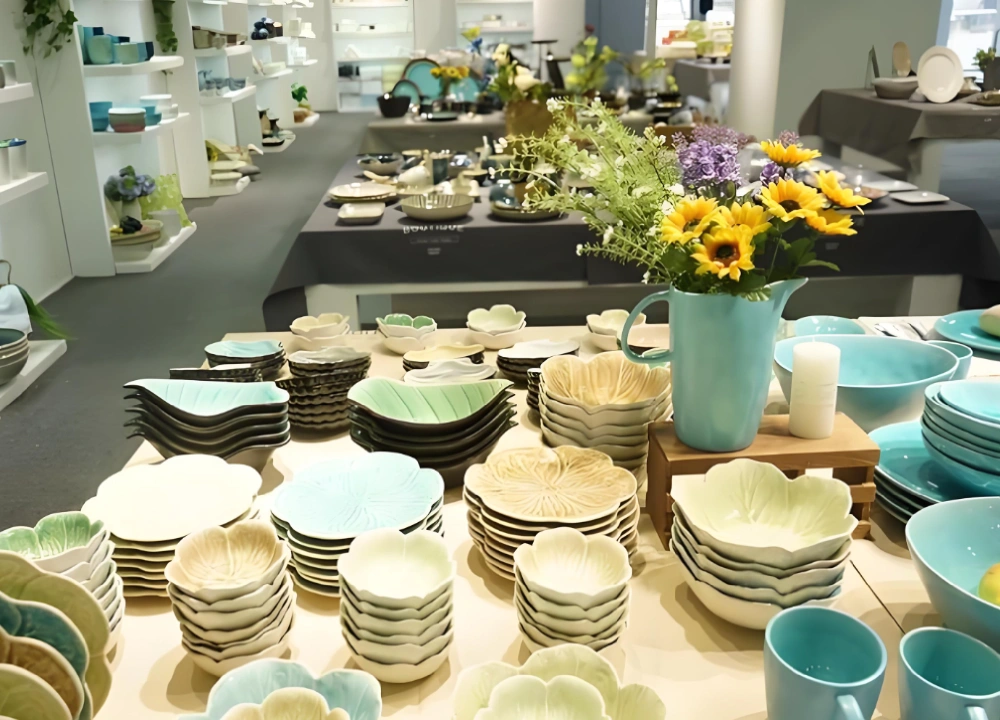
Packaging and Shipping
MOQ and Lead Time
For home decor wholesale in China, ask about MOQ per SKU and whether there are tooling or mould costs for custom designs. Seasonal decorations often have lower MOQs, while custom furniture may require higher minimums. Confirm the production lead time and the shipping method for your volume.
Sustainable Furniture Sourcing: A Growing Priority
What to Ask Suppliers
Traceability and Documentation
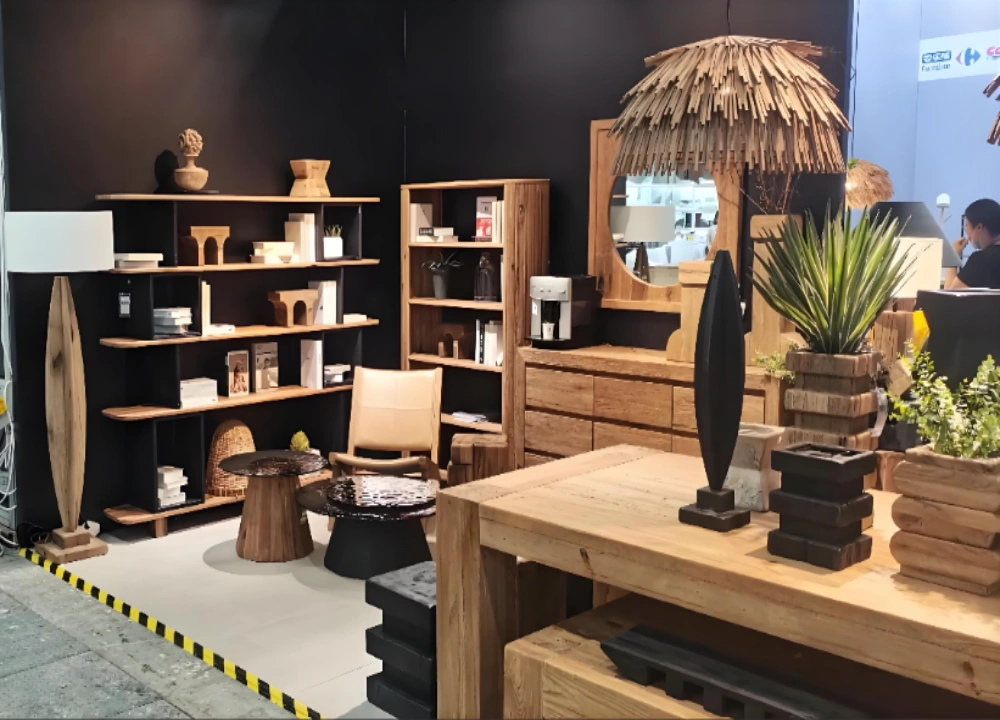
Furniture & Home Product Verification After the Fair
| Stage | Action | Why It Matters |
|---|---|---|
| Formal RFQ | Request a written quotation with material specifications, packaging details, Incoterms, and lead time | Ensures you are comparing like-for-like |
| Factory audit | Visit the factory or commission a third-party audit | Confirms the manufacturer has the equipment and workforce they claim |
| Sample testing | Request a production-grade sample and test it against your specifications | Catches material and construction issues before bulk production |
| Pre-shipment inspection | Inspect the goods before crating, including packaging drop tests | Catches defects and packaging failures before they are shipped |
| Container loading check | Verify quantity, packaging, and loading | Prevents short shipments and transit damage |
The Packaging Drop Test
For furniture, a pre-shipment inspection should include a drop test of the packaged carton to simulate shipping conditions. If the carton fails, the product inside may arrive damaged—and your customer will blame you, not the factory.
Related Reading
For a more detailed walkthrough of post-fair verification, our guide on [How to Verify Canton Fair Suppliers After the Fair] covers factory audits, sample testing, and long-term supplier confirmation.
Common Mistakes When Sourcing Furniture & Home Products
Mistake 1: Choosing the lowest price without checking materials.
A $20 difference in a dining chair may reflect a $5 difference in wood quality and a $10 difference in finish durability. Ask for the material specification before comparing prices.
Mistake 2: Assuming all exhibitors are manufacturers.
Many furniture and home product exhibitors are trading companies that source from multiple factories. Use the 5-question test in Section 2.
Mistake 3: Skipping the packaging check.
Furniture is bulky and easily damaged in transit. A factory that produces good furniture but uses inadequate packaging will still deliver damaged goods.
Mistake 4: Not confirming compliance for your market.
Formaldehyde standards, fire regulations, and labeling requirements vary by country. If the supplier cannot provide the relevant test reports, you may face customs issues or returns.
Mistake 5: Rushing the sample review.
Furniture is expensive to ship. Request a production-grade sample, assemble it, and test it in real conditions before committing to bulk.
How to Plan Your Phase 2 Visit
A structured visit keeps you focused and prevents burnout. Follow a clear timeline to maximize your on-site efficiency.
Before the Fair
Shortlist 15–20 targeted booths via the official Canton Fair App. Record detailed hall and booth numbers, and sort suppliers by your procurement priority to avoid blind on-site visits.
During the Fair
On Day 1 morning, focus entirely on your core product categories to quickly screen 8–10 key suppliers. In the afternoon, revisit the top qualified booths for in-depth technical discussions and preliminary business negotiation.
On Day 2, expand your inspection scope to secondary product lines, and collect official quotations and production samples from potential suppliers.
On Day 3, focus on intensive follow-ups with high-intention suppliers and confirm schedules for post-fair factory audits.
After the Fair
Send standardized formal RFQs in a timely manner. Arrange professional factory audits and formulate pre-shipment inspection plans for bulk orders to guarantee stable cooperation quality.
The Bottom Line
Sourcing furniture and home products at the Canton Fair requires a unique, rigorous approach compared to general consumer goods sourcing. These products feature bulky sizes, heavy weight, and complex packaging requirements, accompanied by high transit damage risks. Therefore, professional verification and standardized processes are essential to guarantee stable order quality.
As the exclusive exhibition phase for all home lifestyle categories, Canton Fair Phase 2 gathers top-tier furniture manufacturers, kitchenware producers, and home decor suppliers across China, offering global buyers centralized, high-quality sourcing resources.
By targeting the correct exhibition halls, using the 5-question framework to filter real manufacturers, conducting professional technical negotiations, and completing full post-fair supplier verification, buyers can effectively avoid middleman traps, quality inconsistencies, and costly shipping losses.
About the Author
Jeff Lee
Founder of Sourcingyuan
Jeff Lee is the founder of Sourcingyuan, a China-based sourcing and product development company. He has more than 10 years of experience helping overseas businesses source products, develop new products, identify reliable manufacturers, manage production, and build supply chains in China.
If you want to dig deeper into Canton Fair sourcing, read more articles from our Canton Fair Guide topic cluster:
🔧 How to Source Industrial Machinery & Hardware Suppliers at Canton Fair
✅ Sourcing Electronics at Canton Fair: A Complete Buyer’s Guide to Electronics & Electrical Products
📋 What Questions Should You Ask Suppliers at the Canton Fair?
🤝 Need hands-on sourcing support for furniture or home products? Contact Sourcingyuan for factory verification, supplier audits, and production follow-up from our Guangzhou team.
Share This Story, Choose Your Platform!
We connect you with reliable factories, get the best quotes, deliver straight to your door.