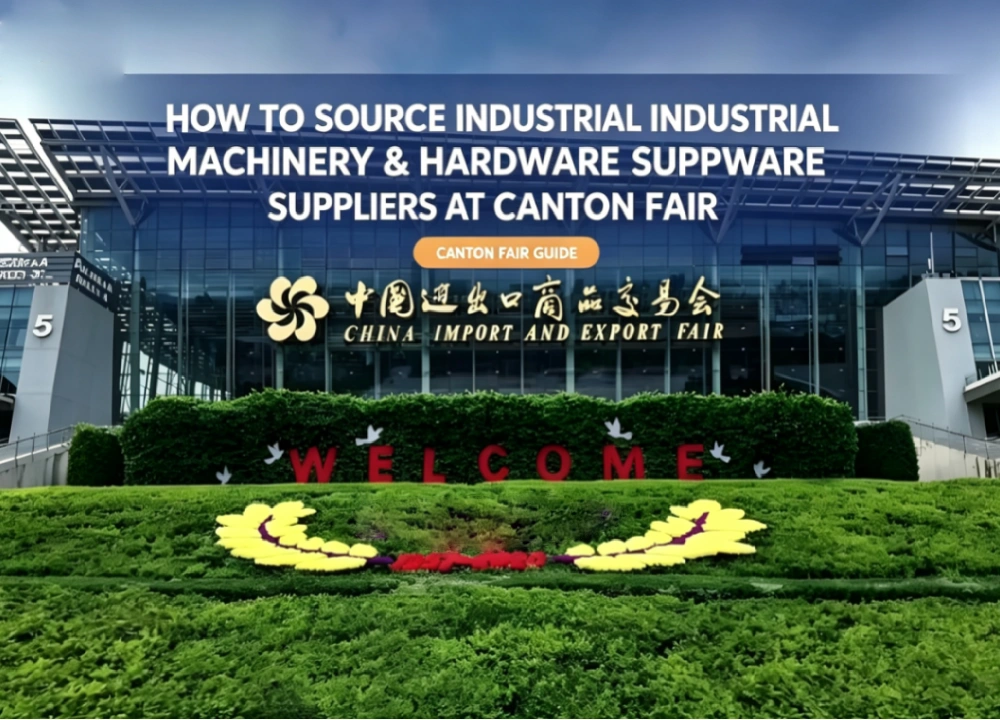
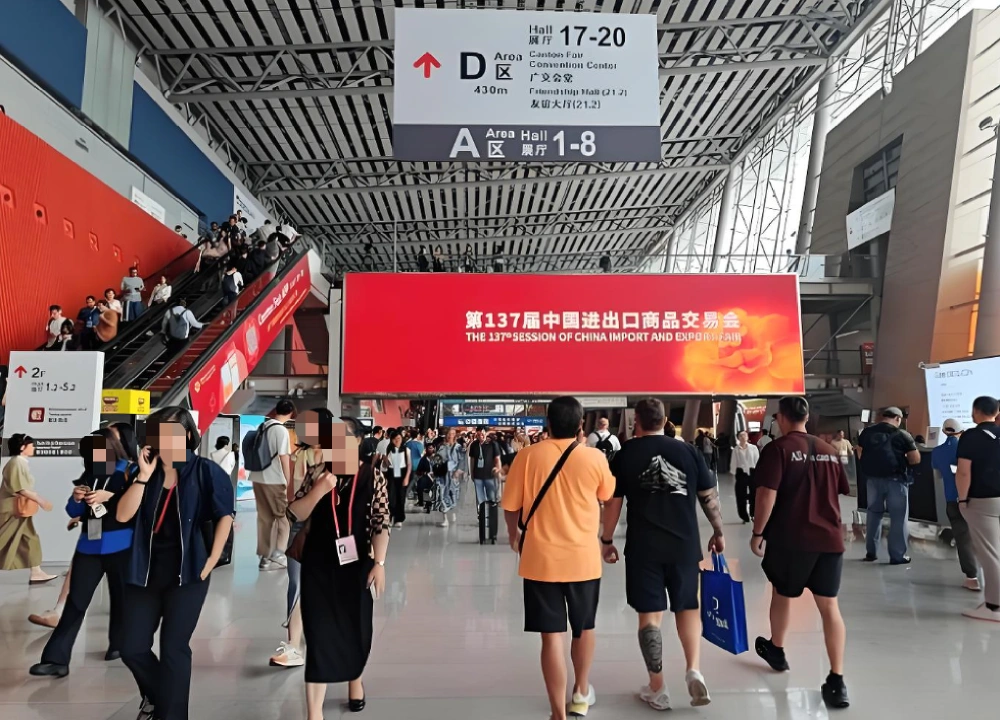
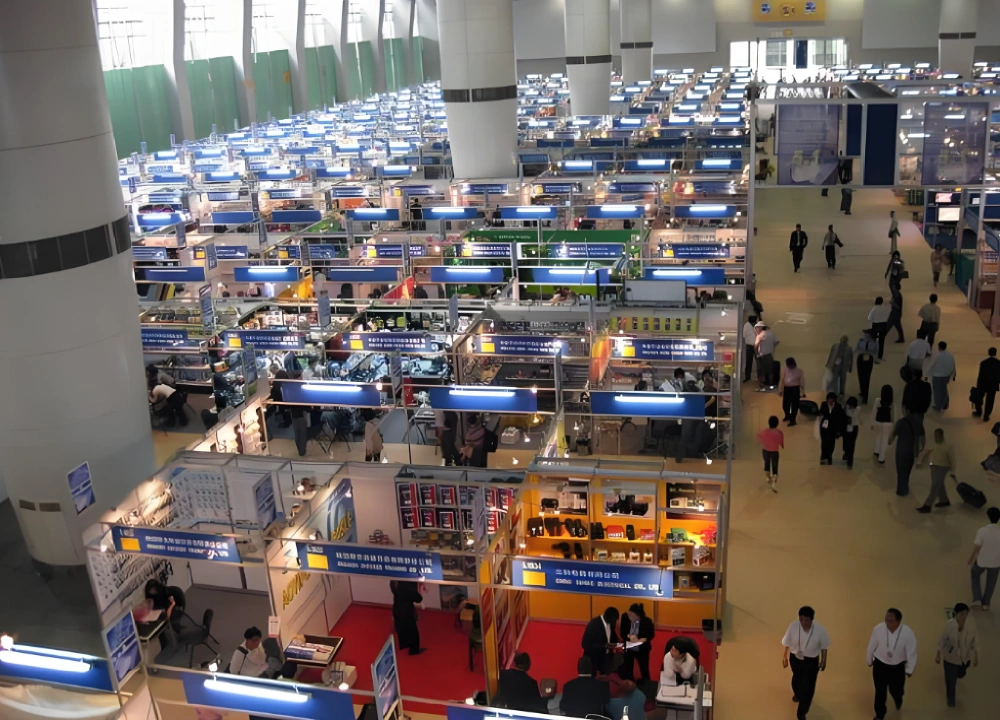
If you are sourcing industrial machinery or hardware products, the Canton Fair is one of the most efficient places in the world to meet manufacturers face to face. But it is also one of the most overwhelming. Phase 1 alone covers electronics, machinery, industrial automation, hardware, tools, and new energy vehicles across dozens of halls. Without a plan, you will spend three days walking and leave with a bag of catalogues and no clear shortlist.
This Canton Fair Guide is built for buyers who need to source machinery at Canton Fair efficiently. It covers which phase to attend, how to identify real manufacturers, what to ask during technical discussions, and how to verify a supplier after the fair. Whether you are sourcing CNC equipment, hydraulic components, packaging machinery, or hand tools, the fundamentals are the same: know the halls, ask the right questions, and verify before you commit.
Which Phase and Halls Should You Target?
| Product Category | Typical Halls / Zones | Notes |
|---|---|---|
| Industrial automation & robotics | Area A, Halls 1–3 | Includes robotics, smart manufacturing, and control systems |
| Processing machinery | Area B, Halls 9–11 | Packaging, printing, food processing equipment |
| Power equipment & generators | Area C, Halls 14–15 | Diesel generators, solar systems, power tools |
| Hardware & tools | Area A, Halls 4–5 | Hand tools, fasteners, building hardware, locks |
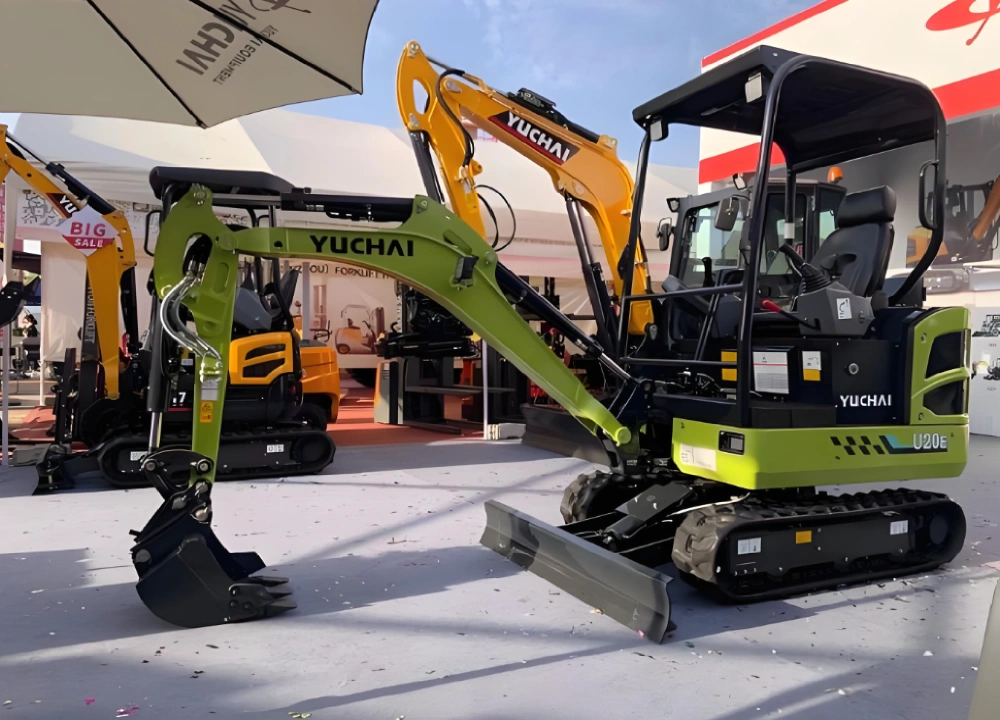
| Construction machinery | Area B, outdoor zones | Excavators, loaders, concrete mixers |

How to Identify Real Machinery Manufacturers
| Question | Real Manufacturer | Trading Company |
|---|---|---|
| “What is your factory address and can we visit?” | Gives a specific industrial zone address and welcomes a visit | Vague answer or needs to “confirm with the factory” |
| “How many CNC machines do you have in-house?” | Exact number, including machine types and tonnage | Hesitates or gives a range |
|
“Do you manufacture the core components or assemble them?”
|
Explains which parts they make and which they source
|
Cannot describe the production process in detail
|
| “What is your monthly production capacity for this model?” | Gives exact units per month | Gives a vague estimate |
| “Can you provide a live video from your workshop now?” | Immediately agrees and shows the floor | Makes excuses |
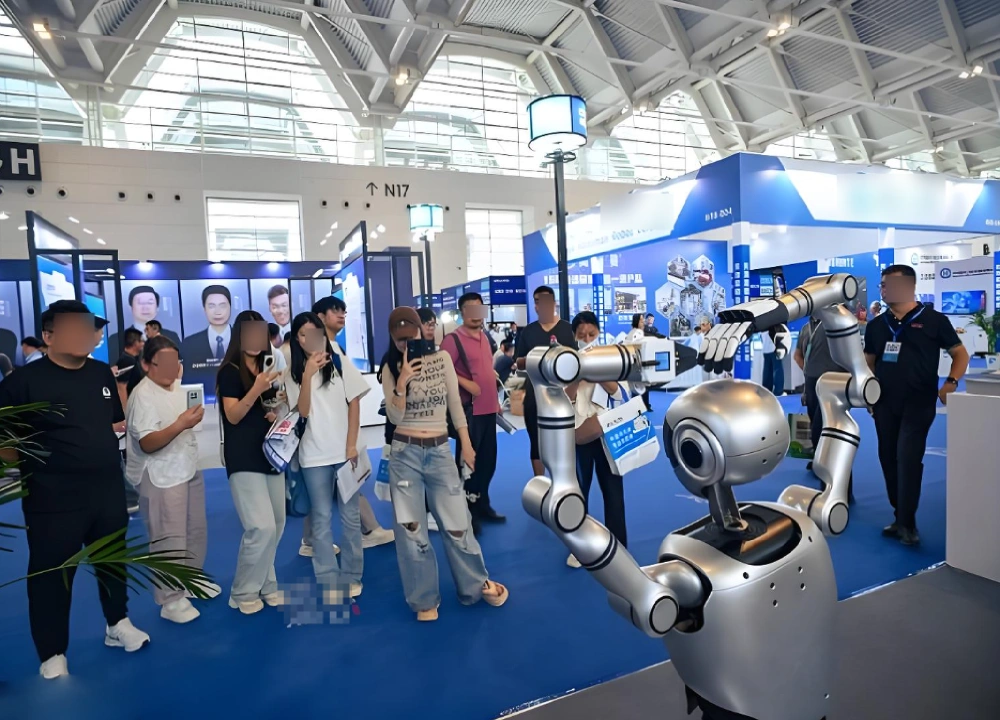
What to Ask During Technical Discussions
Machinery purchases are technical. The questions you ask at the booth determine whether the machine will meet your production requirements—or become an expensive mistake.
Key technical questions for industrial equipment sourcing:
To cover all technical bases during on-site communication, below are targeted questions sorted by core procurement categories, covering specifications, components, compliance, after-sales and other critical dimensions:
Specifications: What is the power rating? What is the maximum load capacity? What tolerances can it hold?
Components: What brand are the motors, bearings, and control systems? Are they imported or domestic?
Compliance: Does it meet CE, ISO, or UL standards for my market? Can I see the certificate?
Tooling & dies: Who owns the tooling? What is the cost of additional dies or fixtures?
Warranty & after-sales: What is the warranty period? Do you provide spare parts? Do you offer installation support?
Lead time: What is the production lead time? What is the shipping method for a machine of this size?
Training: Do you provide operation and maintenance training? Can it be done remotely?
For high-value machinery, ask about the core components. A machine may look identical on the outside, but the difference between a quality bearing and a cheap one is often the difference between years of reliable service and months of downtime. Brands like Siemens, Schneider, NSK, and SKF are often specified in higher-quality equipment.
Also ask whether the factory uses in-house testing before shipment. A real manufacturer will have a testing protocol—running the machine, checking tolerances, and documenting results before crating.
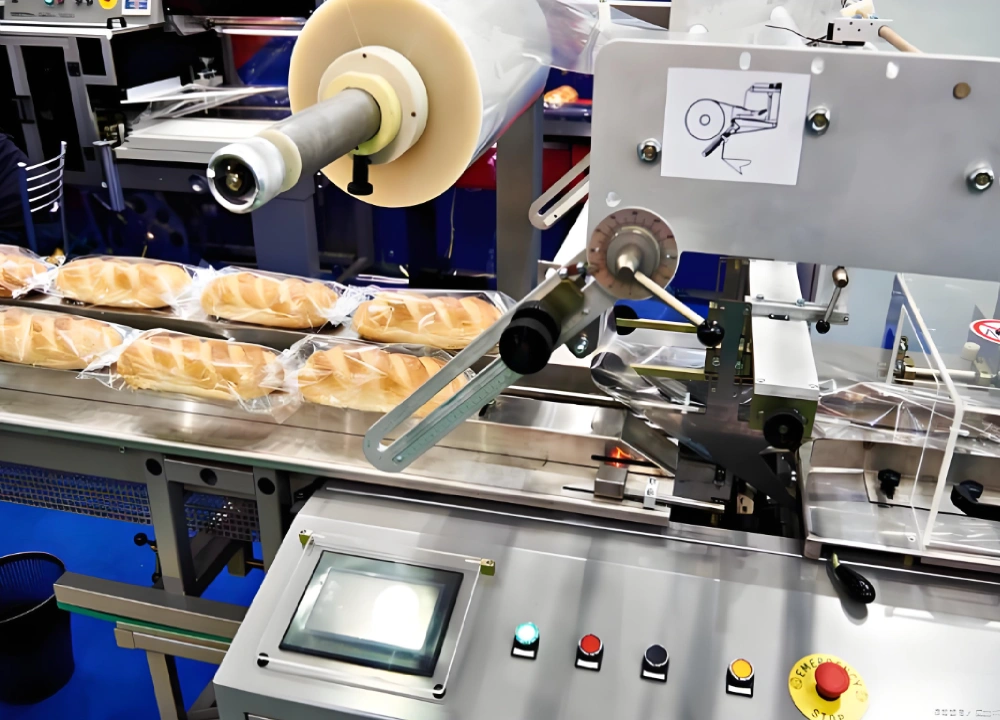
Tools and Hardware: A Different Buying Logic
Tools and hardware products follow a different logic from heavy machinery. These are often lower-value, higher-volume purchases where price and consistency matter more than technical depth.
Key questions for tools and hardware wholesale:
-
What is the MOQ per SKU?
-
What is the material composition? (e.g., chrome vanadium steel vs. carbon steel)
-
What is the surface treatment? (e.g., chrome plating, black oxide, nickel plating)
-
What certifications do you hold? (e.g., CE, GS, VDE for electrical tools)
-
What is the packaging format? (blister card, colour box, bulk)
-
Can you provide samples before bulk orders?
Industrial Equipment Verification After the Fair
| Stage | Action | Why It Matters |
|---|---|---|
| Formal RFQ | Request a written quotation with technical specifications, Incoterms, payment terms, and lead time | Ensures you are comparing like-for-like |
| Factory audit | Visit the factory or commission a third-party audit | Confirms the manufacturer has the equipment and workforce they claim |
| Component verification | Check the brand and origin of key components (motors, controllers, bearings) | Prevents substitution with cheaper parts |
| Pre-shipment inspection | Inspect the machine before crating, including a live test run | Catches defects before they are shipped |
| Container loading check | Verify quantity, packaging, and loading | Prevents short shipments and damage |
For large machinery, a factory visit is not optional. A video call can confirm the existence of a workshop, but it cannot confirm the quality of the assembly process, the calibration of testing equipment, or the cleanliness of the production floor.
For a more detailed walkthrough of post-fair verification, our guide on [How to Verify Canton Fair Suppliers After the Fair] covers factory audits, sample testing, and long-term supplier confirmation.
Common Mistakes When Sourcing Machinery
Mistake 1:
Choosing the lowest price without checking components.
A $10,000 difference in machine price may reflect a $2,000 difference in component quality. Cheap bearings and controllers fail faster. Ask for the component list before comparing prices.
Mistake 2:
Assuming all exhibitors are manufacturers.
Many machinery exhibitors are trading companies that source from multiple factories. Ask the 5-question test in Section 2.
Mistake 3:
Skipping the factory visit.
For machinery, the factory visit is where you see the production process, the testing protocol, and the actual scale of the operation.
Mistake 4:
Not confirming after-sales support.
Who provides spare parts? Who handles warranty claims? Is there a local service partner in your country? These questions matter more for machinery than for consumer goods.
Mistake 5:
Rushing the technical discussion.
Machinery is complex. The booth staff may not be the technical expert. Ask to speak with an engineer or request a technical call after the fair.
How to Plan Your Phase 1 Visit
|
Time
|
Activity
|
|---|---|
|
Before the fair
|
Shortlist 15–20 booths using the Canton Fair App; note hall and booth numbers |
| Day 1 morning | Focus on your highest-priority product category; visit 8–10 booths and qualify quickly |
| Day 1 afternoon | Return to the top 3–5 booths for deeper technical discussions |
| Day 2 | Visit secondary product categories; request quotations and samples where applicable |
| Day 3 | Follow up with suppliers; confirm factory visit schedules for after the fair |
| After the fair | Send formal RFQs, arrange factory audits, and request pre-shipment inspection |
.webp "Exhibition Section Floor Map of the 140th China Import and Export Fair(Phase 1)")
The Bottom Line
Sourcing industrial machinery and hardware at the Canton Fair requires a different approach from sourcing consumer goods. The technical depth is higher, the risks are larger, and the verification process matters more. Use Phase 1 to meet suppliers, ask the 5-question test to identify real manufacturers, and verify before you commit.
If you are sourcing multiple categories or managing complex technical requirements, having a local team on the ground can make the process significantly smoother. At Sourcingyuan, we help buyers navigate the fair, verify machinery suppliers, and coordinate factory visits across Guangdong’s industrial clusters.
About the Author
Jeff Lee
Founder of Sourcingyuan
Jeff Lee is the founder of Sourcingyuan, a China-based sourcing and product development company. He has more than 10 years of experience helping overseas businesses source products, develop new products, identify reliable manufacturers, manage production, and build supply chains in China.
Related Articles You May Like 📚
If you want to dig deeper into Canton Fair sourcing, read more articles from our Canton Fair Guide topic cluster:
🔍 Sourcing Electronics at Canton Fair: A Complete Buyer’s Guide to Electronics & Electrical Products
🔧 How to Compare Canton Fair Suppliers and Choose the Right One
✅ How to Verify Canton Fair Suppliers After the Fair
📋 What Questions Should You Ask Suppliers at the Canton Fair?
🤝 Need hands-on sourcing support for industrial machinery? Contact Sourcingyuan for factory verification, supplier audits, and production follow-up from our Guangzhou team.
Share This Story, Choose Your Platform!
We connect you with reliable factories, get the best quotes, deliver straight to your door.