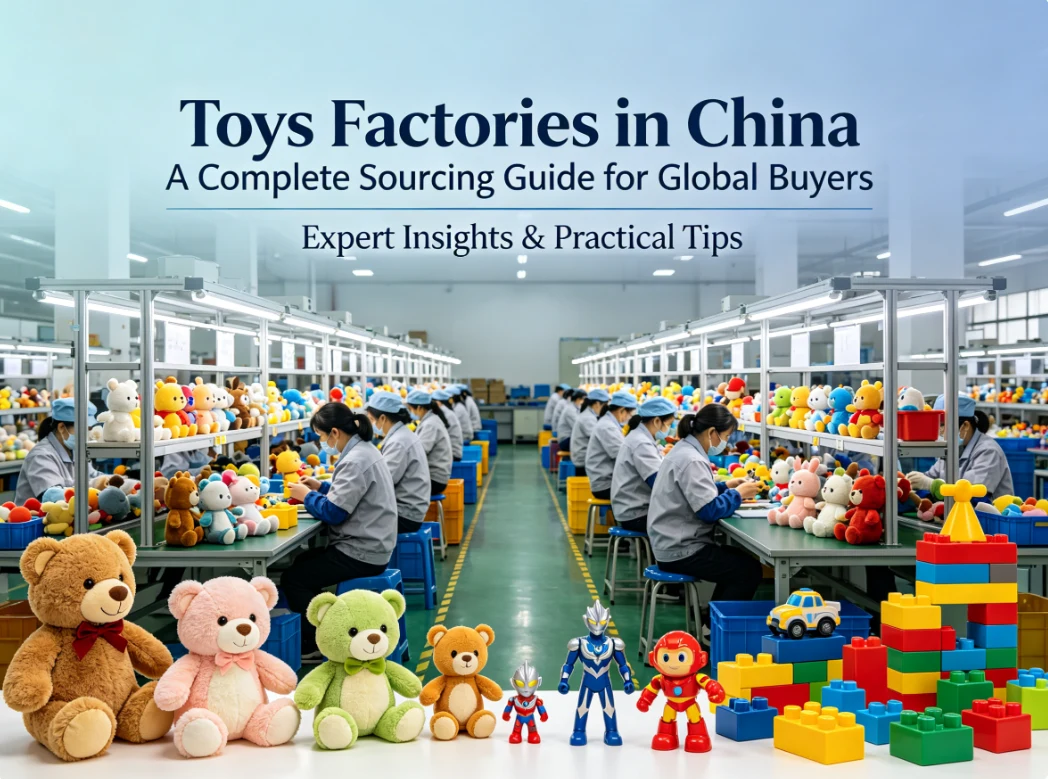
When it comes to reliable, cost-effective production, professional toys factories in China stand out as the top choice for wholesalers, boutique retailers, startup brands, and e-commerce sellers worldwide. With a complete supply chain, abundant raw materials, mature production technology, and flexible order policies, Chinese toys factories can produce nearly every category of toys—plush toys, plastic toys, educational toys, remote control toys, and outdoor play items. Choosing the right toys factories directly affects product quality, safety compliance, delivery schedules, and your profit margins.
That said, sourcing from toys factories also comes with unique challenges. Toy products face strict global safety regulations, and quality differences between various toys factories are pretty obvious. Some buyers only focus on low unit prices and end up with non-compliant goods, defective products, or delayed shipments. That leads to customs holds, customer complaints, and major financial losses.
Whether you’re placing bulk wholesale orders or small-batch custom toy orders, learning how to select, evaluate, and work with qualified toys factories is essential for long-term, stable business growth.
In this practical guide, I’ll walk you through the main types of toys factories by product category, share key selection criteria, and cover compliance requirements, cost control tips, and common mistakes to avoid. This will help you find trustworthy toys factories in China and build a steady, profitable toy sourcing business.
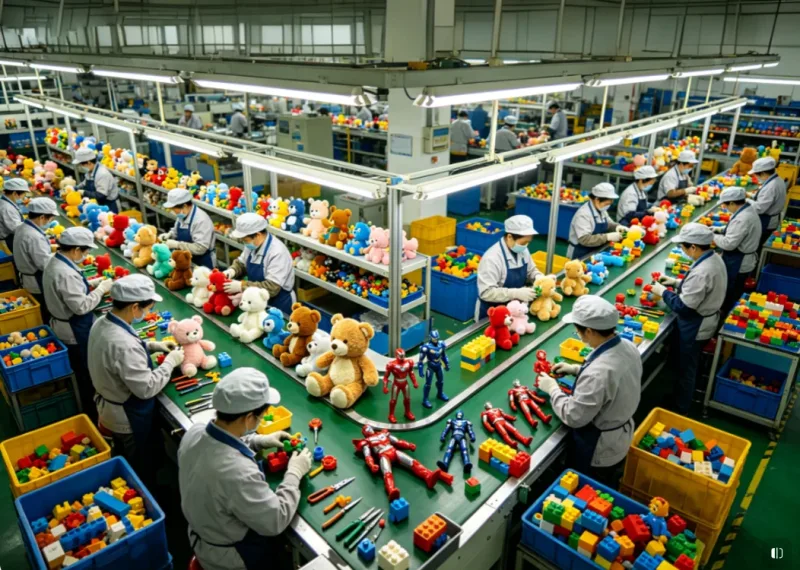
toys factories
Main Types of Toys Factories in China & Their Specialized Products
Chinese toys factories are highly specialized. Most manufacturers focus on one or a few related toy categories instead of producing everything. Understanding what each type does will help you quickly find the right toys factories for your orders.
1. Plush & Stuffed Toys Factories
These toys factories mainly produce soft plush dolls, animal stuffed toys, plush pillows, and character mascots. They’re concentrated in major toy manufacturing hubs and have professional cutting, sewing, filling, and embroidery equipment.
Good plush toys factories pay close attention to fabric safety, filling material density, and strong stitching. They prevent fabric shedding and small parts from falling off. They support custom logos, patterns, and exclusive character designs. These factories are popular with gift shops, brand merchandisers, and online retail sellers.
2. Plastic Toys Factories
Plastic toy production relies heavily on injection molding. Professional plastic toys factories have their own mold development and production lines. Their main products include building blocks, action figures, toy cars, kitchen playsets, and everyday interactive toys.
These toys factories follow strict standards for plastic raw materials. Food-grade, non-toxic plastic is the baseline to meet international safety rules. Large plastic toys factories can develop new molds based on custom designs, while smaller ones mostly focus on ready-made styles for wholesale.
3. Educational & Wooden Toys Factories
These toys factories focus on early childhood education and parent-child interaction. They produce wooden puzzles, shape sorters, stacking toys, board games, and logic training toys.
These toys factories have high standards for material safety and surface treatment. All wooden pieces must be polished smooth with no sharp edges. Paints have to be non-toxic and odorless. They’re popular with boutique stores, kindergartens, and high-end toy brands that target parents looking for safe, educational play products.
4. Electronic & Remote Control Toys Factories
Electronic toys factories combine mechanical assembly, circuit production, and software debugging. They mainly make remote control cars, drones, musical toys, light-up toys, and interactive electronic pets.
Compared to regular toy manufacturers, these toys factories have higher technical requirements and stricter testing procedures. Every finished product needs to pass circuit safety, battery protection, and signal stability tests. They usually handle medium to large batch orders and provide professional after-sales support for electronic components.
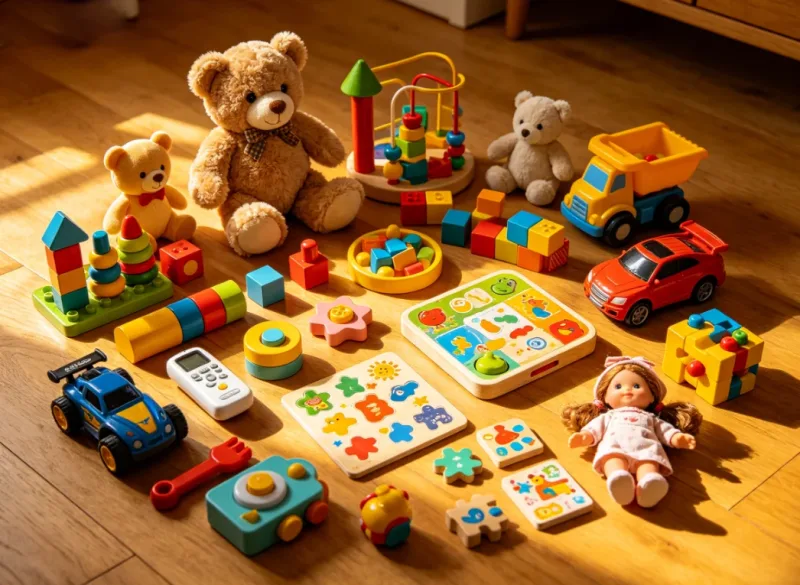
Colorful and Educational Children’s Toy Collection
Key Criteria to Select Reliable Toys Factories
With so many toys factories across China, lots of buyers don’t know how to screen for reliable partners. Here are the core things you must check before formal cooperation.
First:
Production qualifications & safety certificates. Toys are highly regulated products. Legitimate toys factories must have complete production licenses and can provide test reports that meet international standards like CE, ASTM, and CPSIA. Never work with unregistered small workshops that lack proper certificates. Their products will likely get rejected by customs.
Second:
Production capacity & order flexibility. Check the daily output, MOQ, and lead time of your target toys factories. Large toys factories are good for big wholesale orders with stable delivery. Medium-sized factories are more friendly to small-batch custom orders and trial orders. Choose based on your usual order volume.
Third:
Sample quality & craftsmanship. Request physical samples from potential toys factories and inspect them closely. Look at material texture, assembly tightness, surface finish, and small parts. Consistent sample quality reflects the overall production level of the toys factories.
Fourth:
Quality control system. Good toys factories do full inspections during raw material receiving, semi-finished production, and finished product packaging. A solid QC system lowers defect rates and ensures consistent quality between batches.
Critical Compliance Rules When Working with China Toys Factories
Safety compliance is the number one priority for all orders from toys factories. Different countries have strict rules for imported toys, and non-compliance will cost you.
For Europe, all products from toys factories need CE certification and must follow EN 71 toy safety standards. These restrict harmful chemicals, small parts, and sharp edges.
For North America, products must comply with CPSIA and ASTM F963 regulations. These have clear limits for lead content and phthalates.
When talking to toys factories, clearly state your target market and the certification requirements upfront. Ask the factory to use approved raw materials and keep all test documents on file. Good toys factories are familiar with international rules and can handle compliance smoothly.
Practical Tips to Control Cost When Cooperating with Toys Factories
Most buyers work with toys factories to get better pricing. Reasonable cost control is always a big concern. Here are practical ways to cut costs without lowering product quality.
First, combine multiple styles into one order. Most toys factories will lower the unit price when you mix different toy styles in a single order. Combined orders save them repeated setup costs.
Second, start with existing styles for trial sales. Custom mold development adds extra fees. For new businesses, begin with ready-made products from toys factories to test the market. Once sales are stable, you can invest in custom molds.
Third, negotiate long-term cooperation terms. If you plan to place repeat orders, sign a long-term agreement with trusted toys factories. Most manufacturers offer better unit prices and priority production to loyal, long-term clients.
Common Mistakes When Sourcing from Toys Factories
Many new buyers make avoidable mistakes when working with toys factories. These hurt profits and brand reputation.
Choosing purely based on lowest price – Ultra-low prices usually mean corners cut on raw materials and safety. Huge compliance risk.
Ignoring certificate verification – Failing to check safety documents will get your goods stuck or returned at customs.
Skipping pre-production sample confirmation – Bulk goods may end up very different from what you expected due to unclear communication with toys factories.
Unrealistic delivery schedules – Pushing toys factories to rush production leads to higher defect rates.
Final Takeaways
China’s toys factories make up the world’s most complete toy manufacturing ecosystem. They cover everything from low-cost wholesale goods to high-end custom toys. To run a successful toy sourcing business, you need to take advantage of their cost and production strengths while also paying close attention to product safety, compliance, and consistent quality.
By understanding factory specializations, verifying qualifications, standardizing communication, and controlling costs wisely, you can build stable, win-win partnerships with reliable toys factories. Whether you’re a small startup seller or a large international wholesaler, finding the right partners among the many toys factories out there is the first step to growing your toy business globally.
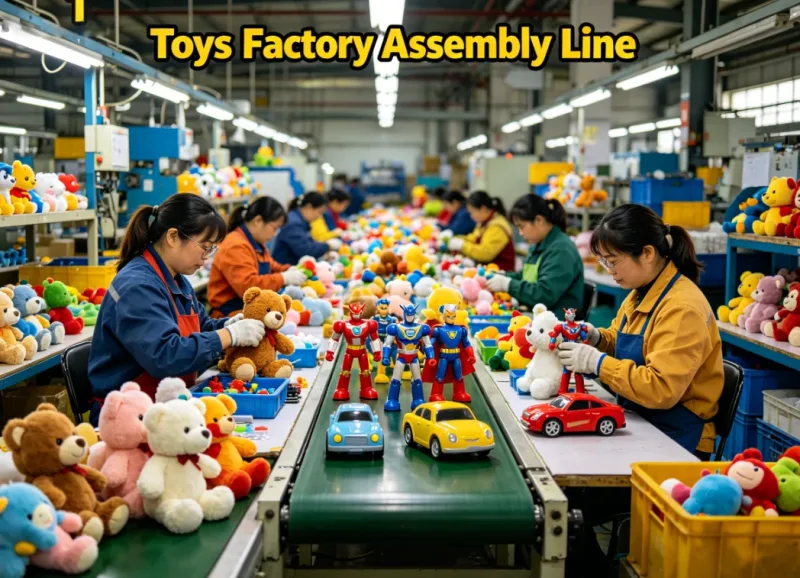
toys factories
How SourcingYuan Supports Your Sourcing from China Toys Factories
At SourcingYuan, we provide one-stop sourcing services that connect global buyers with qualified toys factories in China. We’ve built long-term partnerships with verified toys factories covering plush toys, plastic toys, wooden educational toys, and electronic toys.
We help you screen compliant factories, confirm samples, check safety certificates, negotiate fair prices, and track full production progress. We also arrange integrated logistics and customs clearance. We solve communication barriers and all the hidden risks that come with working with toys factories.
Whether you need small trial orders or large bulk shipments, we’ll tailor a reliable sourcing plan to match your business needs.
📧 Email: lee@sourcingyuan.com
We reply to all business inquiries promptly. If you’re looking for trustworthy toys factories in China and professional toy sourcing solutions, feel free to reach out anytime.
Share This Story, Choose Your Platform!
We connect you with reliable factories, get the best quotes, deliver straight to your door.