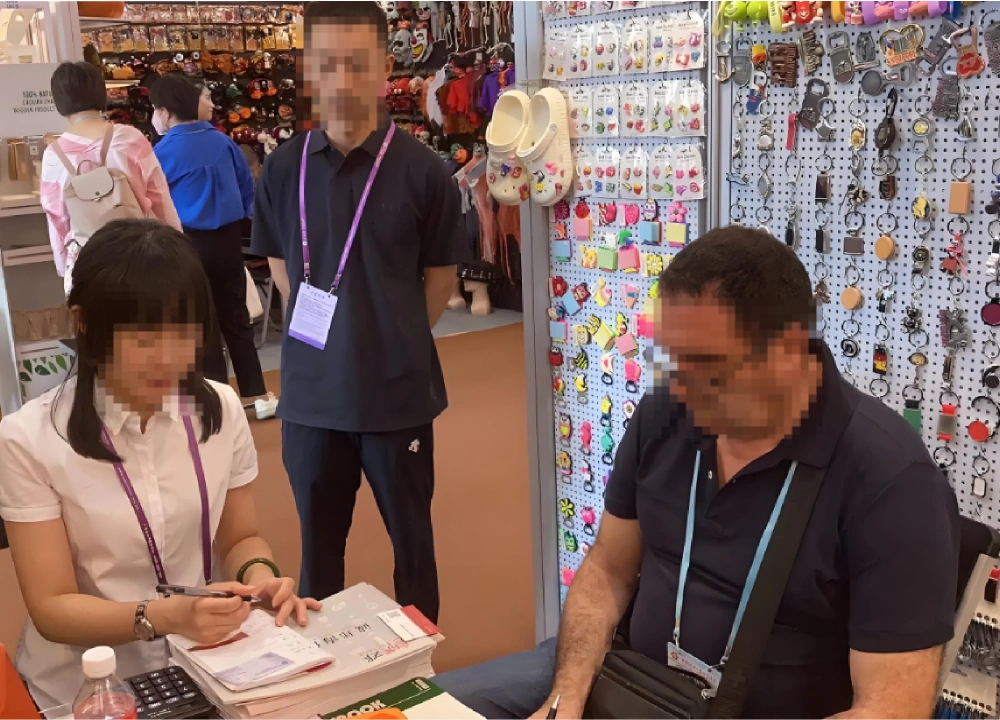
At the Canton Fair, you are not just looking for products—you are looking for the right type of partner. But here is a reality that many first‑time buyers discover too late: a significant number of exhibitors at the fair are not the actual factories that make the goods. They are trading companies or middlemen who add a markup of 10% to 30% to your unit price, and you may never know.
Many first‑time buyers leave the Canton Fair excited, only to discover months later they have been working with a middleman.
If you walk away from the fair with a stack of business cards and no clear idea of who actually produces what, you have already lost the game before it begins.
This Canton Fair Guide is not about what the fair is—you already know that. It is about how to separate real manufacturers from middlemen, so you can stop paying unnecessary markups and start building relationships with the people who actually control production.
If you need to verify any official information about the fair, always use the Canton Fair’s official website at www.cantonfair.org.cn —the only designated official platform.
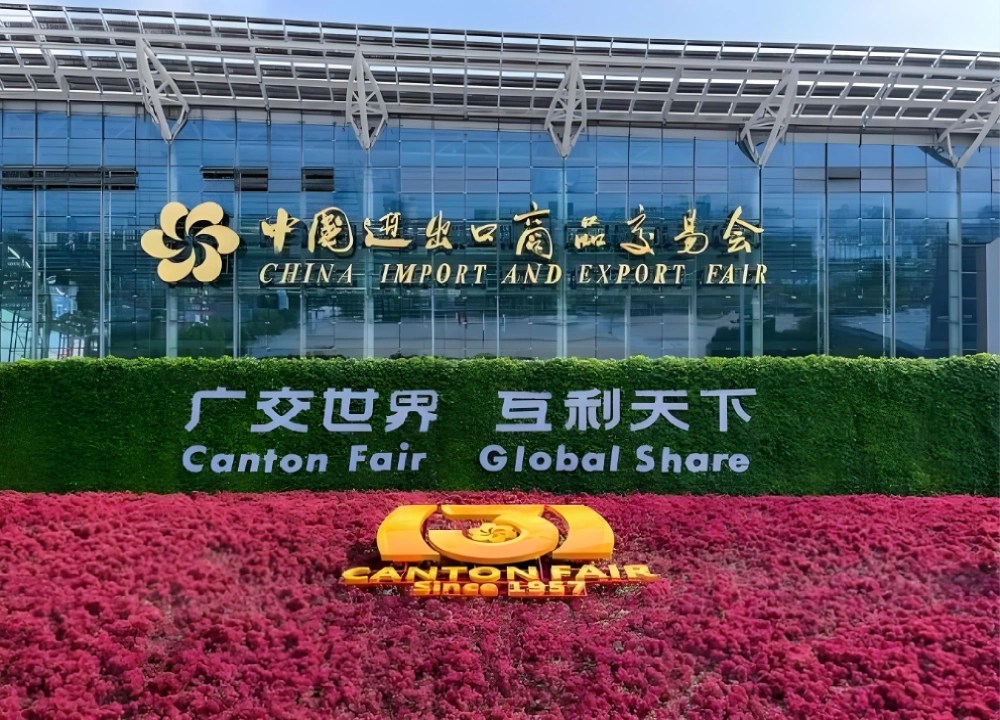
The 5‑Question Test That Reveals the Truth
The difference between a real factory and a trading company is not in the booth design or the sales pitch. It is in the answers to specific, production‑level questions. Real manufacturers know their numbers; middlemen guess. Over the years, we have seen buyers walk past red flags simply because they did not know what to ask. These five questions are designed to catch the inconsistencies that a polished booth cannot hide.
Use this quick reference table to spot key differences during your booth meeting.
| Question | Real Factory Answers | Trading Company Answers |
|---|---|---|
| “What grade of raw material do you use, and where do you source it?” | Exact numbers, like units per line and shifts per day. | Hesitation, vague estimates, or “it depends.” |
| “What grade of raw material do you use, and where do you source it?” | Knows the material grade, supplier, and cost. | Does not know these specifics or gives generic answers. |
| “Can we visit your factory tomorrow?” | Immediately agrees and offers a time. | Needs to “confirm with the manufacturer” first. |
| “How many workers do you have on the production floor right now?” | Knows the exact workforce size. | Guesses or avoids answering. |
| “Can you show me a live video from your workshop right now?” | Can pull up a live WeChat video call within seconds. | Cannot do this or makes excuses. |
These questions are not just conversation starters—they are traps designed to catch inconsistencies. A trading company can rehearse a sales pitch, but it cannot rehearse production data. We have used this exact framework with dozens of buyers at the fair, and it has saved them from costly mistakes more times than we can count.
💡 Tip: Pair these screening questions with practical tactics from our guide: How to Navigate the Canton Fair and Find the Right Suppliers
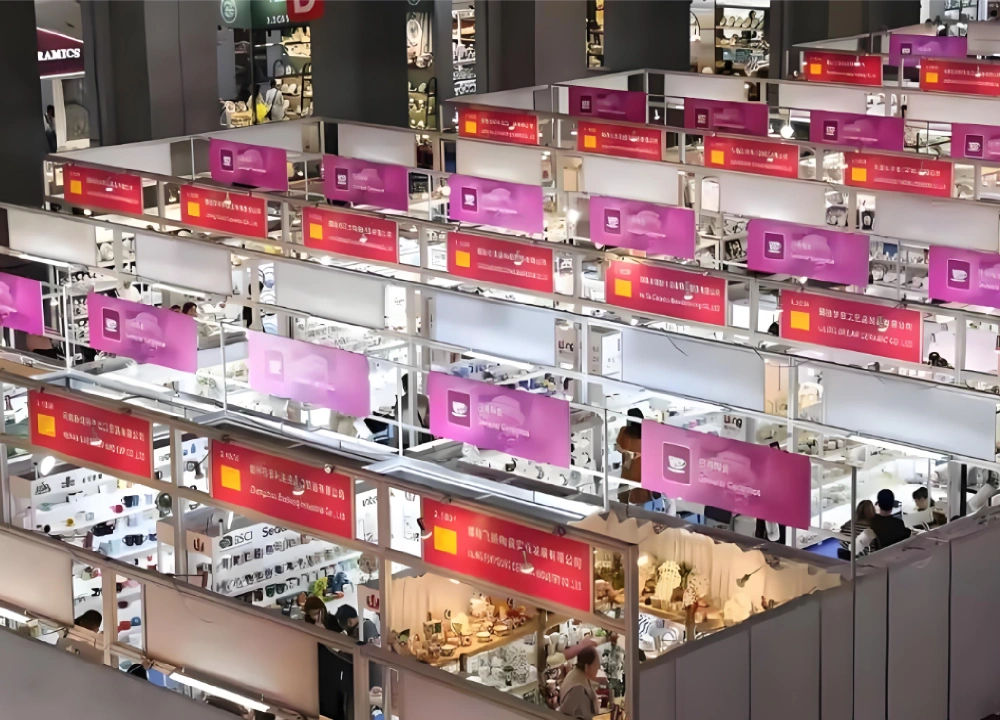
The Product Range Test
One of the fastest ways to identify a trading company is to look at what they are selling—not how shiny the booth looks.
A booth selling smartwatches, massage guns, and solar panels at the same time is almost certainly a trading company. Real factories specialize. A manufacturer in Dongguan or Zhongshan typically focuses on one specific category—just audio, just power banks, or just lighting. If they make everything, they probably make nothing.
Where to look: Ask where their factory is located. If they say “Shenzhen,” ask which district. Real factories give specific answers like “Bao’an District” or “Fuyong Town.” Trading companies give vague answers like “near Guangzhou” or “in Guangdong Province.”
What to check: A business address in a high‑rise commercial office building rather than an industrial zone is a strong indicator of a trading company. Factories operate in industrial areas—not office towers. We have seen trading companies rent impressive showrooms in central Guangzhou while their actual “factory” is a shared workshop in a suburban district.
The Business License Test
This is the most definitive verification method, but many buyers skip it because they do not know what to look for.
Ask to see a photo of their Chinese business license on their phone. Pay attention to the “Scope of Business” (经营范围). If it says “Trading” (贸易) instead of “Manufacturing” (生产), you have your answer.
For deeper verification, Chinese platforms like Qichacha or Tianyancha can reveal the company’s legal structure, registration type, and registered address. These platforms are accessible and can confirm whether the exhibitor is legally registered as a manufacturer or a trading firm.
Why this matters: Even if the booth looks impressive and the samples look good, the business license does not lie. A trading company cannot legally claim to be a manufacturer on their official registration. We once helped a client who had been negotiating with a “factory” for three months—only to discover on Qichacha that the company was registered as a trading firm with no production facilities.
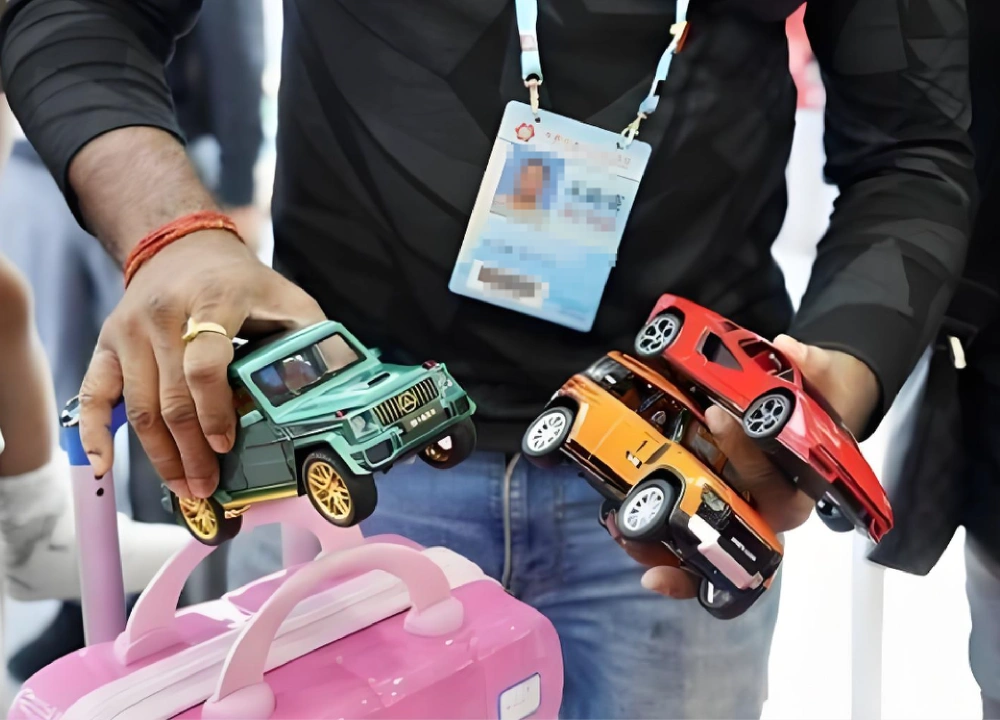
The “Golden Sample” Trap
Even when you find a real factory, there is another trap: the quality of the sample on the booth table may not match the quality of your bulk order.
Trading companies often display high‑quality units selected specifically to impress buyers. The bulk order, however, may use cheaper materials or lower‑grade components. A common example: the power bank on the table may be heavy and high‑quality, but the 5,000 units that arrive at your warehouse six months later may be light and cheap.
The question that catches this: “Is the battery cell inside this sample the exact same brand you use for mass production?” A real manufacturer will answer clearly; a trading company will hesitate.
The safer approach: Use the fair to collect data and check sample quality. Then, request a pre‑production sample using the exact materials that will be used in bulk production—not the booth sample. This is a step we insist on for every client, and it has prevented countless disappointments.
Why the Booth Price Is Not the Real Price
Here is another reason to identify the real manufacturer: the price you hear at the fair is inflated.
A small booth at the Canton Fair can cost a factory upwards of $10,000 USD once decoration and staff are included. They have to recover that cost somehow. If you ask for a price at the booth, you are getting the “Fair Price,” which includes a premium to cover the fair’s expenses.
The rule: Never negotiate the final price at the booth. Use the fair to collect data, check product quality, and identify potential partners. The real negotiation happens after the fair, ideally during a factory visit in Foshan, Dongguan, or other industrial hubs where the boss is relaxed and negotiating from a position of long‑term relationship rather than short‑term booth costs.
After you leave Guangzhou, follow proven workflows in our post‑show guide: [What to Do After the Canton Fair: A Complete Follow‑Up Guide for Buyers]
Common Red Flags at a Glance
Quickly scan these warning signs when evaluating exhibitors on‑site.
| Red Flag | Why It Is a Problem |
|---|---|
| Extremely broad product range | Trading companies sell everything; factories specialize in one category. |
| Vague factory location | Real factories give specific district-level answers; middlemen give generic ones. |
| Evasive answers to technical questions | Trading companies lack production knowledge. |
| Fake or borrowed certifications | Many use “borrowed” CE or RoHS certificates. Ask for the certificate number and verify it. |
| The “golden sample” | The booth sample may be better than the bulk order. Ask about mass-production materials. |
| Pressure to sign or deposit at the fair | Real factories want long-term relationships, not rushed deposits. |
The Bottom Line
The Canton Fair is one of the most efficient sourcing events in the world, but it is also a playground for trading companies. The difference between paying factory‑direct prices and paying a 30% middleman markup comes down to one skill: knowing how to identify your real supplier.
Use the five‑question test. Check the business license. Look for red flags like broad product ranges and vague location answers. And remember—the real work happens after the fair, through factory visits, sample verification, and structured follow‑up.
For buyers who prefer not to navigate this alone, local teams like SourcingYuan handle the entire supplier verification process—from pre‑fair shortlisting and on‑site supplier identification to post‑fair factory audits and quality control. At Sourcingyuan, we walk the same aisles you do, but we also walk the factory floors behind them.
About the Author
Jeff Lee
Founder of Sourcingyuan
Jeff Lee is the founder of Sourcingyuan, a China-based sourcing and product development company. He has more than 10 years of experience helping overseas businesses source products, develop new products, identify reliable manufacturers, manage production, and build supply chains in China.
📚 Explore more Canton Fair Guide resources curated by SourcingYuan for global buyers 🌏:
🏨 Canton Fair Guide: Top 10 Hotels Near Pazhou Complex for International Buyers
🌐 Top 10 Canton Fair Interpreters & Translation Companies in Guangzhou
📋 How to Plan Your Canton Fair Visit for the First Time? — A Step‑by‑Step Guide
✉️ Where to Stay During the Canton Fair: A Complete Hotel & Transport Guide
🤝 Need hands‑on sourcing support during your China sourcing trip?
Feel free to connect with the SourcingYuan team.
Share This Story, Choose Your Platform!
We connect you with reliable factories, get the best quotes, deliver straight to your door.