
You have registered, booked your flights, packed your business cards, and arrived in Guangzhou. Now the real work begins.
The Canton Fair complex covers 1.55 million square metres, with over 25,000 exhibitors spread across 13 product categories and 55 exhibition sections . Walking the entire fair without a strategy is not just inefficient—it is exhausting and unproductive. The 139th edition alone attracted 245,000 overseas buyers from 219 countries and regions, so you will be navigating dense crowds alongside serious competition.
This Canton Fair Guide is not about what the fair is—you already know that. It is about what to do once you are inside the halls. Written from the perspective of a Guangzhou‑based sourcing team, this guide tells you how to use your time, evaluate suppliers, organise information, and actually find the partners worth following up with.
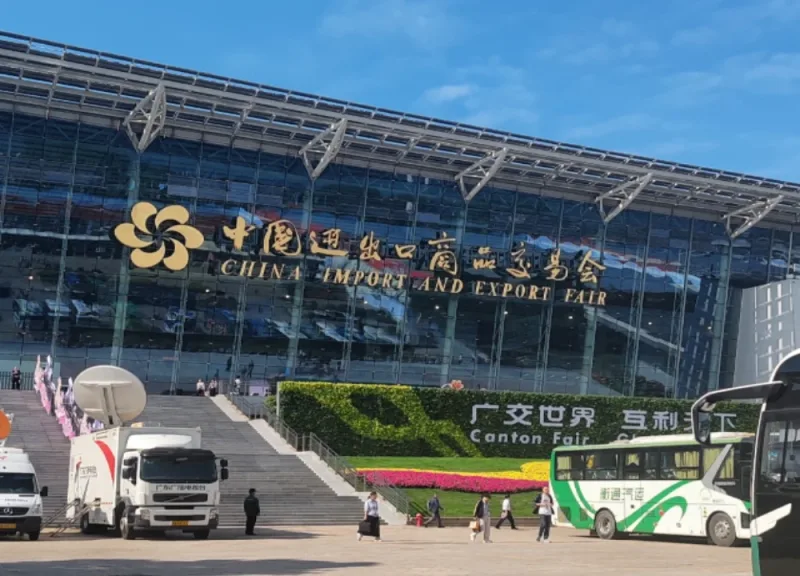
China Import and Export Fair
Before You Enter: Download the Canton Fair App
The official Canton Fair app is your most important tool on the ground. It transforms a chaotic experience into a manageable one .
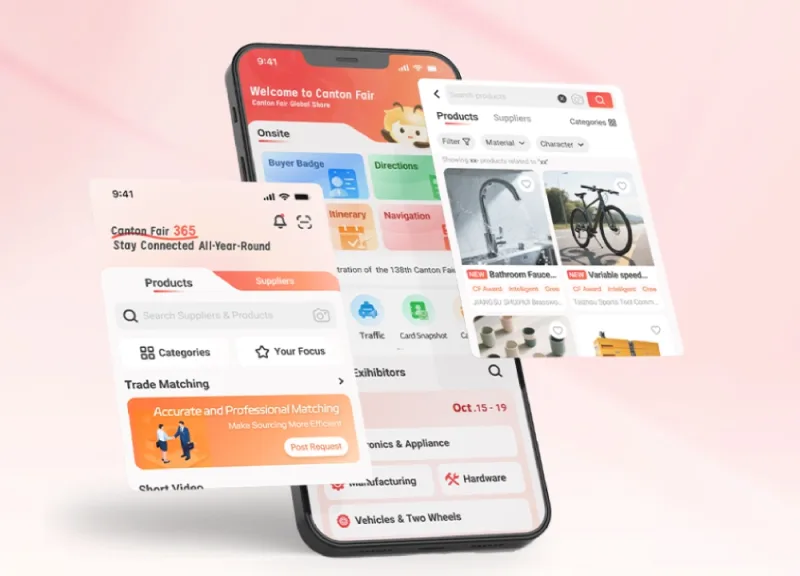
Canton Fair APP
What the app does:
| Feature | What It Does |
| Exhibitor & Product Search | Covers 13 categories and 55 exhibition sections. Supports text and image-based search . |
| Booth-Level Navigation | Enables precise navigation to specific booths across multiple halls and zones. |
| Itinerary Planning | Add exhibitors to your visit list with one click. Plan optimal routes by hall . |
| Digital Business Cards | Scan badge codes to exchange contact information instantly. |
| Real-Time Floor Maps | Shows your location and nearby booths; clusters booths near each other to save hours of walking . |
Before you enter the halls, spend 30 minutes on the app marking 20–30 priority booths per day that match your sourcing needs . Zone A focuses on electronics and heavy industry, Zones B/C on consumer goods, and Zone D on textiles and health products.
Navigating the Halls: A Practical Strategy
The fair is organised into three areas—A, B, and C—connected by shuttle buses. Each hall has numbered zones, and the app shows real‑time floor maps. Trying to see everything is a mistake. Focus on depth over breadth.
The 3‑Pass Strategy:
| Pass | Purpose | What to Do |
| Pass 1 (Day 1) | Scout and qualify | Visit 8–10 booths per hour. Spend 3–5 minutes at each. Ask three filter questions (see Section 3). Collect catalogues and business cards. Move on. |
| Pass 2 (Day 2) | Deep evaluation | Return to your top 15–20 booths. Go deeper on specs, negotiate pricing, and request samples. |
| Pass 3 (Day 3) | Final decisions | Revisit your top 5–8 suppliers. Signal genuine intent. Ask about factory visits and post-fair follow-up. |
Realistic pacing: Expect to cover 8–10 booths per hour at most. A good target is 40–50 quality conversations over three days, not 200 superficial ones. For Canton Fair time management for buyers, this structured approach—known as the three‑pass strategy—ensures you don’t waste your first day wandering aimlessly.

3‑pass strategy for efficient Canton Fair hall navigation _ Canton Fair Guide
Navigation tips:
– Wear comfortable shoes—you will walk 15,000–25,000 steps per day.
– Use the app’s “Route” feature to cluster booths near each other.
– Shuttle buses run between halls—the complex is genuinely vast.
– Arrive early (9:30 AM) when halls are less crowded.
– Take a break mid‑afternoon when foot traffic peaks.

Canton Fair Guide Essential Travel Gear and Packing List for Exhibitors
Qualifying Suppliers: The Three‑Minute Filter
Not every booth is worth your time. Use a structured filter to separate manufacturers from trading companies and identify serious suppliers.
How to navigate Canton Fair effectively starts with knowing who to stop for and who to walk past.
The 3‑Minute Qualifying Questions:
“Are you the factory or a trading company?” — If they hesitate or say “we are a trading company but we work with many factories,” that is a yellow flag. A real manufacturer answers clearly and specifies their factory location.
“Where is your factory located?” — Look for a specific city and district. Vague answers like “near Guangzhou” or “in Guangdong Province” often indicate a trading company.
“What is your typical MOQ and lead time?” — Watch for answers that change when you specify different colours or materials. Inconsistent answers signal lack of production control.
Additional verification checks:
– Check the company name on the Canton Fair official exhibitor list (inside the app). It will label the company as “Manufacturer” or “Trading Company.”
– Ask for fapiao (invoice) capability. Chinese companies that issue official fapiao are generally registered and tax‑compliant.
– Look for factory credentials on display—production line videos, product samples with technical specs, certifications like ISO or BSCI.
Factory vs. Trading Company: Quick Clues
| Clue | Factory | Trading Company |
| Product range | Specialises in one or two related categories | Sells multiple unrelated categories |
| Factory address | Provides specific city and district | Vague or avoids answering |
| Technical depth | Answers detailed production questions | Gives generic answers or deflects |
| Certifications | Shows original certificates and reports | Has photocopies or no documents |
| Booth signage | Displays “Manufacturer” on official badge | Often listed as “Trading Company” on badge |
| Factory visit | Welcomes visits with confidence | Makes excuses or delays |
When you evaluate suppliers at Canton Fair, this table is your shortcut—keep it in mind at every booth you visit.

Aerial view of the Canton Fair
What to Ask: Effective Supplier Conversations
Once you have qualified a supplier, go deeper. The following questions separate professional buyers from amateurs.
Questions to Ask at the Booth:
| Category | Questions |
| Capability | “What is your SMT line capacity? Can you show me an inspection report for this product?” |
| Tooling | “Who owns the tooling?” (This matters if you will pay mould fees.) |
| Certifications | “Do you hold CE, FCC, RoHS, or other certifications for my target market? Can I see the certificate?” |
| Customisation | “Can you customise packaging, branding, or specifications? What is the MOQ for a custom order?” |
| Factory Visit | “Can we visit your factory after the fair?” (A confident yes is a good sign.) |
Avoid starting with “What is your best price?”—factories respect prepared buyers who ask about capability and quality first. Price is the last thing you negotiate, not the first. A professional booth and attractive samples do not prove that a supplier is reliable—promising conversations should be followed by background checks and factory visits before any order is placed.
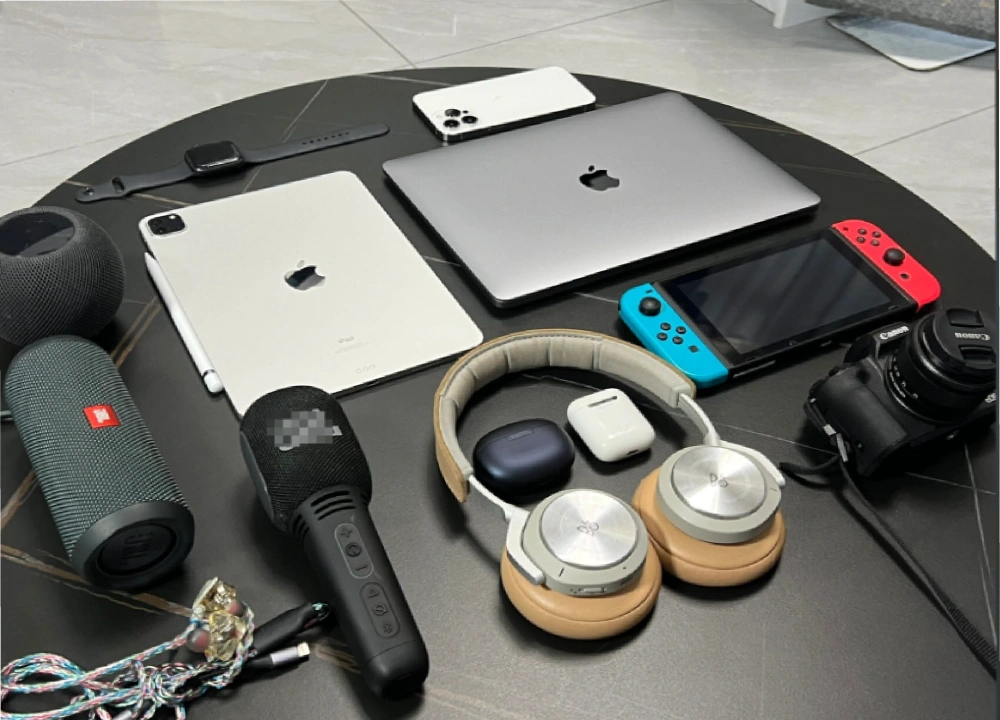
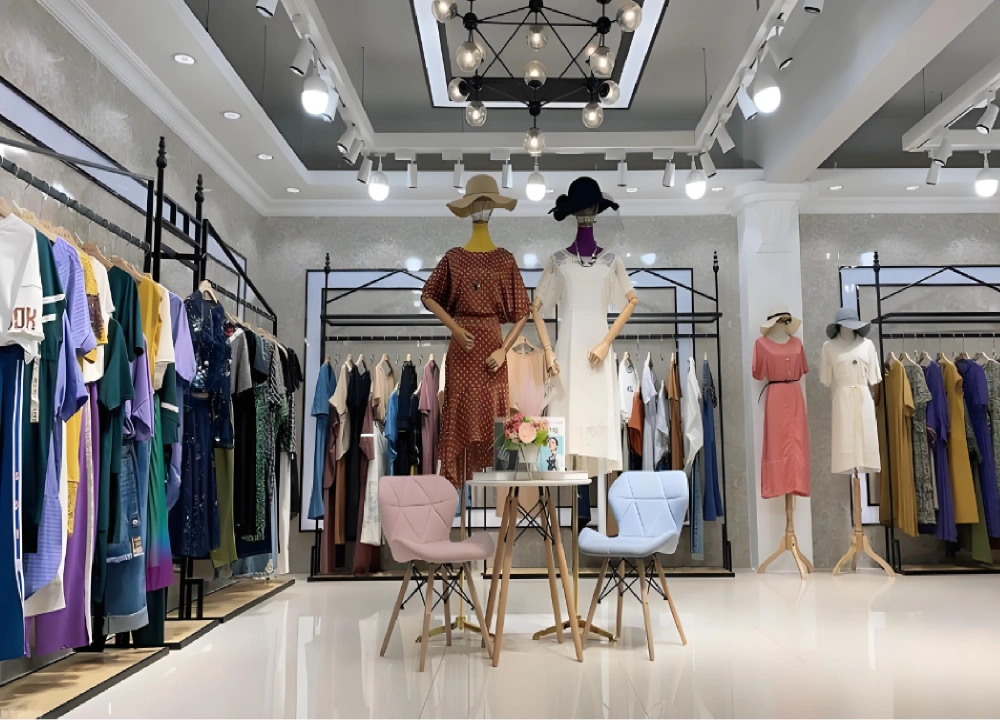
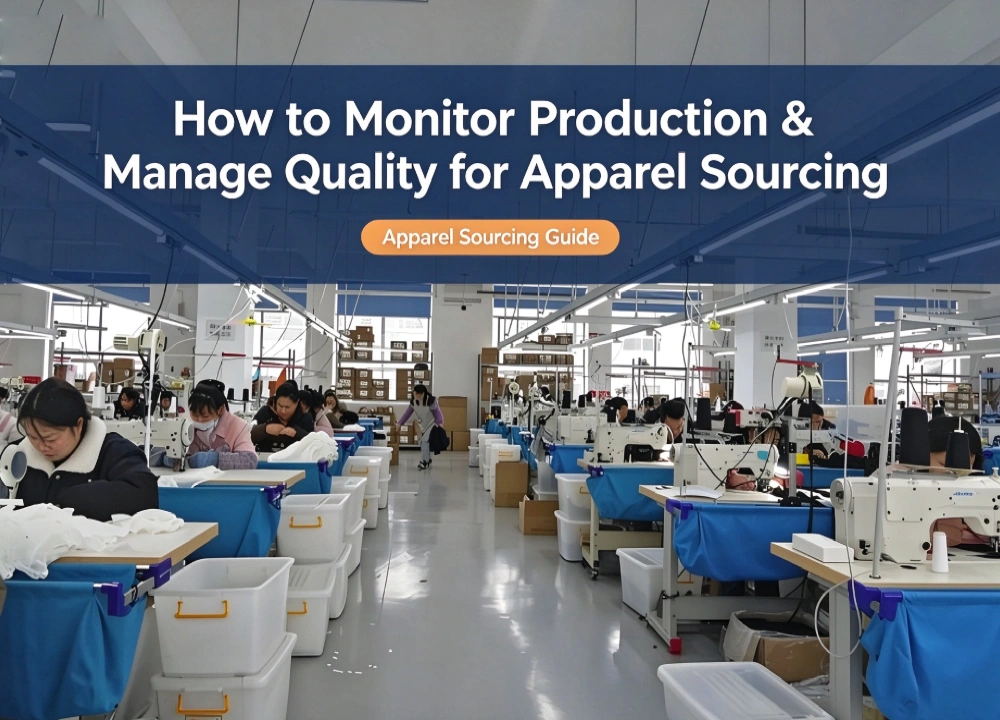
For buyers in apparel sourcing, for example, Phase 3 is your dedicated time. Ask fabric suppliers about lead times, minimums for custom dye lots, and whether they hold OEKO‑TEX or GOTS certifications. For electronics, focus on SMT capacity and component sourcing—these are the factory‑level details that separate serious manufacturers from traders.

Review product samples and certification documents at Canton Fair exhibitor booth
Organising Information: The System That Works
After visiting 20 booths, memory becomes unreliable. Use a systematic approach.
Photograph Everything:
– Take a photo of the supplier’s business card.
– Hold it next to the specific product sample.
– Ensure the booth number is visible in the frame.
– Take a photo of the price board or any written quotation.
This creates a visual, searchable record of who sells what. After 50 booths, this system saves hours of confusion. Booth quotes without material, packaging, and certification details are meaningless for comparison.
Score Each Supplier on the Spot:
Use a simple 1–5 note on the back of the business card:
‑ Product fit
‑ Professionalism
‑ English communication
‑ Price indication
‑ Willingness to share factory information
Use the App’s Digital Tools: The Canton Fair app allows you to scan badge codes to exchange contact information instantly and add exhibitors to your visit list with one click. This is the kind of Canton Fair on‑site tips that separates organised buyers from those who leave with a pile of unmarked catalogues.

Photos from the Canton Fair
Using WeChat Effectively
WeChat is the default business communication tool in China. Most suppliers expect to continue the conversation on WeChat after the fair.
Before you enter the halls:
– Install WeChat and set up your profile.
– Add your WeChat QR code to the back of your business card.
At the booth:
– Ask the booth staff to scan your WeChat QR code.
– If they are slow to add you or don’t use WeChat, that is a bad sign.
– Use WeChat to send product photos and spec sheets immediately.
After the fair:
– Request a factory video call using WeChat.
– A real factory will show you the production floor live.
– If they make excuses, move on.
WeChat APP logo
Negotiation: What to Do (and Not Do) at the Fair
Don’t negotiate final prices at the fair. The fair is for discovery and relationship building. Serious price negotiation happens after the fair, once you have submitted a formal RFQ with your full specs and quantities.
What to negotiate at the fair:
‑ MOQ ranges at different volumes
‑ Payment terms (typically 30% deposit, 70% before shipment)
‑ Sample costs and whether they are refundable against future orders
‑ Factory visit timing
Use the right language:
“What’s your best price for 500 units? For 1,000 units?” — This signals you are a serious buyer with volume potential.
“Can you provide a sample for testing?” — Serious suppliers are willing to provide samples and explain product specifications in detail.
Red flags during price discussion:
‑ Prices that seem too good to be true
‑ Reluctance to provide written quotations
‑ Pressure to deposit money at the fair
‑ Inconsistent pricing across similar product categories
Canton Fair buyer best practices include treating the fair as a discovery platform, not a purchasing platform. The contracts signed at the fair are rarely the best deals—they are often the most rushed ones.
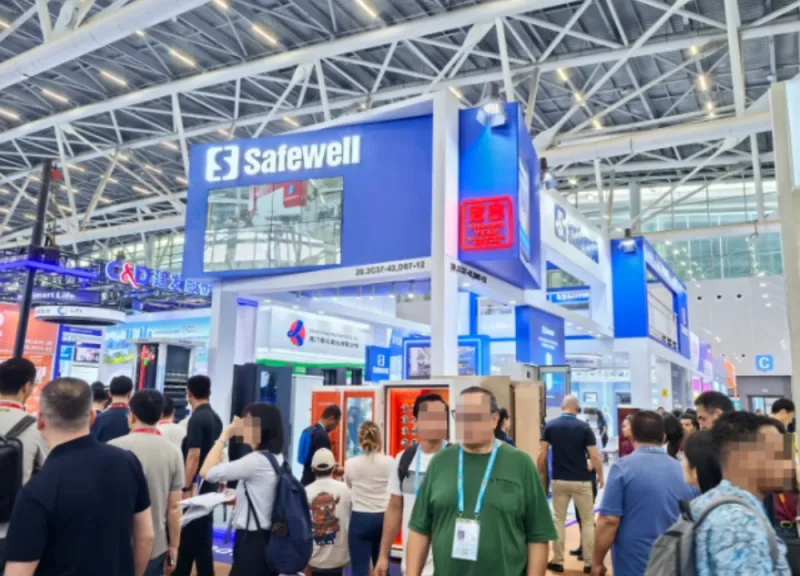
Canton Fair booth
Common Mistakes to Avoid
| Mistake | Why It’s a Problem |
| Walking without a plan | You waste hours wandering and miss key suppliers. |
| Trusting the booth sample blindly | The sample on display is the best unit the supplier could find—request a production sample before quoting. |
| Asking about price first | Marks you as an amateur—factories respect buyers who ask about capability and quality first. |
| Not booking a translator | Technical details get lost in translation. Freelance translators cost ¥500–800 per day in Guangzhou. |
| Not using WeChat | You lose the primary communication channel used by Chinese suppliers. |
| Rushing through the fair | Quality relationships take time. Depth over breadth. |
| Forgetting to photograph certifications | A photo of the CE/FCC test report at the booth is your only record. Without it, you cannot verify later. |
| Not using the Canton Fair App | The app is your map, your database, and your note-taker. Without it, you are navigating blind. |
The Canton Fair “Trade Bridge” Matchmaking Events
The Canton Fair organises “Trade Bridge” matchmaking events that connect buyers with pre‑vetted suppliers.
What it offers:
– Launched in 2021, now a flagship platform for regular trade promotion.
– Over 20,000 buyers and exhibitors from 100+ countries/regions.
– In 2024 alone: 700+ matchmaking events, 1,300+ global buyers, 3,400+ premium suppliers.
– Intended orders exceeding USD 1 billion.
How to use it: When you register through the Buyer Service System, check if your product category is included in upcoming Trade Bridge events. These events can save you time by connecting you with pre‑screened suppliers before you even walk the halls.
Summary: Daily Routine Checklist
| Time | Activity |
| 8:30 AM | Arrive early, clear security, collect badge. |
| 9:00 AM | Visit top 10 pre-selected booths (3–5 min each). Qualify and move on. |
| 12:00 PM | Lunch break. Review notes, identify afternoon priority booths. |
| 1:30 PM | Return to top 10 booths for deeper conversations. |
| 5:00 PM | Wrap up. Take photos of business cards, products, and booth numbers. |
| 6:00 PM | Review notes, update scorecards, plan next day’s route. |
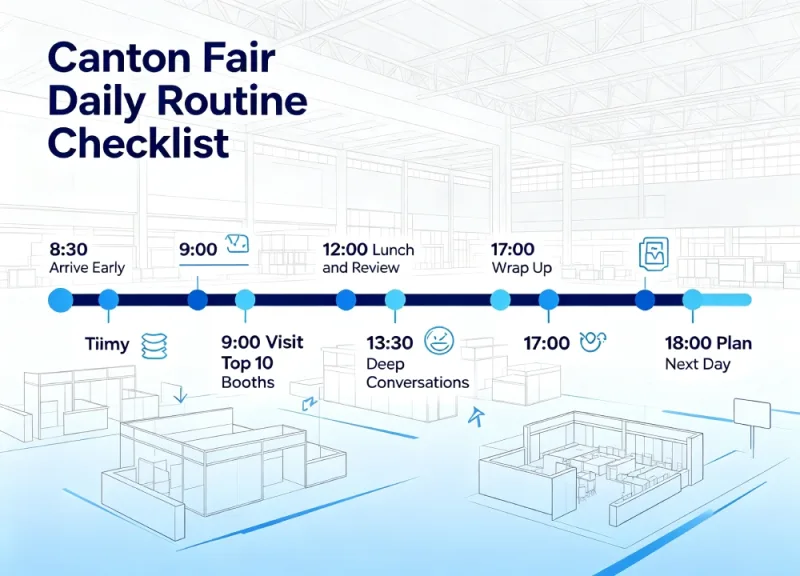
Canton Fair daily routine checklist for international buyers _ Canton Fair Guide
What You Need to Remember for the Fair
The Canton Fair is a powerful sourcing opportunity, but it rewards preparation and punishes improvisation. The buyers who walk away with productive supplier relationships are the ones who had a plan before they entered the halls.
Use the app. Qualify suppliers in three minutes. Ask capability questions before price questions. Photograph systematically. Use WeChat. And remember—the fair is for discovery. The real work happens after the fair, through factory visits, samples, and formal RFQs.
For buyers who need hands‑on support—from on‑site navigation and supplier evaluation to translation and post‑fair follow‑up—working with a local partner can turn a chaotic first visit into a productive sourcing trip. At SourcingYuan, our Guangzhou‑based team helps international buyers navigate the fair efficiently, evaluate suppliers, and follow up effectively after they leave. Whether you are sourcing electronics, machinery, apparel, or home goods, having a local team that knows the fair inside out can make the difference between a trip that pays off and one that doesn’t.
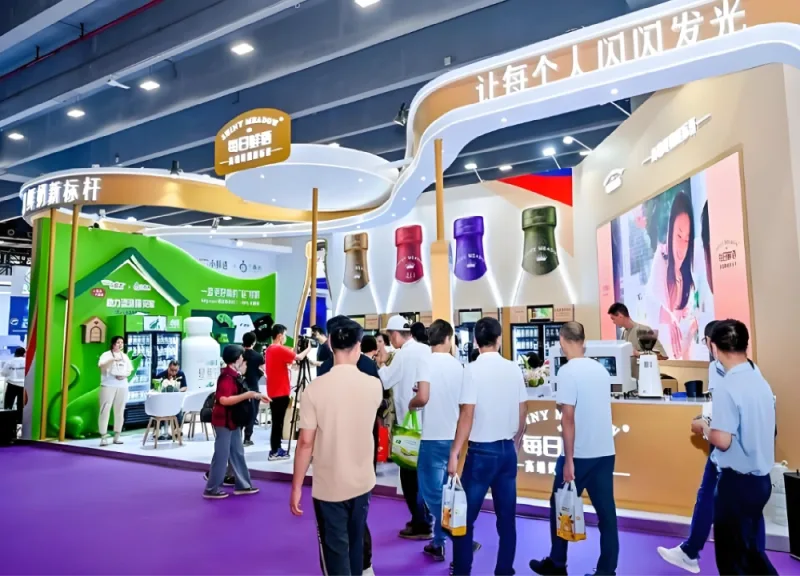
Canton Fair Guide, Dairy & Food Brand Special Exhibition Booth
About the Author
Jeff Lee
Founder of Sourcingyuan
Jeff Lee is the founder of Sourcingyuan, a China-based sourcing and product development company. He has more than 10 years of experience helping overseas businesses source products, develop new products, identify reliable manufacturers, manage production, and build supply chains in China.
Connect with Jeff: LinkedIn | YouTube
Ready to build your full Canton Fair sourcing playbook? Dive into our related guides to eliminate blind spots before and after your show visit:
→ What Is the Canton Fair and Why Should You Attend? A Complete Canton Fair Guide
→ How to Plan Your Canton Fair Visit for the First Time? A Step‑by‑Step Guide
Overwhelmed by thousands of exhibitors?
[Contact SourcingYuan] for hands‑on local sourcing support tailored to your product goals.Share This Story, Choose Your Platform!
We connect you with reliable factories, get the best quotes, deliver straight to your door.