For decades, China Industrial Clusters were synonymous with low-cost, high-volume production for the world. Global buyers associated cities like Shenzhen, Dongguan, and Guangzhou with the efficiency of contract manufacturing and mass exports. However, the narrative has shifted profoundly.
In 2026, China Industrial Clusters are not just adapting to global supply chain shifts; they are actively redefining their role. They are evolving from being the world’s factory into becoming a global supply chain hub and a source of foundational innovation. This evolution, driven by technological advancement, geopolitical pressures, and a national strategy focused on “new quality productive forces,” is creating a new landscape for global sourcing. Understanding this evolution is critical for any buyer looking to leverage China’s manufacturing ecosystem effectively.
The Evolution: From “Old Three” to “New New Three”
The transformation of China’s industrial clusters is best understood through the changing nature of its exports and the capabilities underpinning them. This is not just an industrial upgrade; it’s a fundamental shift in the type of value China adds to global supply chains.
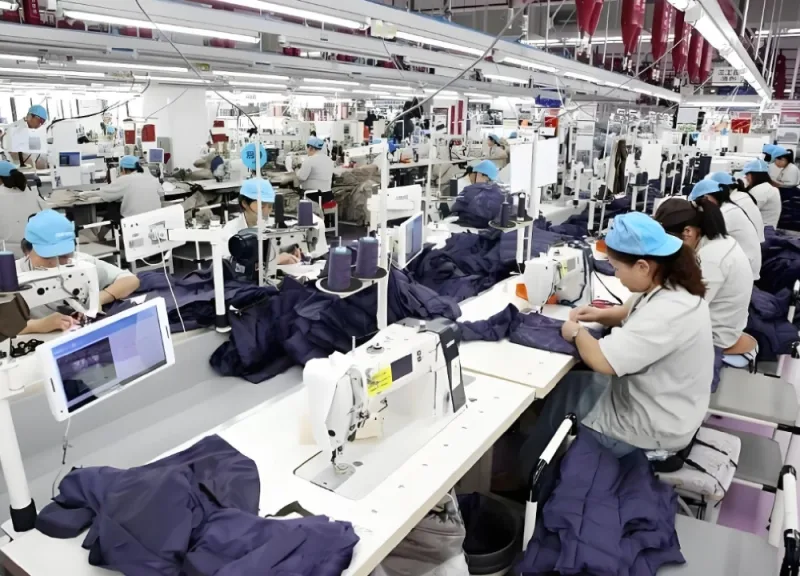
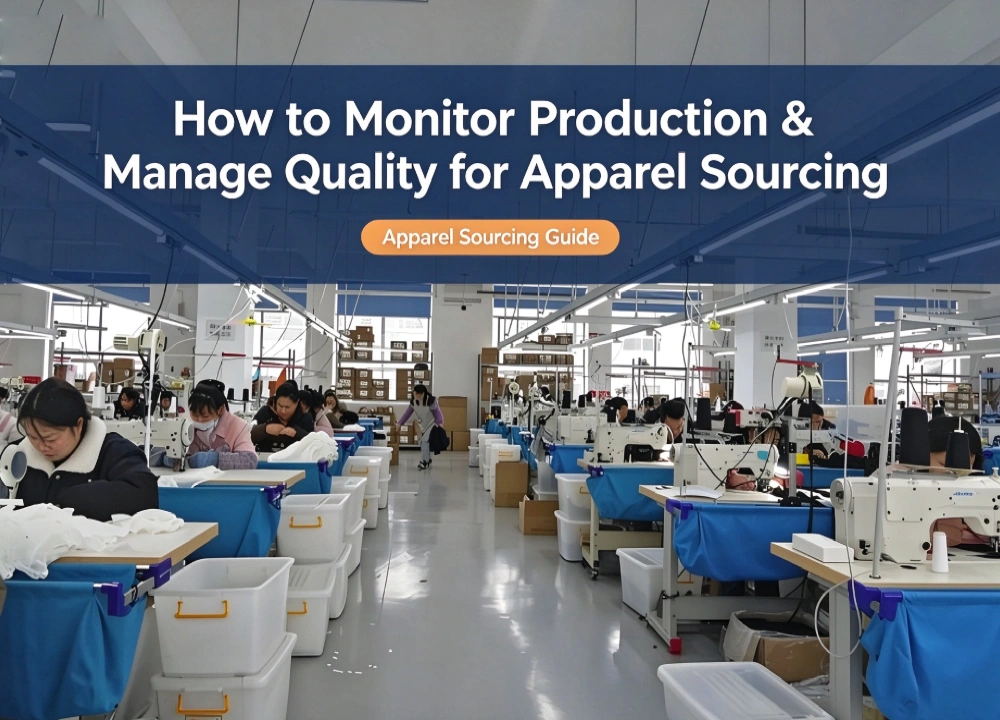
China’s industrial clusters in the apparel industry
The “Old Three” (clothing, furniture, home appliances) embodied the first stage of China’s industrial ascent.Clusters specializing in clothing, furniture, and household appliances formed the backbone of China’s early integration into the global economy. This era was about capacity and scale. Fulfilling large, recurring overseas orders required factories to establish quality control, reliable delivery schedules, and close supplier coordination. The clusters that grew around these industries—like the Guangzhou textile & apparel cluster or the Foshan furniture & hardware hub—accumulated the trained workforce, specialized suppliers, and production routines that would later serve as the foundation for more complex manufacturing.

The furniture industry within China’s industrial clusters
The “New Three” (electric vehicles, lithium batteries, solar photovoltaics) marked the second major wave. Clusters shifted their focus to industries requiring sustained engineering, capital investment, and complex supply-chain coordination. Exports of electric passenger vehicles, lithium-ion batteries, and solar cells surged, combining greater technological sophistication with immense manufacturing scale. This wave broadened global access to clean technology, driven by China’s massive production capacity and continuous innovation.
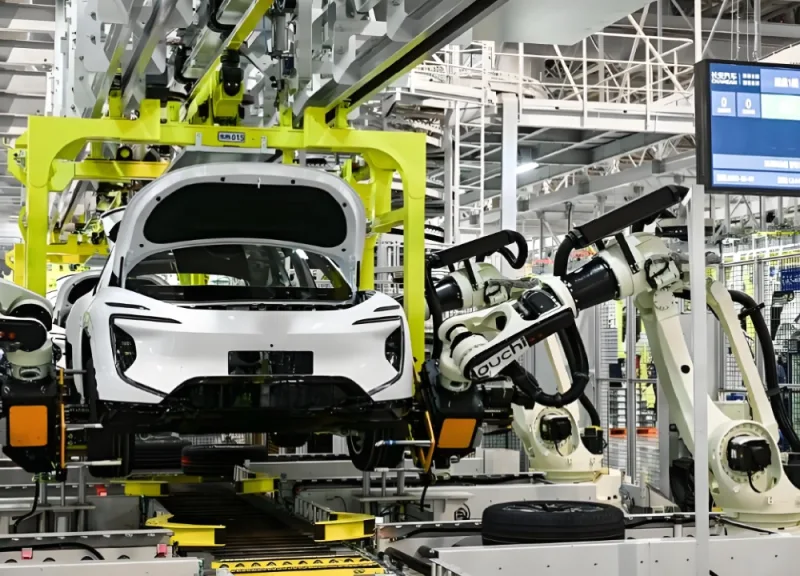
The new energy vehicle industry within China’s industrial clusters
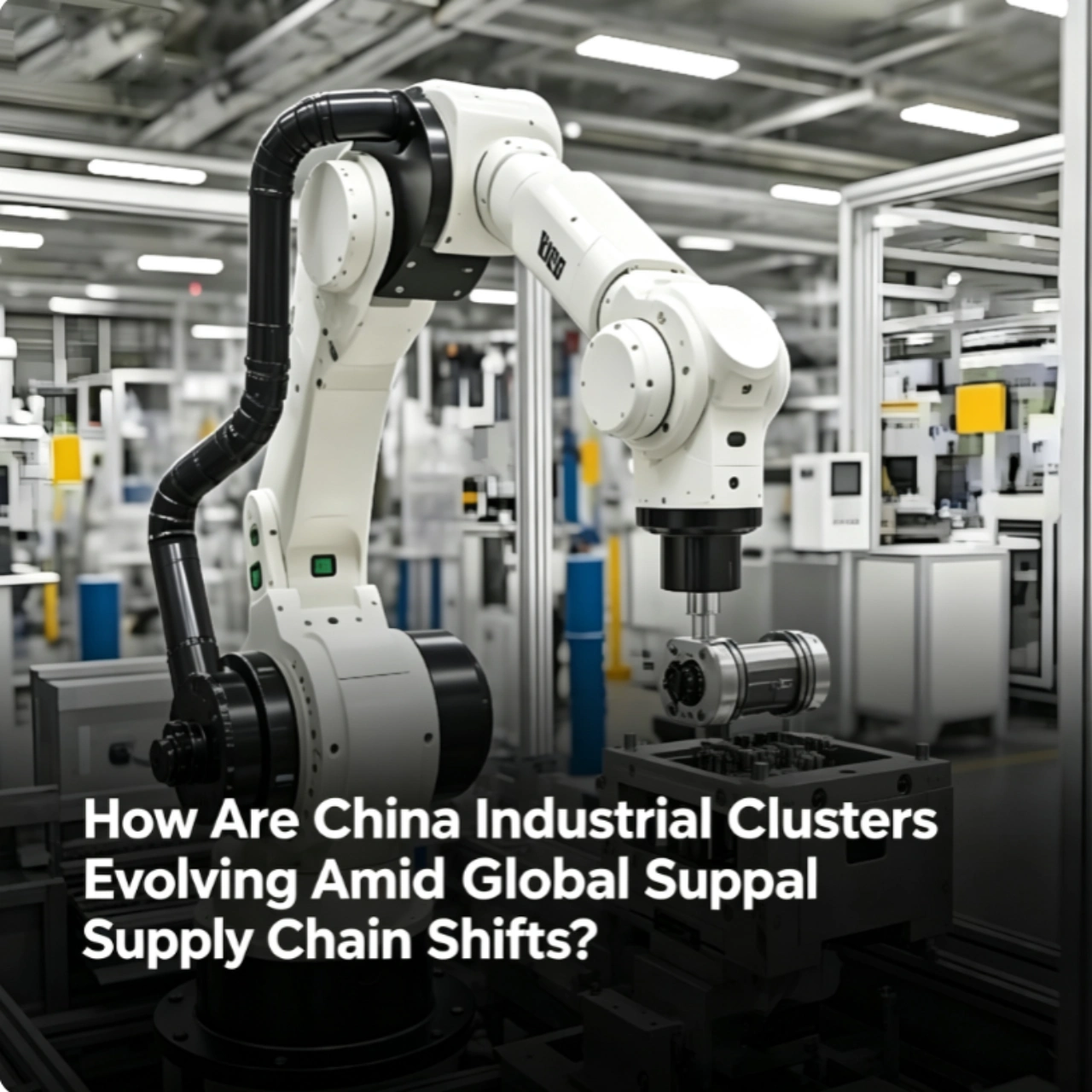
The “New New Three” (AI, industrial robotics, innovative pharmaceuticals) represent the current frontier and a qualitative leap forward. The evolution is now toward research-intensive platforms, equipment, and discoveries that serve as inputs for other industries. This is evident in the rise of industrial robotics clusters, like the one in Beijiao township (Foshan), which has become the nation’s largest industrial robot manufacturing hub. In Beijiao, over 90% of a robot’s supply chain can be sourced locally, and components can be assembled within half a day, showcasing the tight integration of a supplier ecosystem. Simultaneously, China is exporting not just products but also foundational technologies: in the first half of 2026, exports of industrial robots grew by 18.6% year-on-year, and Chinese AI models ranked first by country of origin for 12 straight weeks on a major US routing service. This China manufacturing transformation is moving the country from being a source of contract production to becoming a source of foundational technologies and scientific discoveries.
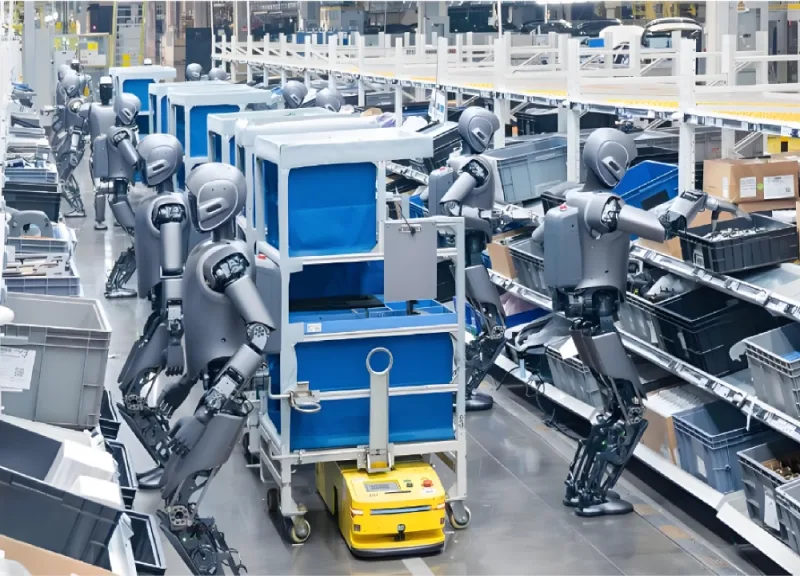
The industrial robot industry within China’s industrial clusters
| Era | Core Industries | Cluster Characteristics | Global Role |
| “Old Three” | Clothing, Furniture, Home Appliances | Labor-intensive, scale-focused, export-driven | The world’s low-cost factory |
| “New Three” | EVs, Lithium Batteries, Solar Cells | Capital-intensive, engineering-focused, supply-chain coordination | Provider of affordable clean-tech products |
| “New New Three” | AI, Industrial Robotics, Innovative Drugs | R&D-intensive, innovation-driven, foundational technologies | Source of productivity-enhancing technologies and innovation |
The Engine of Evolution: Policy, Pilots, and Innovation
The evolution of these clusters is not accidental. It is the result of a deliberate, multi-tiered industrial policy framework. This system, involving strategic leadership at the national level, sectoral governance at the industry level, and market-oriented reforms, has helped mobilize resources and maintain continuity throughout the transformation process.
Key to this framework is a pragmatic “pilot first, scale later” approach. Small-scale demonstrations allow stakeholders to test solutions and reduce implementation risks before expanding successful models. For example, the Tianjin Port, one of the world’s busiest, first validated a zero-carbon electricity system at a single terminal before gradually expanding the model across its entire operation. This approach minimizes risk and allows for iterative learning.
The “China+1” Reality: Reconfiguration, Not Exit
Supply-chain reconfiguration is a dominant theme in global sourcing, often framed as companies “leaving” China for Southeast Asia or India. However, the reality is more nuanced: it is not an exit, but the emergence of two parallel supply chain systems.
For markets like the US and Europe, global brands are pursuing a China+1 strategy, shifting some production to non-China hubs in Mexico, Vietnam, and Thailand to mitigate geopolitical and tariff risks. However, as the laptop industry illustrates, China is simultaneously consolidating a self-sustaining, “closed-loop” ecosystem anchored by domestic brands and a rapidly maturing white-label supply chain. This bifurcation means that brands must now navigate two competing systems simultaneously—ensuring non-China production for some markets while leveraging China’s unique ecosystem for others. This is not decoupling but strategic bifurcation.
The Rise of New Hubs: From Coastal Giants to Inland Powerhouses
While coastal giants like Shenzhen and Guangzhou are doubling down on innovation, R&D, and high-value industries, new evolving manufacturing hubs in China are emerging inland. Cities like Hefei, Chengdu, and Chongqing are rewriting the rules of globalization.
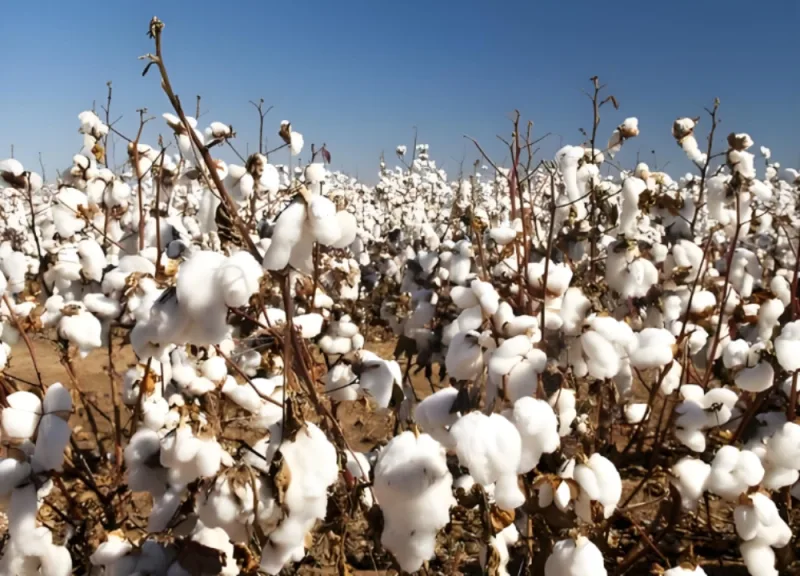
Cotton-producing areas in Hefei, Anhui Province
Hefei, for example, has transformed from a provincial hub for grain and cotton into a high-tech powerhouse, hosting over 300 firms in electric mobility, semiconductors, and renewable energy. Its GDP more than doubled in a decade to over $150 billion. These cities are not just manufacturing outposts; they are becoming new command centres for global strategy, often emphasizing decentralized local operations that co-create with local partners.
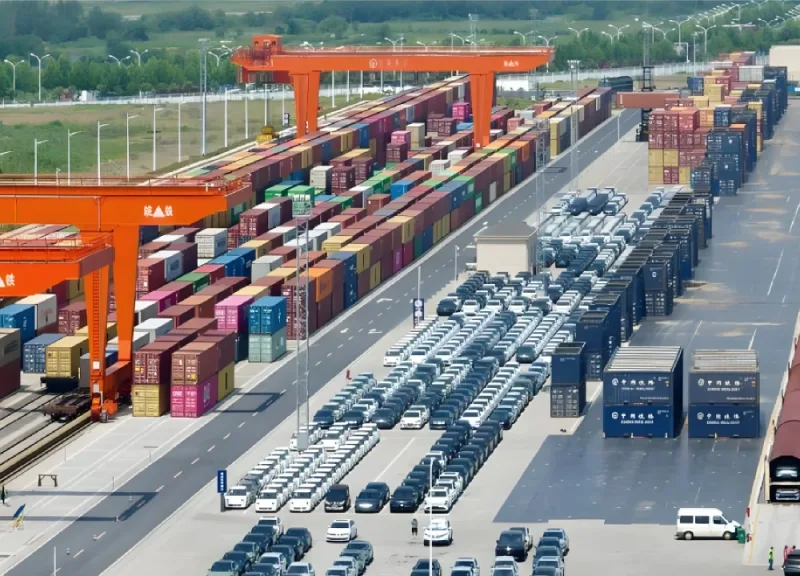
Hefei, Anhui_ The new energy vehicle industry is _accelerating_
These emerging hubs offer new opportunities for global buyers, but navigating them requires local knowledge. A China sourcing company with boots on the ground can help international buyers evaluate suppliers in these newer clusters, bridging the gap between global demand and local capability.
Implications for Global Sourcing in 2026
This evolution has several implications for global buyers:
Opportunity in Specialization: China’s clusters are becoming more specialized and technologically advanced. Buyers can tap into this by sourcing from clusters aligned with their specific industry, such as the Taizhou mould manufacturing hub for precision tooling or the Beijiao robotics cluster for automation solutions.
Ecosystem over Price: The real value in 2026 is no longer just unit cost. It’s access to the supply chain integration, iteration speed, and engineering depth of these dense industrial ecosystems. Cost efficiency is now derived from speed, agility, and innovation, not just labor.
A Dual-Strategy Approach: The “one world, two supply chains” reality means that a single sourcing strategy may no longer be sufficient. Companies may need to maintain a presence in China for its domestic market, white-label manufacturing, and innovation ecosystem, while simultaneously developing China+1 production for other markets.
Even with upgraded industrial clusters and advanced manufacturing capabilities, buyers still need to conduct strict supplier qualification verification and factory audits. Industrial cluster advantages optimize overall supply chain efficiency, but they cannot replace standardized due diligence for every supplier and production project.
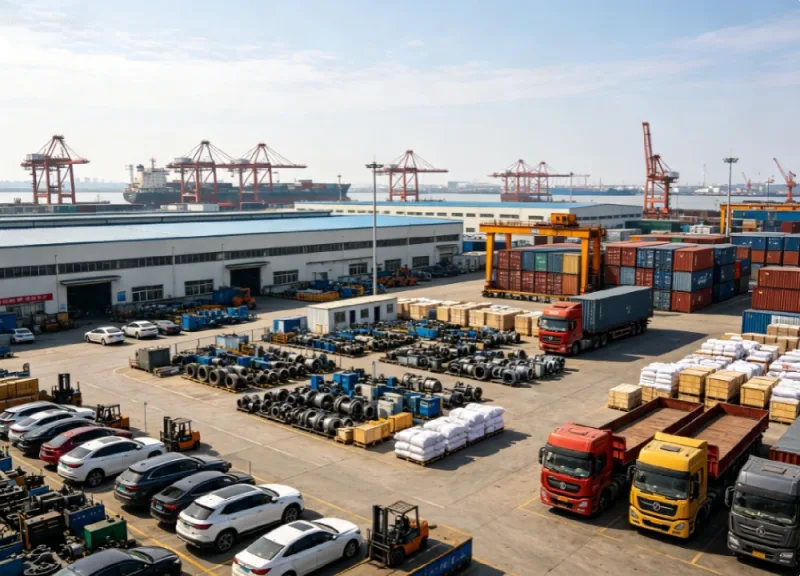
Aerial view of the factory area
FAQ
What is the “new new three” in China’s industrial evolution?
The “new new three” refers to the latest wave of China’s industrial upgrade, focusing on research-intensive, high-value industries including Artificial Intelligence (AI), industrial robotics, and innovative drugs. This represents a shift from exporting manufactured goods to exporting foundational technologies and scientific discoveries.
What does “China+1” mean for global supply chains?
The “China+1” strategy involves companies maintaining their sourcing from China while also adding production capacity in other countries (like Vietnam, Mexico, or India). In practice, this is leading to the emergence of two parallel supply chains: one for China and its domestic ecosystem, and another for other key markets like the US and Europe.
Why are China’s industrial clusters still important for sourcing in 2026?
China’s clusters are more important than ever, not as a source of cheap labor, but as dense, interconnected industrial ecosystems that offer unmatched speed of iteration, component variety, and engineering support. They enable faster product development and scaling, offering a competitive advantage beyond price.
How are China’s coastal and inland manufacturing hubs different?
Historically, coastal hubs like Shenzhen, Guangzhou, and Shanghai have been centers for high-volume, export-driven manufacturing. Today, they are focusing more on innovation and high-tech R&D. Inland hubs like Hefei, Chengdu, and Chongqing are emerging as new powerhouses, attracting investment in sectors like electric vehicles, semiconductors, and heavy machinery, often benefiting from lower costs and government incentives.
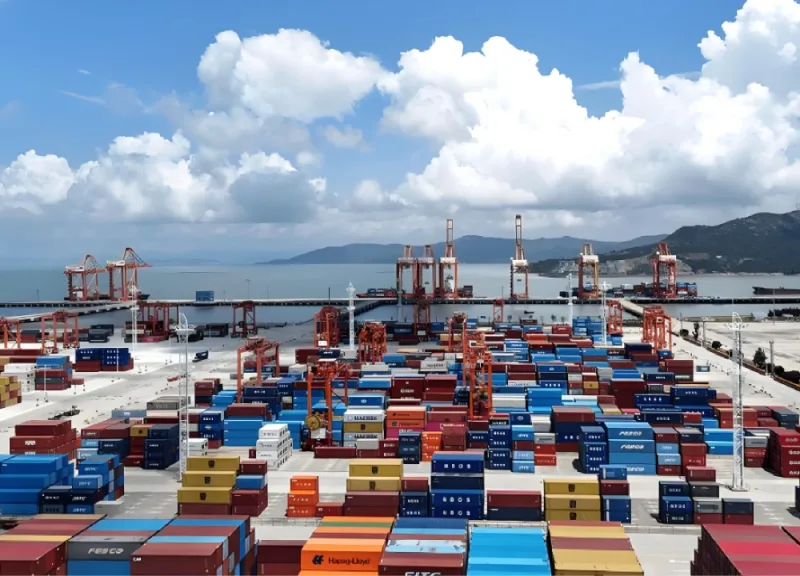
Industrial clusters in coastal cities of China
How can technology give buyers an advantage in China’s evolving landscape?
Technology platforms are increasingly connecting global buyers to China’s vast network of small and medium-sized manufacturers, many of which are hidden within clusters. These platforms allow buyers to search by technical requirements, rather than company size or geography, unlocking capabilities for custom parts and specialized processes that were previously difficult to access.
The Bottom Line
China industrial clusters are undergoing a profound evolution amid global supply chain shifts. They are moving up the value chain, integrating technology, and becoming more specialized, driven by national policy and intense competition. The evolution of Chinese industrial clusters is not just about “upgrading”; it’s about creating a globally influential innovation ecosystem that exports not just goods but also ideas, technologies, and platforms.
This evolution has resulted in a supply-chain reconfiguration where China is becoming a more complex, dual-system sourcing destination. By understanding these global supply-chain shifts, buyers can leverage China not just as a low-cost supplier, but as a strategic partner for speed, innovation, and ecosystem integration. This China industrial cluster upgrading is creating new opportunities for businesses prepared to adapt, finding their competitive advantage in China’s evolving manufacturing hubs.
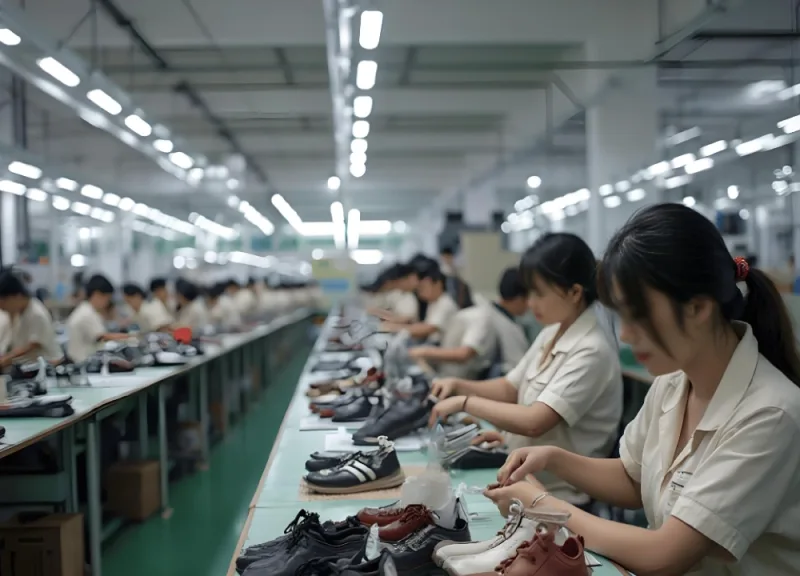
China Industrial Clusters, Quanzhou Sneaker Manufacturing Factory Production Line
About the Author
Jeff Lee
Founder of Sourcingyuan
Jeff Lee is the founder of Sourcingyuan, a China-based sourcing and product development company. He has more than 10 years of experience helping overseas businesses source products, develop new products, identify reliable manufacturers, manage production, and build supply chains in China.
Connect with Jeff: LinkedIn | YouTube
Explore more about China industrial cluster sourcing to optimize your global supply chain strategy:
→ What Are China Industrial Clusters and Why Do They Matter for Global Sourcing?
→ Which Chinese Cities Are Ideal for Sourcing Within China Industrial Clusters?
→ How Can You Leverage China Industrial Clusters to Find Better Suppliers?
→ Contact SourcingYuan
Share This Story, Choose Your Platform!
We connect you with reliable factories, get the best quotes, deliver straight to your door.