Apparel Sourcing Guide
Everything You Need to Know About Sourcing Clothing and developing customized apparel in China
Whether you’re launching a fashion brand, expanding an existing clothing business, or looking for reliable apparel manufacturers in China, this guide covers every stage of the apparel sourcing process.
At Sourcingyuan, we help brands develop products, source fabrics, find qualified manufacturers, manage production, inspect quality, and arrange international shipping. This guide brings together our knowledge and practical experience to help you make informed sourcing decisions.
What Is Apparel Sourcing?
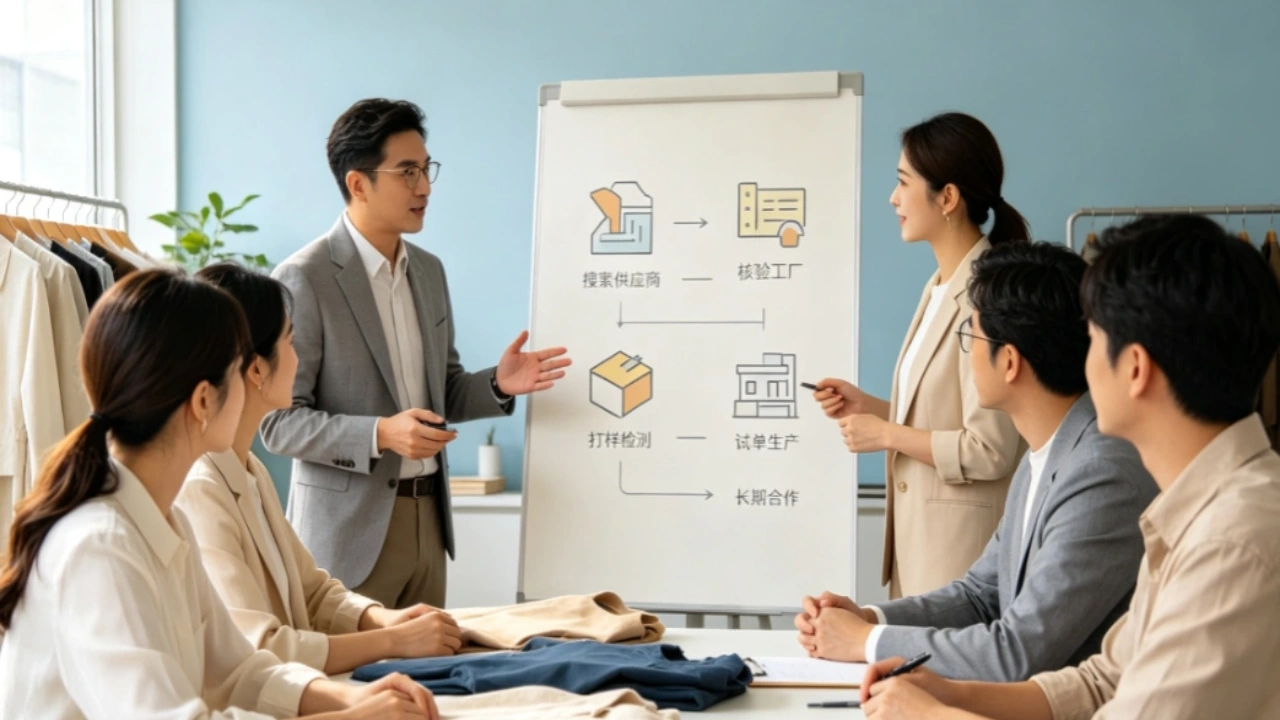
Apparel sourcing is the process of developing and manufacturing clothing products through reliable suppliers. It includes much more than simply finding a factory. A successful apparel sourcing project usually involves:
- Product development
- Tech pack preparation
- Fabric sourcing
- Trim sourcing
- Sample development
- Manufacturer selection
- Production management
- Quality inspection
- Packaging International shipping
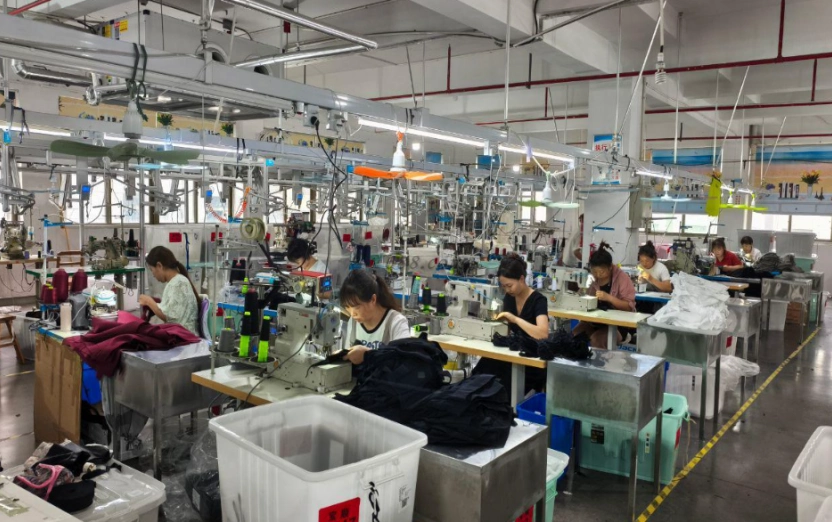
Many first-time buyers believe apparel sourcing starts with Alibaba. In reality, successful sourcing begins with product planning and supplier evaluation long before production starts.
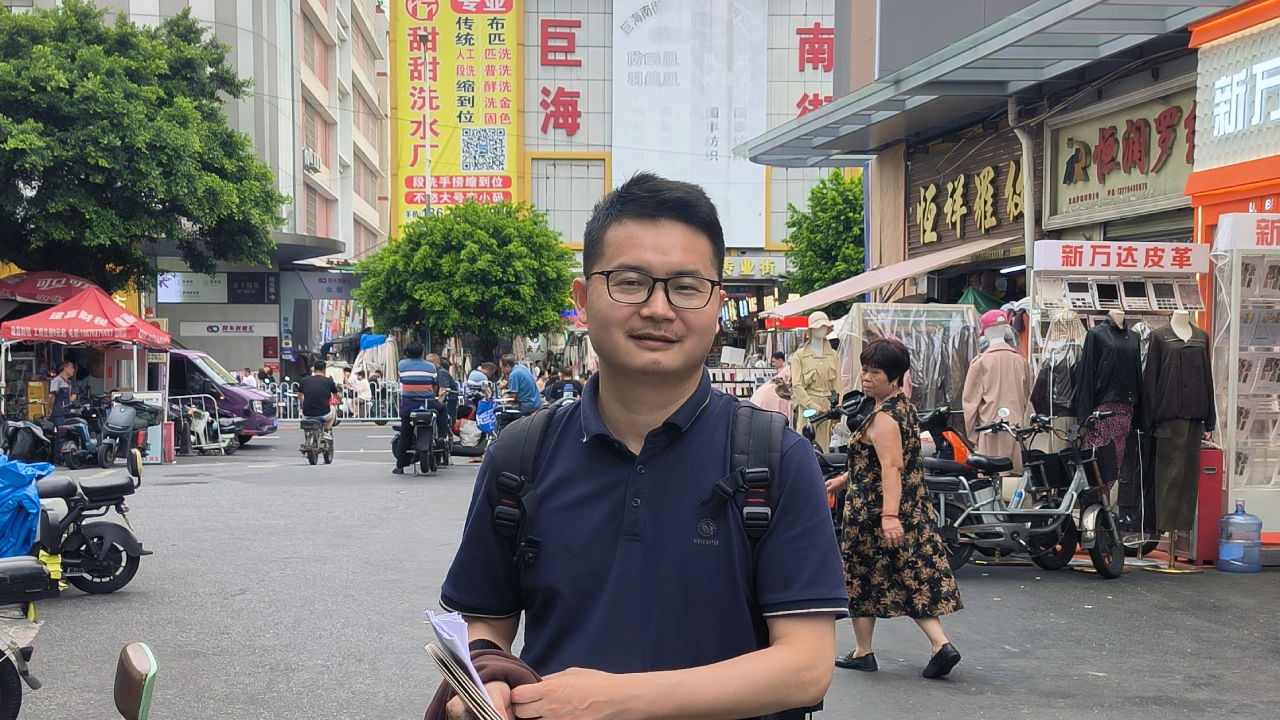
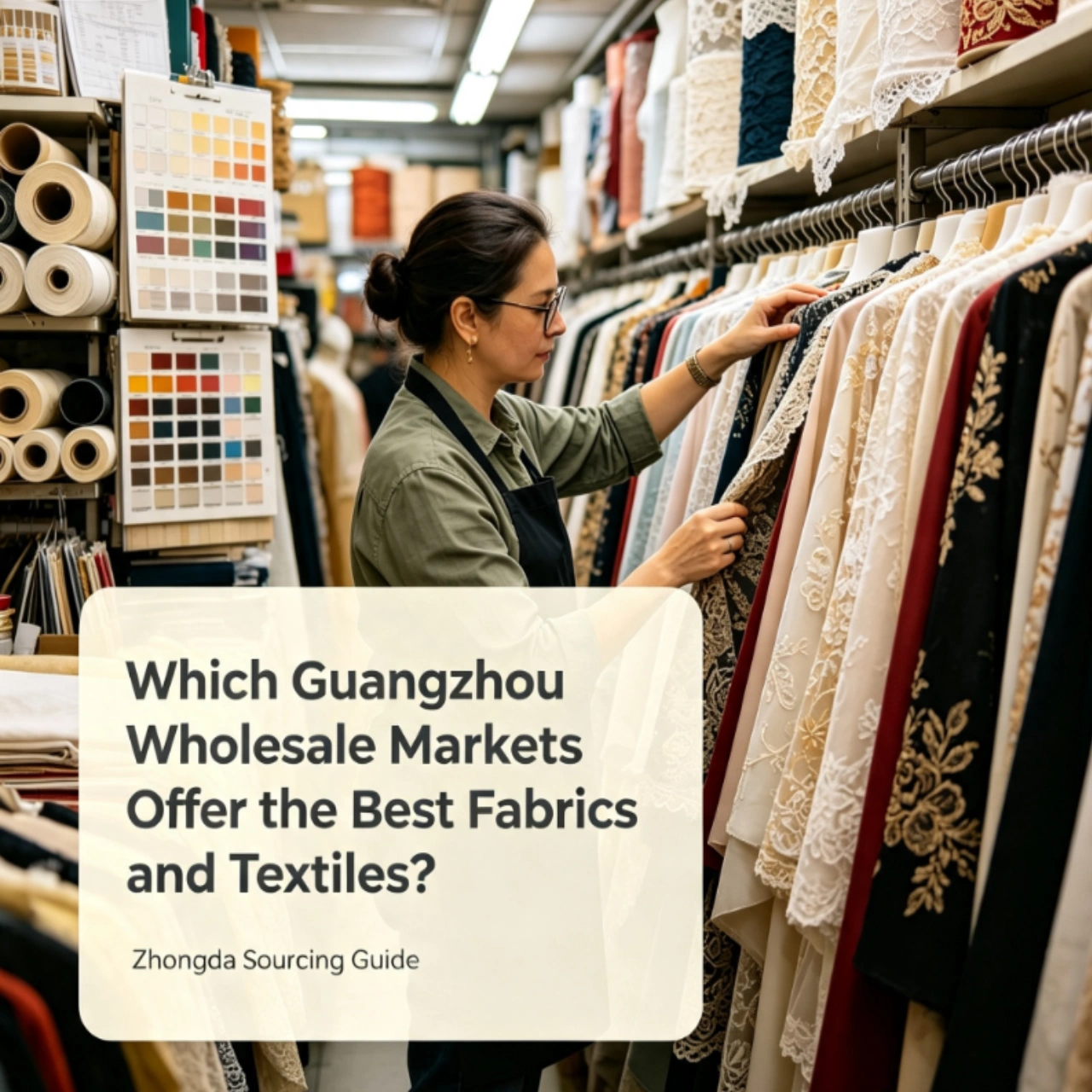
Lee is sourcing fabric for customer in Zhongda fabric market in Guangzhou.
Who Is This Guide For?
This guide is designed for:
- Fashion startups
- Clothing brands
- Amazon sellers
- E-commerce businesses
- Boutique owners
- Apparel wholesalers
- Sportswear brands
- Workwear brands
- Private label businesses
Whether you’re creating your first clothing collection or scaling an established brand, you’ll find practical guidance throughout this resource.
The Apparel Sourcing Process
Every apparel project follows a similar journey.
Step 1 — Product Idea
Define your apparel concept, target customer, price point, and quality expectations.
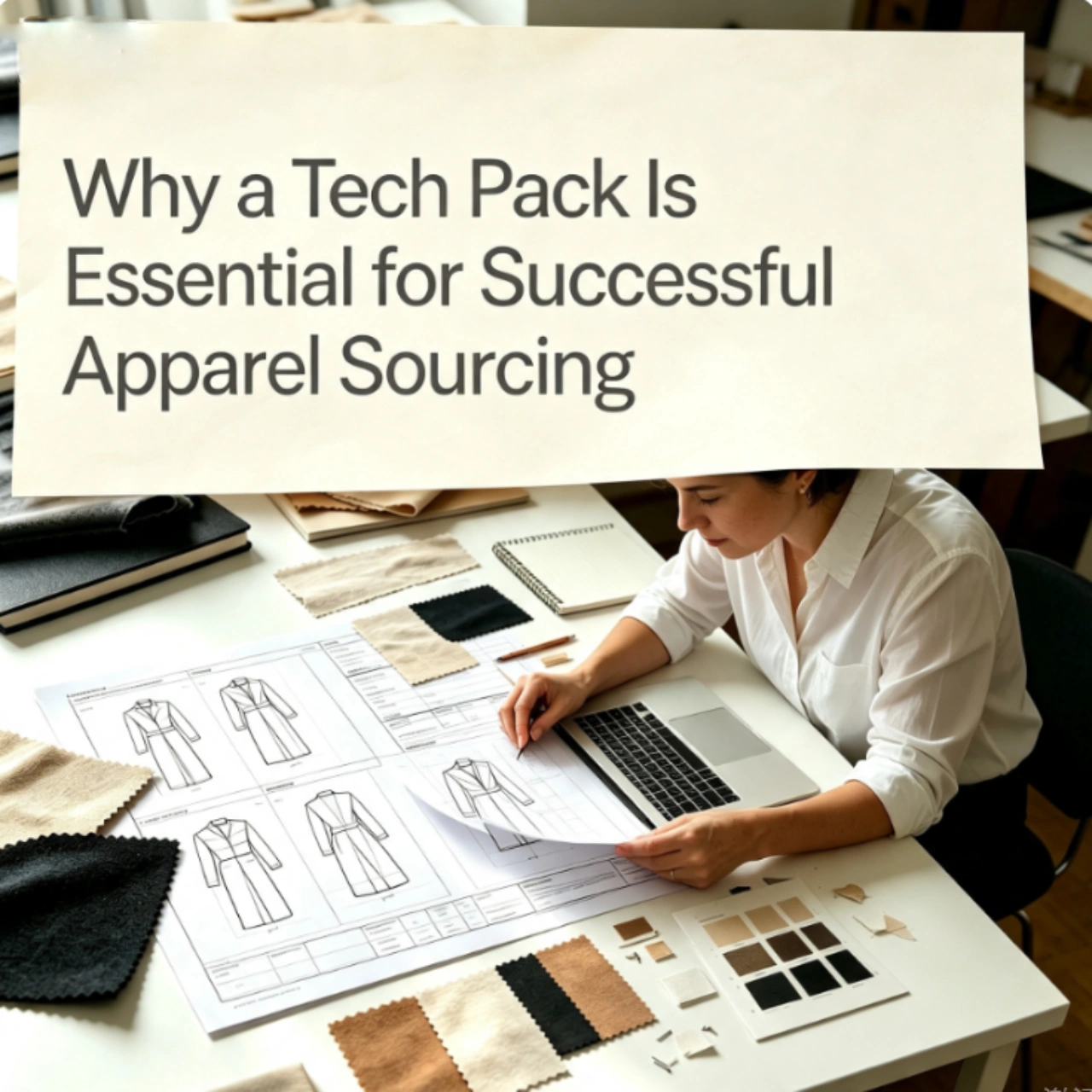
Step 2 — Tech Pack
Create a professional tech pack with measurements, construction details, materials, labels, and packaging requirements.
→ Read: Complete Tech Pack Guide
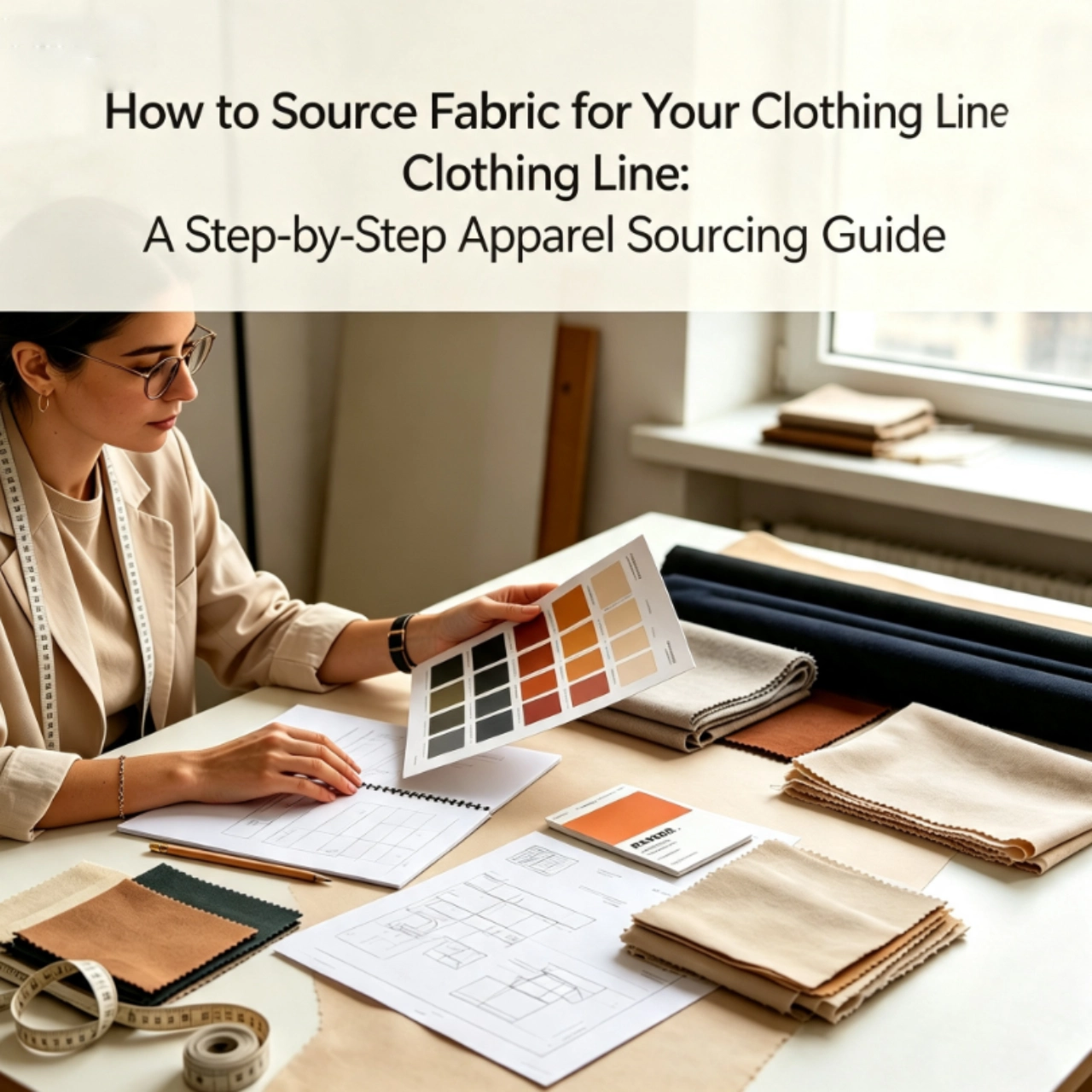
Step 3 — Fabric & Trim Sourcing
Select suitable fabrics, linings, zippers, buttons, labels, and accessories based on your design and budget.
→ Read: Fabric Sourcing Guide
Step 4 — Sample Development
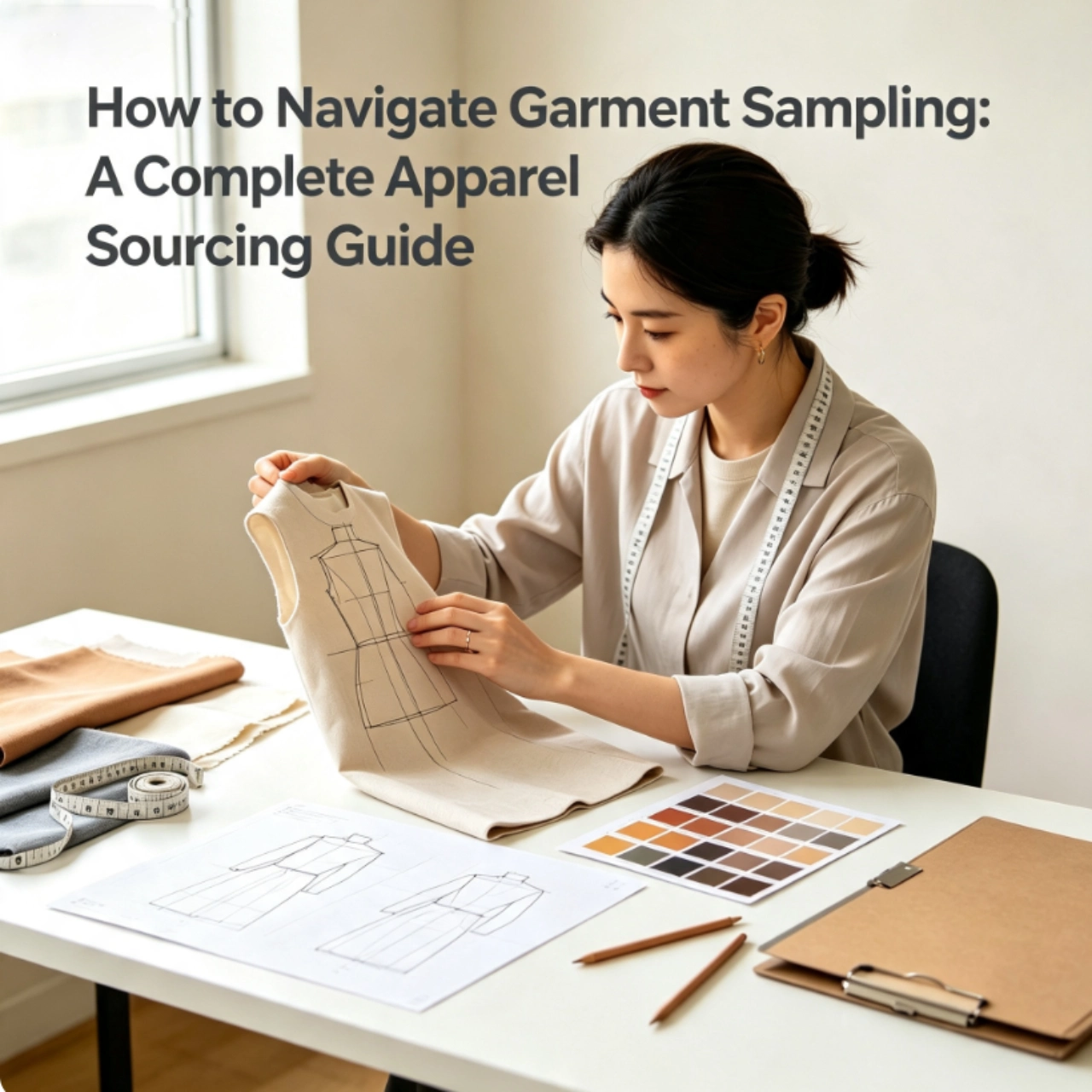
Develop prototypes to verify sizing, fit, construction, materials, and workmanship before mass production.
→ Read: Garment Sampling Guide
Step 5 — Manufacturer Selection
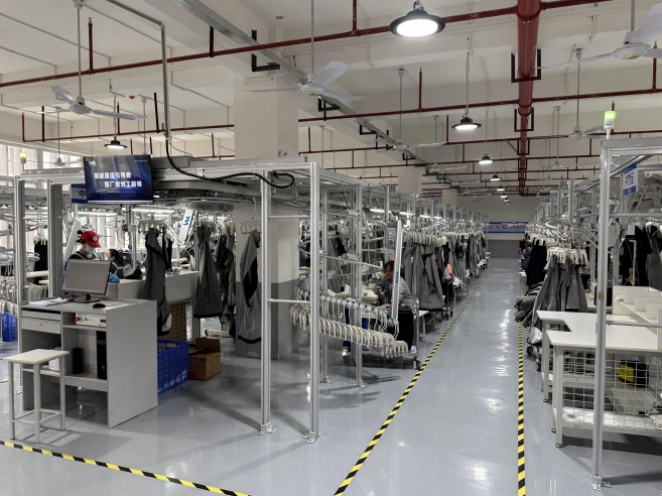
Evaluate clothing factories based on experience, production capability, quality systems, communication, and pricing.
Step 6 — Production
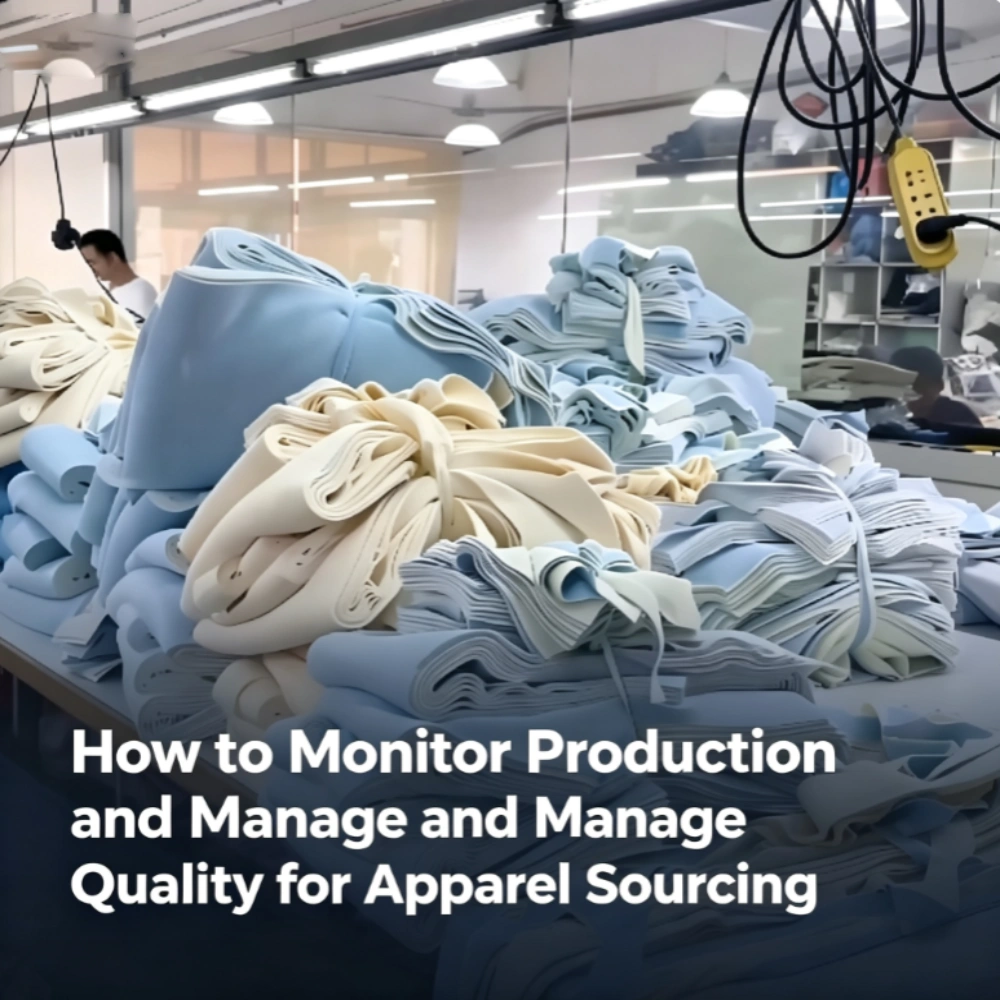
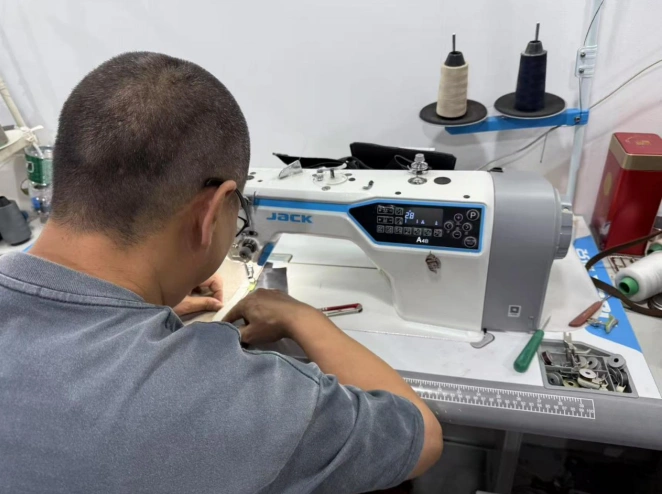
Monitor production schedules, solve manufacturing issues, and maintain quality throughout production.
→ Read: Apparel Manufacturing Guide
Step 7 — Quality Inspection
Inspect products before international shipment to reduce defects and ensure quality standards are met.
→ Read: Garment Quality Inspection Guide
Step 8 — Shipping
Arrange packaging, export documentation, customs clearance, and international transportation.
→ Read: Shipping Clothing from China Guide
Browse by Topic
Product Development
- Clothing Product Development
- Tech Pack Guide
- Pattern Making
- Garment Sampling
Fabric & Materials
- Fabric Sourcing
- Fabric Types
- Sustainable Fabrics
- Trim Sourcing
Finding Manufacturers
- Clothing Manufacturers in China
- OEM vs ODM
- Factory Audits
- MOQ Explained
Production & Quality
- Production Timeline
- Quality Control
- Apparel Inspection
- Common Manufacturing Problems
Logistics
- Packaging
- Shipping Clothing
- Import Duties
- Freight Options
Common Challenges in Apparel Sourcing
Many clothing brands encounter similar problems when sourcing from China.
Common challenges include:
- Factory always are trying to lower quality standard
- Factory try to change tech pack and design
- Choosing the wrong manufacturer
- Poor communication
- Low-quality fabrics
- Inconsistent sizing
- Production delays
- High minimum order quantities
- Quality issues
- Intellectual property concerns
Understanding these challenges early can significantly reduce sourcing risks.
Common Queations when sourcing apparel and developing apparel
Alibaba can help identify suppliers, but verifying manufacturers, inspecting factories, and managing production are equally important for long-term success.
Yes. Many startups successfully manufacture in China by choosing the right suppliers and preparing professional product specifications.
A typical project takes between 45 and 90 days, including product development, sampling, production, inspection, and shipping.
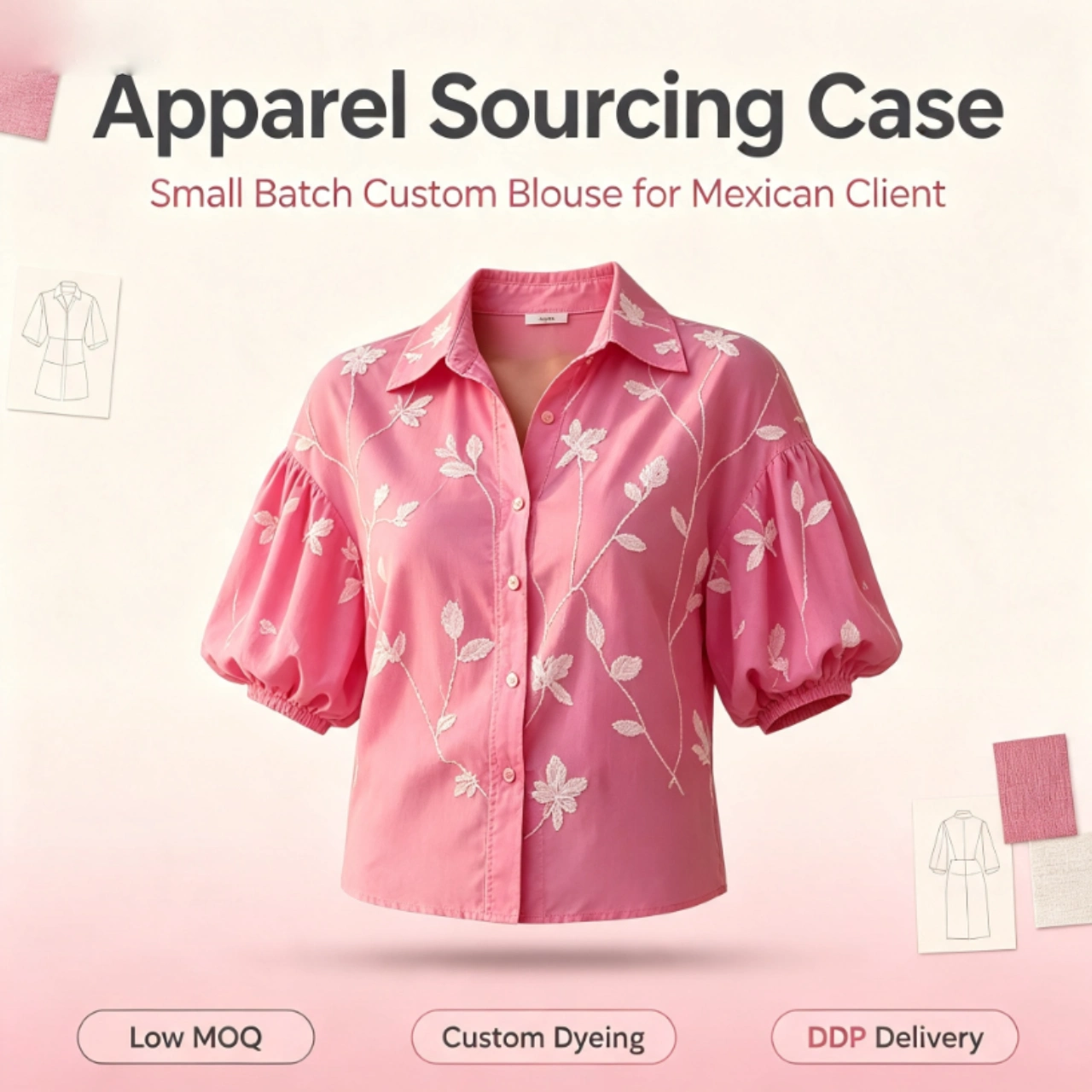
Most clothing manufacturers require minimum order quantities, although some factories offer lower MOQs for startups. For example, in sourcingyuan’s supply chain some factory only ask 50pcs to start up with customized design and private label.
Costs vary depending on product complexity, order quantity, materials, and manufacturing processes. Besides production costs, buyers should also consider sampling, quality inspection, shipping, and import duties.
Our Experience in Apparel Sourcing
At Sourcingyuan, we’ve worked with brands across multiple apparel categories, including fashion clothing, workwear, sportswear, promotional apparel, uniforms, and textile products.
Our team assists clients throughout the sourcing process—from product development and factory selection to quality control and international shipping. By working closely with manufacturers across China, we help businesses reduce sourcing risks and improve production efficiency.
About the Author
Jeff Lee
Founder of Sourcingyuan
Jeff Lee is the founder of Sourcingyuan, a China sourcing and product development company. With over 10 years of experience in sourcing, manufacturing, and supply chain management, he helps brands and startups develop products, source reliable manufacturers, and manage production across China.