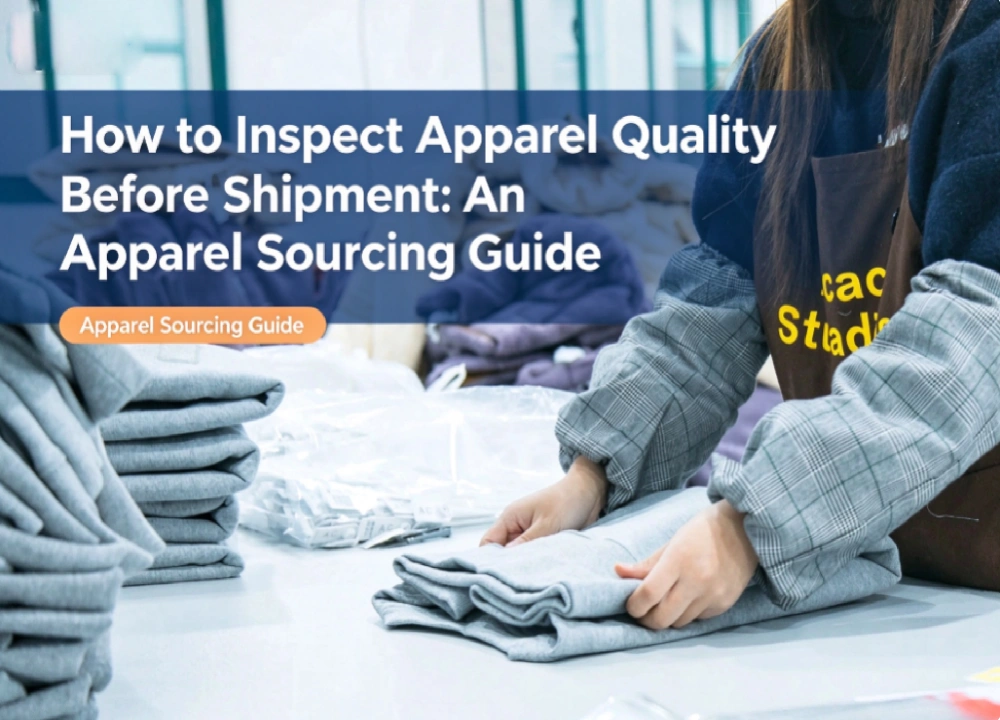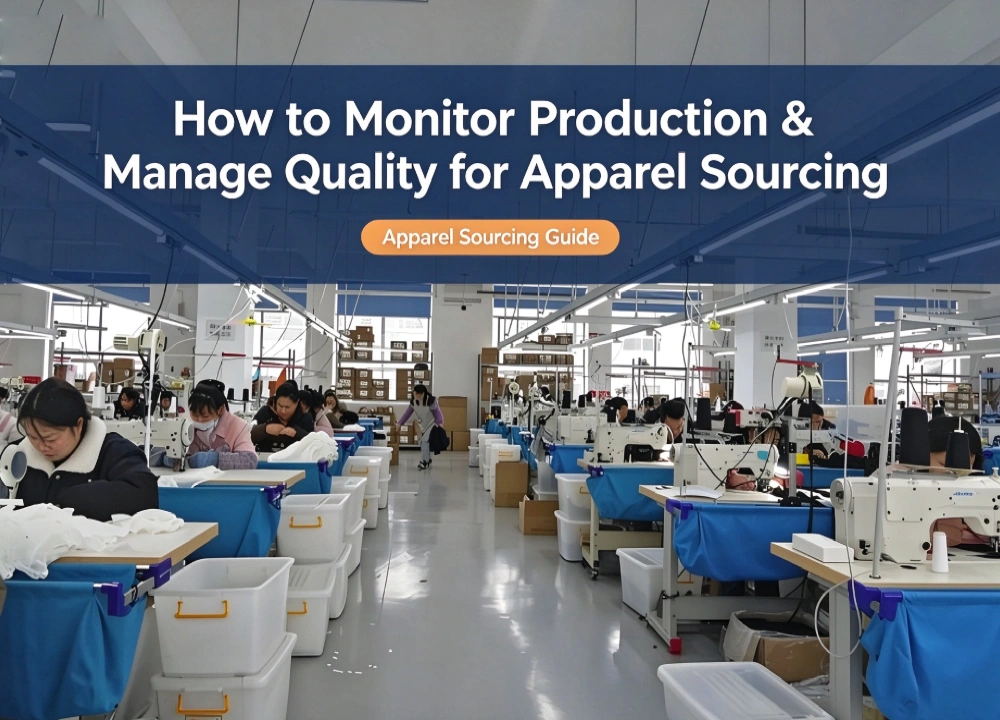
You have finalized your tech pack, selected a manufacturer, and approved the samples. Now production begins. This is where many apparel sourcing projects succeed or fail. The factory floor is where design intent meets manufacturing reality, and without active oversight, quality issues can escalate quickly.
This apparel manufacturing guide covers how to monitor production schedules, resolve manufacturing issues, and maintain quality throughout the production cycle. Written from a Guangzhou‑based sourcing perspective, it focuses on what buyers need to do during bulk production to protect their apparel sourcing orders.
Important practical reminder: Solid product development and detailed documentation set you up for trouble‑free bulk production. Learn more about design preparation in our dedicated article: Why a Tech Pack Is Essential for Successful Apparel Sourcing.
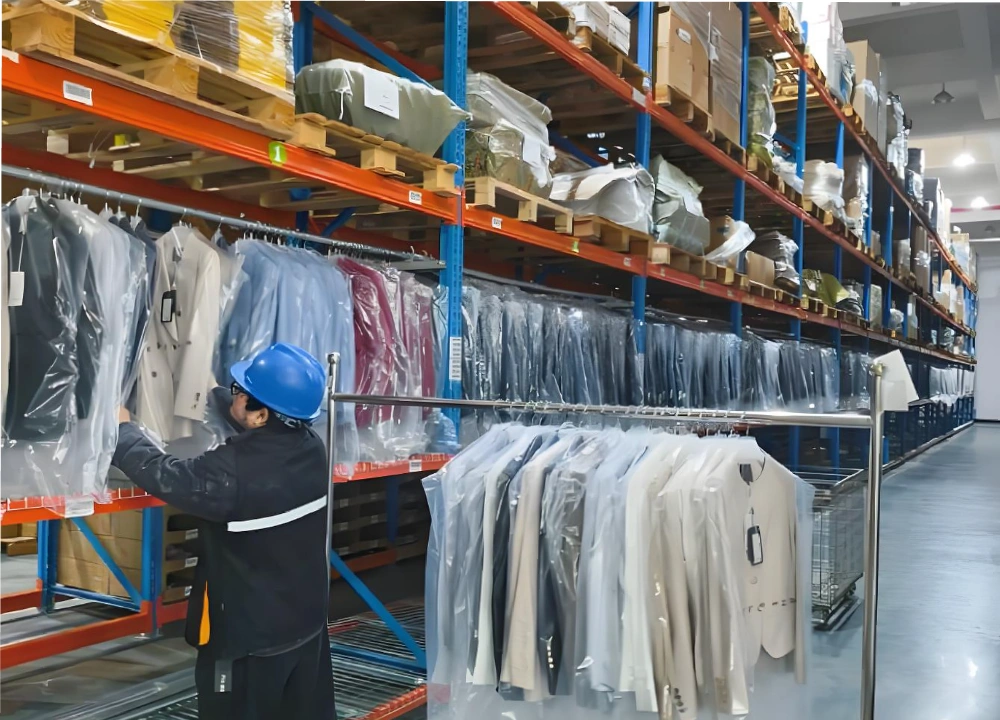
The Production Monitoring Framework
Effective production monitoring starts before the first piece is cut. A structured framework ensures you catch issues early, when they are cheapest to fix.
Step 1: Pre-Production Meeting
Before cutting begins, hold a pre-production meeting with the factory’s production manager, quality control team, and your representative. Review the tech pack, confirm fabric and trim availability, agree on quality standards, and establish inspection checkpoints. This meeting is often called “PPM” in the industry and should happen at least two weeks before the scheduled cutting date.
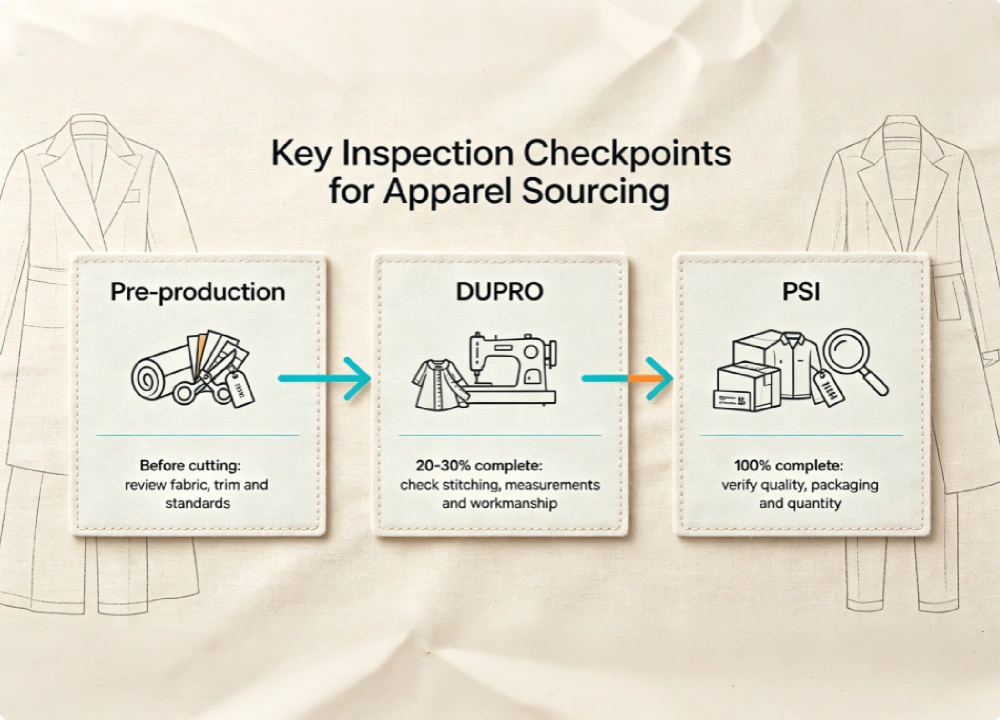
Step 2: Establish Inspection Checkpoints
| Checkpoint | Timing | What to Check |
|---|---|---|
| Pre-Production | Before cutting begins | Raw materials: fabric quality, color matching, accessories, labels |
| In-Line (DUPRO) | When 20-30% of production is complete | Construction, measurements, stitching, print/embroidery quality |
| Pre-Shipment (PSI) | After 100% of production is complete | Final quality, packaging, labeling, quantity verification |
Step 3: Assign Responsibility
For effective bulk production supervision, assign a specific person to oversee each checkpoint. Many buyers work with a local partner to manage this. At Sourcingyuan, we assign dedicated production coordinators who monitor factory schedules, attend in-line inspections, and report progress daily.
What to Monitor During Production
Production Schedule Monitoring
The typical production timeline for a standard garment order is 4-8 weeks from fabric cutting to shipment, depending on complexity. For custom fabrics or heavy embroidery, add 2-3 weeks.
A basic schedule should include:
Week 1-2: Fabric spreading and cutting
Week 2-4: Sewing and assembly
Week 4-5: Finishing (pressing, trimming, labeling)
Week 5-6: Quality inspection and packaging
When monitoring progress, check:
Has cutting started on time? Delays here cascade downstream.
Is the factory meeting daily sewing targets? Some factories report weekly progress; others use mobile apps for daily tracking.
Are finishing operations on schedule?
With the help of a digital system, managers can view real-time data on line output, defects, and progress without being physically present in the workshop.
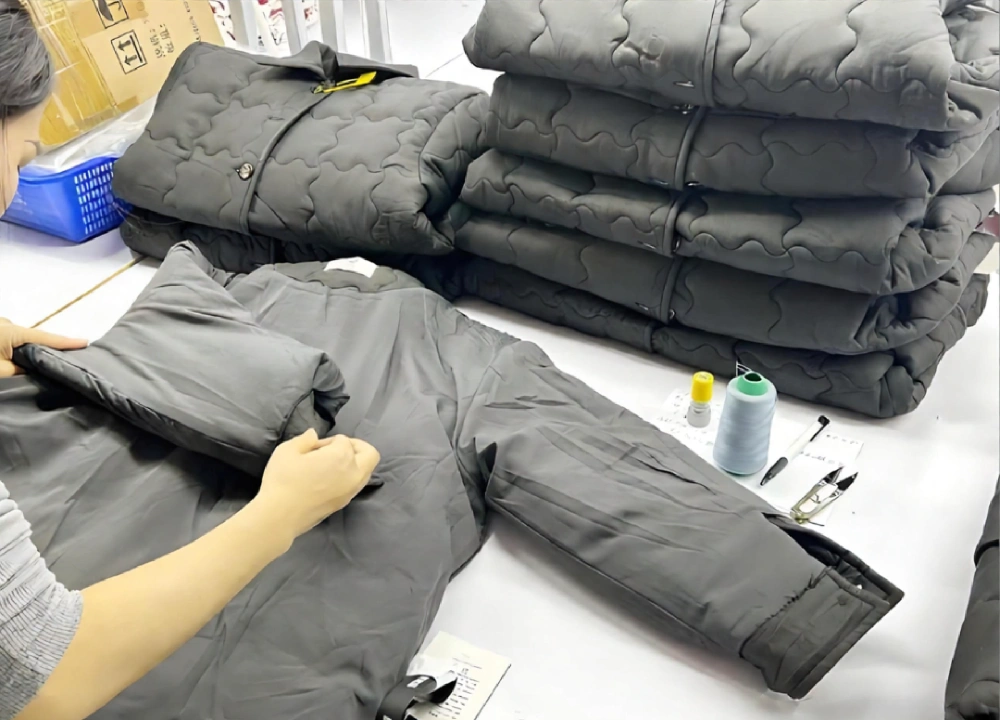
Common Manufacturing Issues
Even with careful planning, problems can arise during production. Common apparel production issues include:
| Issue Type | Examples | Prevention |
|---|---|---|
| Fabric defects | Shading variations, holes, stains | Inspect fabric before cutting; request shade bands |
| Construction issues | Broken stitches, seam puckering, skipped stitches | Check machines and thread tension during DUPRO |
| Measurement errors | Garments outside tolerance (±½ inch is typical) | Measure early samples and adjust patterns if needed |
| Color inconsistencies | Batch-to-batch shade variation | Request lab dips and maintain standards |
| Trim problems | Missing buttons, incorrect zippers | Count and verify trims before distribution to lines |
Important practical reminder: Raw material quality directly determines final garment performance. Learn more about material procurement in our dedicated article: How to Source Fabric for Your Clothing Line: A Step‑by‑Step Apparel Sourcing Guide.
Defects in garment production can lead to quality degradation, increased costs, shipment delays, and loss of goodwill. Proactive monitoring helps you catch these issues before they become shipment-blocking problems.
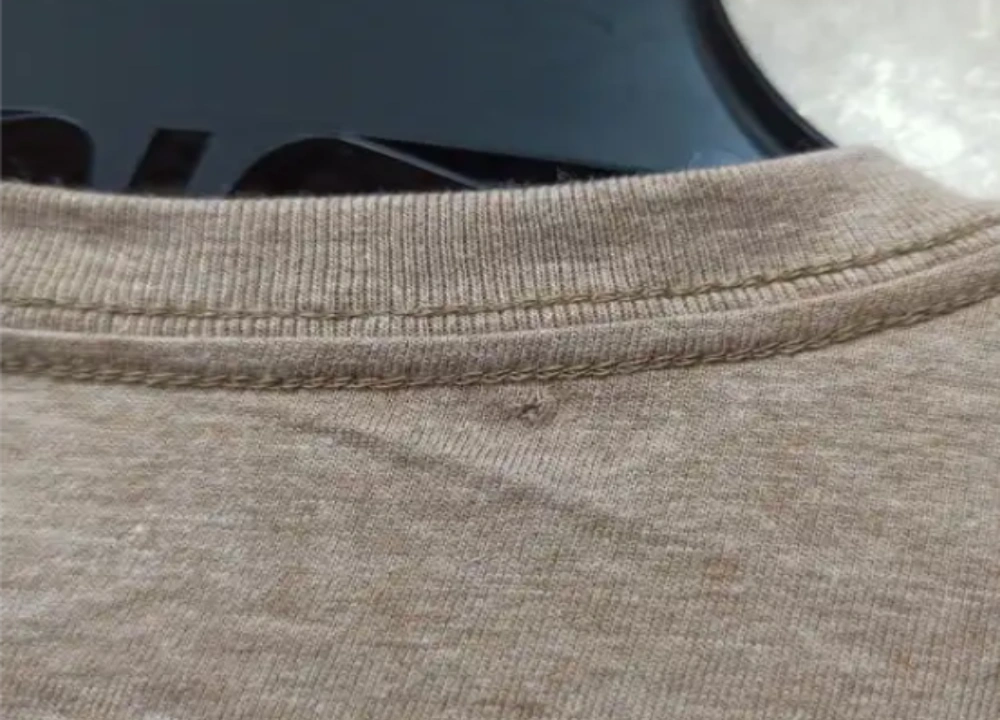
Quality Control Inspection Process
Types of Inspections
Fabric Inspection
Fabric quality is checked upon receipt using a fabric inspection machine with a light table. The widely followed 4-point system evaluates defects: a defect up to 3 inches receives 1 point; up to 6 inches, 2 points; up to 9 inches, 3 points; and over 9 inches, 4 points. Rolls exceeding 40 points per 100 square yards are typically rejected.
In-Line Inspection (DUPRO)
During production at 20-30% completion, inspectors check stitching quality, seam strength, measurement accuracy, and overall workmanship. Defects are marked with stickers for later rework. Inspectors will measure garment dimensions, verify color consistency, check for loose threads, untrimmed threads, and broken stitches—three of the most common quality defects.
Pre-Shipment Inspection
After production is complete, a final inspection verifies:
Garment weight and dimensions
Color accuracy (including Pantone matching)
Labeling and sizing correctness
Packaging and carton marking
Quantity verification against the order
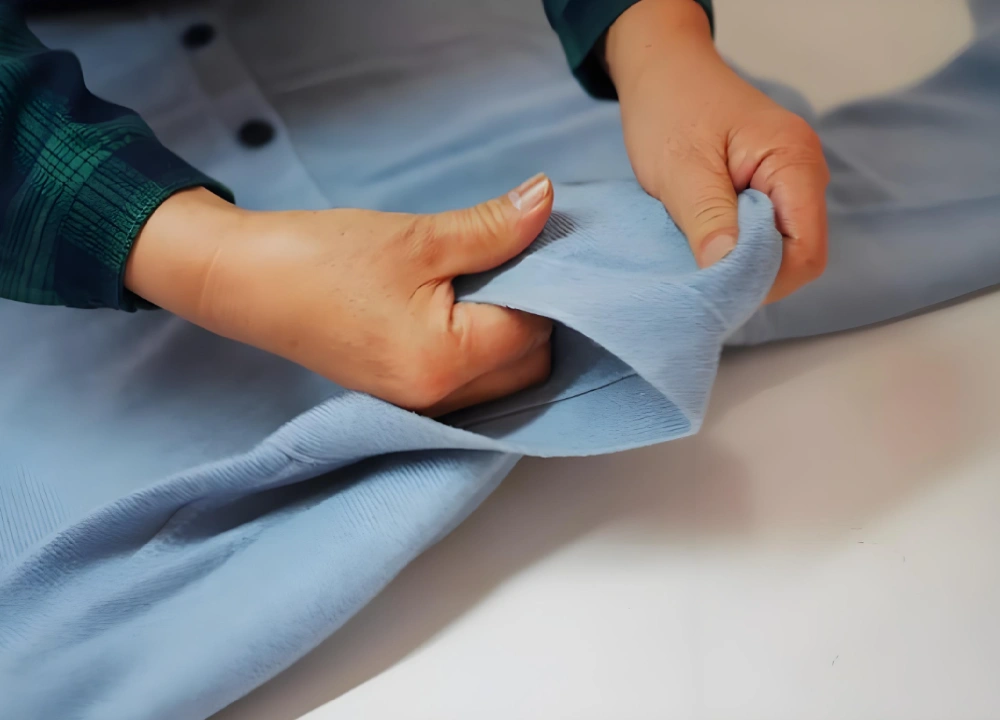
Quality Control Checklist Items
A garment quality control checklist typically covers:
Raw materials quality (fabric, dyes, accessories)
Stitching and seam strength
Embroidery or print quality
Garment sizing compliance
Proper assembly of components
Durability testing
Fit evaluation
Safety standards compliance
Label and tag accuracy
Packaging quality
Reducing Defect Rates
Most garment factories track defects and use tools like Pareto analysis to identify the most frequent problems. A study on an apparel factory found that “lack of policy deployment,” “absence of necessary accessories,” “lack of total productive maintenance,” and “lack of documentation in training” were primary causes of sewing line defects. Addressing these root causes is more effective than simply sorting out defective pieces.
At Sourcingyuan, we have found that clear communication on quality expectations before production starts—combined with regular on-site inspections—dramatically reduces rework and delays. This is a core principle of successful apparel sourcing.This proactive approach is essential for long-term supplier relationships.
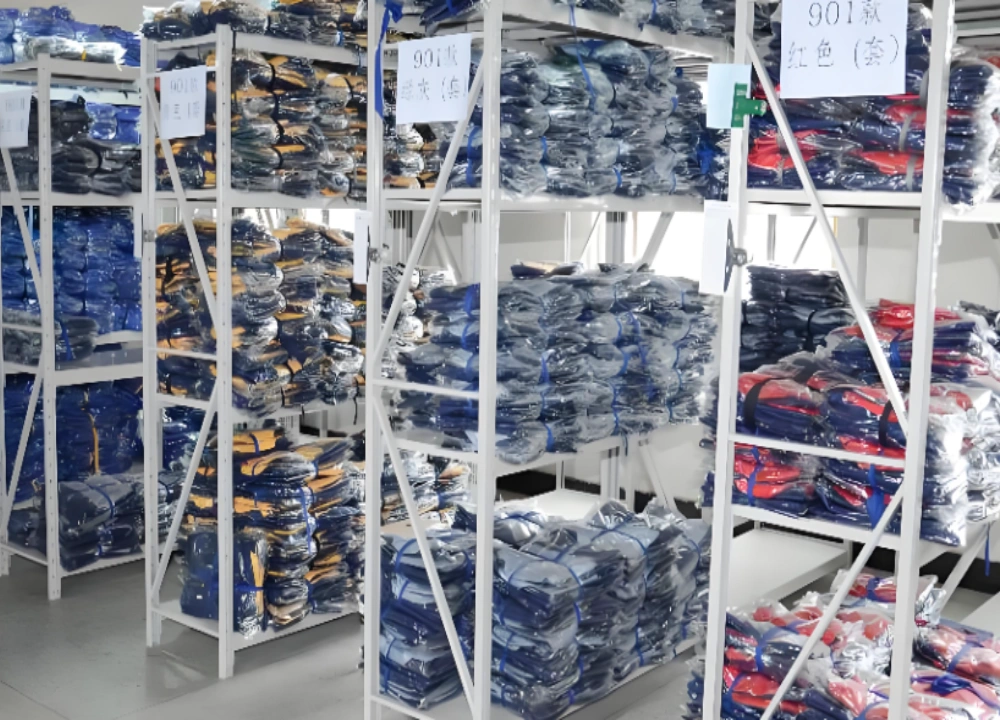
Factory Communication and Issue Resolution
Effective Communication Channels
Most factories use WeChat or WhatsApp for daily updates. For formal communication, use email with clear subject lines referencing your purchase order number. Schedule weekly video calls during the first production run to review progress.
What to ask in weekly calls:
“What is the current production percentage against target?”
“Are there any material shortages?”
“Have any quality issues been identified?”
Creating a Corrective Action Plan
When defects are found in your apparel sourcing orders, work with the factory to document the issue and agree on a solution. Use this framework:
Identify the root cause (machine, material, method, or human)
Implement immediate correction (rework affected units, adjust settings)
Prevent recurrence (update SOP, retrain staff, inspect earlier)
For more serious quality concerns, a supplier improvement program can be established to track performance over time. According to QIMA’s case study experience, when garment retailers worked with suppliers on structured improvement for apparel sourcing, defect rates decreased more quickly compared to factories that were not part of a formal program.
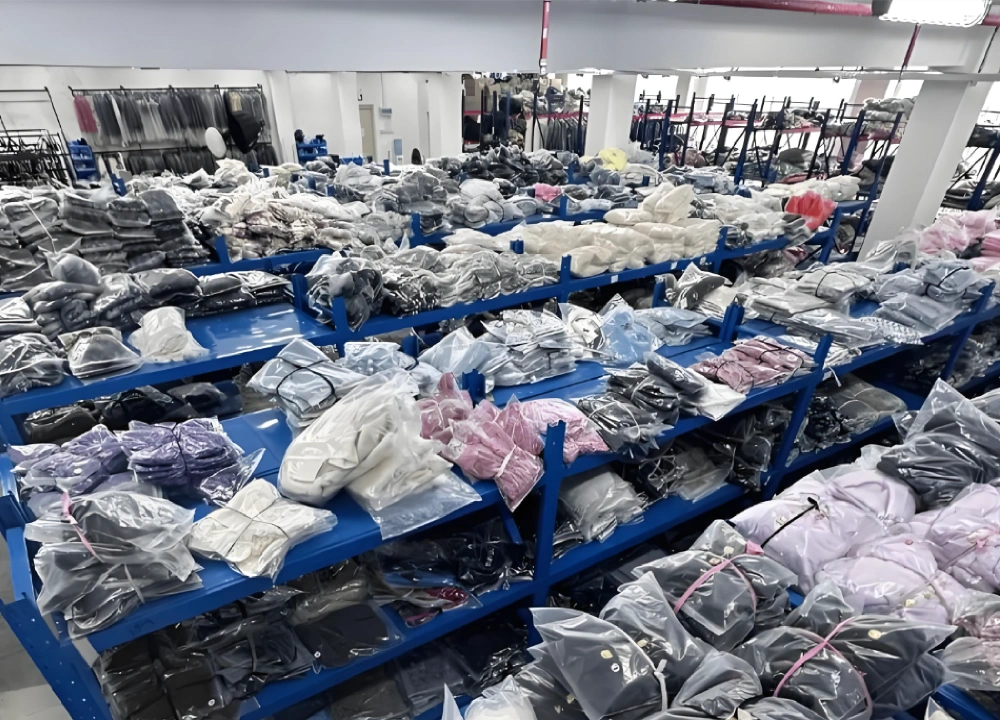
Technology in Production Monitoring
Digital tools are transforming production oversight in the apparel industry. Modern garment production management systems for apparel sourcing provide:
Real‑time production tracking through mobile reporting, eliminating paper‑based follow‑ups
Automatic alerts for material shortages to prevent production stoppages
Online quality records that trace defects to specific machines or workers
Better coordination with subcontracting factories via dedicated portals
One Chinese factory reported that after implementing a digital system, “production scheduling efficiency was greatly improved” and managers could “check the actual output of each production line and employee output data anytime, anywhere” from their phones.
The Bottom Line
Monitoring production and managing quality for apparel sourcing requires planning, regular communication, and structured inspections. The goal is to catch issues early, when they are inexpensive to fix. A well-organized production monitoring process—including pre-production meetings, in-line inspections, and final checks—can significantly reduce defects and delays.
Working with a local partner can simplify production management. At Sourcingyuan, we handle production coordination, quality control, and issue resolution on behalf of our clients. We also find that a China sourcing company with good local relationships can resolve many manufacturing issues quickly, reducing the need for last-minute interventions.
About the Author
Jeff Lee
Founder of Sourcingyuan
Jeff Lee is the founder of Sourcingyuan, a China-based sourcing and product development company. He has more than 10 years of experience helping overseas businesses source products, develop new products, identify reliable manufacturers, manage production, and build supply chains in China.
Apparel Sourcing Guides:
📝Product Development
→ How to Develop a Clothing Product
🏭Supplier Sourcing
→ How to Find Reliable Clothing Manufacturers
⚙️Production & Quality
→ How to Monitor Production and Manage Quality for Apparel Sourcing
📚Fabric Sourcing
→ How to Source Fabric for Your Clothing Line
✅Full-cycle support: Contact SourcingYuan
Share This Story, Choose Your Platform!
We connect you with reliable factories, get the best quotes, deliver straight to your door.