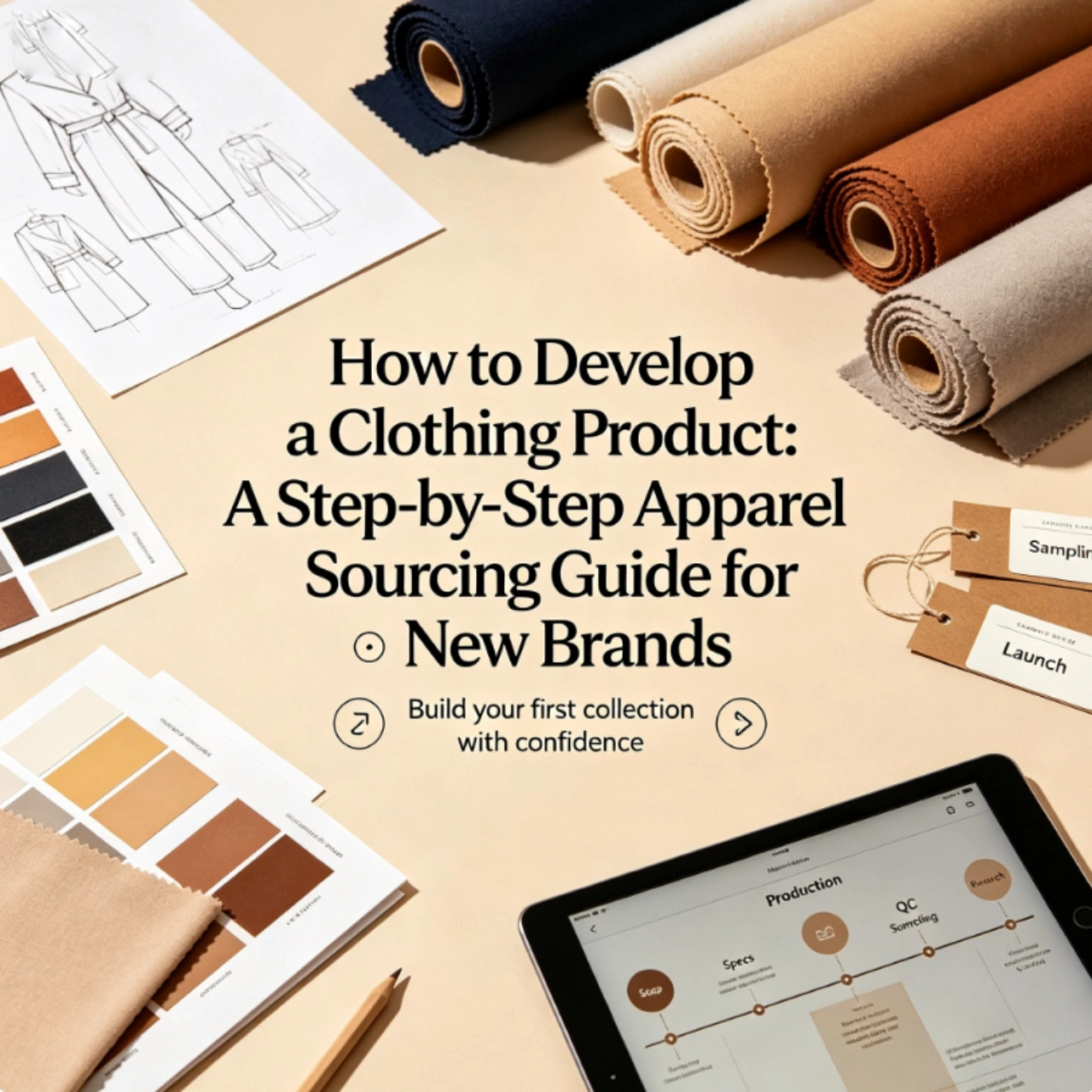
Starting a clothing brand is an exciting journey, but it requires more than just creativity and a passion for fashion. Many new designers focus heavily on the design and inspiration aspects, often overlooking the crucial business and sourcing realities that determine whether a brand survives its first few years. The global apparel market presents enormous opportunities, but success comes from structured execution.
This apparel sourcing guide walks you through the entire clothing development step by step, from concept to your first collection, helping you navigate the process with clarity and avoid common mistakes.
Step 1: Define Your Brand Identity and Niche
Before you sketch a single garment, you must define what your brand stands for. In a crowded market, trying to appeal to everyone is a recipe for failure. Strong brands are built around a specific identity—whether that’s streetwear, sustainable basics, premium essentials, or performance wear.
Key questions to answer:
Who is your target customer? Be specific about their age, income, lifestyle, and values.
What problem does your brand solve? Are you offering better quality basics, sustainable streetwear, or inclusive sizing?
What makes you different? “Better quality” or “unique designs” are not differentiators—dig deeper to find your unique angle.
A clear brand concept guides every decision you’ll make later: fabric choices, pricing strategy, manufacturer selection, and marketing tone.

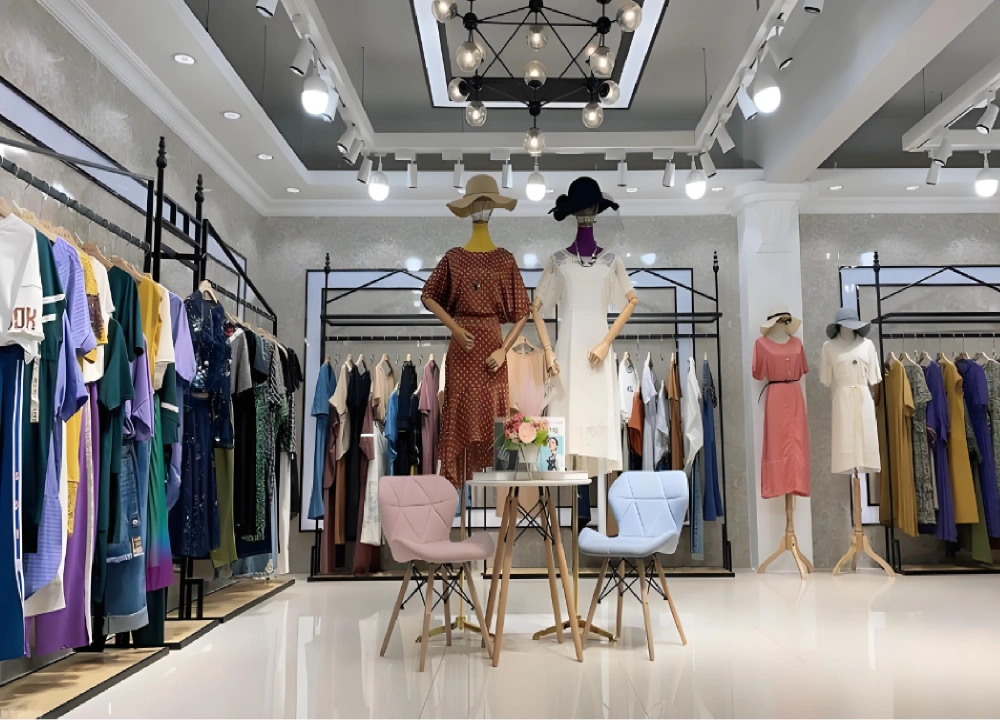
Modern apparel retail store after apparel sourcing bulk production
Step 2: Create a Comprehensive Business Plan
A fashion brand needs to be run as a business from day one. A solid business plan serves as your roadmap, outlining your mission, market analysis, product line, pricing strategy, and financial projections. Solid fashion product development starts with understanding your financial foundation.
Key elements to include:
Executive Summary: A concise overview of your brand concept and goals.
Market Analysis: Define your target market and analyze your competitors. Identify gaps in the market that your brand can fill.
Marketing and Sales Plan: Detail how you will reach customers and achieve sales targets.
Financial Plan: Estimate your startup costs and create realistic revenue projections. Base these on benchmarks, not just optimism, by creating pessimistic, realistic, and optimistic scenarios.

Fashion brand business plan market analysis and cost budget with apparel sourcing cost breakdown
Step 3: Design Your First Collection
Start small. Many new brands make the mistake of trying to launch with a full range of 20+ styles. Instead, focus on a core collection of 2 to 5 styles and execute them well.
Why start small?
Each style requires sampling, which costs money and time.
Each style has a minimum order quantity, increasing your inventory risk.
More styles mean more complexity in sourcing, production, and quality control.
Focus on your hero product—the one item that defines your brand—and make that perfect first. This approach simplifies clothing sourcing significantly.

Lee at the clothing wholesale market
Step 4: Develop a Detailed Tech Pack
Your tech pack is the blueprint your manufacturer uses to produce your garment. It is the single most important document in the production process. Without a clear tech pack, you leave manufacturers to guess, leading to costly errors and inconsistent products. Think of it as the foundation of your clothing product development.
At minimum, your tech pack must include:
Technical sketches: Showing front, back, and side views of the garment.
Measurement chart: Detailed size specifications.
Fabric specifications: Material type, composition, and weight (GSM).
Color references: Use Pantone codes for consistency.
Trim details: Specifications for zippers, buttons, labels, and threads.
Construction notes: Seam types and finishing requirements.
If you don’t have the skills to create one, you can hire a freelance technical designer or work with a sourcing partner who can help you develop it based on a reference garment and your descriptions.
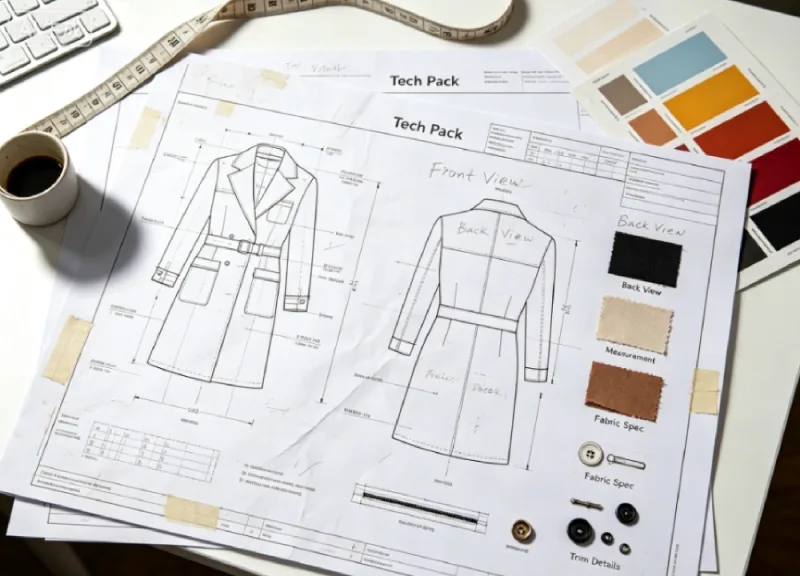
Detailed garment tech pack template for apparel sourcing and mass clothing manufacturing
Step 5: Find and Vet Manufacturers
This is the most critical apparel sourcing step. Where you look and how you vet potential partners will determine your product’s quality and your brand’s reliability. For brands that don’t have a dedicated team in China, working with a China sourcing company can provide the local expertise needed to navigate the manufacturing landscape effectively. And when you do find the right partner—whether a manufacturer directly or a sourcing company—that relationship can make or break your brand.
Where to start?
Direct outreach: Research factories in your target region and contact them directly.
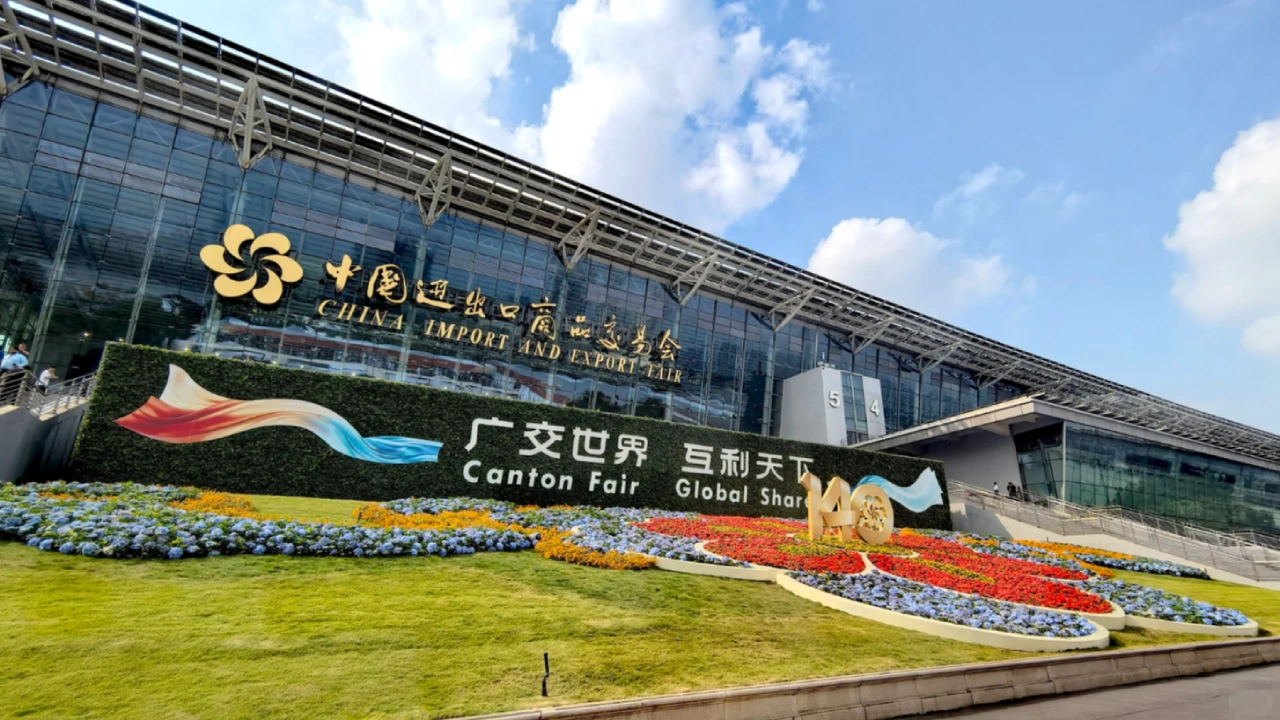
Trade shows: Events like Première Vision, Texworld, or the Canton Fair in Guangzhou offer direct access to hundreds of suppliers.
Online B2B platforms: Alibaba.com is widely used, but always confirm if the supplier is a manufacturer or a trading company.
Networking: Word-of-mouth from other brand founders is often the most reliable way to find genuine partners.
What to look for:
Minimum Order Quantities (MOQs): Look for suppliers with MOQs that match your budget. Many startup-friendly suppliers offer flexible MOQs for new brands.
Certifications: Look for recognized certifications like OEKO-TEX (chemical safety), BSCI/WRAP (social compliance), and ISO 9001 (quality management).
Communication: Suppliers who respond quickly and answer technical questions thoroughly are more likely to be professional and reliable.
Pro Tips for Verification:
1.Request samples. Never go to production without evaluating physical samples. Samples are a cheap investment compared to a bad bulk order.
2.Conduct a supplier audit. If you can’t visit the factory, request a live video tour to inspect the facilities, machinery, and working conditions.
3.Check references. Ask for and contact references from other brands they’ve worked with.

Apparel Sourcing Garment Hanging Conveyor Production Line
Step 6: Manage Sampling and Production
The Sampling Process: This is a non-negotiable step. You will typically go through several rounds. Understanding this clothing development step by step ensures a smoother production process.
| Sampling Stage | Purpose | What to Check |
| Prototype Sample | First version to test design and fit | Overall shape, fabric drape, basic construction |
| Fit Sample | Revised version focusing on construction | Measurements, seam quality, sizing accuracy |
| Pre-Production Sample | Final version using production materials | All details match your tech pack exactly |
Quality Control:Build quality checks into every stage of production: pre-production (before cutting), in-line (during manufacturing), and final inspection before shipping. This is your last line of defense against costly defects. Consistent quality is what separates successful clothing sourcing from failed attempts.
Red Flags to Watch For:
Unwillingness to share client references
Prices that seem unusually low
Vague communication about timelines
Pressure to skip sampling
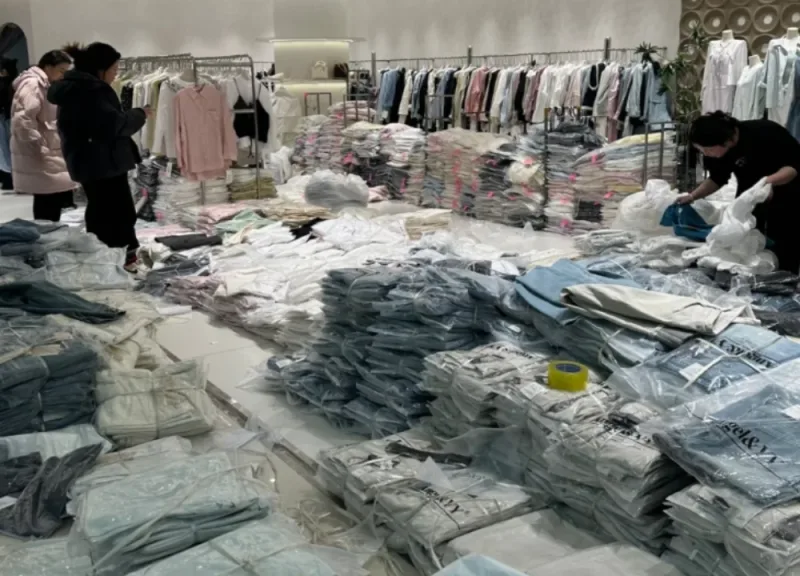
Apparel Sourcing Finished Apparel Sorting & Packing Workshop
Step 7: Plan Your Launch and Marketing
With your finished product ready, focus on a structured launch rather than rushing it. Start preparing well in advance.
E-commerce: Build your online store on a platform like Shopify, ensuring it’s mobile-friendly and uses high-quality product photos.
Marketing: Start with organic strategies like social media engagement and email newsletters. Work with micro-influencers who have high engagement, and create teasers and pre-orders to build momentum.
Pricing: Ensure your pricing leaves room for marketing, returns, and unexpected costs. Don’t underprice—new brands often make this mistake.
Common Mistakes to Avoid
| Mistake | Why It’s a Problem |
| Starting without product clarity | Trying too many styles at once leads to confusion and poor execution |
| Ignoring fabric quality | Low-quality fabric results in returns and negative reviews |
| Skipping proper sampling | This leads to bulk production issues that are expensive to fix |
| Focusing only on price | Cheaper production often leads to higher long-term costs |
The Bottom Line
Starting a clothing brand requires more than creativity. It requires structured execution. From fabric selection to sampling and bulk production, every step affects the final product. This apparel sourcing guide has shown you the path—now it’s up to you to follow it.
Brands that succeed are the ones that take time to develop their product properly, work with the right manufacturing partners, and maintain consistency in quality. Whether you’re sourcing from clothing manufacturers China or elsewhere, the fundamentals of apparel manufacturing China remain the same: quality materials, clear specifications, and reliable partners. Successful fashion product development is built on these principles, not shortcuts.
If you approach the process with clarity and patience, you can build a brand that grows sustainably.
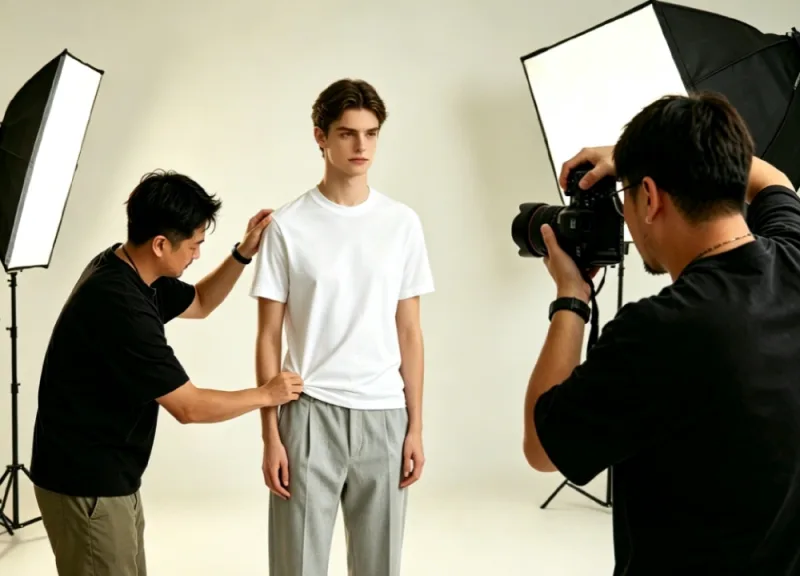
Fashion models are being photographed in a studio
About the Author
Jeff Lee
Founder of Sourcingyuan
Jeff Lee is the founder of Sourcingyuan, a China-based sourcing and product development company. He has more than 10 years of experience helping overseas businesses source products, develop new products, identify reliable manufacturers, manage production, and build supply chains in China.
Share This Story, Choose Your Platform!
We connect you with reliable factories, get the best quotes, deliver straight to your door.