
A tech pack (short for technical package) is the blueprint for your garment. It contains all the technical information a manufacturer needs to bring your design to life: fabric type, stitching methods, measurements, trim placement, and packaging instructions . Without one, production becomes a guessing game—and in apparel sourcing, guessing is expensive.
The objective of a clothing tech pack is simple: ensure your collections can be produced without guesswork . For fashion brands and startups, this document is the single most important tool for successful apparel sourcing.
The Tech Pack as Your Production Manual
A tech pack acts as a comprehensive production manual. It guides every stage of the process—from design and material sourcing through sampling and manufacturing . It ensures that each team involved has access to the same shared source of truth, which is critical for maintaining consistency across the entire production cycle.
| Why a Tech Pack Matters | What It Solves |
| Reduces mistakes and improves communication | Eliminates guesswork, especially across language barriers and time zones |
| Acts as a shared production manual | Every department references the same instructions, ensuring consistency |
| Speeds up sampling and reduces lead times | Factories can prepare resources and personnel without delays |
| Provides precise cost estimation | Accurate quotes on materials, components, and labor |
| Creates a quality control reference point | Enables comparison between the product sample and the specifications |
A complete garment tech pack typically includes several critical sections. While a spec sheet focuses only on measurements and technical data, the full tech pack is more comprehensive, containing 10 to 20 pages of detailed information, including grading sheets, order forms, fabric requirement charts, and mockups . This detail dramatically reduces room for error and ensures the final product meets expectations .
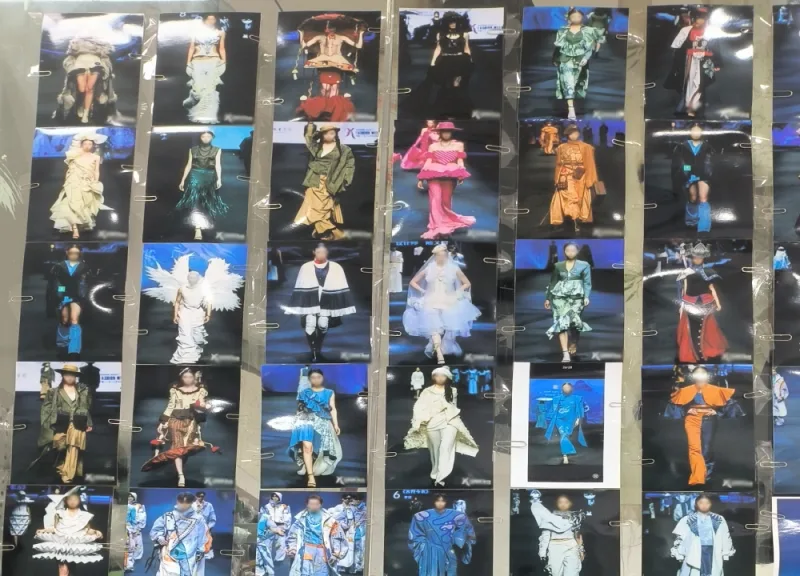
Apparel Sourcing Fashion Design Reference Wall For Custom Garment Development
Communication and Quality Control
Tech packs are the bridge to successful communication between manufacturers and designers, especially when producing goods abroad . A strong fashion tech pack is considered a universal system for maintaining quality control despite language barriers, cultural differences, and time zone challenges .
For quality assurance, the tech pack serves as the reference point. Throughout the sampling rounds, you can:
- Evaluate material composition and structural integrity
- Check measurements against the spec sheet
- Verify all construction details meet standards
- Identify deviations and request corrections immediately
This process is essential for controlling apparel production quality and ensuring consistency across every unit produced .
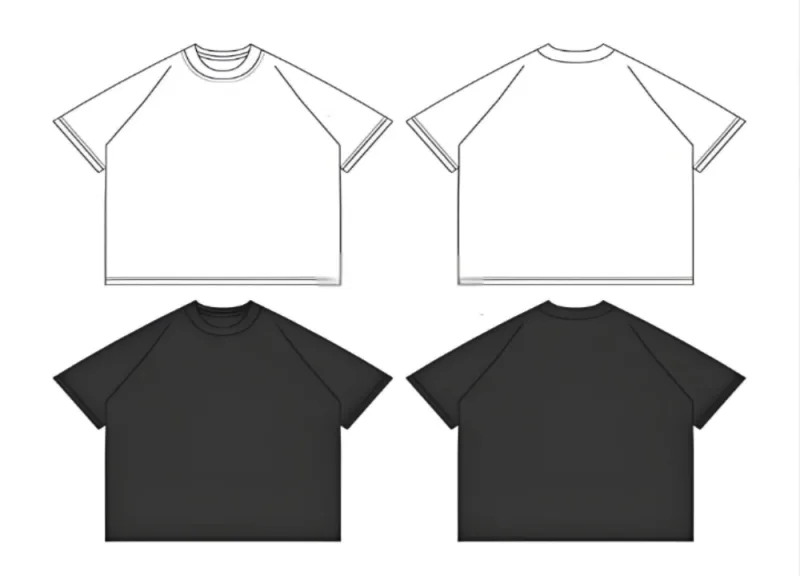
Technical package for apparel sourcing
Digital Tech Packs in Modern Apparel Manufacturing
Digital tech packs are revolutionizing how brands and manufacturers manage production. They are replacing static PDFs with cloud-based, interactive documents that can be updated in real time . This evolution is central to efficient clothing manufacturing, as it maintains a single source of truth that prevents costly version-control errors .
The advantages of digital tech packs for clothing over traditional documents include:
| Feature | Traditional PDF Tech Pack | Digital Tech Pack |
| Version Control | Multiple email versions, confusion | Single cloud source of truth |
| Measurement Standards | Inches vs. cm ambiguity | Units locked to platform settings |
| Construction Callouts | Static annotations | Interactive 3D views |
| Revision Tracking | Manual document versioning | Automatic version history |
| Factory Feedback | Email chains lose context | In-platform comments with timestamps |
A modern clothing tech pack guide will emphasize that 38% of production delays in global apparel manufacturing stem from tech pack misinterpretation, costing brands an average of 12–18 days per sampling cycle . Digital tech packs significantly reduce this error rate, but they cannot instantly eliminate misinterpretation—successful implementation requires technical literacy, standardized workflows, and iterative feedback loops.
However, even the most detailed digital tech pack requires proper communication on the ground. A China sourcing company can help bridge the gap between your digital specifications and the factory floor—ensuring that your tech pack is not just sent, but properly understood and executed.

Traditional PDF tech pack vs interactive digital tech pack to improve efficiency in apparel sourcing
Key Components of a Tech Pack
A comprehensive tech pack includes detailed information that covers every aspect of the garment’s production. The core components of a complete tech pack for clothing include :
Flat Sketches: Detailed, black-and-white drawings showing front, back, and side views of the garment, highlighting the design’s silhouette, seams, and details.
Bill of Materials (BOM): A list of every component needed to produce the garment, including fabric type and weight (GSM), trims, buttons, zippers, labels, and packaging .
Measurement Specifications (Spec Sheet): Exact garment dimensions for each size, including grading rules for how measurements change across sizes.
Construction Details: Specific instructions on stitching types, seam placements, finishing methods, and wash processes.
Colorways: Details of each color option, referenced using Pantone codes for accuracy .
Labeling and Packaging: Placement guidelines for brand labels, care labels, hang tags, and packaging requirements.
For international production, the tech pack should also specify units of measure, color codes, and packaging requirements to minimize ambiguity for factories .
Why You Can’t Afford to Skip a Tech Pack
Creating a detailed tech pack is not optional for successful apparel sourcing—it’s essential.
Without one, you risk:
Overlooking important details
Decreased quality control
Potential financial losses due to corrections or reworks
Your design being altered or delivered incorrectly
Receiving wrong colors, textures, cuts, or insufficient materials
Reusing tech packs is also an efficient way to launch future collections—adjusting minor elements while maintaining the core specifications allows you to save time and resources .
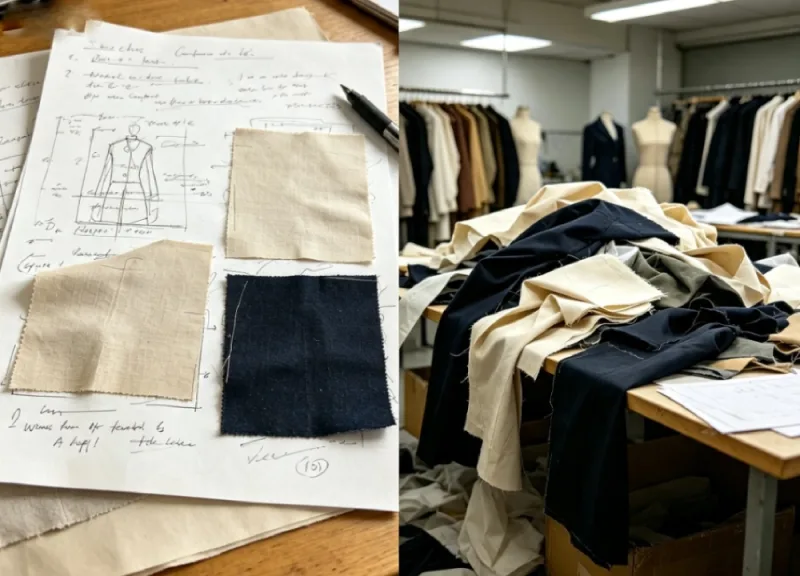
Costly production mistakes caused by missing detailed tech pack in apparel sourcing projects
Making a Professional Tech Pack
For new brands, working with a professional tech pack designer or using specialized software can ensure your document meets industry standards. A well-structured spec sheet and tech pack are considered a contract between the brand and the manufacturer, protecting both parties and ensuring that the final product matches the original design intent.
One final example: A Melbourne-based fashion startup spent two months building a detailed tech pack for their debut five-style collection to streamline their apparel sourcing. Their Guangzhou manufacturer delivered initial samples with zero revisions — every measurement, stitch, and label placement matched the specifications perfectly. The brand kicked off bulk production three weeks ahead of schedule. Their founder later commented: “The time we invested in the tech pack was the best investment we made in our first year.”
By contrast, many similar new brands face multiple rounds of sample changes and costly production delays due to vague, incomplete technical documentation. This real-world case clearly demonstrates how thorough tech pack documentation eliminates miscommunication and risk during global apparel sourcing.
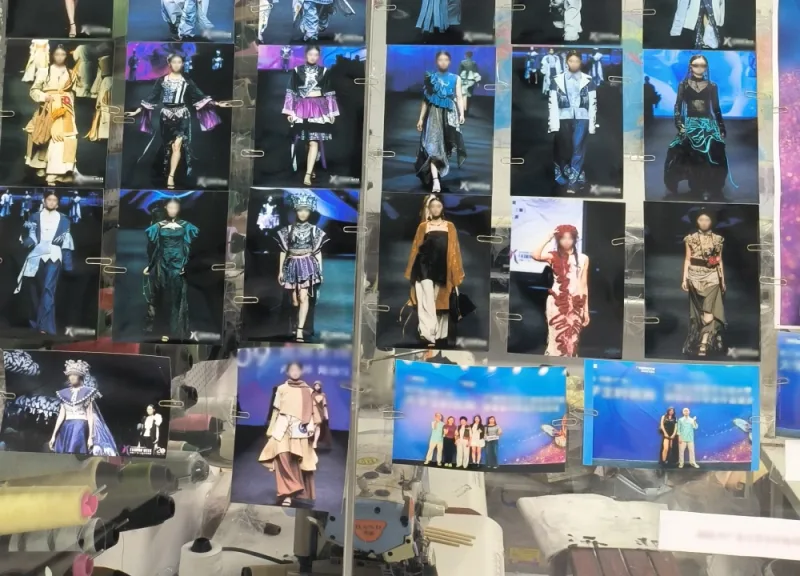
Apparel Sourcing Fashion Design Reference Wall For Custom Garment Development
FAQ
What is a tech pack?
A tech pack, short for technical package, is the blueprint for your garment. It outlines every detail a manufacturer needs to bring your design to life, including fabric type, stitching methods, measurements, trim placement, and packaging .
Why is a tech pack important for apparel sourcing?
A tech pack is important because it reduces errors and improves communication, acts as a production manual, reduces lead times, and serves as a reference point for quality control .
What is the difference between a tech pack and a spec sheet?
A spec sheet focuses on measurements and technical data. A tech pack is more comprehensive, containing the spec sheet plus additional information like grading sheets, order forms, fabric charts, and construction details .
How many pages is a tech pack?
A standard tech pack is typically 10 to 20 pages long, containing all the detailed information needed for production .
What are the essential components of a tech pack?
Essential components include flat sketches, a bill of materials (BOM), measurement specifications (spec sheet), construction details, colorways (Pantone codes), and labeling/packaging instructions .
How much does a tech pack cost?
The cost varies significantly based on garment complexity and designer experience. A basic tech pack for a simple garment might cost $50–$500, while a professional tech pack from an experienced U.S. designer could cost $500–$2,000 .
Why should I use a digital tech pack instead of a PDF?
Digital tech packs provide a single source of truth for all stakeholders, eliminate version control errors, offer interactive 3D views for clarity, and enable real-time collaboration and feedback .
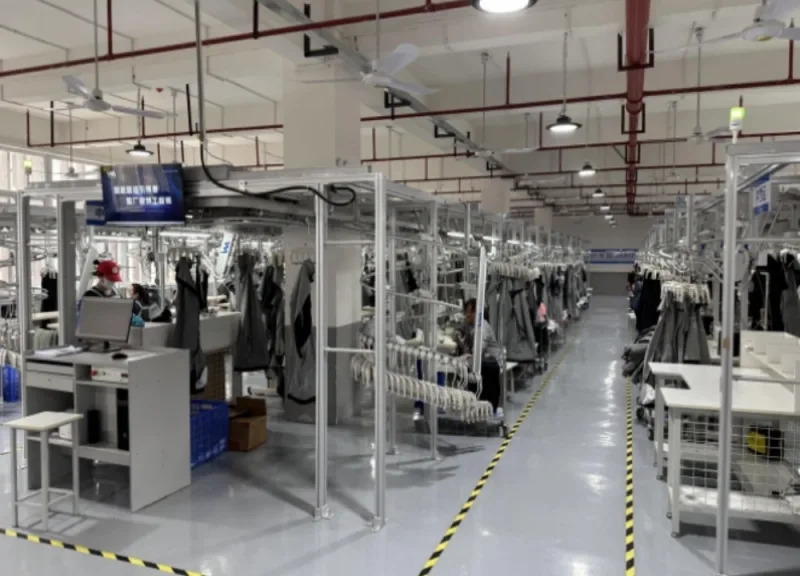
clothing customization automated garment hanging production line
The Bottom Line
In apparel manufacturing, a detailed tech pack is essential for successful apparel sourcing. It reduces errors, saves time and money, facilitates accurate pricing and quality control, and ensures the final product matches your creative vision.
Investing time upfront in developing a comprehensive tech pack is an investment in the success of your brand. It turns your design from an idea into a clear, manufacturable product, preventing misunderstandings that often lead to expensive revisions, material waste, and lost time .
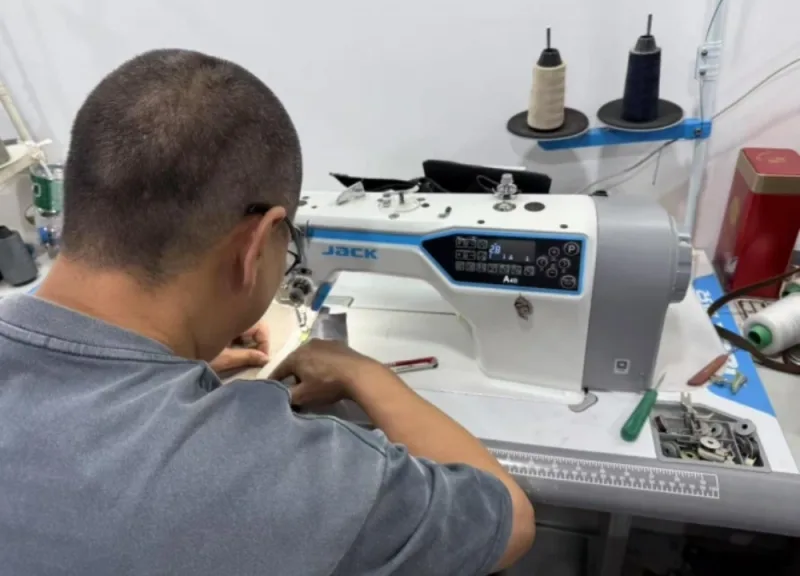
Textile Factory Worker Operating Industrial Sewing Machine for Garment Stitching
About the Author
Jeff Lee
Founder of Sourcingyuan
Jeff Lee is the founder of Sourcingyuan, a China-based sourcing and product development company. He has more than 10 years of experience helping overseas businesses source products, develop new products, identify reliable manufacturers, manage production, and build supply chains in China.
Share This Story, Choose Your Platform!
We connect you with reliable factories, get the best quotes, deliver straight to your door.