Get a fabric knowledge in 30 seconds
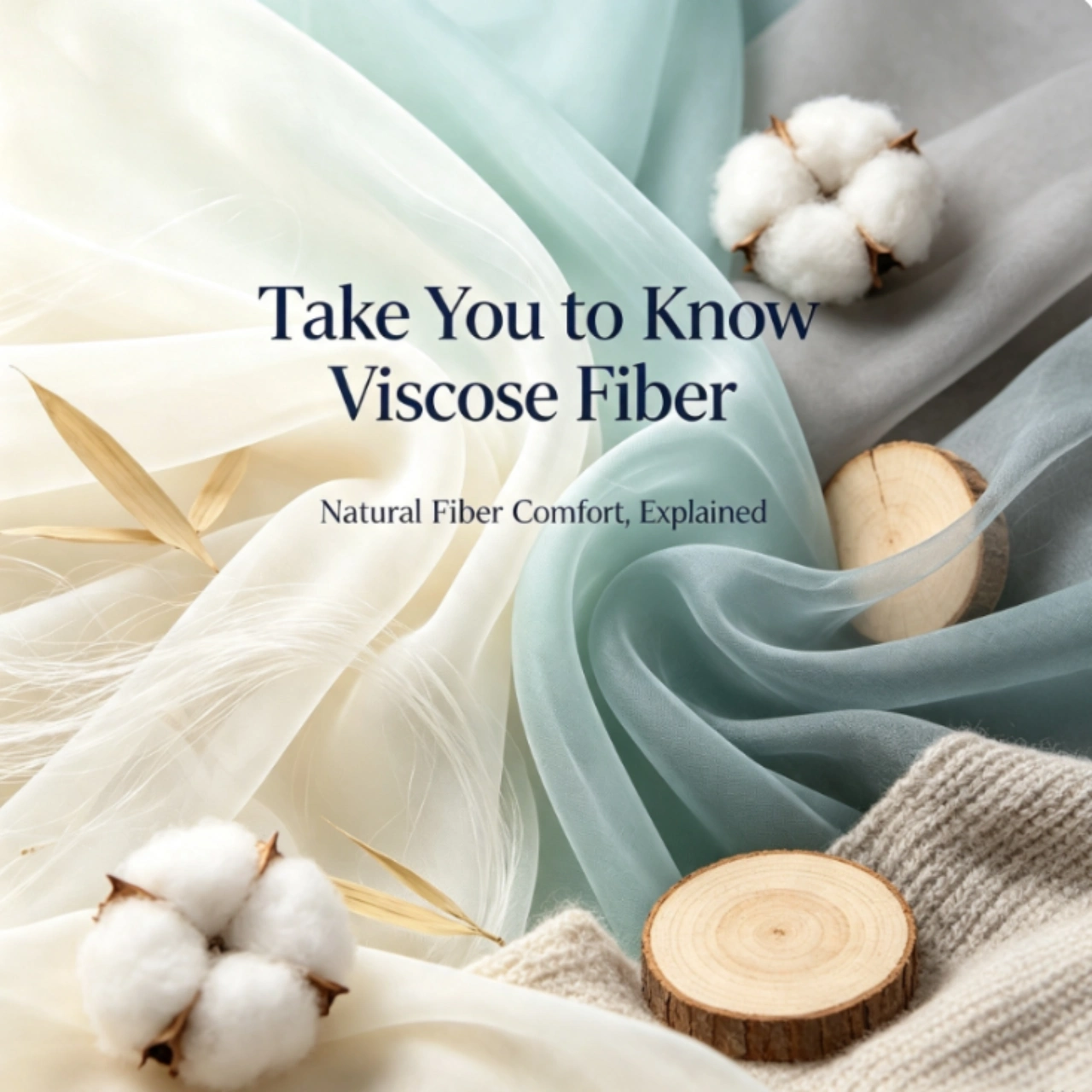
Viscose fiber, also commonly known as Rayon, is a practical and cost-effective man-made fiber widely applied in the textile industry.
It features three core advantages: Natural Material, Cool & Breathable, and Moisture Absorbent, making it a popular textile material with excellent comprehensive performance.
What is Viscose Fiber
The main raw materials of viscose fiber are natural plants such as wood, cotton linter, and bamboo. Through chemical reactions, natural cellulose is separated and regenerated; the cellulose is dissolved and then respun into fibers. Because the raw materials are natural and the touch is similar to cotton and linen, it is usually classified as a “man-made fiber”.
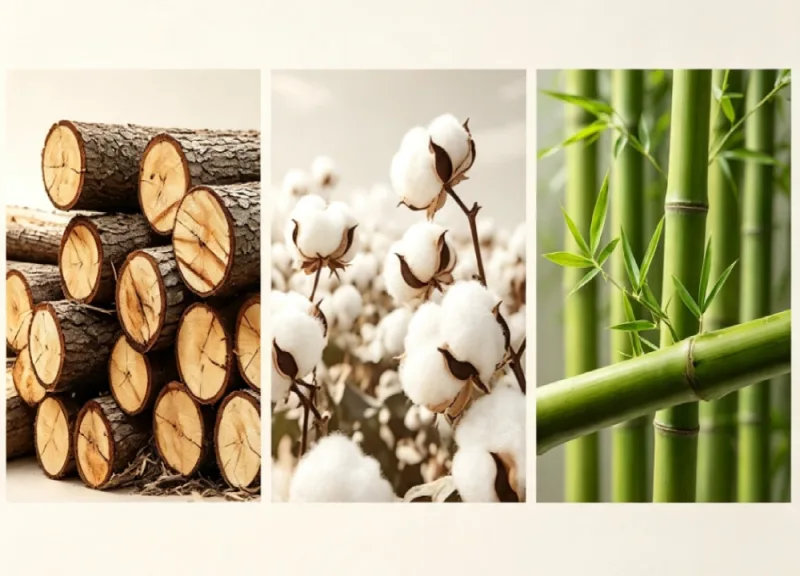
Viscose Fiber Natural Raw Materials (Wood, Cotton Linter, Bamboo)
The biggest selling point of viscose fiber is the combination of “comfort” and “affordability”. At an accessible price, it offers softness, breathability, and drape comparable to natural fibers, making it a preferred material for those seeking high cost-effectiveness and ultimate comfort.
“粘胶纤维” (Viscose Fiber) is a type of rayon. The term “尖端领域” in this context refers to advanced or high-tech applications (e.g., medical, aerospace, or smart textiles).
Main Types of Viscose Fibers
Viscose fiber has diverse types with different performances and application scenarios, and the main categories are as follows:
Ordinary Viscose Fiber: The most common type; soft with good drape, moisture-absorbent and breathable, low cost, and a mainstay of daily textiles.
High Wet Modulus Viscose Fiber: Such as “Fortisan fiber”; through process improvements, it has higher strength in wet conditions and lower shrinkage, making fabrics stiffer and more durable. “富强纤维” (Fuqiang Fiber) is the Chinese trade name for High Wet Modulus (HWM) viscose, often referred to internationally as Modal or Fortisan.
High Tenacity Viscose Fiber: High strength and good durability, commonly used in industrial fields such as tire cord and conveyor belts.
Modified Viscose Fiber: Obtains new functions through special treatments, such as flame retardancy and UV resistance, or is used as a raw material for preparing carbon fiber.
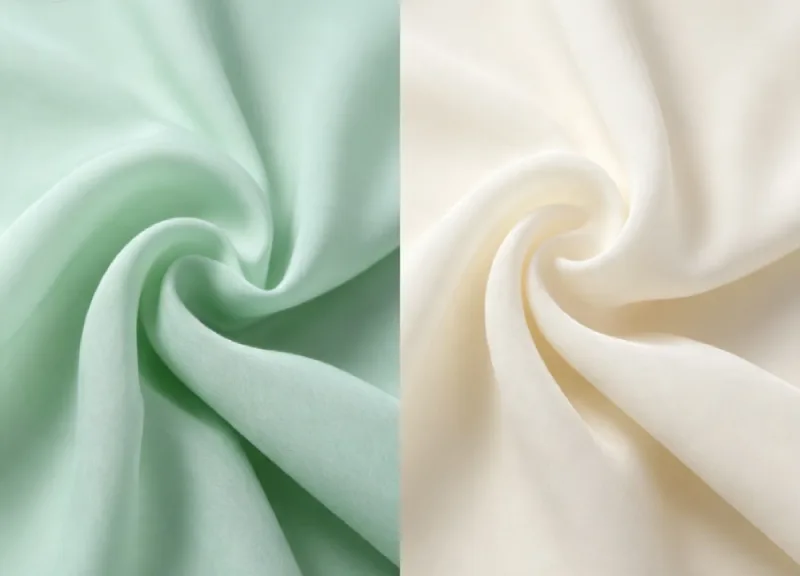
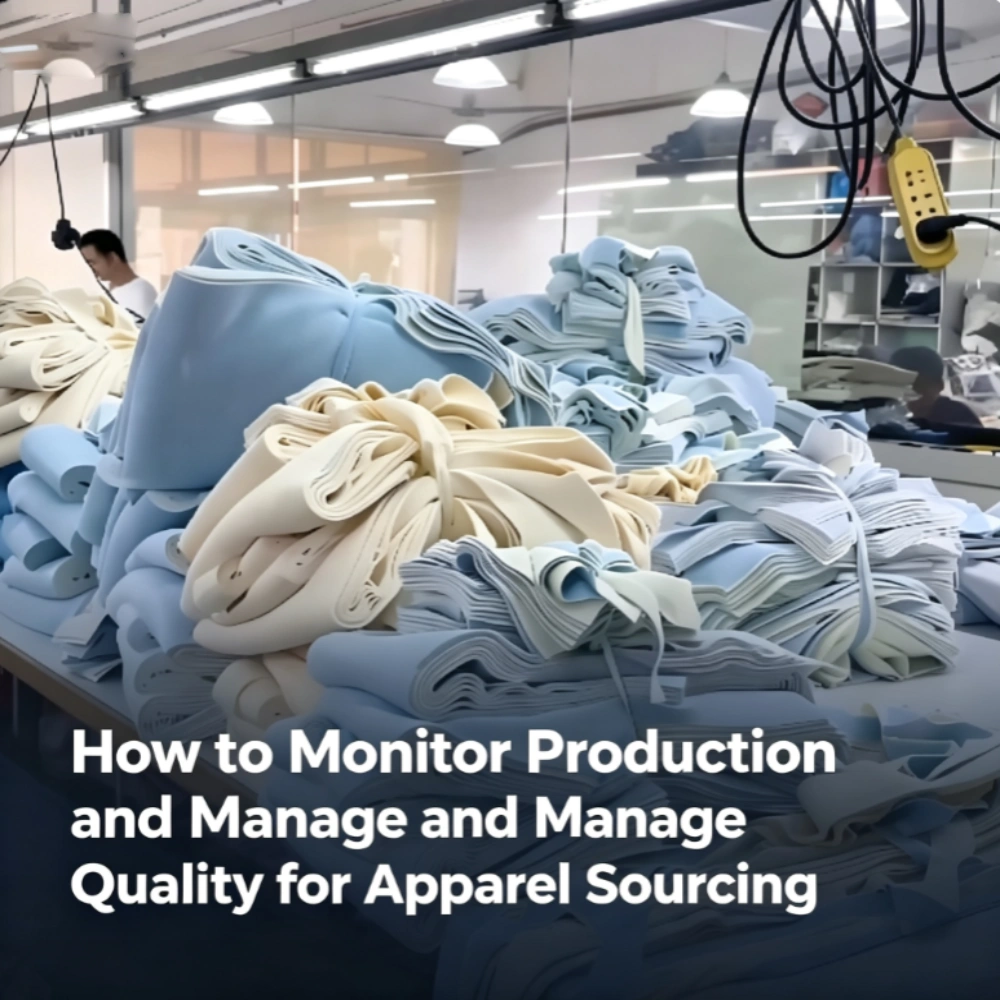
Viscose Fiber Soft & Drapable Fabric Texture
Characteristics of Viscose Fiber
Moisture Absorbent and Breathable: The standard moisture regain rate of viscose fiber can reach 13% (cotton is about 8.5%), which means it can quickly absorb sweat from the skin surface and release it into the air. This characteristic makes viscose fiber fabric comfortable and cool to wear, making it highly suitable for making summer clothing, underwear, and sportswear.
Soft and Smooth: The touch of viscose fiber is very close to, and in some aspects superior to, natural fibers. Its fiber cross-section is serrated, and the surface has fine grooves, which impart a soft, draping, and silky hand feel to the fabric. When made into clothing and worn next to the skin, it feels pleasant and is not prone to generating static electricity.
Washing & Care Tips
Gentle Washing: Viscose fibers are sensitive to vigorous rubbing and wringing. Hand wash gently or select the “Gentle/Wool” cycle on your washing machine, using cold water and a neutral detergent.
Drying and Ironing: Do not wring forcefully or expose to direct sunlight after washing; lay flat or hang to dry in the shade. If ironing is needed, please use low-temperature steam.

Viscose Fiber Garment Washing & Care Guide
Applications of Viscose Fiber
Benefiting from its excellent properties, viscose fiber covers multiple application fields, mainly including the following four major sectors:
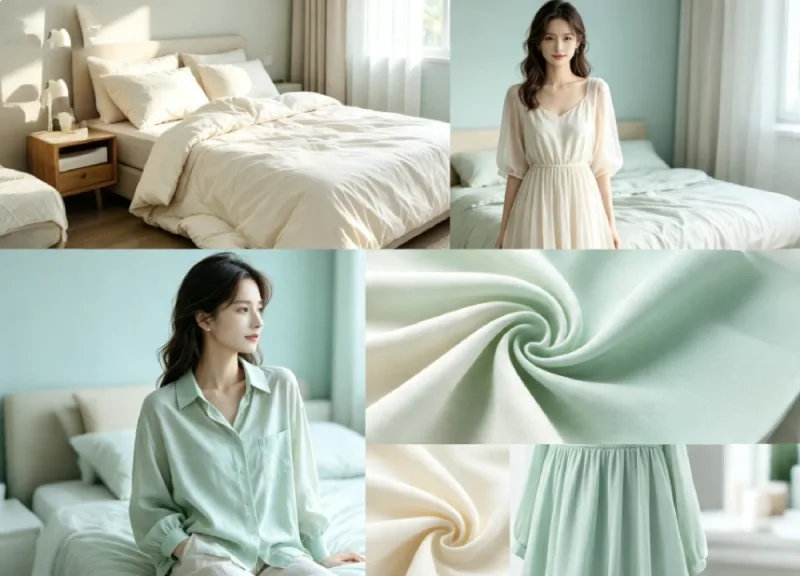
Viscose Fiber Wide Applications in Apparel & Home Textiles
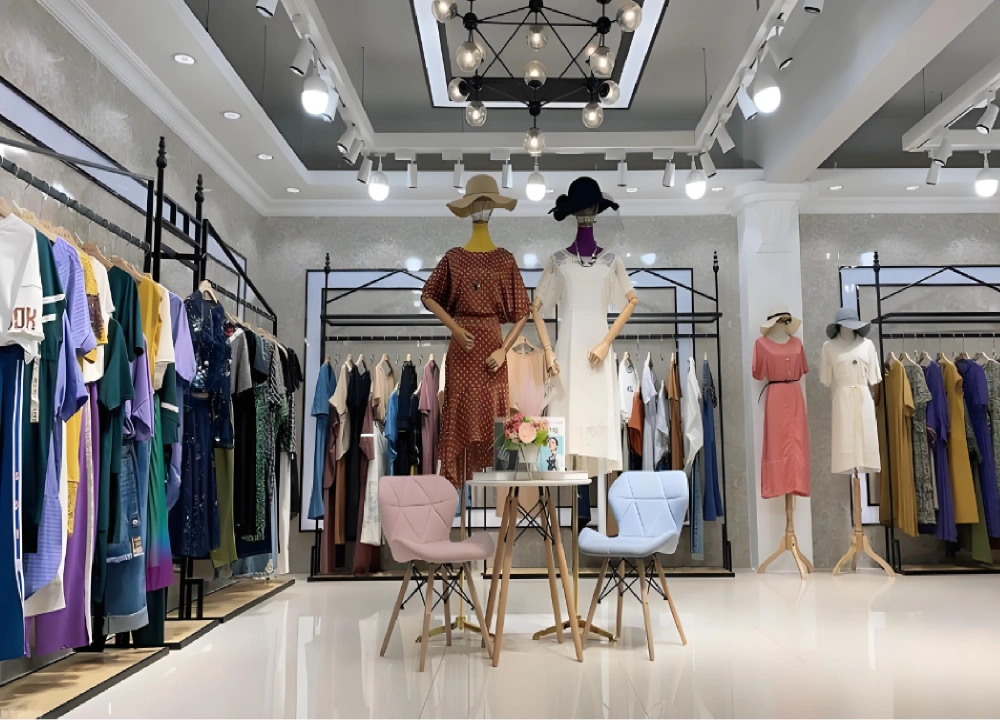
Apparel Sector: Widely used in various daily garments, summer clothing, underwear and sportswear relying on its soft, breathable and skin-friendly features.
Home Textile Sector: Applied in various household textile products to create comfortable and skin-friendly home living supplies.
Industrial Sector: High-tenacity viscose fiber is used for industrial accessories such as tire cord and conveyor belts with its high strength and durability.
High-tech Sector: Modified viscose fiber can be used in medical, aerospace, smart textiles and other advanced fields, and can also serve as a raw material for carbon fiber preparation.
Share This Story, Choose Your Platform!
We connect you with reliable factories, get the best quotes, deliver straight to your door.