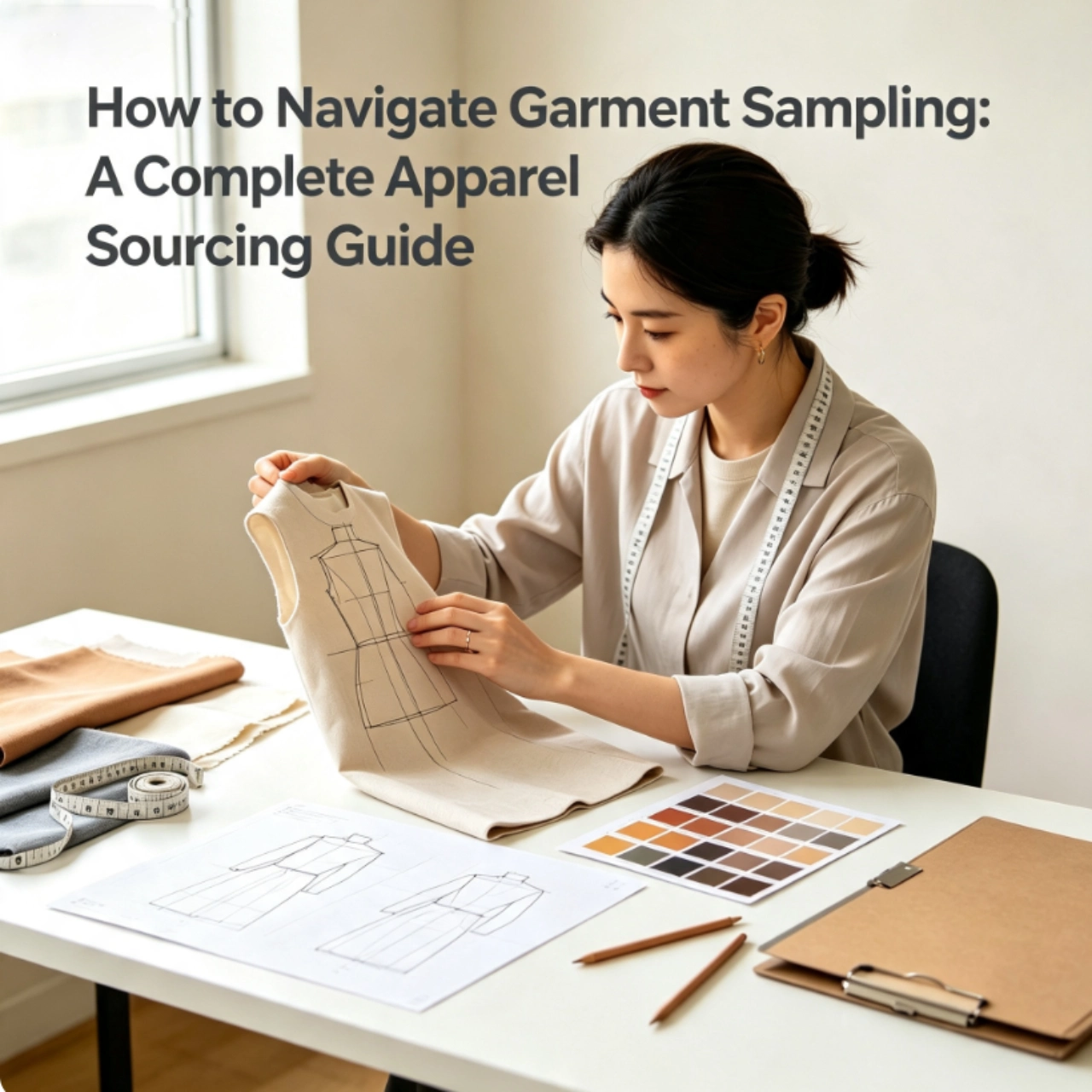
Garment sampling is one of the most misunderstood phases of apparel sourcing. Many new brand owners assume it is a simple step—just make one sample, approve it, and start production. In reality, sampling is where your design gets tested, refined, and prepared for mass production. It is also where many sourcing projects go off track.
This guide walks you through the clothing sample process from start to finish, explaining each stage, what to check, and how to avoid costly mistakes. A structured sampling process can mean the difference between a smooth production run and a series of expensive delays.
What Is Garment Sampling?
Garment sampling is the development stage where a factory converts a design concept into a production-ready garment. Before bulk manufacturing begins, factories produce multiple samples to verify construction, fit, and manufacturability.
Early samples are built to test garment engineering: how pattern pieces assemble, how seams align, how trims attach, and how the garment hangs on the body. These evaluations allow technical teams to confirm construction feasibility and correct issues before fabric, labor, and factory capacity are committed to large production runs.
The sampling phase is where the garment is truly designed. The tech pack is a theory. The sample is the reality. The gap between theory and reality is closed through iteration, which takes time. At Sourcingyuan, we see this gap every day—our Guangzhou team works directly with factories to ensure that the transition from tech pack to sample is as smooth as possible.
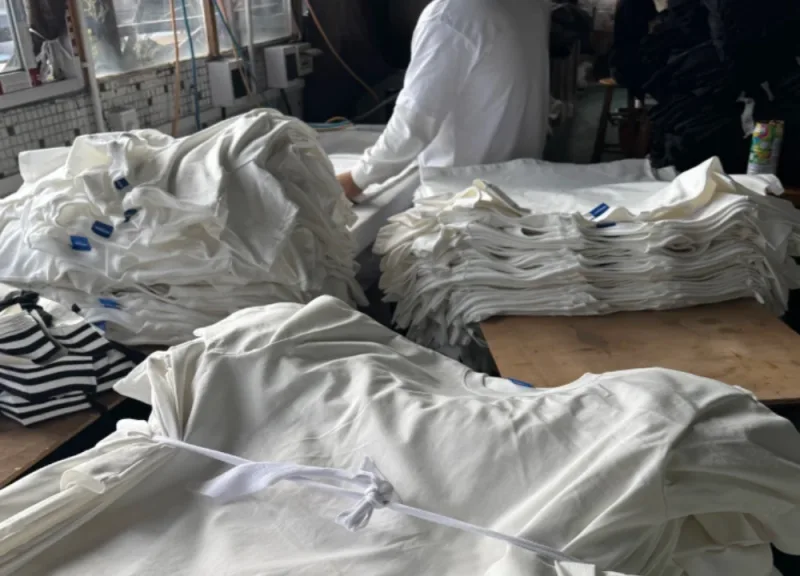
Apparel Sourcing Bulk Garment Ironing & Pre-packing Processing
The 4 Key Sampling Stages
Most garment development processes follow a sequence of sample stages. Each stage moves the garment closer to approval for bulk manufacturing.
| Sample Stage | Purpose | Typical Timeline | Materials Used |
| Prototype Sample (Proto) | Confirm construction feasibility | 7–14 days | Substitute or test fabrics |
| Fit Sample | Refine measurements and silhouette | 7–10 days per revision | Similar fabric to production material |
| Pre-Production Sample (PP Sample) | Approve final garment before bulk production | 7–14 days | Final production fabrics and trims |
| Production Approval | Authorize bulk production | After PP approval | Approved sample as production reference |
Apparel Sourcing Garment Sorting & Packing Workshop Quality Control
Prototype Sample (Proto Sample)
The prototype sample is the first physical garment produced during development. It is constructed in the factory sample room using the initial pattern and construction specifications.
The purpose of this sample is to verify that the garment can be assembled correctly and that the design translates into a functional product. Proto sampling occurs after the initial pattern is created and before formal fit evaluation begins. The factory focuses on construction feasibility, confirming that the garment can be built using the specified pattern pieces, seam structures, and assembly order.
Proto samples are often produced using substitute fabrics rather than final production materials. Factories select fabrics with similar weight or stretch characteristics when the approved material is not yet available.
What to check: Proto samples frequently expose issues that are not visible in patterns or sketches. Common problems include misaligned seams, uneven panel balance, incorrect seam allowances, incompatible trims, or construction steps that are inefficient to sew.
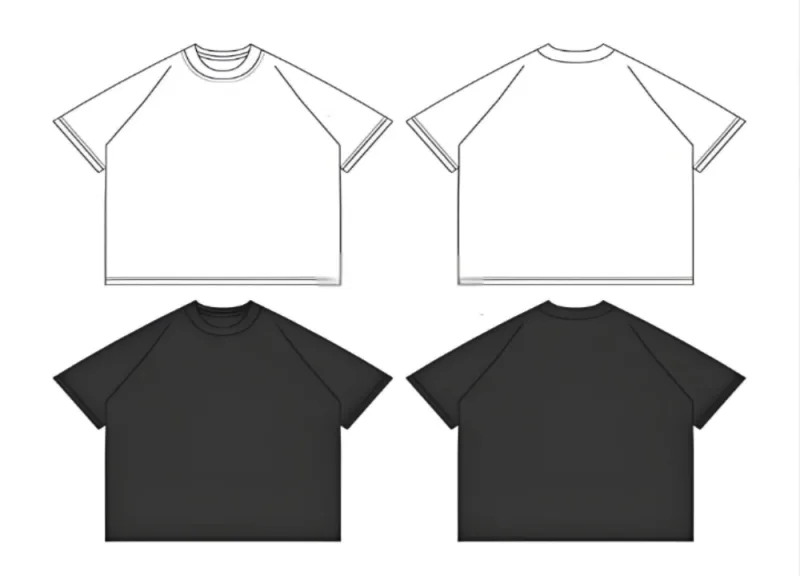
Technical package for apparel sourcing
Fit Sample
A fit sample is produced after prototype construction is confirmed. Its purpose is to evaluate how the garment fits on the body and whether the pattern produces the intended proportions and silhouette.
Fit samples are typically constructed in the base size, the reference size used to develop the garment before grading to other sizes. The sample is evaluated on a fit model whose body measurements closely match the base size specification.
During the fitting session, the technical team evaluates key measurements and structural proportions. Common review points include chest width, body length, sleeve length, shoulder balance, and the shape and depth of the armhole.
After pattern corrections are made, a revised fit sample is produced to verify the changes. Multiple revision rounds are common, particularly for garments with complex proportions or performance requirements.

Different garment sample stages including proto, fit and pre-production samples for apparel sourcing
Pre-Production Sample (PP Sample)
The pre-production sample is the final garment approved before bulk production begins. By this stage, construction and fit have already been validated. The PP sample confirms that the garment can be manufactured exactly as specified using the final materials and approved construction methods.
Unlike earlier samples, the PP sample must be produced using the actual production fabric, approved trims, and final labels. All components—zippers, buttons, elastic, drawcords, and branding elements—must match the materials that will be used in manufacturing.
Once approved, the PP sample becomes the production reference used on the factory floor. Production supervisors, sewing operators, and technical staff refer to this garment to confirm how the finished product should be assembled. The PP sample also serves as a quality control reference for comparing production garments against the approved standard.
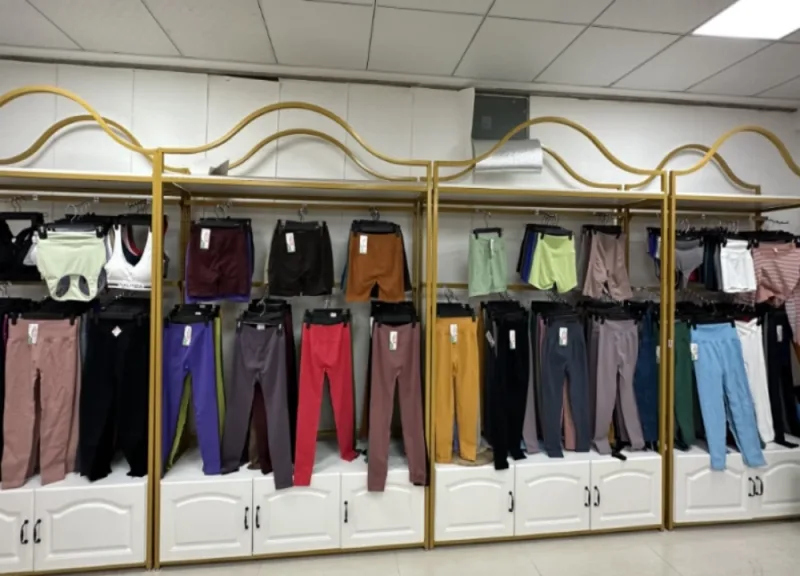
The completed garment sample.
Why Sampling Lead Time Is Often Underestimated
Sampling lead time is the most underestimated factor in clothing sourcing because brand owners typically calculate their timeline from the bulk order date forward, forgetting that the bulk order cannot be placed until the samples are fully approved.
Traditional physical sample development typically ranges from 20 to 40 days for the first round of fit samples. Forty percent of physical fashion samples never make it into production—they are created, evaluated, rejected, and discarded. This pure waste represents consumed fabric, water, energy, and transportation resources that generated zero revenue.
By comparison, digital sampling can compress this timeline significantly. Fast-fashion brands using digital validation can reduce 20-week cycles to 10 days with first-time approval rates reaching 90%. Some manufacturers using AI-enhanced 3D sampling have achieved development time compression from days to minutes.
The sampling process, from first proto to approved pre-production sample, often consumes eight to twelve weeks for a complex garment. This miscalculation compresses the bulk production window, forcing the factory to rush, which degrades quality, or causing the delivery to be late, which misses the selling season.
The sampling phase is not a prelude to production. It is the most critical phase of production, and its time requirement must be respected.
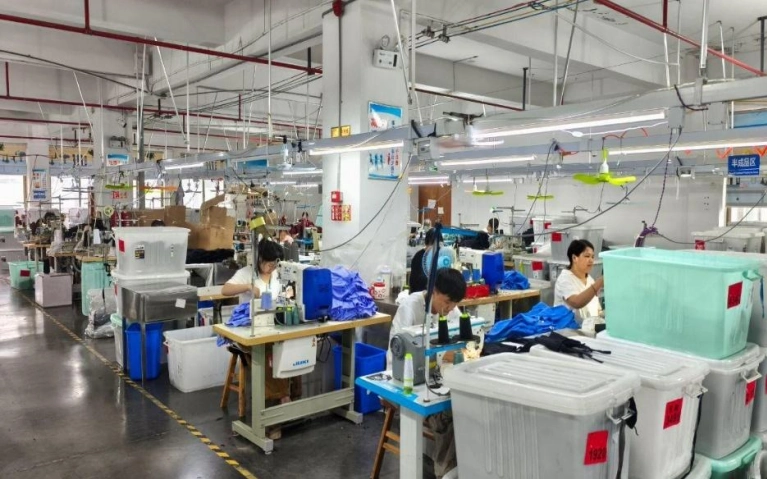
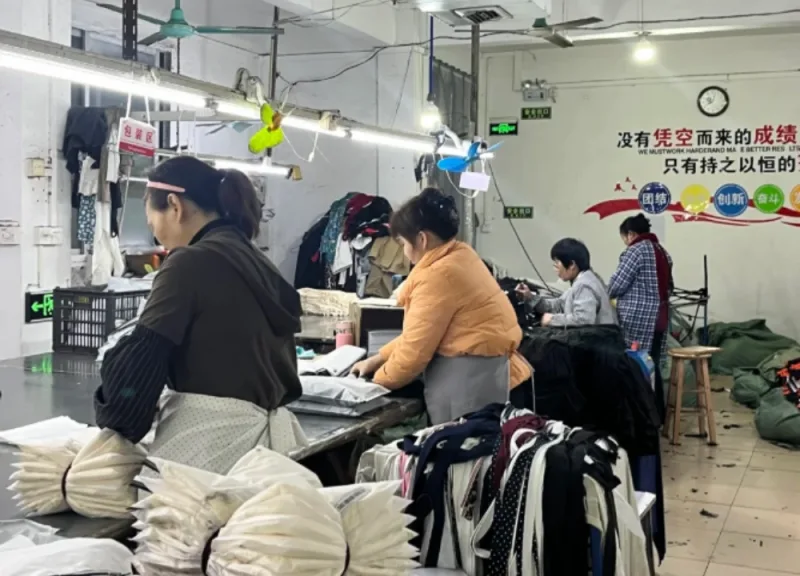
Yoga Clothing Factory Apparel Sewing Workshop Daily Production Scene
The Cost of Sampling
Sampling costs are often a source of tension between buyers and factories. Making a few samples in the correct quality can cost almost as much effort as producing 1,000 pieces in bulk, yet the pay is different.
Sample costs vary based on complexity:
Basic garment samples typically range from $50–$300 per unit
Complex garments with special fabrics, trims, or construction require more
Many reputable suppliers offer sample fees that are refundable against future bulk orders. However, always confirm sample fee policies before placing orders.
A Real Case Study: Digital Sampling in Action
Background: A global sportswear brand was struggling with long development cycles. Each new style required multiple physical sample rounds, with samples shipped between Asia and Europe for review. The process consumed weeks and generated significant waste.
Challenge: The brand needed to reduce time-to-market while maintaining fit quality across their range. Traditional sampling methods could not keep up with the pace of seasonal drops.
Solution: The brand implemented a digital sampling workflow using 3D design tools. Pattern makers and product developers worked in real time on digital twins, making changes and aligning on fit before the first physical prototype was produced.
Result: The brand achieved:
First-fit approval rates of over 90%
Fewer sample rounds and reduced material costs
Shorter calendars from design through production
Stronger team confidence and collaboration
The success proved that trusted, accurate virtual fit isn’t only a design benefit—it’s a measurable business benefit.
Lessons Learned: For brands in clothing manufacturers China partnerships, digital sampling can dramatically reduce the back-and-forth that often plagues cross-border development. By adopting a virtual-first, physical-second workflow, brands can move faster while maintaining precision. To achieve similar results, brands can work with a China sourcing company that has experience in 3D sampling and can coordinate the process from tech pack to PP approval, acting as the bridge between digital design and factory execution.
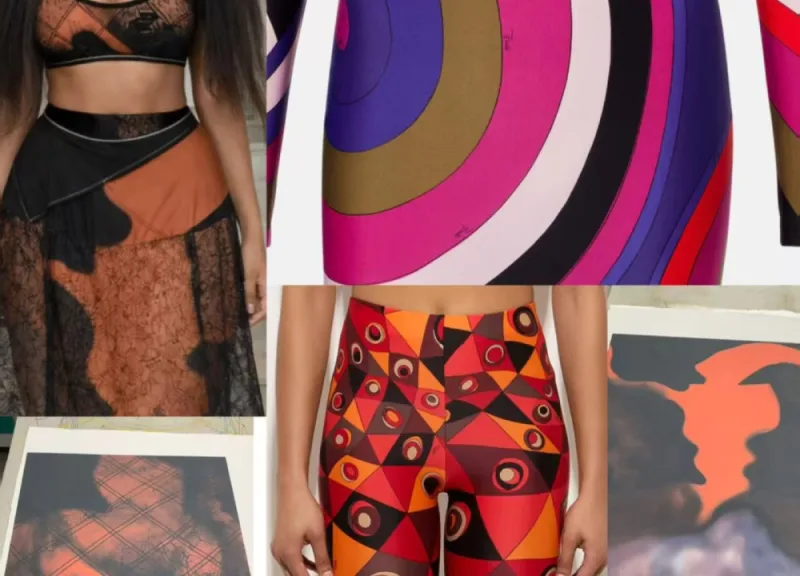
Apparel Sourcing Custom All-over Printed Garment Pattern Development
How to Structure Your Sampling Timeline
A well-structured sampling timeline is built backwards from the bulk fabric order deadline. Identify the date by which the bulk fabric must be ordered to meet the retail delivery date. From that date, subtract the time required for the pre-production sample, the fit sample iterations, and the first proto sample. Add buffer time between each stage for shipping, review, and unexpected revisions.
The resulting start date for sampling is often two to three months before the bulk order deadline.
Non-negotiable gates between stages:
Proto approval gate: “Does this sample capture the design intent?” Focus on design interpretation, not perfect fit.
Fit approval gate: “Does this garment fit the target customer correctly?” Focus on measurements and silhouette.
PP approval gate: “Is this garment, exactly as constructed, approved for bulk production?” After this gate, the design is frozen. Any changes are costly and will delay the bulk order.
Digital vs. Physical Sampling: A Comparison
| Aspect | Traditional Physical Sampling | Digital Sampling |
| Timeline per round | 20–40 days | Days to hours |
| Material waste | High (40% of samples never reach production) | Near-zero |
| Shipping costs | Multiple courier shipments | Minimal (digital files) |
| Revision speed | 7–10 days per revision | Real-time or hours |
| First-time approval rate | Variable | Up to 90% |
| Sample reduction | 0% | 60–80% |
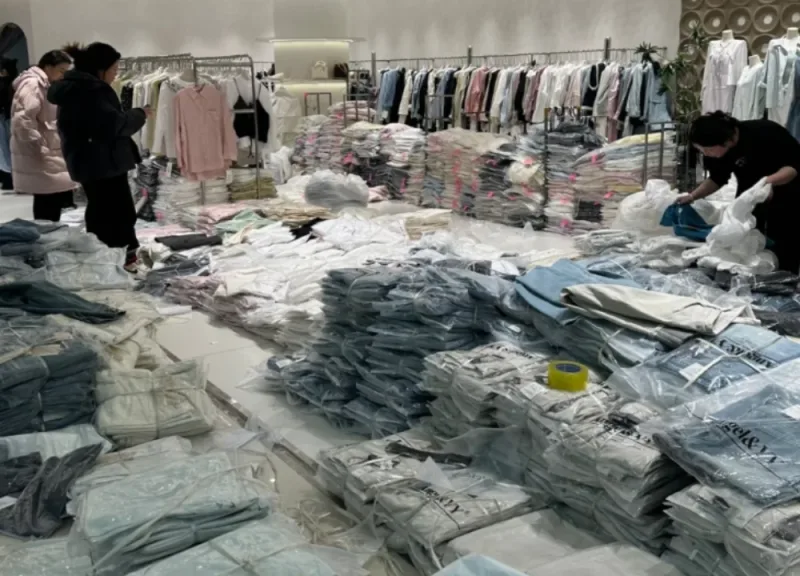
Apparel Sourcing Finished Apparel Sorting & Packing Workshop
FAQ
What is the difference between a prototype sample and a pre-production sample?
A prototype sample is the first physical garment produced to verify construction feasibility, often using substitute fabrics. A pre-production sample is the final approved garment made with production materials—it becomes the reference for bulk manufacturing.
How many sample rounds do I need for a complex garment?
For a complex structured garment like a blazer or coat, budget for three to four rounds. The first proto sample rarely nails everything. The second sample gets closer but may need refinements. The third sample is often the fit approval.
How long does garment sampling typically take?
The sampling process typically consumes 4–8 weeks for most garments, depending on complexity and the number of revisions required. Complex garments can take 8–12 weeks.
What should I check during sample review?
At the proto stage, check construction and design interpretation. At the fit stage, check measurements and proportions. At the PP stage, confirm the garment exactly matches your specifications using production materials.
Should I approve a sample made in substitute fabric?
No. The pre-production sample must be made in the actual production fabric and trims. Approving fit on a sample made in substitute fabric risks discovering different drape or shrinkage behavior when the PP sample is made with production materials.
Can digital sampling replace physical samples entirely?
Digital sampling can replace physical samples for design development, fitting, and sales sample stages. Many brands now ask for just one “TOP” physical sample before launching production, while some have eliminated physical samples altogether.
What happens if I skip a sampling stage?
Skipping a stage creates risk that compounds. Approving fit during the proto stage or combining the fit and PP stages often leads to issues that only emerge during bulk production—when changes are expensive and time-consuming.
Can I get samples from multiple factories?
Yes. Requesting samples from multiple factories is a practical way to compare quality and communication before committing to bulk production.
The Bottom Line
Garment sampling is not a hurdle to be rushed through—it is the process that turns your design into a manufacturable product. Skipping stages or underestimating timelines puts your entire production at risk.
Whether you are working with clothing manufacturers China or other production partners, the fundamentals remain the same. Invest the time upfront, approve each gate carefully, and treat your sample approval as the critical milestone it is. For international buyers, a structured sampling process is the foundation of reliable apparel manufacturing China partnerships—it protects your brand from costly quality issues and ensures your product reaches customers as intended.
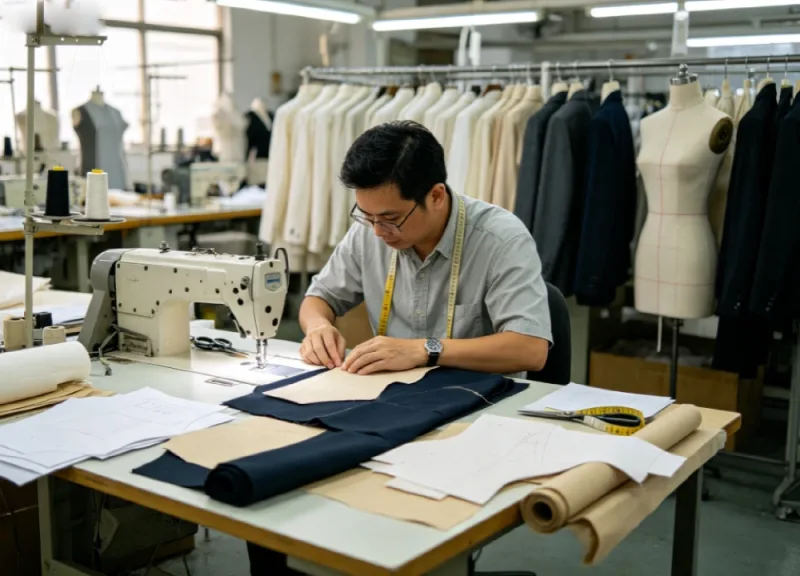
Pattern maker producing prototype garment samples inside Guangzhou clothing factory for apparel sourcing
About the Author
Jeff Lee
Founder of Sourcingyuan
Jeff Lee is the founder of Sourcingyuan, a China-based sourcing and product development company. He has more than 10 years of experience helping overseas businesses source products, develop new products, identify reliable manufacturers, manage production, and build supply chains in China.
Share This Story, Choose Your Platform!
We connect you with reliable factories, get the best quotes, deliver straight to your door.