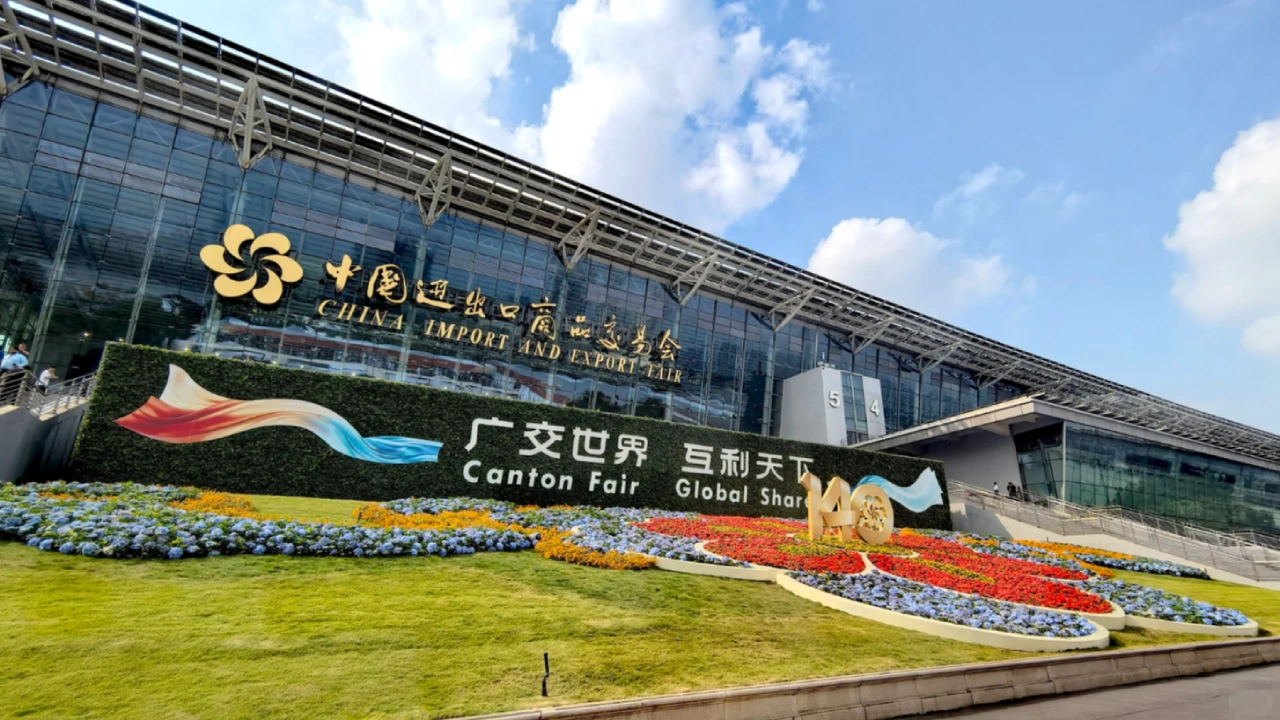
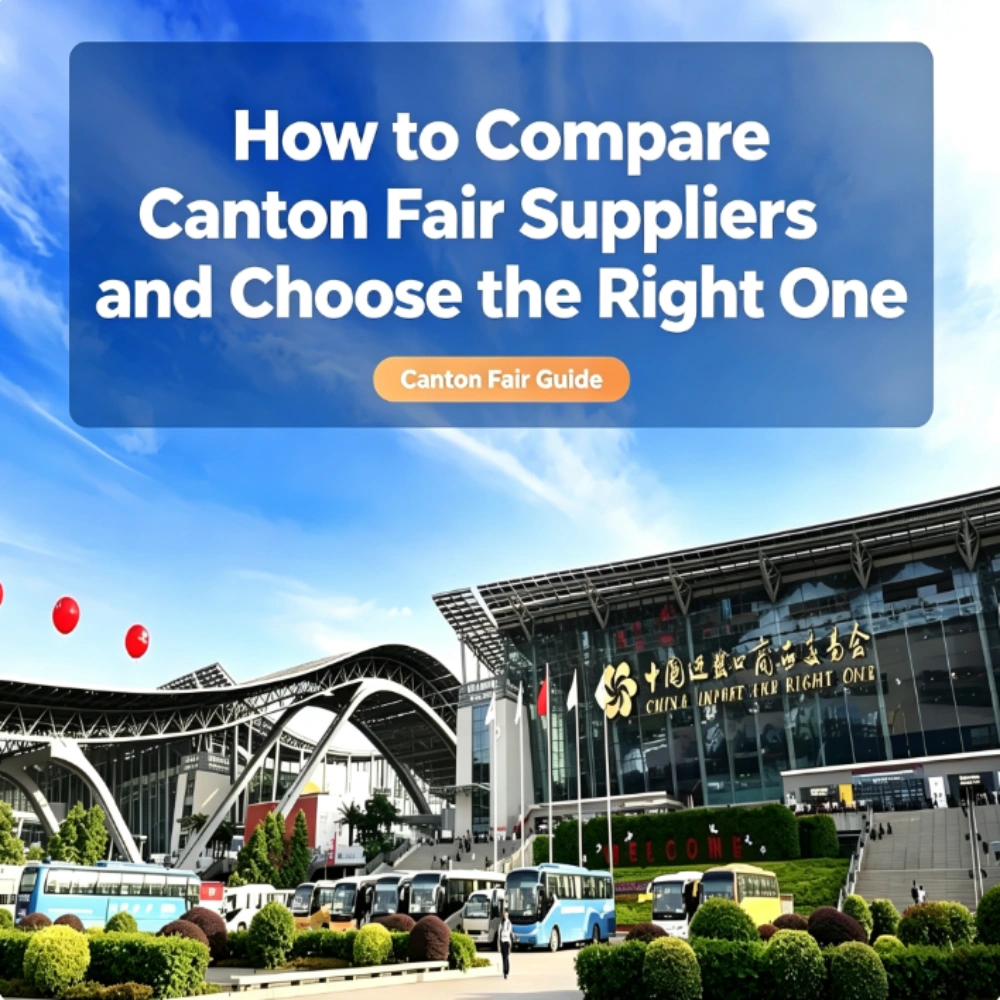
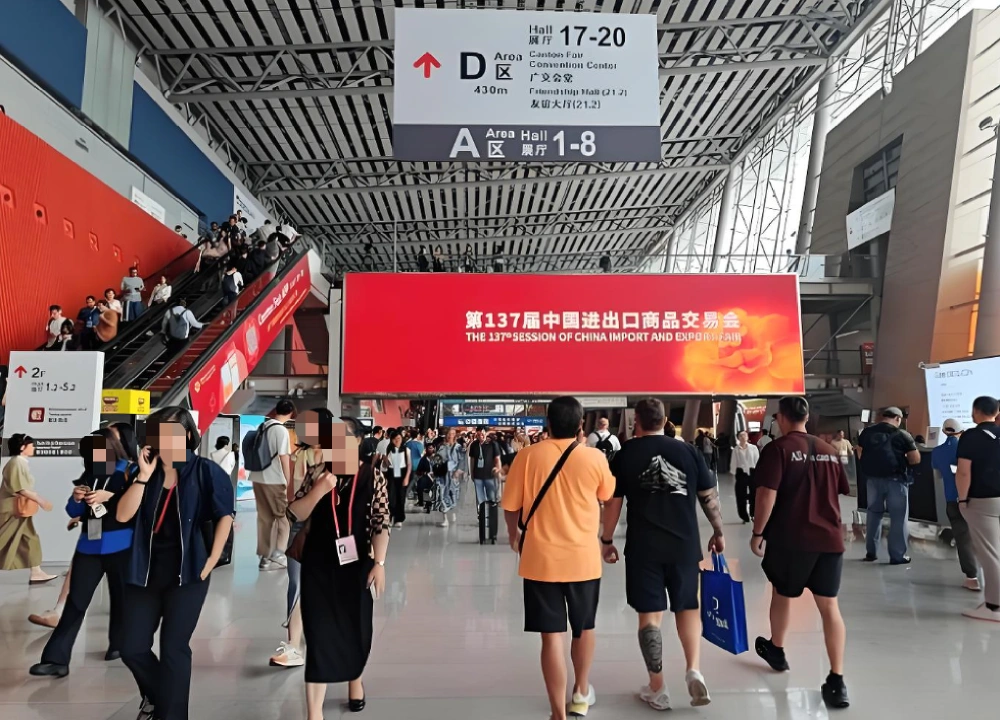
After three days of walking the Pazhou Complex, you may have collected 50 business cards, dozens of product photos, and a stack of catalogues. But collecting information is not the same as making a decision. The real work of supplier comparison starts after you leave the halls.
A professional booth, polished samples, and confident salespeople do not prove that a company is a capable or reliable manufacturer. The goal is to move from a pile of data to a shortlist of 2–3 suppliers worth visiting, auditing, and ultimately ordering from. This Canton Fair Guide provides a structured approach to comparing Canton Fair suppliers across pricing, capability, communication, and manufacturing suitability.
When you compare Canton Fair suppliers, you are not just comparing price tags. You are comparing production systems, quality control processes, and the people who will handle your order. Here is how to do it systematically.

Build a Shortlist Before You Compare
Before you can compare suppliers, you need to filter them. At the fair, aim for 10–15 priority suppliers per product category. Use the Canton Fair app to shortlist booths by hall and schedule meetings in advance. This prevents you from wandering aimlessly through the 1.18 million‑square‑metre complex.
Do not try to visit 50 booths and compare them all. That leads to confusion, not clarity. A manageable shortlist lets you focus on quality conversations rather than rushed check‑ins.
Pro‑Tip for filtering trading companies
Cross‑reference company names on 1688 to spot trading companies before you invest time in a meeting.
Note: 1688 is China’s domestic B2B platform, some overseas buyers may need translation tools to browse.
Trading companies often have leaner online profiles and a broader product range than genuine manufacturers. If you want to learn how to tell them apart, read our guide on [Manufacturer vs Trading Company — How to Identify Your Real Supplier].
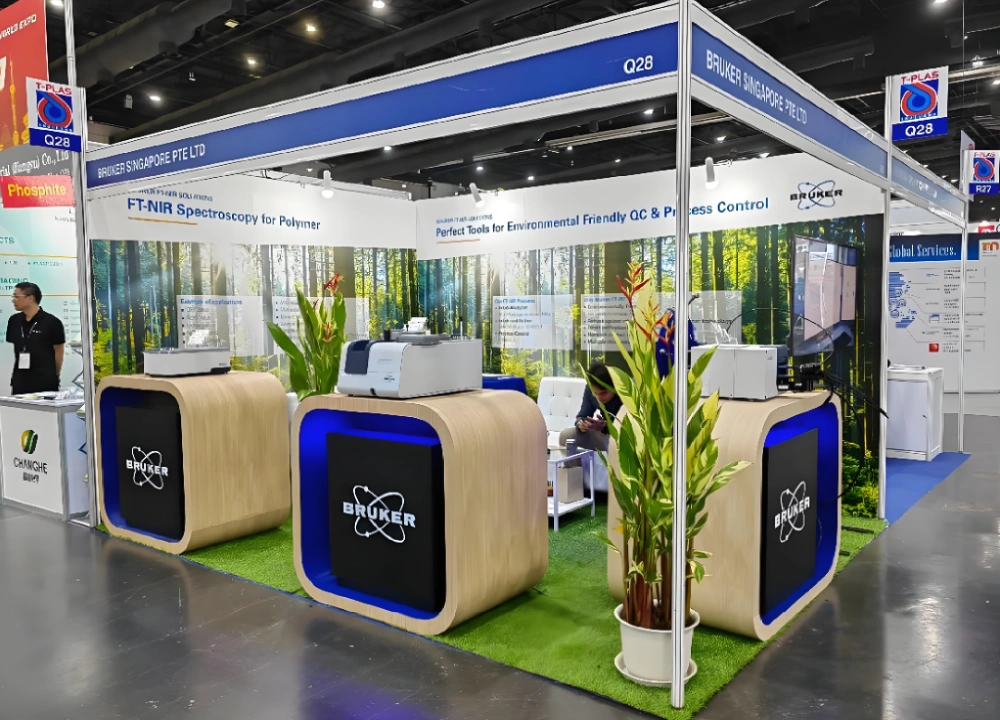
Evaluate Supplier Capability Beyond Price
Price is important, but it is not the only factor. A supplier with slightly higher pricing but better reliability often saves more money in the long run. The real value comes from production capacity, quality systems, and export experience.
Key capability questions to ask
| Question | Why It Matters |
|---|---|
| What is your maximum monthly production capacity? | Indicates whether they can scale with your order volume |
| What is your standard lead time? | Reveals production efficiency and scheduling discipline |
| Do you have machinery for [specific process]? | Confirms they control critical production steps in‑house |
| Which markets do you currently export to? | Shows familiarity with your region’s compliance and logistics requirements |
| What quality certifications do you hold? | Validates their commitment to standards (ISO, BSCI, FDA, CE, etc.) |
A genuine manufacturer answers these questions clearly. A trading company hesitates or gives vague responses. For technical products, an in‑depth discussion with production or engineering staff is more revealing than a polished sales pitch.
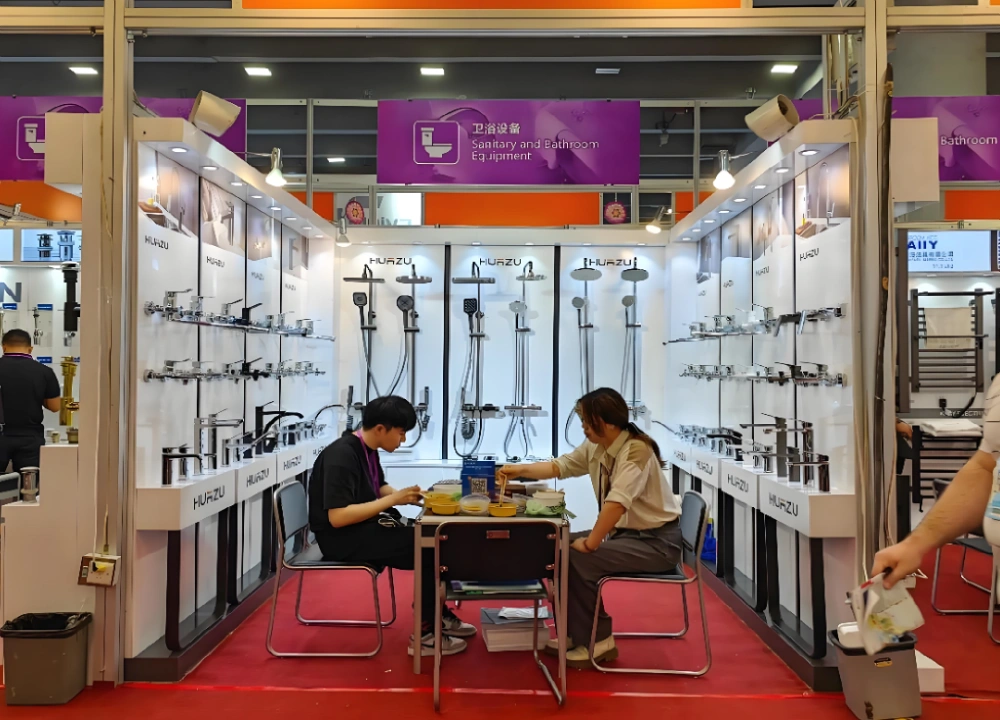
Compare Sample Quality and Consistency
Never commit to a production run based on display‑floor samples alone. The sample on the table is the best unit the supplier could find—it may not represent bulk quality. Request a production‑grade sample from each of your shortlisted suppliers for side‑by‑side comparison.
What to check in sample comparison
Material quality and durability
Finishing details (stitching, plating, surface treatment)
Packaging consistency
Compliance with your market standards (CE, FCC, RoHS, FDA)
If the sample matches your specifications, ask for a second round of samples to verify consistency. A supplier that delivers uniform samples across multiple rounds is more likely to maintain quality in bulk production. This step is often where the difference between a good supplier and a great one becomes visible.
Use a Supplier Evaluation Scorecard
A structured scorecard helps you compare suppliers objectively when memory starts to blur. After visiting 20 booths, it is easy to forget which supplier offered what. During one of our recent client projects at the fair, we found that buyers who used a structured scorecard made decisions 40% faster than those who relied on memory alone.
Fill in your score from 0‑10 for each supplier in the cells below.
Sample supplier scorecard
| Criteria | Weight (%) | Supplier A | Supplier B | Supplier C |
|---|---|---|---|---|
| Product quality (sample) | 25% | /10 | /10 | /10 |
| Production capacity & lead time | 20% | /10 | /10 | /10 |
| Price competitiveness | 20% | /10 | /10 | /10 |
| Communication & responsiveness | 15% | /10 | /10 | /10 |
| Certifications & compliance | 10% | /10 | /10 | /10 |
| Export experience | 10% | /10 | /10 | /10 |
| Total | 100% | /10 | /10 | /10 |
Rate each supplier immediately after the booth conversation. Waiting until the end of the day means you will be relying on memory rather than observation.
Assess Communication and Responsiveness
How a supplier communicates during and after the fair is a strong indicator of how they will handle your order. A supplier that responds within 24 hours to a follow‑up email or WeChat message is more likely to be a reliable partner than one who takes three days to reply.
What to observe
- Did they ask clarifying questions about your specifications?
- Did they provide clear answers or vague estimates?
- Did they follow up after the fair without prompting?
- Did their written quotation match what you discussed?
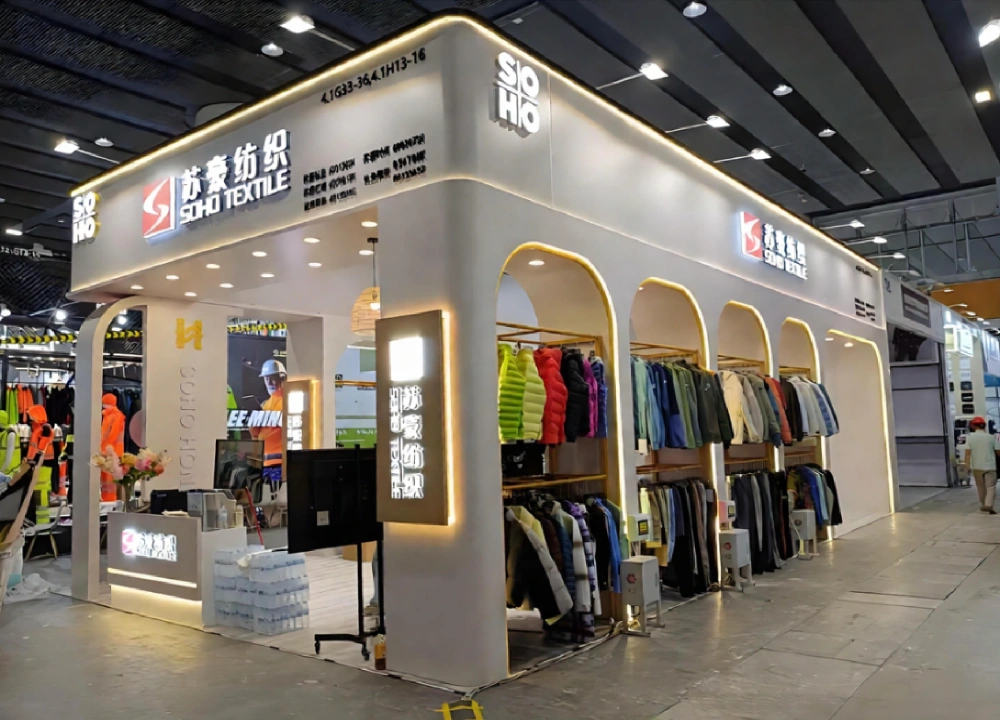
A professionally designed booth and attractive samples do not guarantee communication quality. The test is how they manage the post‑fair follow‑up, not the booth appearance. We have seen suppliers with modest booths outperform flashy ones simply because they communicated clearly and followed through on promises. This is something we pay close attention to when shortlisting on behalf of clients at Sourcingyuan—communication consistency is often the first thing that separates serious suppliers from the rest.
Compare Pricing — But Understand the Full Cost
The price you hear at the fair is not the final price. Booth prices often include a premium to recover exhibition costs. The real negotiation happens after the fair, ideally during a factory visit or through formal quotation.
When comparing prices, ask for
- Bulk pricing for your expected order volume (not just the per‑unit price)
- Payment terms (30% deposit + 70% before shipment is standard)
- Shipping costs (FOB vs. CIF vs. DDP)
- Tooling or mould fees (if you require custom components)
- Sample costs (whether they are refundable against future orders)
A supplier who is transparent about all costs is more trustworthy than one who gives a low unit price but adds hidden fees later.When you choose the right supplier at Canton Fair, transparency across all cost components—not just the unit price—is what separates reliable partners from risky ones.
In one project we handled for a European client, the supplier with the second‑lowest booth quote ended up offering the best total cost because they had no hidden mould fees.
Plan for Verification After the Fair
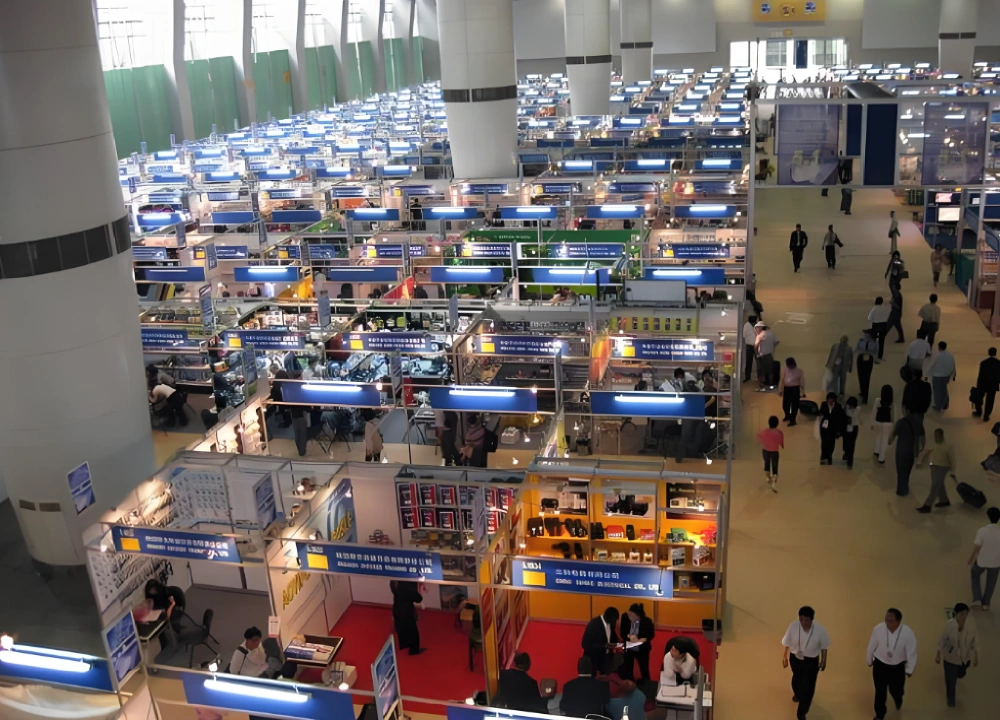
The Canton Fair is for discovery, not commitment. Promising conversations should be followed by factory visits, audits, and proper due diligence before you place an order. Schedule factory visits in Shenzhen, Dongguan, or other industrial hubs within one week of the fair. Production lines tell you what a booth cannot.
Verification steps after the fair
- Request a formal RFQ referencing the exact sample and spec you discussed
- Request factory addresses and business licenses — cross‑check against booth company details
- Conduct a factory audit or third‑party inspection
- Order additional samples from your shortlist for independent testing
This is where the comparison process moves from paper to reality. A supplier that looks good on a scorecard but fails a factory audit is not a viable partner—no matter how polished their booth was. You can find more actionable steps in our post‑fair guide: What to Do After the Canton Fair: A Complete Follow‑Up Guide for Buyers.
Having a local team on the ground makes a real difference here. At Sourcingyuan, we handle the factory visits and verification work so buyers can make decisions based on what is actually happening on the production floor, not just what they saw at a booth.
The Bottom Line
Comparing Canton Fair suppliers is not about picking the lowest price. It is about finding a partner who can deliver consistent quality, meet your production timelines, and communicate effectively. Use a structured evaluation approach—sample quality, production capacity, communication, and verification—to move from a pile of business cards to a shortlist of reliable partners.
The Canton Fair is a powerful sourcing opportunity, but the real decision happens after the fair. Verify, test, and compare before you commit. You can use the supplier scorecard shared above to implement this practical framework. It offers a structured way to capture key observations, so you can compare suppliers fairly once you return to your hotel.

About the Author
Jeff Lee
Founder of Sourcingyuan
Jeff Lee is the founder of Sourcingyuan, a China-based sourcing and product development company. He has more than 10 years of experience helping overseas businesses source products, develop new products, identify reliable manufacturers, manage production, and build supply chains in China.
💡 Expand your Canton Fair playbook with these related buyer guides:
✉️Canton Fair Guide: Manufacturer vs Trading Company — How to Identify Your Real Supplier
📋 What Questions Should You Ask Suppliers at the Canton Fair?
🏨 Canton Fair Guide: Top 10 Hotels Near Pazhou Complex for International Buyers
🌐 Top 10 Canton Fair Interpreters & Translation Companies in Guangzhou
🤝 If you want professional support evaluating your shortlisted suppliers, feel free to get in touch with SourcingYuan.
Share This Story, Choose Your Platform!
We connect you with reliable factories, get the best quotes, deliver straight to your door.