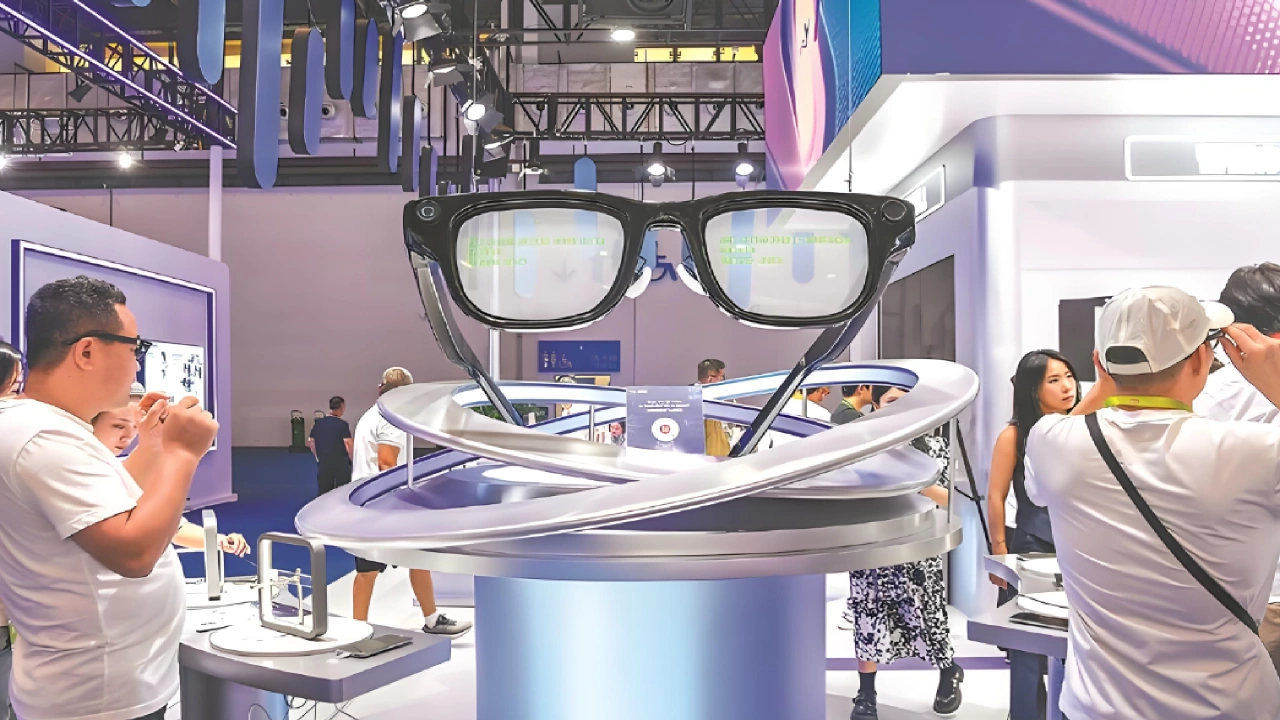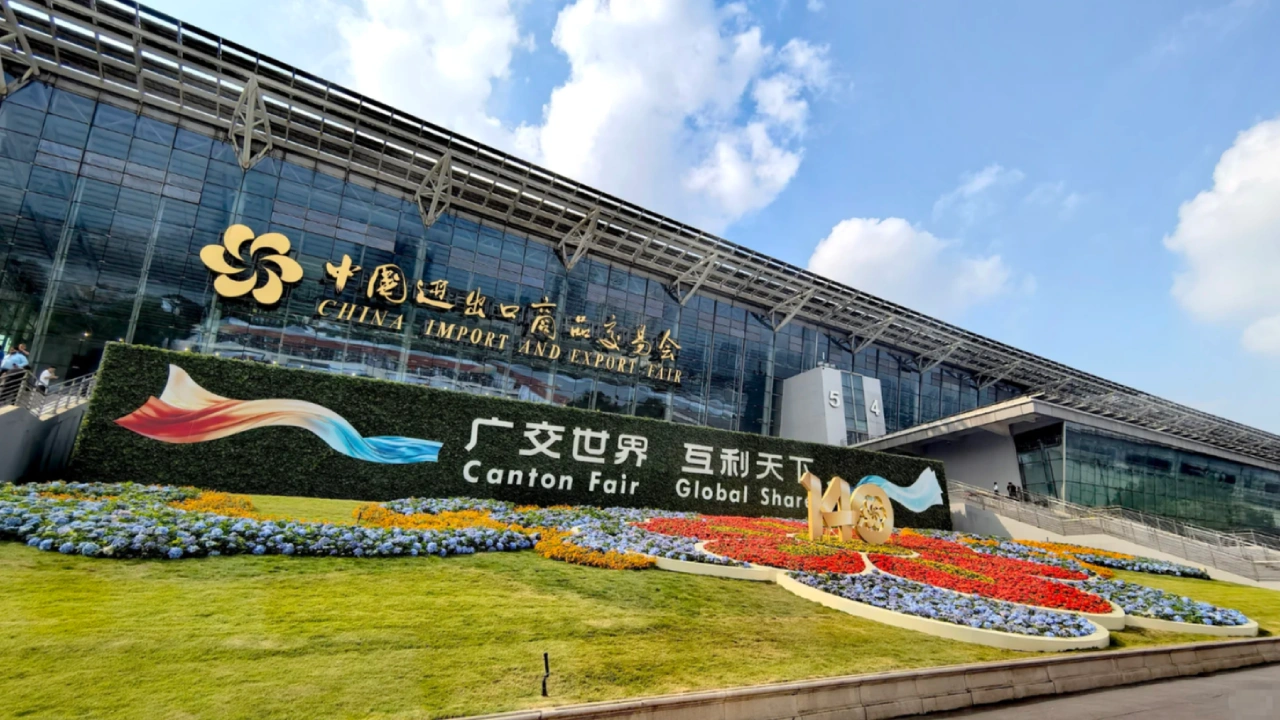
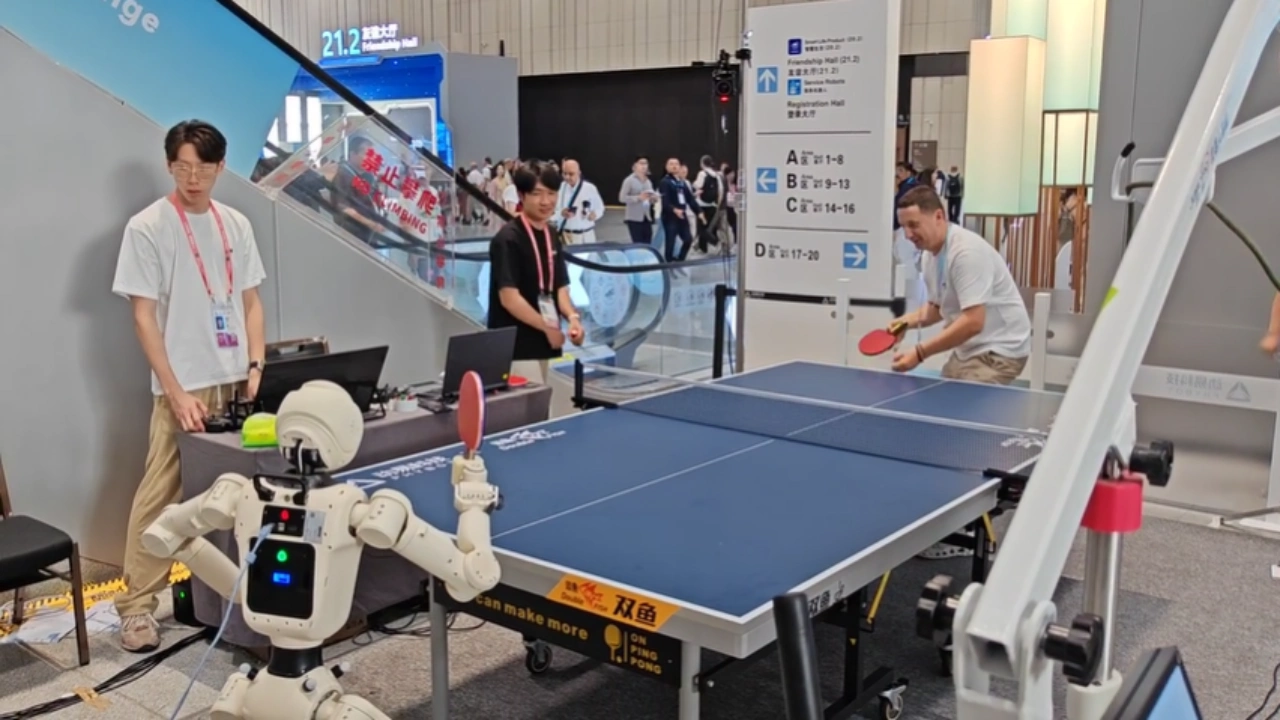
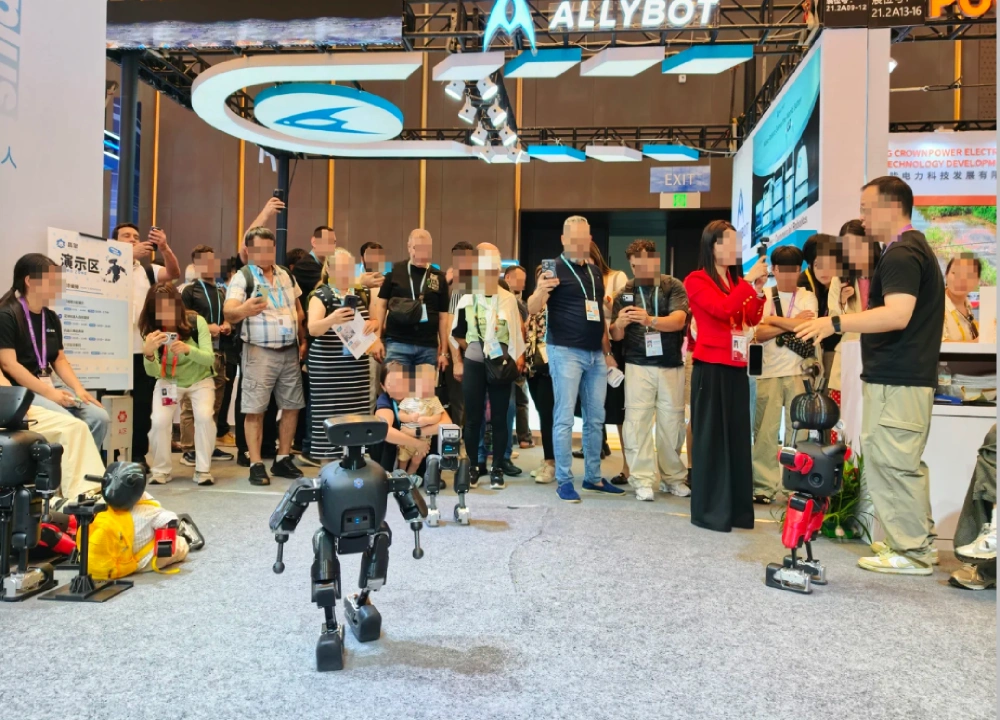
Service robots were the single most crowded category at Canton Fair Phase 1. The dedicated service robot zone covered 4,200 square meters. It drew nearly 25,000 visitors per day. Organizers had to install “5–10 minute wait” signs at popular booths. But the more important shift was behavioral: buyers were no longer just watching demonstrations. They were placing orders on the spot, returning for repeat purchases, and bringing partners back to negotiate.
This guide explains what service robots are, which sub-categories have real demand, what the market data says, and what buyers should evaluate before committing to a supplier.You can browse our full Canton Fair Guide for more buyer resources across all phases.
What We Saw at Canton Fair Phase 1
The Zone and the Crowd
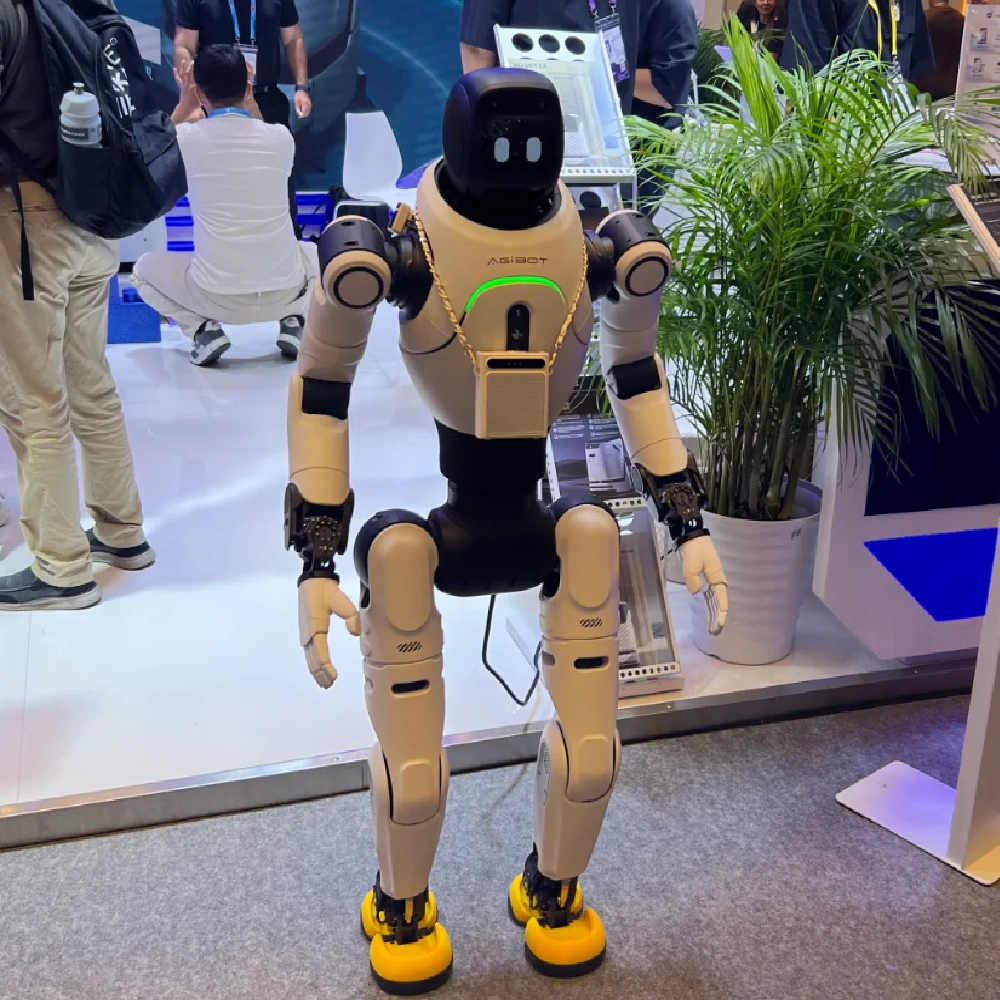
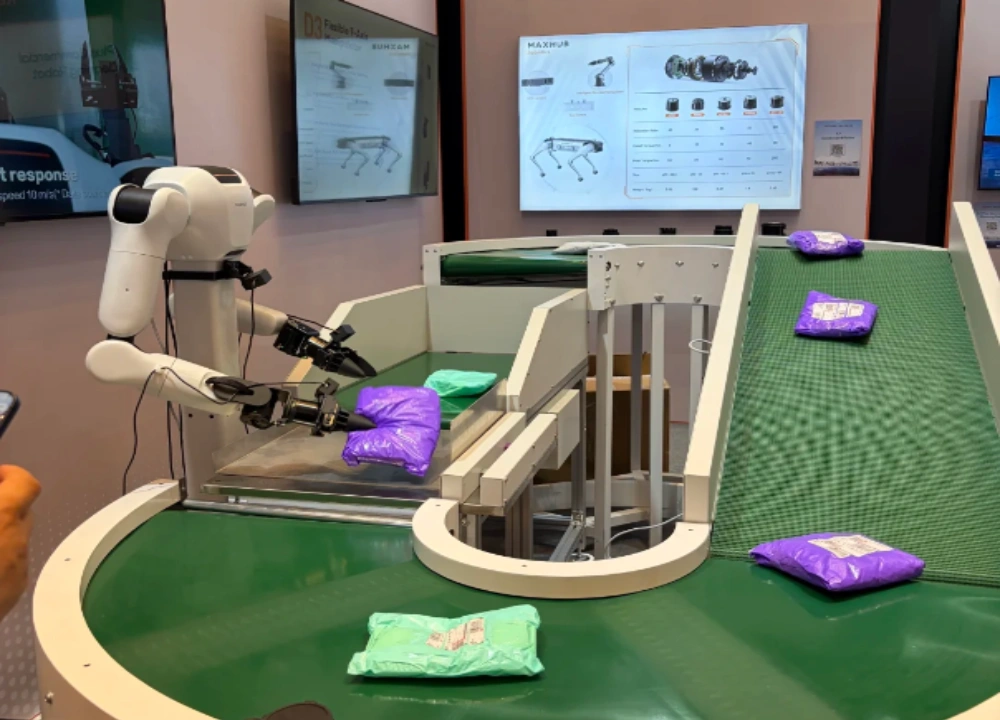
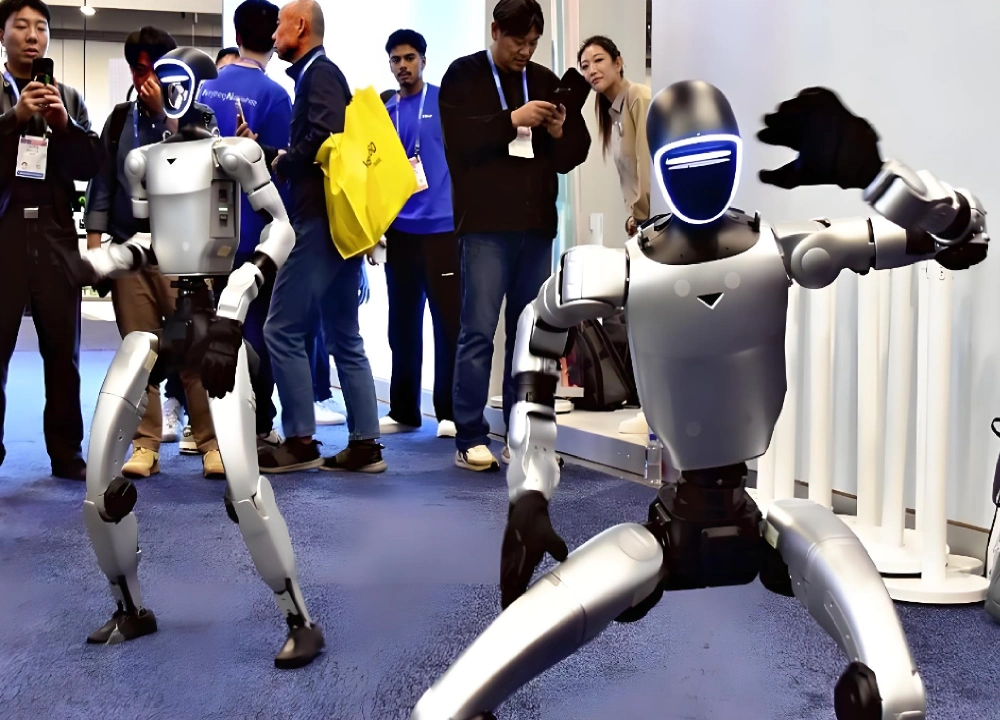
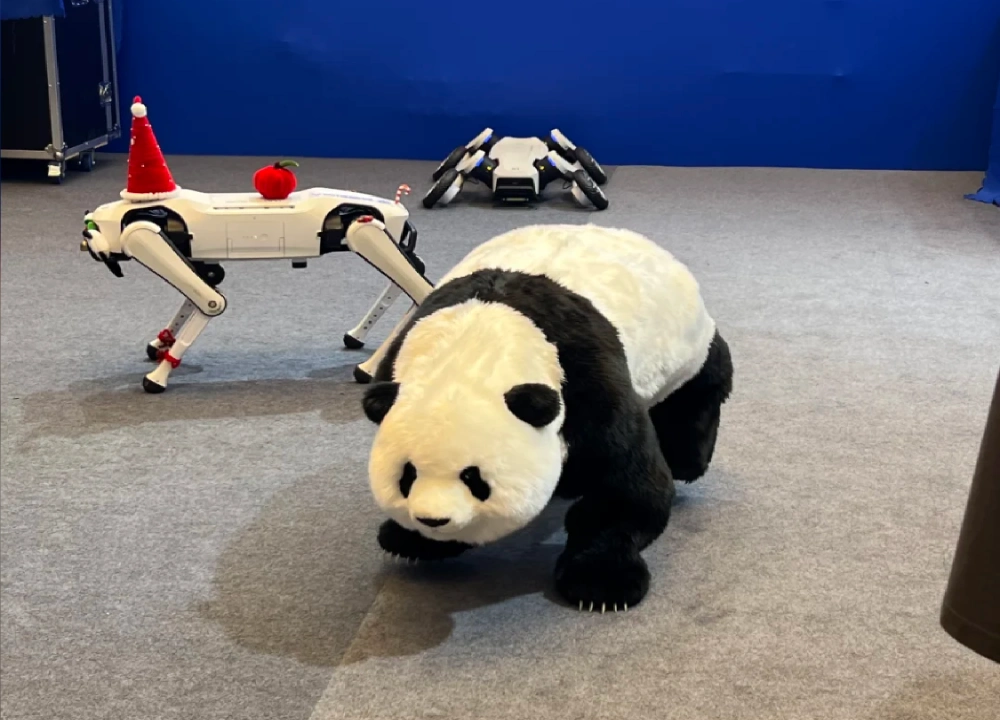
Canton Fair Phase 1 service robots occupied a dedicated zone spanning humanoid robots, quadruped robots, exoskeletons, and industrial composite robots. Guangzhou-based exhibitors stood out. Gaozheng Dynamics sold 8 robotic arms to a Middle Eastern client on the spot. Shiyuan demonstrated a seven-axis dual-arm system performing real logistics sorting. Zhidong Future’s humanoid robot “Xiaozhi” ran coffee delivery, guided tours, and reception duties across the exhibition hall.
Three Products That Converted Interest Into Orders
Exoskeleton robots were a standout. Taixi Intelligent’s second-generation consumer waist-assist exoskeleton, the “Yinyue X1,” shipped approximately 50 units per day at retail. Buyers tried it on and placed orders immediately.
Humanoid and composite robots also converted. Galileo’s “Land-Going Embodied System Galileo X” can switch between wheeled, vehicle-mounted, and legged configurations. Within two days, it generated intent orders worth hundreds of thousands of dollars from the Middle East, North America, and South America.
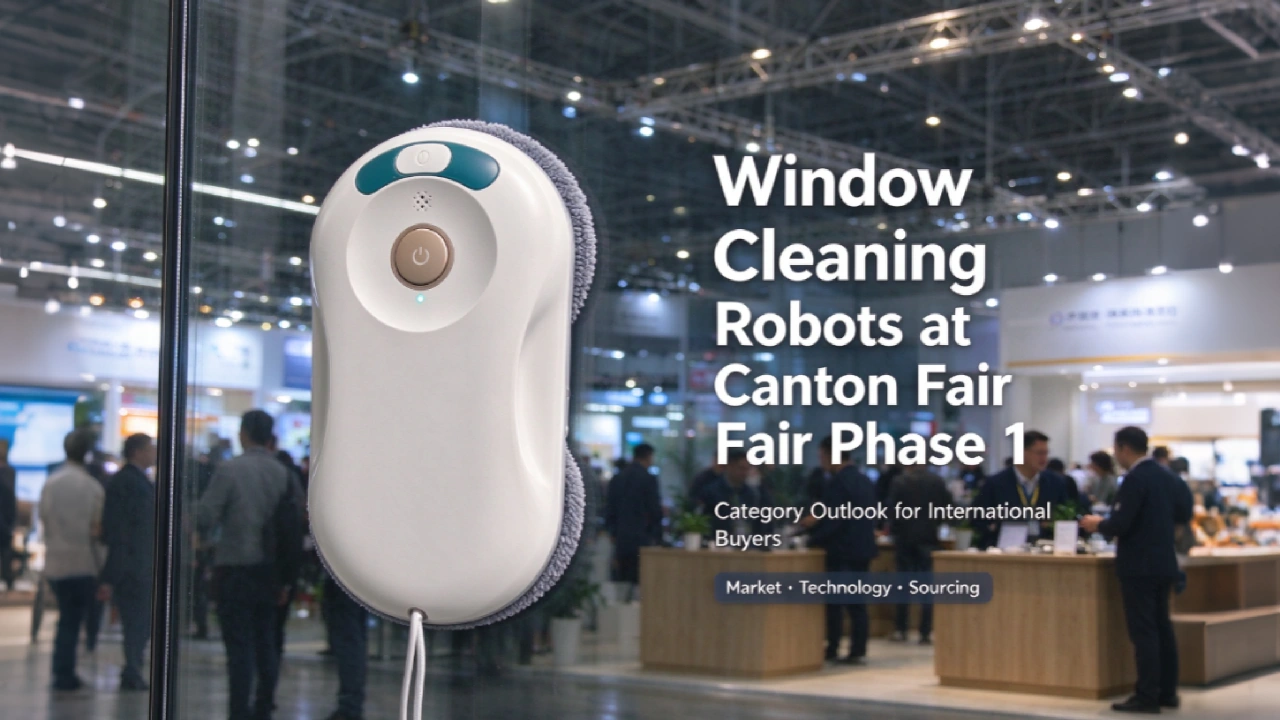
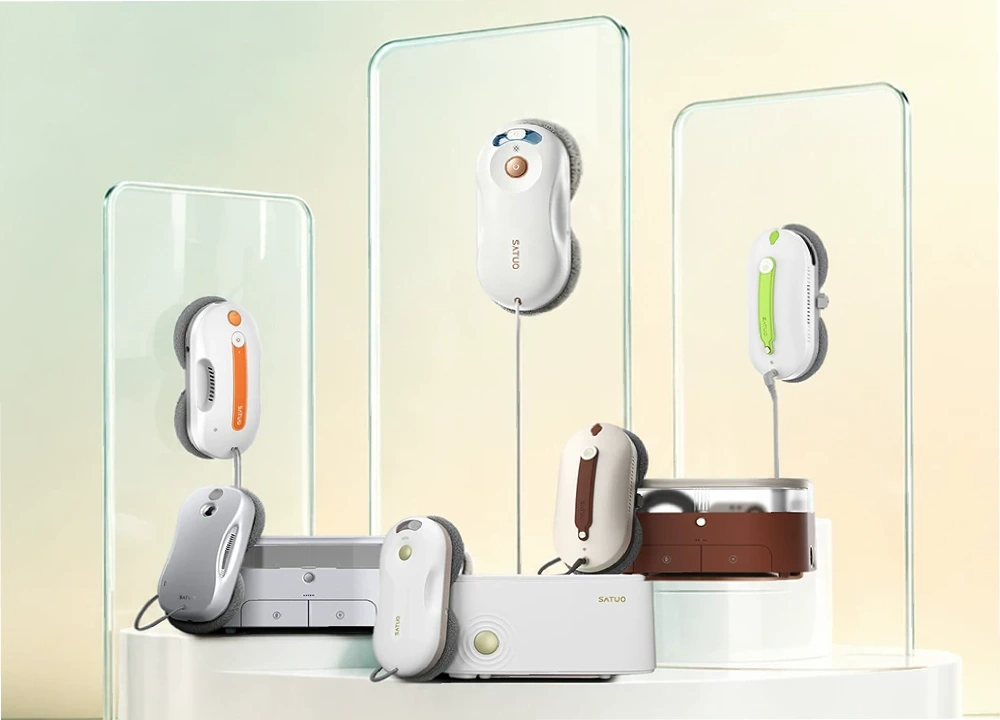
Functional robots delivered the most tangible results. Lingdu Intelligent’s high-altitude facade cleaning robot demonstrated obstacle-crossing cleaning on-site. Its household cleaning robot, the “Lingdu Xiaofeixia X3,” closed over 1,000 units on-site, with intent demand reaching approximately $1 million. You can read our dedicated field report about window cleaning robots for deeper sourcing details on this sub-category.
What Are Service Robots?
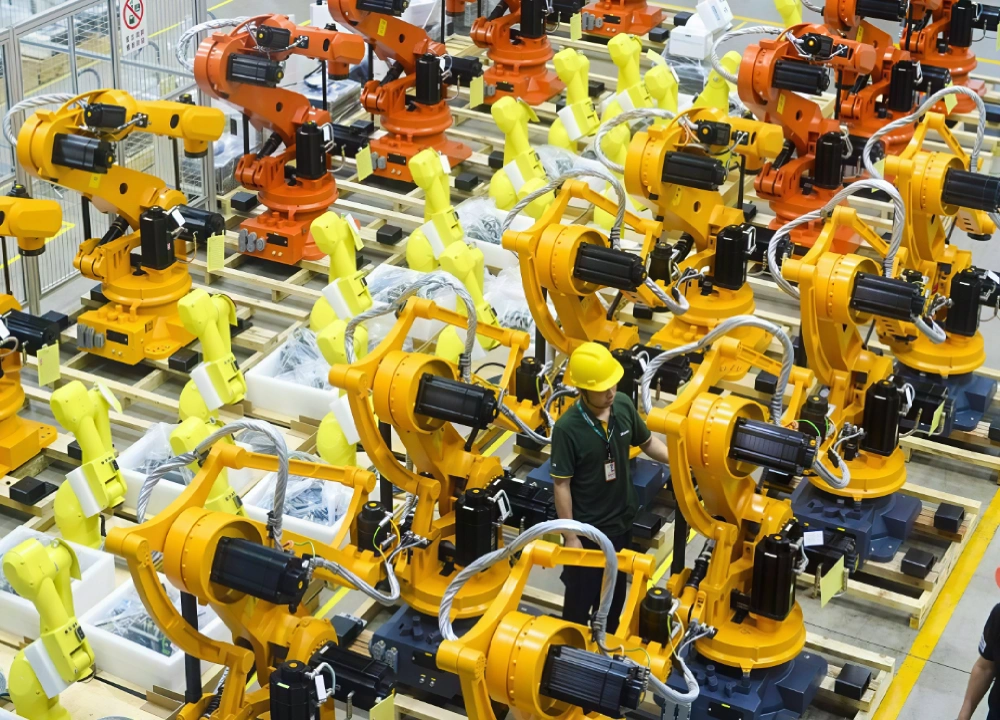
Service robots are robotic systems designed to perform useful tasks for people, instead of repeating fixed manufacturing work on factory production lines. They differ clearly from industrial robots, which are mostly locked inside factories for welding, assembly and material handling.
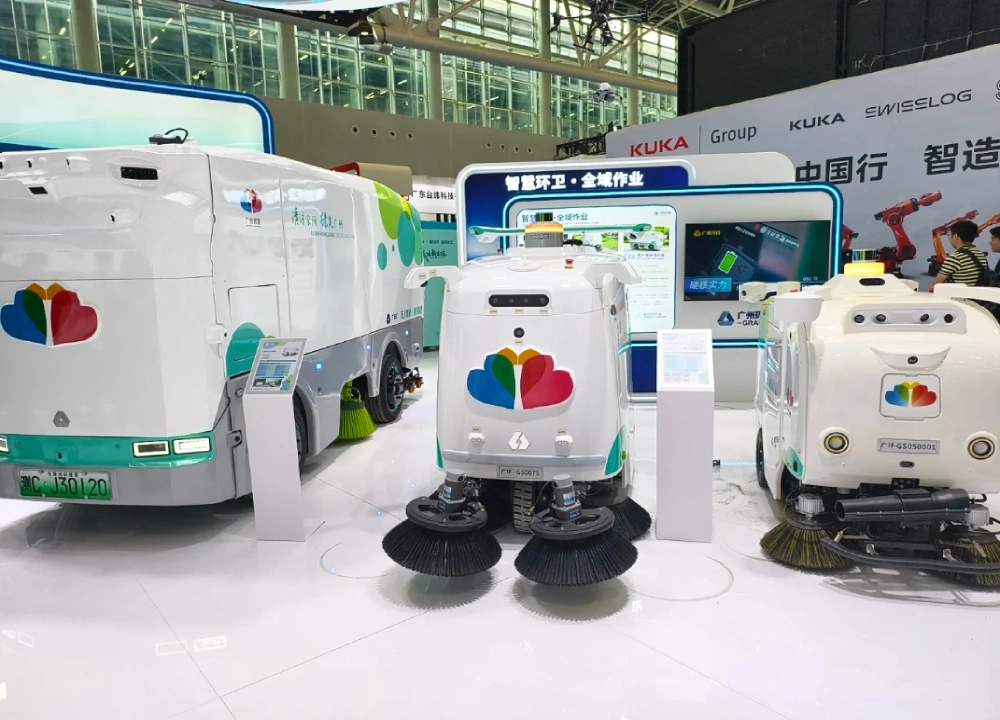
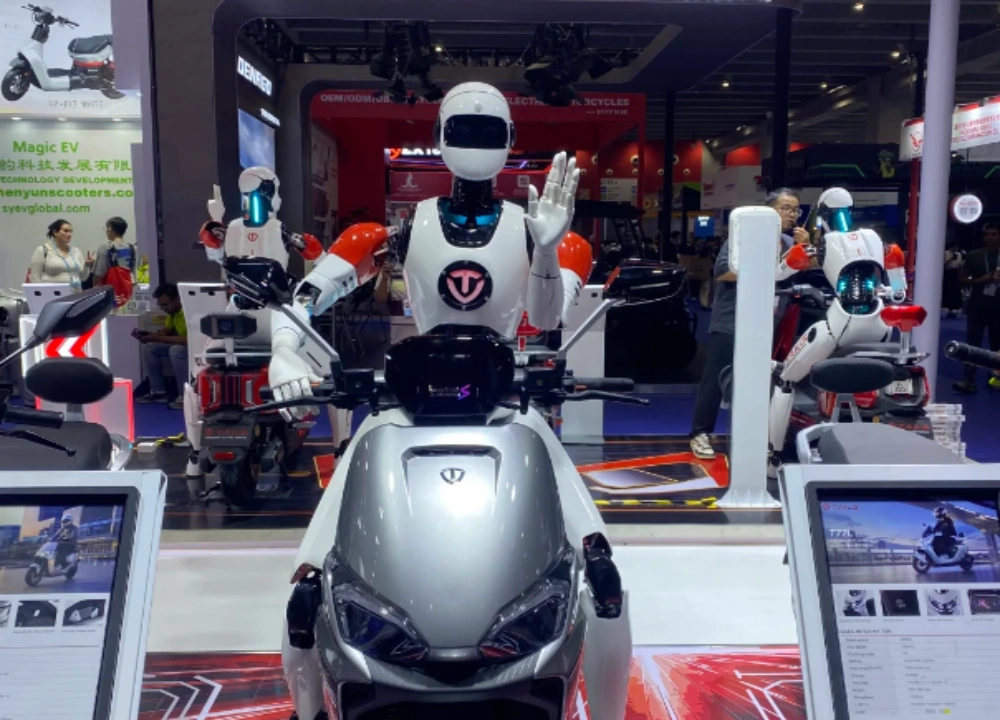
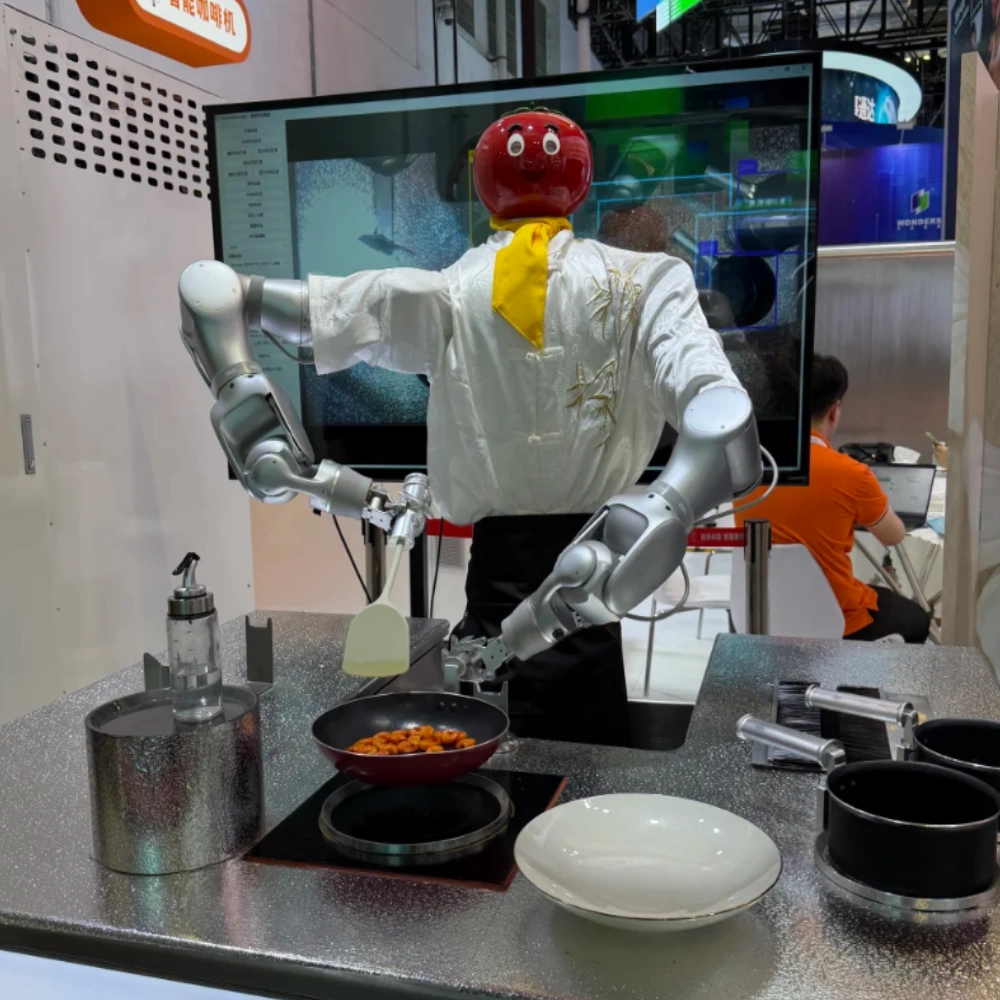
This broad category covers many different use cases. It includes cleaning robots, assistive exoskeletons, reception guide robots, delivery robots, lawn robots, inspection robots, and emerging humanoid general-purpose robots. Their tasks focus on supporting daily work, commercial operation, care and on-site service.
The Sub-Categories: Where the Real Demand Is
The service robot market is not a single market. It is a collection of sub-categories with very different maturity levels and buyer profiles. The table below maps the main segments against their applications and what the fair signaled.
| Category | Typical Products | Core Applications | Fair Signal |
|---|---|---|---|
| Commercial cleaning | Facade cleaning, floor cleaning, pool cleaning | Office buildings, hotels, malls, pools | Lingdu household cleaner: 1,000+ units on-site |
| Logistics & delivery | Sorting arms, AGVs, delivery robots | Warehousing, courier, restaurants, hotels | Shiyuan dual-arm demonstrated parcel sorting |
| Reception & guide | Greeters, tour guides, retail assistants | Exhibition halls, hotels, malls, events | Zhidong “Xiaozhi” ran live at multiple fair locations |
| Rehabilitation & assist | Waist exoskeletons, lower-limb exoskeletons | Medical rehab, elderly assistance, industrial support | Taixi exoskeleton: 50 units/day at retail |
| Specialty operations | Lawn mowers, inspection, security, agricultural | Gardens, power stations, warehouses, farms | Ecovacs mower: 1,000 sqm in 12 hours |
| Humanoid & general | Humanoid robots, composite robots | Multi-scenario general-purpose tasks | Galileo X: hundreds of thousands in intent orders |
Which Categories Already Have Real Demand
Exoskeleton robots benefit from aging populations and labor shortages. Demand is growing in Europe, the Middle East, and Southeast Asia. Rehabilitation and walking assistance use cases are the strongest.
Commercial service robots are driven by high labor costs in Europe and North America. Cleaning robots have become a necessity substitute, not a novelty.
Lawn mowing robots represent a high-growth niche. Ecovacs reported overseas revenue from new categories growing 75.1% year-on-year. Europe is its core market.
Logistics sorting is being pulled by e-commerce. Humanoid dual-arm systems are beginning to enter real warehouse environments. They are no longer only demo units; they work as regular production equipment.
Market Data and Export Landscape
Export Scale
China’s robot exports reached over 150 countries and regions in the first five months of 2026, with cleaning robots accounting for the majority of total export value. Commercial service robots are projected to reach approximately $18.5 billion in exports in 2026, with ASEAN, Europe, and the Middle East as the primary destinations. The concentration in these regions reflects where labor costs and automation demand are rising fastest—and where local after-sales infrastructure is already being built.
Global Market Growth
Market research firms differ on the exact numbers, but the direction is consistent: the service robot market is growing at a double-digit annual rate, driven by labor shortages in cleaning, logistics, and elderly care. For buyers, the takeaway is not the precise figure—it is that the category is expanding fast enough to support new entrants, but not so fast that every supplier will succeed.
China’s Global Position
Chinese companies account for the vast majority of global commercial service robot shipments. This is not just a volume statistic—it reflects the depth of the supply chain. Component suppliers, assembly capacity, and engineering talent are concentrated in the Pearl River Delta, which is why so many service robots at Canton Fair Phase 1 were designed and manufactured within a few hours’ drive of the exhibition hall.
Leading firms are moving beyond product sales. They are building localized after-sales systems through direct subsidiaries, agents, and overseas warehouses. The shift is from “selling products” to “building systems.” For buyers, this matters: a supplier with overseas service capability is a different kind of partner than one that ships from a factory gate and disappears after the container closes.
What Buyers Should Evaluate Before Committing
Verify Manufacturer Status, Not Just Booth Presence
Some exhibitors at Canton Fair Phase 1 are system integrators or trading companies. Their core components are sourced externally. A genuine manufacturer can explain their in-house R&D ratio, core component sourcing, and production line capacity.
Confirm Certification for Your Market
Exporting to Europe requires CE and RoHS. Wireless modules require additional compliance. Cleaning robots involve electrical safety requirements. Rehabilitation exoskeletons may fall under medical device regulations. A supplier unable to produce valid certificates for your market carries significant risk.
Assess After-Sales and Local Support
Service robots are technically complex. After-sales support depends on training and local presence. Leading firms have established direct or agent service points overseas. Buyers should confirm whether local support exists in their target market before committing.
Match the Application to Your Market
The same robot category serves different needs in different regions. Middle Eastern buyers prioritize water-saving cleaning robots. European buyers focus on mowing efficiency and noise levels. Southeast Asian buyers emphasize cost-effectiveness. Request actual case studies or test data from your target market.
We help international buyers verify supplier claims from our Guangzhou office. We distinguish genuine manufacturers from integrators, confirm core component sourcing and production capacity, and coordinate sample testing in your target market. If this category caught your attention at Canton Fair Phase 1, we can help you evaluate whether the supply chain behind the booth is ready for your order.
For buyers considering own-brand development, we support the full product development cycle. It covers concept and structural design, mold making, sampling, and certification. The category is growing, but the difference between a good supplier and a mediocre one shows up in after-sales support and application matching, not on the show floor.
The Bottom Line
Service robots at Canton Fair Phase 1 have moved from “demo products” to “orderable, repeatable, long-term partnership” territory. The fair showed that commercial cleaning, exoskeletons, and lawn mowing already have real demand. Humanoid robots are earlier-stage but moving quickly.
But growth does not mean easy entry. The category requires careful supplier verification, certification compliance, and application matching. Buyers who treat Canton Fair Phase 1 as the starting point for due diligence, rather than the finish line, will be better positioned to capture the opportunity.
If you are evaluating this category after Canton Fair Phase 1, contact us to discuss how we can help you move from booth conversations to production-ready orders.
About the Author
Jeff Lee
Founder of Sourcingyuan
Jeff Lee is the founder of Sourcingyuan, a China-based sourcing and product development company. He has more than 10 years of experience helping overseas businesses source products, develop new products, identify reliable manufacturers, manage production, and build supply chains in China.
Related Articles You May Like 📚
Explore our Canton Fair Guide topic hub for complete coverage of Phase 1, 2, and 3:
🎯 Canton Fair Guide: Complete Buyer Resources
📰 Canton Fair Phase 1 2026: Top New & Trending Products
✅ AI Translation Glasses at Canton Fair Phase 1
✨ Stay tuned for our upcoming Canton Fair Phase 2 coverage!
🤝 Need help evaluating service robots or other Canton Fair Phase 1 categories?
Share This Story, Choose Your Platform!
We connect you with reliable factories, get the best quotes, deliver straight to your door.