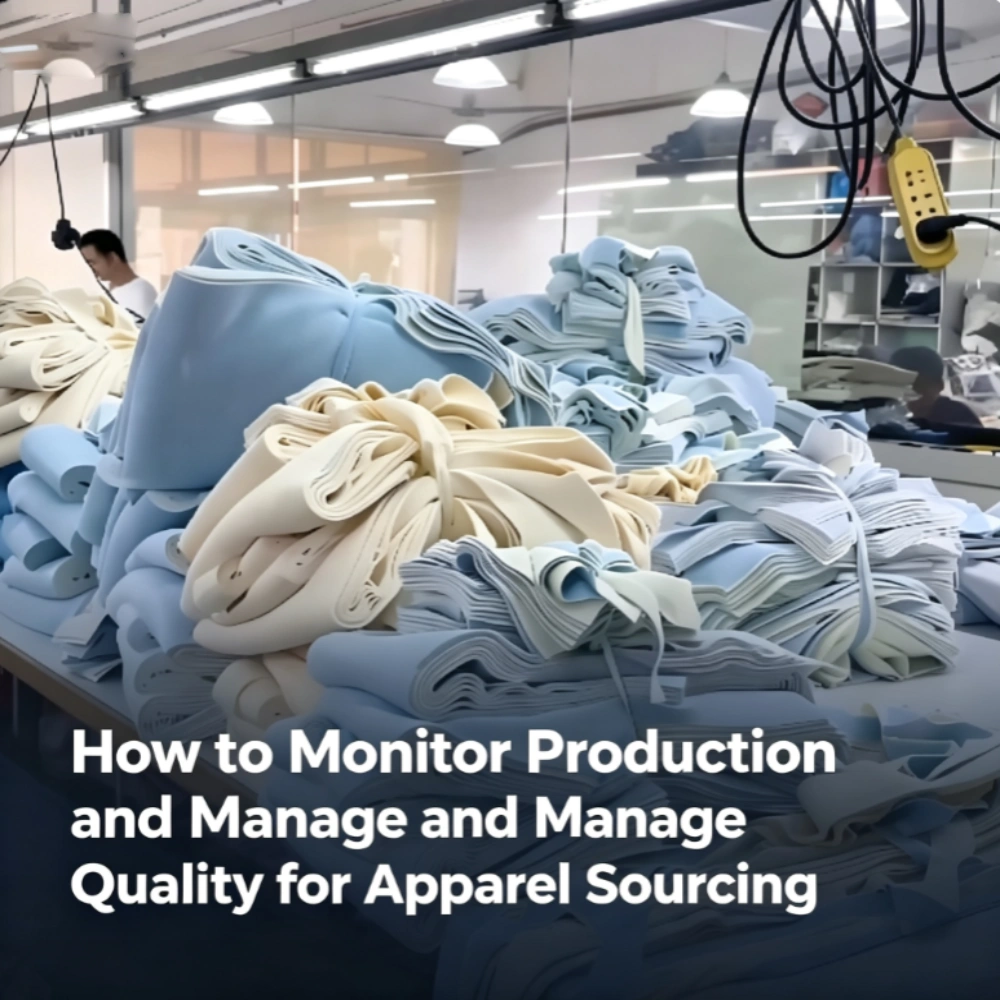
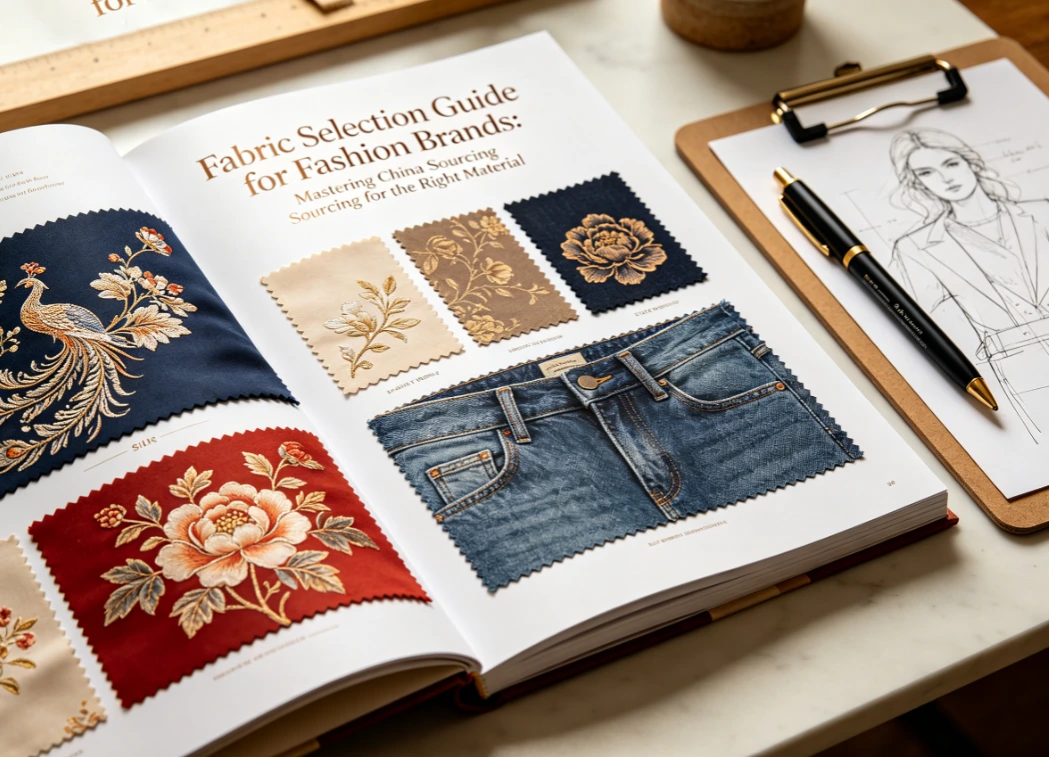
Fabric selection is the foundation of every successful fashion collection. For emerging designers, startup labels, and boutique fashion brands, smart China sourcing directly decides product comfort, durability, visual texture, brand positioning, customer feedback, and profit margins. Many brands struggle with inconsistent batch quality, high return rates, and wasted budgets—not because of poor design, but because of wrong fabric choices during China sourcing.
China’s apparel fabric supply chain is the world’s most complete. It covers affordable mass-market materials, mid-range daily wear, and high-end luxury textiles. This gives fashion brands unlimited options, but also creates confusion. Without a real selection logic, many buyers either overspend on unnecessary premium materials or cut corners on fabric quality. The result? Unbalanced costs, vague brand aesthetics, and returns.
This practical guide breaks down a complete fabric selection framework for fashion brands using China sourcing. We cover core principles, style-matched recommendations, cost-quality strategies, and common pitfalls. Whether you run a minimalist casual line, vintage streetwear, French boutique styles, or a sustainable collection, this guide helps you pick the most suitable fabric for your brand—and achieve stable, high-quality China sourcing from the start.
Why Fabric Selection Defines Your Brand’s Competitiveness
Many new brands overemphasize design patterns and tailoring while ignoring fabric. In fact, fabric is the first physical touchpoint between customers and your brand. Consumers remember a label through tactile memory: soft and skin-friendly, thick and structured, lightweight and drapable, or premium and textured.
Wrong fabric matching destroys design advantages. A minimalist clean-style dress made of stiff, wrinkly fabric looks cheap. A vintage streetwear hoodie using thin, easily deformed material loses its shape. High-end casual styles using non-color-fast fabrics fade and shrink after washing, killing trust.
In China sourcing, standardized fabric selection stabilizes product quality and unifies your brand’s visual feel. Locking fixed fabric specifications for core collections creates a consistent style memory that sets you apart from generic fast fashion.
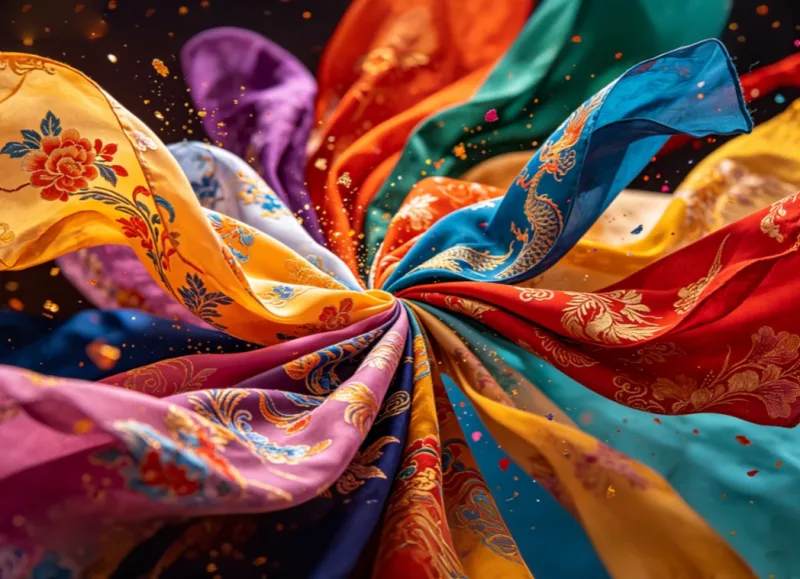
China Premium Sourcing Fabric
Core Fabric Selection Principles for Fashion Brands
Great fabric choice is never about the most expensive material—it’s about the most matching one. Every fabric decision should follow these four principles.
1.Match fabric with brand positioning – Luxury boutique brands want texture, density, and craftsmanship. Daily casual brands focus on comfort and value. Streetwear brands emphasize weight and structure. Sustainable brands prioritize eco-friendly materials.
2.Align material with garment function – Seasonal use determines thickness, breathability, and warmth. Summer needs lightweight, sweat-wicking fabrics. Winter requires thick, warm, windproof materials. Transitional pieces need balanced drape and comfort.
3.Balance quality and sourcing budget – Classify your product lines. Core flagship styles invest in high-standard fabrics. Basic daily wear uses cost-effective mature materials to control overall China sourcing costs.
4.Prioritize batch stability and wash resistance – For long-term iteration, choose fabrics with stable weave density, qualified color fastness, and low shrinkage. Avoid niche, unstable materials that cause batch deviation.
Best China-Sourced Fabrics by Fashion Brand Style
China’s textile clusters offer highly specialized fabrics. Below are targeted matches for mainstream brand positioning during China sourcing.
1. Minimalist & French Boutique Brands
Core needs: clean lines, soft drape, low-key premium feel.
Recommended: Combed cotton (smooth surface, low shrinkage). High-count plain weave (lightweight, natural drape). Fine French terry (soft, no bulk).
Avoid: Overly thick fleece, rough low-count cotton, easily wrinkled blends.
2. Streetwear & High-Fashion Brands
Core needs: three-dimensional silhouette, stiff shaping, durable wear.
Recommended: Heavyweight cotton (360–420gsm – thick, non-deformable). Washed denim (vintage texture, durable). Twill woven (stiff, good for cargo pants).
Avoid: Thin, soft, easily stretched fabrics.
3. Vintage & Retro Designer Brands
Core needs: nostalgic tone, worn texture, soft retro hand feel.
Recommended: Enzyme-washed cotton (soft, slight vintage marks). Vintage terry (uneven natural texture). Linen-cotton blend (slightly wrinkled, literary feel).
4. Sustainable & Eco-Friendly Fashion Brands
Core needs: low environmental impact, certifications.
Recommended: Organic cotton (GOTS, skin-safe). Recycled polyester & recycled cotton (low-carbon, certified). Natural linen and bamboo fiber (breathable, biodegradable).
5. Daily Casual & Mass-Friendly Brands
Core needs: high value, wash resistance, stable batches.
Recommended: Cotton-polyester blend – balances softness with anti-shrink and anti-wrinkle benefits. Lowest defect rate and most consistent China sourcing solution for basics.
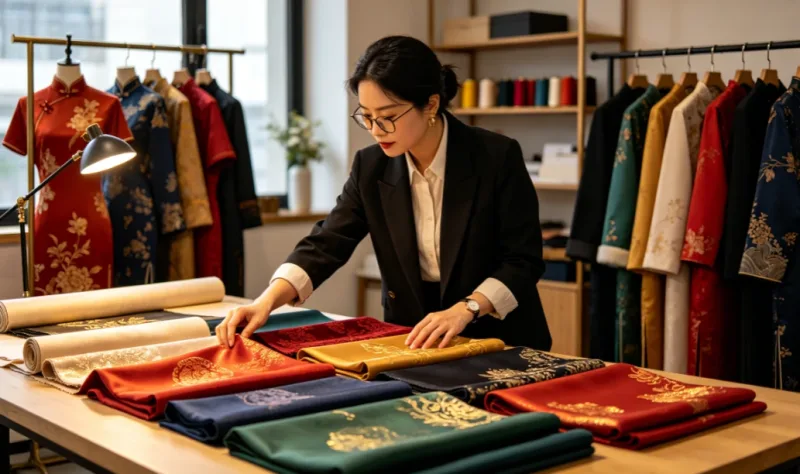
Choosing Chinese fabrics
Key Fabric Sourcing Standards Every Brand Must Lock
Batch inconsistency usually comes from unlocked details, not wrong fabric types. When you source from China, lock these standards.
Fixed fabric gram weight – Lock thickness per style to avoid deviation between batches.
Unified yarn count and weave density – Higher yarn count = smoother. Lower = more textured. Locking this keeps surface feel consistent.
Confirmed color fastness and shrinkage rate – Require pre-shrunk treatment and test reports.
Standardized post-processing – Clarify soft finish, enzyme wash, stone wash, or matte/glossy effects.
How to Balance Fabric Quality and Cost in China Sourcing
Cost control is not about cutting corners. It’s about precise matching. For startup brands with limited budgets, follow these three strategies.
First, classify fabric investment by product value. Core selling styles use high-standard custom fabrics. Basic versatile styles use mature stock fabrics to reduce mold fees.
Second, prioritize factory stock fabrics for trial orders. Most Chinese mills have large quantities of qualified stock fabrics with stable quality, priced 10–20% lower than custom-dyed. Perfect for market testing.
Third, avoid over-specification. Don’t blindly chase heavyweight or high-count fabrics for entry-level casual wear. Excess standards add cost without visible brand value.
Common Fabric Selection Mistakes in China Sourcing
1.Judging quality only by price – Ultra-low prices often hide unstable density or unqualified color fastness.
2.Mismatching fabric to style – Stiff fabric on elegant dresses, or thin fabric on streetwear, destroys design logic.
3.Confirming only fabric type without locking parameters – Same type from different mills varies hugely in gram weight and workmanship.
4.Ignoring seasonal adaptability – Using winter thick fabric in summer leads to returns.
5.Neglecting certification compliance – Export brands failing to check REACH or OEKO-TEX face customs detention and order losses.
Final Takeaways
Fabric selection is the most critical link in fashion brand China sourcing. It is not a simple material pick. It is a systematic decision covering brand positioning, style presentation, wearing experience, quality stability, and cost control. The right fabric amplifies design advantages, builds exclusive brand texture memory, and raises customer trust and repurchase rates.
For brands focused on long-term growth, a fixed fabric standard system is more important than occasional trendy updates. By matching fabrics to style attributes, locking detailed production parameters, balancing quality and budget, and avoiding common mistakes, you can achieve stable, high-quality output through China sourcing – building a solid foundation for brand value and market expansion.

China sourcing
How SourcingYuan Helps With Professional Fabric Selection
At SourcingYuan, we provide brand-oriented fabric selection solutions for global fashion brands using China sourcing. We fully match your brand positioning, style tonality, seasonal demands, and budget to screen the most suitable Chinese fabrics – avoiding blind choices and batch deviation.
We help brands create exclusive fabric standard files: locking gram weight, yarn count, color tone, and post-processing parameters, plus verifying compliance certifications. From sample confirmation to bulk inspection, we supervise every step to ensure 100% consistency between bulk goods and samples.
Whether you need high-end boutique fabrics, streetwear heavyweight materials, sustainable eco-fabrics, or cost-effective daily wear textiles, we connect you with verified Chinese fabric mills and provide one-stop optimized China sourcing solutions.
Email: lee@sourcingyuan.com
Contact us to customize exclusive fabric selection and production standards for your fashion brand – and stabilize your product quality and brand aesthetic in every China sourcing batch.
Share This Story, Choose Your Platform!
We connect you with reliable factories, get the best quotes, deliver straight to your door.