If you are planning a sourcing factory trip to southern China, a factory visit guide is not a luxury—it is a necessity. The Pearl River Delta manufacturing belt is the most concentrated production ecosystem in the world, but it is also fragmented across four major cities, each with its own industrial personality. Show up without understanding the landscape, and you will spend three days in showrooms instead of factory floors.
This factory visit guide breaks down what each city offers, what kinds of factories you will find, and how to make your visits productive. It is not a rigid itinerary planner—it is a preparation manual for buyers who want to understand where their product is actually made.
Why the Pearl River Delta Matters
Pearl River Delta manufacturing accounts for a significant share of China‘s exports in electronics, furniture, apparel, and consumer goods. The region’s advantage is density: component suppliers, assembly plants, tooling shops, and logistics providers sit within a few hours‘ drive of each other.
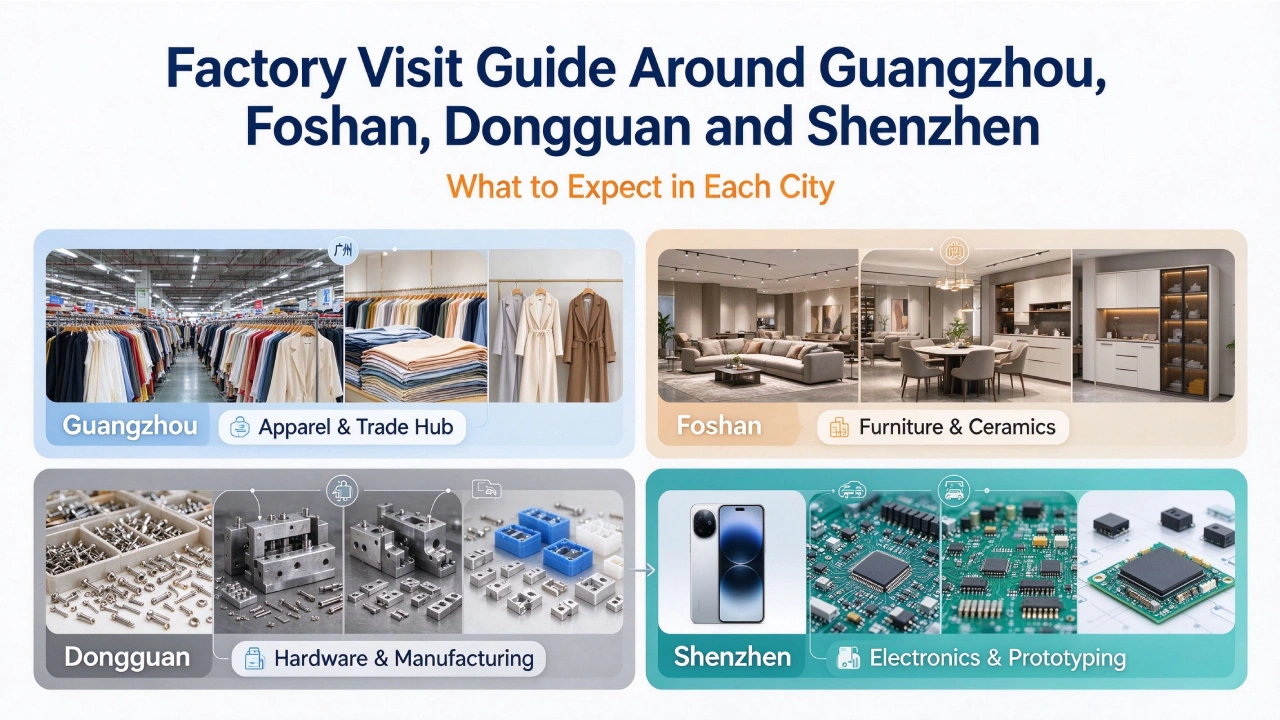
For buyers, this density means faster sampling, easier verification, and more competitive pricing. But it also means that “going to China to visit factories” is not a single destination. Guangzhou is a trading hub. Foshan is a furniture and appliance base. Dongguan is a manufacturing corridor. Shenzhen is an electronics frontier.
A poorly structured factory visit guide that treats these four cities as interchangeable will waste your time. This factory visit guide will walk you through each destination, and the sections below explain what each city actually offers, and how to design a practical factory tour Guangdong.
Guangzhou: The Coordination Base, Not the Factory Floor
What You Will Find
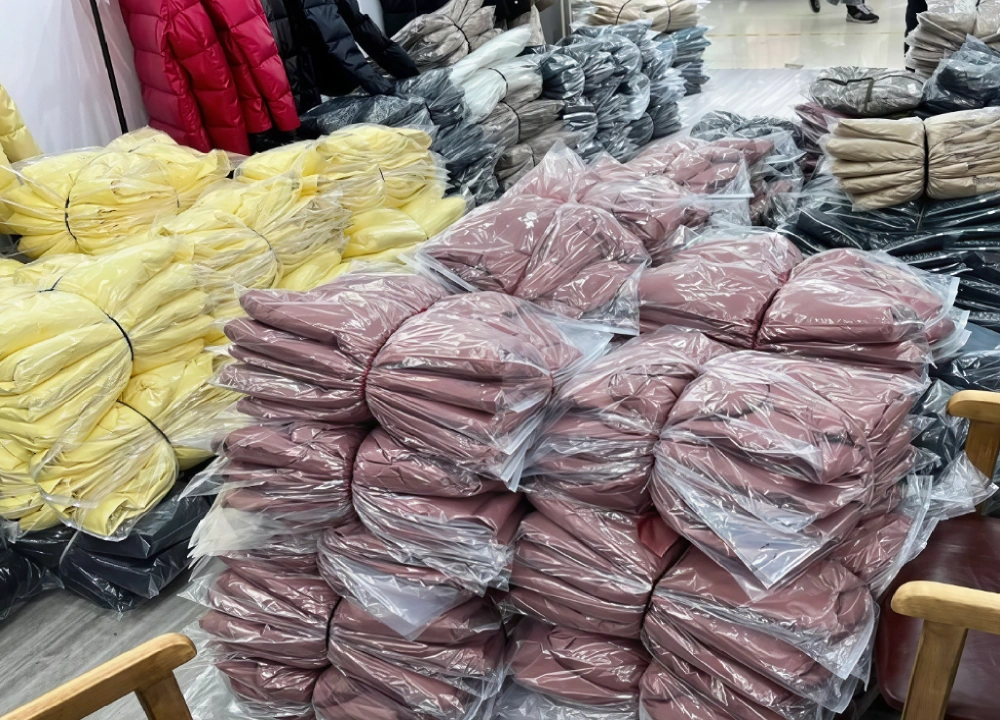
Guangzhou is not where most factories are. It is where the services that support factory visits are concentrated—freight forwarders, inspection agencies, translation services, and exhibition centers.
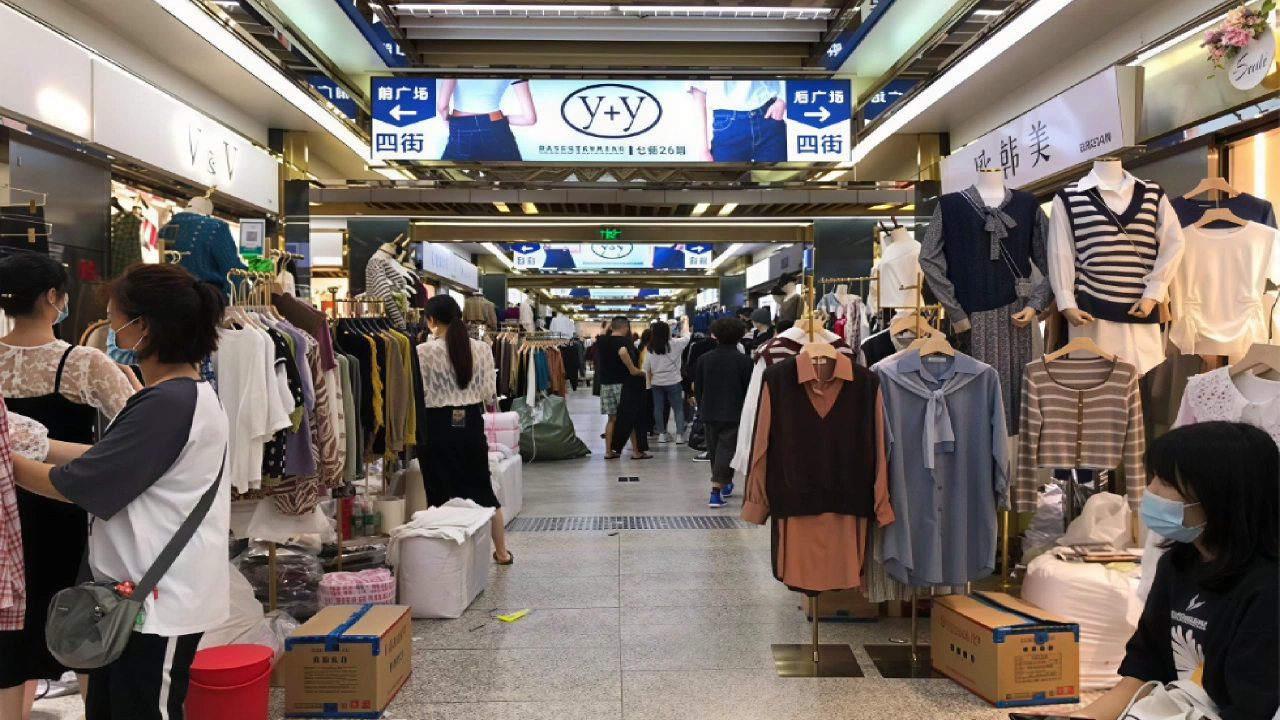
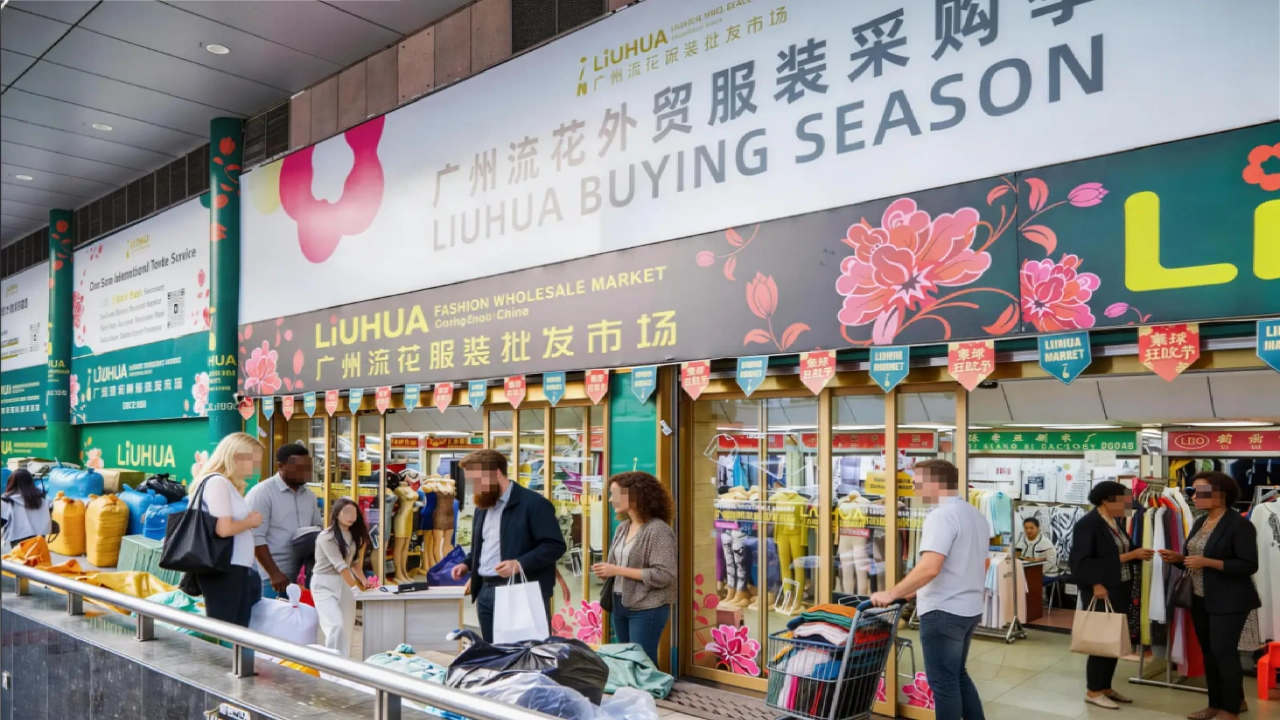
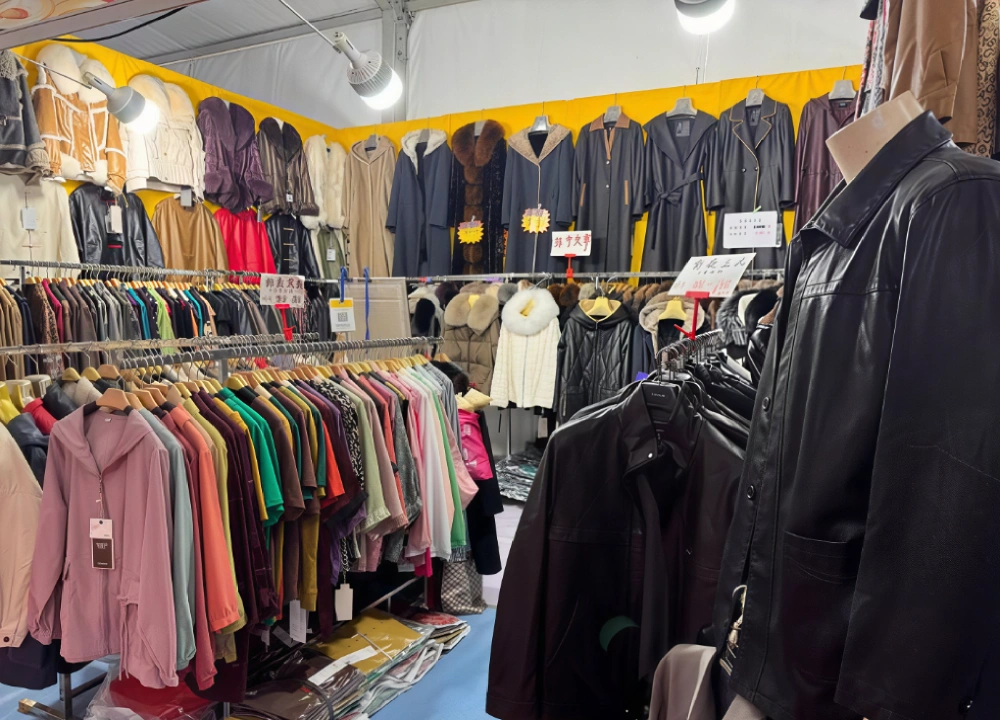
Guangzhou hosts 508 specialized wholesale markets, but these are trading venues, not production sites. The city’s most well-known wholesale clusters include Baima Clothing Market, Xintang Denim Market, and Baiyun Beauty & Cosmetic Market. The city does have factories in apparel (Panyu, Xintang), beauty (Baiyun), and packaging (Panyu, Huadu), but they are smaller and more dispersed than the industrial belts in Foshan and Dongguan. Many apparel and beauty buyers start their sourcing journey here to compare styles, samples and price ranges before heading to real production facilities.
Why It Matters for Your Trip
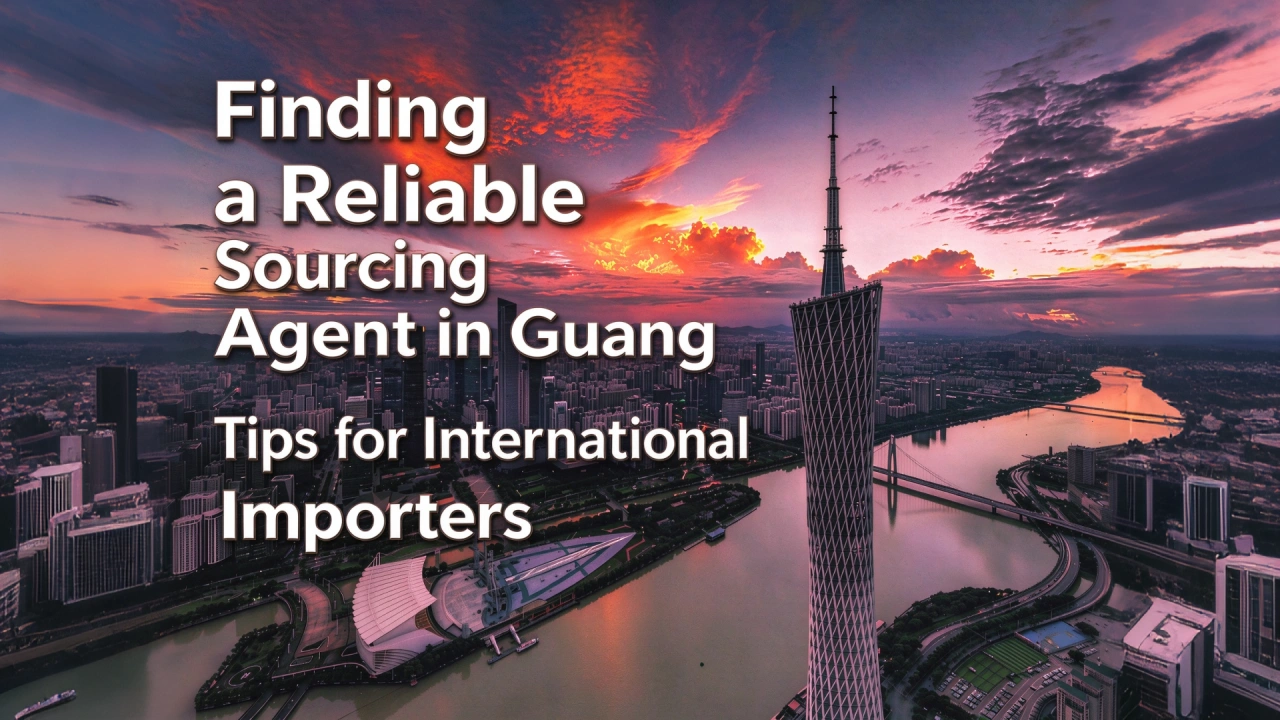
Guangzhou is the natural base for a factory visit Guangzhou trip. You can meet your Guangzhou sourcing agent, coordinate inspections, arrange transport, and then travel to Foshan or Dongguan for factory visits. The city‘s service layer makes the rest of the trip possible. A skilled Guangzhou sourcing agent can also help you filter genuine manufacturers from pure trading companies before you set out. If you are unsure how to vet your partner, read our guide: Finding a Reliable Sourcing Agent in Guangzhou: Tips for International Importers.
Most buyers use Guangzhou as a staging hub: sample collection, third-party inspection drop-off, document sorting and multi-city itinerary planning all happen here. It is less ideal for mass production, but unbeatable for pre-production preparation and market trend research, as highlighted in this factory visit guide.
Foshan: Furniture, Appliances, and Ceramics
What You Will Find
Foshan is where a Foshan factory visit delivers the most value for furniture, appliance, and building material buyers.
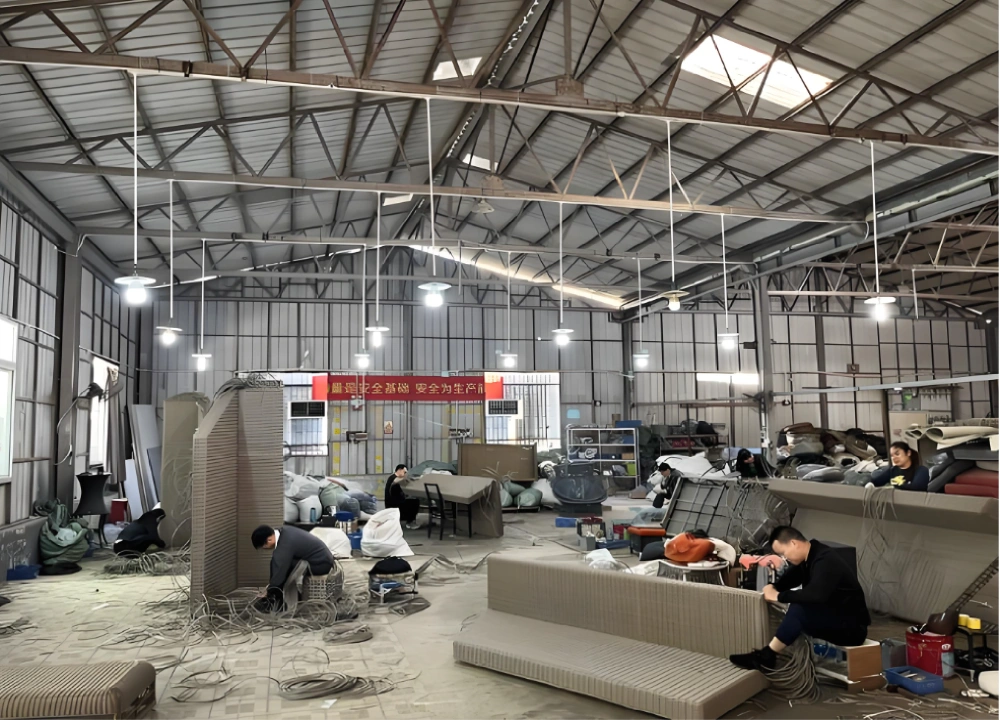
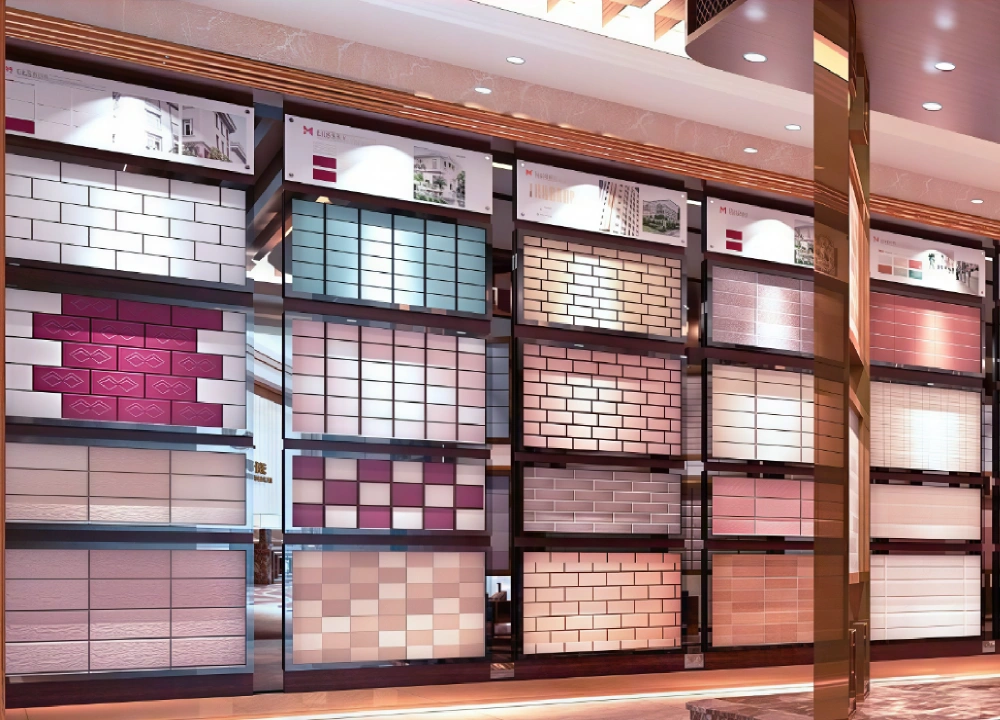
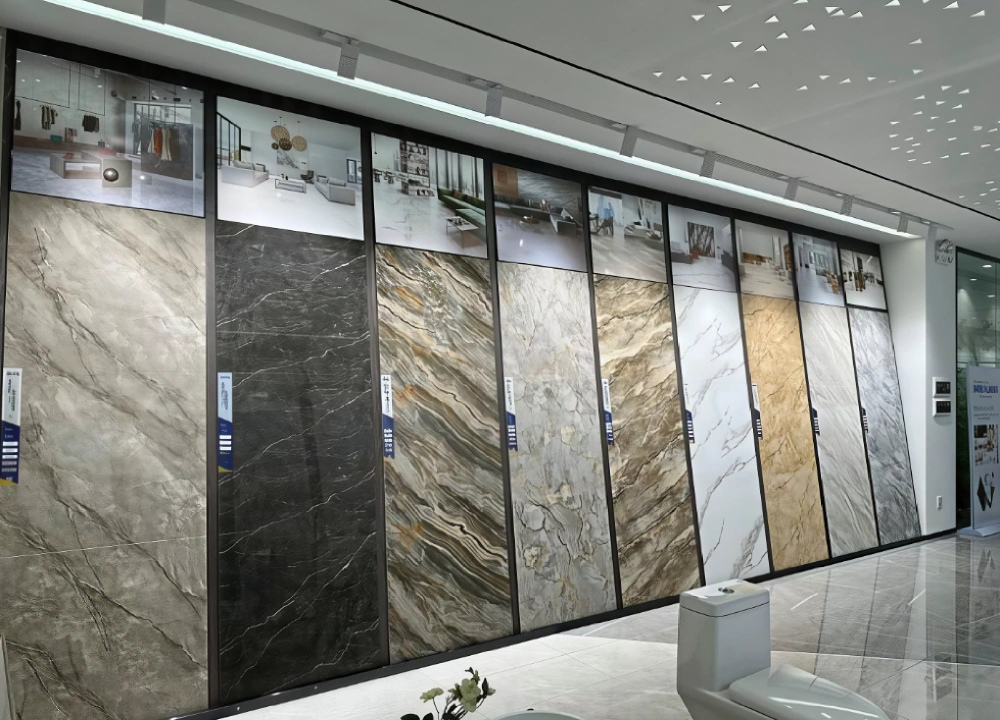
The Lecong and Longjiang furniture corridors house thousands of manufacturers, with living room suites, sofas, dining sets, bedroom furniture and custom cabinetry as core categories. You can also visit the famous Lecong Furniture World to compare styles and finish samples. Shunde is the appliance heartland, anchored by Midea and its supplier network, covering small home appliances, kitchen appliances and water treatment equipment. Nanzhuang and Shiwan are ceramic clusters with strong export histories, specialising in floor tiles, wall tiles, bathroom ceramics and stone countertops. Hardware accessories for furniture and sanitary ware are also concentrated nearby.
What to Expect
Foshan factories range from small workshops focused on custom furniture to large integrated manufacturers with full spray-painting, upholstery and packaging lines. The cluster is mature, and factory owners are accustomed to international buyers. A Foshan factory visit typically includes a showroom tour followed by a production floor walk-through—but confirm in advance that the production line will be running when you arrive. This is one detail many buyers overlook when following a basic factory visit guide.
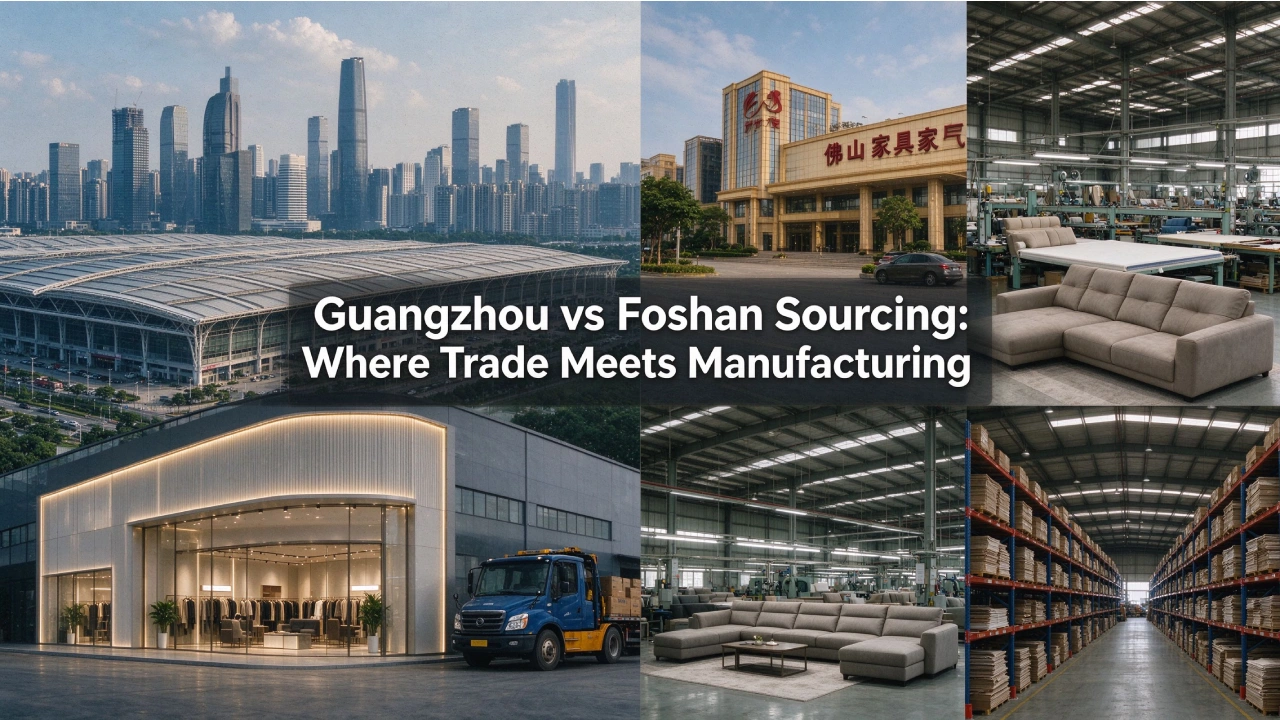
A common trap here: some showrooms represent dozens of external workshops, and the actual production quality may differ from the showroom sample. Your agent can help trace the real workshop and verify consistency. If you want to dive deeper into the trade and manufacturing differences between these two hubs, read Guangzhou vs Foshan Sourcing: Where Trade Meets Manufacturing.
Dongguan: The Manufacturing Corridor
What You Will Find
Dongguan is where a Dongguan factory tour shows the density of China’s manufacturing base.
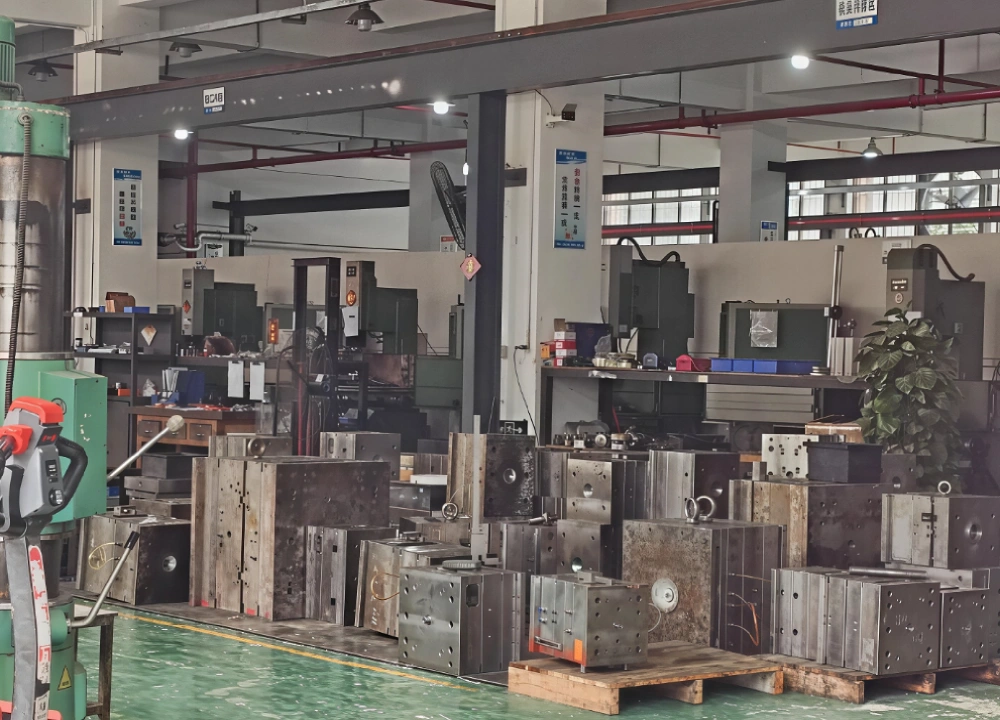
Songshan Lake focuses on high-end electronics, new energy products and R&D. Houjie is a furniture manufacturing center famous for solid wood furniture and hotel furniture. Chang’an is known for precision hardware, screws, metal stamping and die casting; Humen hosts electronics, hardware, apparel accessories and woven labels. The city produces one in five smartphones globally, and its factory ecosystem spans large contract manufacturers and small specialized workshops. You can also find mould factories, plastic injection plants, silicone product factories and packaging factories clustered closely together, making it perfect for one-stop hardware and plastic product sourcing.
What to Expect
Dongguan factories are often larger and more vertically integrated than those in Guangzhou or Foshan. A Dongguan factory tour may include multiple production buildings, in-house tooling, surface treatment workshops and dedicated QC lines. This is where you see manufacturing at scale, and it is a key stop on any factory tour Guangdong.
Many factories here accept OEM and ODM orders. The main risk is partial subcontracting: some factories keep assembly in-house but outsource moulding or surface treatment to external small workshops, which can create quality inconsistency.
Shenzhen: Electronics and Rapid Prototyping
What You Will Find
Shenzhen is the destination for a Shenzhen factory visit focused on electronics, hardware, and smart devices.
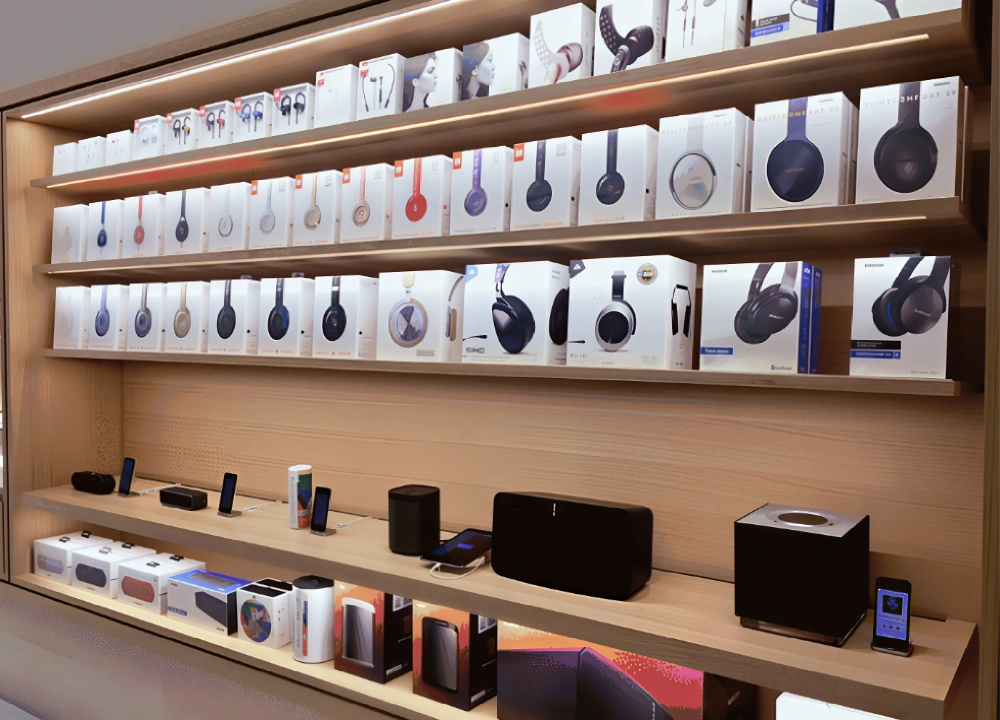
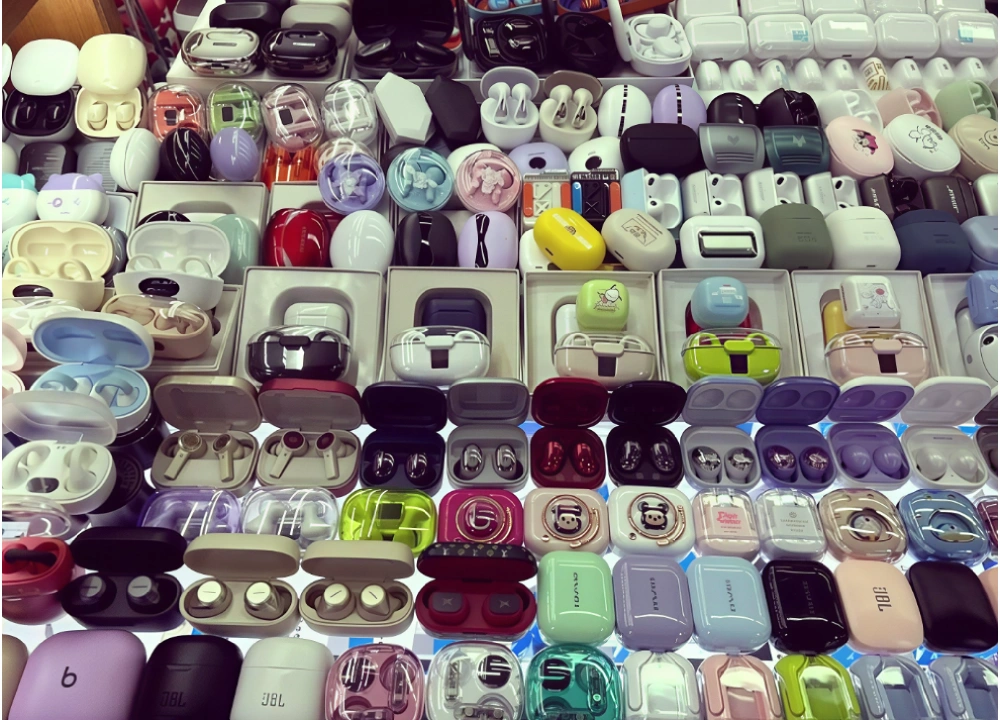
Huaqiangbei is the world-famous component sourcing hub for chips, screens, connectors, sensors and PCB modules. Bao’an and Nanshan host electronics manufacturing and hardware R&D, including SMT assembly houses, custom PCB factories, 3D printing studios and metal CNC machining workshops. The city’s ecosystem supports rapid prototyping—design in the morning, sample in the afternoon. It is best for smart home gadgets, consumer electronics, IoT devices, custom hardware and electronic accessories.
What to Expect
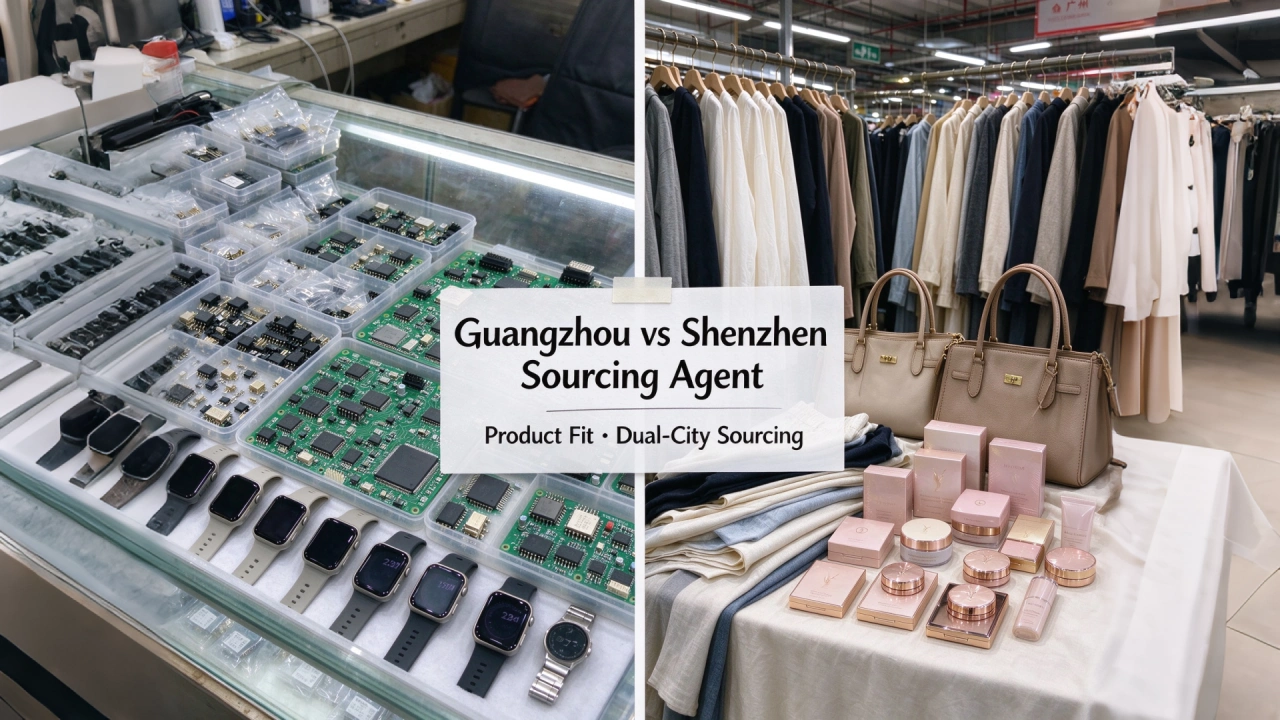
Shenzhen factories are often smaller and more specialized than Dongguan‘s large-scale manufacturers. A Shenzhen factory visit may focus on a specific process—SMT assembly, PCB fabrication, or enclosure machining—rather than a full product line. This is where you verify technical capability, not just production capacity. Remember, many Shenzhen design teams outsource mass production to nearby Dongguan, a key warning inside this factory visit guide. If you are deciding whether to hire support based in Guangzhou or Shenzhen, check out Guangzhou vs Shenzhen Sourcing Agent: Which City Fits Your Product Category?.
Buyers often get confused: Shenzhen excels at engineering and fast samples, but mass production MOQs and labour costs are usually higher than Dongguan. Confirm production location and lead time before paying for tooling.
The Four Cities at a Glance
This table serves as your quick-reference within this factory visit guide. Each city has a distinct factory ecosystem and a distinct set of risks.
| City | Core Product Categories | Factory Visit Focus | Common Risk |
|---|---|---|---|
| Guangzhou | Apparel, bags, gifts, fast-moving goods | QC lab, sample room, wholesale coordination | Many trading companies disguised as factories |
| Foshan | Furniture, ceramic tiles, aluminum profiles | Assembly line, raw material warehouse | Showroom-only visits without production access |
| Dongguan | Mould, plastic, hardware, packaging | Mould workshop, injection line, component supply chain | Subcontracting of key processes |
| Shenzhen | Smart electronics, PCB, small gadgets | R&D lab, prototype line, reliability test | High MOQ for mass production, high labour cost |
What to Prepare Before Your Supplier Factory Visit
Planning ahead is core to this factory visit guide. This factory visit guide covers the critical pre-trip checks that directly impact the quality of your China factory inspection.
Verify the Business License
Check the registered scope on the official national enterprise credit system. If it says “trading” rather than “manufacturing,” you are not visiting a factory. A Guangzhou sourcing agent can verify this record before you travel.
Confirm the Production Line Will Be Running
Factories sometimes schedule visits during downtime. Ask specifically: “Will the production line for my product category be running during my visit?” If the answer is vague, reschedule.
Prepare Your Reference Samples & Standards
Bring finished reference samples, material swatches, and your approved tech pack. Compare samples side-by-side on site to avoid deviations after order placement.
Clarify NDA & Photography Rules
Ask whether you need to sign an NDA before viewing proprietary tooling, prototypes or formulas. Confirm which areas you can photograph or record during your inspection.
Prepare Your Questions
A China factory inspection is not a casual tour. Bring your technical questions, your sample requirements, and your QC checklist. The factory audit China standard covers four checkpoints: incoming materials (IQC), in-process (IPQC), final inspection (FQC), and outgoing (OQC).
How Sourcingyuan Supports Factory Visits
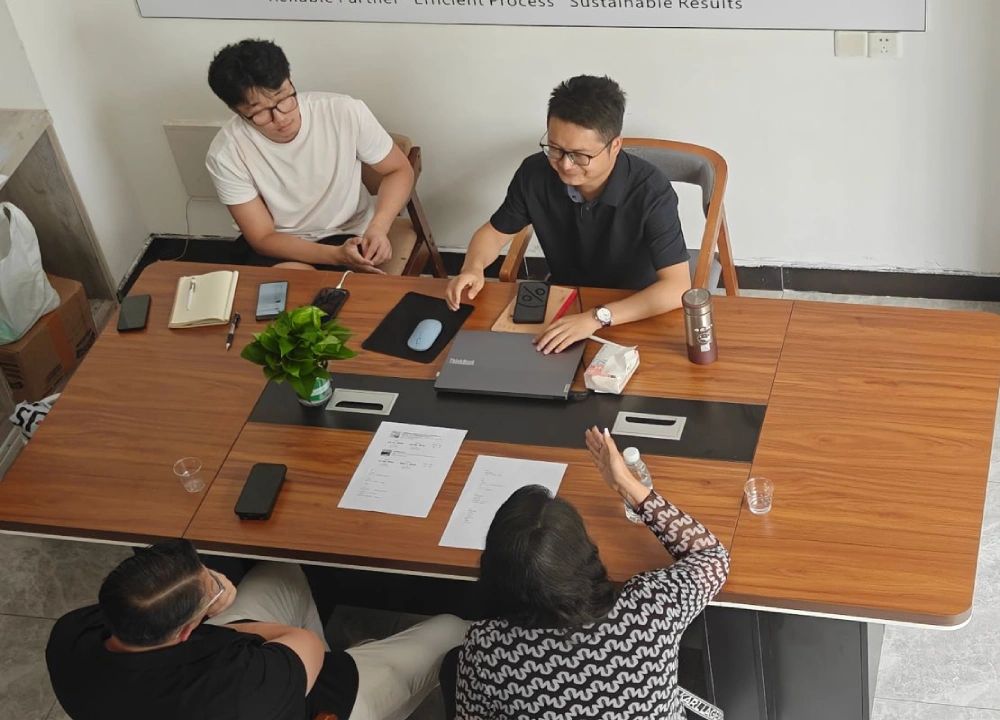
At Sourcingyuan, we coordinate factory trips across the Pearl River Delta from our Guangzhou office. We schedule factory appointments, provide translation support, verify business licenses before visits, and follow up with inspection reports after. Our full on-site support scope is available on our Guangzhou sourcing agent service page.
Our team regularly visits Foshan furniture factories, Dongguan electronics plants, and Shenzhen hardware suppliers. We do not replace your judgment—we make sure you see the real production floor, not just the showroom. Sourcingyuan knows how to structure a smooth factory tour Guangdong that matches your product category and timeline. When you follow this factory visit guide and work with our local team, you reduce the chance of wasted travel and misleading showroom-only meetings.
Sourcingyuan can also help you connect with vetted suppliers before you land, so every stop on your sourcing factory trip delivers actionable insights.
The Bottom Line
As outlined in this factory visit guide, a practical factory visit guide for the Pearl River Delta must start with the recognition that four cities serve four different purposes. Guangzhou coordinates. Foshan furnishes. Dongguan manufactures. Shenzhen prototypes.
Use this factory visit guide to match your product category to the right city, prepare the right questions, and verify what you see on the floor. At Sourcingyuan, we work from Guangzhou and coordinate factory visits across the region. If you are planning a factory visit Guangzhou trip or need support in Foshan, Dongguan, or Shenzhen, contact us to discuss how we structure the itinerary and verification process.
About the Author
Jeff Lee
Founder of Sourcingyuan
Jeff Lee is the founder of Sourcingyuan, a China-based sourcing and product development company. He has more than 10 years of experience helping overseas businesses source products, develop new products, identify reliable manufacturers, manage production, and build supply chains in China.
Related Articles You May Like 📚
Explore more from our Guangzhou Sourcing Agent series:
🏙️ Guangzhou vs Shenzhen Sourcing Agent: Which City Fits Your Product Category?
🏭 Guangzhou vs Foshan Sourcing: Where Trade Meets Manufacturing
🔍 Guangzhou vs Yiwu Sourcing: Where Should You Source Your Products?
🤝 Need help coordinating factory visits across the Pearl River Delta?
Sourcingyuan works with international buyers from our Guangzhou office—from factory appointments to inspection follow-up.
Share This Story, Choose Your Platform!
We connect you with reliable factories, get the best quotes, deliver straight to your door.