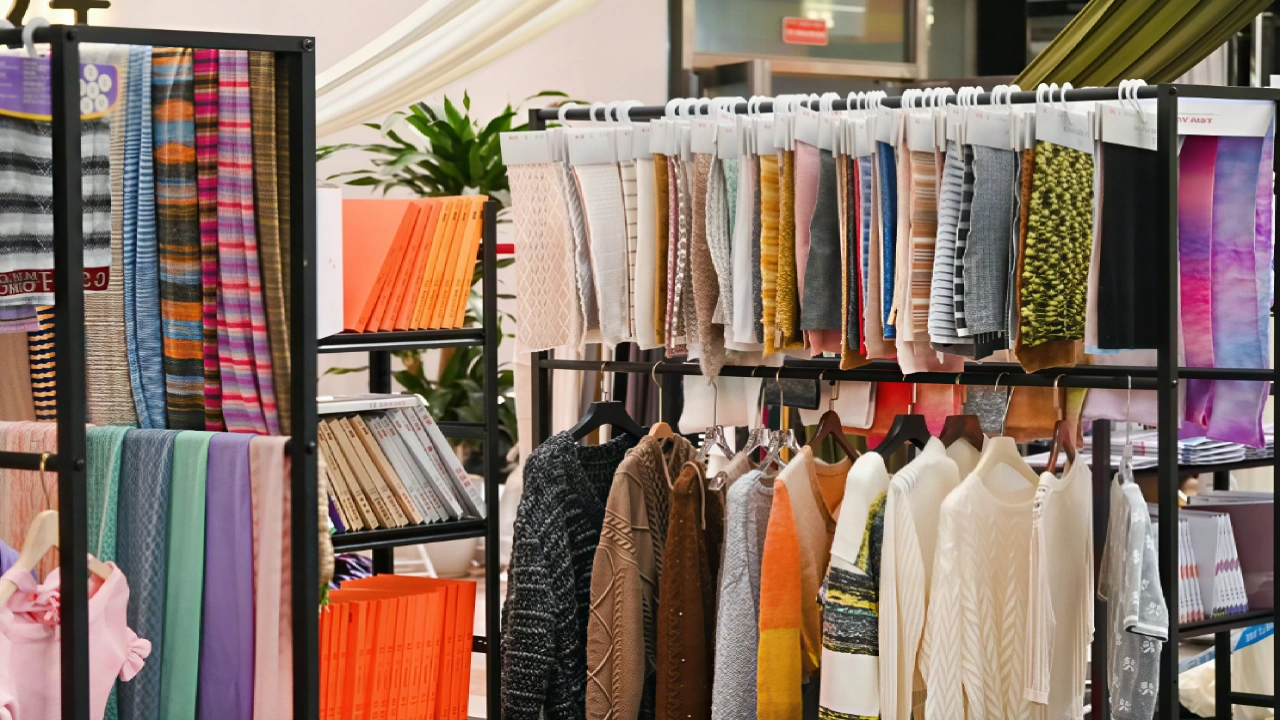
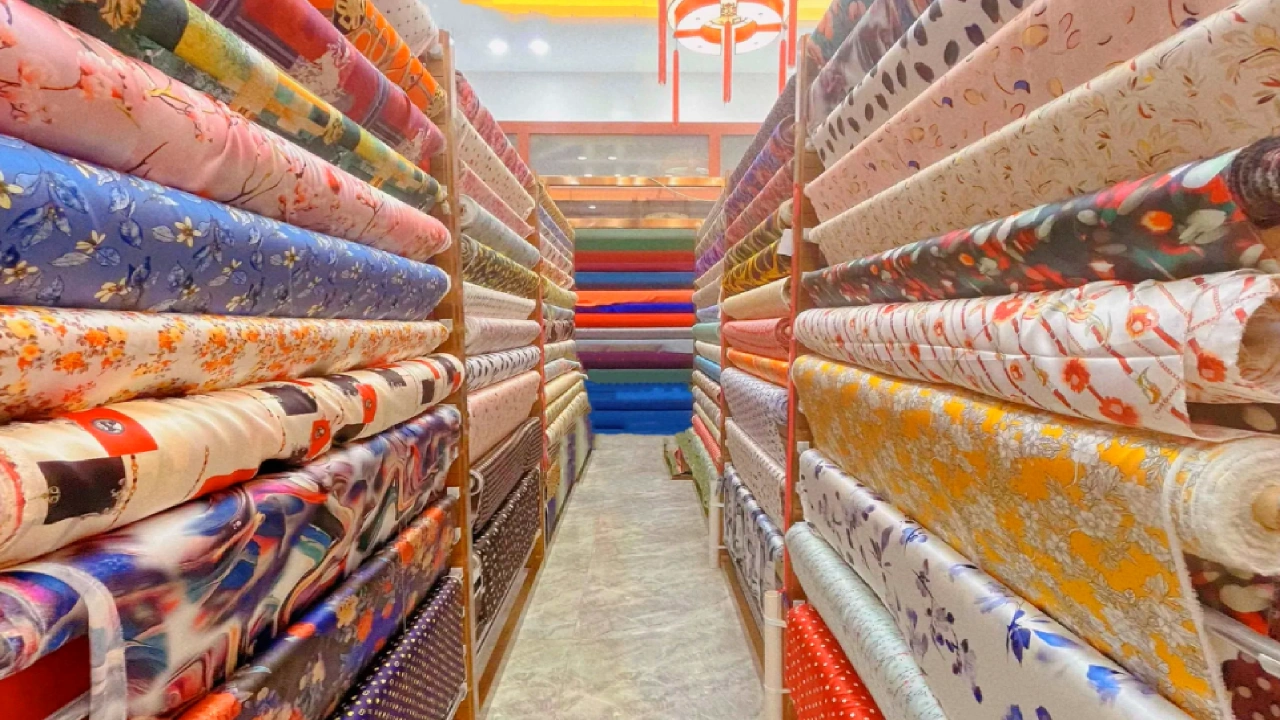
If you are sourcing fabric in Guangzhou, the Zhongda fabric market is not a single building—it is a five-square-kilometer maze of over 50 commercial buildings and more than 23,000 shops. Buyers who arrive without a plan spend days walking in circles. Buyers who understand the layout, the sampling process, and the verification steps can complete a full fabric sourcing trip in two or three days.
This Zhongda fabric market sourcing guide covers how to navigate the district, how to get samples, and how to verify quality before you commit to bulk. Whether you are a first-time buyer or returning to find a new supplier, the fundamentals are the same: know the buildings, know the questions, and know what to check.
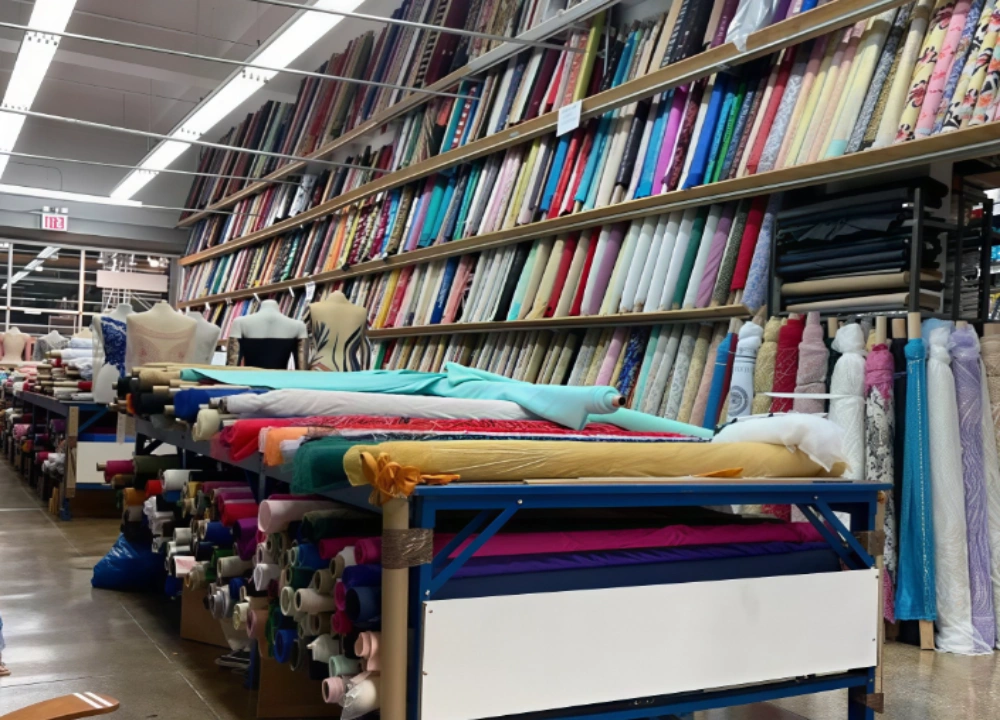
Navigating the Zhongda Fabric Market
The Zhongda textile market sits in Haizhu District, near Sun Yat-sen University. The metro is the simplest way in: Line 8 to Zhongda Station, Exit D, puts you directly into the core area. Line 11 to Wufeng Station, Exit D, brings you to the southern edge of the district.
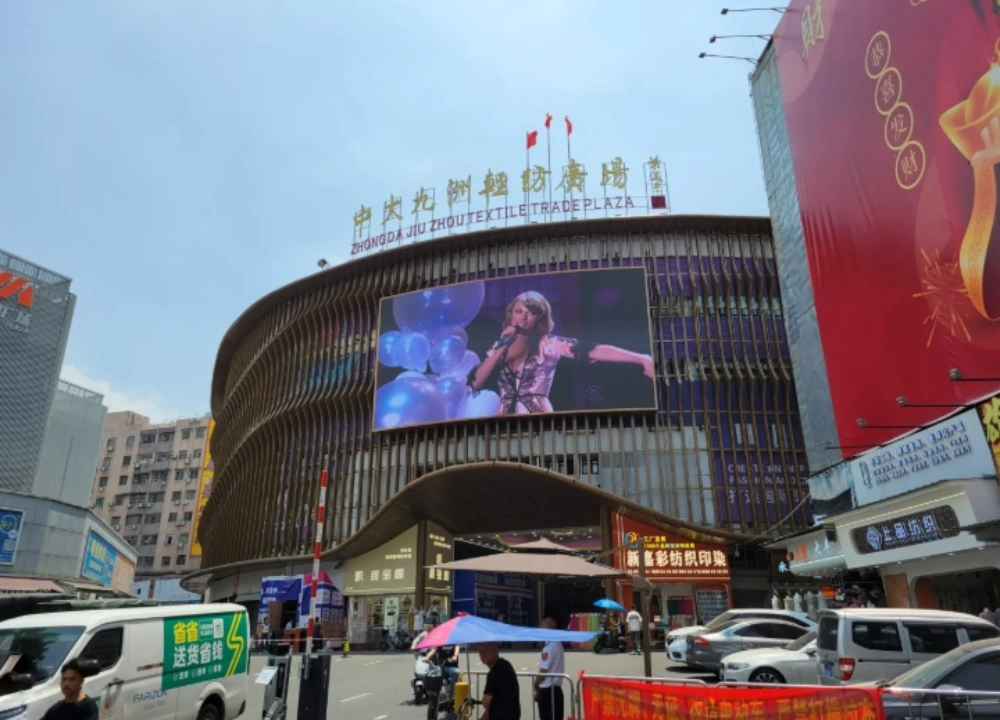
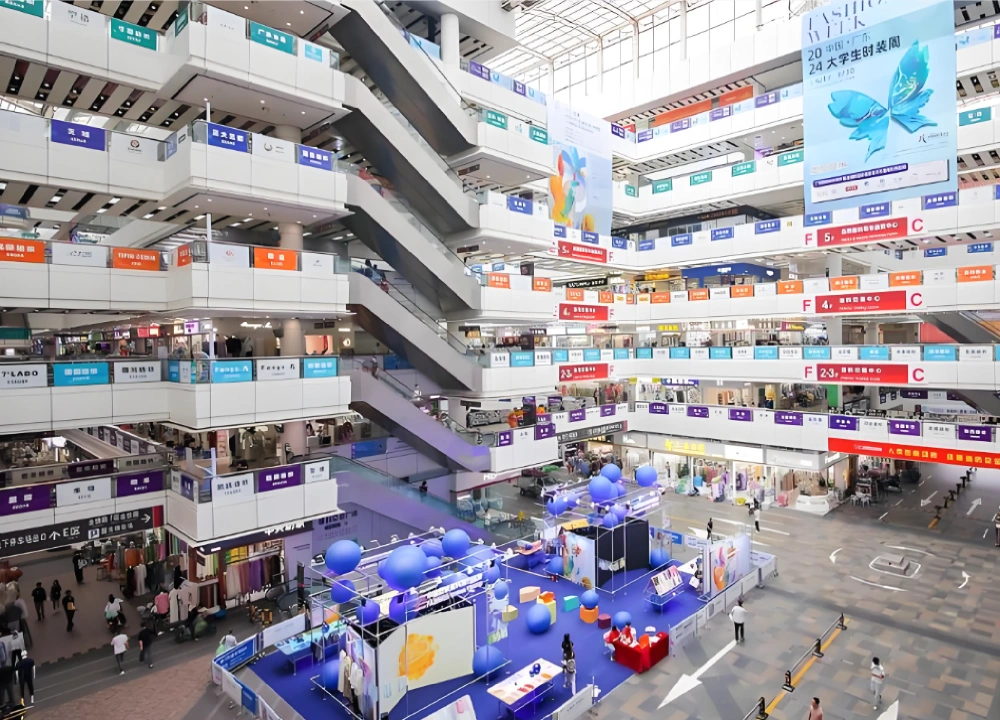
The district is organized around a few anchor buildings. Guangzhou International Textile City is the most foreign-buyer-friendly complex: 300,000 square meters, over 4,000 shops, and a floor-by-floor layout that makes navigation manageable. Changjiang International Textile City across the street is the bulk buyer’s destination—cheaper per meter, more factory-supply oriented, and more negotiable on volume. Ruikang Road runs through the spine of the district and hosts specialized markets for lace, embroidery, fur, and printed fabrics. If you want to discover more textile suppliers within Guangzhou Wholesale Markets, read our guide: Which Guangzhou Wholesale Markets Offer the Best Fabrics and Textiles?
A Practical Building Guide
| Building / Area | What You Will Find | Best For |
|---|---|---|
| International Textile City | B1: accessories; 1F-3F: woven/knit fabrics; 4F: functional/home textiles; 5F+: premium/specialty | First-time buyers, foreign buyers, organized browsing |
| Changjiang Textile City | Sections A-E: cotton, shirting, woolen, rayon, printed fabrics | Bulk orders, better pricing, volume negotiation |
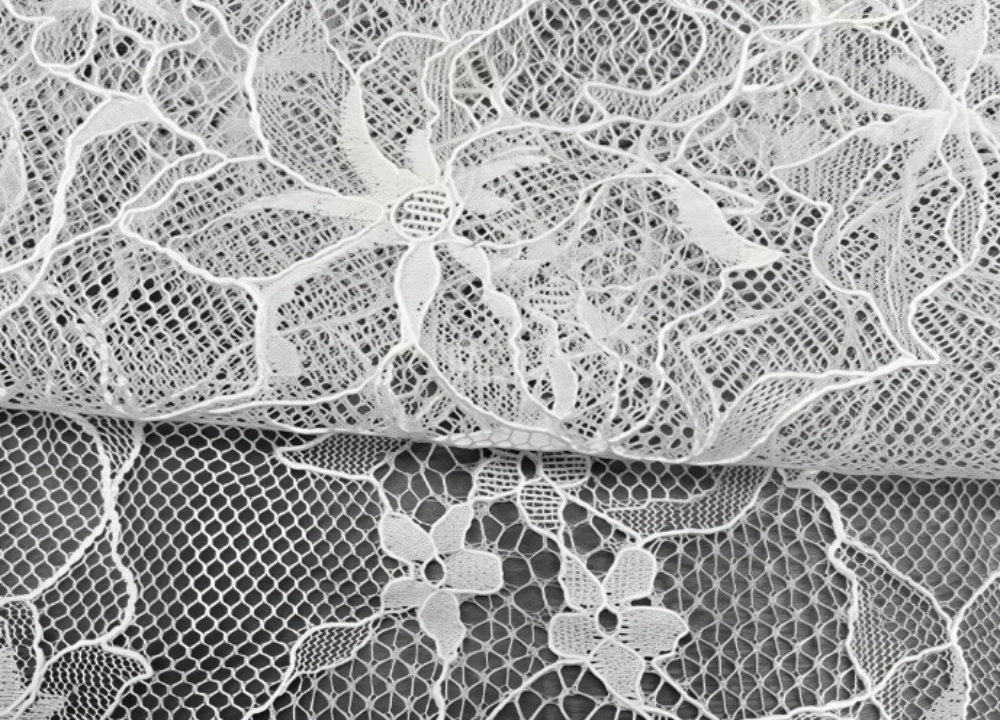
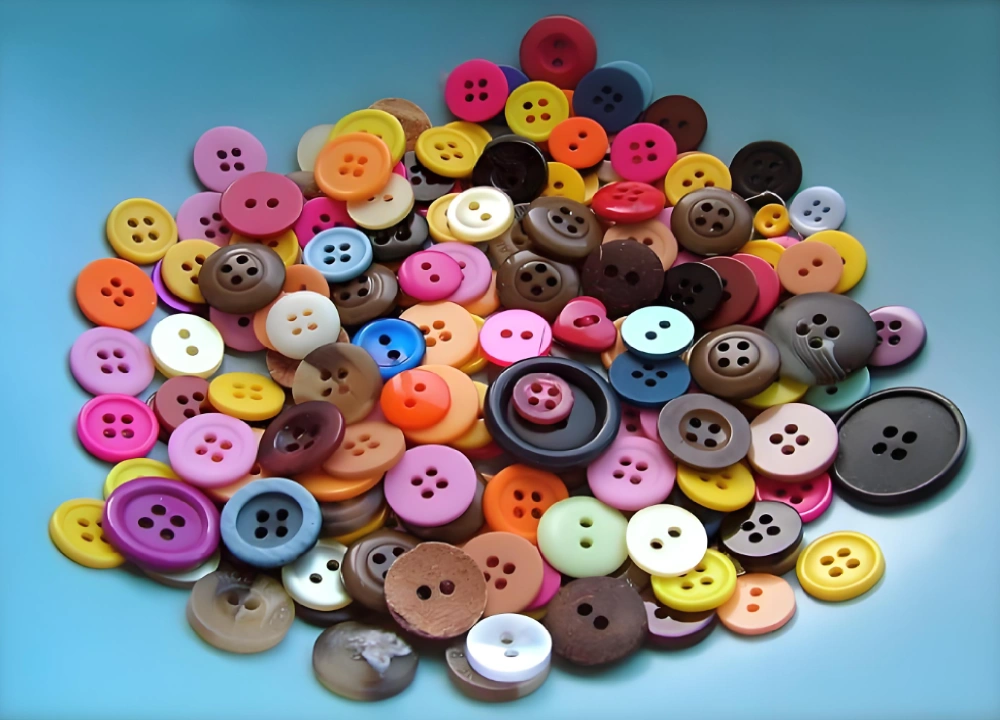
| Ruikang Road markets | Lace, embroidery, buttons, fur, printed fabrics | Specialty trims and accessories |
| Jiuzhou Textile City | Printed fabrics, mesh, denim street | Specific fabric types |
Business hours:
Most shops open around 10:00 AM and close by 7:00 PM. The best window for browsing new samples is 9:30 AM to noon. After 6:30 PM, shops shift to shipping and are less receptive to walk-in buyers. When you plan your visit to the Zhongda fabric market, schedule your key supplier meetings within this active window.
How to Get Samples at Zhongda
Sampling is the step where most first-time buyers either succeed or waste a week. The Zhongda market sourcing process rewards buyers who present themselves as serious, not as tourists. If you are building your own apparel brand, our How to Source Fabric for Your Clothing Line: A Step-by-Step Apparel Sourcing Guide walks you through the full fabric sourcing workflow for clothing lines. If you are new to sourcing fabric here, preparing your sample list ahead of your Zhongda fabric market visit will save you a lot of time.
The Sampling Conversation
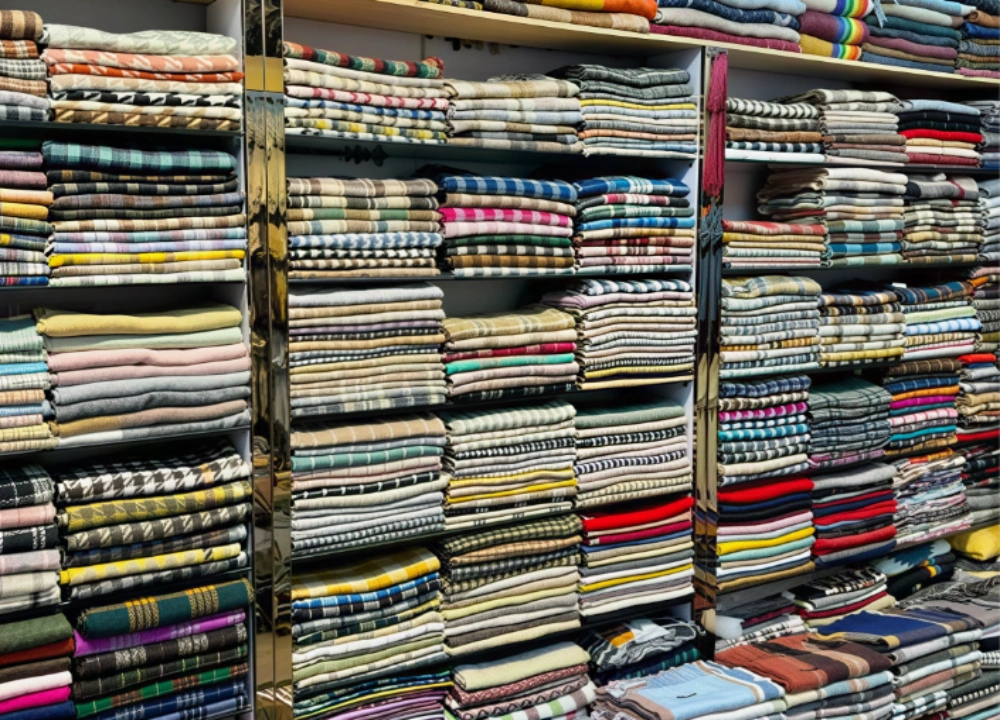
When you find a fabric you like, do not simply ask “Can I take a sample?” Introduce yourself first—your company, your online store, your studio. This signals you are a potential buyer, not someone collecting free swatches. If you have a design sketch or a reference garment, bring it. Shops are more willing to cut a sample when they can see what you are working on.
What to ask before the sample is cut:
- Composition and width: Confirm the fiber content and the cuttable width. Do not rely on the label alone.
- Weight (GSM): For knits, ask for grams per square meter. For wovens, ask for the weight per meter or per yard.
- Price structure: Ask for the bulk price, the sample price, and whether the price is per meter or per kilogram. Knits are often sold by weight; wovens by length.
- “Shortage and paper tube” : For knit rolls sold by weight, ask how much is deducted for the cardboard tube and for shrinkage allowance. This affects the real price per meter. This is a common pricing rule for knit fabric sold by weight, and many overseas buyers overlook this detail.
- Sample costs: Expect to pay for cut yardage. Sample cutting typically runs 25–40 RMB per meter, with a two-meter minimum at many shops. Some shops will provide a small swatch or color card for free, but production-grade yardage is paid.
Verifying Fabric Quality Before Bulk
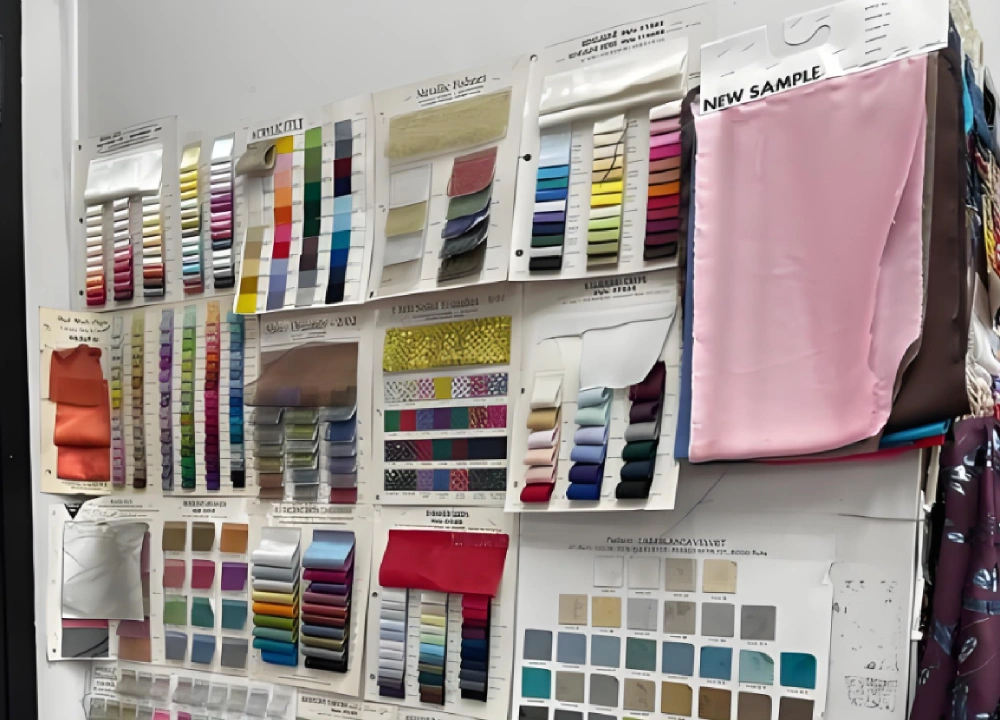
The apparel fabric Guangzhou market is competitive, but quality varies. The verification steps below are the ones that catch the most common problems. A Guangzhou sourcing agent can help you run these checks reliably if you cannot travel to the market yourself.
The 10-Minute Check at the Shop
You cannot run lab tests on the spot, but three checks eliminate most of the risk. Check the selvedge and the body separately for weight. Cut a small piece from the head of the roll and another from the tail. If the weight difference is more than 5 grams, the finishing process was not controlled, and the bulk order will have thick and thin patches.
Look at the surface under light. Check for skipped yarns, stains, and uneven color. For stretch fabrics, pull both horizontally and vertically and see if it snaps back. A fabric that stays stretched after release has a spandex or finishing problem.
Consistent quality checks are essential for smooth apparel sourcing.
Ask for a test report if the fiber content matters. If the shop claims “Lenzing Modal” or “Sorona,” ask for the authorization or a fiber composition test report. Content mislabeling is common; a report is the only reliable proof.
The Risks You Are Verifying Against
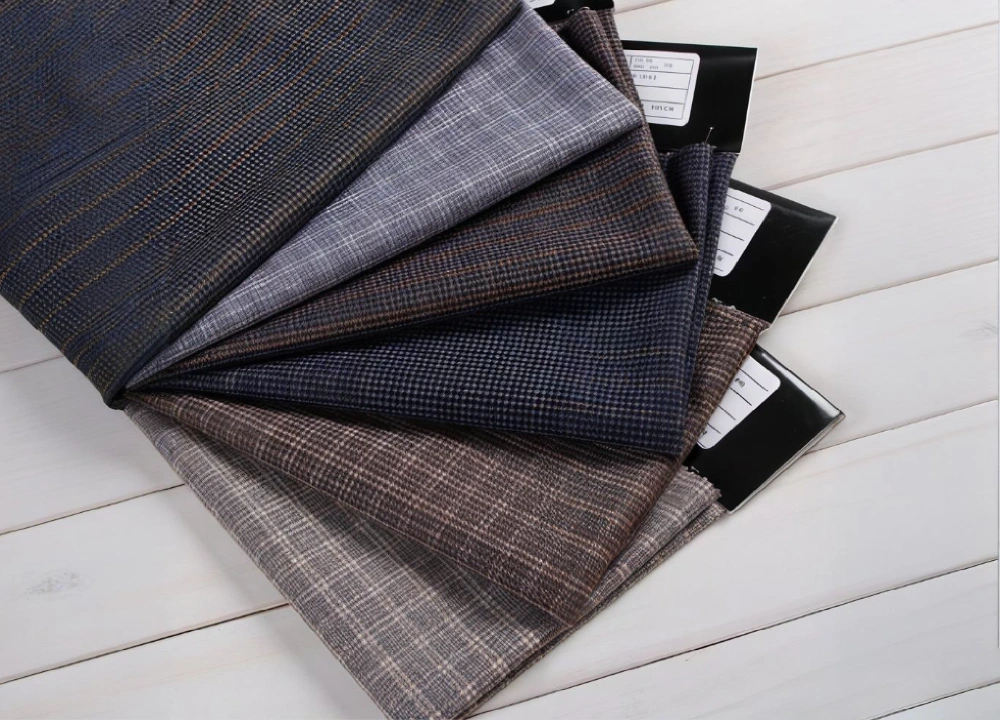
The Zhongda fabric market has known patterns of misrepresentation. The most common are: Fabric substitution: The sample you approve is not the fabric that ships. The composition and appearance are close, but the cost is lower. Short rolls: A roll labeled 30 meters may measure 28. For patterned fabrics, the loss from matching repeats is often pushed onto the buyer. Shade variation between batches: The first order matches the sample, but the reorder comes from a different dye lot. If you do not confirm shade continuity before reordering, your production will have visible color differences.
For high-value fabrics, a third-party composition test costs a few dozen RMB and prevents much larger losses. At Sourcingyuan, we coordinate fabric testing and factory verification for buyers who cannot be on the ground in Guangzhou. We visit the shops, check the physical goods against the approved sample, and document the results before shipment.
Logistics and Consolidation
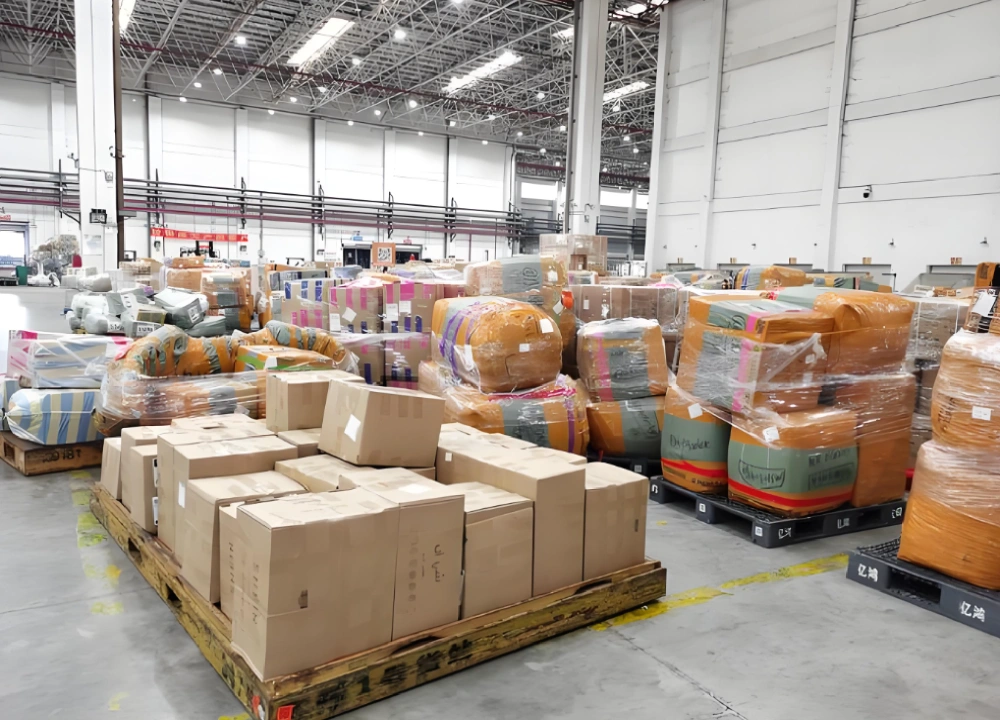
Fabric is bulky and low-density, so it fills a container by volume long before hitting the weight limit. If you are sourcing from multiple shops across Zhongda, consolidation is essential. Rolls must be wrapped and kept dry; water damage to a fabric roll is a total loss.
For buyers shipping to Southeast Asia or beyond, the Guangzhou textile wholesale district connects to major freight routes through Nansha and Shekou ports. Our team can coordinate pickup from multiple shops, consolidate at a warehouse, and arrange the export documentation. Doing this yourself across dozens of small shops is possible, but it consumes time you could spend sourcing.
At Sourcingyuan, we handle consolidation for buyers sourcing across Zhongda and the broader Pearl River Delta. We receive goods from multiple shops, verify quantities and packaging, and coordinate with freight forwarders for export. If you are sourcing fabric alongside garments or trims, we consolidate everything into one shipment.
The Bottom Line
This Zhongda fabric market sourcing guide would not be complete without one key reminder: the Zhongda fabric market rewards preparation. Know which building matches your fabric type. Introduce yourself before asking for samples. Check weight, surface, and shade before you commit. And verify the bulk roll before production—not after the container ships.
A Guangzhou sourcing agent can shorten the learning curve, especially if you are sourcing multiple fabric types or consolidating with garment production. At Sourcingyuan, we work from Guangzhou and know the Zhongda buildings, the sample process, and the quality checks that matter. Contact us if you want your fabric sourcing verified on the ground.
About the Author
Jeff Lee
Founder of Sourcingyuan
Jeff Lee is the founder of Sourcingyuan, a China-based sourcing and product development company. He has more than 10 years of experience helping overseas businesses source products, develop new products, identify reliable manufacturers, manage production, and build supply chains in China.
Related Articles You May Like 📚
Explore more from our Guangzhou Sourcing Agent Guide series:
🧵 What Products Should You Source From Guangzhou? A Category-by-Category Guide
📦 Guangzhou vs Yiwu Sourcing: Where Should You Source Your Products?
💄 Guangzhou Wholesale Markets Guide: Top 10 Markets Every First-Time Buyer Must Visit
🤝 Need help sourcing fabric at Zhongda or verifying a supplier?
Share This Story, Choose Your Platform!
We connect you with reliable factories, get the best quotes, deliver straight to your door.