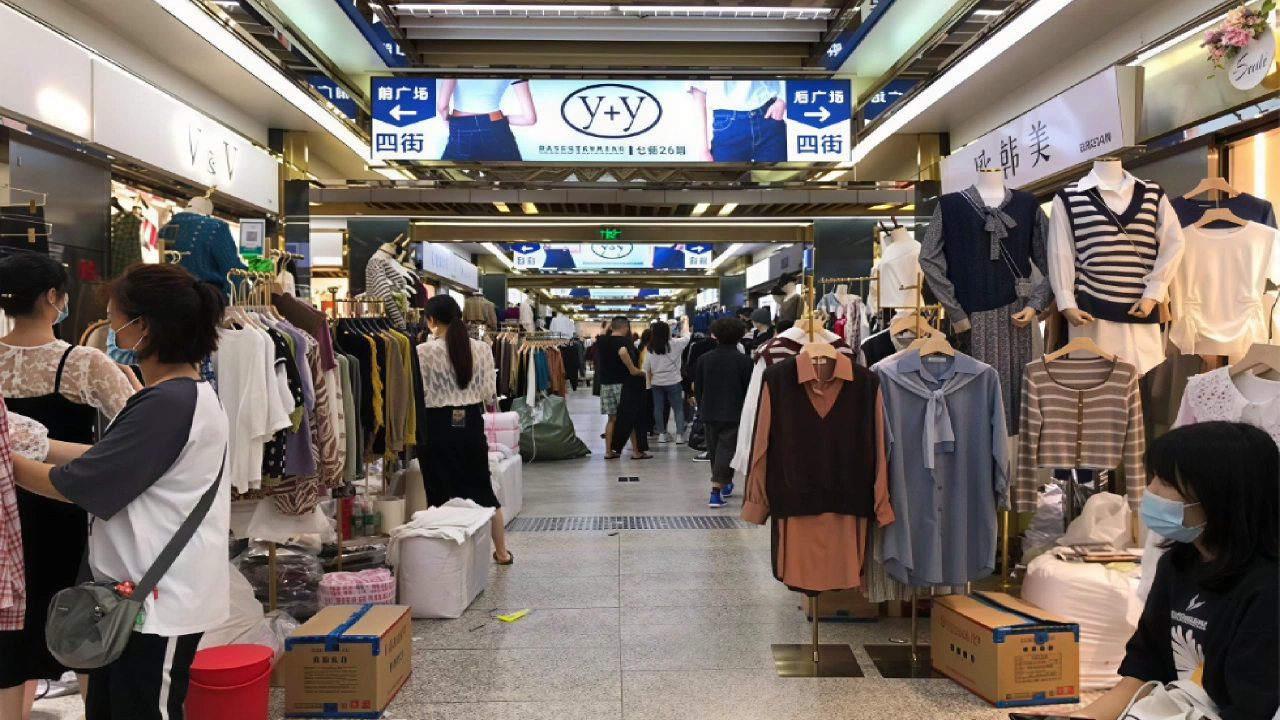
If you are serious about Guangzhou apparel sourcing and want support from a trusted Guangzhou sourcing agent, you are entering one of the most concentrated clothing supply chains in the world. Guangzhou produces clothing at every price point, from budget basics to original design, and it supports that production with the largest fabric market in Asia. But the city is not a single market—it is a network of clusters, each with its own specialty, pricing logic, and buyer profile.
This guide explains where Guangzhou’s apparel clusters are, how to choose between wholesale markets and factories, and what to verify before you place an order. Whether you are launching a fashion brand or scaling an existing line, the fundamentals of clothing sourcing in Guangzhou are the same: know the cluster, know the supplier type, and know what to check.
Guangzhou’s Apparel Clusters: Where Each Product Is Made
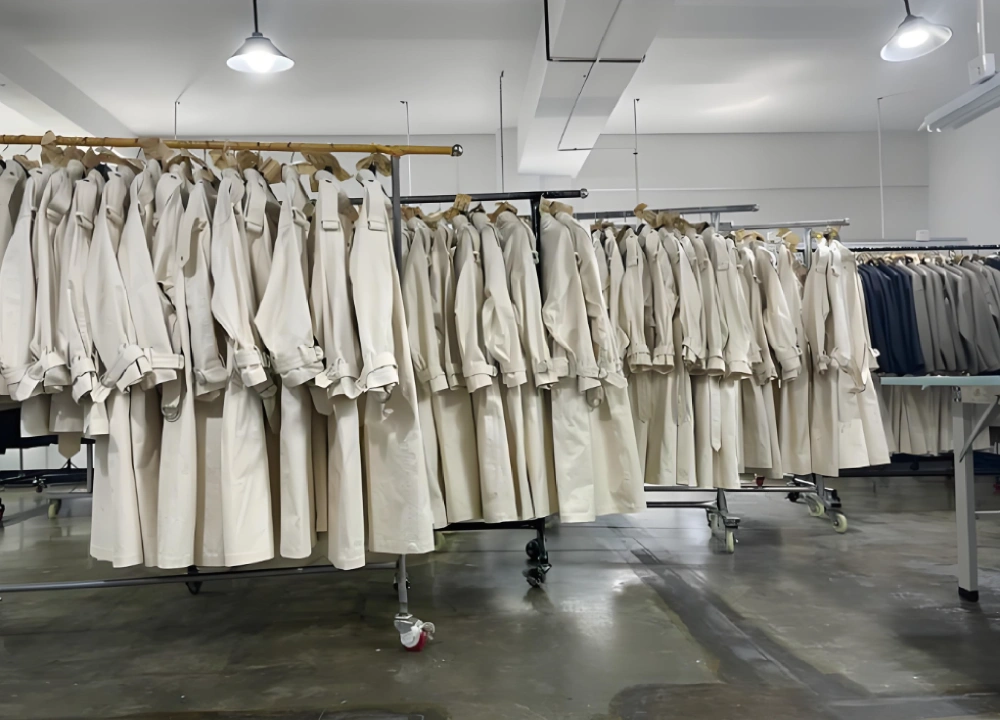
Every successful Guangzhou apparel sourcing project starts with understanding that supply is not evenly distributed across the city. Different districts specialize in different products, and matching your category to the right cluster saves weeks of wasted visits.
The Wholesale Market Clusters
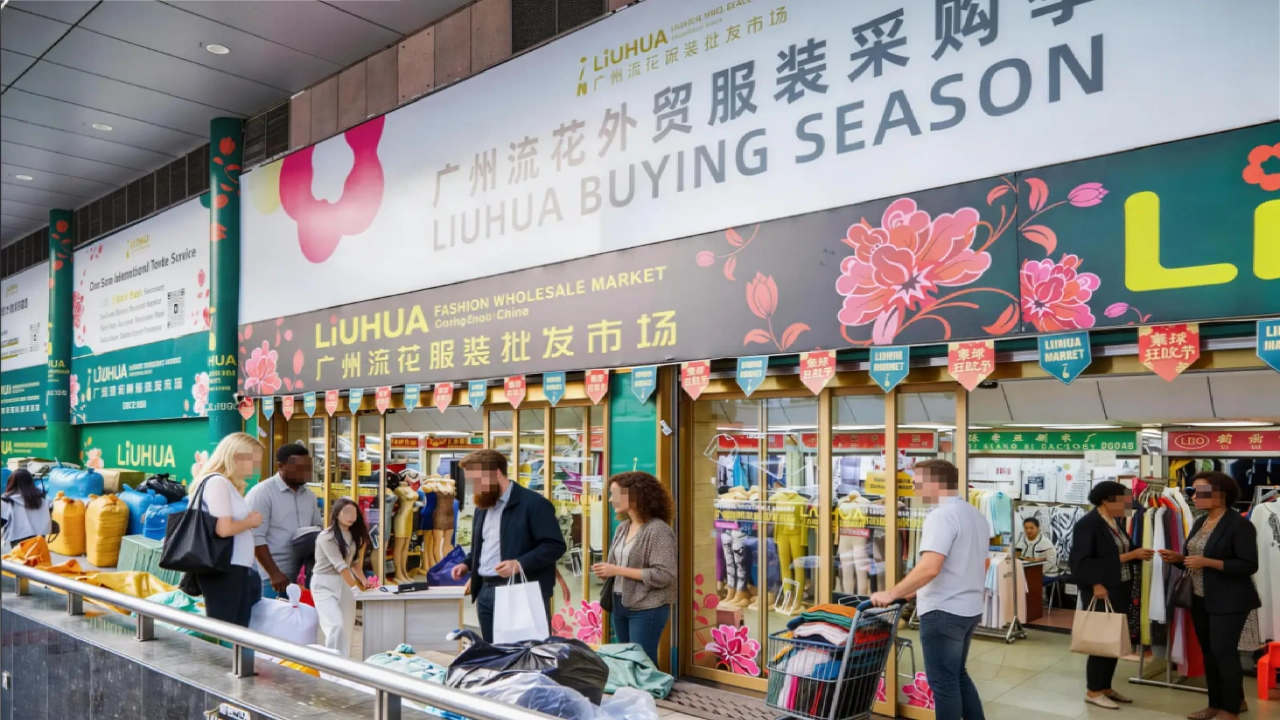
If you plan to visit Guangzhou Wholesale Markets, start with these core trading zones in Yuexiu and Liwan District. Liuhua and Zhanxi (Yuexiu District) are the core apparel trading zones. Liuhua hosts over 40 clothing markets with more than 15,000 merchants, concentrated in womenswear, menswear, and export-oriented garments. Baima Clothing Market in this area is known for original design and brand incubation, with original design accounting for roughly 70–80% of its offerings. Note that MOQs at Baima are usually higher than Shisanhang.
Shisanhang (Liwan District) is the fast-fashion engine. The Xinzhongguo Building alone houses thousands of stalls, with mid-range fashion on lower floors and original design or premium lines on upper floors. If you are looking for trend-driven womenswear at competitive prices, this is the first stop.
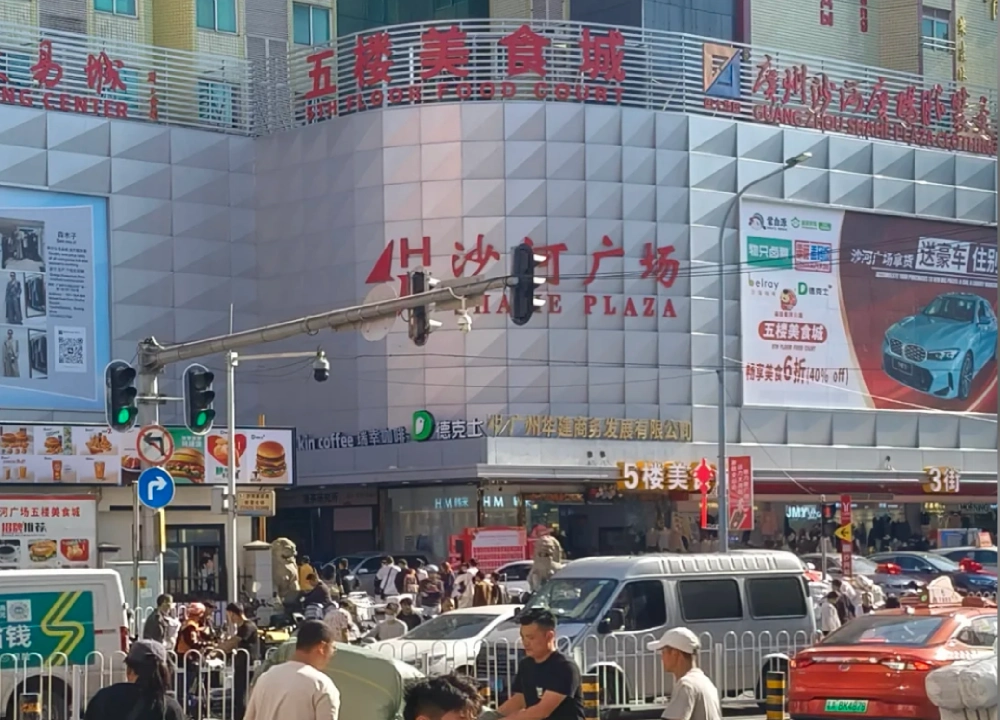
Shahe (Tianhe District) is the budget volume market. Prices are low, quality varies, and the trading rhythm starts early—most stalls operate from 5:00 AM to 11:00 AM on weekdays. Most bulk buyers arrive early to lock stock before inventory runs out. This is where discount retailers and high-volume e-commerce sellers source.
The Manufacturing Clusters
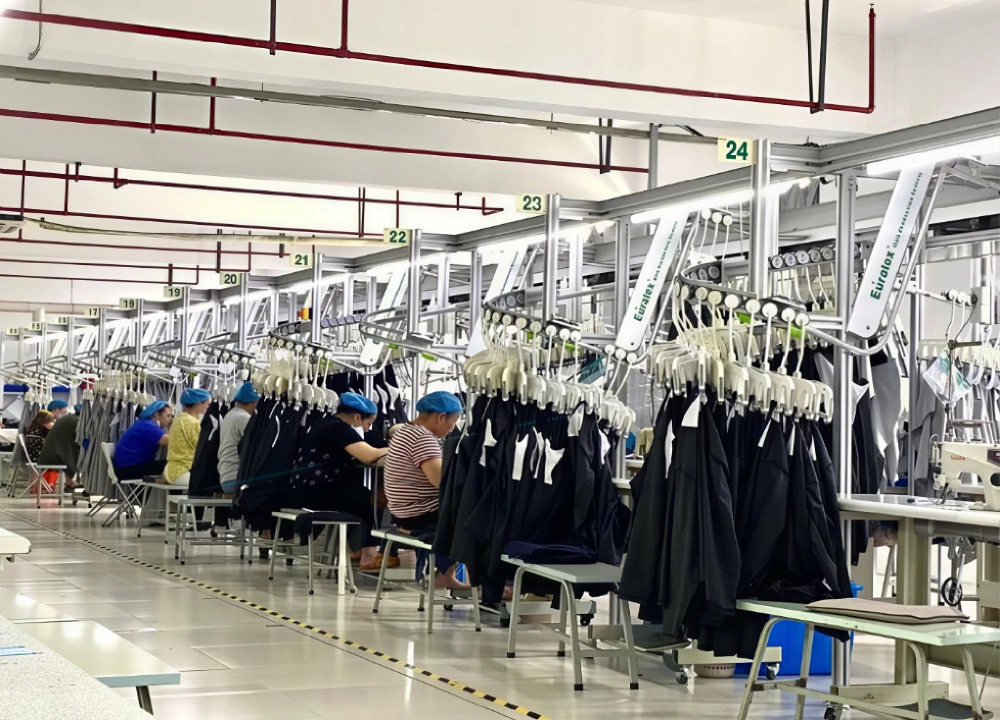
Beyond the markets, Guangzhou’s surrounding districts are home to the factories that produce the goods. Panyu is strong in womenswear and knitwear, with a dense cluster of small and mid-sized factories. Zengcheng Xintang produces denim and jeans at scale, contributing a significant share of China’s denim output. Haizhu hosts smaller workshops that serve the fast-fashion market.
A Buyer’s Cluster Reference
| Cluster | District | Specialty | Best For |
|---|---|---|---|
| Liuhua/Zhanxi | Yuexiu | Womenswear, menswear, export garments | Brand buyers, quality-focused retailers |
| Shisanhang | Liwan | Fast fashion, trend-driven womenswear | E-commerce, boutique owners |
| Shahe | Tianhe | Budget basics, high-volume | Discount retailers, bulk buyers |
| Panyu | Panyu | Womenswear, knitwear | Mid-tier brands, OEM production |
| Xintang Zengcheng | Zengcheng | Denim, jeans | Denim brands, volume orders |
Wholesale Markets vs Factories: Which Model Fits You
One of the first choices you will face during Guangzhou apparel sourcing is whether to buy from wholesale markets or from factories. The two serve different needs.
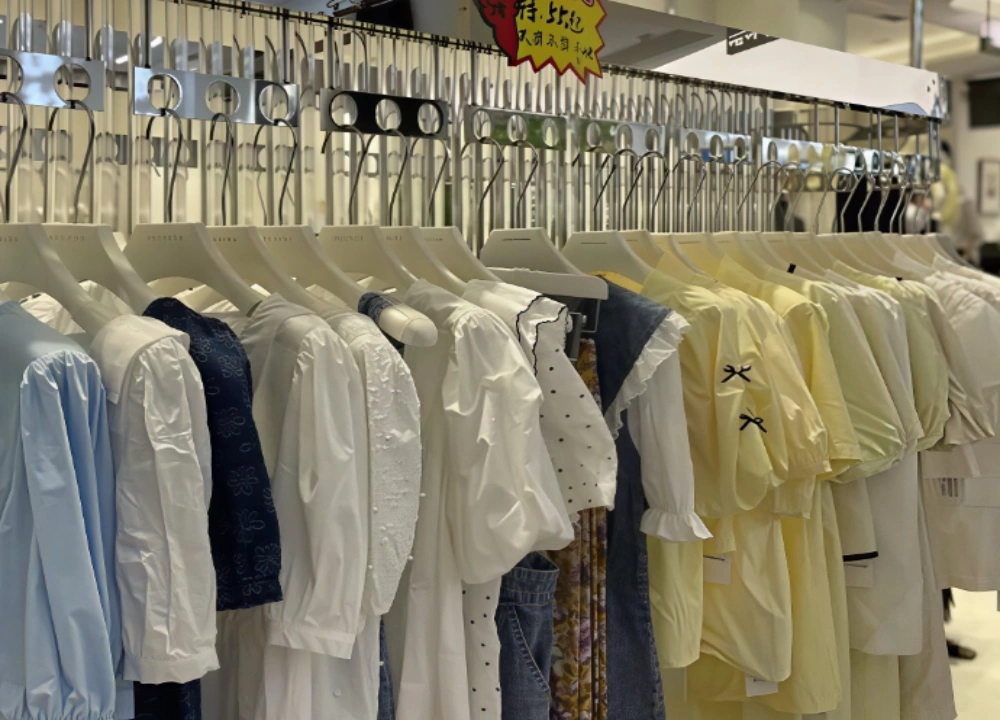
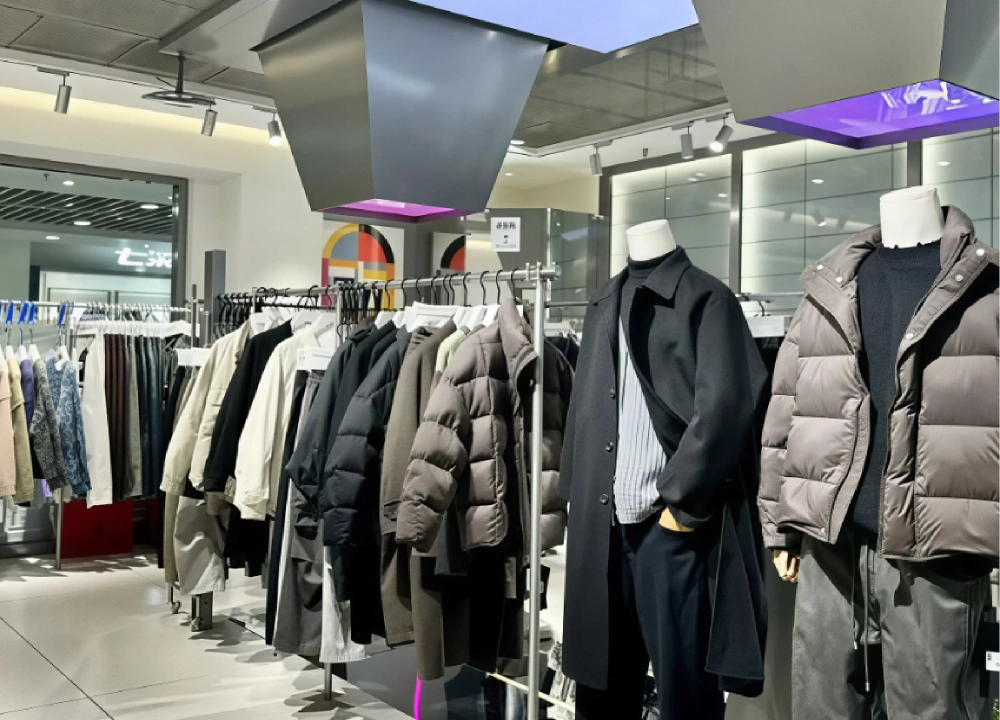
Wholesale markets are faster and more flexible. You can see hundreds of styles in a day, buy in mixed quantities, and take samples immediately. But the supplier is often a stall operator, not the factory. Quality control is limited, and customization is minimal.
Factories require more lead time and higher minimums, but they offer production consistency, customization, and quality systems. If you need your own labels, specific fabrics, or consistent sizing across a large order, a factory is the right path.
The practical sequence for many buyers is: use wholesale markets to identify styles and price points, then move to factories for production once the design is validated. At Sourcingyuan, we help buyers navigate both—identifying market trends, verifying whether a stall is backed by a real factory, and coordinating production once the design is ready.
Fabric is the foundation of every garment.Read our guide How to Source Fabric for Your Clothing Line: A Step-by-Step Apparel Sourcing Guide to learn how to select, test and lock in textiles for your collection.
How to Find and Verify Clothing Manufacturers
Reliable factory vetting is the core of stress-free Guangzhou apparel sourcing, and clothing manufacturers are concentrated in Panyu, Zengcheng, and the surrounding industrial zones. But not every factory is what it claims to be. Some are trading companies that outsource production.
The Verification Questions
Ask these questions during the first conversation:
“Is this your own factory, or do you outsource production?”
“What is your monthly capacity for this product type?”
“Can we visit the factory this week?”
“Do you handle cutting and sewing in-house?”
A genuine manufacturer answers directly. A trading company deflects or needs to “confirm with the factory.”
What to Check Before Committing
Business license scope: The registered scope should include manufacturing, not just trading.
Production floor: If you cannot visit, request a live video walkthrough during working hours. Look at the machinery, the organization of the floor, and whether workers are actively producing.
Sample consistency: Request a production-grade sample from the actual production line, not a hand-finished display unit. Compare measurements, stitching, and fabric hand feel against your specification.
A clear, detailed tech pack is essential here. Check our article Why a Tech Pack Is Essential for Successful Apparel Sourcing to understand what information your factory needs.
Our local team based in Guangzhou verifies clothing manufacturers and China suppliers — checking factory status, production capacity, and quality systems before recommending a partner. This step prevents the most common mistake for overseas buyers sourcing apparel in China: paying a trading company markup while assuming you are buying direct.

Sampling and Quality Control
Apparel sourcing best practice is to treat sampling as a development process, not just a formality.Sampling is a long, iterative process. You can learn the full workflow in How to Navigate Garment Sampling: A Complete Apparel Sourcing Guide.
The Sampling Stages
A typical garment order goes through three sample rounds. The first proto sample tests construction and fit. The second fit sample refines measurements and silhouette. The pre-production sample confirms the final construction, fabric, and trims before bulk production.
For smooth Guangzhou apparel sourcing, never skip sample approval before releasing bulk orders. Each round should have a written checklist: measurements against spec, fabric shade against the approved standard, stitch density, trim placement, and label accuracy. If a supplier cannot document these checks, quality will depend on luck.
What to Inspect Before Shipment
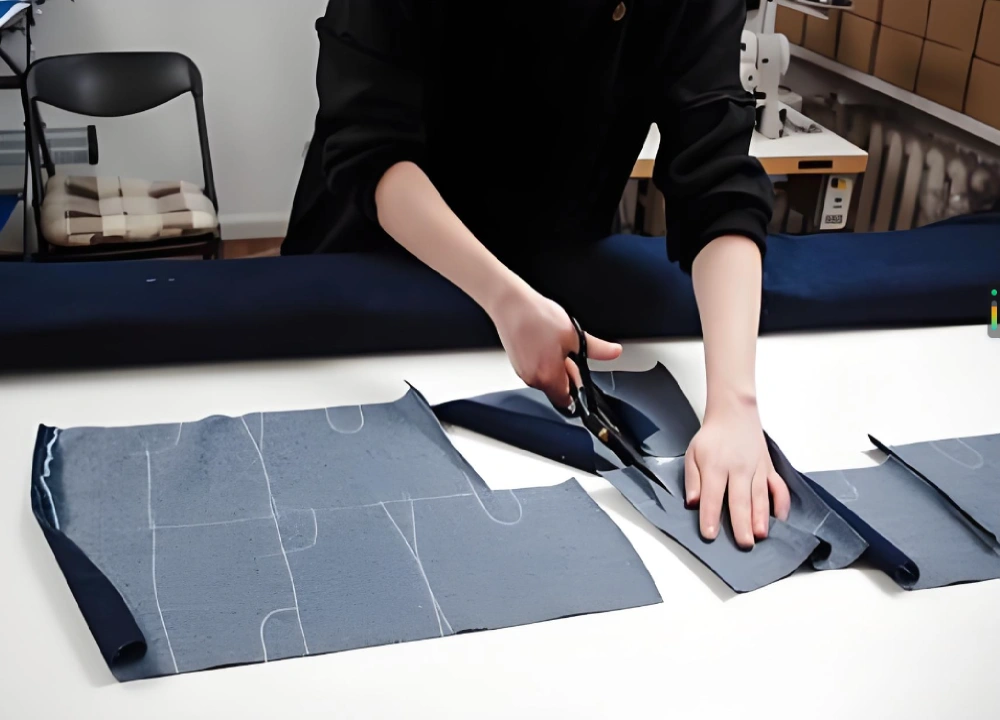
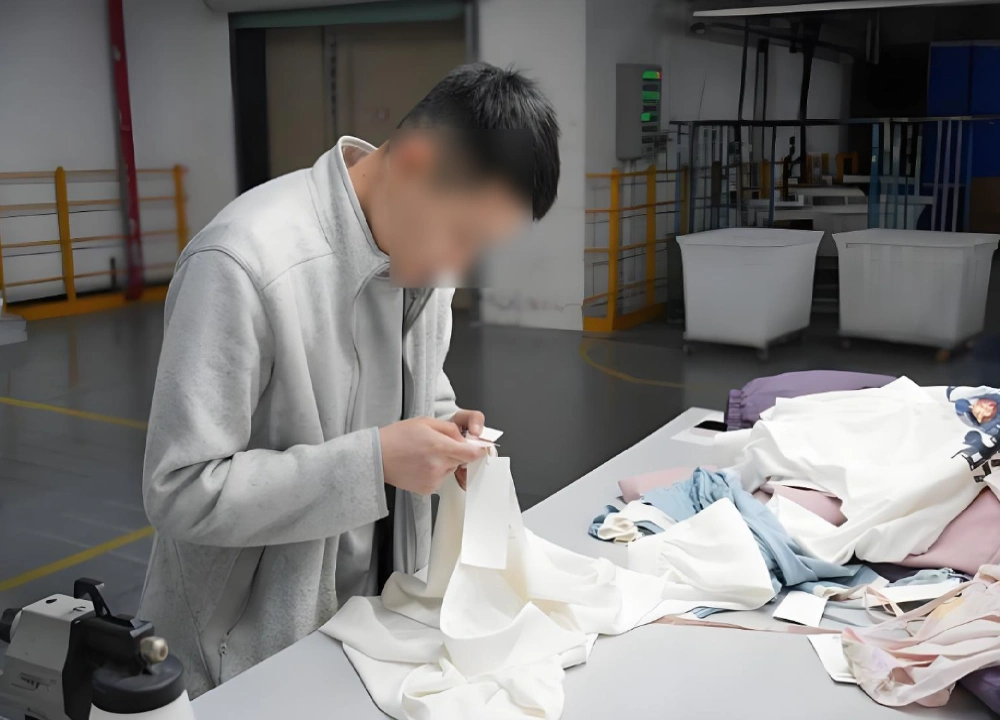
Pre-shipment inspection for apparel should cover measurements, stitching, fabric defects, labeling, and packaging. AQL sampling is the industry standard: for apparel, we commonly use AQL 2.5 for major defects and AQL 4.0 for minor defects.
The most common problems in Guangzhou garment wholesale production are shade variation between fabric batches, measurement drift across sizes, and labeling errors. These are not random—they come from production lines that are not controlled. Inspection catches them before the container ships.
Working With a Guangzhou Sourcing Agent
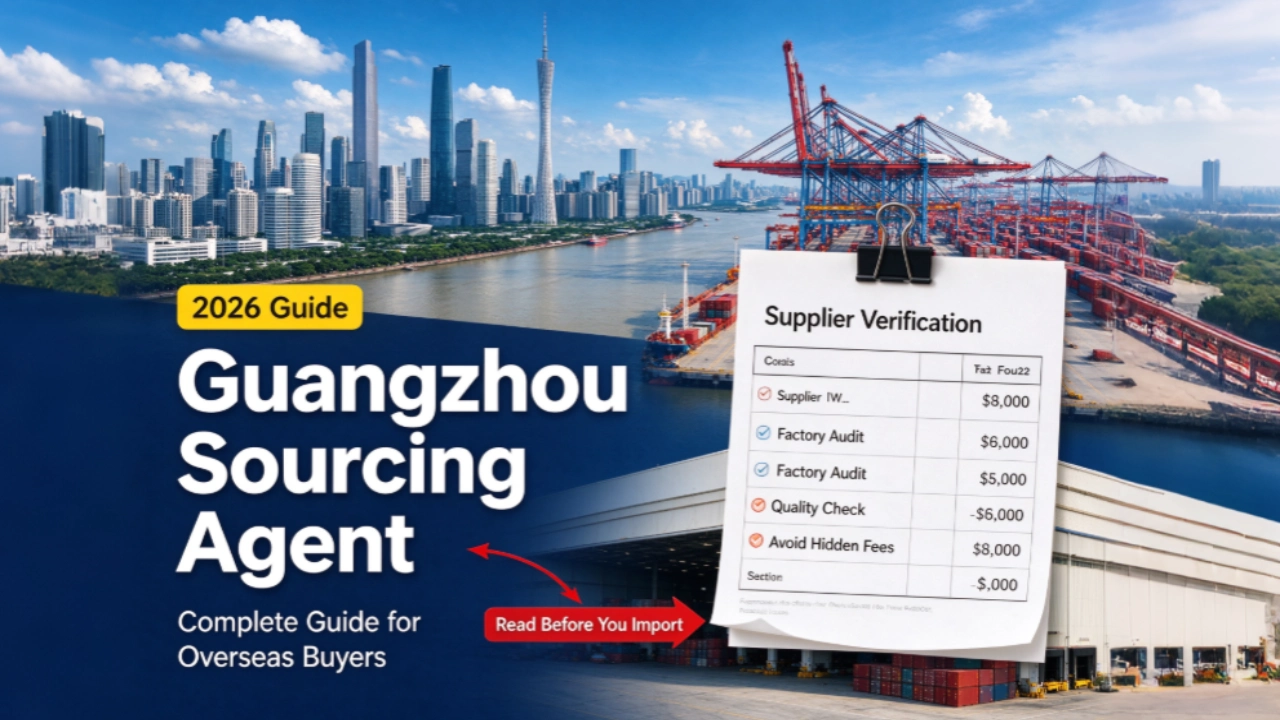
Many buyers new to Guangzhou apparel sourcing quickly find that clothing sourcing agent services remove a lot of friction. Language barriers, supplier verification, and quality control require local presence.
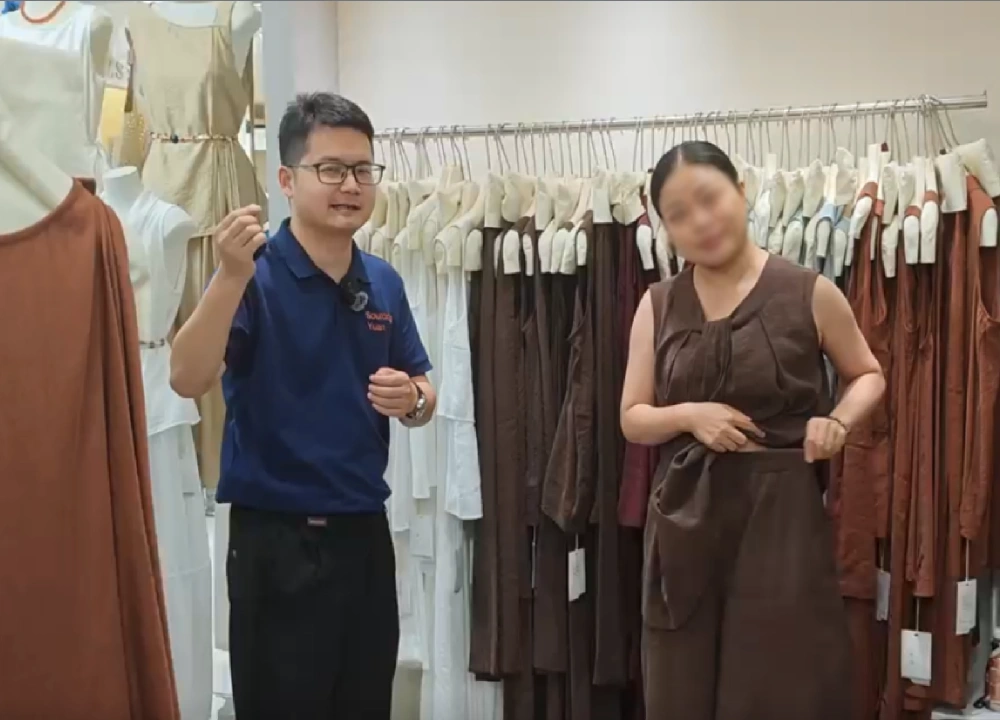
A Guangzhou sourcing agent can help with cluster selection, supplier verification, sample coordination, price negotiation, and pre-shipment inspection. The value is not just convenience—it is risk reduction. One bad supplier can cost more than a year of agent fees.
At Sourcingyuan, we work from our Guangzhou office with apparel buyers across womenswear, menswear, denim, and knitwear. We coordinate factory visits in Panyu and Xintang, verify supplier credentials, and manage sample and production follow-up. If you are starting Guangzhou fashion sourcing and need a team on the ground, we can help you avoid the expensive learning curve.
The Bottom Line
When you plan Guangzhou apparel sourcing, you need to balance market exploration, factory vetting and quality control. The city offers unmatched depth—wholesale markets for speed, factories for production, and fabric suppliers within the same region. But the market is also full of trading companies posing as manufacturers.
Even experienced buyers adjust their approach to Guangzhou apparel sourcing after learning local pricing rules and MOQ expectations across different market clusters.
Whether you run small boutique orders or large bulk retail runs, your Guangzhou apparel sourcing plan will stay on budget and timeline when you understand these local clusters.
Great Guangzhou apparel sourcing balances the quick sampling speed from wholesale stalls and stable production from verified factories. Do not rush to place bulk orders before you confirm samples and supplier qualifications.
If you are building a long-term supply chain, investing time to refine your Guangzhou apparel sourcing strategy will create far more reliable results than random stall visits.
If you need a Guangzhou sourcing agent to navigate this landscape, Sourcingyuan works from the city and knows the difference between a real factory and a polished booth. Reach out to our team to share your apparel project requirements. Strong local support is one of the smartest investments yo
About the Author
Jeff Lee
Founder of Sourcingyuan
Jeff Lee is the founder of Sourcingyuan, a China-based sourcing and product development company. He has more than 10 years of experience helping overseas businesses source products, develop new products, identify reliable manufacturers, manage production, and build supply chains in China.
Related Articles You May Like 📚
Guangzhou Sourcing Agent: Complete Guide for Overseas Buyers
Zhongda Fabric Market Sourcing Guide: How to Navigate, Sample, and Verify
Which Guangzhou Wholesale Markets Are Best for Clothing Sourcing?
Need professional support for your apparel project?
Feel free to contact Sourcingyuan 🤝
Share This Story, Choose Your Platform!
We connect you with reliable factories, get the best quotes, deliver straight to your door.