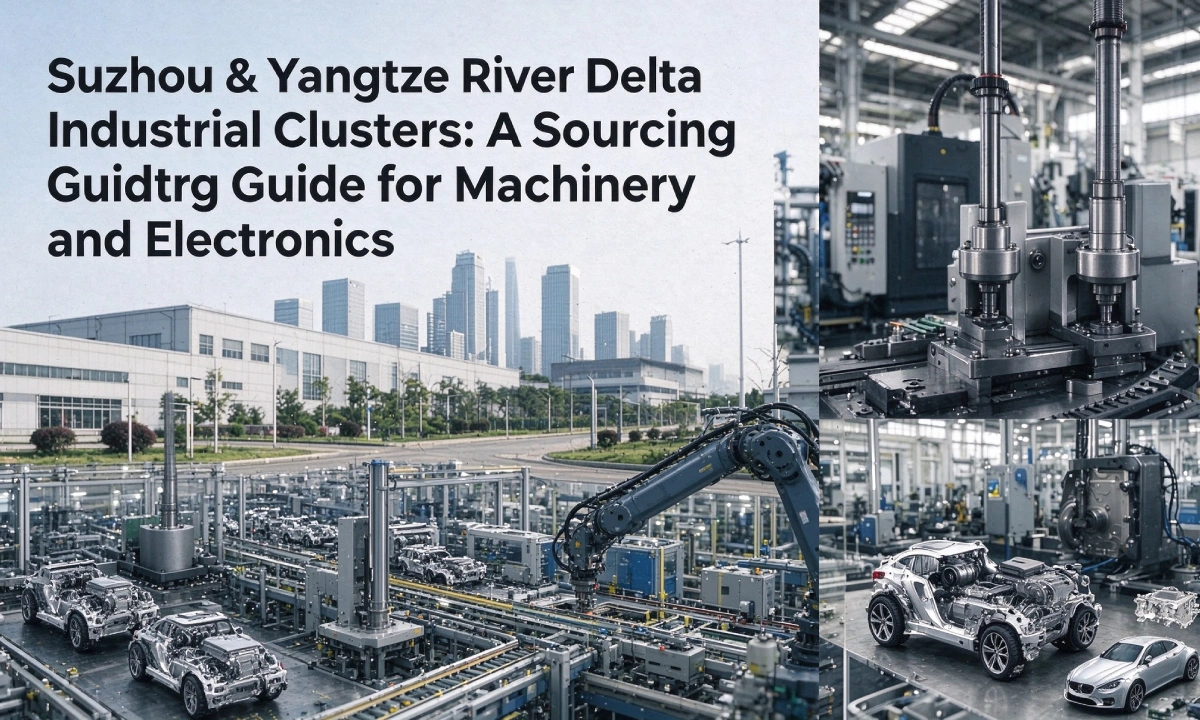
If you are sourcing precision machinery or electronics from China, Suzhou & Yangtze River Delta Industrial Clusters represent a level of supply chain depth that few other regions can match. Suzhou alone generated over 4.3 trillion RMB in industrial output in the first ten months of 2026, with electronics and equipment manufacturing contributing nearly 83% of that growth. The city is not a single industrial zone—it is a network of specialized districts where precision manufacturing, electronics, and machinery sit within a few hours of each other, supported by the broader Yangtze River Delta’s 26 national-level advanced manufacturing clusters.
This overview makes it clear why Suzhou & Yangtze River Delta Industrial Clusters consistently draw technical buyers seeking stable, high-spec component suppliers.
This guide is part of our China Industrial Clusters series. It breaks down Suzhou’s major clusters, what each produces, and how buyers should navigate this region. As one entry within China Industrial Clusters, this resource focuses on the precision and machinery strengths unique to the delta.
The Geographic Logic of Suzhou & Yangtze River Delta Industrial Clusters
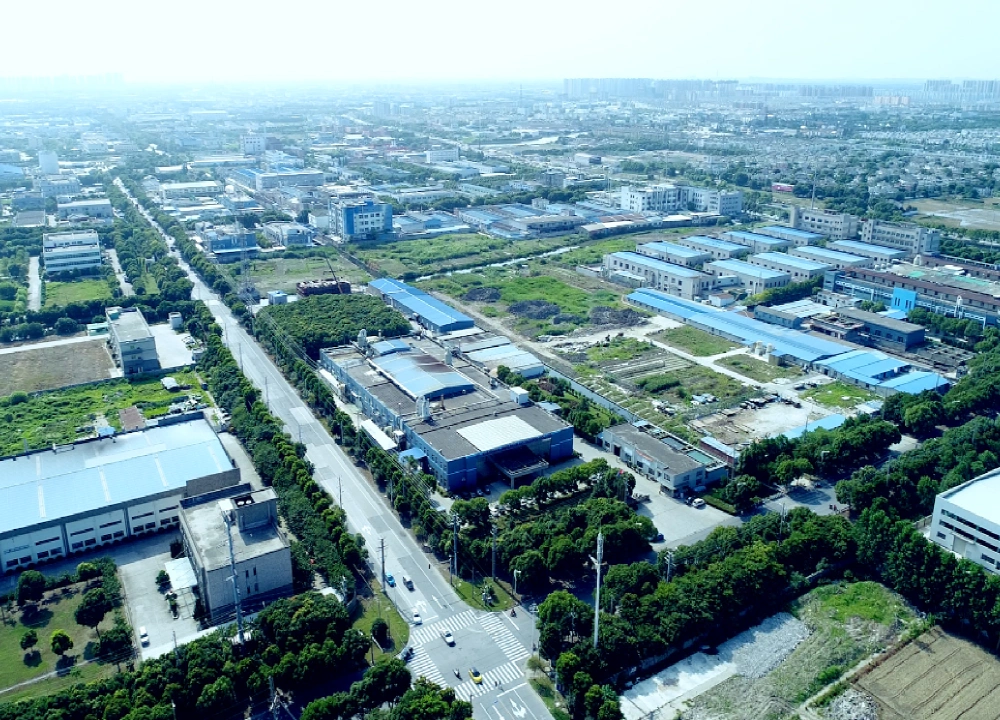
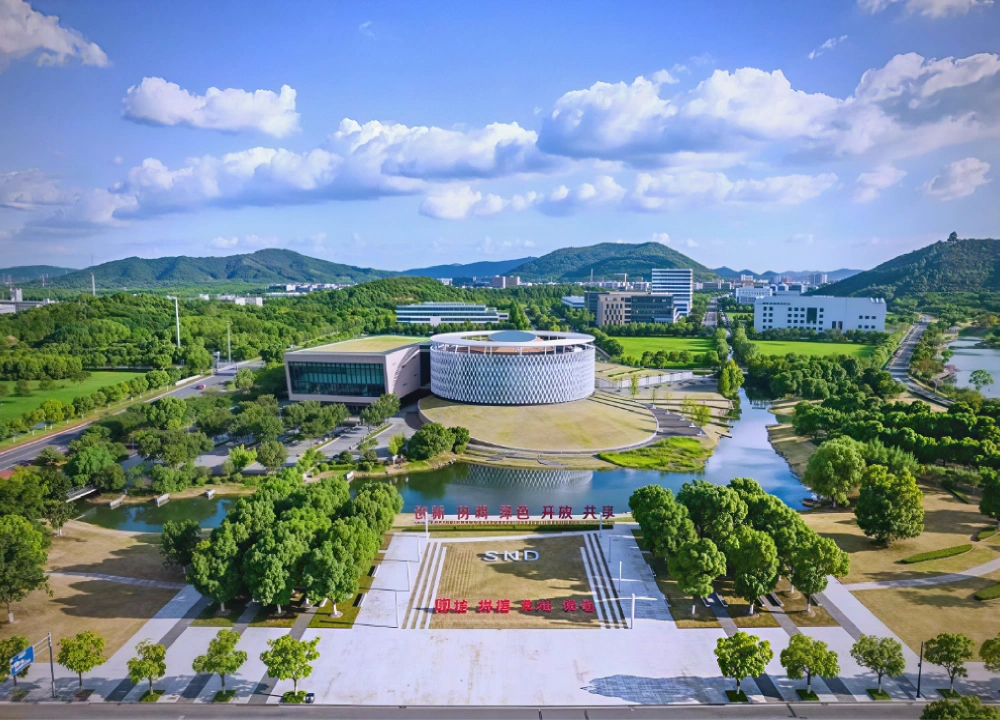
Suzhou & Yangtze River Delta Industrial Clusters are organized by district and county-level city, each with a distinct specialization. The Suzhou Industrial Park leads in precision instruments and photonics. Kunshan anchors electronics and automotive components. Taicang concentrates German-engineered auto parts and industrial machinery. The high-tech district focuses on high-end equipment and photonics.
When planning overseas supplier audits, many buyers prioritize visiting the core zones within Suzhou & Yangtze River Delta Industrial Clusters.
The scale is significant: Suzhou’s equipment manufacturing output reached 1.44 trillion RMB in the first ten months of 2026, growing 8.7% year-on-year, while electronics grew 10.7% to 1.33 trillion RMB. The city hosts six national-level advanced manufacturing clusters, part of Jiangsu’s 13—the highest count among all provinces in the Yangtze River Delta.
| District/Area | Core Cluster | Representative Products | Buyer Value |
|---|---|---|---|
| Suzhou Industrial Park | Precision instruments, photonics, biomedicine | High-end instruments, optical chips, precision components | 700+ instrument enterprises; national cluster |
| Kunshan | Electronics, automotive electronics | Displays, optical devices, wiring harnesses | Two trillion-yuan clusters: electronics and auto parts |
| Taicang | Auto parts, industrial machinery | Precision bearings, drive components, machine tools | 560+ German enterprises; 70% local component sourcing |
| High-tech District | High-end equipment, photonics | Machine tools, precision measurement, optical communication | 850B RMB photonics output; Taihu Photon Center |
| Zhangjiagang/Changshu | New materials, steel | Special steel, electronic chemicals | Special steel, electronic chemicals |
This table is the quick-reference map of Suzhou manufacturing clusters—each district has a distinct ecosystem and a distinct buyer profile. Understanding this layout helps buyers plan factory visits efficiently across Suzhou & Yangtze River Delta Industrial Clusters.
The Regional Ecosystem of Yangtze River Delta manufacturing clusters
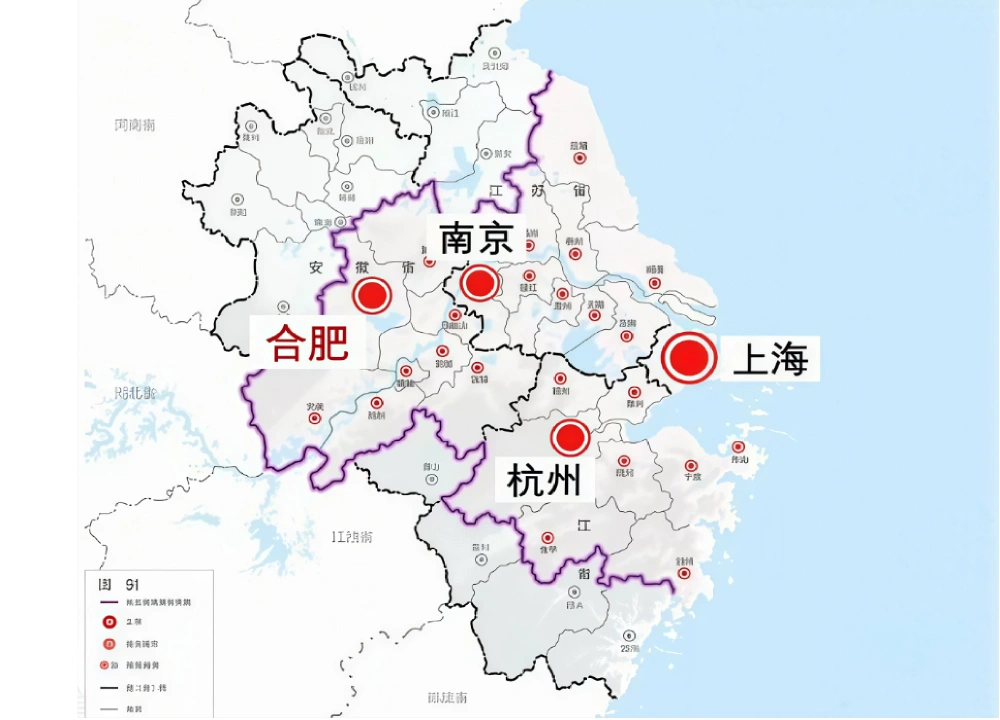
Yangtze River Delta manufacturing clusters benefit from cross-city coordination that few domestic supply chains can replicate. Shanghai, Suzhou, Wuxi, and Hangzhou complement each other instead of competing directly. For buyers focused on Industrial components sourcing China, this integrated network cuts tooling lead times and simplifies multi-part assembly projects.
The Electronics Core of Suzhou & Yangtze River Delta Industrial Clusters
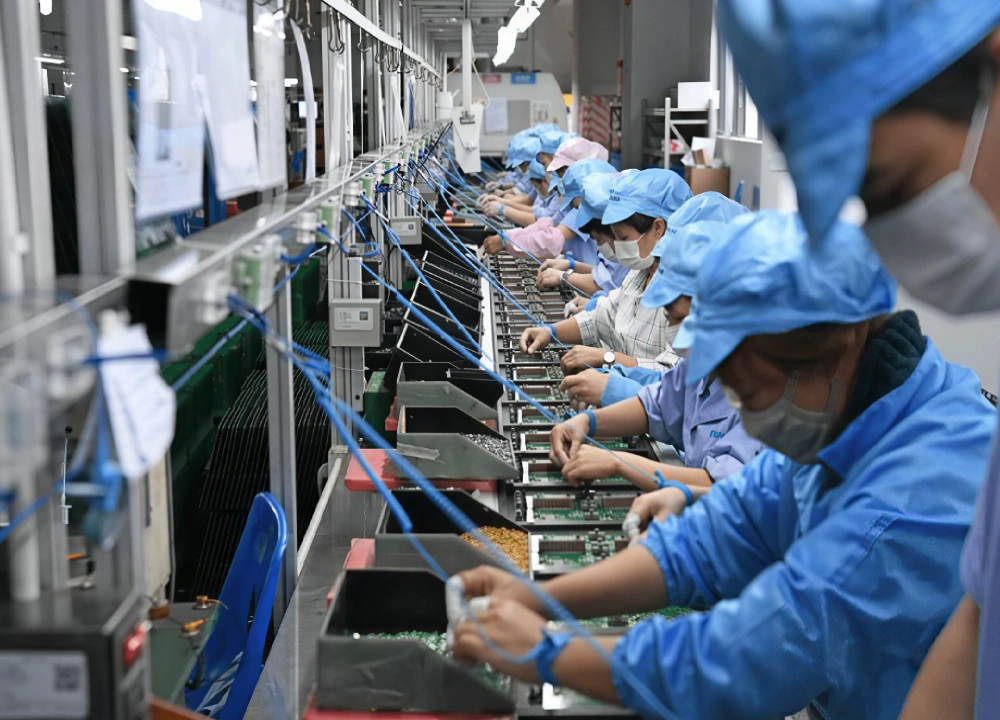
Suzhou electronics cluster is a trillion-yuan ecosystem. The electronics information industry reached 1.33 trillion RMB in the first ten months of 2026, growing 10.7% and contributing over half of the city’s industrial growth. The Suzhou Industrial Park alone hosts 140 large-scale electronics enterprises generating 120 billion RMB in output.
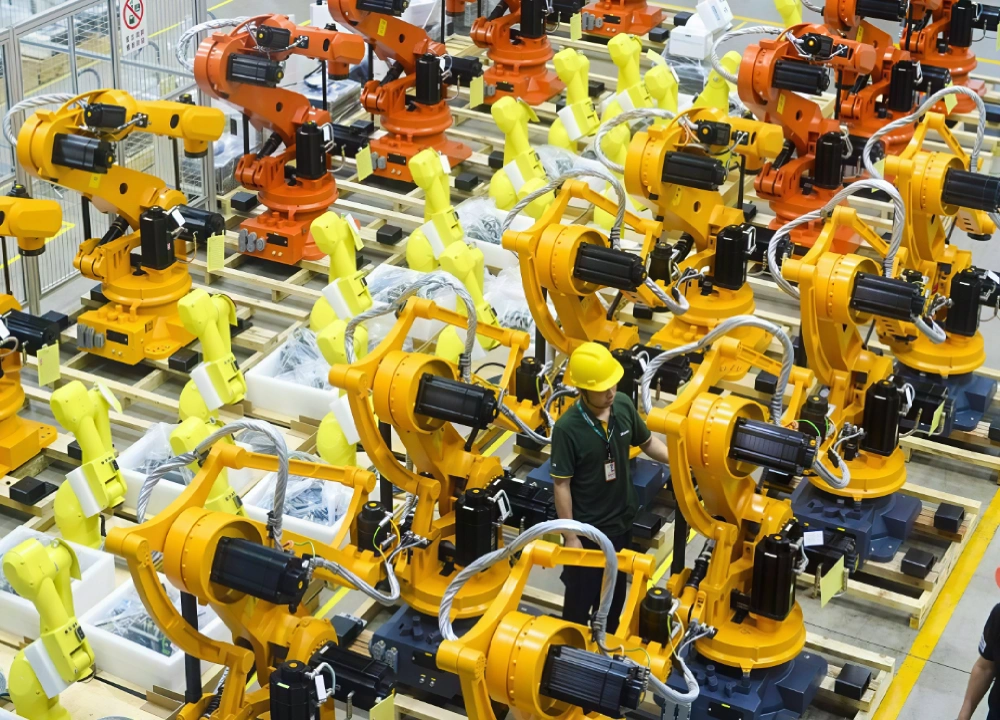
Kunshan electronics manufacturing: Display and Automotive Electronics Hub
Kunshan electronics manufacturing is the other engine. The city hosts a trillion-yuan electronic information cluster led by display panels and optical devices. Visionox, a leading AMOLED maker, operates its Kunshan base with over 200 supporting firms—from mask plates to polarizers—enabling rapid iteration from materials to modules.
The broader regional context matters. For buyers comparing options, Suzhou electronics manufacturing stands out for high-volume, stable automotive and display-grade production, different from fast-turn prototype-focused electronics hubs elsewhere. The broader Yangtze River Delta manufacturing clusters context matters. The region’s 26 national clusters represent 32.5% of China’s total, covering integrated circuits, biomedicine, and high-end equipment.
For buyers sourcing precision electronics or automotive electronics, Suzhou’s advantage is not just local capacity but the ability to coordinate across Shanghai (design), Jiangsu (manufacturing and packaging), and Zhejiang (components) within a few hours.
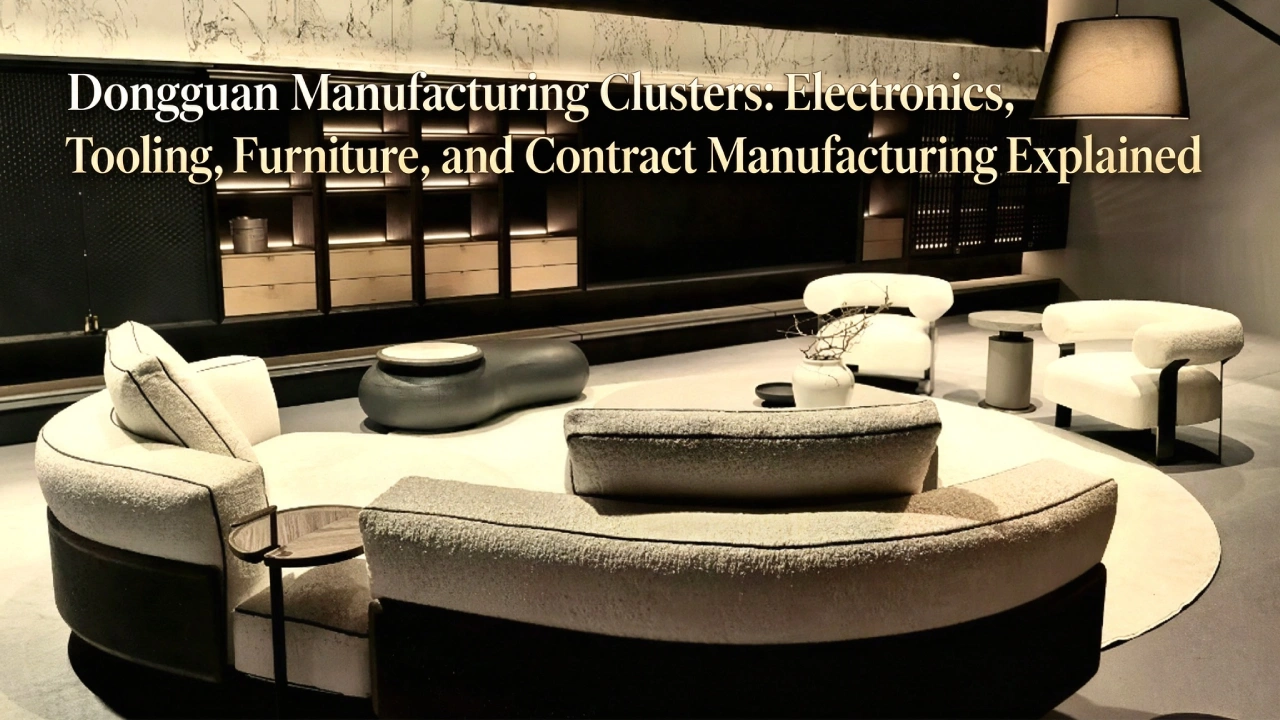
If your product leans toward consumer assembly and tooling rather than high-precision display parts, you may also review our guide on Dongguan Manufacturing Clusters: Electronics, Tooling, Furniture, and Contract Manufacturing Explained.
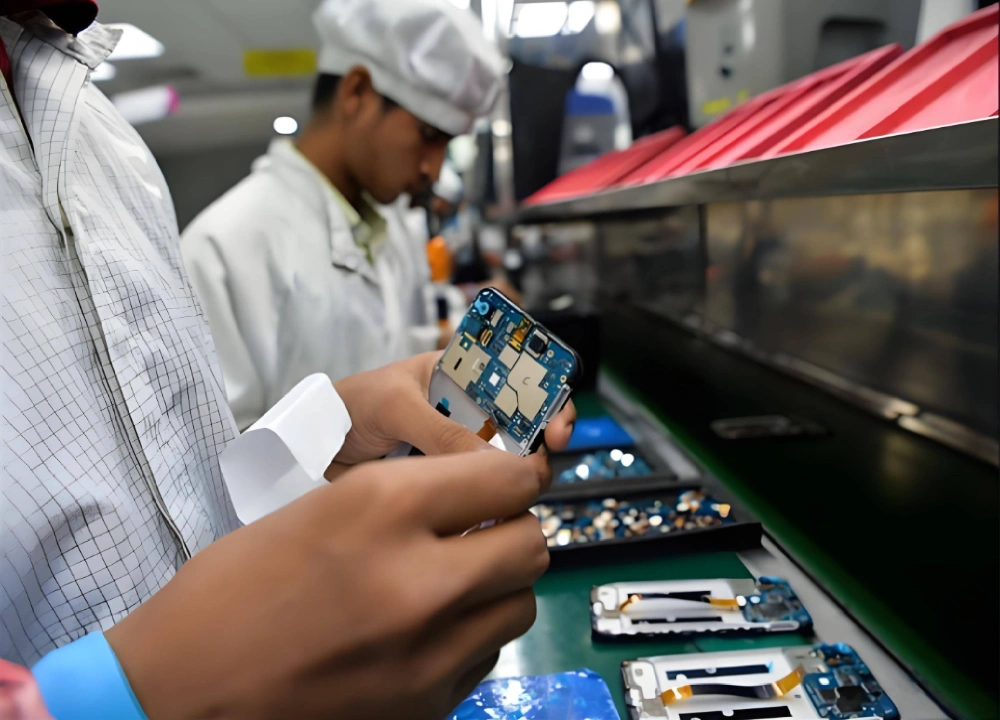
Machinery and Precision Manufacturing Inside Suzhou & Yangtze River Delta Industrial Clusters
Suzhou machinery manufacturing is the city’s largest industrial pillar. Equipment manufacturing reached 1.44 trillion RMB in the first ten months of 2026, growing 8.7%. The high-tech district concentrates 496 large-scale equipment enterprises generating 150 billion RMB, with companies like Neway CNC and TZTEK anchoring the high-end machine tool and precision measurement segments.
If your sourcing project covers both mechanical parts and electronic assemblies, Suzhou & Yangtze River Delta Industrial Clusters offers great matching flexibility.
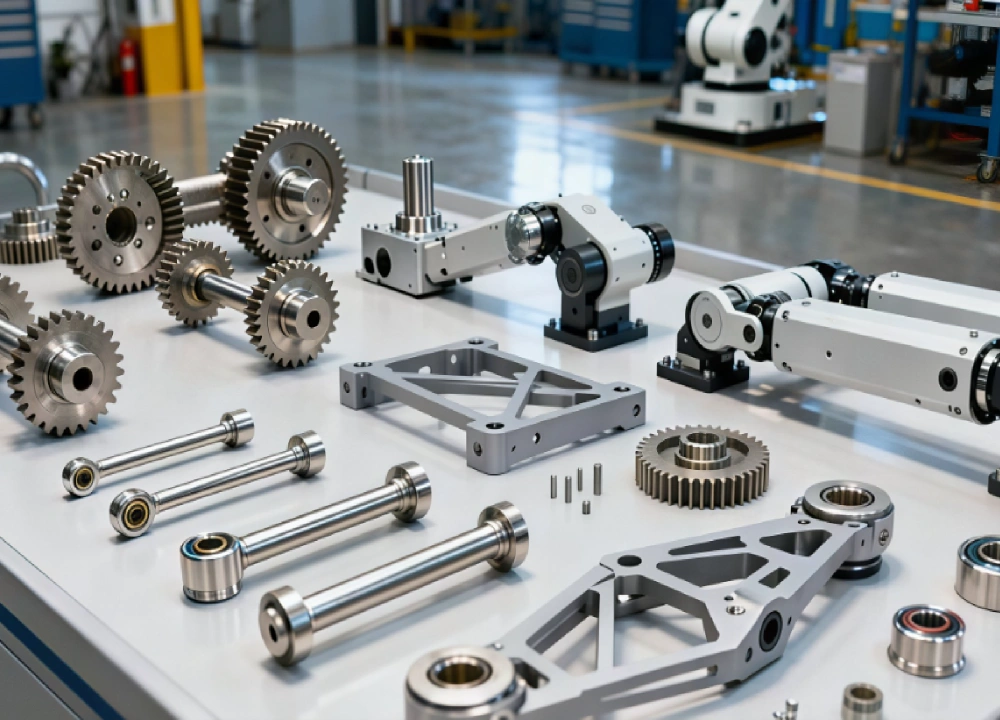
Suzhou precision manufacturing: Three Key Strengths
Suzhou precision manufacturing is particularly strong in three areas. Industrial mother machines—five-axis machining centers and special processing equipment—are a national priority, with Suzhou building a comprehensive innovation center for the sector.
Precision instruments cover industrial control, intelligent detection, and electronic measurement, with the cluster hosting over 700 enterprises and a national advanced manufacturing cluster designation. High-end valves and pumps serve new energy, aerospace, and nuclear industries.
Taicang adds a distinct dimension. The city hosts over 560 German enterprises, including Schaeffler, Trumpf, and Kern-Liebers, with combined annual industrial output exceeding 67 billion RMB. Over 70% of a vehicle’s components can be sourced locally in Taicang, and more than 600 domestic firms have entered German supply chains.
For buyers sourcing precision automotive components or industrial machinery, Taicang’s German-engineered ecosystem is a specific draw, and it is a vital node within Suzhou & Yangtze River Delta Industrial Clusters.
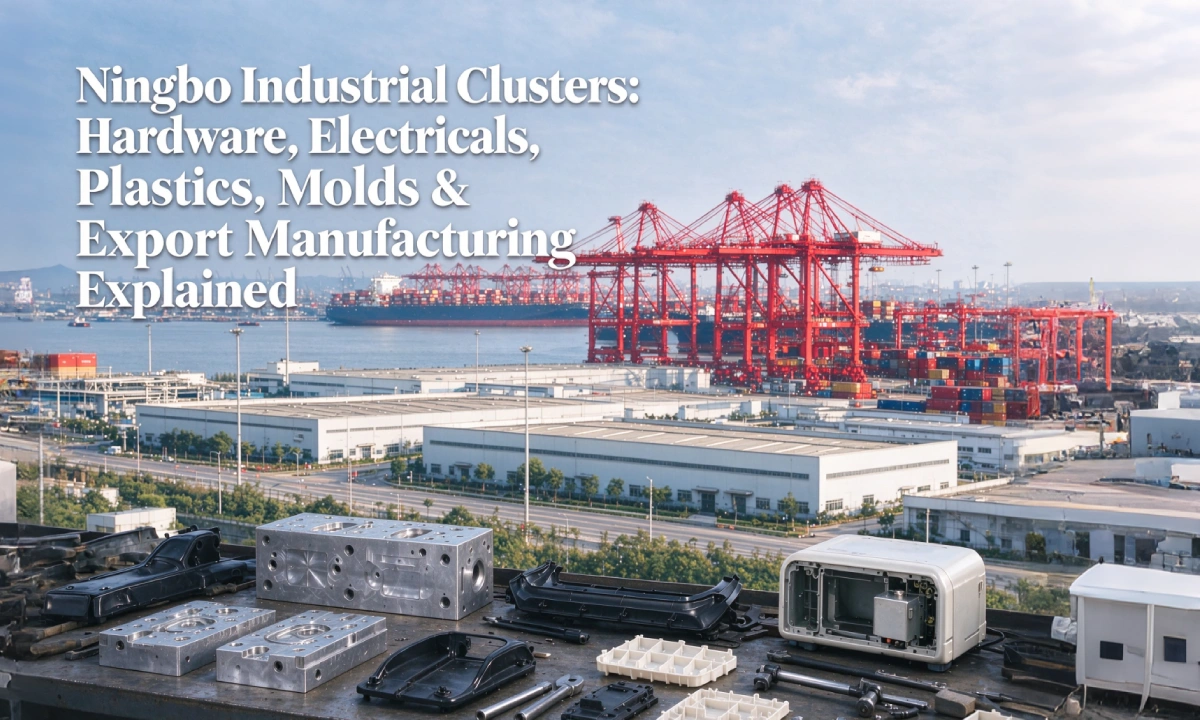
For general hardware, mold and export-oriented component sourcing, our Ningbo Industrial Clusters: Hardware, Electricals, Plastics, Molds & Export Manufacturing Explained guide offers a useful reference.
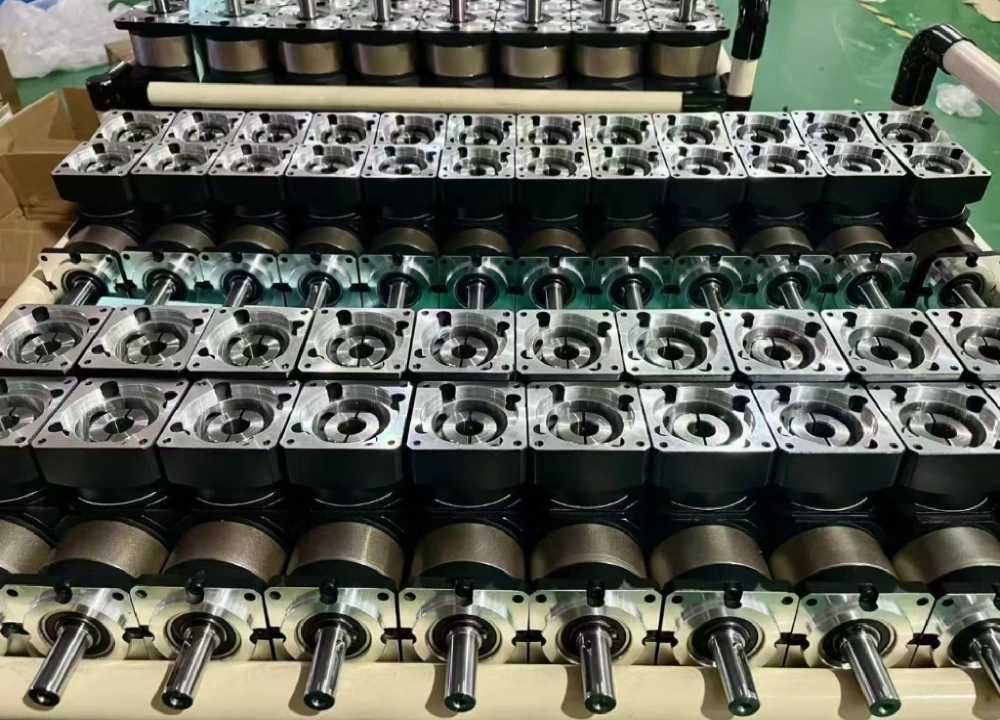
Photonics and Emerging Clusters: The Next Phase
Suzhou is building for the next industrial cycle. The Taihu Photon Center, launched in 2022, has gathered over 350 photonics and integrated circuit enterprises in the high-tech district, with output exceeding 85 billion RMB. The city’s overall photonics industry reached 430 billion RMB in 2025, with over 1,200 enterprises.
The cluster covers the full chain: optical chips, devices, modules, precision testing, and applications. The country’s first 8-inch silicon photonics platform is about to begin production, a significant step for domestic optical chip autonomy.Advanced photonics development further elevates the competitiveness of Suzhou & Yangtze River Delta Industrial Clusters.
For buyers sourcing optical communication components, laser devices, or precision optical products, Suzhou’s photonics cluster is the most concentrated in the Yangtze River Delta. This emerging sector further expands the value of Suzhou & Yangtze River Delta Industrial Clusters.
The Yangtze River Delta’s 4-Hour Supply Chain
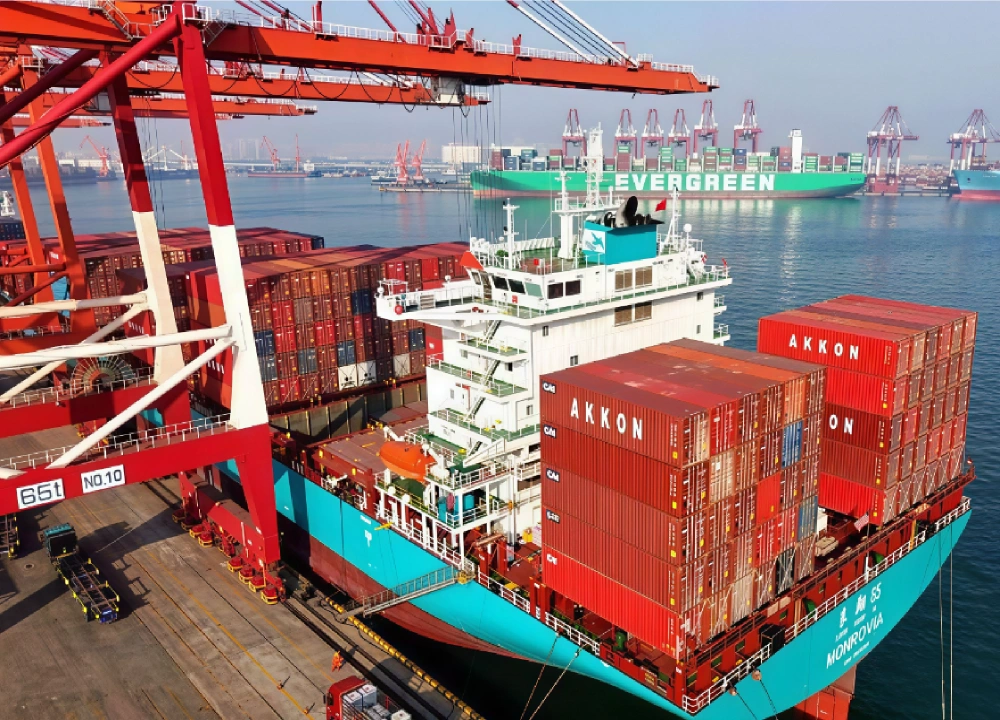
Suzhou & Yangtze River Delta Industrial Clusters derive much of their strength from regional coordination. The Yangtze River Delta’s “4-hour industrial circle” is a practical reality: a new energy vehicle’s components can be sourced across Shanghai, Jiangsu, Zhejiang, and Anhui within four hours.
The division of labor is clear. Shanghai handles chips, software, and design. Jiangsu provides power batteries and precision manufacturing. Zhejiang completes integrated die-casting. Anhui assembles complete vehicles. For Suzhou specifically, this means a buyer sourcing precision machinery can access Shanghai’s design talent, Kunshan’s electronics supply chain, and Taicang’s auto parts within a single sourcing trip.
The regional integration is not just physical. The Yangtze River Delta Advanced Manufacturing Cluster Alliance was established to coordinate across the 26 national clusters, reducing duplication and aligning standards.
For international buyers, this translates to a more predictable and coordinated supply chain than fragmented regional sourcing, another reason China Industrial Clusters receive steady attention from global engineering procurement teams.
How Buyers Navigate Suzhou’s Clusters
Suzhou’s districts are connected by metro and high-speed rail, but the industrial zones are spread across the city and its county-level cities. Kunshan is east, Taicang is northeast, and the high-tech district is west. A buyer planning factory visits needs to account for travel time—Kunshan to Taicang is about 40 minutes by car, while the Industrial Park to Taicang is closer to an hour.A well-planned travel schedule helps you make the most of your time exploring Suzhou & Yangtze River Delta Industrial Clusters.
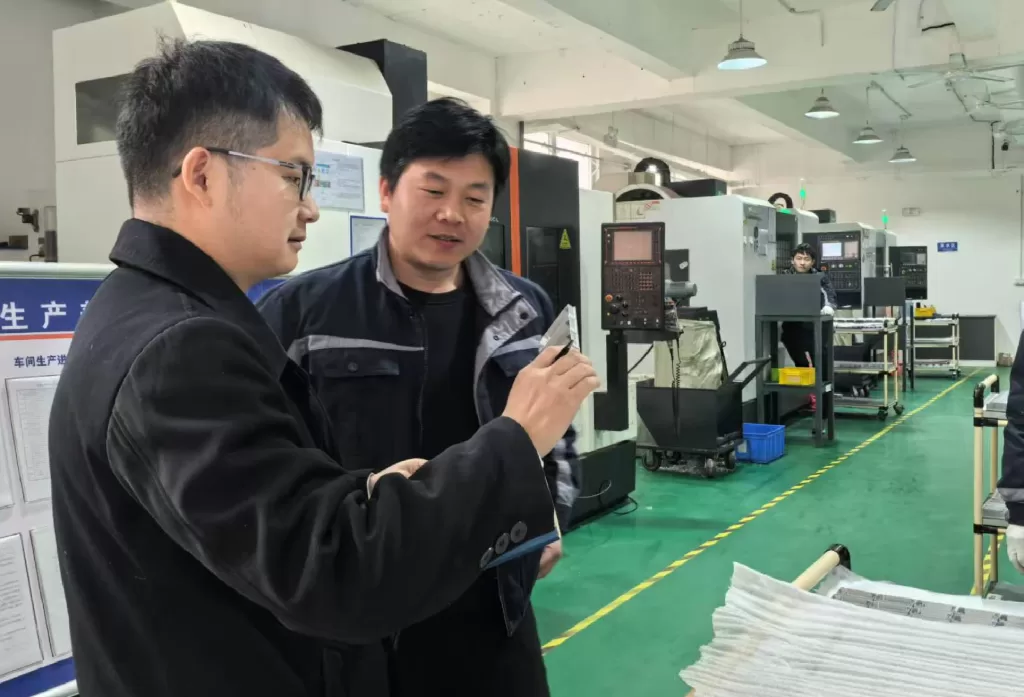
The practical challenge is not distance. It is knowing which supplier is a genuine manufacturer and which is a trading company. Suzhou’s cluster density means many small enterprises operate as tier-two or tier-three suppliers to larger brands—they may not have English-speaking sales teams or polished showrooms, but their technical capability can be higher than their visibility suggests.
This is where a local team changes the equation. At Sourcingyuan, we coordinate with partners in Suzhou to verify factory status, arrange sample testing, and follow up on production. We know which Taicang suppliers actually serve Schaeffler’s tier-one network, and which Kunshan electronics firms are genuine manufacturers rather than assemblers.
For buyers navigating Suzhou & Yangtze River Delta Industrial Clusters across multiple districts, we consolidate visits into a structured itinerary and follow up with inspection reports.
The Bottom Line
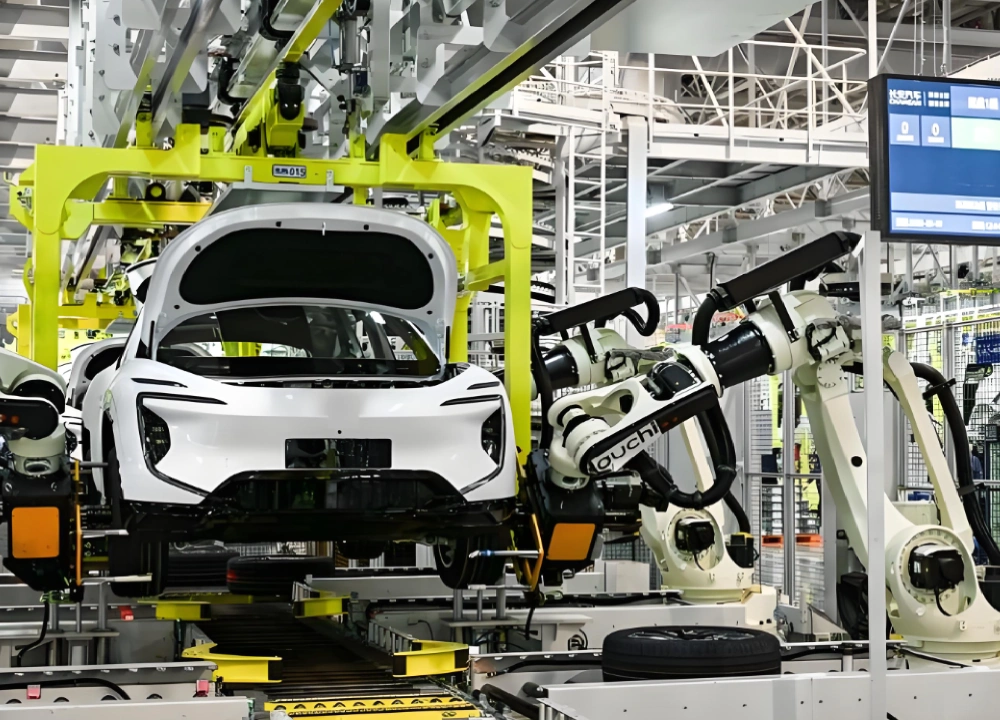
Suzhou & Yangtze River Delta Industrial Clusters are the backbone of China’s precision manufacturing and electronics capacity. The Industrial Park drives instruments and photonics, Kunshan anchors electronics and auto parts, and Taicang delivers German-engineered precision.
The Yangtze River Delta’s 4-hour supply chain coordination is hard to match by other industrial regions in China.Alongside this hub, our China Industrial Clusters series covers other major manufacturing bases across the Pearl River Delta and coastal Zhejiang.
Supported by well-established cross-city labor division, buyers can source a single product from qualified manufacturers, or arrange combined sourcing, parallel sampling and consolidated inspection for multiple categories at once. This greatly cuts cross-border communication costs and shortens logistics lead times. Whether you need mass production for large machinery projects or optical and automotive electronic orders with strict tolerance and consistency requirements, this cluster can accommodate a wide range of sourcing demands. This wraps our deep dive for this entry in China Industrial Clusters.
At Sourcingyuan, we work from Guangzhou and coordinate with partners in Suzhou for factory verification and production follow-up. If you are sourcing precision machinery, electronics, or automotive components, and need a second opinion on a supplier you are already talking to, contact us to discuss your itinerary.
About the Author
Jeff Lee
Founder of Sourcingyuan
Jeff Lee is the founder of Sourcingyuan, a China-based sourcing and product development company. He has more than 10 years of experience helping overseas businesses source products, develop new products, identify reliable manufacturers, manage production, and build supply chains in China.
Related Articles You May Like 📚
Explore more from our China Industrial Clusters series:
⚙️ Ningbo Industrial Clusters: Hardware, Electricals, Plastics, Molds & Export Manufacturing Explained
🤝 Need help coordinating factory visits in Suzhou or the Yangtze River Delta?
Share This Story, Choose Your Platform!
We connect you with reliable factories, get the best quotes, deliver straight to your door.