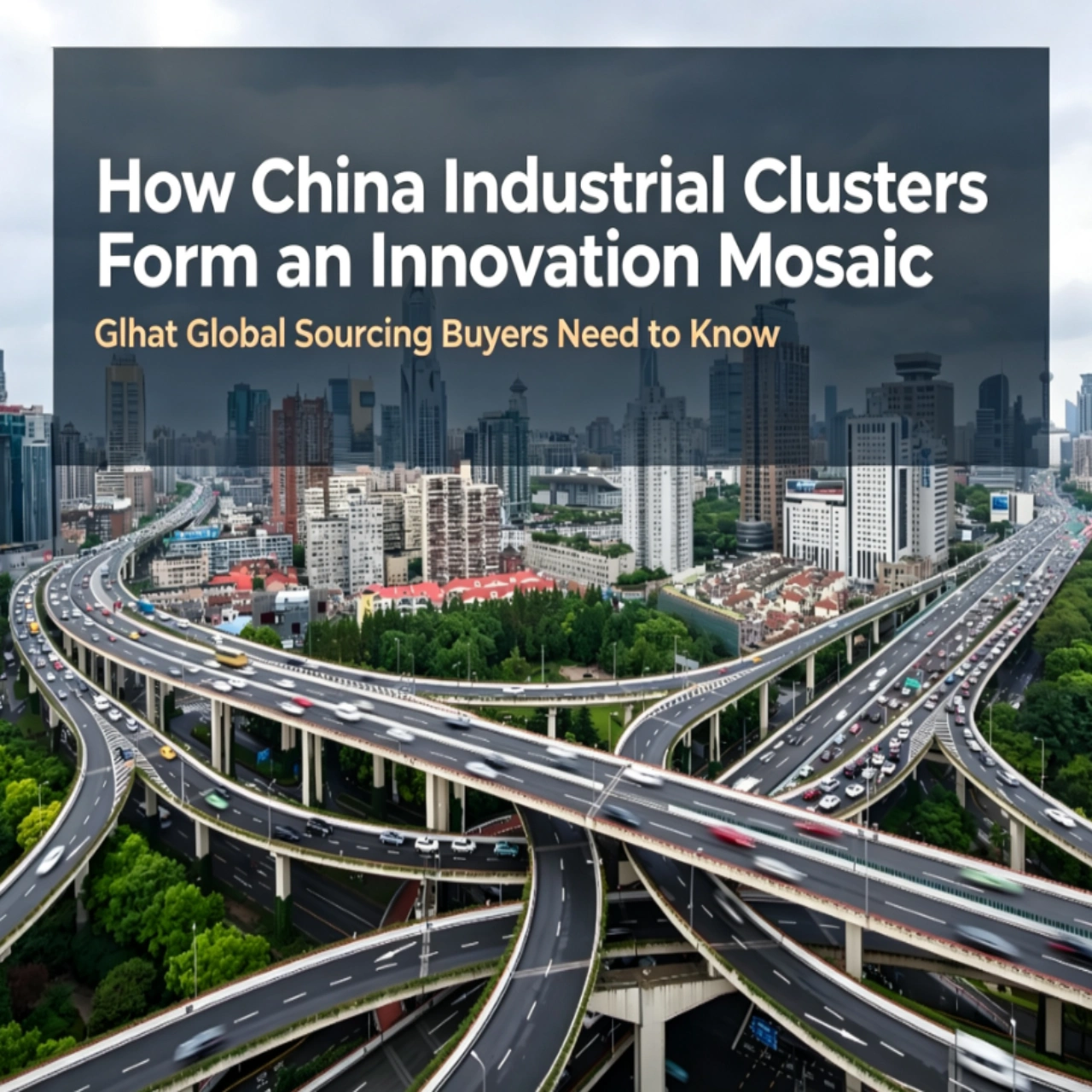
For decades, China Industrial Clusters were synonymous with low‑cost, high‑volume production. Global buyers associated cities like Shenzhen, Dongguan, and Guangzhou with the efficiency of contract manufacturing and mass exports. However, the narrative has shifted profoundly.
In 2026, China manufacturing clusters are no longer just production engines. They are evolving into a highly differentiated “innovation mosaic”—a term used by analysts to describe how China’s tech strategy is transforming into a sprawling, hyper‑local network where each region carves out its own niche in the pursuit of high‑tech, high‑efficiency industries. For global sourcing buyers, understanding this mosaic is no longer optional—it’s essential for navigating the next phase of supply chain strategy.
This guide explains how Chinese industrial hubs are forming distinct innovation profiles, what this means for sourcing, and how buyers can adapt.
From “World Factory” to “Innovation Mosaic”
The traditional view of China as a monolithic manufacturing center is outdated. Over 80% of China’s industrial enterprises now operate within various types of clusters and development zones, accounting for more than half of national industrial output. These are not just random concentrations of factories—they are strategically positioned ecosystems.
The World Economic Forum’s recent white paper on China’s industrial transformation highlights how these clusters are becoming engines of transformation, leveraging shared infrastructure and a multi‑tiered policy framework to test, deploy, and scale new solutions. The 15th Five‑Year Plan (2026–2030) further accelerates this shift, focusing on intelligent development, green transformation, and industrial integration.
What this means for buyers: The “China price” is no longer the only differentiator. The value proposition now includes innovation speed, ecosystem integration, and specialized capabilities that vary dramatically by region.
The Three Innovation Engines
The most striking trend in China’s regional industrial evolution is the “clumping” of innovation into three major integrated corridors. Each region has developed a distinct innovation profile, and these differences are critical for global buyers to understand regional manufacturing clusters across China.
The Greater Bay Area (GBA): The “Mid‑Test” Capital
The GBA, which includes Guangdong, Hong Kong, and Macao, is focused on the “mid‑test” stage—the critical bridge between a lab prototype and a mass‑market product. It has already cultivated 9 trillion‑yuan‑level industrial clusters and a complete industrial system covering 31 manufacturing categories.
Key specializations in Greater Bay Area manufacturing clusters China include:
Drones: 90% of China’s drone production
Industrial robots: 40% of national production, with Beijiao township in Foshan alone producing one in every 20 industrial robots made in China
Embodied AI: Expanding into smart robotics and deep‑sea exploration
In Beijiao, the efficiency is remarkable: over 90% of a robot’s supply chain can be sourced locally, and components can be assembled within half a day. “Engineers can finish a design on the first floor in the morning, have components delivered from the second floor in the afternoon, and complete prototype testing the very same day,” according to a local industry association secretary‑general.
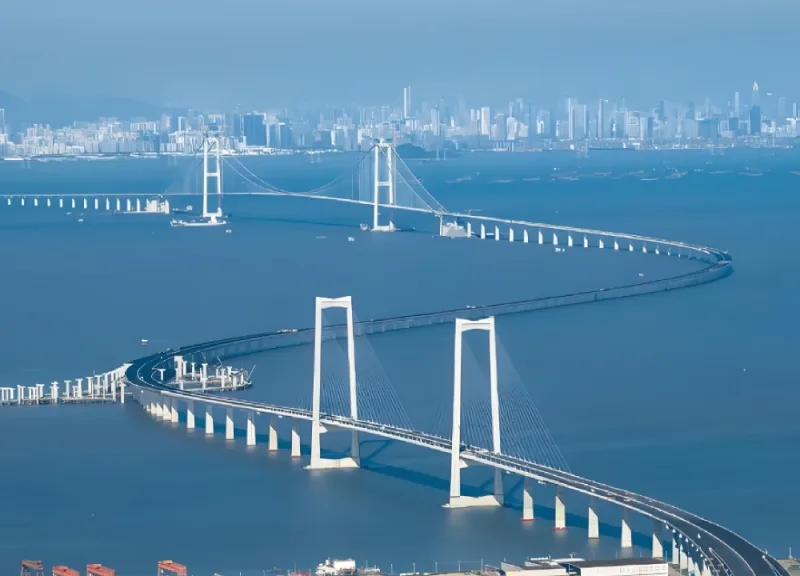
The Greater Bay Area (GBA)_ The _Mid‑Test_ Capital
The Yangtze River Delta: The R&D Powerhouse
This region is behaving like a single, massive R&D lab. The Yangtze River Delta industrial clusters sourcing ecosystem is deeply integrated, with each province contributing specialized capabilities:
Shanghai: Brain‑computer interfaces and 6G
Anhui: Quantum computing and nuclear fusion
Jiangsu: New energy vehicles, batteries, and solar panels
The region has built a “four‑hour industrial ecosystem,” where any NEV plant can obtain all required parts within a four‑hour drive. Shanghai provides the “brain” (chips and software), Changzhou provides the “heart” (power batteries), and Ningbo provides the “body” (advanced die‑casting machines).
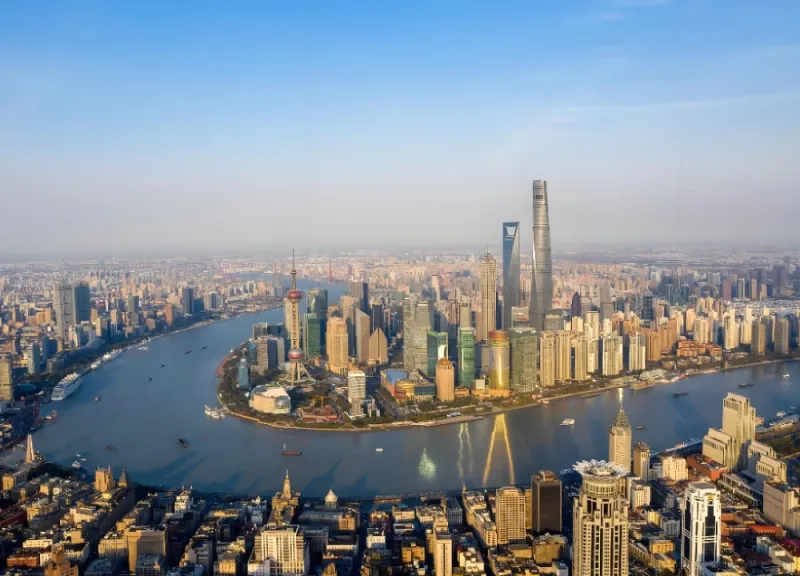
The Yangtze River Delta_ The R&D Powerhouse
The Beijing‑Tianjin‑Hebei (JJJ) Cluster: Synergy in Action
Beijing remains the nation’s innovation “cerebral cortex,” breaking 210 bottleneck technologies in 2025. The focus is shifting towards synergy with Tianjin’s manufacturing (particularly in trustworthy computing) and Hebei’s burgeoning digital infrastructure in the Xiongan New Area.
What this means for buyers: The location of your supplier now matters more than ever. For consumer electronics, the GBA offers unparalleled speed. For deep‑tech components, the Yangtze River Delta provides cutting‑edge R&D. For projects requiring policy alignment and secure computing, the JJJ cluster is emerging as a strategic choice.
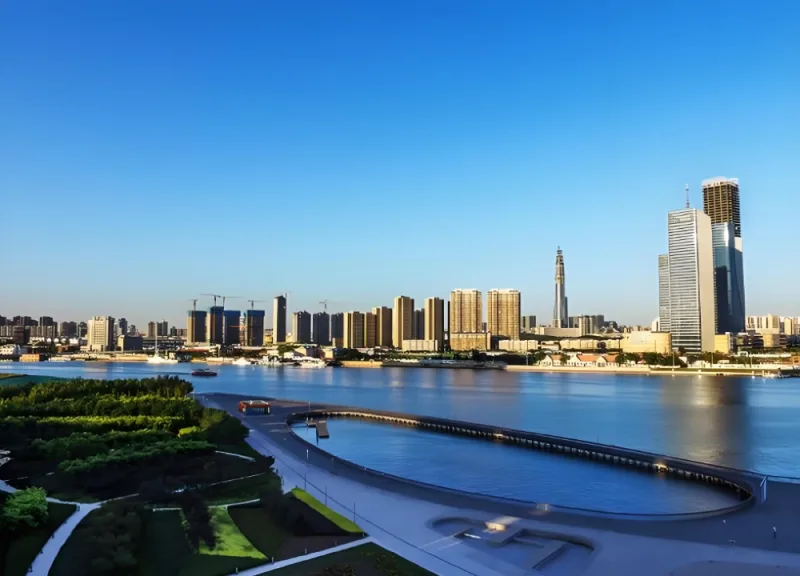
The Beijing‑Tianjin‑Hebei (JJJ) Cluster_ Synergy in Action
How the Three Innovation Engines Compare
| Region | Core Focus | Key Specializations | What Buyers Should Know |
| Greater Bay Area | “Mid test” capital (lab to mass production) | Drones (90%), industrial robots (40%), embodied AI | Fastest prototyping; ideal for consumer electronics and hardware startups |
| Yangtze River Delta | R&D powerhouse | Brain computer interfaces, 6G, quantum computing, NEV ecosystem | Best for deep tech components and advanced R&D collaboration |
| Beijing Tianjin Hebei | Innovation synergy | 210 bottleneck technologies broken in 2025, secure computing, digital infrastructure | Strong for policy aligned projects and secure computing infrastructure |
The Rise of Inland and Specialized Clusters
The innovation mosaic extends far beyond the coast. A “go west” movement for data and green energy is in full swing, driven by the national “East Data, West Computing” initiative.
Inner Mongolia and Guizhou: Leveraging cool climates and cheap energy to become digital infrastructure hubs. Inner Mongolia’s computing power scale has reached 220,000 PetaFLOPS.
Ningxia and Qinghai: Once known for coal or salt, they are now hubs for green hydrogen and zero‑carbon computing. Qinghai’s clean energy installed capacity now exceeds 93%.
Hefei: An inland city that has doubled its GDP in a decade, now hosting over 300 high‑tech firms in electric mobility and semiconductors.
Inland China regional industrial ecosystems like Luyi County (Henan) and Xuchang (Henan) show another dimension of the mosaic. Luyi supplies over 85% of the world’s artificial makeup brush fiber materials, while Xuchang produces six out of every ten wigs sold globally. These are not low‑cost assembly hubs—they are moving into brands, patents, and direct‑to‑consumer sales.
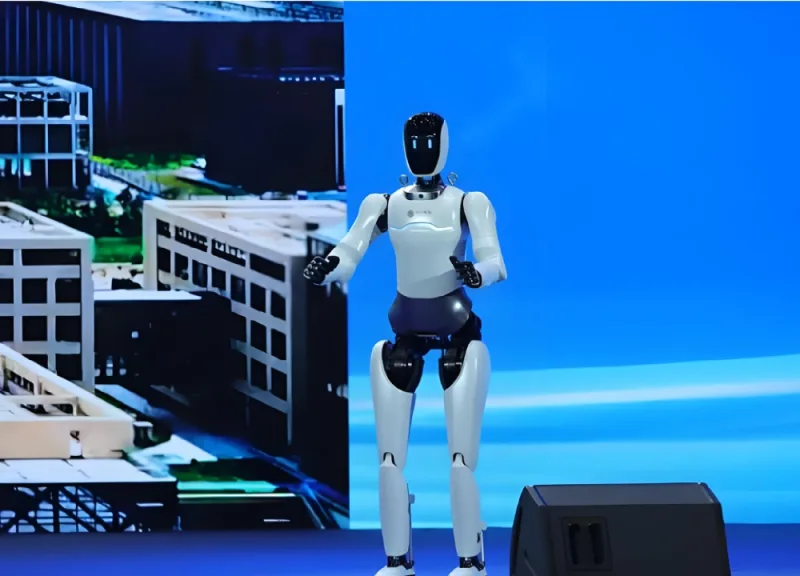
Inner Mongolia Digital Computing Hub, a hub for China industrial clusters
The “4‑Hour Industrial Circle” and Supplier Ecosystems
A mature China supply chain cluster allows for unprecedented speed. The Yangtze River Delta’s “4‑hour industrial circle” means any NEV plant can source all components within a four‑hour drive. The GBA’s robotics ecosystem in Beijiao allows for same‑day prototyping.
Honeywell’s China president noted that “multiple supply chain clusters have taken shape—from Bohai Bay and the Yangtze River Delta to the Pearl River Delta, all offering a wealth of excellent suppliers.” This supplier density is what global sourcing buyers should look for: not just a single factory, but an entire ecosystem of partners, logistics, and R&D within close proximity.
For buyers who are new to these regions or looking to diversify their supply base, working with a China sourcing company that has local expertise can make the difference between finding a reliable partner and getting lost in the complexity of regional specialization.
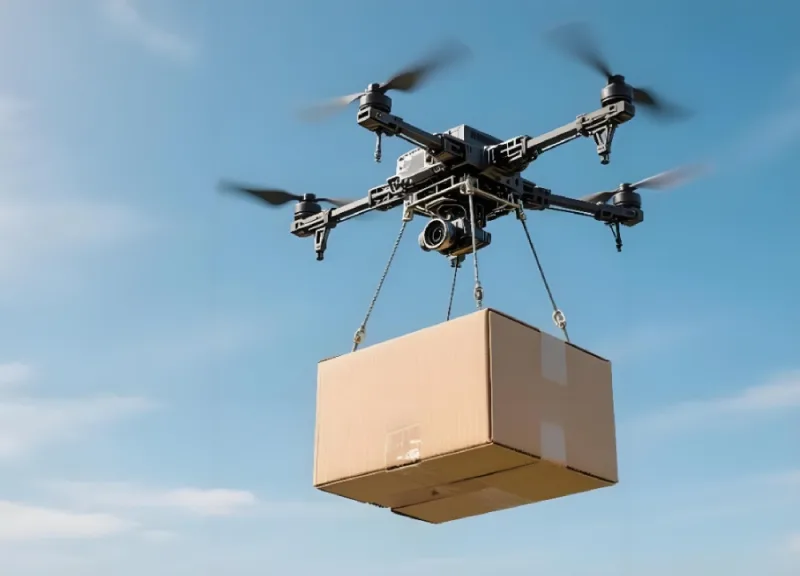
China Industrial Clusters Drone Logistics Delivery for Smart Supply Chain
What This Means for Apparel Sourcing
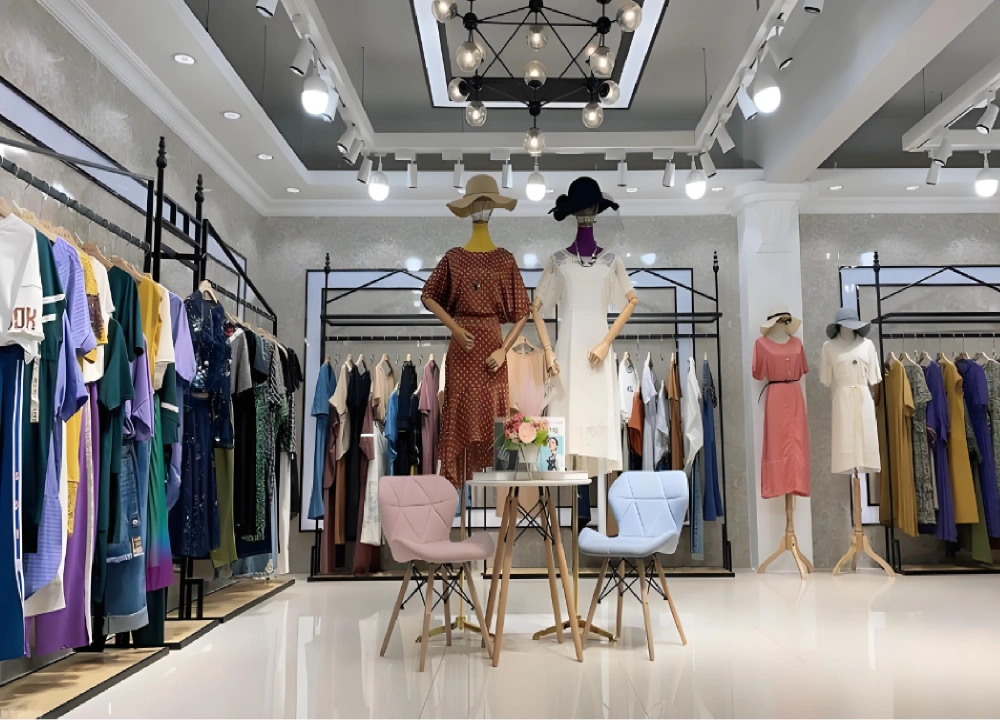
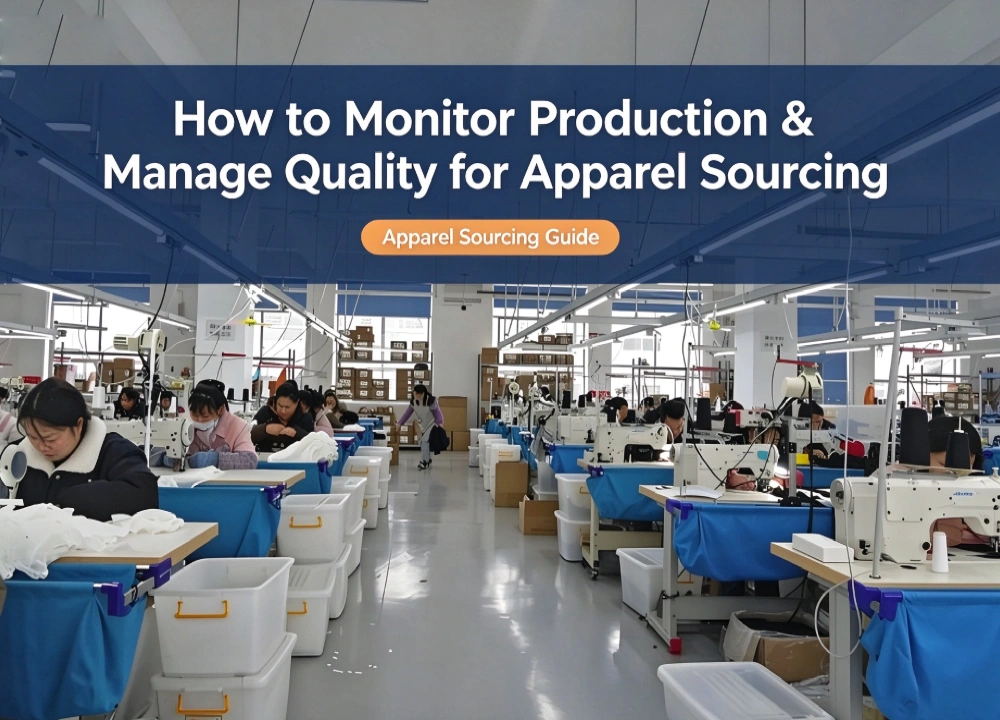
While much of the innovation mosaic narrative focuses on high‑tech industries, the implications for apparel sourcing are equally significant. The Guangdong textile and apparel cluster—home to thousands of garment factories—is also transforming. It’s moving from pure OEM production toward “small‑batch, fast‑response” manufacturing, using AI‑driven design tools and automated cutting systems to serve fast‑fashion and direct‑to‑consumer brands.
Inland clusters like Henan’s emerging textile hubs offer cost advantages while benefiting from improved logistics and digital infrastructure. For apparel buyers, this means more options: Guangdong for speed and trend responsiveness, inland provinces for cost‑competitive basics with shorter domestic supply chains.
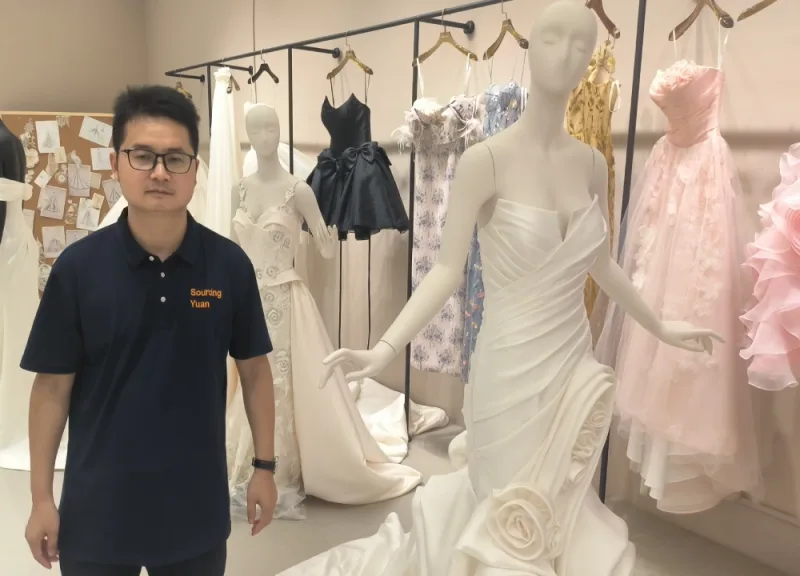
Lee at the wedding dress factory.
FAQ
What is the “innovation mosaic” in China’s industrial clusters?
The “innovation mosaic” refers to the decentralized, regionally specialized approach to industrial development in China. Rather than a monolithic strategy, each region pursues a unique high‑tech niche, creating a patchwork of specialized industrial hubs.
Which Chinese cluster is best for sourcing electronics?
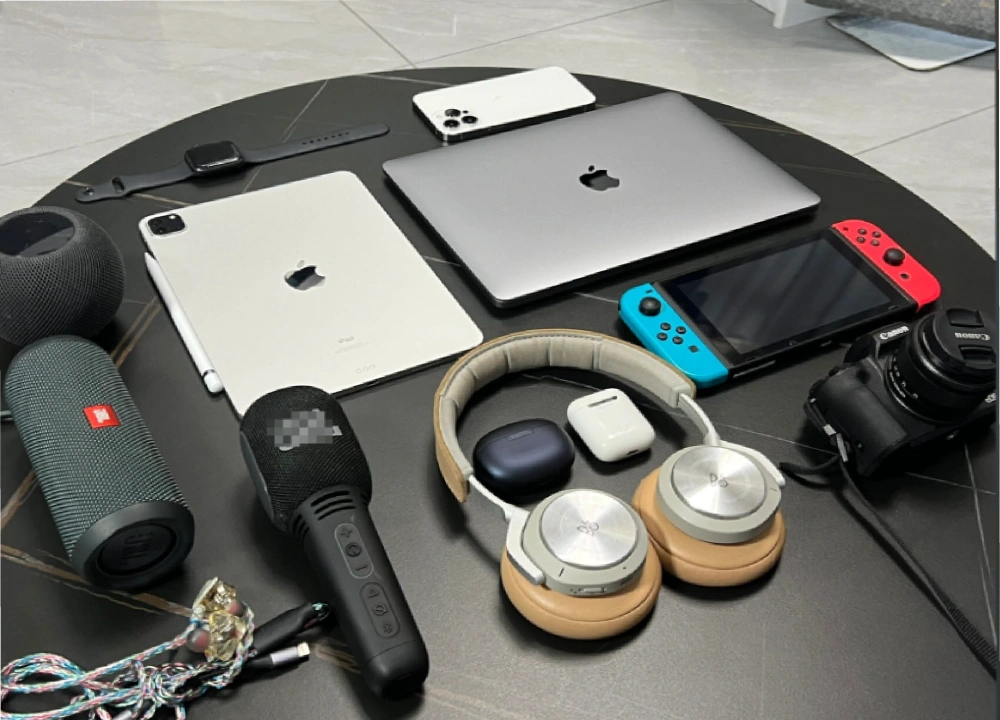
The Greater Bay Area, particularly Shenzhen and Dongguan, remains the primary hub for electronics, offering dense component networks and rapid prototyping capabilities.
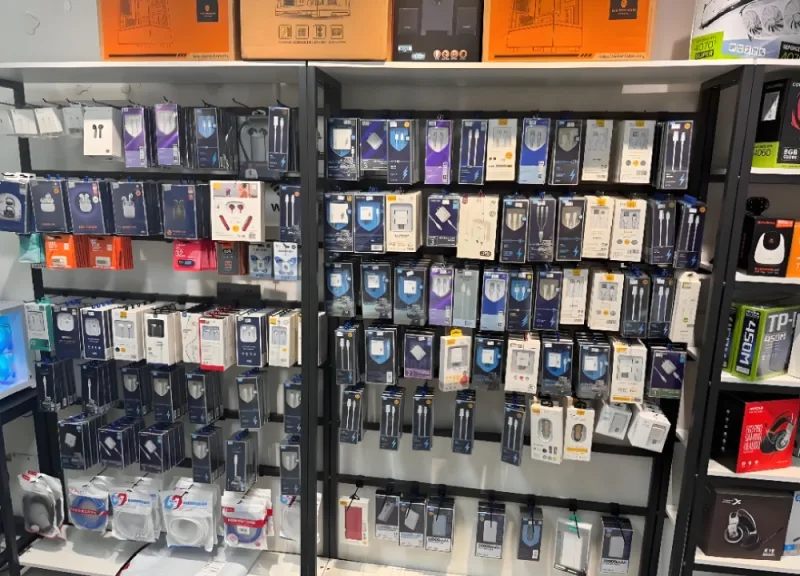
Electronic product procurement in China’s industrial clusters
What is the “4‑hour industrial circle”?
The “4‑hour industrial circle” is an ecosystem in the Yangtze River Delta where any NEV plant can obtain all required parts within a four‑hour drive. This is enabled by the region’s highly integrated supply chains.
How are inland clusters different from coastal ones?
Inland clusters are increasingly focused on specialized niches (e.g., makeup brushes in Luyi, wigs in Xuchang, quantum computing in Anhui) or on digital infrastructure (data centers in Inner Mongolia), often with lower costs and government incentives.
How does the innovation mosaic affect sourcing decisions?
Sourcing decisions now depend on matching your product’s technical requirements to the right regional strengths—whether that’s rapid prototyping in the GBA, advanced R&D in the Yangtze River Delta, or specialized manufacturing in an inland hub.
Is there still a role for traditional manufacturing clusters?
Yes. Traditional clusters like Guangdong’s textile and apparel hub are evolving, not disappearing. They are adopting digital tools and “small‑batch, fast‑response” models to stay competitive in a changing market.
The Bottom Line
China Industrial Clusters are evolving from undifferentiated production zones into a highly specialized innovation mosaic. Even within high‑performing China Industrial Clusters, regional advantages cannot replace strict supplier qualification, factory audit and sample validation.For global sourcing buyers, success in 2026 and beyond means understanding which regional manufacturing clusters China fit your specific product needs.
The old strategy of “sourcing from China” is no longer enough—the new strategy is “sourcing from the right cluster in China.” Whether you need the rapid prototyping of the Greater Bay Area, the deep R&D of the Yangtze River Delta, or the specialized niche production of an inland hub, the key is to align your sourcing strategy with the region’s strengths.
For buyers navigating this complex landscape, local expertise is invaluable. At Sourcingyuan, our team helps international clients identify the right clusters for their products, vet suppliers, and manage quality control across regions—turning the complexity of China’s innovation mosaic into a competitive advantage.
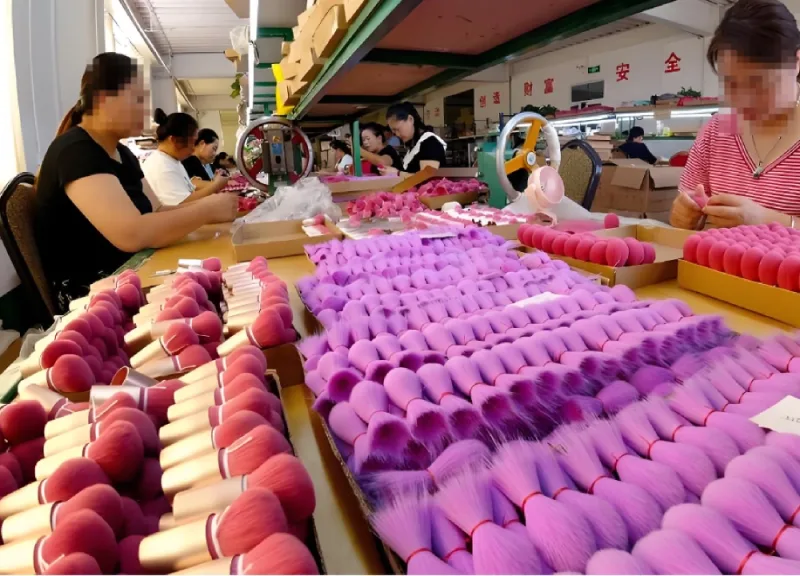
Luyi Makeup Brushes_ A Chinese Industrial Cluster
About the Author
Jeff Lee
Founder of Sourcingyuan
Jeff Lee is the founder of Sourcingyuan, a China-based sourcing and product development company. He has more than 10 years of experience helping overseas businesses source products, develop new products, identify reliable manufacturers, manage production, and build supply chains in China.
Connect with Jeff: LinkedIn | YouTube
Explore more about China industrial cluster sourcing to optimize your global supply chain strategy:
→ What Are China Industrial Clusters and Why Do They Matter for Global Sourcing?
→ How Can You Leverage China Industrial Clusters to Find Better Suppliers?
→ Contact SourcingYuan
Share This Story, Choose Your Platform!
We connect you with reliable factories, get the best quotes, deliver straight to your door.