
Most buyers think the trip ends when they leave Pazhou. It doesn’t.
The real result shows up in the next 30 days — when suppliers either move into samples, verification, and a controlled first order, or disappear into a pile of catalogs and vague promises. That gap is where sourcing momentum dies. Not because the fair failed. Because no process took over after the meetings ended.
This Canton Fair Guide is not about what the fair is — you already know that. It is about what happens after you leave Guangzhou. Written from the perspective of a Guangzhou‑based sourcing team, this guide tells you how to turn booth conversations into real supplier relationships, samples, and eventually orders.

China Import and Export Fair
The First 48 Hours: Set the Tone for Everything That Follows
The first 48 hours after the Canton Fair set the tone for everything that follows. When a supplier returns from the fair, their inbox is full. The buyers who send clear, specific requests early get better response quality and faster sample handling.
Start with one working sheet:
| Column | What to Record |
| Supplier name | From their business card |
| Booth number | Where you met them |
| Product | What they showed you |
| Quoted range | Price and MOQ they gave |
| Your meeting notes | What stood out, what you asked |
| Next action | What you need from them (sample, spec sheet, factory address) |
Then split suppliers into three groups:
- A group: Strong fit, clear next step — these are your priority
- B group: Possible fit, still missing key information
- C group: Backup only
-

Visualization of Supplier Classification Information Table (A_B_C)

Most buyers lose control here. They keep 20 suppliers alive at the same level and drown in mixed messages. A shorter list creates faster decisions. Send your first Canton Fair follow‑up to the top 5–8 suppliers. Each message should name the product discussed, the target specification, any packaging or compliance requirement, and the next action with a deadline.
A vague “nice meeting you” creates no momentum. A specific message starts a sourcing process.
What to include in your follow‑up email:
– Product name and booth number (so they remember you)
– Specific technical requirements (dimensions, materials, certifications)
– Clear next action (e.g., “Please send a sample quotation for 500 units by [date]”)
– Your timeline (when you need samples, when you plan to order)
China sourcing company buyers who send this level of detail within 48 hours are 3x more likely to get a response than those who wait a week.
How to Shortlist Suppliers Without Getting Distracted
Once responses come back, the real filtering starts. Your shortlist should come from post‑fair behavior, not booth charisma.
| Evaluation Dimension | What You Are Testing | Red Flag Signal |
| Response speed | Operational discipline | Silence for 3+ business days |
| Spec understanding | Technical capability | Asks you to re-explain requirements already sent in writing |
| MOQ flexibility | Willingness to start a relationship | Refuses any adjustment, even for a test order |
| Export experience | Compliance and logistics readiness | Cannot name a single customer in your region |
| Post-fair communication | Long-term partnership potential | Switches from sharp booth English to vague, delayed replies |
Price still matters. But a supplier who quotes slightly higher and follows instructions cleanly often protects your margin better than the cheapest name on the sheet. The real margin killer is delay, rework, and quality drift — not unit price.
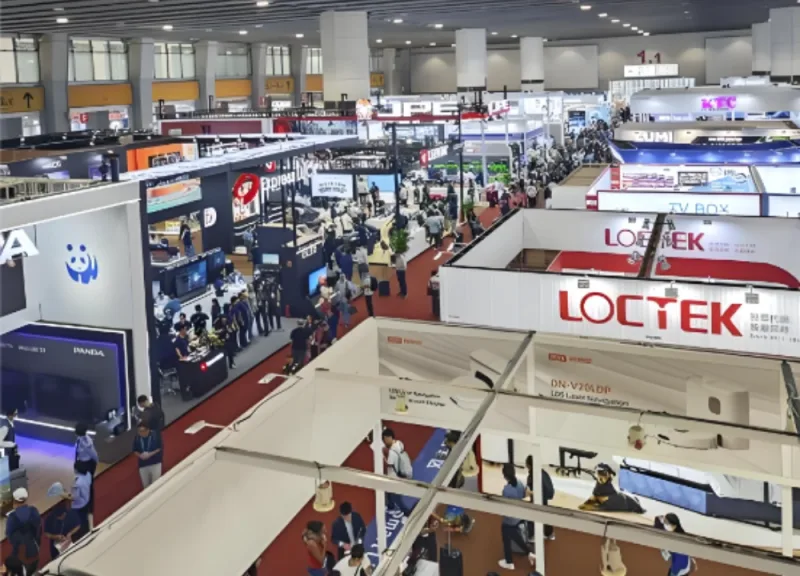
Canton Fair booth
Samples: The Real Test of a Supplier
Request samples from at least 3 suppliers per product category. Side‑by‑side comparison reveals differences that single‑sample review cannot.
Canton Fair sample ordering is a straightforward process: most suppliers will send samples after the fair, but you should expect to pay for them. Sample costs typically range from $50 to $300 depending on product complexity, and many suppliers credit this toward your first order.
Most buyers evaluate samples like customers — they check appearance and stop there. That is too shallow. A sample shows two things at once:
Whether the product works: material, finish, fit, packaging consistency
Whether the supplier executes under instruction: Did they follow your spec sheet? Did they revise on time? Did they flag technical risks early, or stay silent until the sample shipped?
If a factory gets confused at sample stage, delays updates, or ignores simple packaging requirements, those problems get worse in mass production. A strong sample with messy handling still deserves caution. A slightly imperfect sample with sharp communication may still be the stronger supplier.
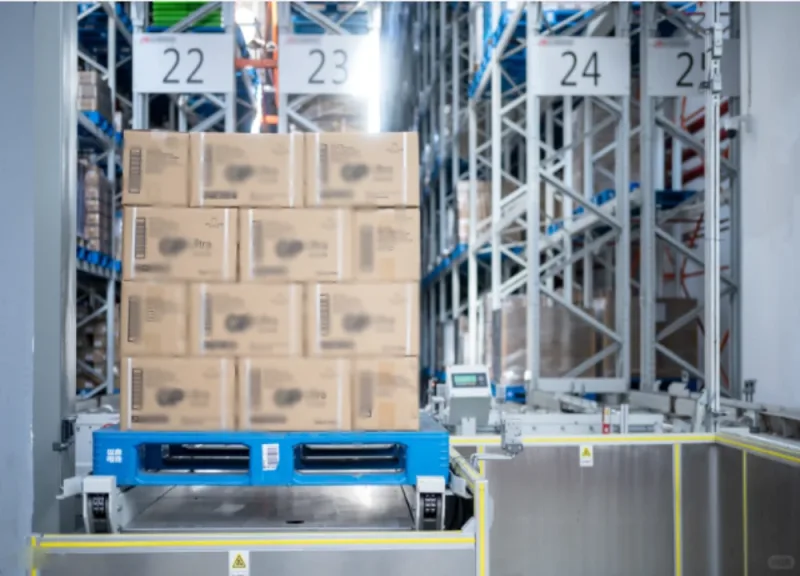
Factory interior photos
Factory Visits: Where the Real Deals Happen
A booth meeting gives you contact. A sample gives you a signal. Neither gives full verification. The real business — the real deals — happens on the factory floors of Dongguan, Zhongshan, and Foshan.
Exhibiting at the Canton Fair is expensive. A factory might spend $20,000 to $50,000 on booth fees, decoration, and staff travel. Guess who pays for that? You do, through the unit price. When you ask for a quote at the fair, you’re usually getting the “Standard Foreigner Price.” The real negotiation — the kind that saves you money — happens over tea at the factory, once they know you’re serious enough to have made the trip to see them.
Canton Fair factory visit data from the 139th edition (example for past edition) confirms this trend. A Guangzhou‑based customized home furnishing company reported that after the fair’s second phase, “in the past two days alone, we have already received more than 50 groups of overseas visitors at our factory. We expect another 40 to 50 batches of clients to visit in the coming days”.
Overseas buyers visiting factories hail from Central Asia, the Middle East, Europe, and North America. Many initially have reservations about a supplier’s capacity for large‑scale production and ability to maintain consistent quality. After touring smart factories and seeing automated production lines, they clear their doubts.
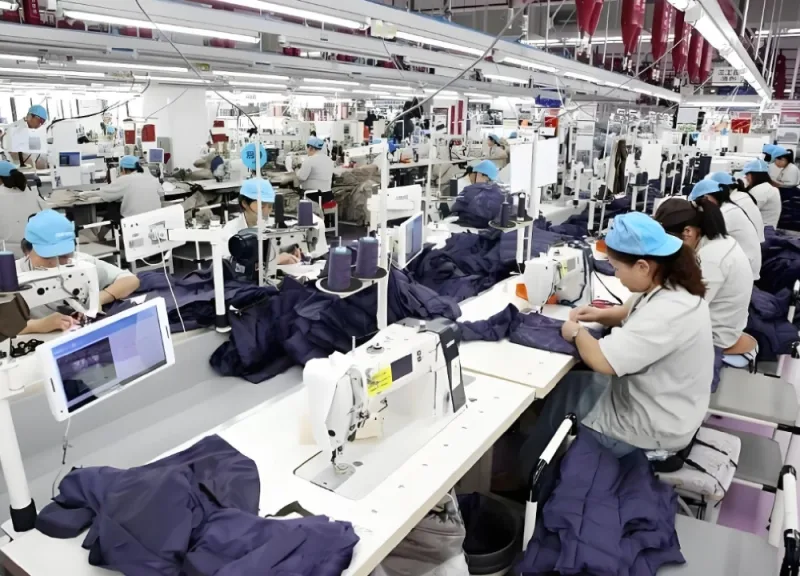
China’s industrial clusters in the apparel industry
How to arrange a factory visit:
- Send your A‑list suppliers a request during the fair or immediately after
- Plan for at least 3–4 hours per factory — enough time to see the raw material warehouse, assembly line, testing area, and meet management
- Go immediately after the phase ends — during the fair, the factory’s key people (the boss and the engineers) are all at the booth in Guangzhou. Visit when the “A‑team” is back at the factory
Verification: Factory Audit, DUPRO, and Final Inspection
Can you skip verification to save one week? You can. But if the factory misses a production standard you never checked, you often lose a full production cycle recovering from it.
The three verification tools:
| Tool | When to Use | What It Catches |
| Factory Audit | Before first order — confirm who produces the goods | Ghost factories, trading companies posing as manufacturers, capacity gaps |
| DUPRO | At 20–40% production — catch problems before the batch finishes | Material substitution, dimension drift, process shortcuts |
| Final Inspection / PSI | Before shipment — batch-level quality gate before payment | Defect rates above AQL, labeling errors, packaging failures |
Next steps after the Canton Fair for serious buyers always include at least one of these verification stages. The Canton Fair’s “Trade Bridge-China Industrial Sourcing Trip” program is designed precisely for this — organizing global sourcing enterprises to visit China’s competitive industrial clusters for on-site factory inspection and targeted matchmaking.
For buyers in apparel sourcing, factory visits during Phase 3 are particularly important. Fabric quality, color accuracy, and sizing consistency can only be verified through physical inspection of production lines and quality control systems.
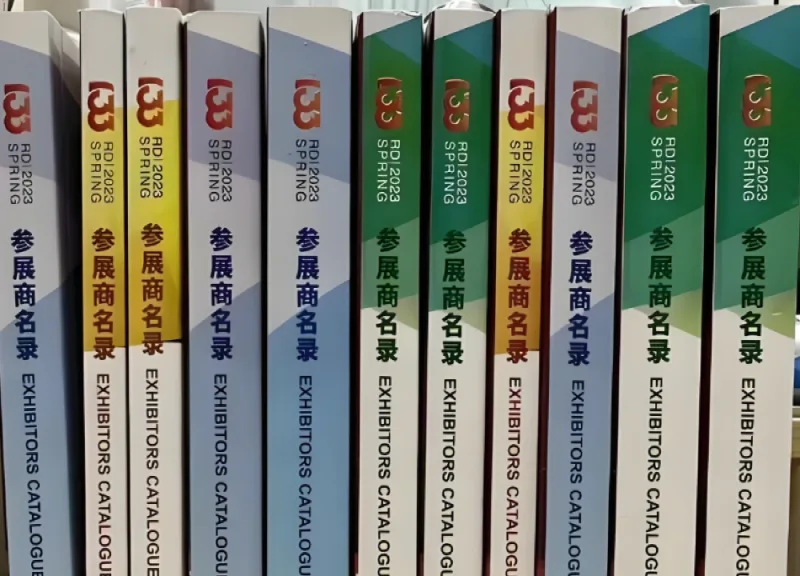
Canton Fair Exhibitor Directory
Negotiation: Quotes, Payment, and Commitment
Once you have samples and factory visits complete, it’s time to negotiate quotes from Canton Fair exhibitors seriously.
How to negotiate effectively:
- Use the data you collected at the fair (3+ comparable quotes)
- Reference specific product specs and your volume expectations
- Be transparent about your timeline — suppliers appreciate clarity
- Ask about payment terms: 30% deposit / 70% before shipment is standard, but some suppliers offer 30/70 after inspection for first orders
Common pitfalls:
- Negotiating price before verifying quality
- Comparing quotes without aligning on specifications (Incoterms, packaging, certifications)
- Pressuring for rock-bottom prices that incentivize corner-cutting
Timeline: The Post-Fair 30-Day Window
| Week | Action | What You Should Have Accomplished |
| Week 1 | Follow-up emails sent; A/B/C groups assigned | Shortlist of 5–8 priority suppliers |
| Week 2 | Sample requests sent; first responses received | Sample quotations from 3+ suppliers |
| Week 3 | Samples received and evaluated | Sample evaluation notes completed |
| Week 4 | Factory visits scheduled or completed | Shortlist narrowed to 2–3 finalists |
| Week 5+ | Verification (audit/DUPRO/PSI) and first order | Production planning underway |

30-day exhibition timeline infographic
FAQ
What should I do immediately after the Canton Fair?
Within 48 hours, organize your supplier notes into A/B/C groups, send structured follow-up emails to your top 5–8 suppliers, and request sample quotations. The suppliers who respond quickly and clearly are your strongest candidates.
How do I verify a supplier I met at the Canton Fair?
Use a three-step approach: request samples and test them thoroughly, arrange a factory visit (or video call if you can’t travel), and conduct a factory audit before placing your first order. The Canton Fair’s “Trade Bridge” program can also connect you with pre-vetted suppliers.
When should I visit a factory after the Canton Fair?
Visit immediately after the phase ends, while the factory’s key decision-makers are back from the fair. Plan for 3–4 hours per factory to see raw materials, assembly lines, and testing areas.
Should I negotiate prices at the fair or after?
Use the fair for discovery and relationship building. Serious price negotiation happens after the fair, once you’ve submitted a formal RFQ with your full specs and quantities.
How long should I wait before following up?
Send your first follow-up within 48 hours. Buyers who wait a week lose momentum — suppliers’ inboxes are flooded, and the specific memory of your conversation fades quickly. According to sourcing professionals, importers who follow up within 72 hours secure 60–70% of target relationships; those who wait two weeks secure only 20–30%.
What if suppliers ignore my post-Canton Fair emails?
It is very common given the huge volume of buyer inquiries suppliers receive. Revise your email to restate booth number, product details and clear action items, send one polite reminder after 3-4 working days. If you get no reply, move them out of your A-list and focus on more responsive candidates.

booths at the Canton Fair
The Bottom Line
The Canton Fair doesn’t end when you leave the halls. The 30 days after are where real results are made or lost. The next steps after the Canton Fair — follow-up, shortlisting, sampling, factory visits, verification — are what separate buyers who return with real suppliers from those who return with a pile of catalogs.
At SourcingYuan, our Guangzhou-based team helps international buyers manage every stage after the fair — from supplier follow-up and sample coordination to factory visits and quality control. Whether you need someone to visit factories on your behalf, verify supplier credentials, or manage the entire post-fair process, having a local team that knows the landscape can turn a chaotic follow-up phase into a controlled path to production.
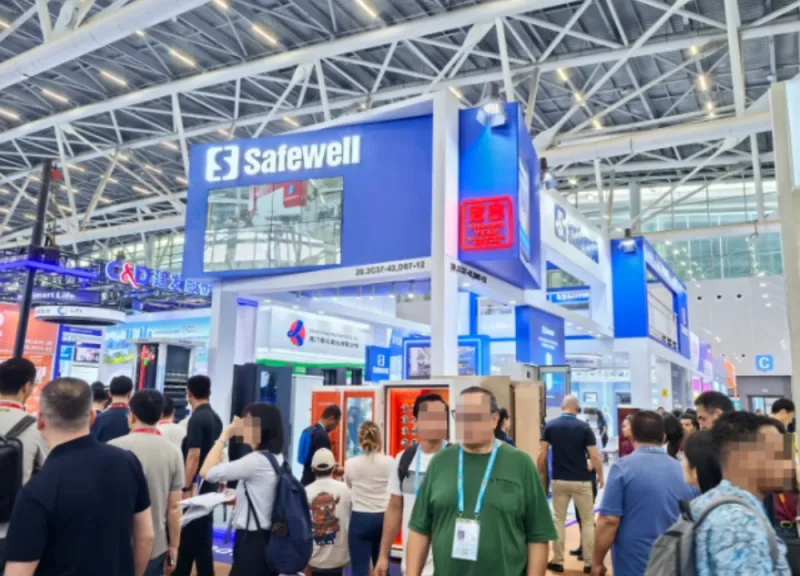
Canton Fair booth
About the Author
Jeff Lee
Founder of Sourcingyuan
Jeff Lee is the founder of Sourcingyuan, a China-based sourcing and product development company. He has more than 10 years of experience helping overseas businesses source products, develop new products, identify reliable manufacturers, manage production, and build supply chains in China.
Connect with Jeff: LinkedIn | YouTube
Explore more Canton Fair Guide resources for global buyers:
→ How to Navigate the Canton Fair and Find the Right Suppliers
→ How to Prepare for Your First Visit as an International Buyer
→ What Is the Canton Fair and Why Should You Attend? A Complete Canton Fair Guide
→ Contact SourcingYuan
Share This Story, Choose Your Platform!
We connect you with reliable factories, get the best quotes, deliver straight to your door.