
If you are sourcing apparel & textile products at Canton Fair, Phase 3 is where the fashion supply chain comes together. This is the final and most fashion-focused phase, covering everything from raw fabrics to finished garments, footwear, bags, and accessories. For buyers in the apparel and textile sector, this is the one week of the year when the entire ecosystem is in one place. You can find more details on the Canton Fair official English website.
This Canton Fair Guide breaks down exactly what you can source, which halls to target, and how to navigate the category efficiently. Whether you are looking for Canton Fair apparel manufacturers, fabric suppliers, or fashion accessories, understanding the product landscape before you arrive saves hours of walking and helps you focus on the right booths.
What Is Phase 3 and Why Does It Matter for Apparel Buyers?
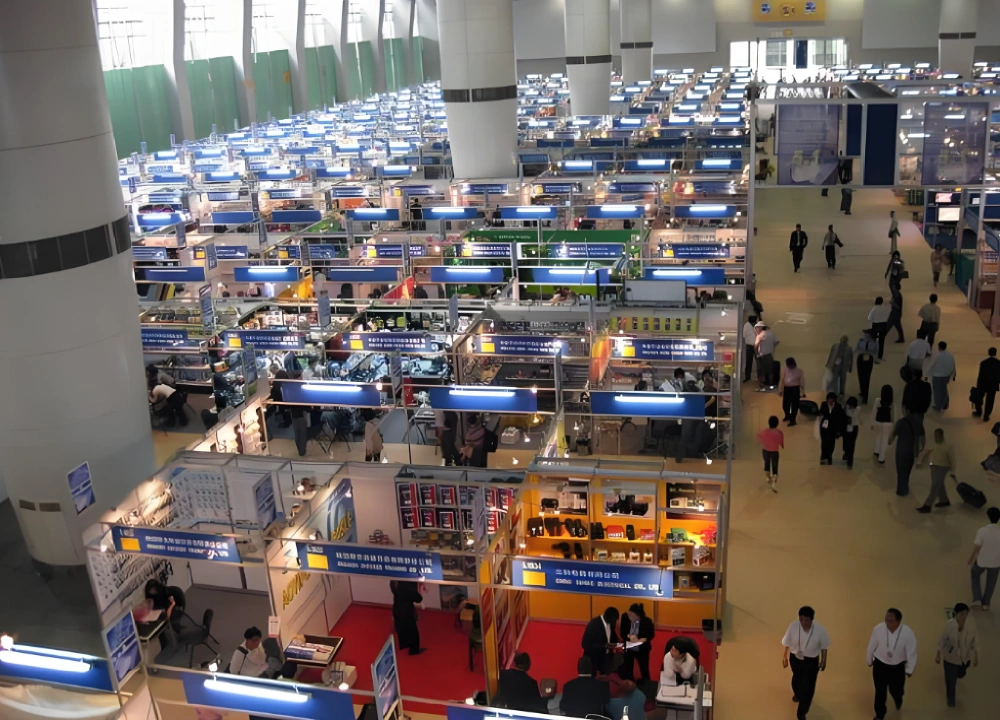
Phase 3 is held from October 31 to November 4 in the autumn session and May 1–5 in the spring session, according to the official policy update from China’s Ministry of Commerce. It is themed “Better Life” and covers toys, baby products, fashion, textiles, stationery, and health products. For Canton Fair apparel and textile sourcing, this is the only phase where these categories are exhibited at scale.
The scale is significant: Phase 3 spans 515,000 square metres with 25,000 booths, and over 12,000 exhibitors participate. More than 3,000 of these are national high-tech enterprises, “little giant” specialized firms, or manufacturing champions—a signal that the quality level here is higher than a typical wholesale market.
The “Function & Technology Fabric” Zone
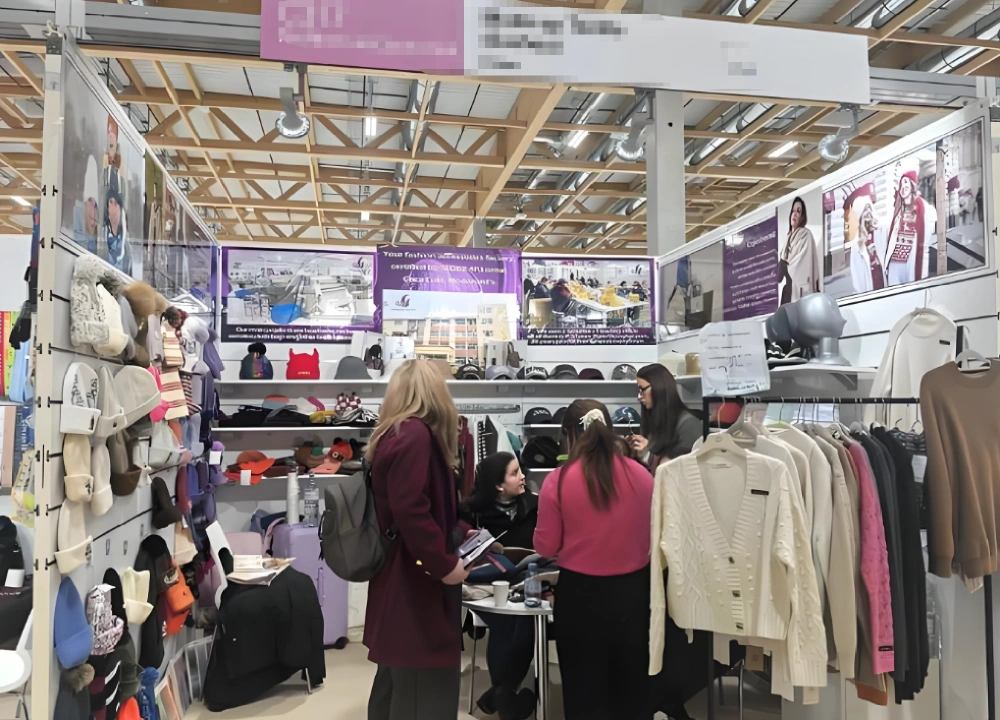
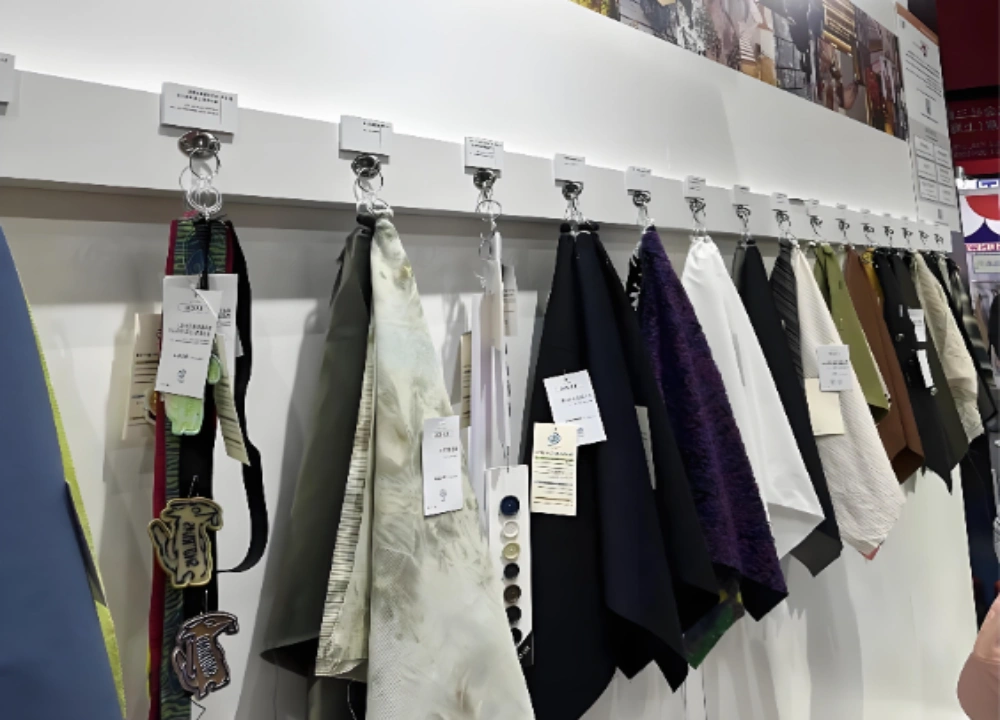
The most notable recent addition to Phase 3 is the dedicated Function & Technology Fabric zone. This area showcases smart temperature-controlled fabrics, antibacterial textiles, health-monitoring sportswear, and recycled materials. For buyers targeting performance wear or sustainable fashion, this zone is a priority.
One example from recent sessions: a pineapple fiber bedding set that won a Canton Fair CF Gold Award. The fiber is extracted from discarded pineapple leaves, blended with Lyocell, and printed—demonstrating how agricultural waste is becoming a commercial textile input.
Apparel & Textile Product Categories at Phase 3
| Product Category | Specific Items |
|---|---|
| Men’s & Women’s Wear | Suits, shirts, dresses, casual wear, denim, knitwear |
|
Children’s & Baby Wear
|
Toddler clothing, children’s jackets, party dresses, baby onesies
|
|
Underwear & Loungewear
|
Bras, briefs, swimwear, socks, pajamas, homewear |
|
Sportswear & Casual Wear
|
Activewear, yoga apparel, moisture-wicking garments, outdoor clothing
|
|
Leather & Down Products
|
Leather jackets, fur garments, down coats (genuine leather, faux leather & down alternative available)
|
|
Fashion Accessories
|
Scarves, belts, hats, jewelry, hair accessories, ties
|
|
Textile Raw Materials & Fabrics
|
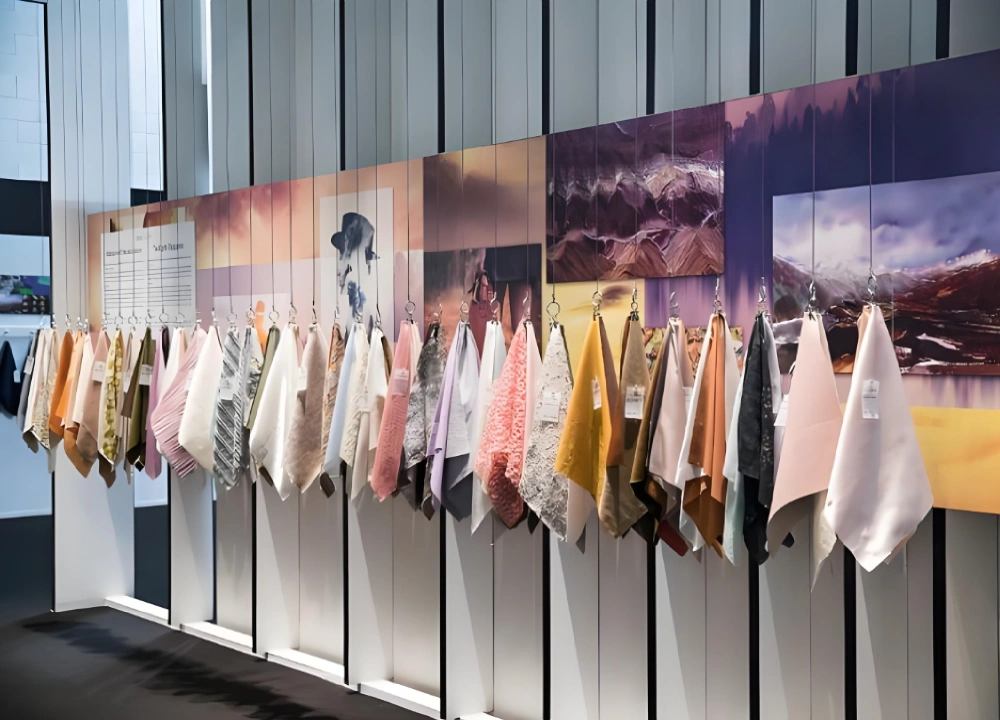
Natural fabrics, synthetic fabrics, blended textiles, functional fabrics
|
|
Home Textiles
|
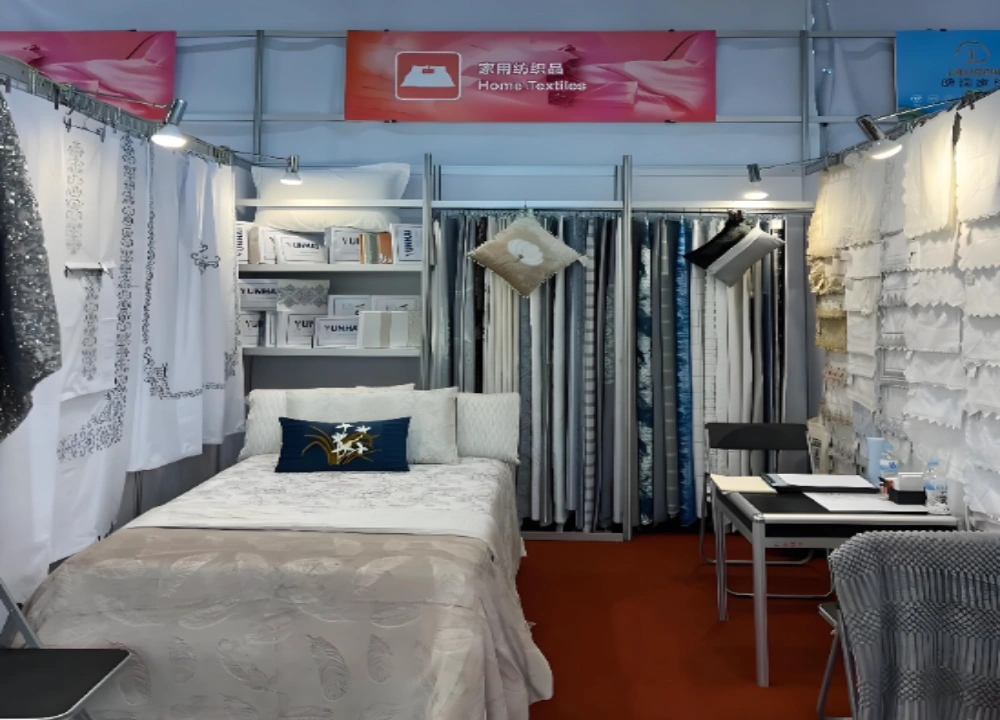
Bedding, towels, curtains, carpets, rugs, table linens
|
|
Footwear
|
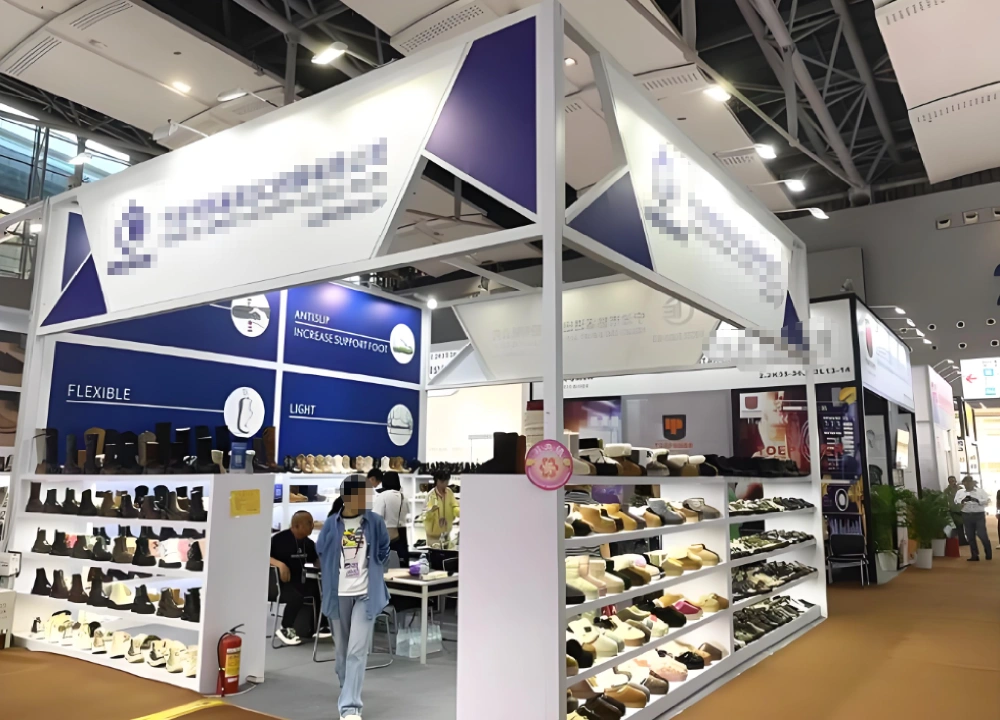
Fashion shoes, sports shoes, sandals, children’s shoes
|
|
Bags & Luggage
|
Handbags, backpacks, suitcases, travel bags, wallets
|
A Note on Functional Fabrics
A Note on Functional Fabrics
-
Smart temperature control: Fabrics that regulate body temperature
-
Antibacterial textiles: For medical wear, activewear, and children’s clothing
-
Health monitoring: Sportswear with built-in heart rate sensors
-
Carbon-capture production: A beach short that achieved negative carbon emissions while maintaining price
How to Identify Real Apparel Manufacturers at Phase 3
The 5-Question Test for Apparel Suppliers
The 5-Question Test for Apparel Suppliers
|
Question
|
Real Manufacturer
|
Trading Company
|
|---|---|---|
|
“What is your factory address and can we visit?”
|
Gives a specific industrial zone address
|
Vague or “we’ll confirm with the factory”
|
|
“What is your monthly production capacity?”
|
Exact units per line, per shift
|
Vague estimate
|
|
“Do you handle your own cutting and sewing?”
|
Yes, explains production stages
|
Cannot describe the process
|
|
“Can you show me a live video of your production line?”
|
Immediately agrees
|
Makes excuses
|
|
“What certifications do you hold for my market?”
|
Names specific certifications with numbers
|
Shows photocopies or unclear answers
|
A genuine Canton Fair clothing supplier will answer these without hesitation. If the answers are vague, you are likely dealing with a middleman.
For a deeper breakdown of this method, our guide on Canton Fair Guide: Manufacturer vs Trading Company — How to Identify Your Real Supplier covers the full verification framework.

Certifications to Ask For
-
OEKO-TEX Standard 100: Chemical safety for textiles
-
GOTS: Organic textile processing
-
BSCI / WRAP: Social compliance
-
GRS: Global Recycled Standard for recycled materials
-
ISO 9001: Quality management systems

Sourcing Strategy: What to Prioritize at Phase 3
With limited time and thousands of booths, prioritization is essential. Here is a practical approach:
Step 1: Map Your Halls Before You Arrive
Step 2: Qualify Quickly, Then Go Deep

Step 3: Collect Samples Systematically
When you find a promising supplier, request a production-grade sample—not just the display sample. Photograph the business card next to the product sample and booth number. This creates a searchable record for post-fair comparison.
Step 4: Understand the Fabric Supply Chain
Step 4: Understand the Fabric Supply Chain
If you are sourcing fabric, ask whether the supplier is a mill, converter, or trader. Fabric and textile suppliers in China operate at different levels: mills produce from raw materials, converters finish greige goods, and traders source from multiple factories. Each has different MOQs, lead times, and pricing structures.
For a complete fabric sourcing framework, our guide on How to Source Fabric for Your Clothing Line covers the full process.

The Bottom Line
Apparel & textile products at Canton Fair cover the full fashion supply chain—from raw fabrics to finished garments, footwear, and accessories. Phase 3 is where this ecosystem comes together, and understanding the product categories, halls, and supplier types before you arrive is the difference between a productive trip and a wasted one.
Use the product category table to plan your route. Apply the 5-question test to filter real manufacturers from middlemen. And verify certifications before committing to orders. After the fair, conduct post-show supplier verification including factory audits and sample testing to ensure long-term quality consistency.
If you need support navigating the fair or following up with suppliers after Phase 3, our team at Sourcingyuan is based in Guangzhou and works with apparel buyers year-round. From factory verification to sample coordination, we help turn the fair into a reliable supply chain.
About the Author
Jeff Lee
Founder of Sourcingyuan
Jeff Lee is the founder of Sourcingyuan, a China-based sourcing and product development company. He has more than 10 years of experience helping overseas businesses source products, develop new products, identify reliable manufacturers, manage production, and build supply chains in China.
Related Articles You May Like 📚
Share This Story, Choose Your Platform!
We connect you with reliable factories, get the best quotes, deliver straight to your door.