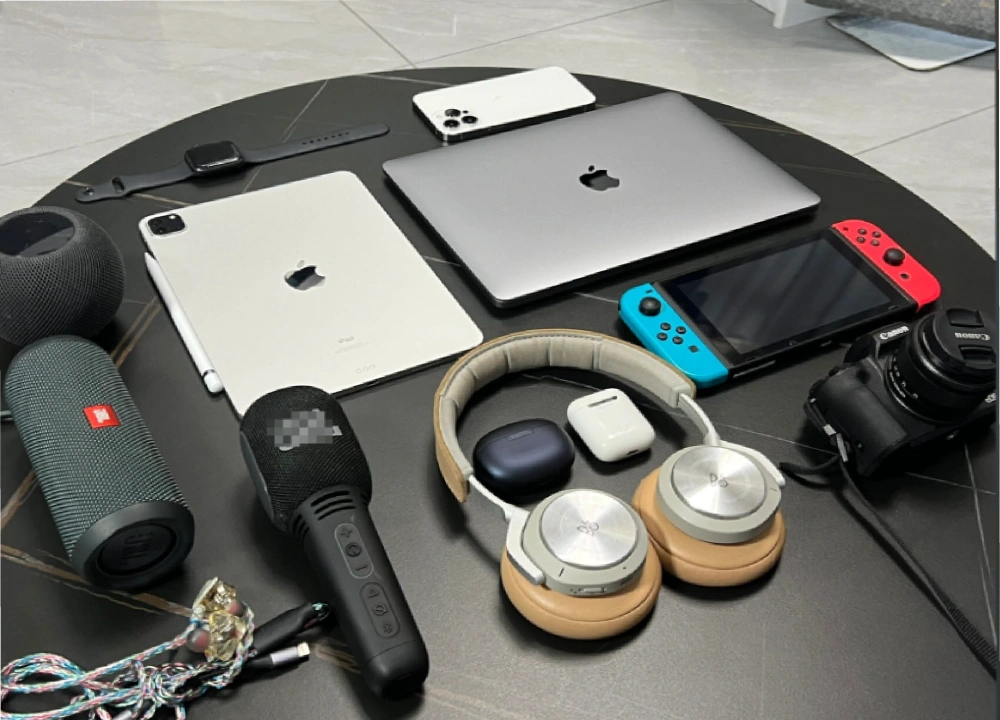
If you are sourcing electronics from China, you are not just choosing a factory—you are choosing an ecosystem. China Industrial Clusters in the electronics sector are geographically concentrated networks of component suppliers, PCB manufacturers, assembly plants, and logistics providers that have developed over decades. Understanding China electronics manufacturing clusters is the difference between finding a supplier and building a resilient supply chain.
When researching hardware procurement, many global importers overlook how powerful China Industrial Clusters can be for risk mitigation and lead‑time control. This guide maps the major electronics clusters in China, what each specializes in, and how international buyers can navigate this ecosystem efficiently. Whether you are sourcing semiconductors, PCBs, consumer devices, or industrial electronics, knowing where the cluster is tells you where the capability is.
To build foundational knowledge on this topic, read our pillar overview: What Are China Industrial Clusters and Why Do They Matter for Global Sourcing?.

Why Electronics Clusters Matter for Sourcing
China’s electronics industry is not evenly distributed. It is concentrated in a handful of regional clusters, each with its own specialization. This concentration creates three practical advantages for buyers, and these benefits are widely observed across China Industrial Clusters.
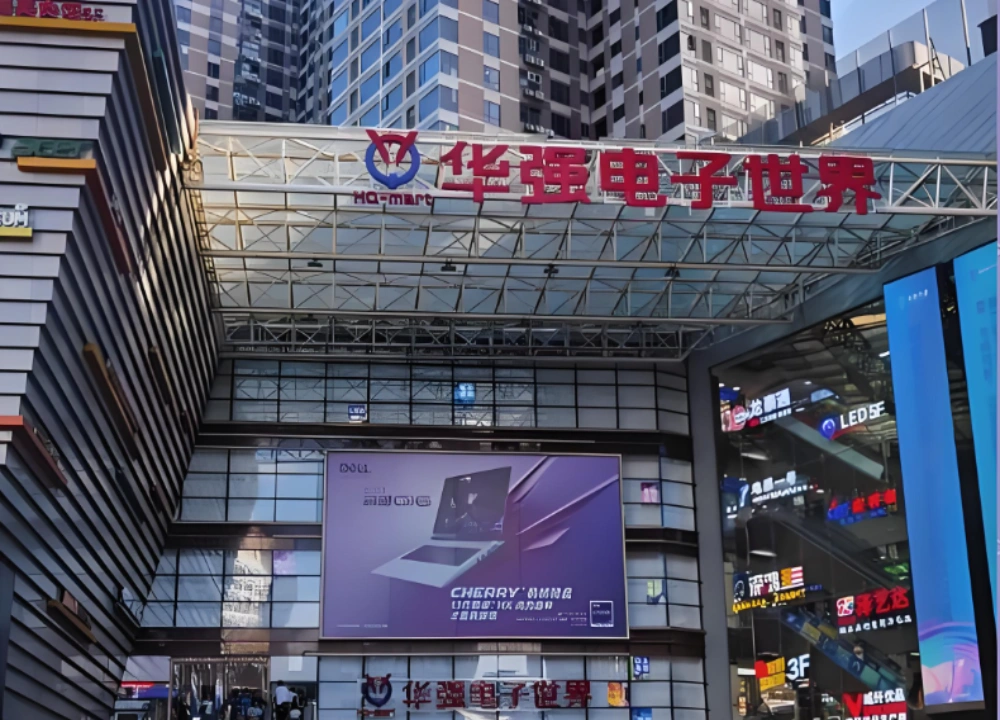
- Component density. In Shenzhen, a buyer can source a PCB, a display module, a battery, and a plastic casing within a 30‑kilometer radius. The Huaqiangbei electronics market alone houses over 110,000 businesses across 35 specialized markets in a 1.45‑square‑kilometer area. The density means that even complex products can be prototyped and produced without long‑distance coordination. Such tight geographic concentration is one hallmark of mature China electronics manufacturing clusters.
- Specialization depth. Different clusters have developed different capabilities. Dongguan leads in smartphone assembly and consumer electronics. Kunshan specializes in display panels, PCB, and AI server manufacturing. Suzhou focuses on precision components and semiconductor packaging. Understanding which cluster does what determines where your product should be sourced. Targeted product expertise defines most China Industrial Clusters.
- Supply chain resilience. When one cluster faces disruption, buyers can shift to another. Understanding the cluster map allows for contingency planning—and a multi‑cluster strategy is more resilient than a single‑supplier dependency. Many hardware buyers build their risk‑reduction strategy around the diversified layout of China electronics manufacturing clusters.
For broader context on shifting supply‑chain dynamics, see How Are China Industrial Clusters Evolving Amid Global Supply Chain Shifts?.
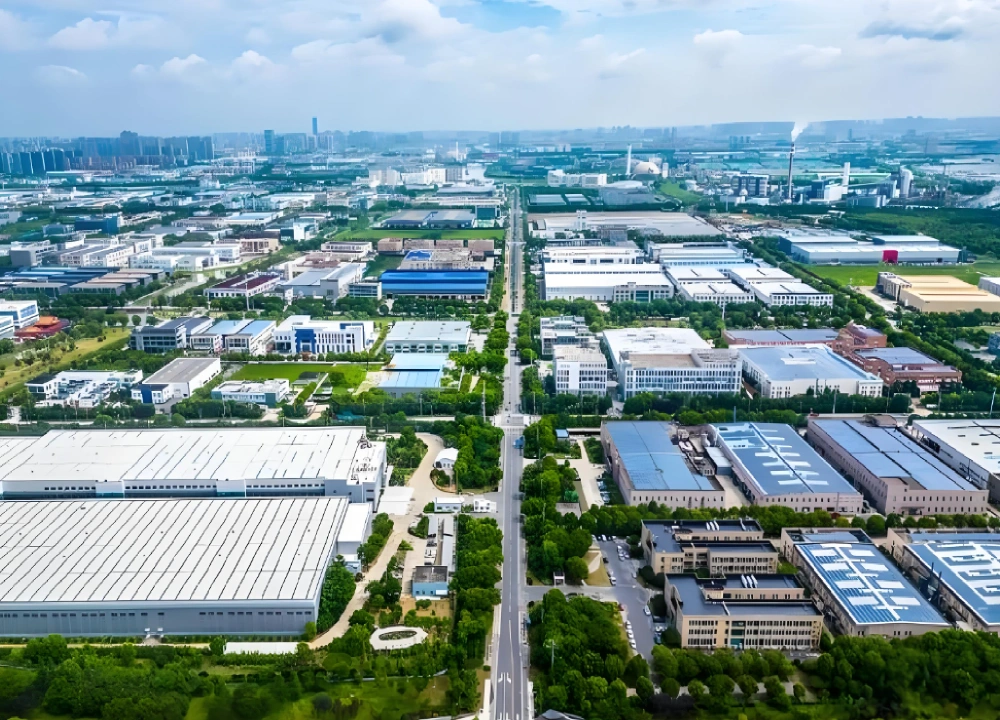
The Major Electronics Clusters in China
The table below summarizes the key electronics clusters by region, specialization, and scale.
| Region | Key Cluster Locations | Specialization | Notable Strength |
|---|---|---|---|
| Pearl River Delta | Shenzhen, Dongguan, Guangzhou, Huizhou | Consumer electronics, smartphones, PCBs, components | Shenzhen: 1/6 of national electronics output; Dongguan: 1/5 of global smartphones |
| Yangtze River Delta | Kunshan, Suzhou, Shanghai, Ningbo | Display panels, semiconductors, AI servers, precision components | Kunshan: 800B RMB electronics cluster; AI servers every 70 seconds |
| Beijing‑Tianjin‑Hebei | Beijing, Tianjin, Shijiazhuang | R&D, semiconductor design, aerospace electronics | Beijing: design and innovation hub |
| Central & Western | Chengdu, Chongqing, Xi’an, Wuhan | Semiconductor packaging, display, electronic components | Chengdu‑Chongqing: 3rd largest electronics cluster in China |
Many overseas hardware buyers plan their whole‑country factory tours around well‑known China Industrial Clusters. If you want to compare suitable manufacturing locations across the country, check out Which Chinese Cities Are Ideal for Sourcing Within China Industrial Clusters?.
Shenzhen: The Electronics Capital of China
Shenzhen is the undisputed center of China’s electronics industry. The city’s electronics and information manufacturing output accounts for nearly one‑sixth of the national total, and its industrial competitiveness index ranks first among all Chinese cities.
Huaqiangbei is the physical heart of this cluster. Often called “China’s No. 1 Electronics Street,” it covers 1.45 square kilometers and contains 35 specialized markets with over 110,000 business entities. Daily foot traffic is around 750,000 people, including over 7,000 foreign buyers and visitors from 183 countries.
For buyers, Huaqiangbei offers component sourcing at an unmatched scale. A single building may contain hundreds of vendors selling capacitors, resistors, connectors, and semiconductors. The challenge is not finding components—it is verifying quality and authenticity. Buyers should work with established suppliers and verify certifications before committing to volume orders. This challenge is common within high‑volume China electronics manufacturing clusters.
Dongguan: The Smartphone and Consumer Electronics Powerhouse
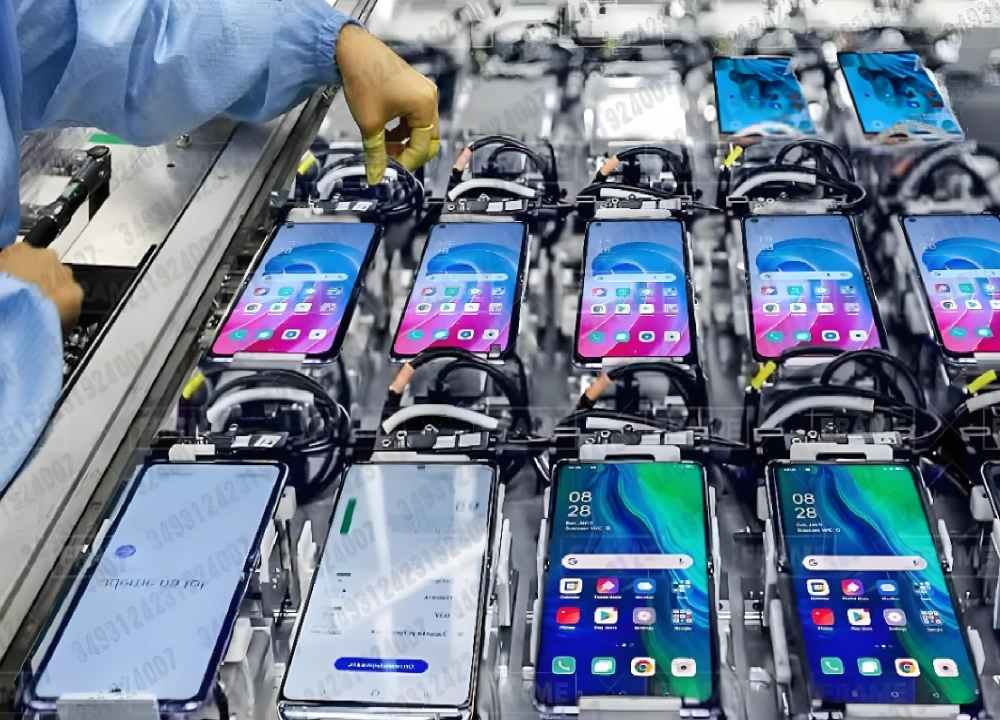
Dongguan is the manufacturing engine of the Pearl River Delta. The city produces one in five smartphones globally and hosts a trillion‑yuan electronics cluster. Its strength lies in high‑volume assembly and supply chain coordination.
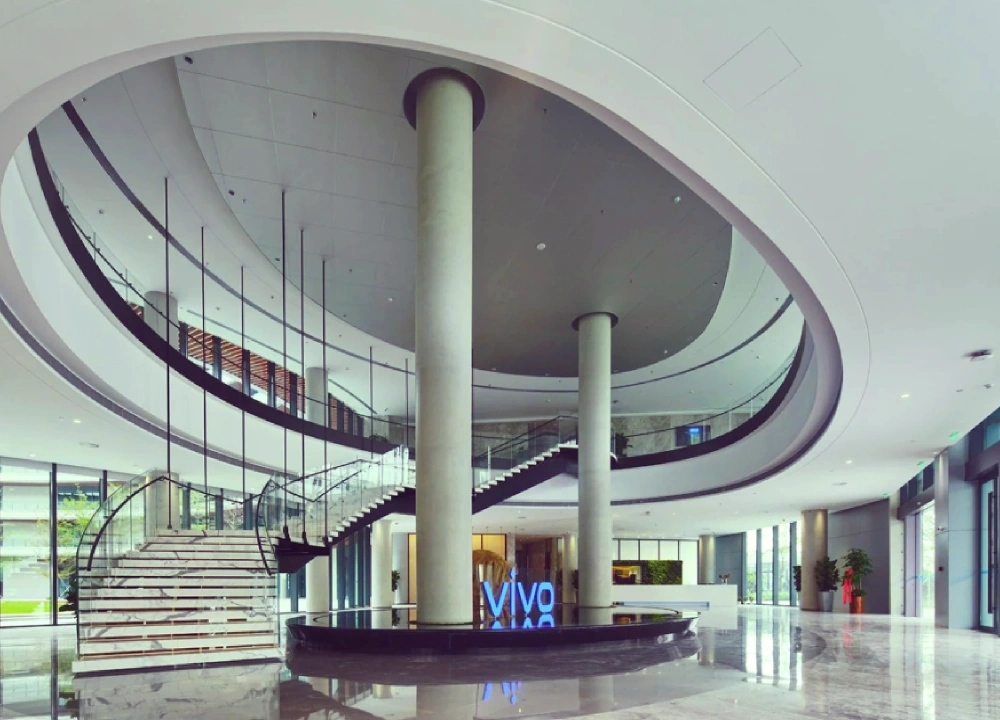
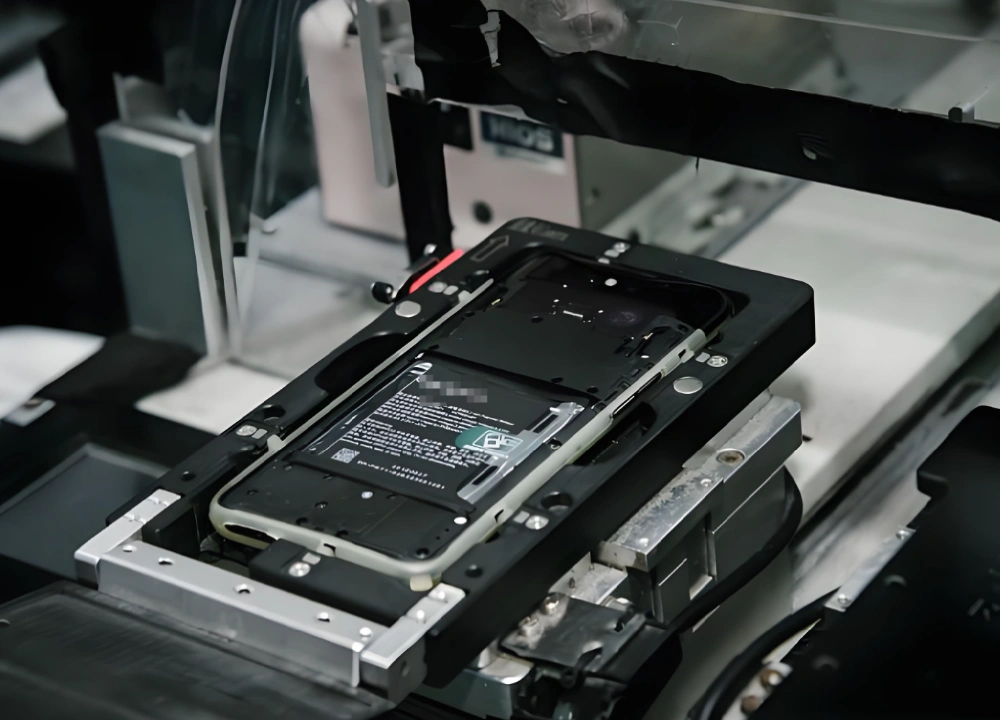
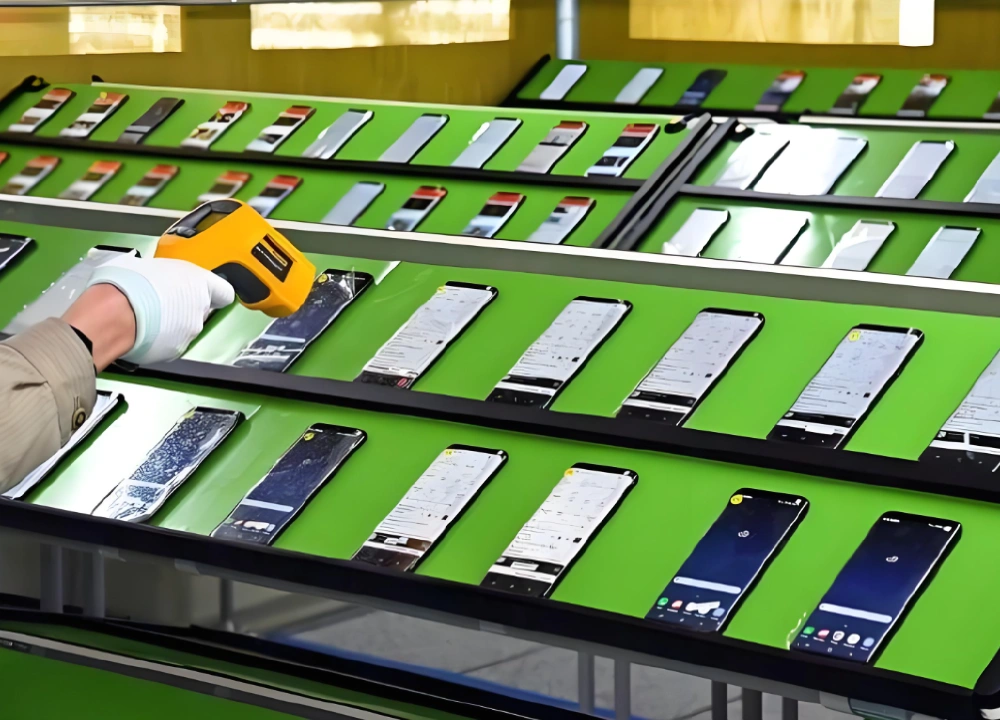
Vivo, one of China’s largest smartphone brands, is headquartered in Dongguan and works with nearly 400 supply chain partners. A quarter of these partnerships have lasted over a decade—a sign of the cluster’s stability and depth. For buyers sourcing consumer electronics, wearable devices, or smart home products, Dongguan offers mature manufacturing infrastructure and experienced supply chain partners. It is one of the most visited production hubs among China Industrial Clusters.
Kunshan: The AI Server and Display Panel Hub
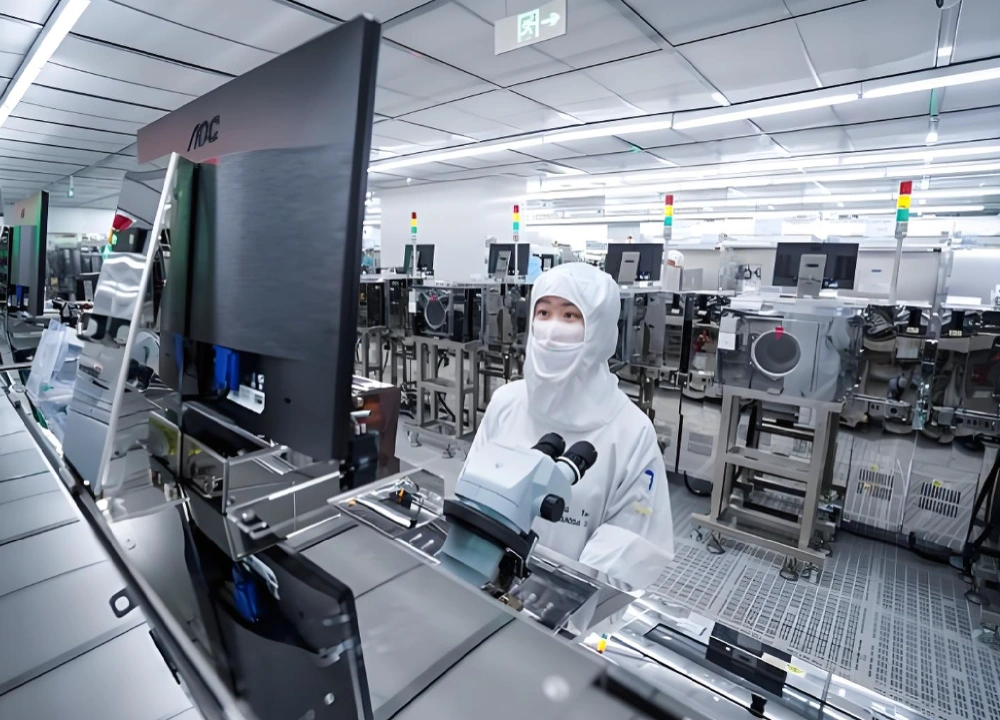
Kunshan, a county‑level city in Jiangsu, has become a critical node in China’s electronics supply chain. Its electronics cluster is valued at over 800 billion RMB, supported by 35,000 industrial enterprises. The city produces one AI server every 70 seconds, with annual capacity exceeding one million units, and local suppliers provide all core components.
Kunshan’s display panel industry is equally significant. The city hosts major panel manufacturers and their upstream suppliers, making it a key source for display modules and related components. For buyers in the AI hardware, server, or display sectors, Kunshan offers a supply chain density that few other regions inside China electronics manufacturing clusters can match.
Component Sourcing: Where to Find What
Component sourcing in China is cluster‑specific. The table below maps common electronic components to their primary production regions.
| Component Category | Primary Cluster(s) | Notes |
|---|---|---|
| PCBs | Shenzhen, Kunshan, Suzhou | Shenzhen and Kunshan are the primary production hubs |
| Semiconductors & ICs | Shenzhen, Shanghai, Suzhou | Shanghai focuses on advanced process nodes and design |
| Display panels | Kunshan, Shenzhen, Chengdu | Kunshan and Chengdu are major panel production bases |
| Connectors & cables | Shenzhen, Dongguan | Dense supplier networks in the PRD |
| Passive components | Shenzhen, Dongguan, Suzhou | Capacitors, resistors, inductors |
| Batteries | Shenzhen, Dongguan, Huizhou | Lithium‑ion and battery packs |
| Plastic & metal housings | Dongguan, Shenzhen | Tooling and injection molding suppliers |
| AI servers & computing hardware | Kunshan, Dongguan | Kunshan is the AI server hub |
For buyers sourcing electronic components from China, the practical approach is to identify the cluster for your component category, then work with suppliers within that cluster. This reduces lead time, improves quality consistency, and simplifies logistics. Access to complete component ecosystems is a key advantage of mature China Industrial Clusters.
A Real Example: Sourcing a Custom PCB Assembly
A UK‑based IoT company needed 5,000 units of a custom PCB assembly for a smart sensor product. They initially approached a supplier in Dongguan, but the supplier outsourced PCB fabrication to a factory in Kunshan—adding two weeks to the lead time and creating quality control gaps.
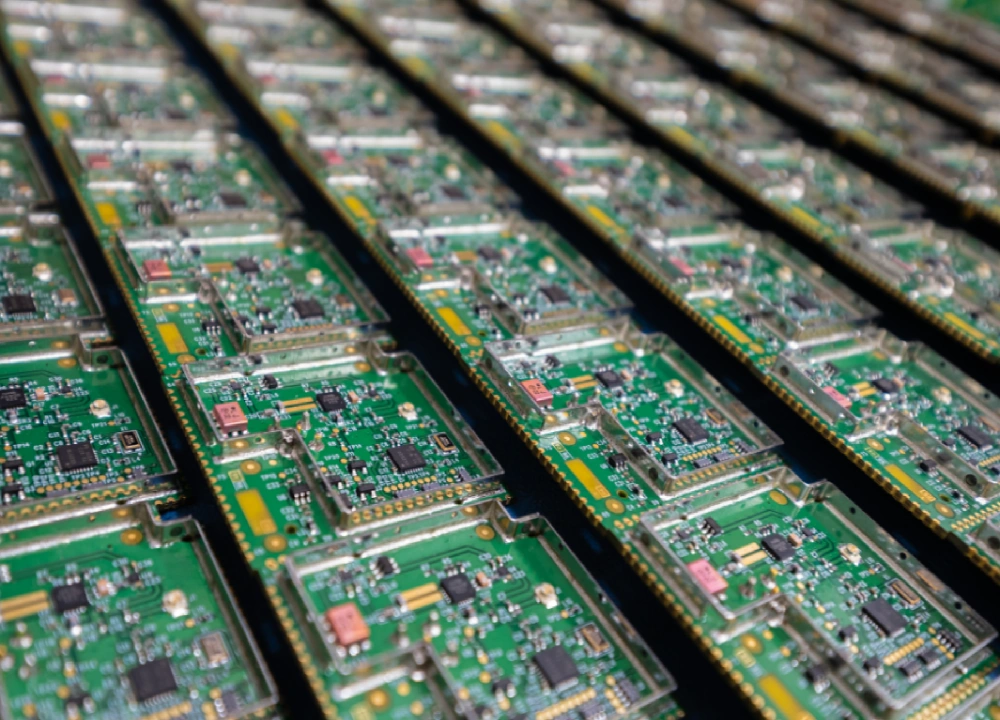
The buyer then shifted to a Shenzhen‑based supplier with in‑house PCB fabrication and SMT assembly. The supplier was located within 20 minutes of Huaqiangbei, allowing rapid component sourcing for the prototype phase. Production lead time dropped from six weeks to three, and the buyer could visit the factory during a single trip to Guangzhou.
The lesson:
cluster proximity matters. When the PCB fabricator, component supplier, and assembly line are within the same region, coordination improves and lead times shrink. Many new hardware importers underestimate the value of geographic proximity within China electronics manufacturing clusters.
How to Use Cluster Knowledge in Your Sourcing Strategy
Understanding the China electronics cluster map is not academic—it directly affects sourcing decisions. Even experienced hardware importers review profiles of China Industrial Clusters before launching new product lines.
Step 1: Match Product to Cluster
Before contacting suppliers, identify which cluster specializes in your product category. Sourcing AI servers from Kunshan, smartphones from Dongguan, or PCBs from Shenzhen puts you in a competitive supply environment from the start.
Step 2: Verify Supplier Location
A supplier claiming to be a “Shenzhen electronics manufacturer” may actually be sourcing from a factory in another province. Ask for the factory address and verify it against the cluster map. If the address does not match the cluster’s specialization, ask why. Scattered non‑cluster factories rarely enjoy the same supply‑chain benefits as participants inside China electronics manufacturing clusters.
For actionable tactics to source qualified manufacturers, read How Can You Leverage China Industrial Clusters to Find Better Suppliers?.
Step 3: Use Cluster Density for Consolidation
If you are sourcing multiple components—PCB, display, battery, housing—sourcing from the same cluster reduces logistics complexity. Goods can be consolidated at a local warehouse and shipped together, reducing freight costs and transit time.
Step 4: Leverage Local Support
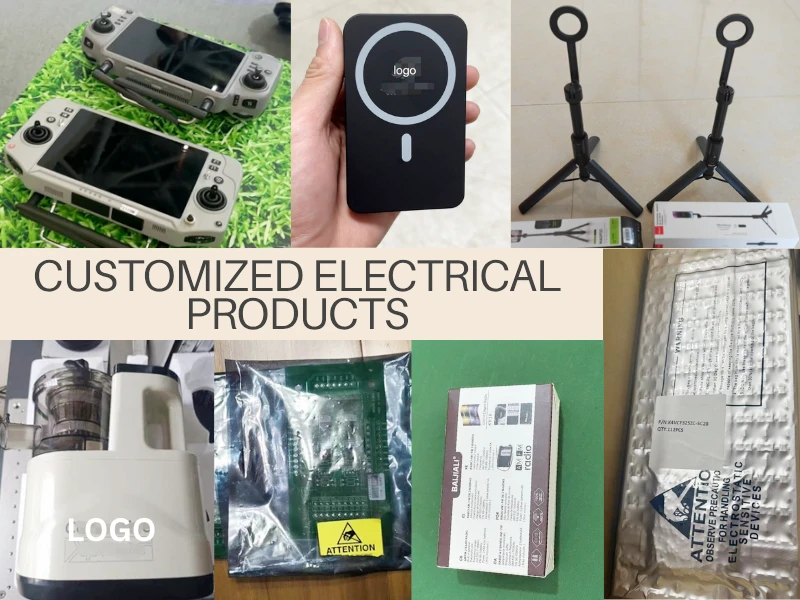
Navigating an electronics cluster without local knowledge is challenging. Language barriers, supplier verification, and quality control require on‑the‑ground presence. At Sourcingyuan, our Guangzhou‑based team helps international buyers navigate China’s electronics clusters—from supplier identification in Shenzhen and Dongguan to quality control and consolidation. We work with buyers across component and finished‑product categories, and we know which clusters deliver the right combination of capability, quality, and responsiveness.
The Bottom Line
China Industrial Clusters are the foundation of the country’s electronics manufacturing strength. These interconnected regional ecosystems bring together component vendors, PCB mills, assembly workshops, testing labs, logistics providers and engineering talent within close geographic proximity. China electronics manufacturing clusters are not just concentrations of factories—they are ecosystems that determine component availability, production speed, and quality consistency.
For international buyers, understanding which cluster produces what is the critical first step toward efficient, low‑risk hardware sourcing. Matching your hardware requirements to the right cluster helps you shorten prototyping cycles, cut intermediate markup costs and gain access to specialized technical capabilities you may struggle to find elsewhere. If you ignore how these ecosystems operate, you risk overpaying, unexpected long lead‑times, inconsistent product quality, and working with middlemen instead of actual production facilities.
Even with well‑researched cluster knowledge, many global hardware importers still benefit from local on‑the‑ground support to vet factories, audit production facilities and coordinate cross‑supplier consolidation. Knowing the map of industrial clusters is powerful, but pairing that knowledge with proper supplier due diligence will deliver the most reliable sourcing outcomes for your electronics projects.
About the Author
Jeff Lee
Founder of Sourcingyuan
Jeff Lee is the founder of Sourcingyuan, a China-based sourcing and product development company. He has more than 10 years of experience helping overseas businesses source products, develop new products, identify reliable manufacturers, manage production, and build supply chains in China.
Related Articles You May Like 📚
Explore our full China Industrial Clusters series:
📖 What Are China Industrial Clusters and Why Do They Matter for Global Sourcing?
📖 How Can You Leverage China Industrial Clusters to Find Better Suppliers?
📖 How China Industrial Clusters Form an Innovation Mosaic: What Global Sourcing Buyers Need to Know
📖China Industrial Clusters: Apparel & Textiles Manufacturing Ecosystem Explained
🤝 Need help navigating China’s electronics clusters?
Sourcingyuan works with international hardware buyers from our Guangzhou office—from supplier identification to quality control and consolidation.
Share This Story, Choose Your Platform!
We connect you with reliable factories, get the best quotes, deliver straight to your door.