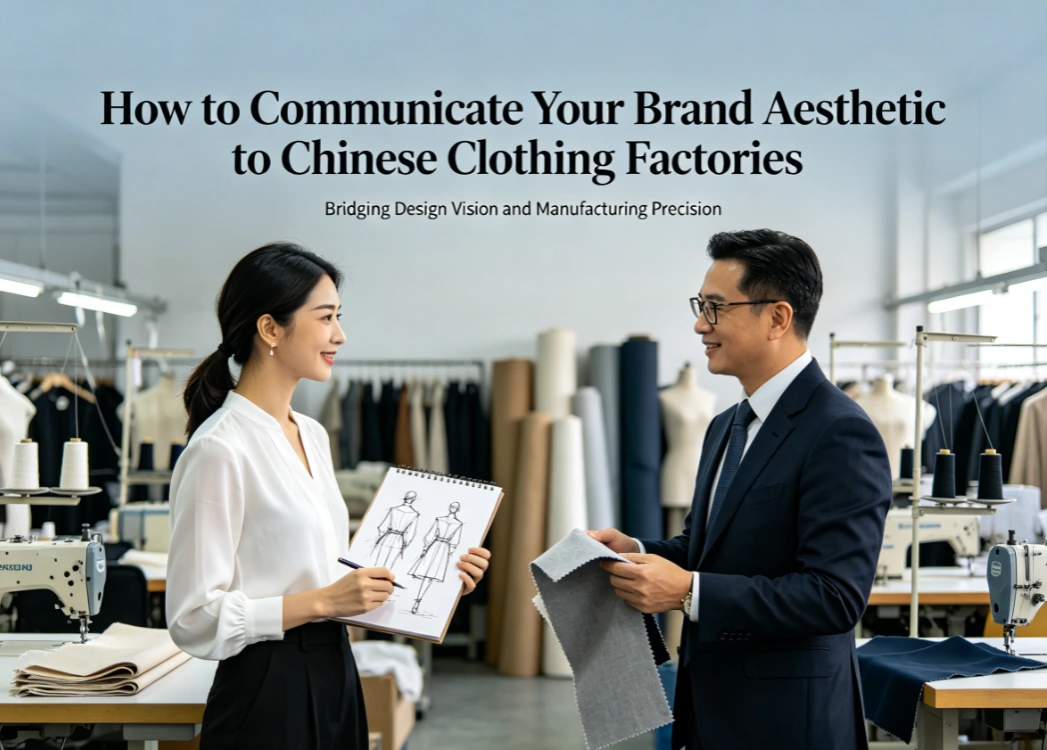
Every fashion brand has its own unique brand aesthetic — whether it’s minimalist clean wear, vintage retro styling, French casual elegance, bold streetwear, or sustainable organic minimalism. This intangible artistic tone defines how people recognize your brand and builds long-term customer loyalty.
Surprisingly, most style inconsistencies, batch-to-batch deviations, and disjointed product lines in China sourcing are not caused by factory craftsmanship limits. Instead, they come from poor brand aesthetic communication between overseas buyers and manufacturers.
Most emerging designers and boutique brand owners make the same sourcing mistake: they give factories basic sketches and size charts, but don’t explain their core brand aesthetic logic. Chinese clothing factories work with technical, data-driven production standards. Your brand aesthetic is subjective artistic expression. Without clear, visual, and standardized communication, manufacturers can only guess your style based on their own experience. The result is always “same design, different feel” — finished products that are technically fine but don’t match your brand’s original tone or unified look.
Successful China apparel sourcing isn’t just about cost control and quality. It’s about helping factories truly understand, interpret, and recreate your brand aesthetic. This guide shares practical strategies to eliminate cross-border aesthetic deviation, achieve consistent results across all batches, and turn your abstract brand vision into clear, executable production standards for Chinese clothing factories.
Why Aesthetic Miscommunication Happens Between Brands and Chinese Factories
Aesthetic misunderstanding is a hidden major cause of inconsistent boutique apparel production. The root problem is a difference in how overseas brands and Chinese factories think. Western fashion labels focus on overall visual tone, wearing mood, and emotional styling. But most general clothing factories in China follow rigid industrial production logic. They care about patterns, measurements, stitching standards, and technical specs.
Vague language creates the biggest gap. Terms like “premium texture”, “soft vibe”, “clean look”, and “minimalist feel” don’t have standard industrial definitions. Factory supervisors, pattern makers, and production workers might interpret the same description in totally different ways. The “low-saturation vintage tone” you have in mind might come out looking dull and lifeless. The “relaxed oversized silhouette” you want might end up shapeless and baggy.
Also, most startup fashion brands don’t have formal brand aesthetic documents. They send individual styles for sampling without building a complete brand style system. Without fixed aesthetic guidelines, factories can’t develop brand-specific production habits. That leads to inconsistent styling between new collections, restock batches, and seasonal launches.
1. Turn Abstract Aesthetic Concepts into Visual Reference Systems
The best way to eliminate aesthetic deviation is to replace vague text descriptions with clear visual references. Chinese manufacturing teams respond much better to image-based guidance than written requirements alone. Your abstract brand aesthetic needs to become concrete visual standards that guide sampling and bulk production.
Build a dedicated brand aesthetic reference folder for your factory. Cover four core areas: overall styling atmosphere, silhouette characteristics, unified color tone, and detailed finishing effects. Gather benchmark materials like runway previews, flat-lay photos, model fitting shots, and scene styling that matches your brand positioning.
For a French minimalist line, provide neutral-tone references and clean tailored structure examples. For a vintage collection, offer accurate retro wash effects and muted color samples.
Add clear notes to every reference image explaining non-negotiable aesthetic rules. For example, write “clean flat stitching without bulky decorative details” or “soft natural fabric draping, avoid stiff rigid shaping.” This helps factory pattern makers and production teams fully understand your brand aesthetic and avoid guessing.
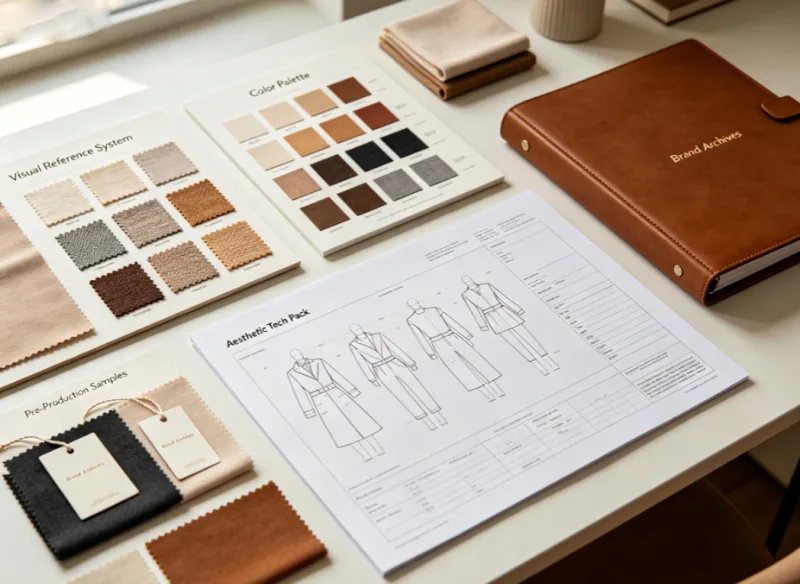
Brand Aesthetic Garment Development Kit
2. Standardize Your Color Palette and Fabric Texture Rules
Color and fabric texture are the foundation of your brand aesthetic — how people see and feel your products. But they’re also the most common source of batch inconsistency. Many brands have clear design ideas but no fixed color or texture standards. That leads to a messy overall product presentation across collections.
For color consistency, ditch subjective verbal descriptions. Use unified Pantone color codes instead. Build a fixed brand color palette with core classic hues, seasonal trending tones, and neutral base colors. Clearly define color temperature preferences, like warm off-white versus cool white, or low-saturation vintage gray versus high-brightness clean tone.
Ask factories to make physical color swatches for approval before bulk production. Keep official color formulas on file so future restocks have zero color deviation.
For fabric texture, lock in tactile and visual requirements that fit your brand aesthetic. Different styles need different fabric traits:
Minimalist lines need smooth, flat, low-shrinkage materials
Streetwear needs heavyweight, stiff, structured textures
Loungewear needs ultra-soft, drapable, skin-friendly fabrics
Clearly specify fabric gram weight, yarn count, weaving density, and post-processing techniques like stone wash, enzyme wash, raw clean finishing, or soft hand-feel treatment. This locks in your brand’s signature texture.
3. Create Aesthetic-Focused Tech Packs (Beyond Basic Technical Data)
Regular tech packs only include technical data like size specs, stitching parameters, and accessory details. They can’t convey subtle brand aesthetic requirements. To get accurate style restoration, your tech pack needs an extra section for aesthetic requirements — one that builds your brand’s tone into every production detail.
In every tech pack, clearly state your brand aesthetic priorities and deal-breakers. For example:
Minimalist brands can write “no extra stitching, no loud prints, no flashy hardware”
Vintage brands can specify “allow subtle handmade wash marks, reject overly clean industrial finishing”
High-end boutique labels can emphasize “uniform stitch density, clean thread ends, streamlined lines”
Add professional silhouette notes too — fitting tolerance preferences, shoulder line placement, hem drape effects, and overall wearing mood. This helps factory workers understand not just how to make the garment, but what feeling and brand aesthetic the final product needs to deliver. It turns standard factory production into custom style restoration for your brand.
4. Lock in Aesthetic Standards with Pre-Production Samples
Pre-production samples are your best tool for aligning brand aesthetic between you and your Chinese factory. Many buyers only check size accuracy and basic workmanship during sample review. They ignore overall aesthetic tone. That gives you technically fine products that don’t match your brand’s style.
During sample review, do a full aesthetic check: silhouette proportion, color accuracy, fabric texture performance, detail consistency, and overall brand atmosphere. Whenever you spot issues, give specific, targeted revision notes — not vague feedback like “looks off” or “needs work.”
Use clear, industrial language. Say things like “reduce color brightness for lower saturation”, “soften shoulder structure for relaxed draping”, or “lighten print density for a more delicate finish.”
Once the pre-production sample is fully approved, treat it as the only official brand aesthetic standard for bulk production. Don’t let factory teams make random changes on the production floor.

How to Communicate Your Brand Aesthetic to Chinese Clothing Factories
5. Build Archived Brand Aesthetic Files for Long-Term Collaboration
Keeping your brand aesthetic consistent over time requires long-term record-keeping, not one-time conversations. The key is to help your factories build a fixed production memory of your brand’s style. Good Chinese apparel manufacturers can keep complete brand files — exclusive color formulas, fixed fabric standards, standardized detail specs, and lists of aesthetic don’ts.
Update and improve your brand aesthetic files after every order. When you launch new seasonal collections, build new designs on top of your core brand tone instead of starting from zero. This keeps your brand fresh while keeping the same aesthetic DNA. It prevents seasonal styles from feeling disconnected and confusing your customers.
Stick with stable, long-term factory partners who already know your brand aesthetic system. Factories that have worked with you before can quickly understand your design intentions, cutting down on repeated explanations and lowering the risk of aesthetic deviation on every new collection.
6. Avoid Overusing Vague Trendy Aesthetic Terms
Many new fashion brands try to communicate with factories using popular online aesthetic labels like “clean girl”, “old money”, “vintage vibe”, or “minimalist chic.” But these trendy terms don’t have standard production definitions. Different factories interpret and produce these styles differently. That’s a major reason why aesthetic restoration fails.
Replace all vague trend labels with specific, actionable production rules. For “old money aesthetic”, break it down into real standards: low-saturation solid colors, invisible fine stitching, high-density premium fabric texture, and simple hardware with no flashy details.
Every brand aesthetic requirement must become something visible, measurable, and adjustable. That’s the only way to make sure factories fully understand and correctly recreate your brand’s unique style.
Common Aesthetic Communication Mistakes to Avoid
Relying only on verbal communication – Spoken requirements get distorted as they pass from sales teams to pattern makers to factory workers.
Focusing only on appearance design – Ignoring fabric texture, wash effects, and overall atmosphere gives you garments that look the same but feel completely different.
Changing aesthetic standards often – Random style shifts from batch to batch hurt your brand consistency and make your product line feel messy.
Skipping aesthetic sample checks – Overlooking tonality during sample review gives you technically fine products that lack brand aesthetic consistency.
No unified brand aesthetic system – Disconnected seasonal styles prevent factories from building stable, long-term production logic for your brand.
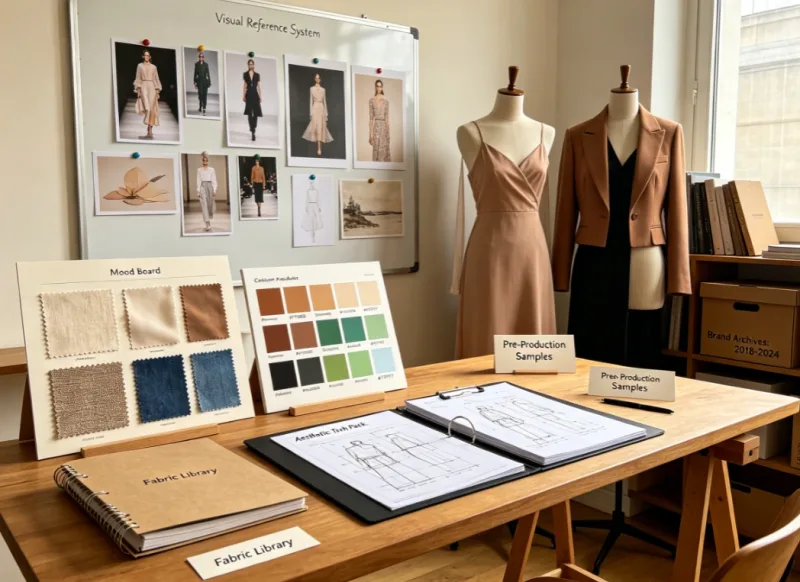
Garment Brand Aesthetic Planning
Final Takeaways
Your brand aesthetic is the core asset that sets your boutique apart from generic fast fashion. For startup designers and emerging labels, stable, consistent style output matters more than one viral design. The key to successful China sourcing is turning your abstract artistic brand tone into standard, visual, factory-ready production rules.
By building professional visual reference systems, unifying color and texture standards, upgrading your tech packs with aesthetic details, strictly checking sample tonality, and keeping long-term brand archives, you can eliminate cross-border aesthetic deviation. This lets Chinese clothing factories accurately recreate your brand aesthetic in every batch, build a unified market identity, and steadily grow your brand’s value and customer recognition.
How SourcingYuan Helps You Communicate Your Brand Aesthetic
At SourcingYuan, we specialize in solving brand aesthetic communication problems for global fashion startups and boutique labels. We act as the bridge between your design vision and Chinese factory production — turning your abstract aesthetic into clear, enforceable manufacturing standards.
For every client, we custom-build brand aesthetic files, organize visual reference libraries, standardize color and texture specs, upgrade tech packs, and manage the whole sample confirmation and style consistency process. We eliminate factory guesswork and make sure every order delivers your brand’s look with zero deviation.
Whether you run a French elegant boutique, a minimalist casual brand, a vintage designer label, or a streetwear startup, we offer tailored aesthetic communication and production supervision to keep your brand’s visual output stable for the long term.
📧 Email: lee@sourcingyuan.com
Reach out to build a complete, standardized brand aesthetic production system for your China sourcing — and get consistent, high-quality brand style, collection after collection.
Share This Story, Choose Your Platform!
We connect you with reliable factories, get the best quotes, deliver straight to your door.