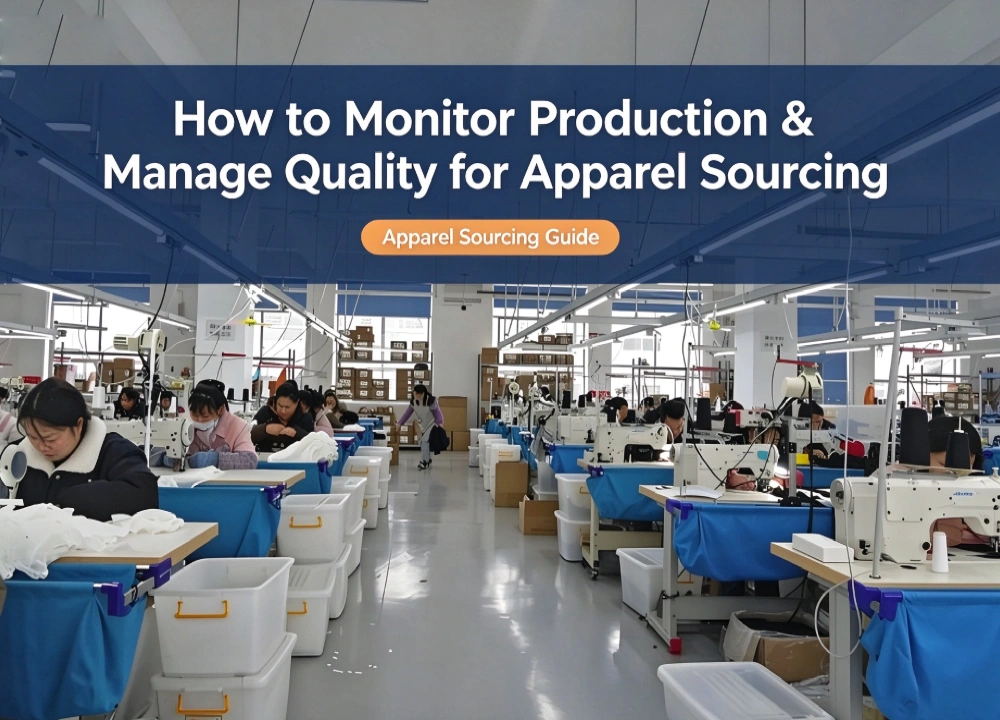
How can you keep your apparel sourcing order on schedule and defect-free when you cannot visit the factory in China?
If you are managing apparel sourcing from China, the production phase is where things can go right—or quietly go wrong. Samples have been approved, the purchase order is signed, and the factory has started cutting fabric. Then comes the waiting game. For buyers who cannot be on the ground, those four to eight weeks are a black box. For buyers who manage production actively, those weeks are where quality is protected, delays are caught early, and surprises are avoided.
This apparel sourcing manufacturing guide covers how to monitor production schedules, supervise bulk manufacturing, and manage quality throughout the apparel production cycle. Whether you are sourcing 500 pieces or 50,000, the principles are the same: define the timeline, monitor the milestones, and verify quality at every stage—not just at the end.
The Apparel Production Timeline: What to Expect
Understanding the standard production timeline is the first step in monitoring it. For a typical apparel order after sample approval, the production process takes 4–8 weeks, depending on order volume, fabric availability, and garment complexity.
| Stage | Typical Duration | Key Activities |
|---|---|---|
| Fabric & trim sourcing | 1–3 weeks | Fabric inspection, trim procurement, color matching |
| Cutting | 3–7 days | Fabric spreading, cutting, bundling |
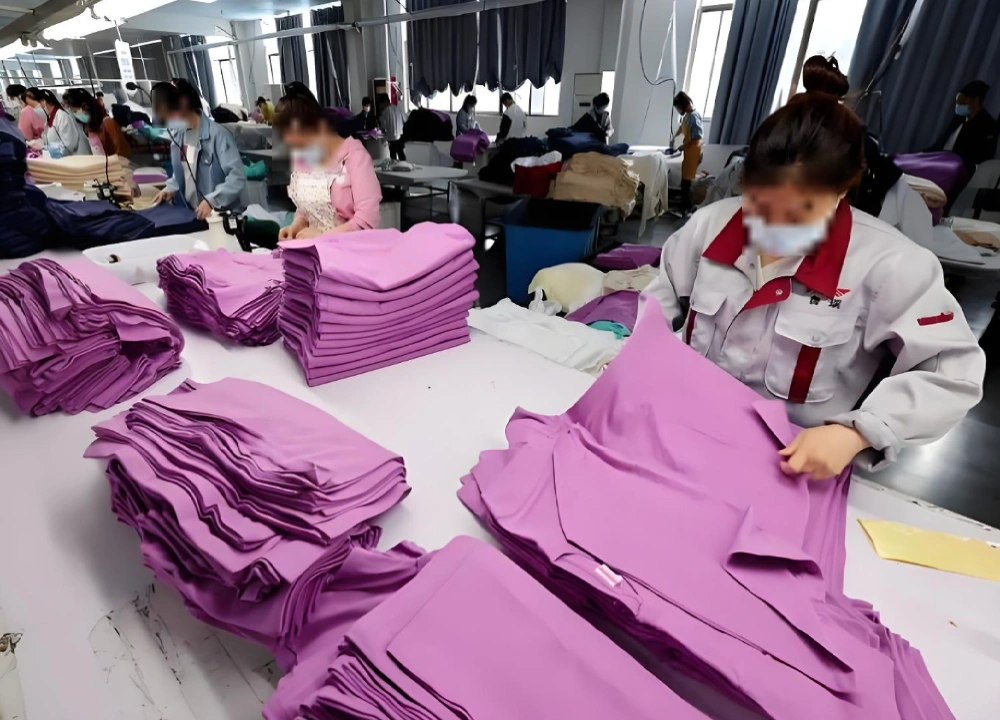
| Sewing & assembly | 2–4 weeks | Line production, in-line inspection |
| Finishing | 3–7 days | Trimming, pressing, labeling, packaging |
| Final inspection & shipment | 3–7 days | Pre-shipment check, carton packing, loading |
Apparel production management starts with a clear timeline. If your supplier cannot provide a stage-by-stage schedule, that is a warning sign. A factory that manages production professionally will have a planning system and can share a production schedule before cutting begins.
Why Timelines Slip
Delays rarely happen at the end. They start early and compound. The most common causes of clothing production timeline slippage include:
- Fabric delays: The mill delivers late, or fabric fails inspection and must be re-ordered
- Trim shortages: Buttons, zippers, or labels arrive late
- Capacity overload: The factory accepted too many orders for the same period
- Sample revisions: Late changes to the approved sample push production back
- Public holidays: Chinese New Year, National Day, and other holidays shut factories for 1–3 weeks
The best way to protect your timeline is to build in buffer time—and to monitor progress at each stage so you catch delays when they are still small.This is a simple but powerful rule for apparel sourcing.
Production Schedule Monitoring: How to Track Progress
Once production begins, production schedule monitoring becomes your primary task. You need to know whether the factory is on track—not two weeks later, but now.
For apparel sourcing, tracking production milestones helps you avoid costly delays and unexpected quality failures.
What to Monitor at Each Stage
| Stage | What to Check | Frequency |
|---|---|---|
| Fabric inspection | Shade consistency, defects, shrinkage results | Before cutting |
| Cutting | Cutting accuracy, fabric utilization, bundle count | Daily during cutting |
| Sewing | Daily output, defect rate, in-line results | Every 2–3 days |
| Finishing | Trimming, pressing, labeling accuracy | Daily during finishing |
| Pre-shipment | Final check, packing, quantity verification | Before shipment |
How to Get Reliable Updates
Factories are not always proactive about sharing bad news. If you ask “How is production going?” you will usually hear “It’s fine.” To get real information, ask specific questions:
- “How many pieces were cut yesterday?”
- “What is the current daily output on the sewing line?”
- “Have you completed the fabric inspection? Can you share the report?”
- “Are there any material shortages that could affect the schedule?”
Ask for photos or short videos at each stage. A photo of the cutting table, the sewing line, or the finished goods in cartons tells you more than a verbal update.
Clear communication is core to successful apparel sourcing.
If you want a deeper breakdown of how to verify production quality, our guide on How to Find Reliable Clothing Manufacturers for Your Apparel Sourcing? covers factory audits, sample testing, and pre-shipment inspection.
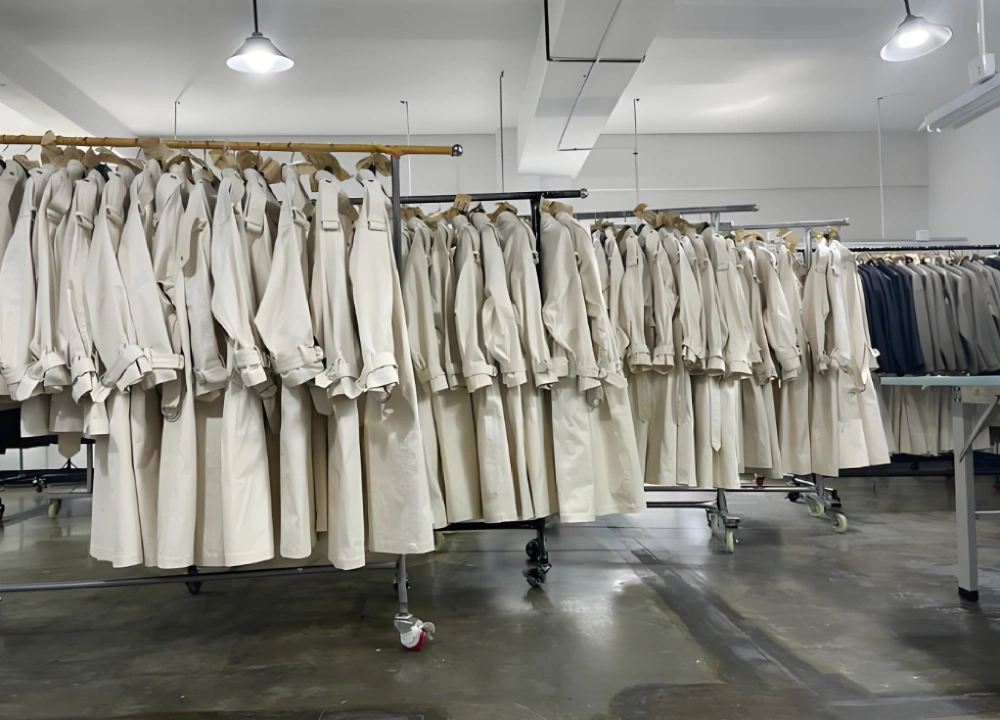
Bulk Production Supervision: What to Watch For
For apparel sourcing, bulk production supervision is about catching problems before they become shipment-blocking issues. Here are the most common issues and how to address them.
Common Manufacturing Issues
| Issue | What It Looks Like | How to Prevent It |
|---|---|---|
| Fabric shading | Panels from different rolls differ in color | Inspect fabric before cutting; request shade bands |
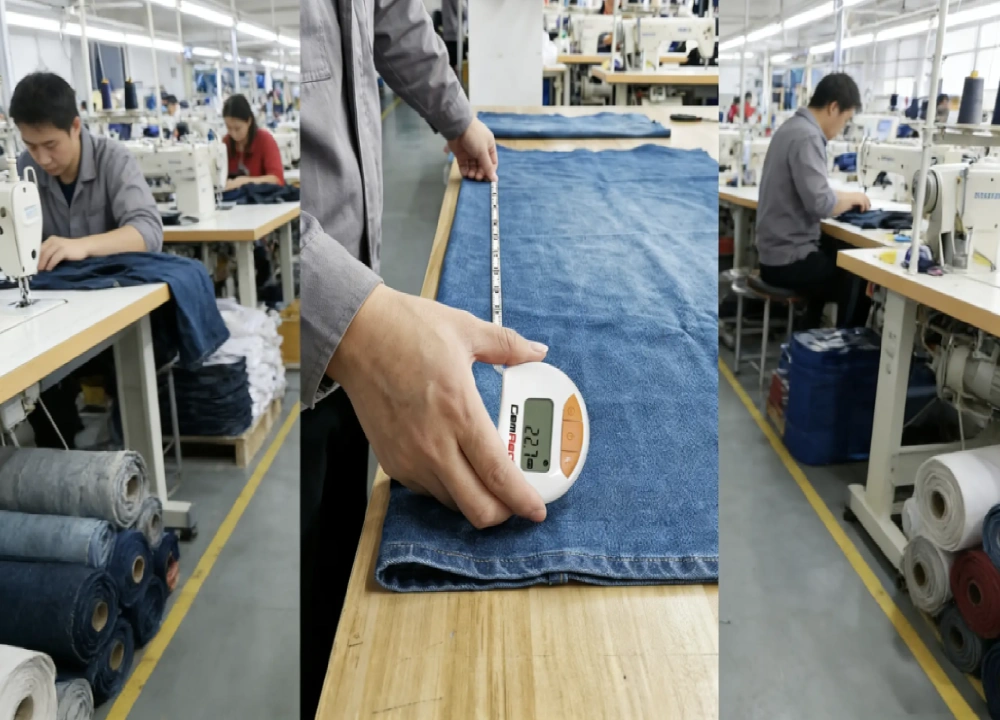
| Measurement drift | Garments gradually fall outside tolerance | Check measurements at cutting and during sewing |
| Stitching defects | Skipped stitches, broken threads, puckering | In-line inspection; check machine settings |
| Trim substitution | Cheaper trims used instead of approved ones | Verify trims before distribution to lines |
| Labeling errors | Wrong care labels, missing size tags | Check labeling at finishing stage |
The In-Line Inspection Advantage
Most quality problems are cheaper to fix during production than after. A defect caught during sewing can be corrected in minutes. The same defect caught at pre-shipment inspection may require rework, repacking, or even re-production.
Garment manufacturing quality control should include:
- Pre-production inspection: Verify fabric, trims, and first samples before cutting
- During-production (DUPRO) inspection: Also known as during-production inspection, this takes place at 20–30% completion to catch defects early
- Pre-shipment inspection (PSI): The final check before shipment, done on finished and packed goods
For more on the verification process before production begins, our guide on How to Navigate Garment Sampling: A Complete Apparel Sourcing Guide covers sample approval, PP samples, and the gates between sampling and bulk production.

Quality Control: What to Check and When
Apparel sourcing quality control is not a single inspection. It is a series of checks at different stages.
Key Quality Checkpoints
| Checkpoint | What to Check | Who Should Check |
|---|---|---|
| Fabric inspection | Shade, defects, shrinkage, GSM | Factory QC + buyer’s rep |
| Cutting inspection | Accuracy, panel count, fabric utilization | Factory QC |
| In-line inspection | Stitching, measurements, workmanship | Factory QC + buyer’s rep |
| Pre-shipment inspection | Measurements, labeling, packing, quantity | Third-party or buyer’s rep |
A Real Example: The Cost of Skipping In-Line Inspection
In apparel sourcing, skipping in-line inspection can lead to costly losses.
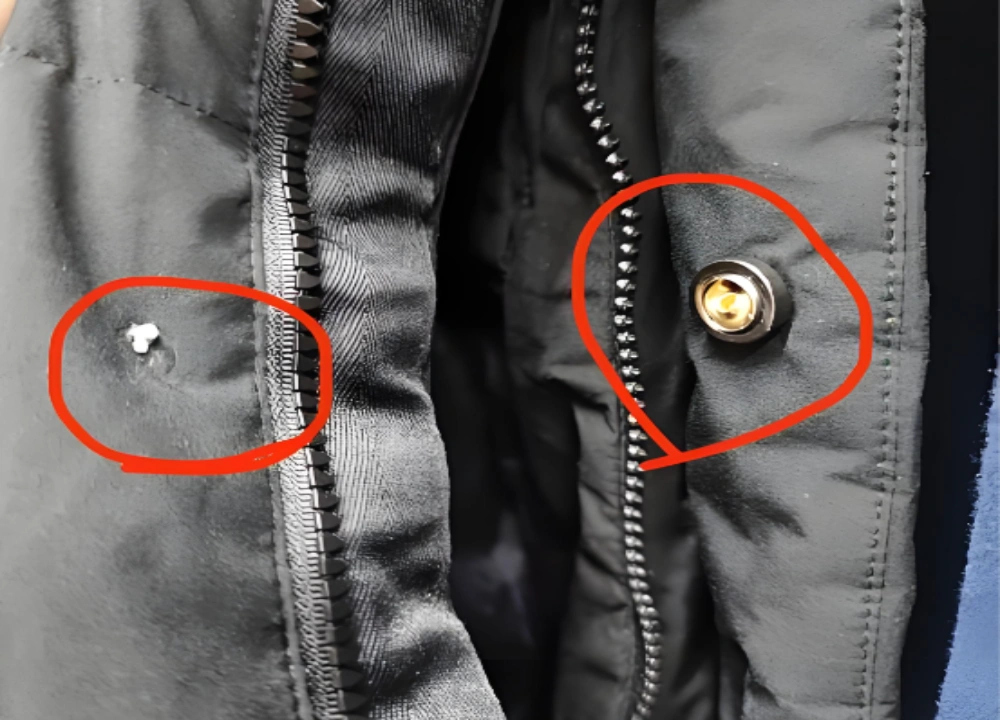
One of our clients, a European brand sourcing knitwear, skipped in-line inspection to save a week on their schedule. The factory completed production and shipped the order. When the goods arrived, the buyer discovered that the sleeve lengths varied by up to 2 cm across different production batches. The factory had used two different sewing lines with different machine settings.
The cost: a full rework project, delayed delivery to retailers, and a discount negotiation with the factory. The time saved by skipping in-line inspection was one week. The time lost fixing the problem was five weeks.
Apparel Order Follow-Up: Communication That Works
Apparel order follow-up is not about sending “any update?” messages. It is about structured communication that gives you visibility without overwhelming the factory. Good communication is a foundational skill for apparel sourcing.
Best Practices for Follow-Up
- Set a communication schedule.Agree with the factory on when and how you will receive updates—for example, a weekly progress report with photos and output numbers.
- Use a standard format.Ask for updates in a consistent format: production stage, units completed, units remaining, issues, and next milestones. This makes it easier to compare progress week over week.
- Escalate early.If the factory misses a milestone, address it immediately. Waiting a week to see if they catch up usually means losing two weeks.
- Keep records.Document every update, every issue, and every resolution. If a dispute arises, you have a clear record of what was agreed and what happened.

What to Do When Problems Arise
When a problem is identified—whether it is a quality issue, a delay, or a material shortage—the response should be structured:
- Document the issue with photos, measurements, or inspection reports
- Identify the root cause (material, machine, method, or manpower)
- Agree on a corrective action with a deadline
- Verify the correction before production continues
At Sourcingyuan, we handle this process for our clients by coordinating directly with factories, attending inspections, and reporting progress with documented evidence. Our team is on the ground in Guangzhou, so we can visit factories in Foshan, Dongguan, and surrounding areas when issues require physical verification.
The Bottom Line
Apparel sourcing production monitoring is not about being on the factory floor every day. It is about having a structured process: a clear timeline, regular checkpoints, in-line inspections, and structured follow-up. The goal is to catch problems early, when they are still cheap to fix.
If you are sourcing apparel from China and need support with production monitoring, quality control, or factory follow-up, our team at SourcingYuan is based in Guangzhou and works with apparel buyers year-round. From in-line inspections to pre-shipment checks, we help protect your order from cutting to loading.
About the Author
Jeff Lee
Founder of Sourcingyuan
Jeff Lee is the founder of Sourcingyuan, a China-based sourcing and product development company. He has more than 10 years of experience helping overseas businesses source products, develop new products, identify reliable manufacturers, manage production, and build supply chains in China.
Related Articles You May Like 📚
Looking to build a complete apparel sourcing workflow? These guides cover the full process:
- 📘 [Complete Apparel Sourcing Guide: How to Source Clothing from China for New Fashion Brands]
- 🔍 [How to Find Reliable Clothing Manufacturers for Your Apparel Sourcing?]
- ⚠️ [What Are the Most Common Mistakes to Avoid in Apparel Sourcing?]
- 👕 [How to Develop a Clothing Product: A Step-by-Step Apparel Sourcing Guide for New Brands]
🤝 If you need support, contact SourcingYuan.
Share This Story, Choose Your Platform!
We connect you with reliable factories, get the best quotes, deliver straight to your door.