If you are sourcing apparel from China, you are not just sourcing from factories—you are sourcing from an ecosystem. China Industrial Clusters in the apparel and textile sector are geographically concentrated networks of manufacturers, suppliers, and service providers that have developed over decades. Understanding these China apparel & textiles industrial clusters is the difference between finding a supplier and finding the right supply chain.
When researching cross‑border manufacturing, many buyers overlook how powerful China Industrial Clusters can be for risk reduction and cost control. This guide explains where China’s apparel and textile clusters are located, what each region specializes in, and how international buyers can navigate this ecosystem efficiently. Whether you are sourcing basic knitwear, performance fabrics, or garment accessories, knowing the landscape within China apparel & textiles industrial clusters saves time and reduces risk.
You can visit our overview hub page to explore the full scope of China Industrial Clusters covering multiple manufacturing sectors.
Why Apparel & Textile Clusters Matter for Sourcing
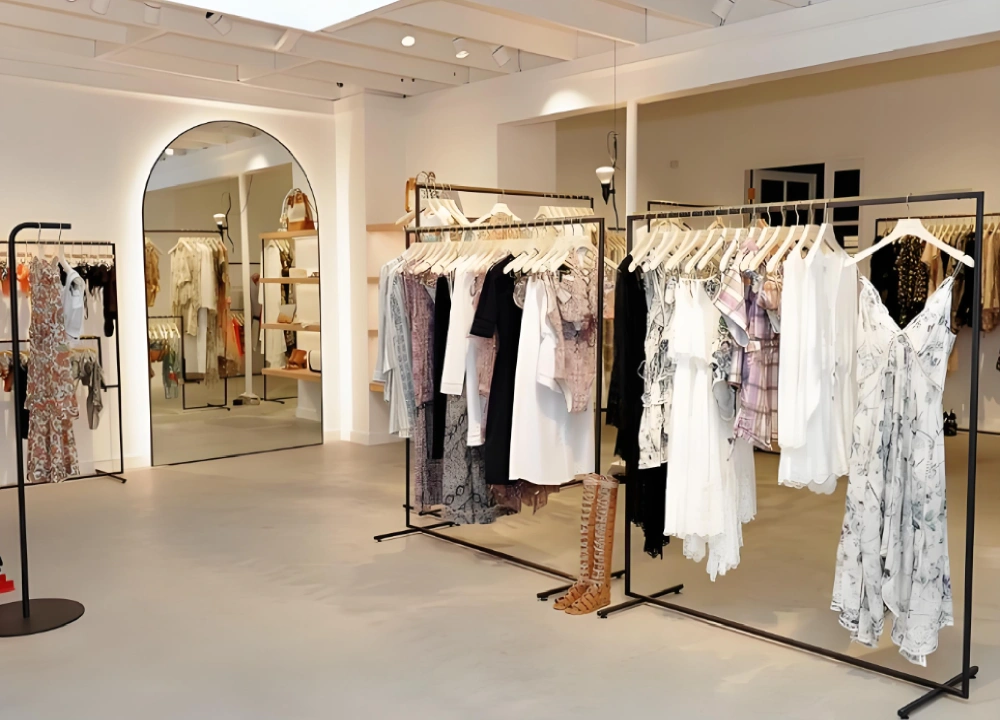
China produces over 700 billion garments annually and accounts for more than 35% of global textile and apparel trade. This scale is not spread evenly across the country. It is concentrated in clusters where suppliers, subcontractors, and skilled labor exist within a few kilometers of each other. For importers, studying China apparel & textiles industrial clusters is essential before sending any RFQ to potential vendors.
For buyers, the cluster model offers three practical advantages:
- Supply chain density. In a mature cluster, you can source fabric, trims, and manufacturing within a short drive. A Guangzhou apparel factory, for example, is typically within 30 minutes of the Zhongda fabric market, which supplies over 80% of the region’s garment manufacturers. This density is one core feature of well-developed China Industrial Clusters.
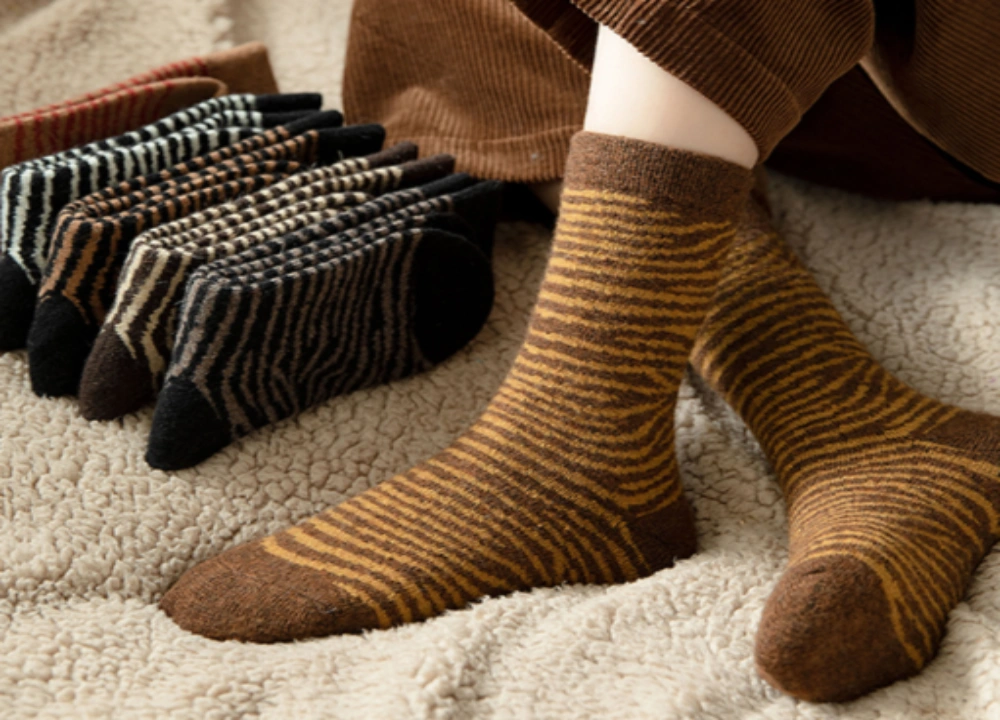
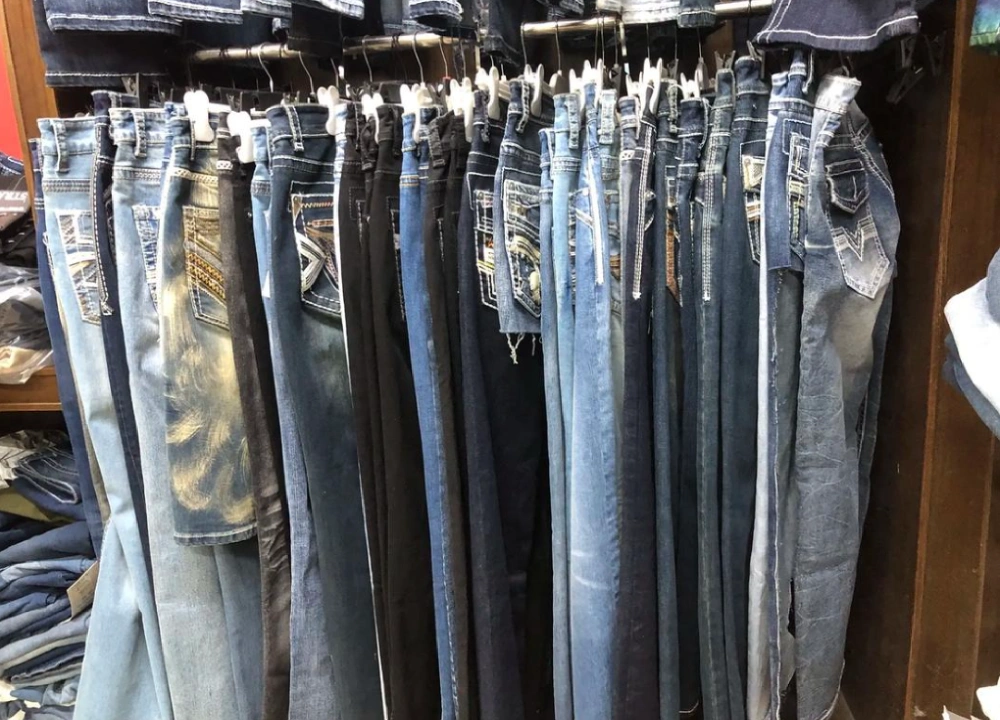
- Specialized capability. Clusters develop expertise in specific product categories. Zhejiang’s Datang is the world’s largest sock production base, producing over 25 billion pairs annually. Guangdong’s Xintang produces denim at scale, with Foshan Sanshui accounting for 20% of China’s denim output. Such deep product specialization defines most China apparel & textiles industrial clusters.
- Competitive pricing. When dozens of suppliers compete in the same product category within a small radius, pricing becomes more transparent and negotiation leverage increases. This market dynamic is common across China Industrial Clusters.
For broader context on shifting supply‑chain dynamics, see How Are China Industrial Clusters Evolving Amid Global Supply Chain Shifts?
The Major Apparel & Textile Clusters in China
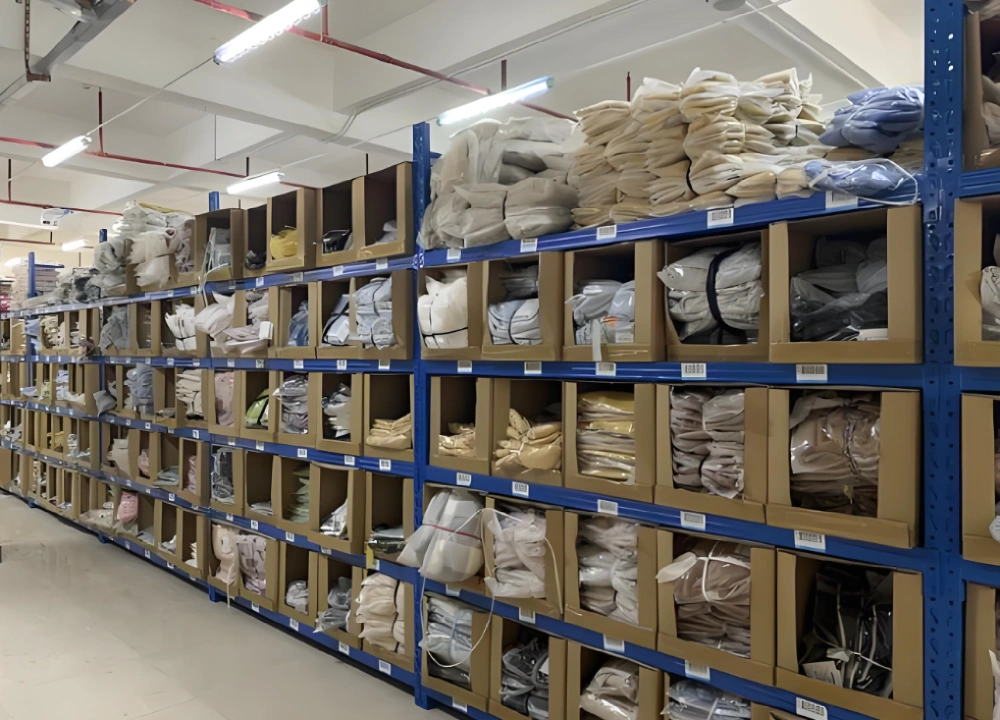
China’s apparel and textile manufacturing is not one cluster—it is a network of regional ecosystems, each with its own specialization. Working across different China apparel & textiles industrial clusters means adjusting your expectations for MOQ, lead‑time and product quality. The table below summarizes the key China textile manufacturing hubs by region and product focus.
| Region | Key Cluster Locations | Specialization | Notable Strength |
|---|---|---|---|
| Guangdong | Humen, Dalang, Xintang, Shaxi, Puning, Shantou | Womenswear, knitwear, denim, lingerie, casual wear | 7 world-class clusters; largest apparel province |
| Zhejiang | Shaoxing (Keqiao), Haining, Zhuji (Datang), Tongxiang | Fabrics, socks, leather, woolen sweaters | 25.5% of national textile revenue; largest textile export province |
| Jiangsu | Shengze, Changshu, Nantong | Chemical fiber, high-end fabrics, home textiles | Shengze: top cluster by output value; 2,500+ textile enterprises |
| Fujian | Jinjiang, Putian | Sportswear, footwear, activewear | China’s sportswear manufacturing core |
| Shandong | Binzhou, Qingdao | Cotton spinning, yarn, home textiles | Major cotton textile base in northern China |
| Henan/Hubei | Zhengzhou, Hanchuan | Garment manufacturing, sewing thread | Hanchuan: 2/3 of China’s polyester sewing thread |
| Xinjiang | Korla, Aksu | Cotton spinning, raw materials | Resource‑based upstream production |
Guangdong: The Full-Spectrum Apparel Ecosystem
Guangdong is China’s largest apparel-producing province, with 2,535 garment enterprises above designated size accounting for 18.34% of the national total. The province has developed seven world-class apparel clusters, each with a distinct focus:
- Humen (虎门):Womenswear
- Dalang (大朗): Knitwear and woolen sweaters
- Xintang (新塘):Denim and jeans
- Shaxi (沙溪):Casual wear
- Puning (普宁):Underwear
- Shantou (汕头):Lingerie and homewear
- Chaozhou (潮州): Wedding dresses and formal wear
The province’s strength lies in its fast-fashion responsiveness. With 53 apparel colleges, approximately 150,000 designers, and 29 industrial clusters, Guangdong supports small-batch, fast-response production models that serve e-commerce and direct-to-consumer brands. Many overseas buyers start their China sourcing journey inside China Industrial Clusters located across Guangdong.
If you want to compare suitable manufacturing locations across the country, check out Which Chinese Cities Are Ideal for Sourcing Within China Industrial Clusters?.
Zhejiang: From Fabrics to Finished Goods
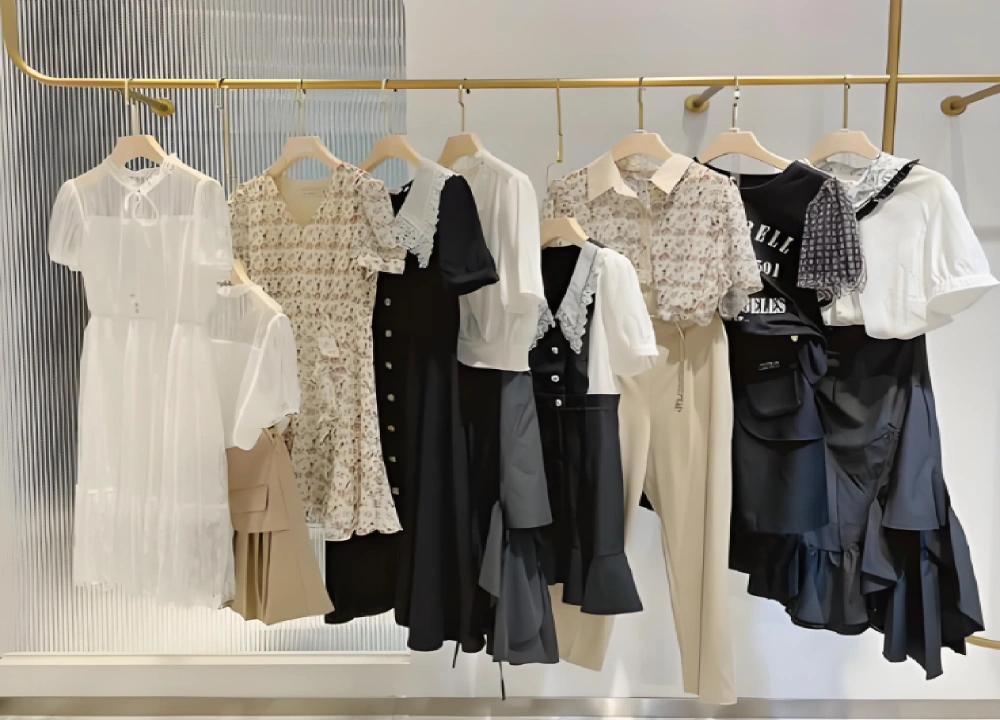
Zhejiang is China’s largest textile‑exporting province, with textile export value of $95.3 billion in 2025, accounting for 32.4% of the national total. The province’s modern textile and apparel cluster is a national‑level advanced manufacturing cluster, anchored by cities including Hangzhou, Ningbo, Shaoxing, and Jiaxing. Among all China apparel & textiles industrial clusters, Zhejiang hubs stand out for complete fabric‑to‑garment supply chains.
Shaoxing’s Keqiao District is the heart of China’s fabric trade. The China Textile City in Keqiao is the world’s largest textile distribution center, with 38,000+ merchants, 50,000+ product varieties, and annual transaction volume exceeding 441 billion RMB. The district produces nearly 40% of China’s printed and dyed fabrics.
Zhuji’s Datang (大唐) produces over 25 billion pairs of socks annually, representing 70% of China’s sock output and one‑third of global production. The cluster supports the full production chain—from machinery to materials to finished socks—within a single town. This compact end‑to‑end setup is typical for top‑tier China Industrial Clusters.
Jiangsu: High‑End Fabrics and Chemical Fiber
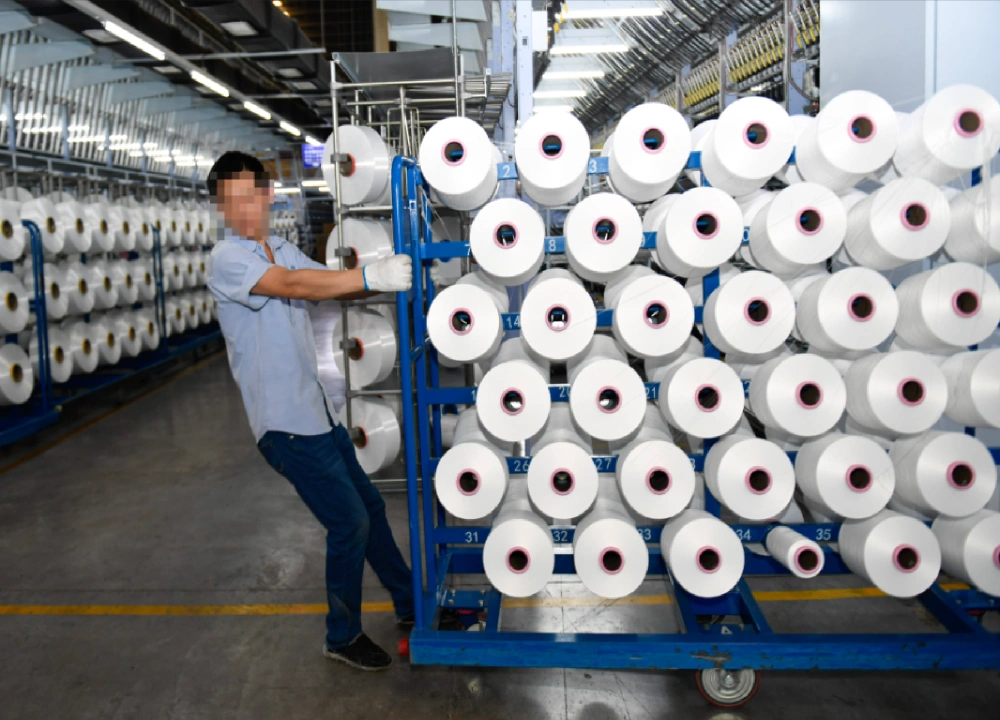
Jiangsu is home to Shengze (盛泽), the top‑ranked textile cluster in China by industrial output value. The town hosts over 2,500 textile enterprises, including two Fortune Global 500 companies (Hengli and Shenghong), and the Eastern Silk Market with annual transactions exceeding 200 billion RMB.
The Suzhou‑Wuxi‑Nantong corridor forms a high‑end textile cluster with over 8,500 textile enterprises, including 4,184 above designated size. This region specializes in chemical fiber, high‑end fabrics, and home textiles. Buyers chasing premium fabric quality frequently explore China apparel & textiles industrial clusters within Jiangsu province.
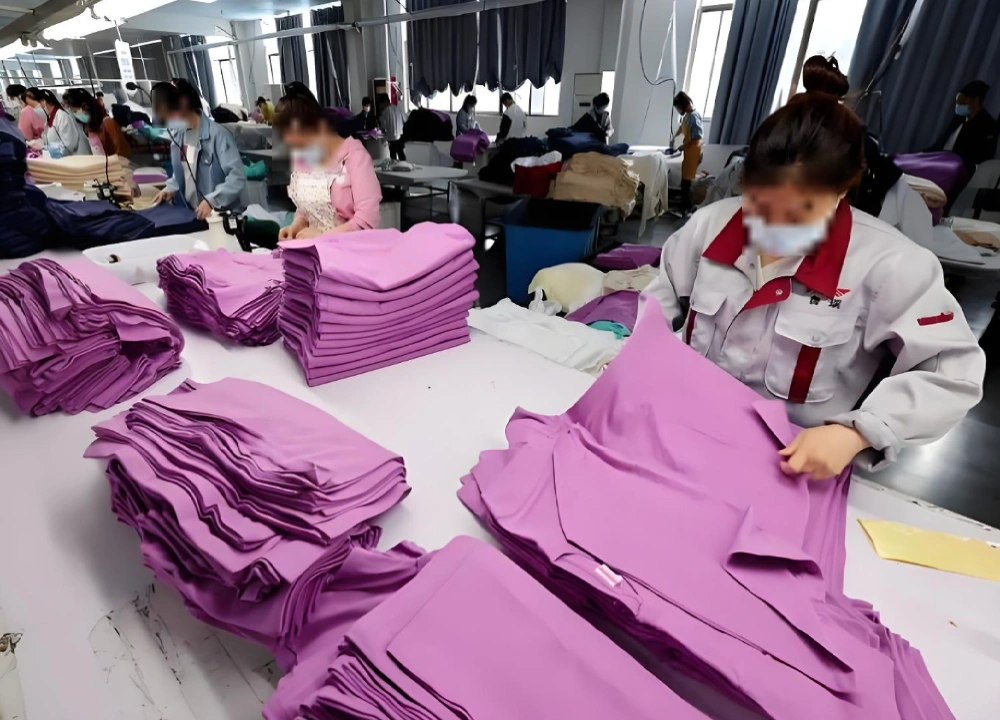
What Each Cluster Produces: A Buyer’s Reference
For international buyers, matching product category to cluster is the first step in efficient sourcing. If you skip this step, you will waste time contacting factories outside the core China Industrial Clusters for your target goods. The table below maps common apparel products to their primary production regions.
| Product Category | Primary Cluster(s) | Why This Region |
|---|---|---|
| Denim & jeans | Xintang (Guangdong), Foshan Sanshui | Sanshui produces 20% of China’s denim |
| Knitwear & sweaters | Dalang (Guangdong), Tongxiang/Puyuan (Zhejiang) | Dalang is a world-class knitwear cluster |
| Socks & hosiery | Datang, Zhuji (Zhejiang) | 70% of China’s socks, 1/3 of global production |
| Womenswear | Humen (Guangdong), Hangzhou (Zhejiang) | Humen is a world-class womenswear cluster |
| Underwear & lingerie | Puning, Shantou (Guangdong) | Both are world-class lingerie clusters |
| Fabrics & textiles | Keqiao (Zhejiang), Shengze (Jiangsu) | Keqiao: 40% of China’s printed/dyed fabrics |
| Sportswear | Jinjiang, Putian (Fujian) | China’s sportswear manufacturing core |
| Cotton yarn & spinning | Binzhou (Shandong), Xinjiang | Major cotton textile bases |
A Real Example: Sourcing a Denim Order
A European brand needed 5,000 pairs of selvedge denim jeans with specific wash effects. The first step was not finding a supplier—it was choosing a cluster. Xintang in Guangdong was the logical choice: the town has a dense concentration of denim-specific factories, washing facilities, and laundry services within a few kilometers. This is exactly the advantage built into China apparel & textiles industrial clusters.
Within Xintang, the brand’s local partner identified three factories capable of producing the specified fabric weight and wash. Two had in-house washing lines; one outsourced to a nearby laundry. The cluster density meant that even the outsourced option was only 15 minutes away—reducing logistics risk and sampling time.
The lesson: cluster selection determines your supplier pool, your sampling speed, and your quality control options. Many new importers underestimate how much their sourcing results depend on picking the right zones from among China Industrial Clusters.
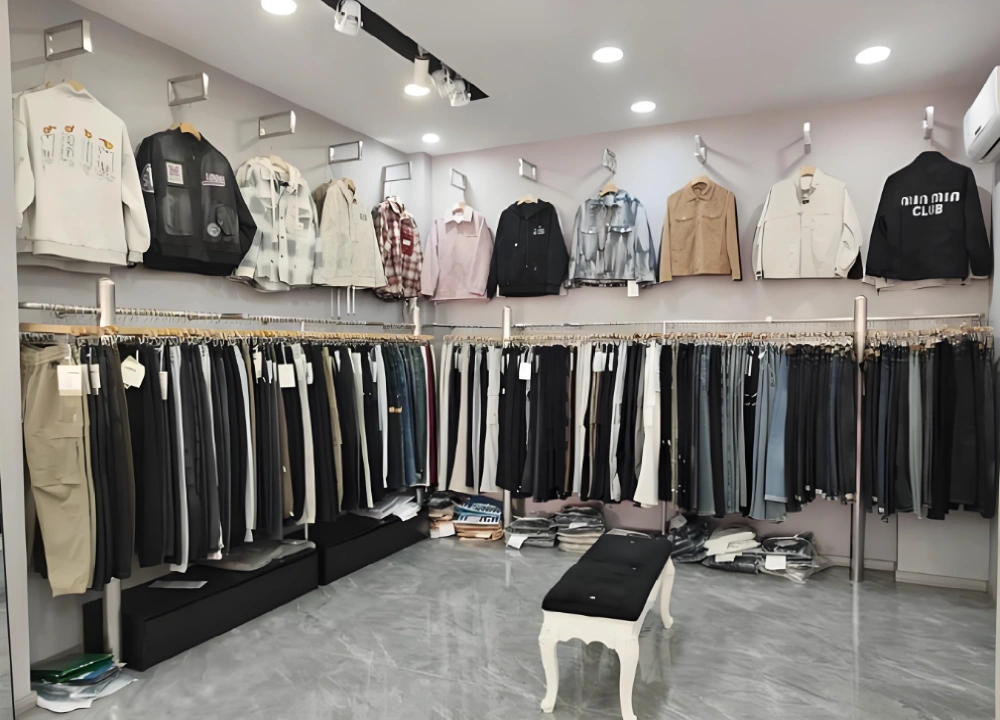
Garment Accessories: The Supporting Supply Chain
Garment accessories manufacturing in China is itself a cluster-based industry. Buttons, zippers, labels, and trims are produced in specialized regions that feed the apparel clusters.
- Zippers: Zhejiang and Guangdong are the primary production bases, with major manufacturers concentrated in Wenzhou and Shenzhen.
- Buttons:Zhejiang’s Yongjia and Guangdong’s Humen are known for button manufacturing.
- Labels and tags: Guangzhou and Dongguan have dense concentrations of printing and labeling suppliers, supported by the packaging industry.
- Lace and embroidery: Fujian’s Changle and Guangdong’s Shantou are key centers for lace and embroidery production.
For buyers, the practical implication is that accessories can be sourced within the same cluster as the garment factory. In Guangdong, for example, a Guangzhou-based apparel factory can source buttons, zippers, and labels from suppliers within the Pearl River Delta, often within 24–48 hours. Strong accessory networks make many China apparel & textiles industrial clusters very attractive for full-package orders.
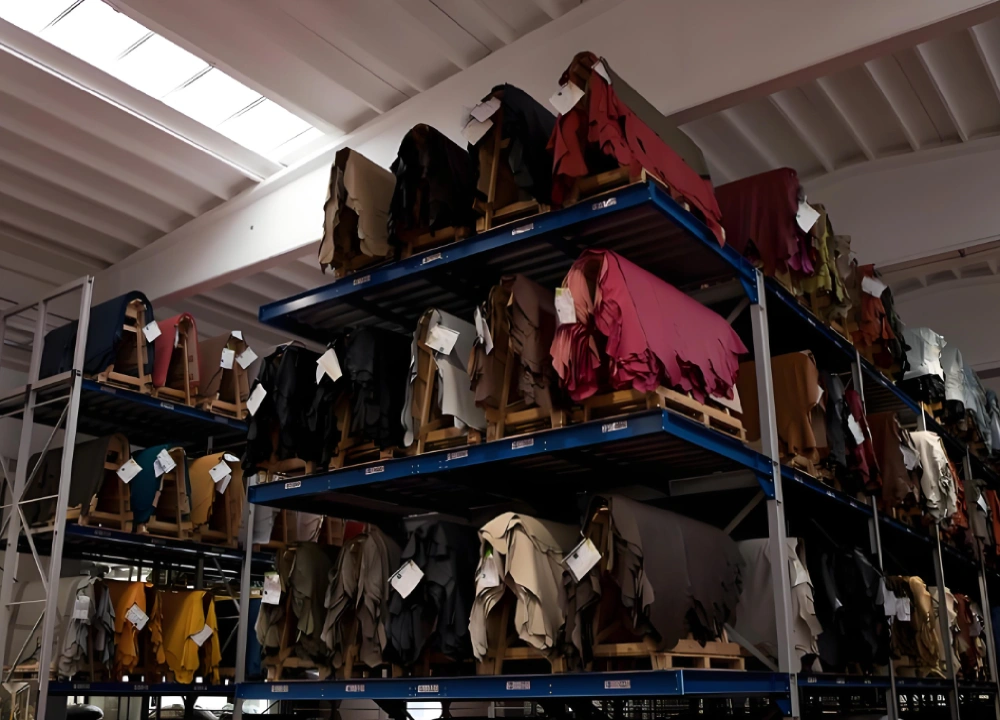
Chinese apparel fabric suppliers are similarly clustered. The Zhongda Fabric Market in Guangzhou serves 80% of the region’s garment manufacturers, while Keqiao’s China Textile City in Zhejiang is the global hub for fabric wholesale. Sourcing fabric from the right cluster ensures faster sampling and more consistent quality. Access to abundant raw material inputs is one defining feature of mature China Industrial Clusters.
How to Use Cluster Knowledge in Your Sourcing Strategy
Understanding the cluster landscape is not academic—it directly affects sourcing decisions. Even experienced importers revisit maps of China apparel & textiles industrial clusters before launching new product lines.
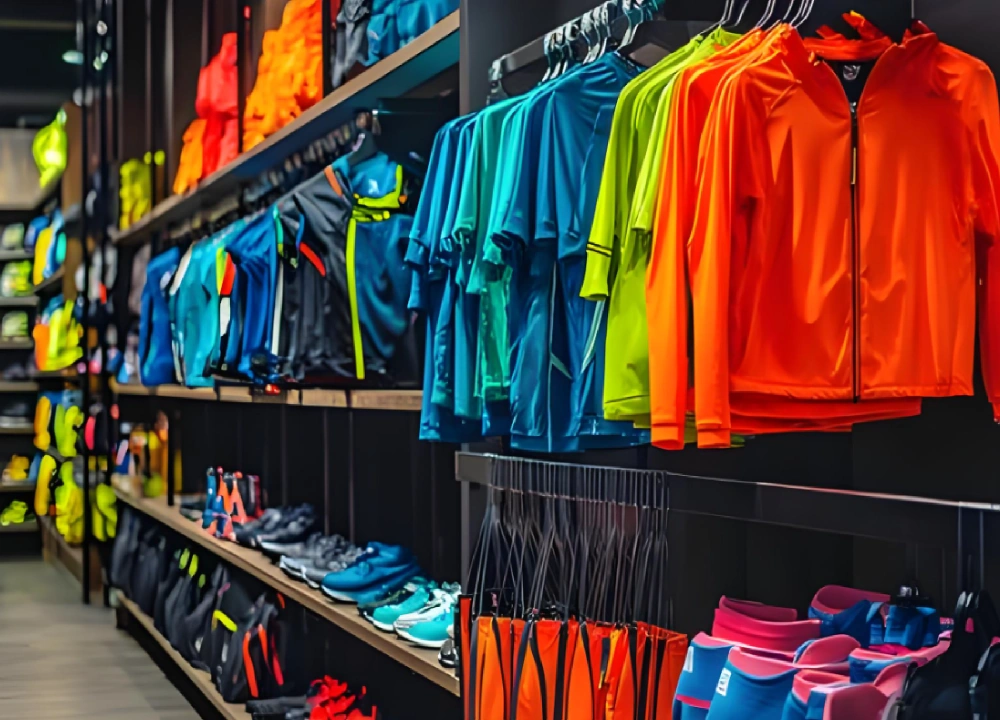
Step 1: Match Product to Cluster
Before contacting suppliers, identify which cluster specializes in your product category. Sourcing denim from Xintang, socks from Datang, or fabrics from Keqiao puts you in a competitive supply environment from the start.
Step 2: Verify Supplier Location
A supplier claiming to be a “Guangzhou apparel manufacturer” may actually be sourcing from a factory in another province. Ask for the factory address and verify it against the cluster map. If the address does not match the cluster’s specialization, ask why. Scattered non-cluster factories rarely enjoy the same supply-chain benefits as participants inside China Industrial Clusters.

Step 3: Use Cluster Density for Consolidation
If you are sourcing multiple components—fabric, garment, accessories—sourcing from the same cluster reduces logistics complexity. Goods can be consolidated at a local warehouse and shipped together, reducing freight costs and transit time.
Step 4: Leverage Local Support
Navigating a cluster without local knowledge is challenging. Language barriers, supplier verification, and quality control require on-the-ground presence. At Sourcingyuan, our Guangzhou-based team helps international buyers navigate China’s apparel and textile clusters—from supplier identification in Guangdong to quality control and consolidation. We work with buyers across product categories and know which clusters deliver the right combination of price, quality, and responsiveness.
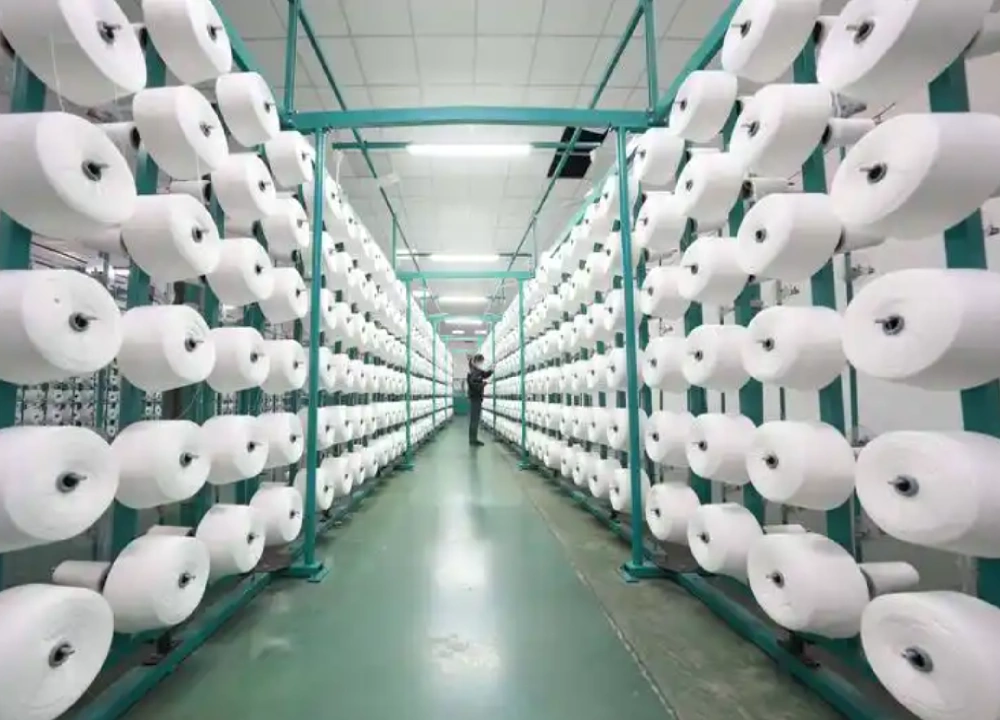
China Industrial Clusters are the backbone of the country’s apparel and textile industry. These interconnected regional ecosystems bring together raw‑material suppliers, fabric mills, garment factories, accessory workshops, testing labs, logistics providers and design talent within close geographic proximity. China apparel & textiles industrial clusters are not just concentrations of factories—they are ecosystems that determine pricing, quality, and responsiveness.
For international buyers, understanding which cluster produces what is the critical first step toward efficient, low‑risk sourcing. Matching your product requirements to the right cluster helps you shorten sampling cycles, cut intermediate markup costs and gain access to specialized technical capabilities you may struggle to find elsewhere. If you ignore how these ecosystems operate, you risk overpaying, unexpected long lead‑times, inconsistent product quality, and working with middlemen instead of actual production facilities.
Even with well‑researched cluster knowledge, many global importers still benefit from local on‑the‑ground support to vet factories, audit production facilities and coordinate cross‑supplier consolidation. Knowing the map of industrial clusters is powerful, but pairing that knowledge with proper supplier due diligence will deliver the most reliable sourcing outcomes for your apparel projects.
About the Author
Jeff Lee
Founder of Sourcingyuan
Jeff Lee is the founder of Sourcingyuan, a China-based sourcing and product development company. He has more than 10 years of experience helping overseas businesses source products, develop new products, identify reliable manufacturers, manage production, and build supply chains in China.
Related Articles You May Like 📚
Looking to expand your sourcing knowledge? These guides cover related topics:
🧵 [How to Source Fabric for Your Clothing Line: A Step‑by‑Step Apparel Sourcing Guide]
👕 [How to Find Reliable Clothing Manufacturers for Your Apparel Sourcing?]
📋 [What Are the Most Common Mistakes to Avoid in Apparel Sourcing?]
🤝 Need help navigating China’s apparel clusters?
Sourcingyuan works with international apparel buyers from our Guangzhou office—from supplier identification to quality control and consolidation.
Contact us to get started.
Share This Story, Choose Your Platform!
We connect you with reliable factories, get the best quotes, deliver straight to your door.